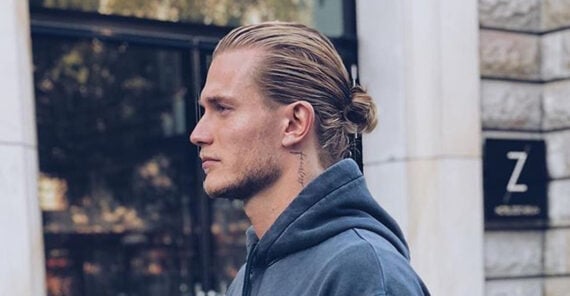
Hairstyles have always been more than just fashion they reflect the culture, attitudes, and identity of their time. From rebellious cuts to polished looks, certain hairstyles instantly capture the spirit of a generation. They appear in movies, magazines, and everyday life, shaping how people express themselves and how entire decades are remembered. Some styles were bold statements of independence, while others symbolized glamour, youth, or creativity. Even today, many of these iconic looks continue to inspire trends and come back in new forms. Here are ten hairstyles that didn’t just define fashion they defined their era.
1. The Beehive (1960s)
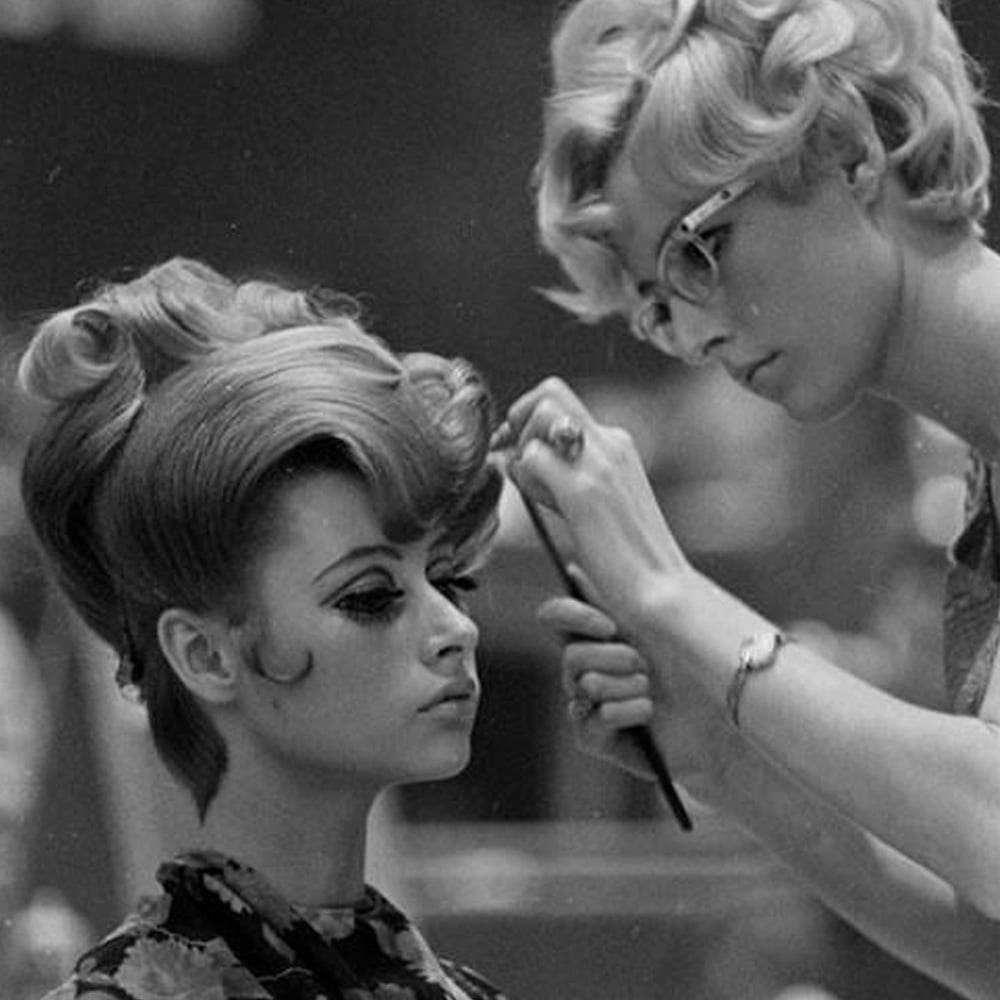
The beehive became one of the most recognizable hairstyles of the 1960s. Towering high on the head and carefully structured with hairspray, it represented elegance and drama. Women embraced the style as a symbol of glamour, often pairing it with bold eyeliner and classic dresses.
2. The Shag (1970s)
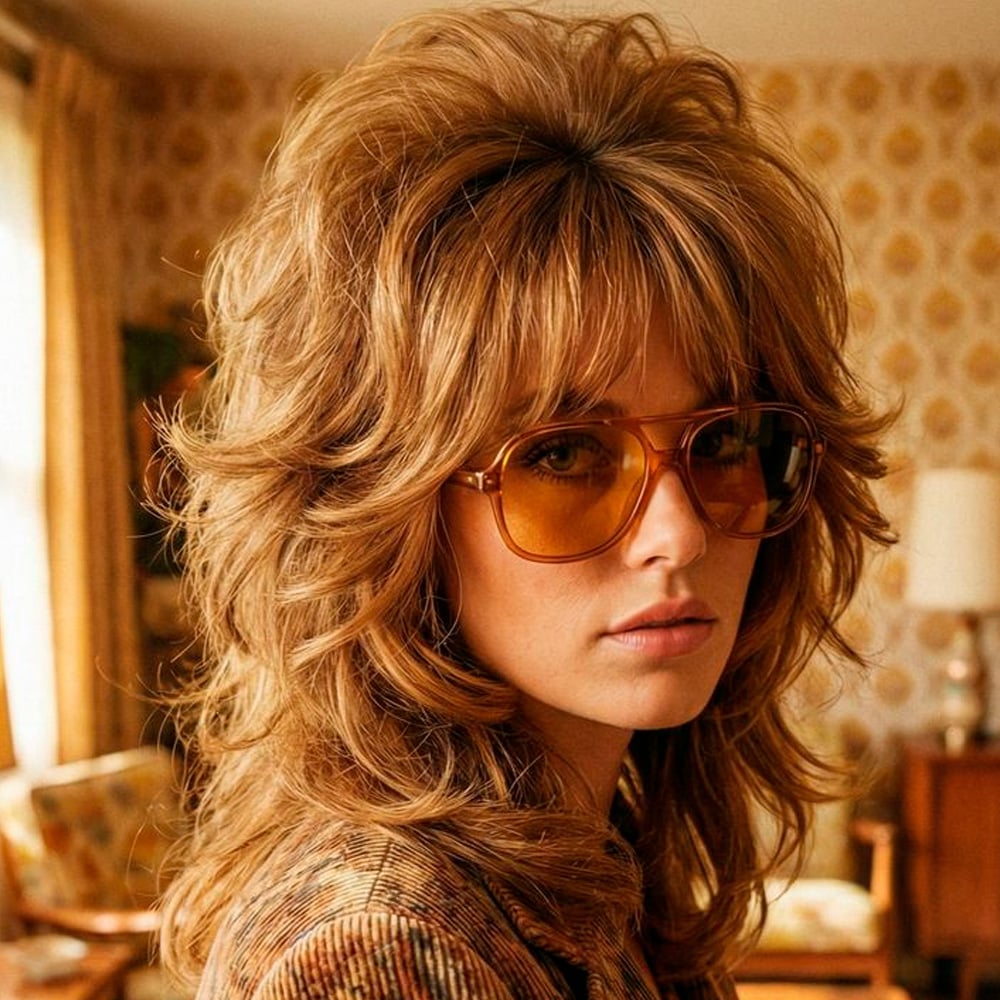
The shag haircut captured the carefree spirit of the 1970s. With its layered, messy look and feathered texture, it was both rebellious and effortless. Musicians and celebrities popularized it, making it a favorite for people who wanted a relaxed but stylish appearance.
3. Farrah Fawcett Feathered Hair (1970s)
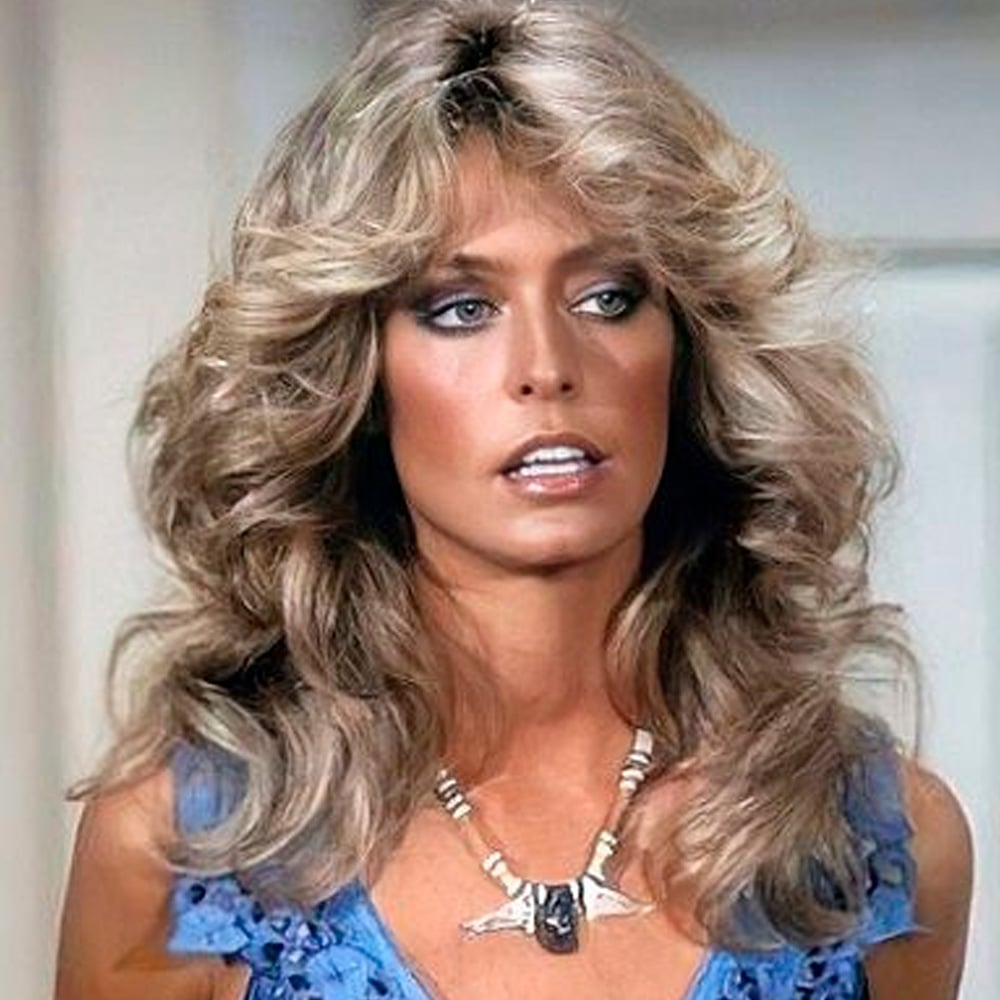
Few hairstyles became as iconic as Farrah Fawcett’s feathered layers. The soft waves that flipped away from the face created movement and volume. Women everywhere rushed to salons hoping to recreate the glamorous, sun-kissed look.
4. The Mullet (1980s)
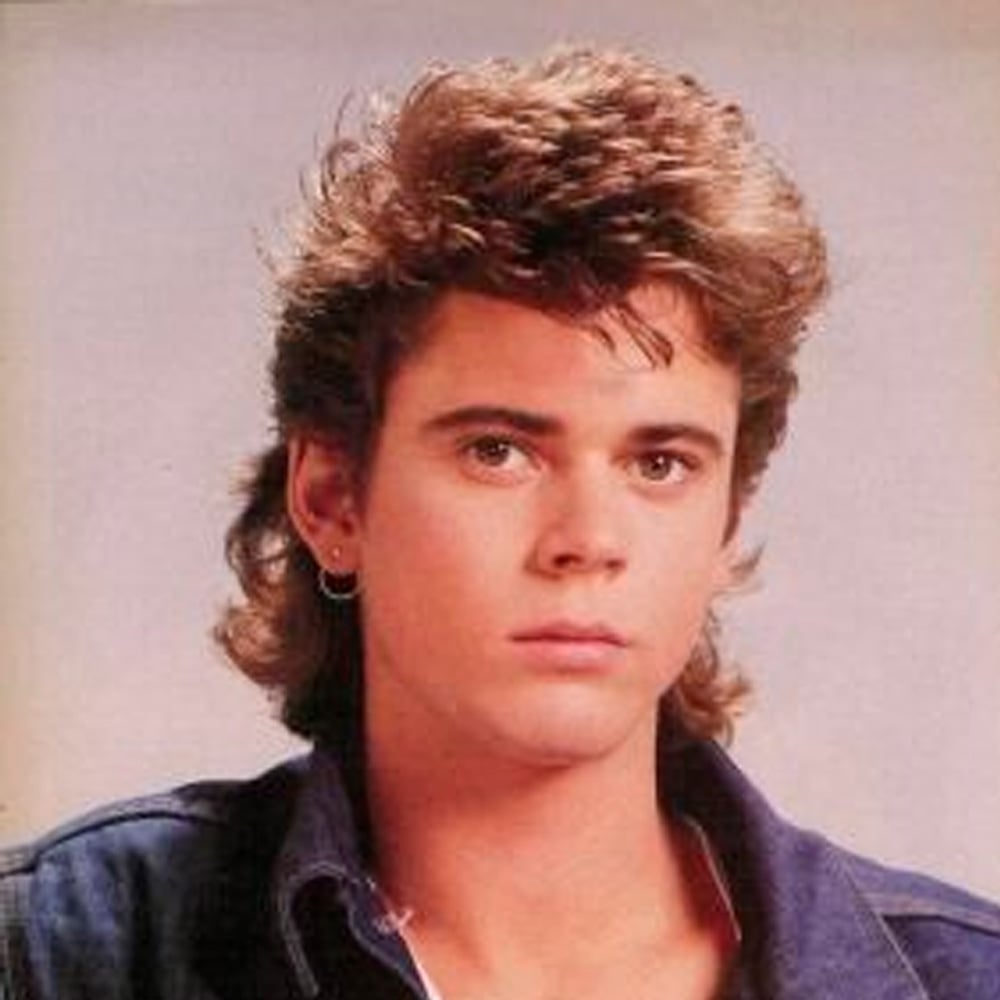
The mullet became the ultimate “business in the front, party in the back” haircut. Popular among musicians and athletes, it perfectly captured the bold, experimental attitude of the 1980s. Love it or hate it, the mullet remains one of the most memorable hairstyles in pop culture.
5. Big Permed Hair (1980s)
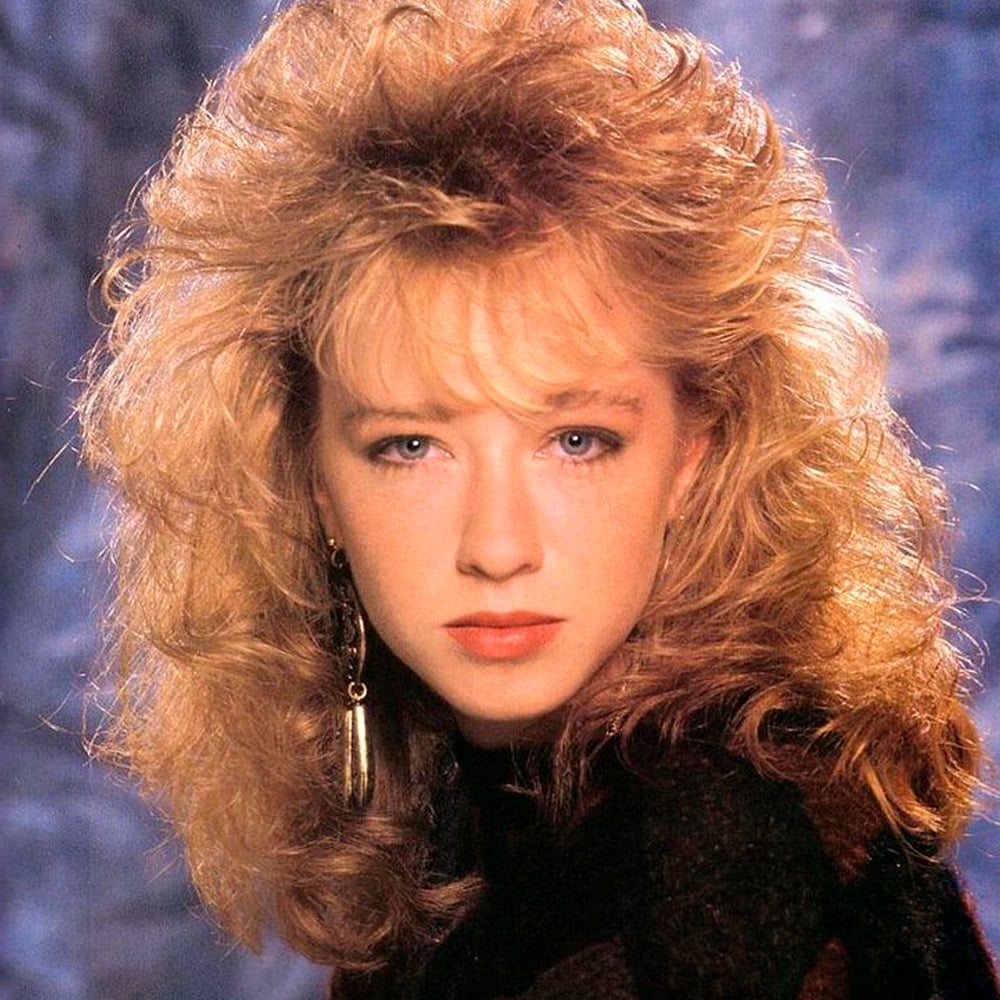
Volume was everything in the 1980s. Perms gave hair dramatic curls and height, creating the oversized look seen in music videos and fashion magazines. The bigger the hair, the more fashionable it seemed.
Trending on Wealth Gang

6. The Rachel Cut (1990s)
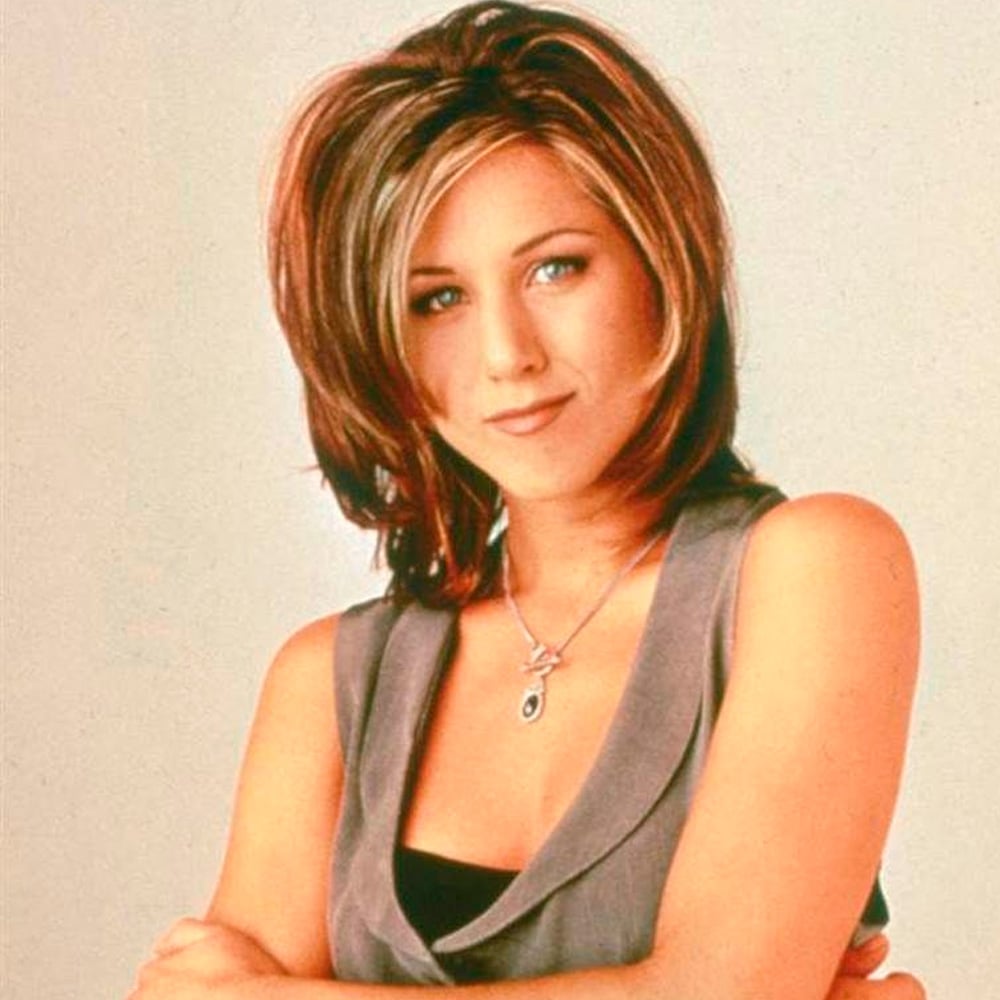
Inspired by Jennifer Aniston’s character on Friends, the Rachel cut became one of the most requested hairstyles of the 1990s. The layered, bouncy style framed the face perfectly and offered a modern yet polished look that women everywhere tried to copy.
7. Frosted Tips (Late 1990s – Early 2000s)
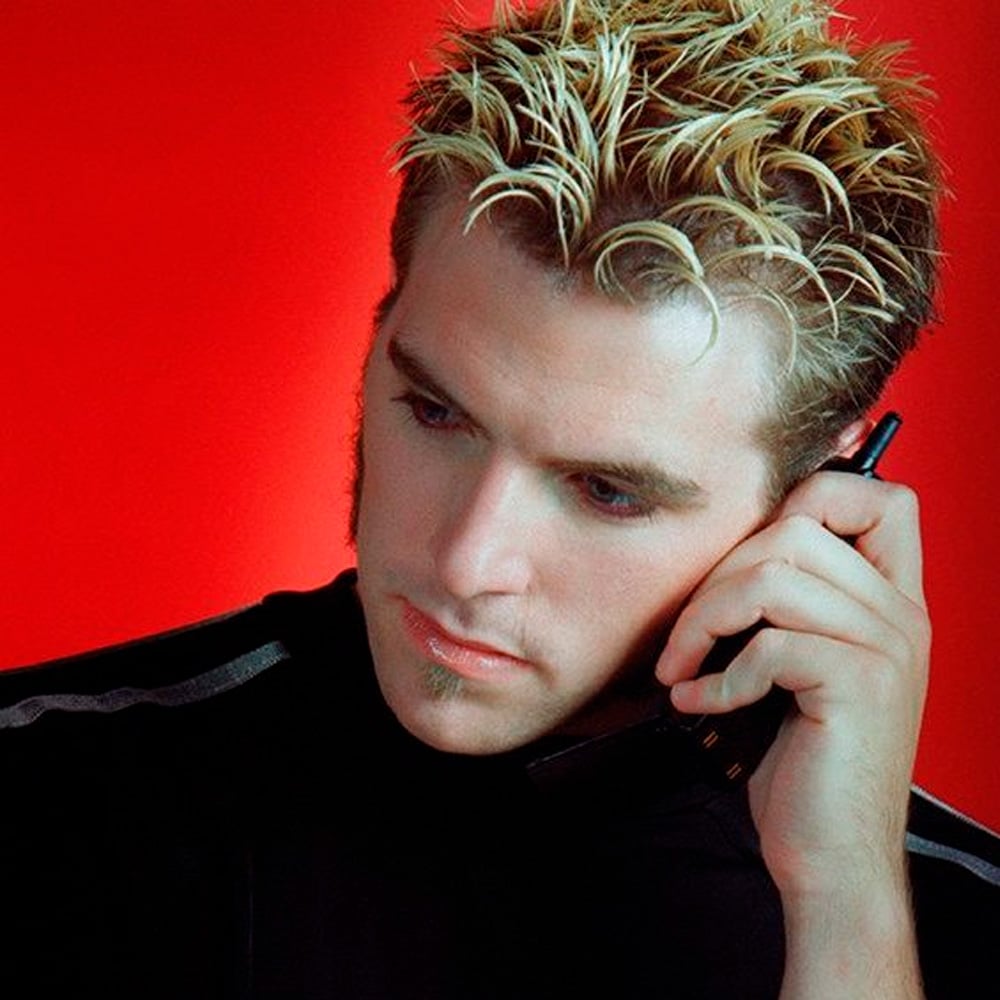
Frosted tips became a defining hairstyle for many young men in the late ’90s and early 2000s. By bleaching the ends of short hair, the look added contrast and edge. Pop stars and boy band members helped make it a widespread trend.
8. The Pixie Cut (2000s Revival)
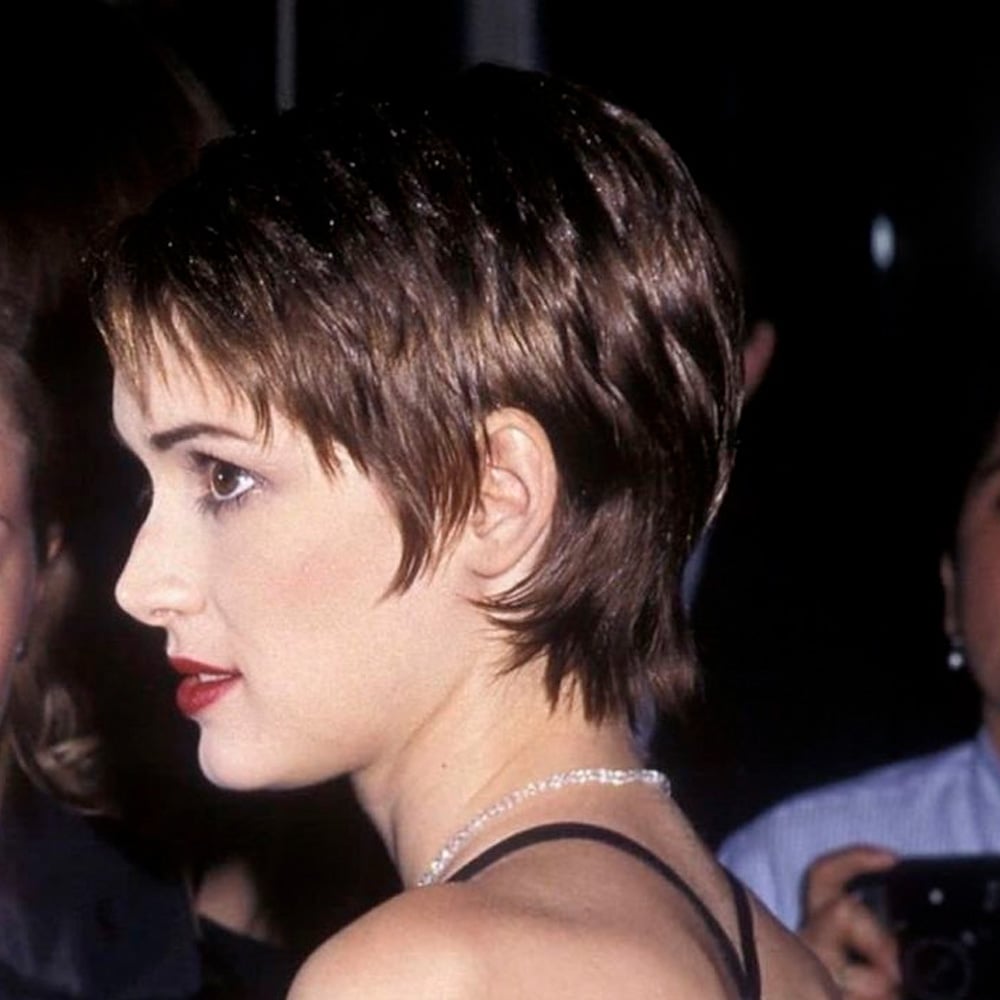
While the pixie cut existed earlier, it made a strong comeback in the 2000s thanks to celebrities embracing short, bold hairstyles. The cut symbolized confidence and individuality, showing that femininity didn’t require long hair.
Sign up for our newsletter
9. The Man Bun (2010s)
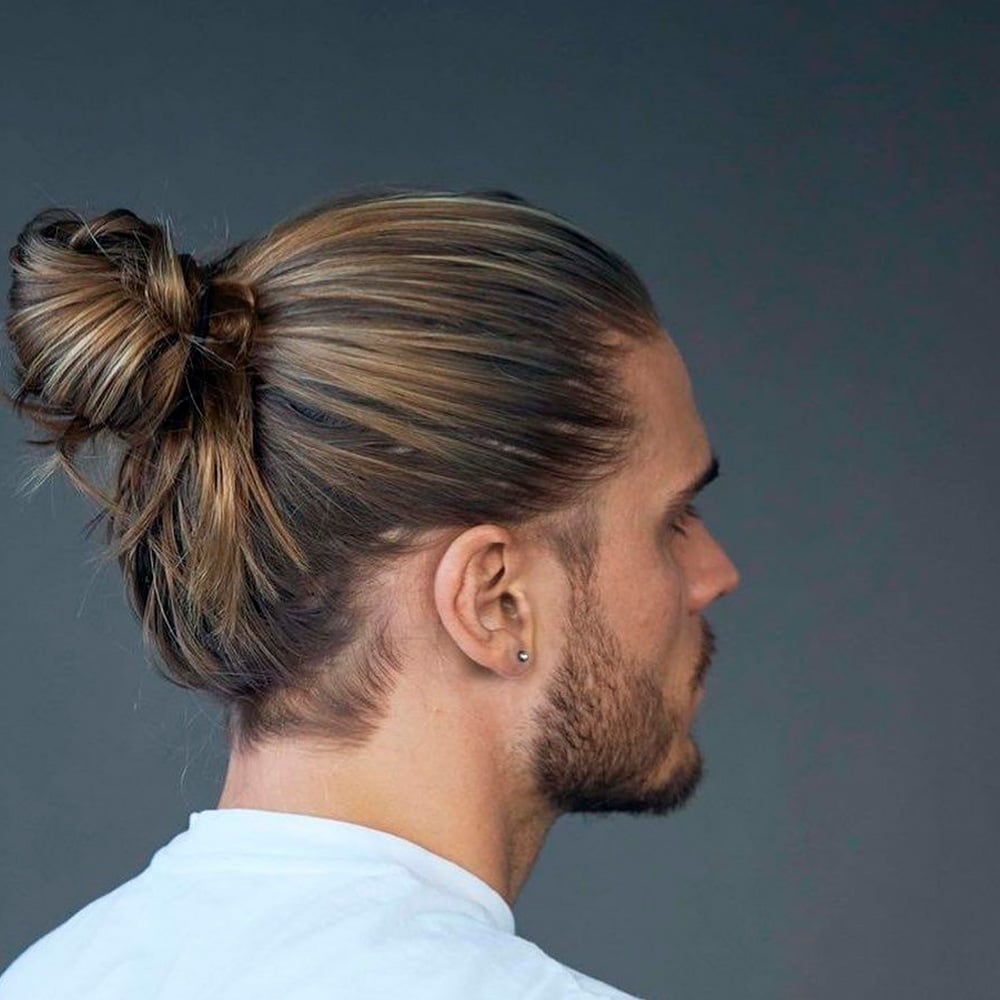
The man bun became one of the most talked-about trends of the 2010s. Popular among creatives, athletes, and actors, it combined practicality with a relaxed aesthetic. It also reflected a cultural shift toward longer hairstyles for men.
10. The Natural Texture Movement (2010s–Present)
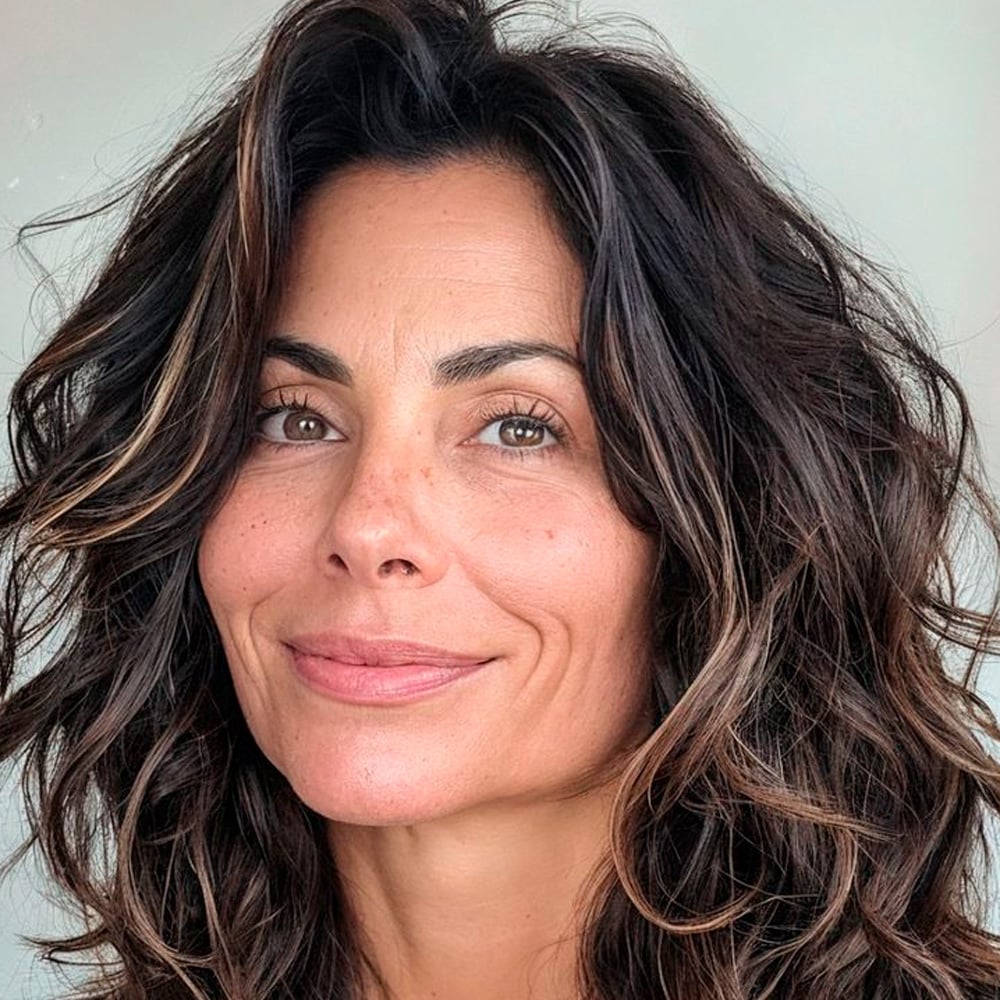
In recent years, embracing natural hair textures has become a defining trend. Instead of hiding curls, waves, or coils, people celebrate them. This movement reflects a broader cultural emphasis on authenticity, self-acceptance, and diversity.
More Related Notes
- The 15 Most Influential Fashion Trends of the 1980s
A look at bold styles and cultural influences that shaped an entire decade, perfectly complementing iconic hairstyles from different eras.
10 1990s Trends That No Longer Exist Today
This article explores fashion and lifestyle trends that once defined a generation but have since faded away.
20 Vintage Photos That Capture the Lives of Celebrities in the 1970s
A nostalgic visual journey through the 1970s, showcasing the looks, culture, and iconic styles of the time.