New Orleans is a city where music is not just entertainment; it is the heartbeat of daily life. From the syncopated grooves of jazz to the driving pulse of second-line parades, rhythms here tell stories of joy and cultural fusion. Rooted in African, Caribbean, and European traditions, these beats have shaped not only local identity but also global music history. To understand New Orleans is to feel its rhythms, each one a living tradition that continues to evolve while honoring its past.
1. Second-Line Parade Beat
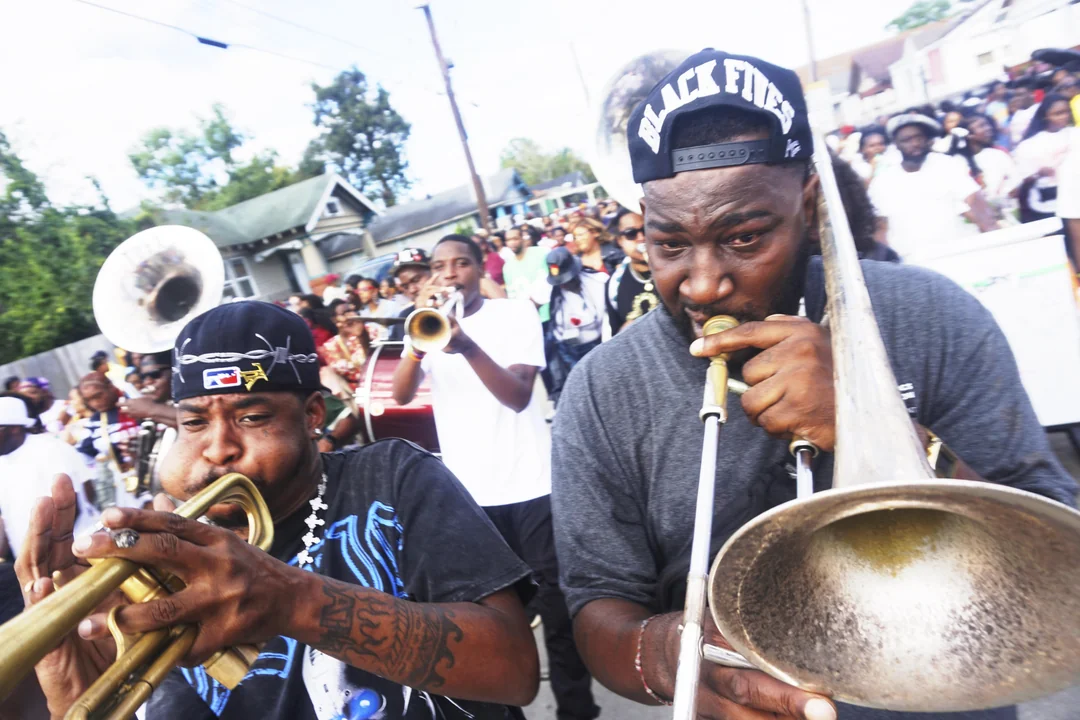
The quintessential rhythm of New Orleans street culture, second-line drumming drives parades with syncopated snare rolls and bass drum accents. It is celebratory, infectious, and impossible not to dance to.
2. Congo Square Polyrhythms
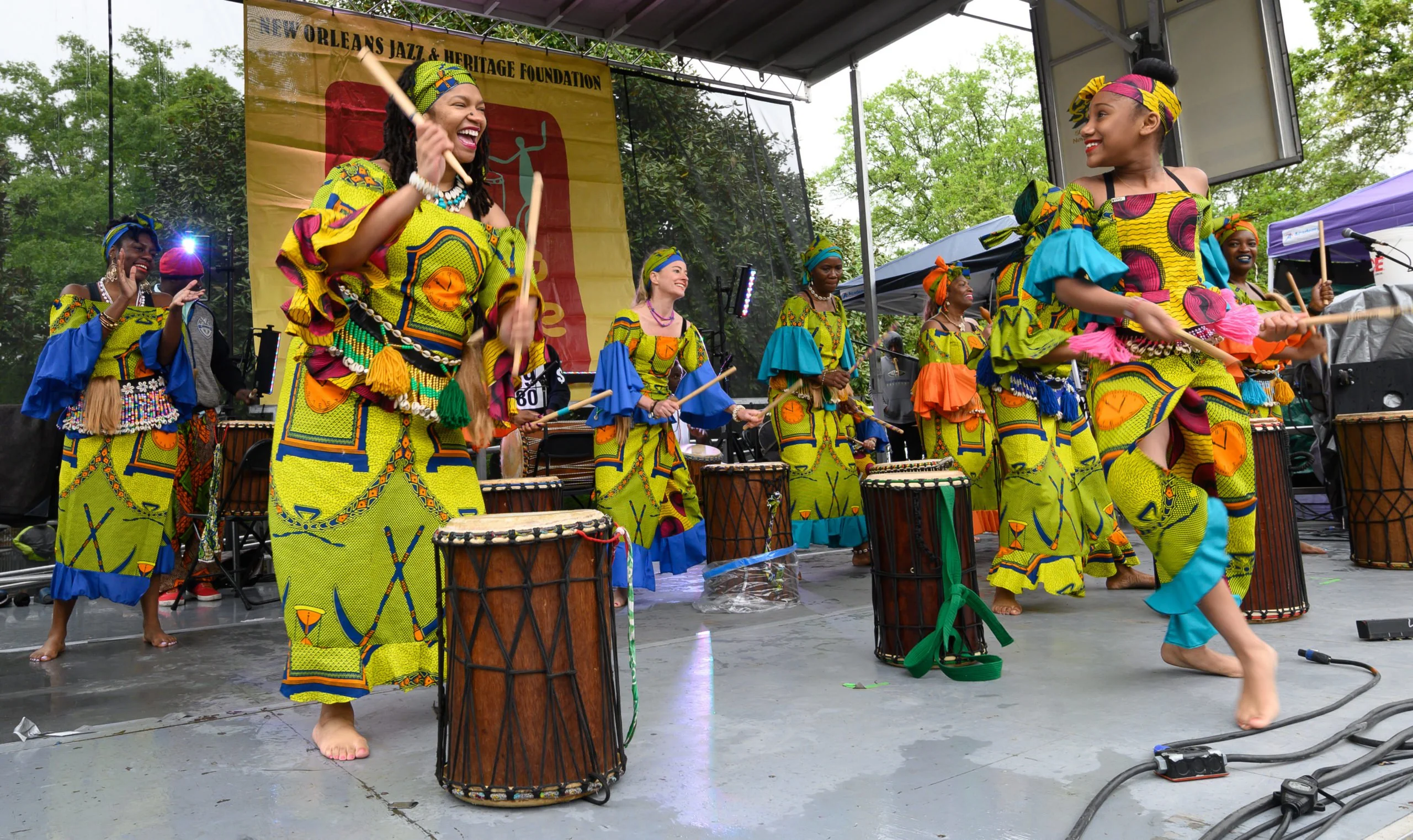
Originating from gatherings of slave Africans in the 18th century, these layered rhythms blended African drumming traditions with Caribbean influences, laying the foundation for jazz and funk.
3. Jazz Swing
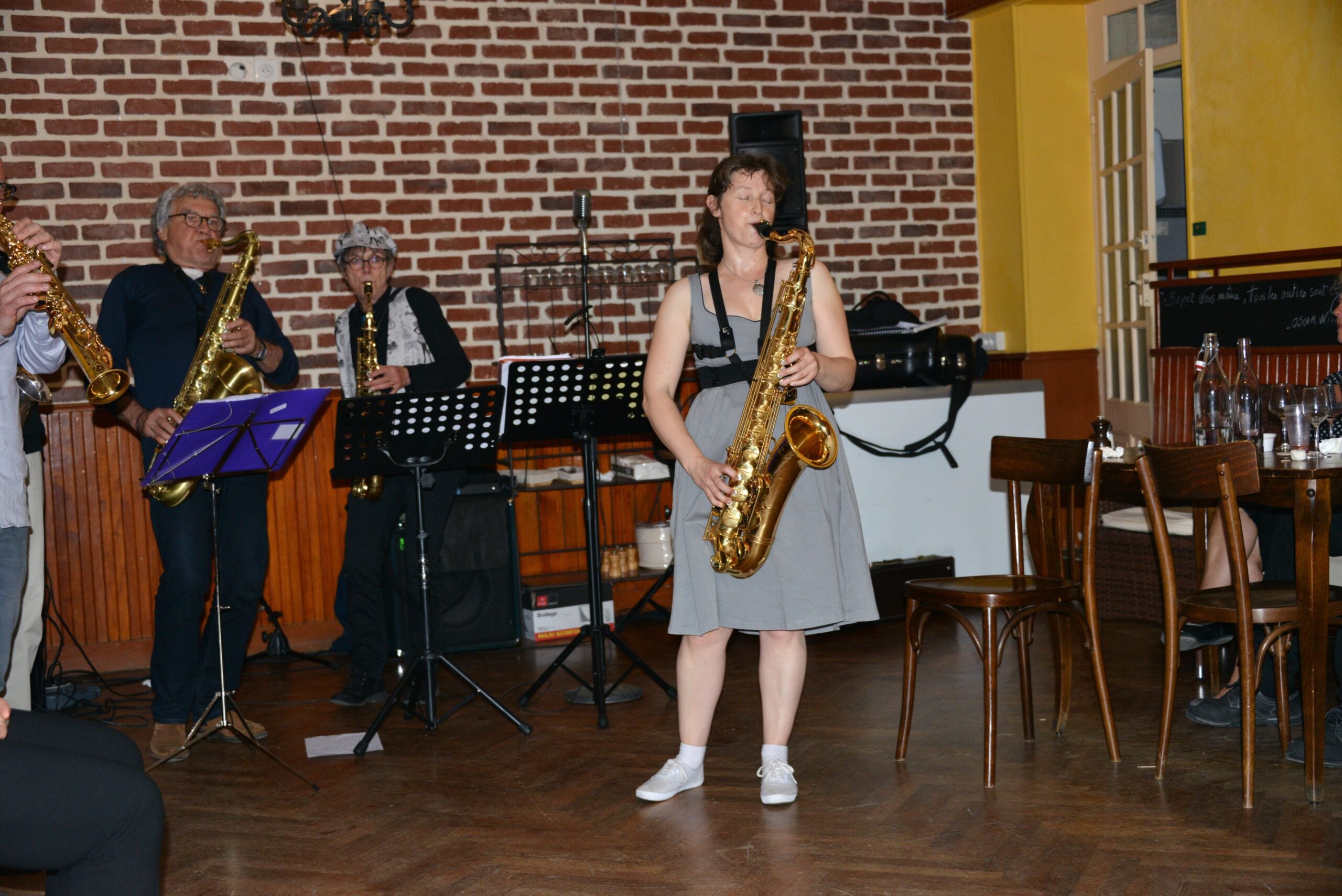
The swing feel, with its lilting triplet-based groove, became the backbone of early jazz. New Orleans musicians like Louis Armstrong popularized this rhythm worldwide. It gave jazz a playful bounce, making the music feel alive and full of joy.
4. Professor Longhair’s Rhumba-Boogie
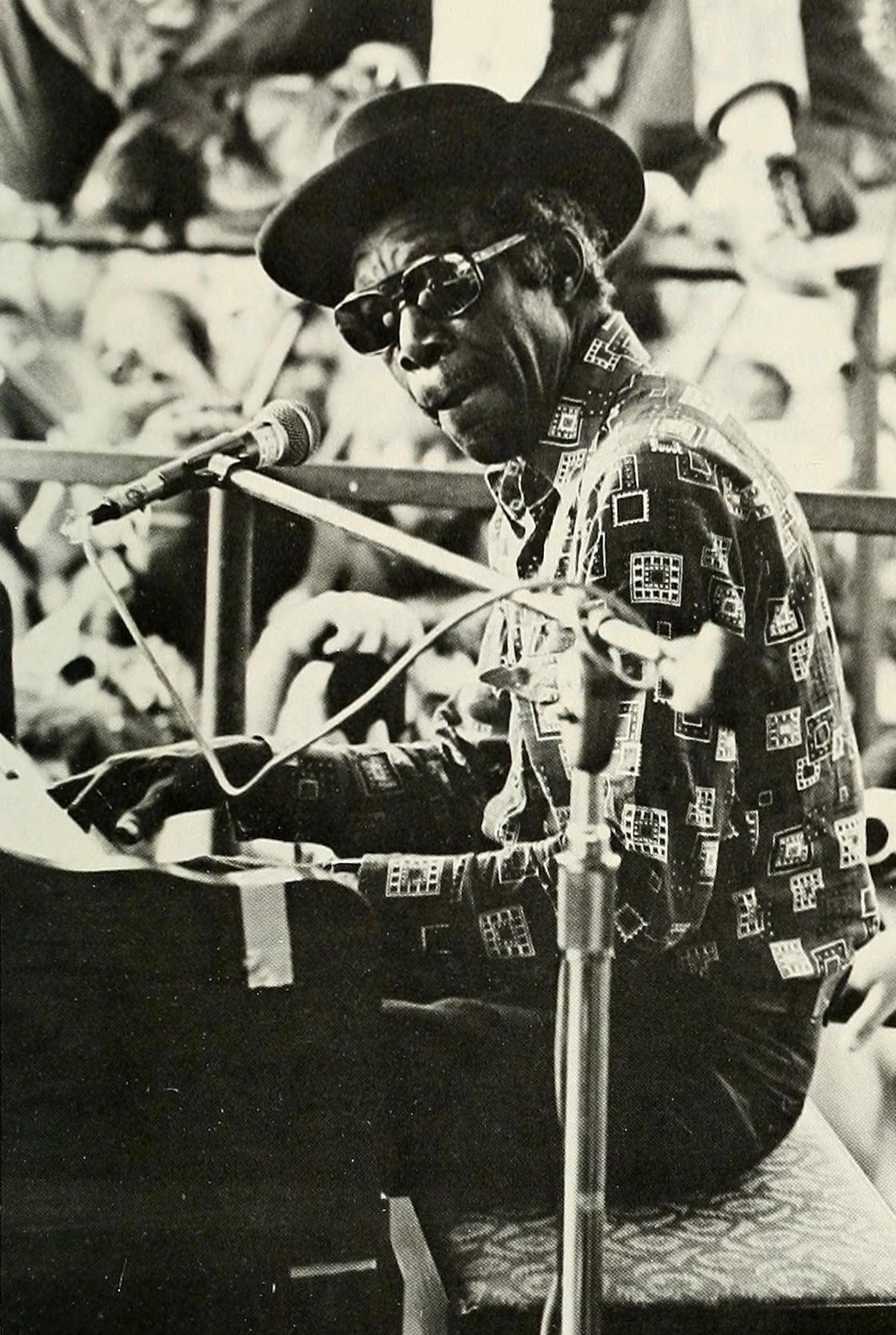
Pianist Professor Longhair fused Caribbean rhumba with boogie-woogie, creating a rolling, syncopated piano rhythm that became a hallmark of New Orleans R&B. His playful style gave New Orleans R&B a unique groove that inspired generations of musicians.
5. Fats Domino Shuffle
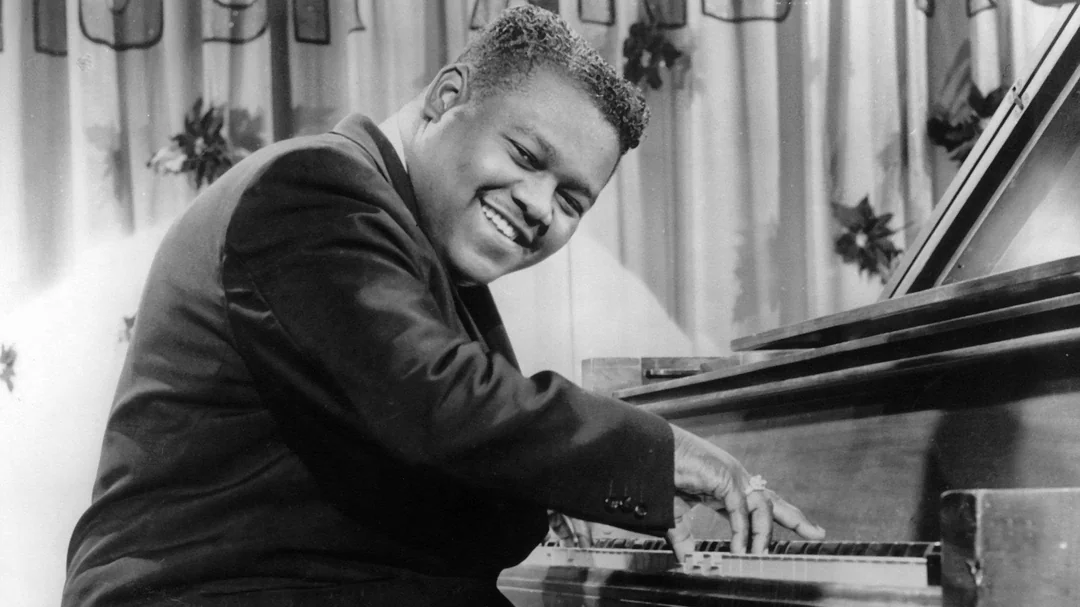
The shuffle rhythm, with its steady backbeat and swinging eighth notes, powered Fats Domino’s rock ’n’ roll hits and influenced generations of musicians. It gave his songs a fun beat that made people want to dance.
Trending on Wealth Gang
6. Mardi Gras Indian Chants
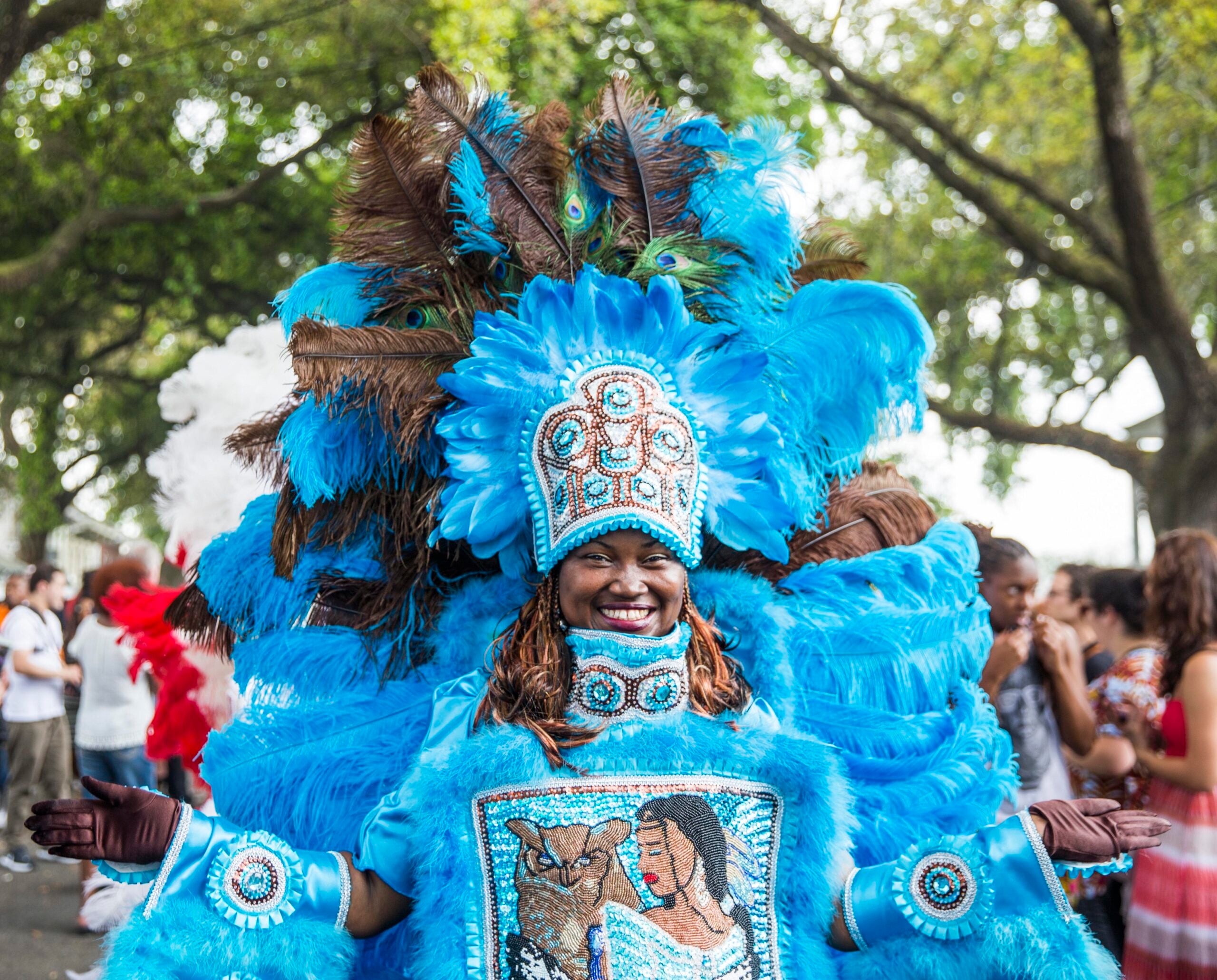
The percussive chants and call-and-response rhythms of Mardi Gras Indian tribes reflect African and Native American traditions, performed with tambourines, drums, and voices. Their music brings people together in joy.
7. Brass Band Funk Groove
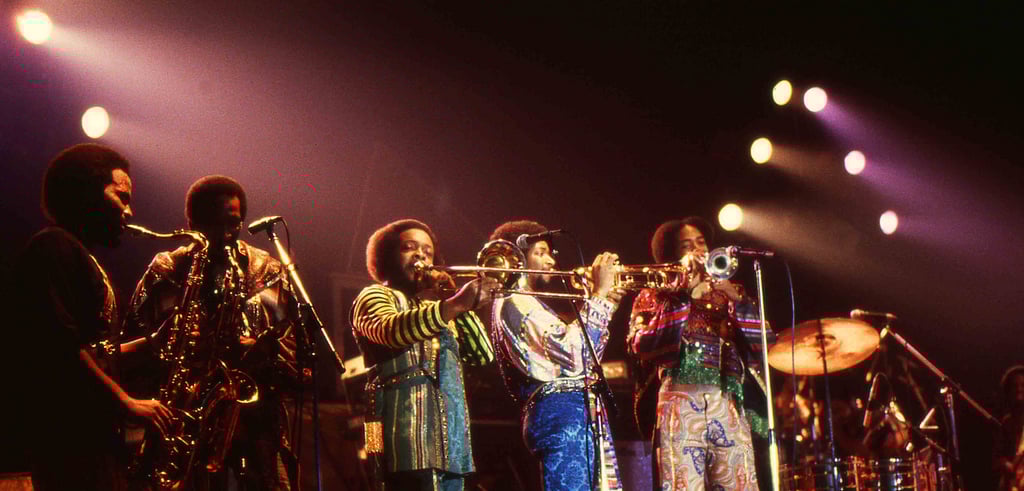
Modern brass bands such as Rebirth Brass Band introduced funk-inspired rhythms into traditional parade music, blending syncopated bass lines with horn-driven beats. This mix of old and new sounds makes the music lively and easy to dance to.
8. Zydeco Two-Step
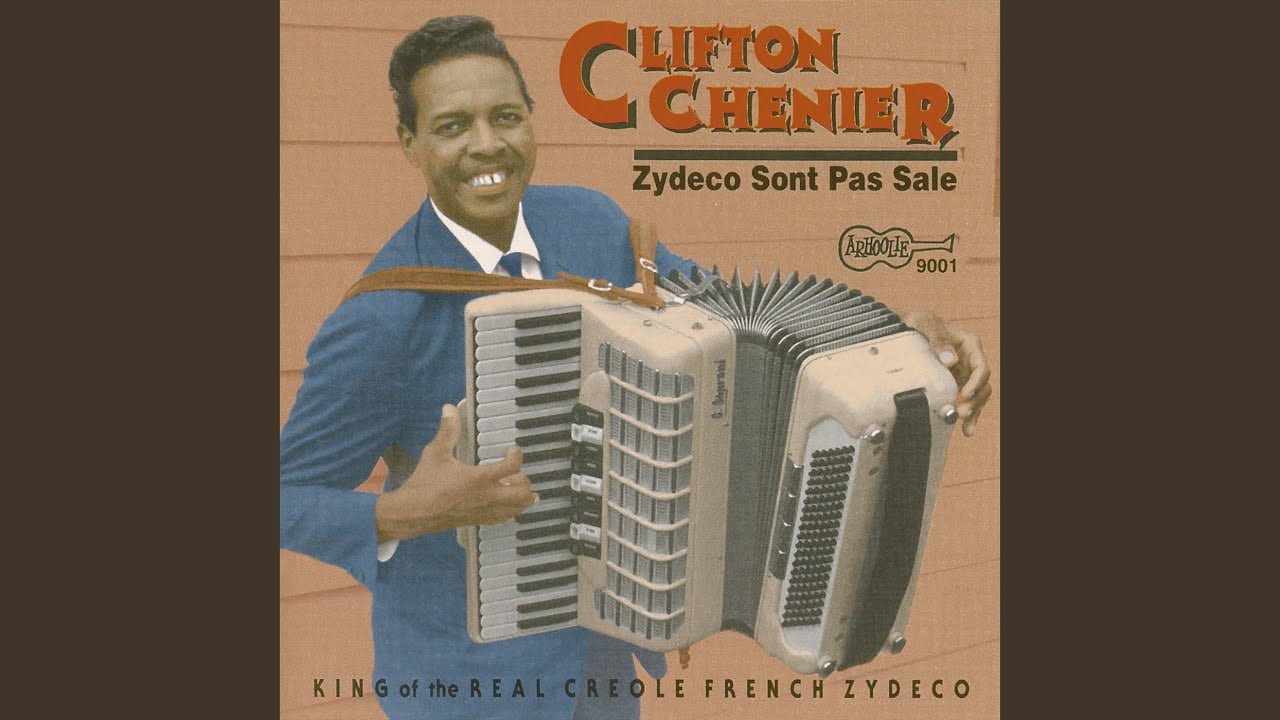
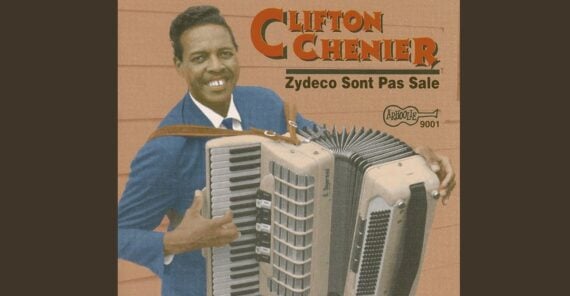
Though rooted in Cajun and Creole culture, zydeco’s driving two-step rhythm is deeply tied to Louisiana dance halls, often played on accordion and washboard. Zydeco brings people together with joyful energy, making every dance feel like a celebration.
Sign up for our newsletter
9. Bounce Beat
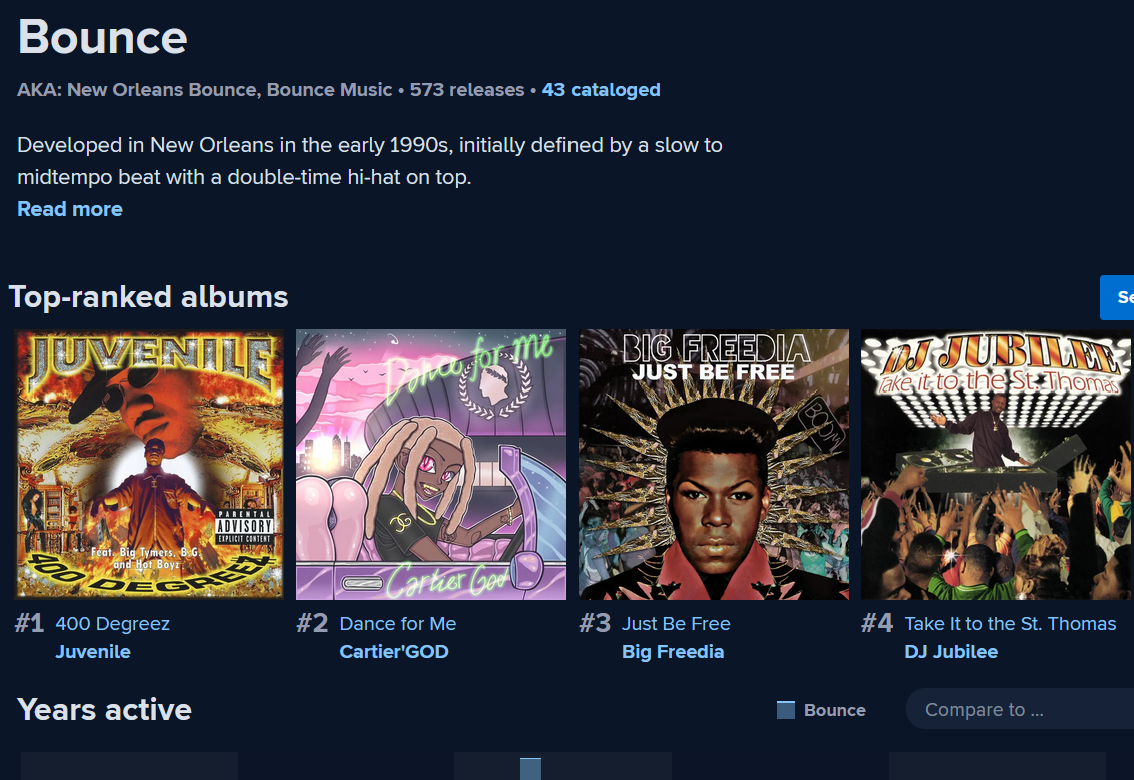
Emerging in the late 1980s, bounce music features rapid-fire call-and-response vocals over heavy, repetitive drum machine rhythms, defining a modern New Orleans sound. Bounce music grew into a lively street culture, where people danced and celebrated together.
10. Boogie-Woogie Piano Rhythm
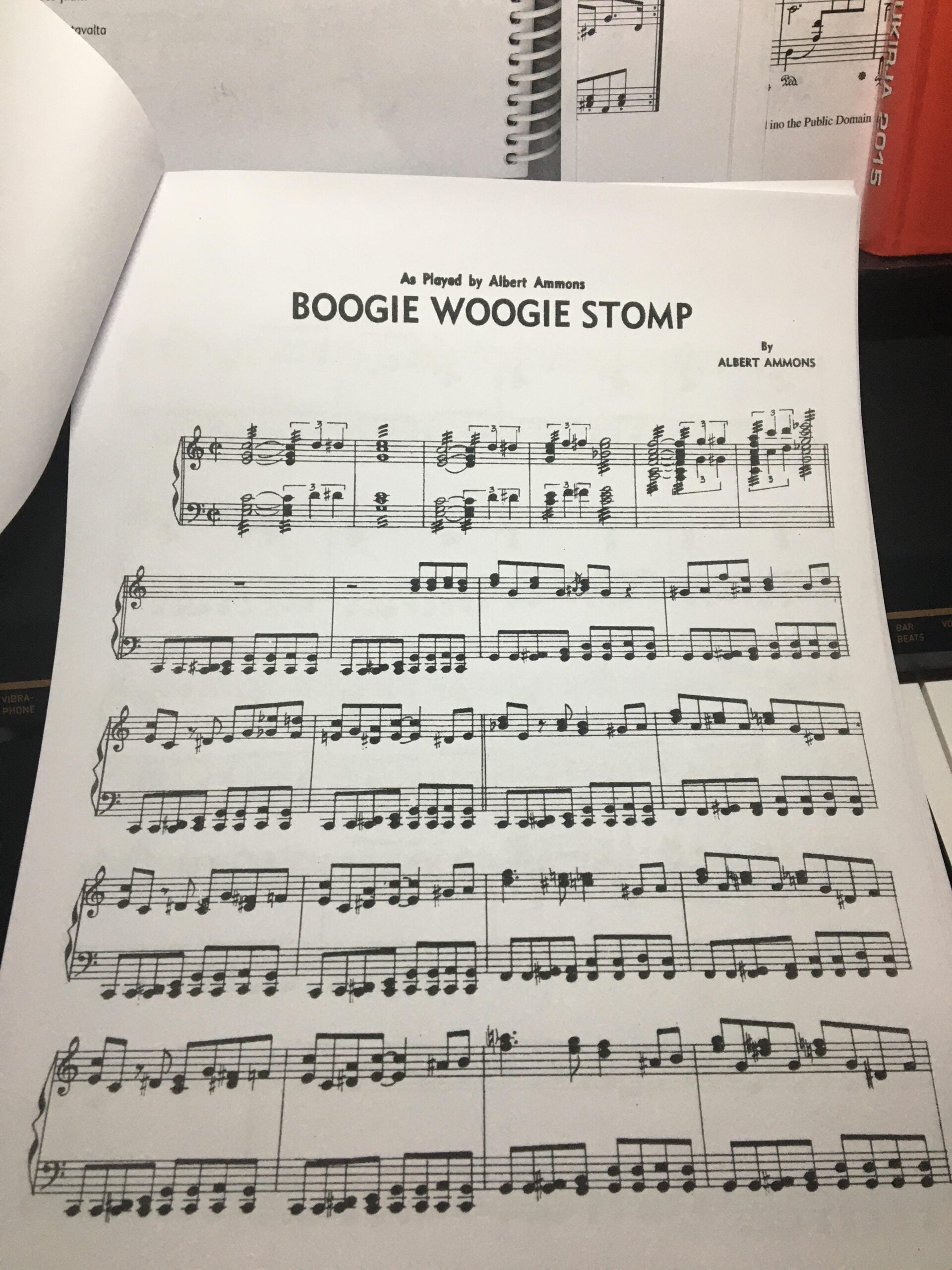
The foundation of New Orleans nightlife, boogie-woogie piano features rolling left-hand bass patterns and syncopated right-hand riffs. This rhythm electrified bars and clubs, influencing jazz, R&B, and early rock ’n’ roll with its irresistible drive.
More Music to Explore: Curated Articles Just for You
- 15 of the Wealthiest Rock Musicians and How They Rose to Fame : Legendary rock icons who turned their music careers into massive fortunes through tours, royalties, and business ventures.
- 15 Festivals Around the World Every Music Fan Should Attend: A global bucket list of music festivals from Coachella to Tomorrowland that define culture and sound.
- 10 of the Most Expensive Musical Instruments in the World: A showcase of violins, guitars, and pianos worth millions, treasured for their history and legendary players.