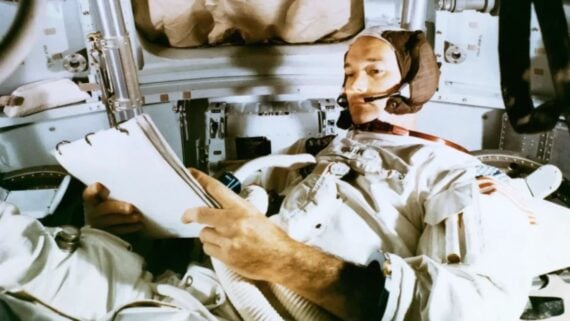

Retirement doesn’t have to mean slowing down. For many people, it’s the first time they finally have the freedom to explore interests they never had time for before. From staying physically active to keeping the mind engaged and social connections strong, the right post-retirement habits can make this stage of life healthier, happier, and more fulfilling. Here are 10 post-retirement ideas that help you stay active, both mentally and physically.
1. Join a Walking or Hiking Group

Regular walks are one of the simplest ways to stay active, and joining a group adds social motivation. It’s low-impact, easy to maintain, and helps build routine without feeling like a workout.
2. Take Up Swimming or Water Aerobics
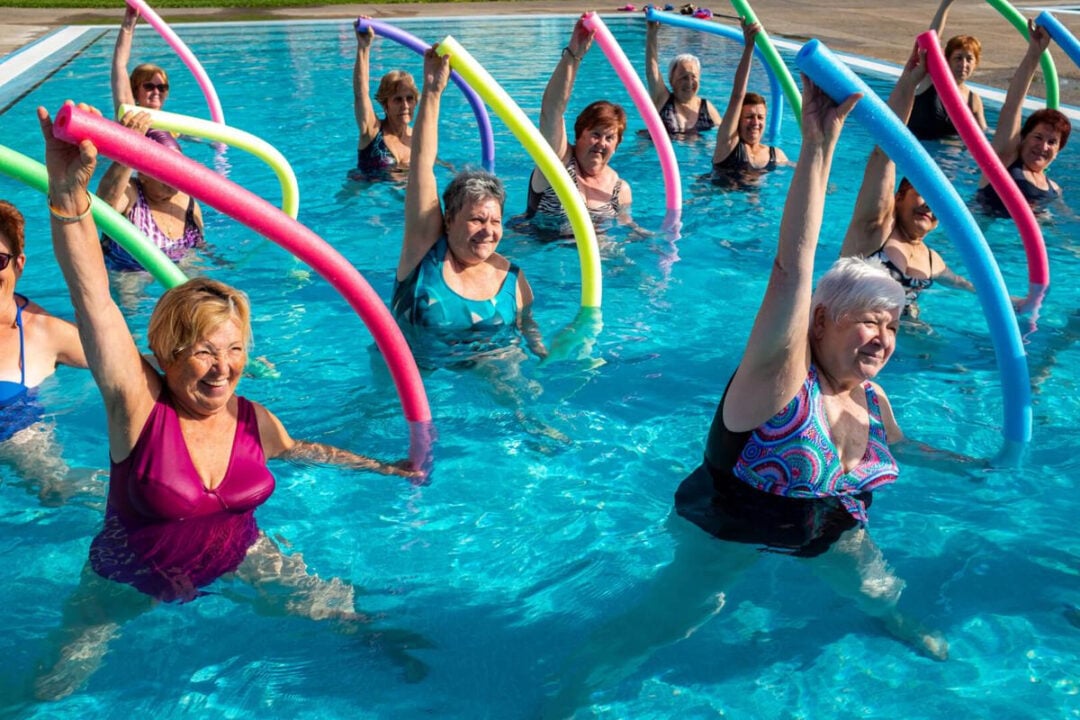
Water-based exercise is gentle on the joints while still offering excellent cardiovascular benefits. Many retirees find it easier to stay consistent with activities that feel refreshing rather than strenuous.
3. Volunteer a Few Hours a Week

Volunteering keeps you mentally engaged while creating a sense of purpose. Whether it’s mentoring, helping at a local shelter, or supporting community programs, staying involved makes a big difference.
4. Learn a New Skill or Hobby
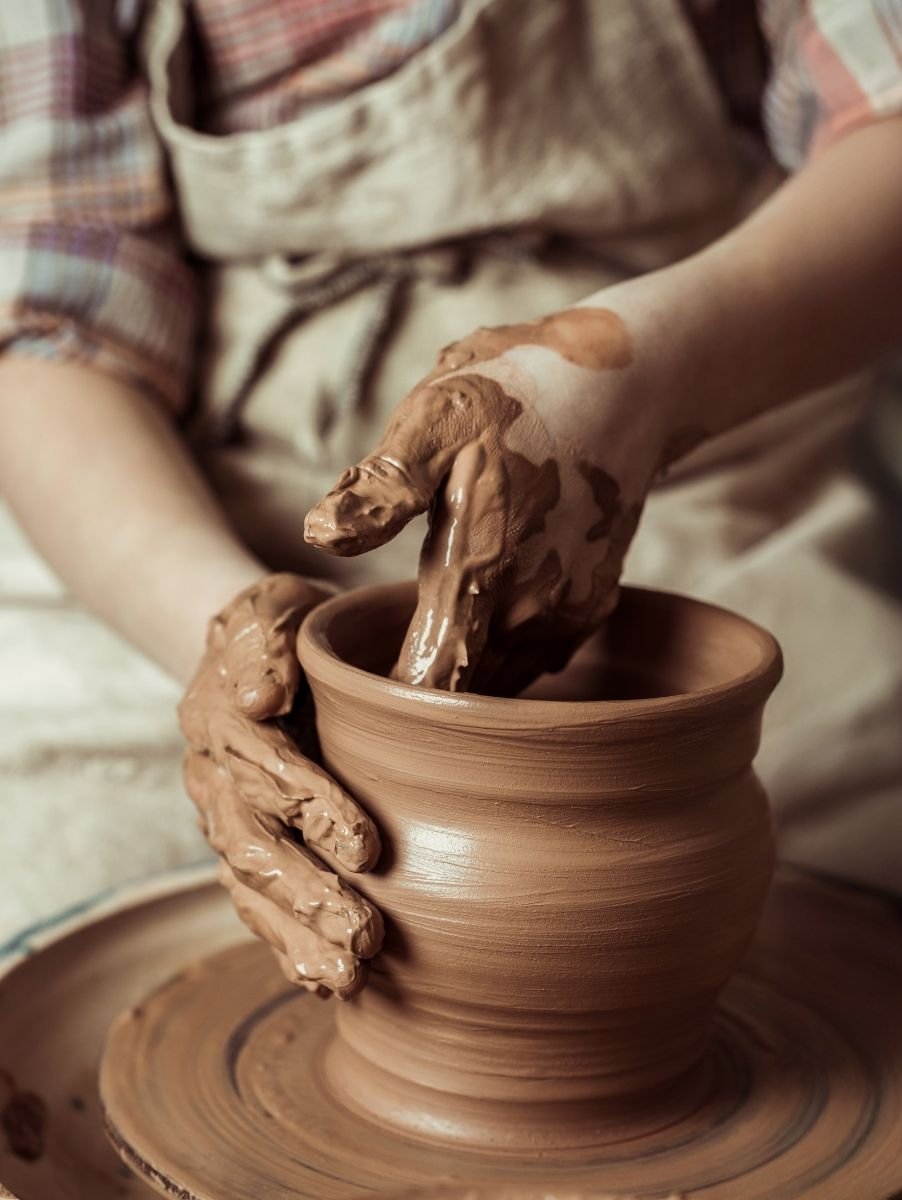
Retirement is a great time to finally learn something new, from photography to woodworking or even a new language. Challenging the brain helps maintain cognitive health and curiosity.
5. Try Group Fitness Classes Designed for Seniors
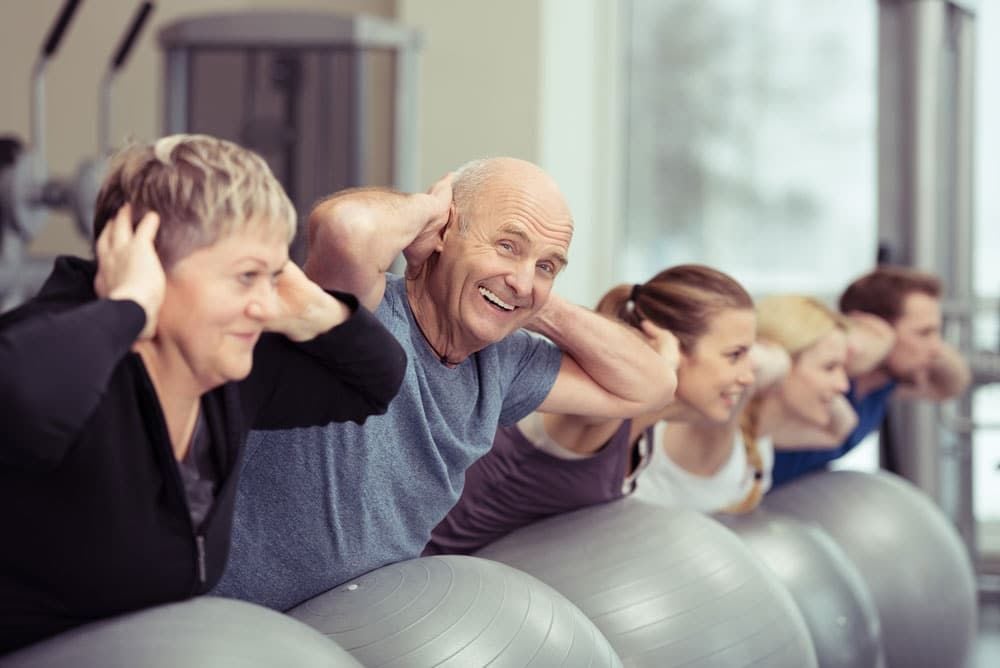
Classes like yoga, Pilates, or low-impact strength training are tailored for flexibility and balance. The group setting adds structure and accountability without pressure.
Trending on Wealth Gang

6. Start Gardening Regularly
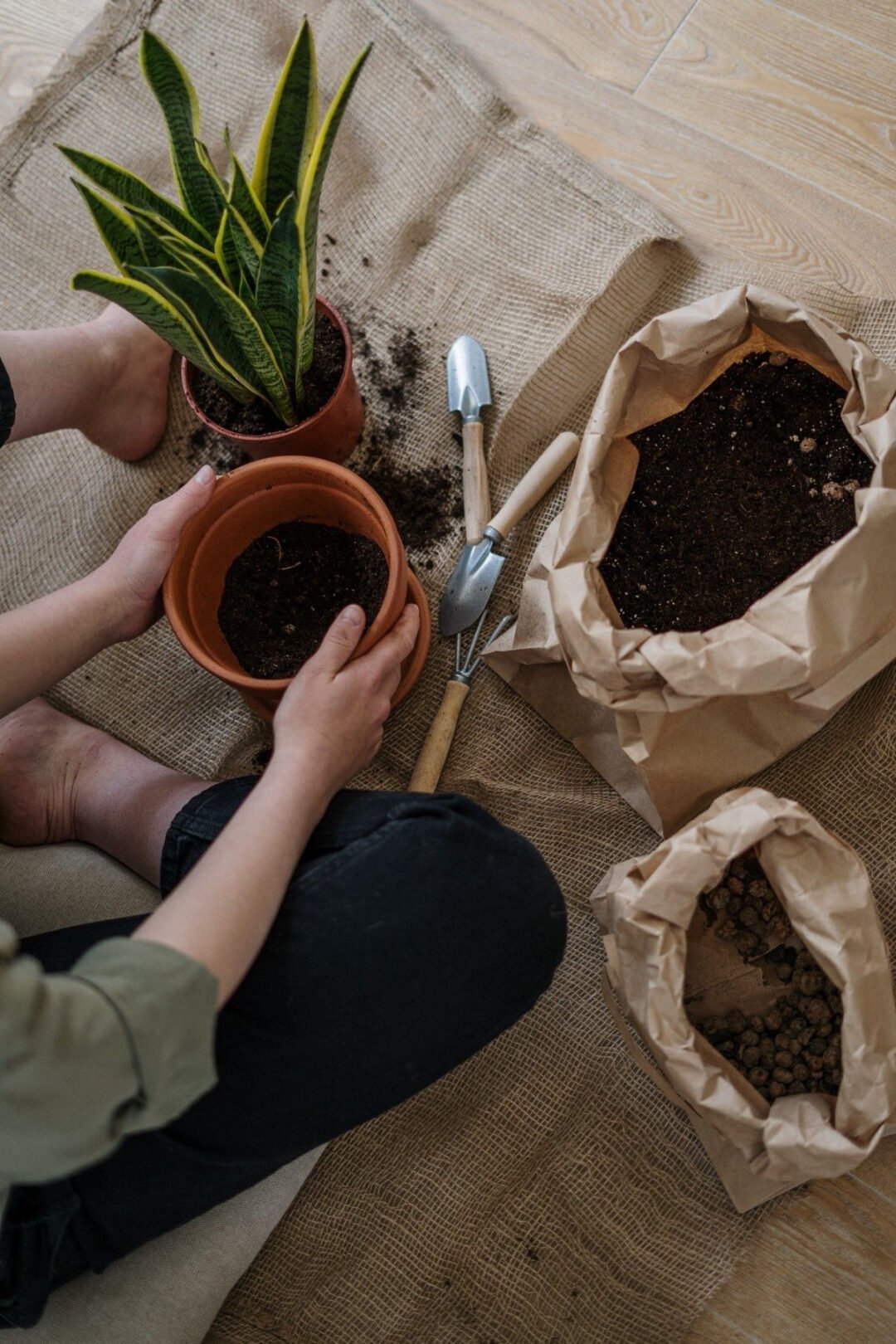
Gardening keeps you moving while also being therapeutic. It combines light physical activity with time outdoors and can easily become part of a daily routine.
7. Travel With Purpose, Not Pressure

Slow travel, cultural trips, or educational tours allow retirees to stay active without rushing. Exploring new places keeps both body and mind engaged.
8. Join a Club or Social Group
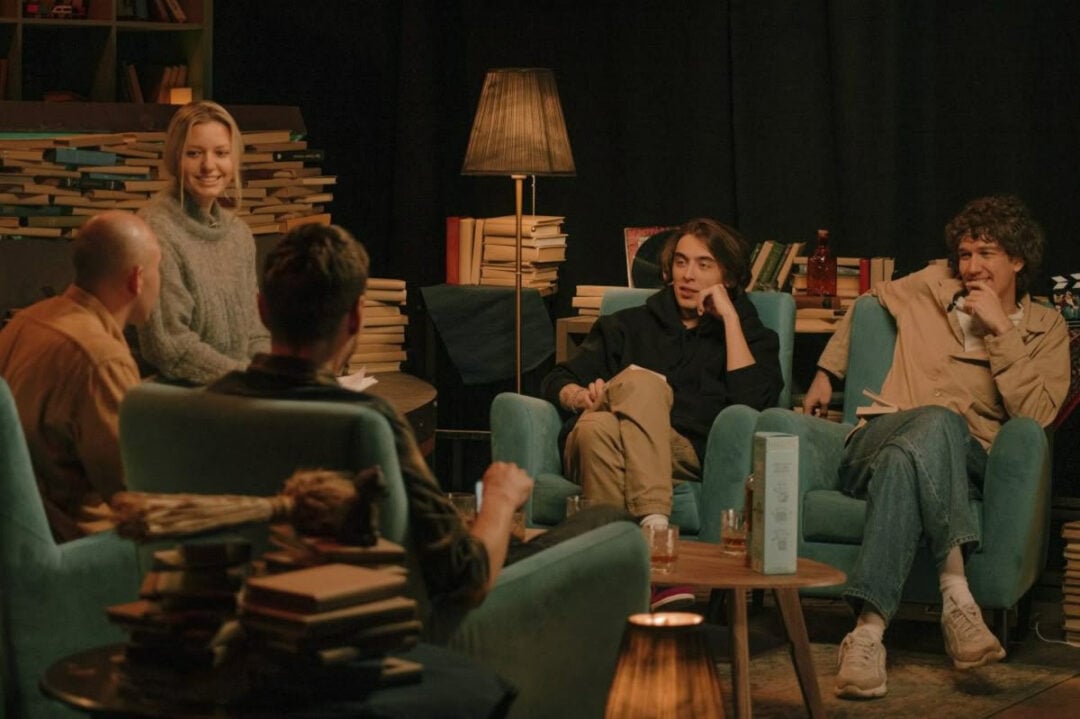
Book clubs, chess groups, or local meetups help maintain social interaction. Staying socially active is just as important as physical movement in retirement.
Sign up for our newsletter
9. Part-Time or Consulting Work

Light work or consulting keeps skills sharp while offering flexibility. Many retirees enjoy staying professionally active without full-time commitments.
10. Practice Daily Mobility and Stretching
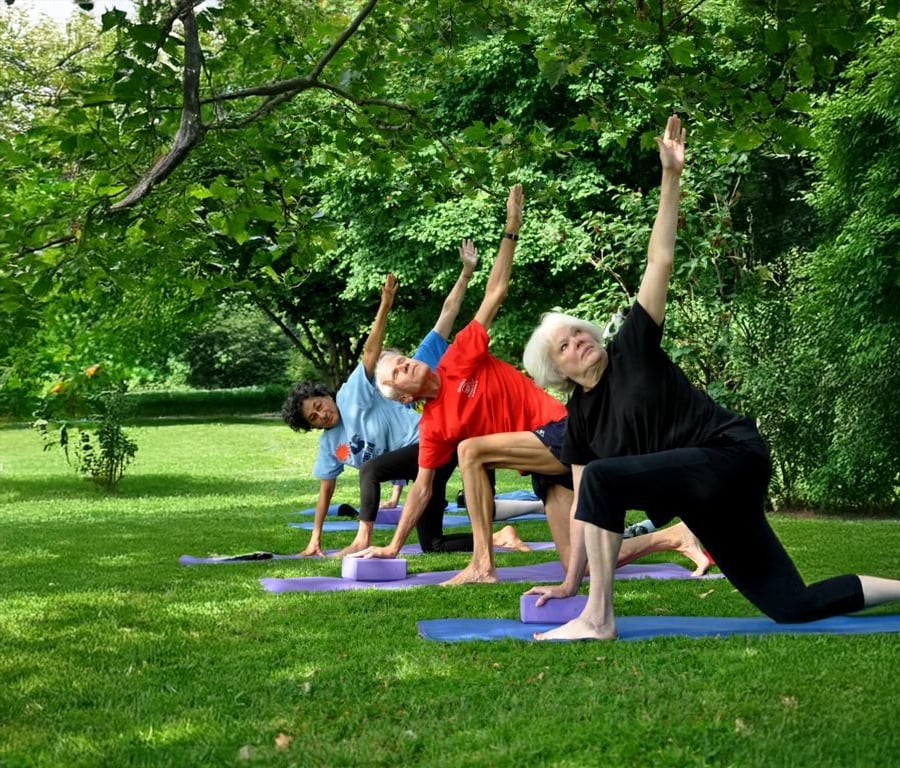
Simple daily stretching routines improve balance, posture, and flexibility. Staying mobile helps prevent injuries and supports long-term independence.
You Might Want to Read Next
- Signs You’ll Run Out of Money in Retirement
Many retirees underestimate how long their savings need to last. This article breaks down the warning signs that financial trouble may be closer than expected and what habits often lead people to run out of money later in life. - Why Athletes Lose All Their Money
Even with massive earnings, many professional athletes end up broke after retirement. This piece explores the lifestyle choices, poor planning, and financial mistakes that turn huge fortunes into cautionary tales. - How Long Will My Money Last?
One of the most common retirement questions doesn’t have a simple answer. This article walks through the key factors that determine how long your savings will realistically last and why planning ahead matters more than ever.