In the 1980s, shopping malls were not just places to buy clothes or grab a snack, they were the epicenter of teen life. These sprawling buildings became social hubs where friendships were built, trends were born, and countless hours were spent wandering neon-lit corridors. From food courts to fashion boutiques, malls defined the rhythm of adolescence, offering a mix of freedom, consumerism, and cultural identity. Here are 10 shopping mall trends that captured the essence of teen life in the 80s.
1. Arcade hangouts
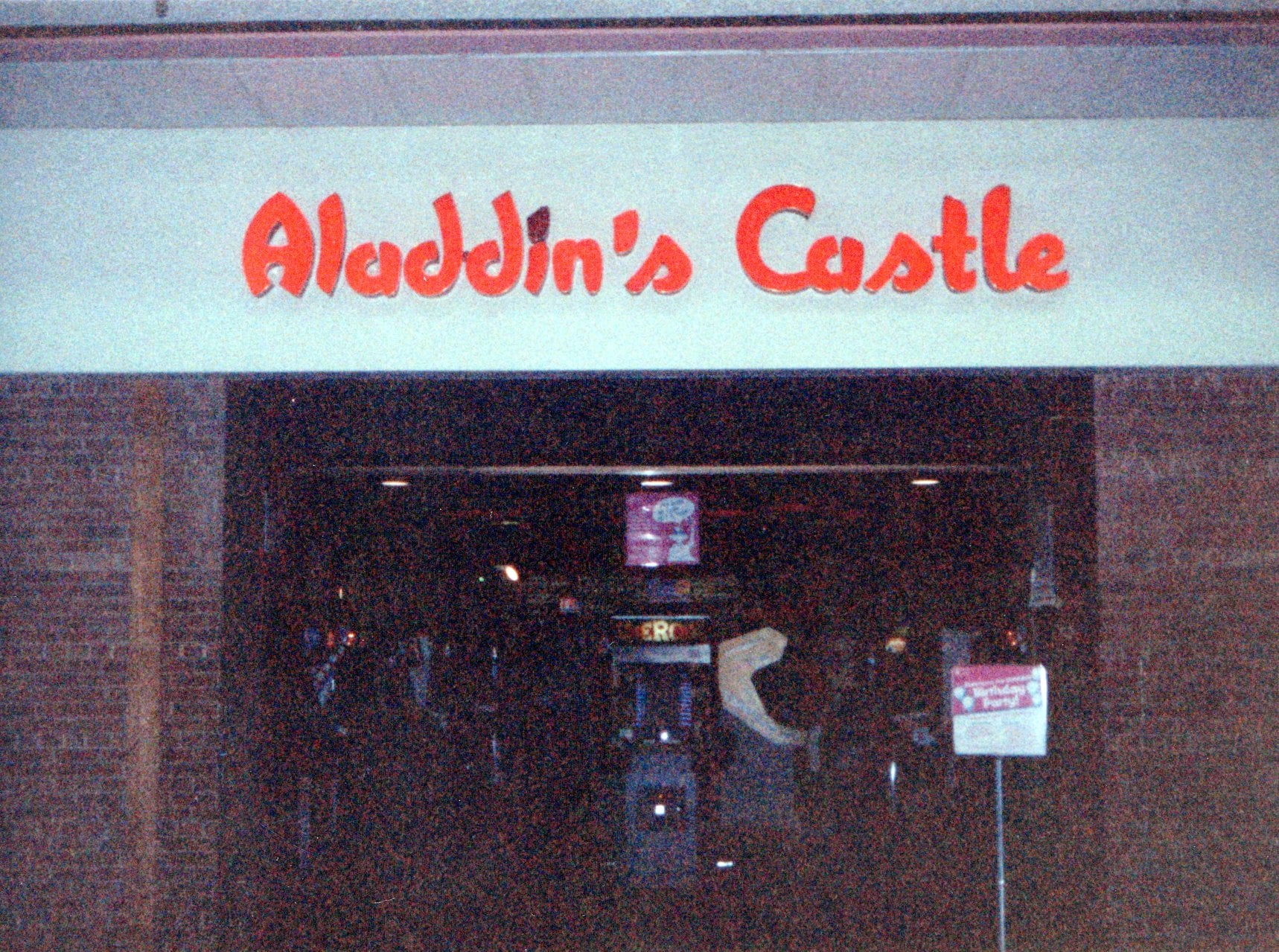
Arcades were the heart of mall culture. Teens flocked to play Pac-Man, Donkey Kong, and Street Fighter, often spending hours competing for high scores. The flashing lights and electronic sounds created a futuristic atmosphere, making the arcade a magnet for socializing and showing off gaming skills.
2. Meetings at the food court
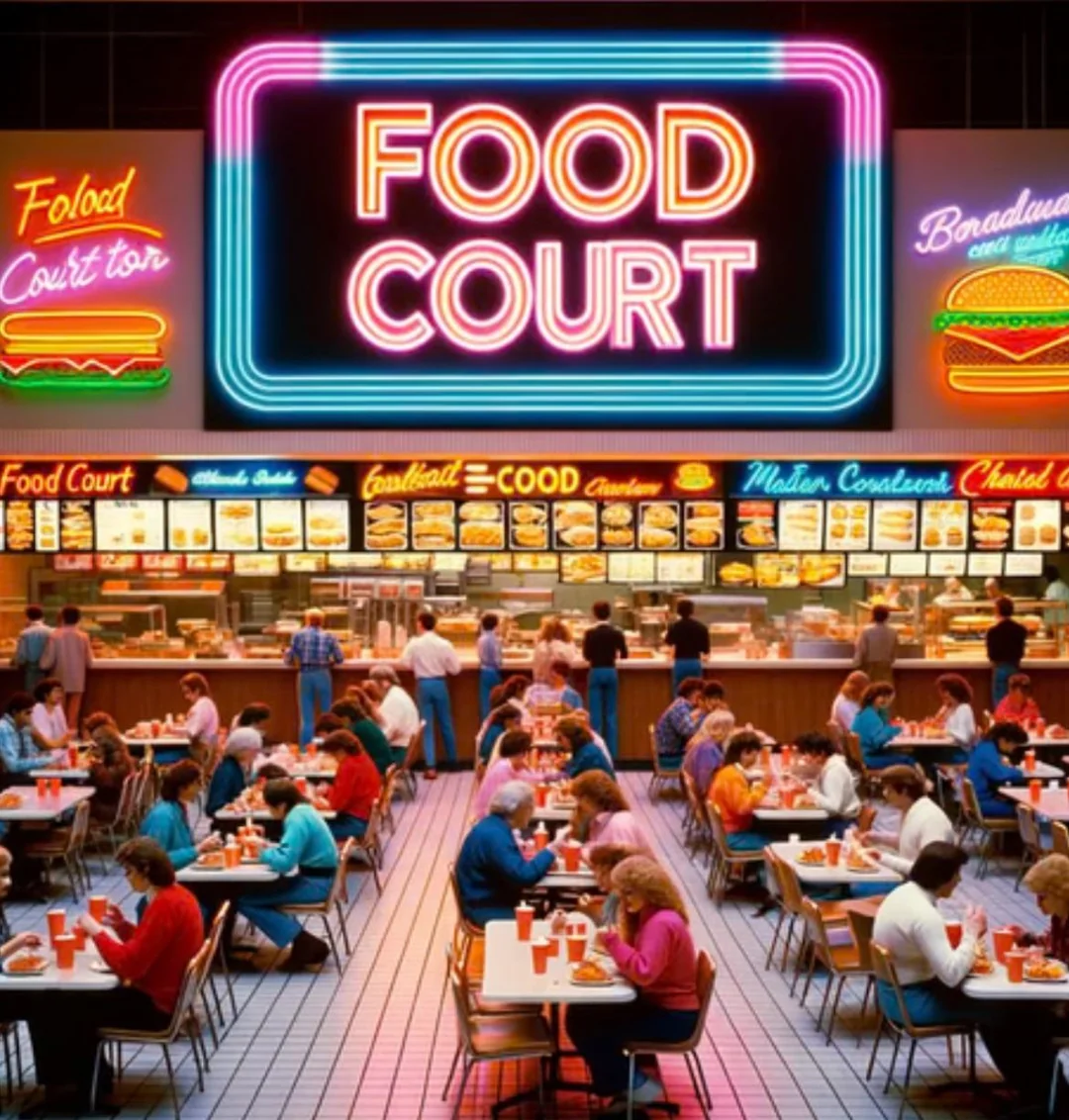
Food courts became the ultimate meeting spot. Whether it was grabbing a slice of pizza, sipping Orange Julius, or indulging in frozen yogurt, teens used food courts as their social headquarters. It wasn’t just about eating, it was about being seen, gossiping, and planning the next adventure.
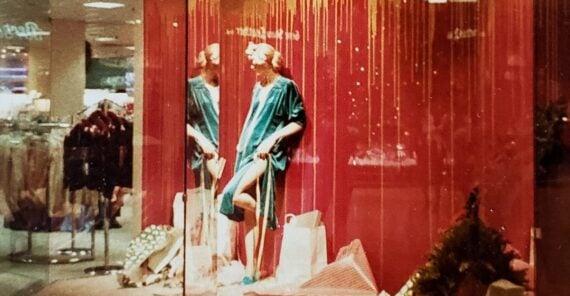
3. Fashion boutiques
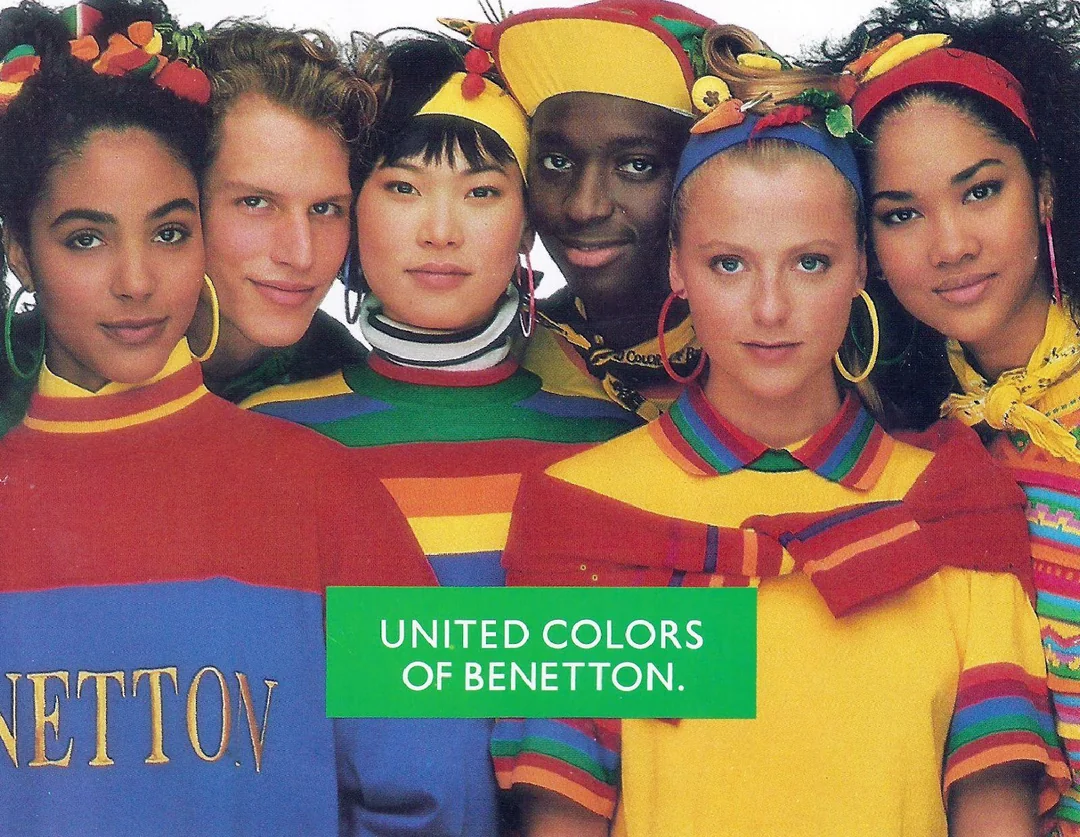
Stores like The Limited, Benetton, and Guess were teen fashion meccas. Shopping for jeans, neon tops, and oversized blazers was a rite of passage. Teens used mall fashion to express identity, and browsing racks with friends was as much about bonding as it was about buying.
4. Record stores
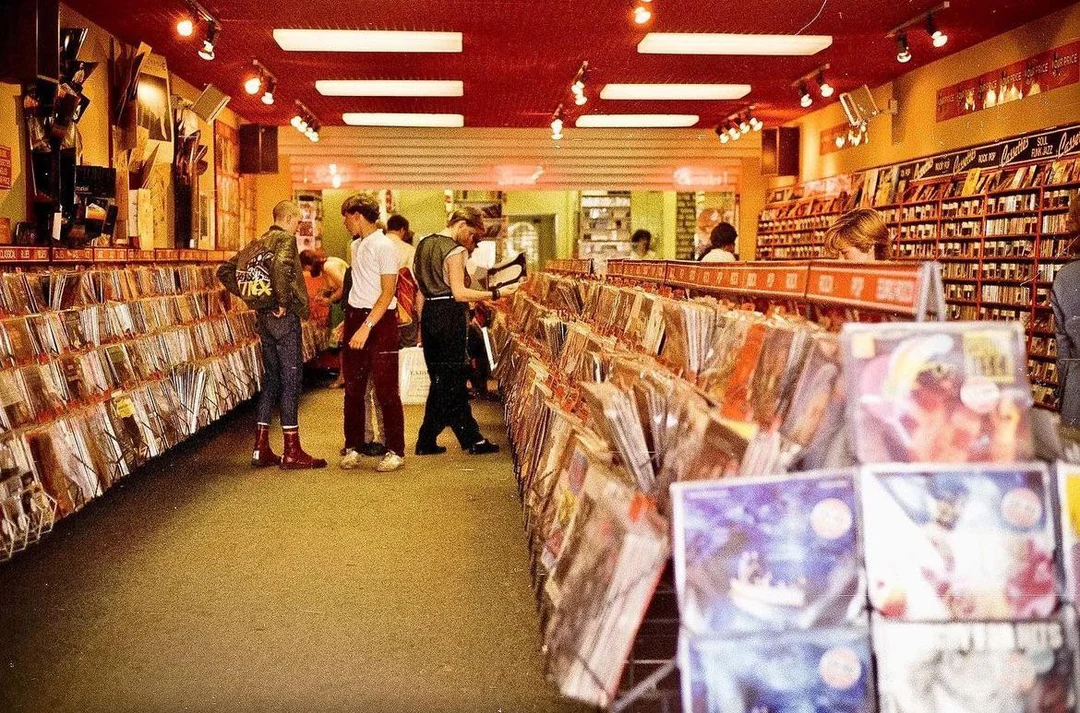
Music defined the 80s, and record stores were temples of discovery. Teens wandered through vinyl, cassettes, and posters, searching for the latest Madonna or Michael Jackson release. Listening stations and band merch made these shops cultural hotspots where musical taste became part of social identity.
5. Movie theaters
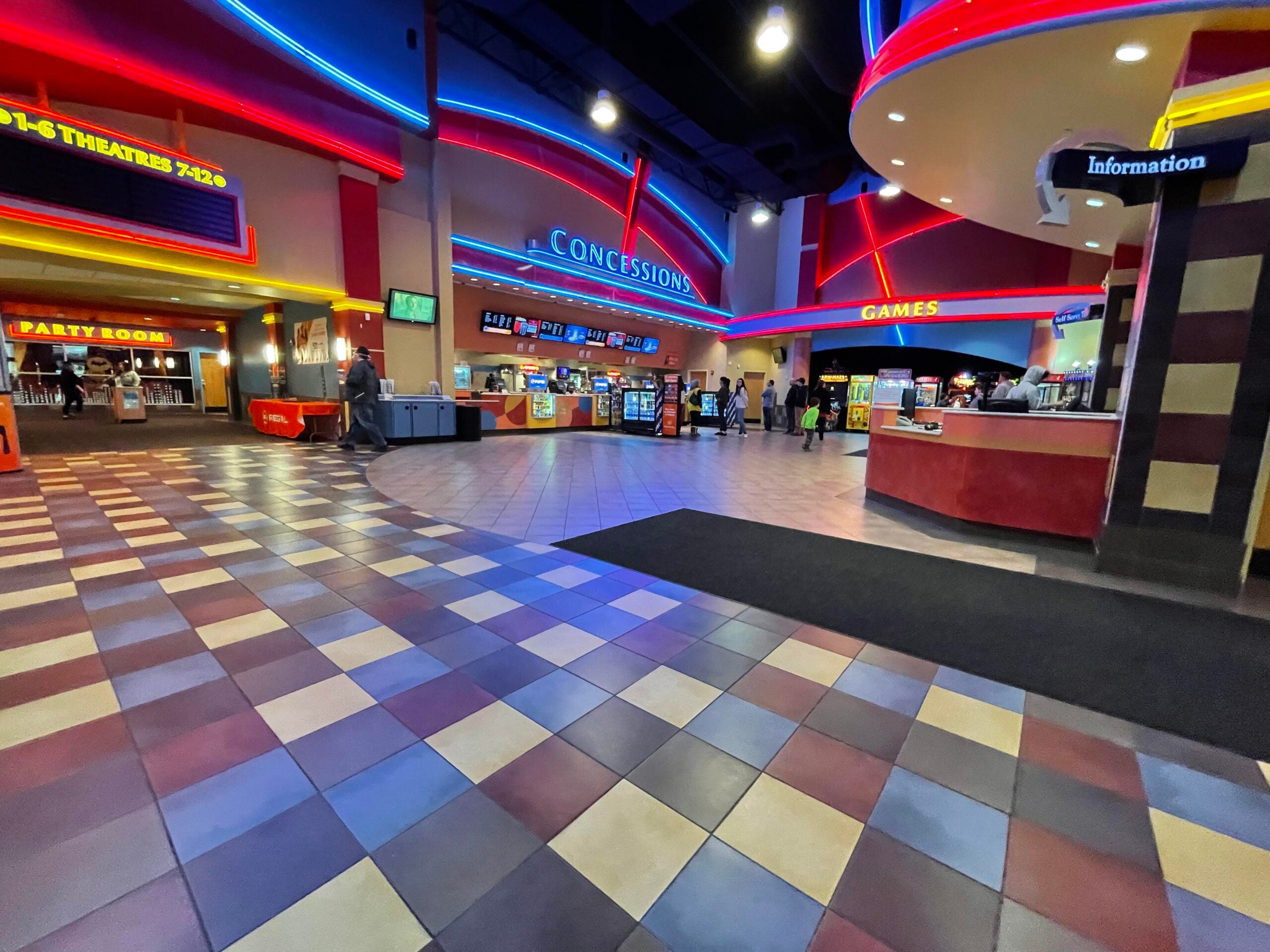
Mall cinemas offered blockbuster escapes. From The Breakfast Club to Back to the Future, teens gathered at theaters for Friday night outings. The mall movie experience was not just about the film, it was about the ritual of popcorn, neon marquees, and post-movie hangouts.
Trending on Wealth Gang

6. Department store anchors
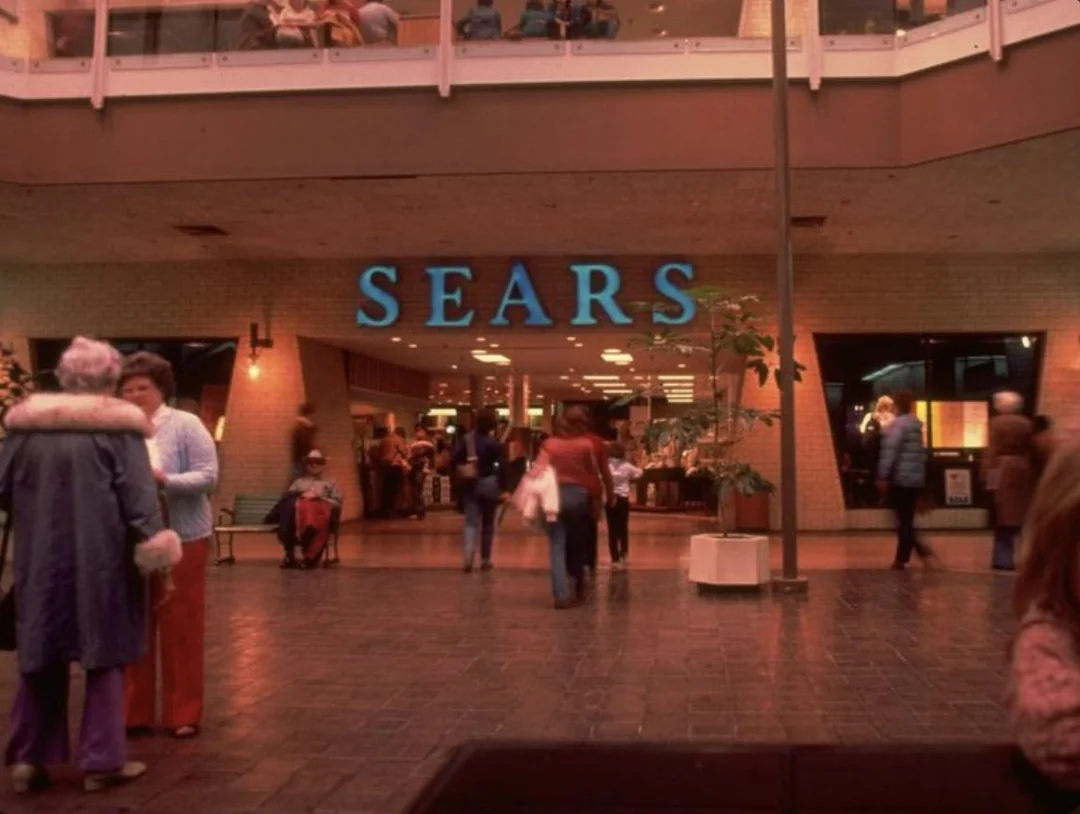
Big stores like Sears or JCPenney anchored malls and served as gateways to teen adventures. While parents shopped for household goods, teens explored smaller specialty shops. These anchors gave malls their sprawling layouts and made them feel like mini cities.
7. Celebrity appearances
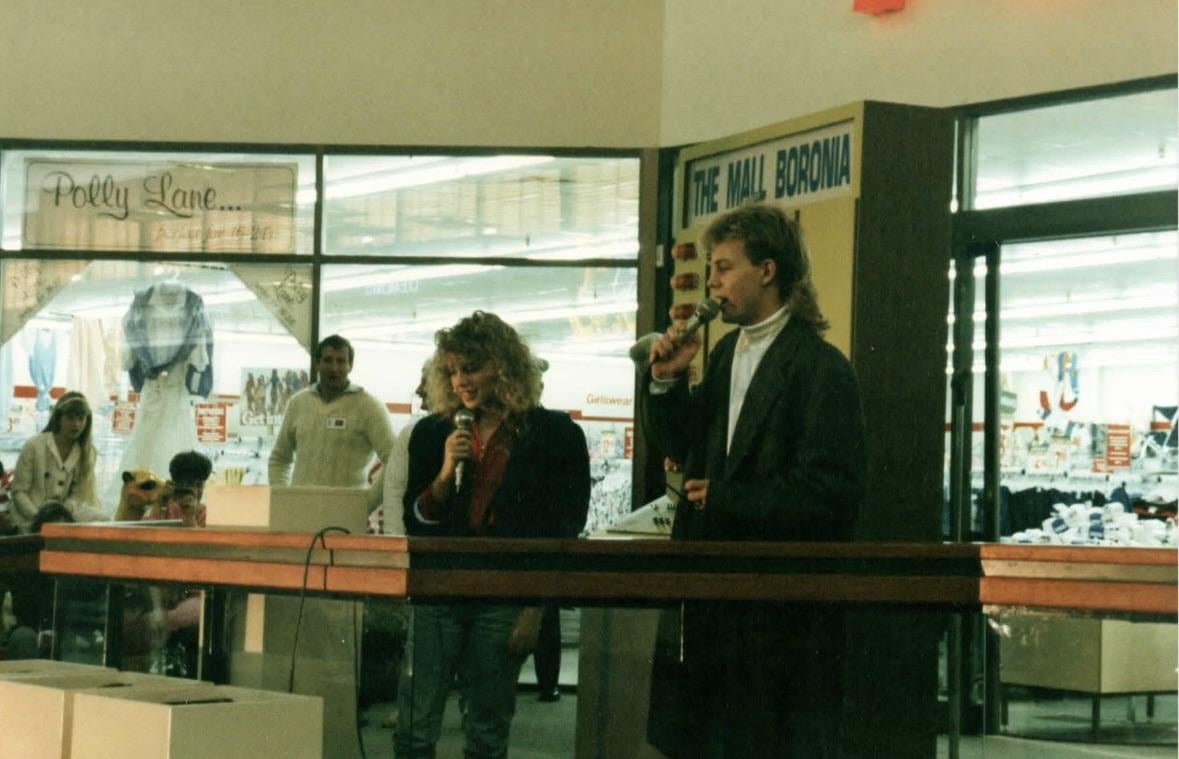
Malls often hosted celebrity signings or promotional events. Pop stars, soap opera actors, and even pro wrestlers drew massive teen crowds. These events turned malls into stages of excitement, where teens could meet icons they idolized.
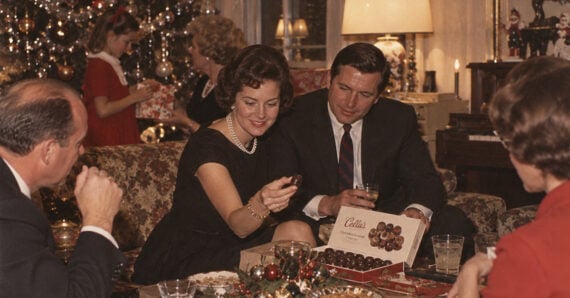
8. Seasonal decorations
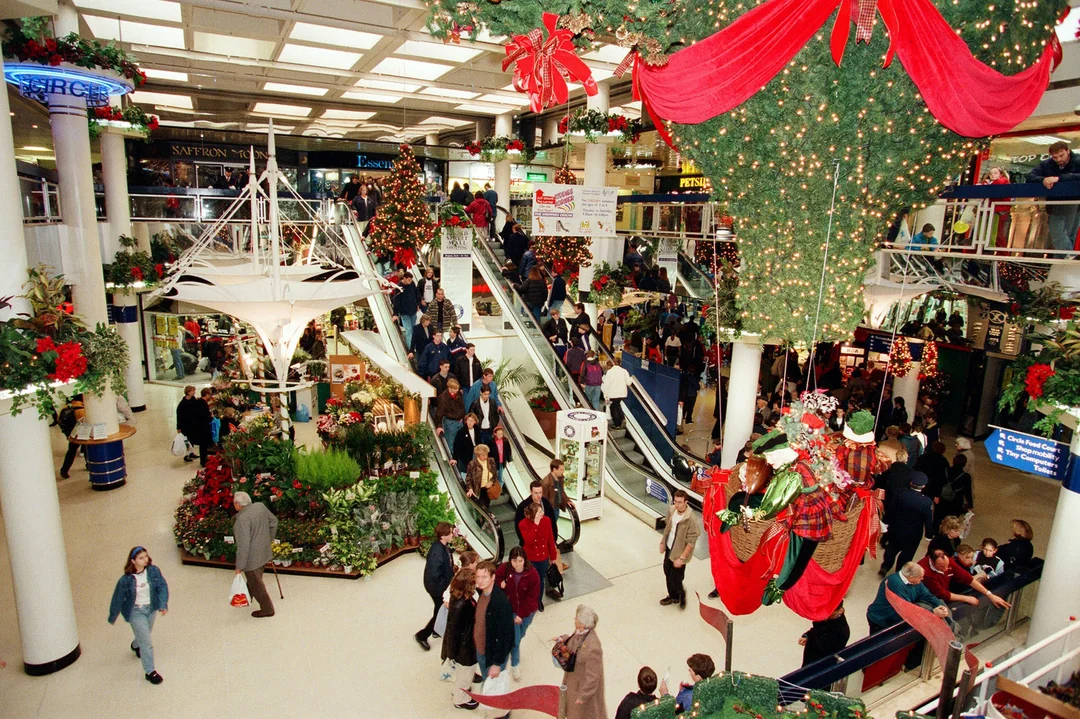
From extravagant Christmas displays to spooky Halloween setups, malls relied heavily on seasonal décor. Teens loved the immersive vibe, lights, giant trees, and themed photo booths made malls feel magical and gave them a reason to return again and again.
Sign up for our newsletter
9. Mall walkers & freedom
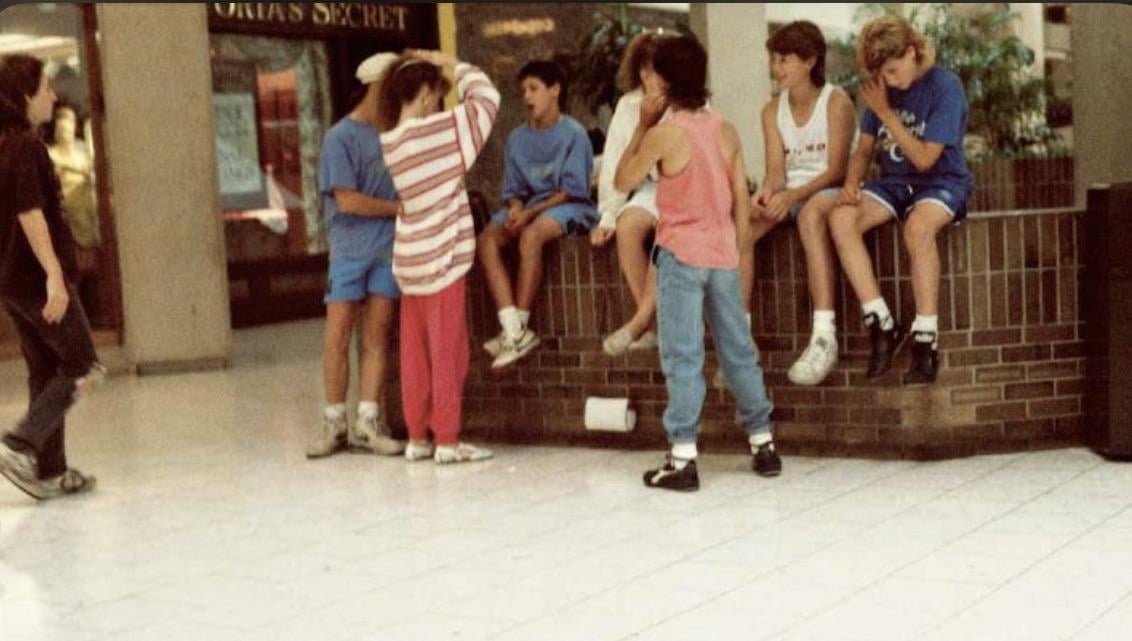
For many teens, malls symbolized independence. Parents dropped them off, and they roamed freely, walking with friends. This sense of autonomy, being able to explore without supervision, made malls a training ground for teenage social life.
10. Music video aesthetics
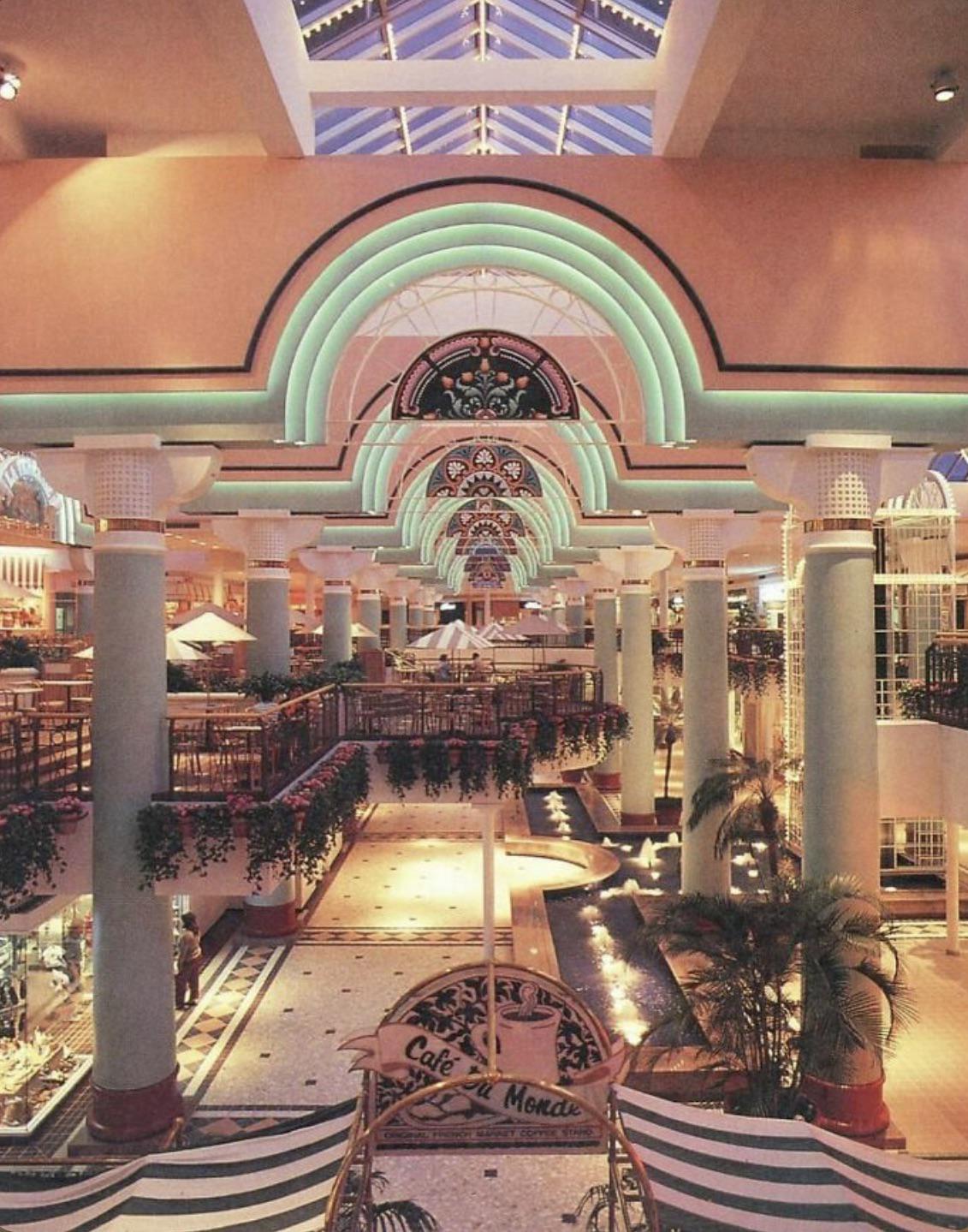
The neon lights, mirrored walls, and pastel colors of malls mirrored MTV’s rise. Teens often felt like they were living inside a music video, with fashion and décor blending into pop culture. Malls were not just shopping centers, they were stages for self-expression.
The shopping mall of the 1980s wasn’t just a commercial space, it was a cultural phenomenon that shaped an entire generation. It offered teens a playground of independence, a stage for self‑expression, and a context for countless memories. Arcades pulsed with neon energy, food courts buzzed with chatter, and boutiques turned fashion into identity. Record stores gave music its heartbeat, while mall theaters transformed Friday nights into rituals. For teens, the mall was freedom wrapped in consumerism, a place where friendships deepened, trends ignited, and individuality found its spotlight. Looking back, these malls weren’t just buildings filled with shops, they were the epicenters of youth, the crucibles of style, and the neon‑lit corridors where the rhythm of adolescence truly came alive.