
I am regularly blown away by how quickly gas costs can eat away at a budget. Gas keeps getting more and more expensive, and people don’t seem like they’re going to stop driving any time soon either. These are 10 proven ways that can reduce spending and keep more cash in your wallet each time that you need to fuel up as well.
1. Maximize Your Credit Card Rewards

It’s a given that not all gas purchases are dished out the same. Some credit cards actually go so far as to offer deals like 3-5% cash back that are specifically catered to gas expenses. Just make sure to do what you can to avoid those store-branded gas cards that can also include hidden fees.
2. Avoid Stations Near Highways or Airports
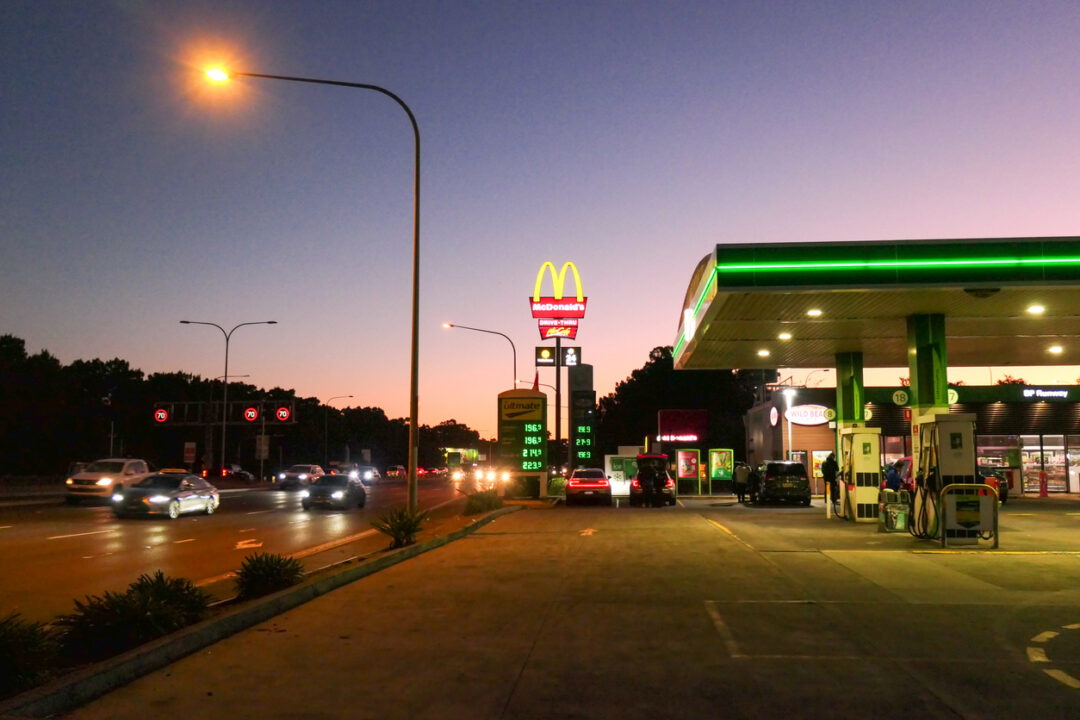
Ever notice how gas prices skyrocket near highway exits and airports? These locations tend to charge more per gallon (some even double the price) because they know travelers in a hurry will pay for it. To avoid this obvious rip-off, plan ahead to fill up in residential areas where competition keeps prices lower. Apps like GasBuddy let you compare prices along your route in real time. For a typical 15-gallon tank, taking a few extra minutes to find a better price could save you between $5 to $10 per tank.
3. Maintain Proper Tire Pressure
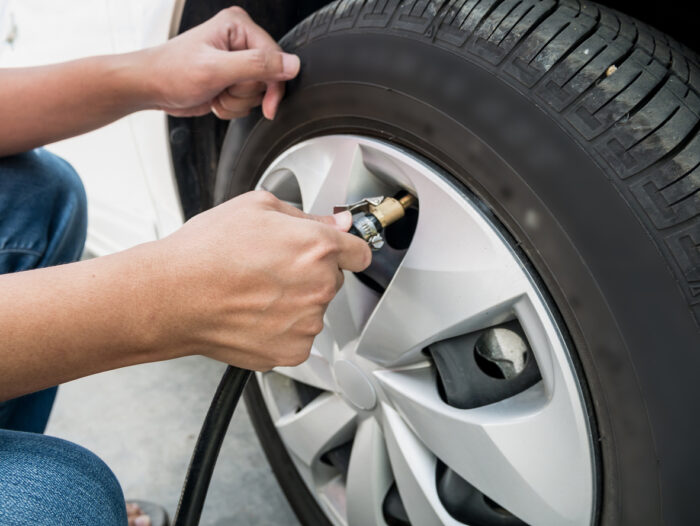
Under-inflated tires are one of the biggest silent gas wasters (not to mention a safety risk). Just being low by 10 PSI can reduce your fuel efficiency by 2% — meaning you’re paying more to go the same distance. To avoid this, check your tire pressure every month (make sure tires are cool to avoid burns) and keep them inflated to your vehicle’s recommended level (you can find this in the manual or on the driver’s door). Proper inflation also extends the lifespan of your tires to help you save down the road.
Pro tip: Consider buying a quality tire gauge and portable air pump (you can buy a highly-rated one for less than $20 on Amazon) to keep in your vehicle at all times in case of flat tires or other unexpected car troubles.
4. Fuel Up Early in the Week
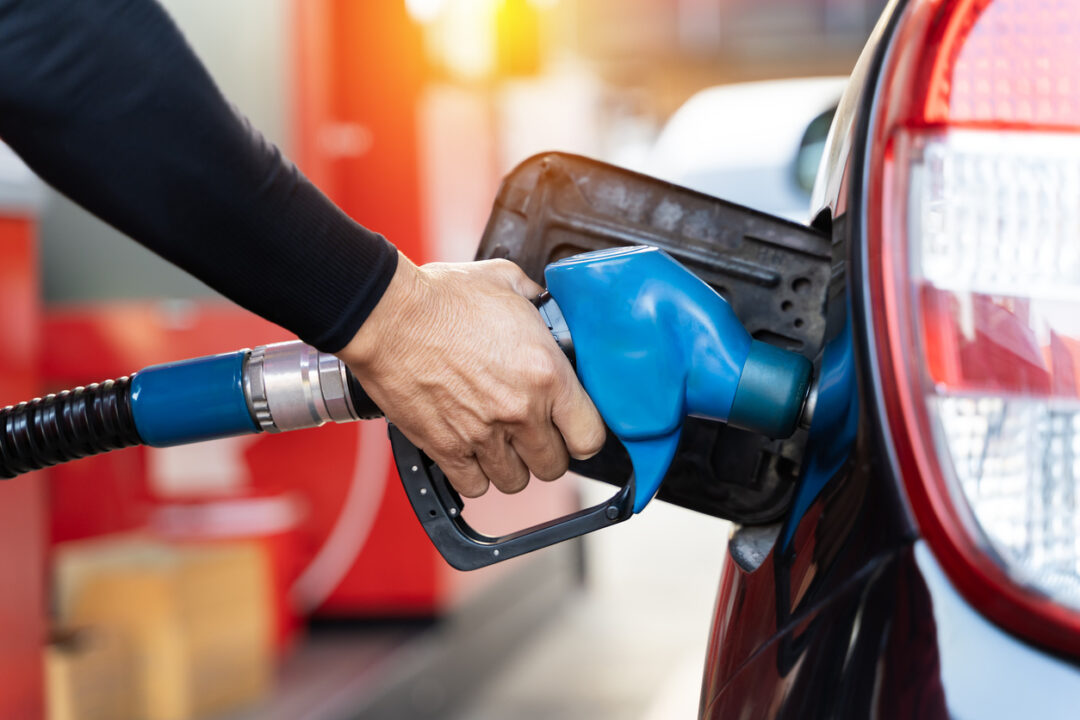
Gas prices typically follow predictable patterns during the week. This means stations tend to raise prices midweek as weekend travel approaches and government reports are released. By filling up on Monday or Tuesday, you’ll catch the lowest prices. This is especially true around holidays, as prices typically spike in the days before long weekends. By making this small tweak, the average driver could save over $100 or so per year with zero extra effort.
5. Skip Premium Gas Unless Required
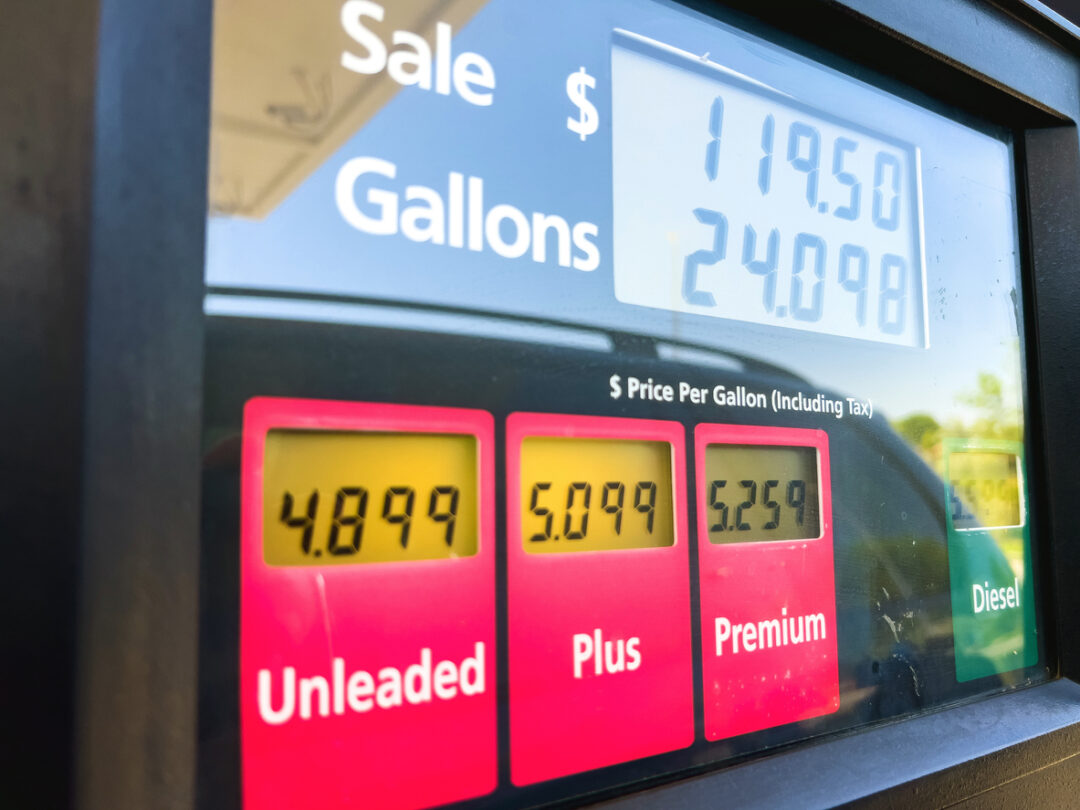
Many drivers waste money on premium gas even though their cars don’t need it. To avoid overspending, check your owner’s manual; unless your vehicle specifically requires premium gas (most common in luxury or high-performance vehicles), regular unleaded will work just fine. If your car does require premium gas, consider filling up at membership clubs like Costco or Sam’s Club where prices are lower compared to regular gas stations.
Trending on Wealth Gang


6. Leverage Grocery Store Fuel Programs

Many supermarket chains offer fuel reward programs that can save you between 10 cents to $1 per gallon. Stores like Kroger, Safeway, and Giant Fuel will also offer fuel points for grocery purchases (typically 1 point per $1 spent). Though it isn’t a lot, these points can add up to help you save in the long run. If you live in a rural area, consider also keeping a gas can or two (safely stored, of course) to maximize savings and have in-hand in case you run out of gas and won’t hit another station for miles.
7. Drive Smarter

Believe it or not, your driving habits can dramatically impact your car’s mileage. Aggressive acceleration and speeding can “reduce gas mileage by roughly 15% to 30% at highway speeds and 10% to 40% in stop-and-go traffic,” according to the U.S. Department of Energy. To combat this, use cruise control on highways to maintain a consistent speed, and practice anticipating stops while driving in cities to avoid harsh braking and sudden stops (which also wrecks your brake pads faster).
8. Reduce Vehicle Weight
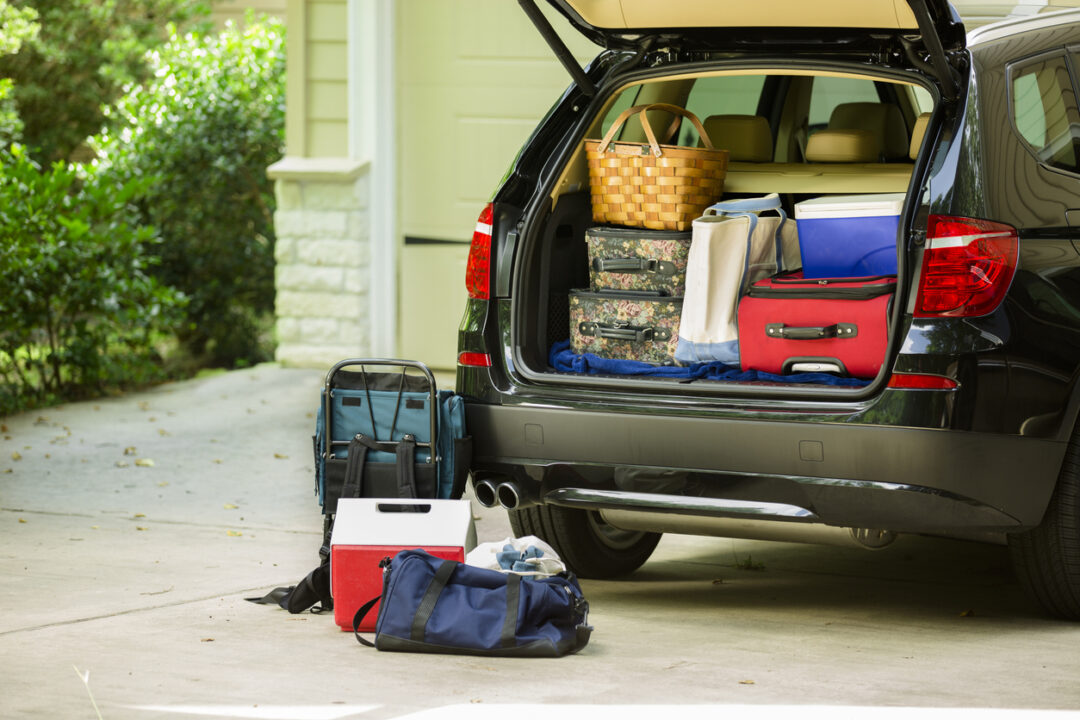
Every 100 pounds of unnecessary weight decreases fuel economy by about 1%, studies find. That gym bag that lives in your trunk? The collection of sports equipment livstoredng in the back? They’re all costing you money in extra fuel, so take a few minutes to clean out anything you don’t regularly need. Remember: A lighter, more aerodynamic vehicle needs less gas to move.
Sign up for our newsletter
9. Fill Up at the Right Time
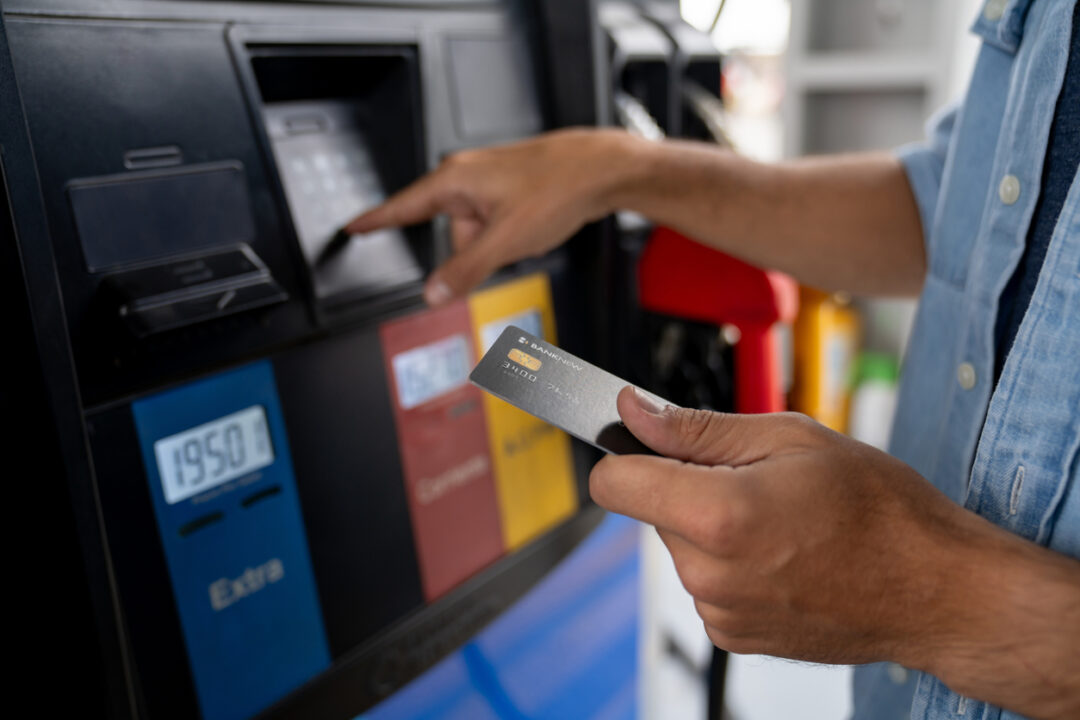
Gasoline expands in heat, so you get slightly more fuel when temperatures are cooler (think early mornings or late evenings). Also, avoid filling up right after a tanker delivery, as it can stir up sediment that could potentially clog filters. While these gains are small per fill-up (about 1-2%), over time they add up. And every penny counts, right?
10. Keep Up With Maintenance
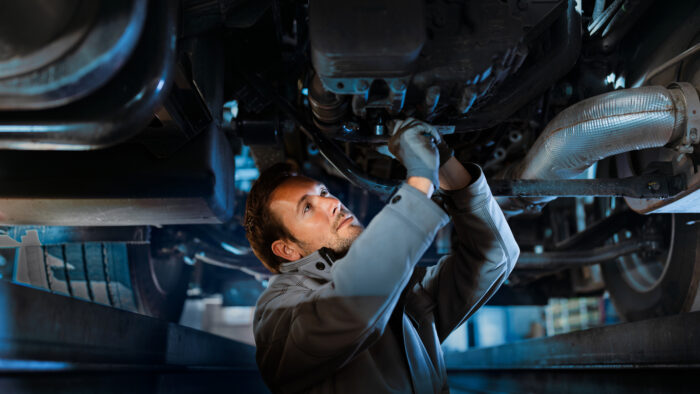
A well-tuned engine doesn’t just run smoother — it saves you money. Dirty air filters can reduce mileage, while faulty oxygen sensors will waste more fuel. Regular oil changes (with the recommended grade), timely spark plug replacements, tire rotations, and promptly going to the mechanic whenever “check engine lights” come on will all help maximize mileage.
Want more ideas on how to save?
Saving doesn’t always have to be a chore. Check out 11 Weirdly Fun Ways To Save Money This Month to make it more entertaining. You might also find 10 Ways To Save Money Without Feeling Deprived and 8 Ways Going Green Actually Saves You Money helpful.