

Moving is exciting, but it’s also one of those life moments where expenses sneak up on you from every direction. Boxes, transportation, deposits, new furniture, unexpected fixes, it all adds up fast if you don’t plan ahead. The good news is that saving money while moving doesn’t mean cutting corners or adding stress. With a few smart decisions and some organization, you can significantly reduce costs and keep your move efficient, calm, and budget-friendly.
1. Declutter Before You Pack

The less you move, the less you pay. Go through your belongings and sell, donate, or discard anything you no longer use. Fewer boxes mean lower moving costs and less time spent packing and unpacking.
2. Compare Moving Quotes Early

Vitaly / Pinterest.com
Don’t settle for the first estimate you receive. Get multiple quotes from moving companies and compare services, not just prices. Booking early often gives you better rates and more flexibility.
3. Move During Off-Peak Times
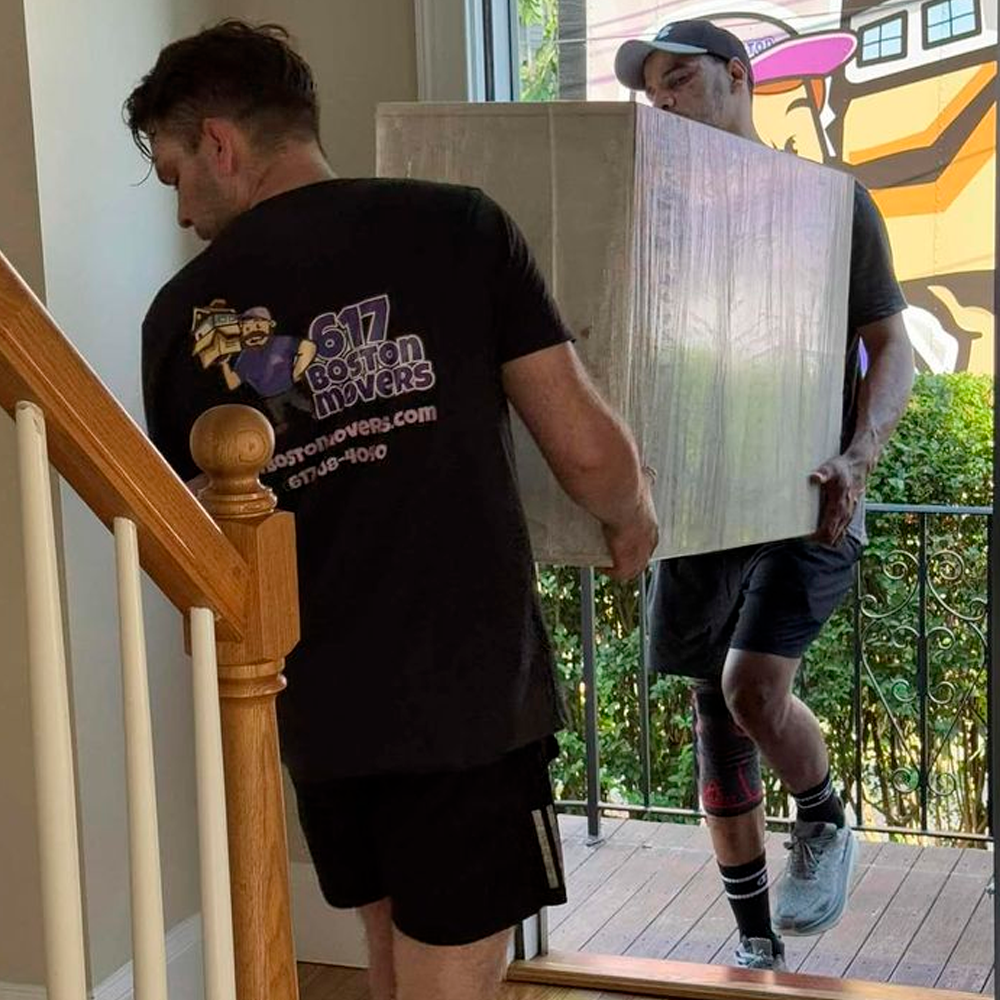
If you can choose your moving date, avoid weekends and peak seasons. Mid-week and mid-month moves are usually cheaper, as demand is lower and companies offer better pricing.
4. Use Free Packing Supplies
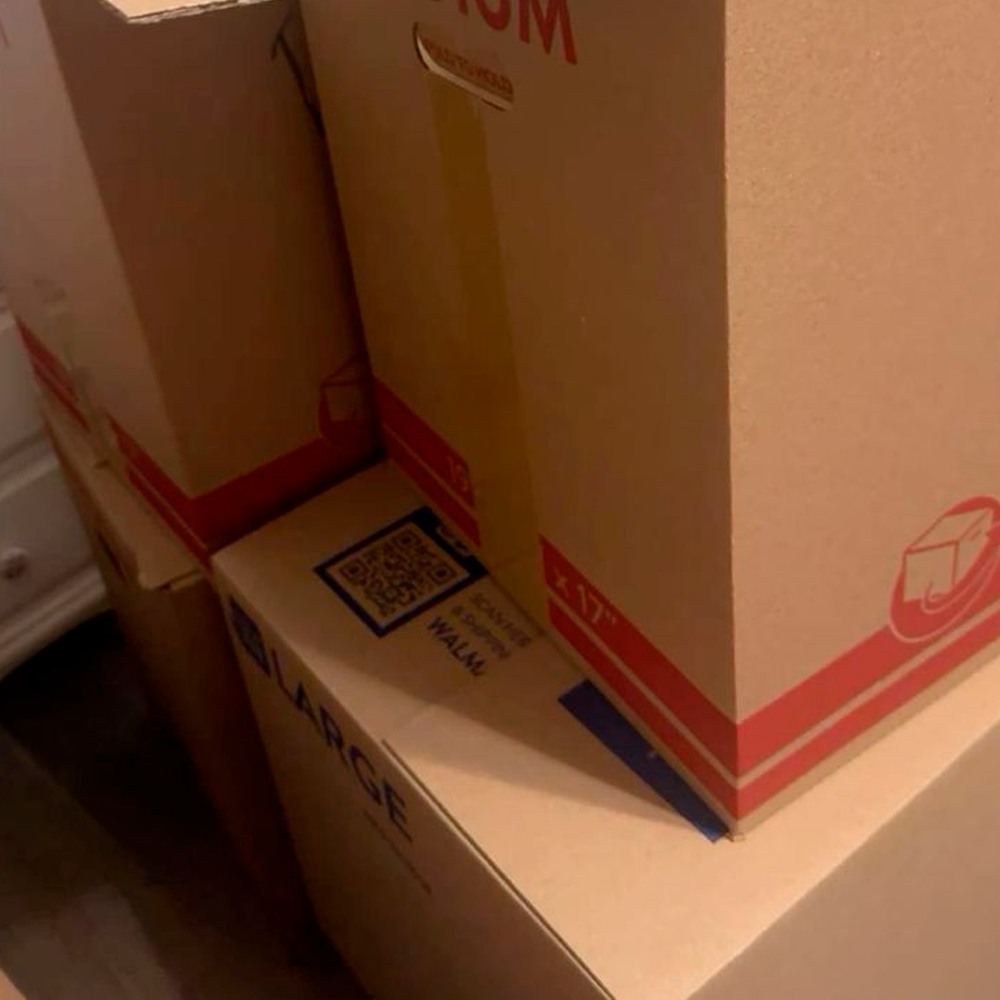
Instead of buying boxes, ask local stores, supermarkets, or friends who recently moved. You can also reuse suitcases, bags, and sturdy containers you already own.
5. Pack Everything Yourself
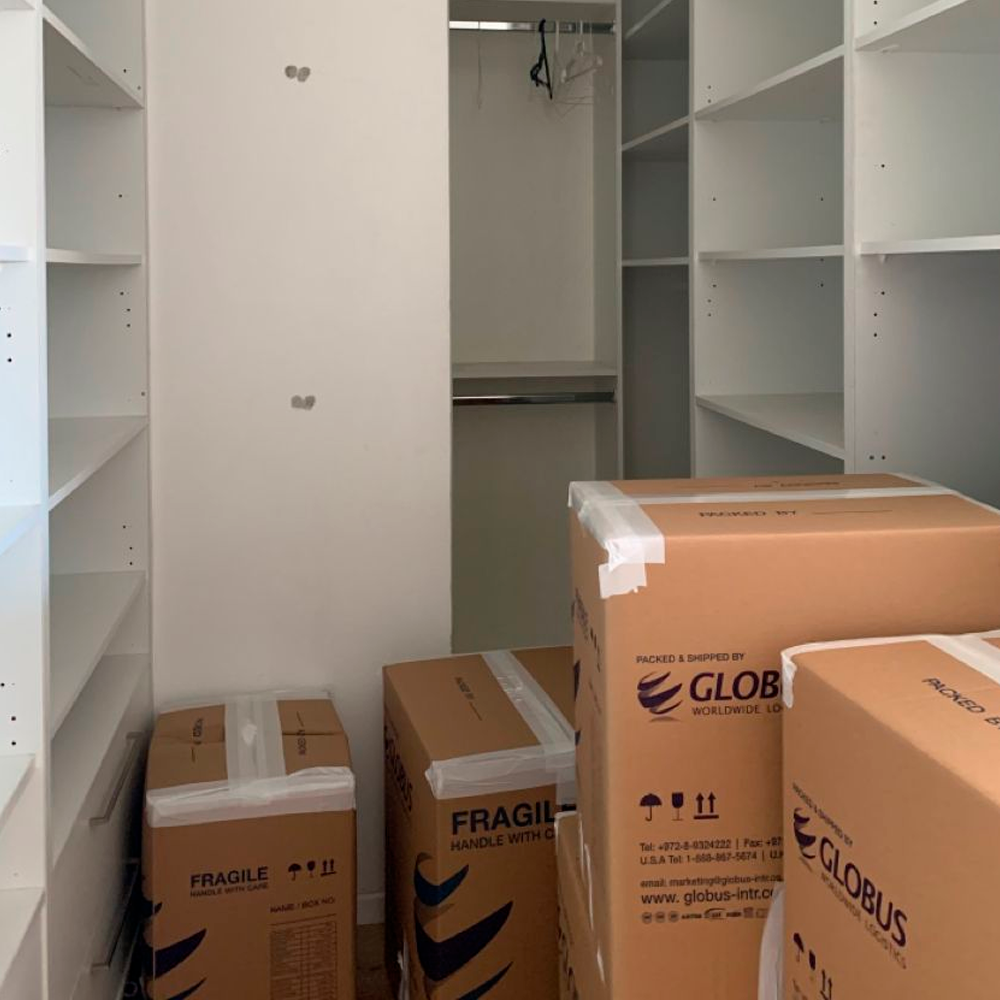
Professional packing services can be convenient, but they’re expensive. Packing on your own takes more time, but it can save a significant amount of money.
Trending on Wealth Gang


6. Label Boxes Clearly
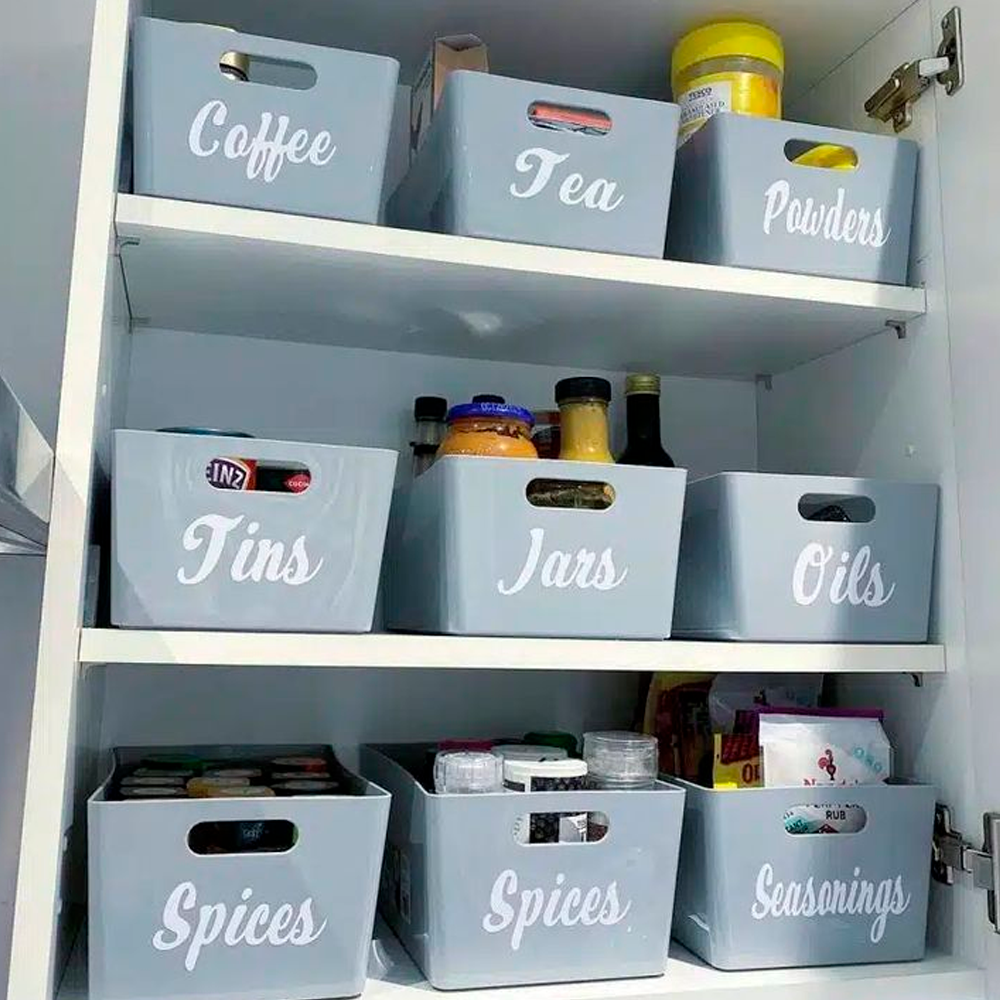
Clear labeling helps movers work faster and prevents damage. Less confusion means less time spent loading and unloading, which can reduce hourly moving fees.
7. Measure Furniture Before Moving

Avoid last-minute surprises by measuring large items and doorways in advance. This prevents extra labor, disassembly fees, or having to replace furniture that doesn’t fit.
8. Transfer Utilities in Advance
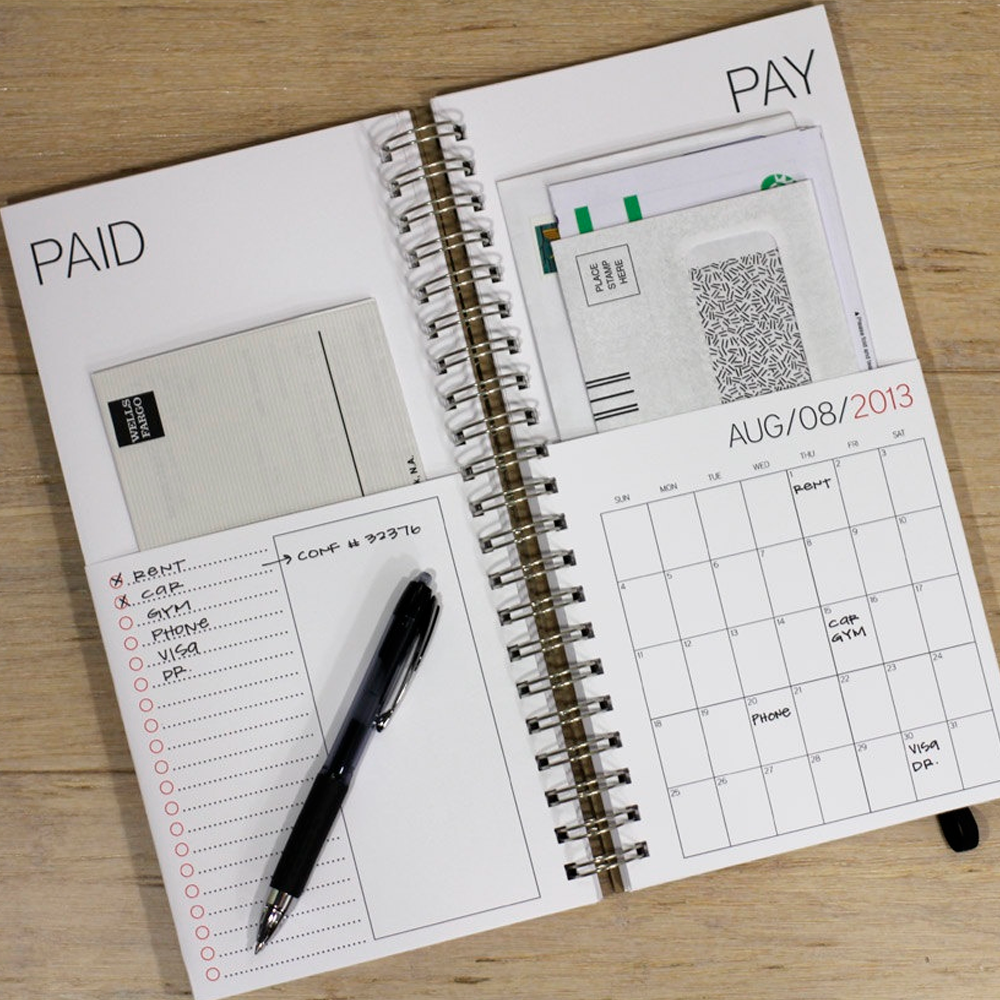
Schedule utility transfers ahead of time to avoid overlapping bills. Paying for services at two places longer than necessary can quietly drain your budget.
Sign up for our newsletter
9. Keep an Essentials Box Handy

Pack a box with everyday necessities like toiletries, chargers, documents, and basic tools. This prevents unnecessary spending on replacements during the first days in your new home.
10. Track Every Expense
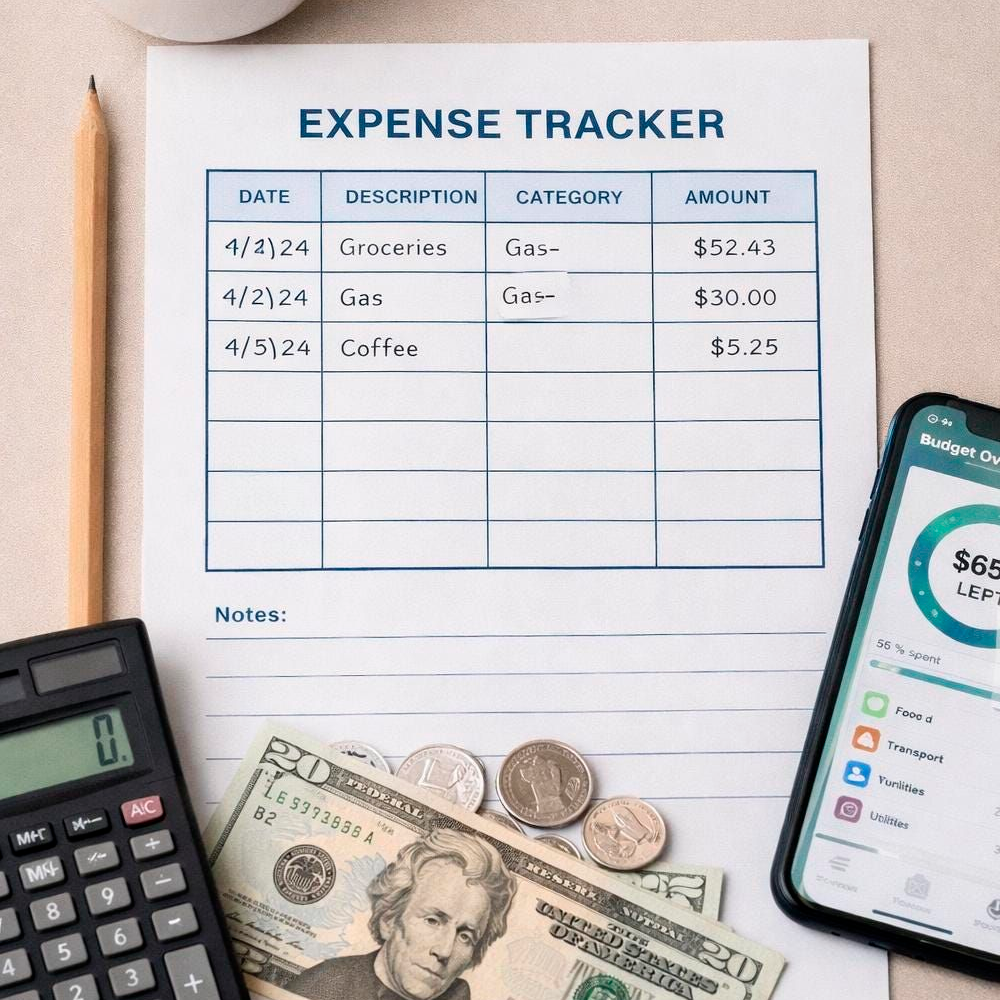
Keep a simple list of moving-related costs as they happen. Seeing the numbers in real time helps you stay aware, avoid impulse spending, and adjust when needed.
More Related:
-
20 Ways People Are Saving Money That Are Wildly Creative
A practical roundup of unconventional saving strategies that pair well with cutting costs during a move.