
Space travel may look like pure science and engineering, but astronauts are surprisingly superstitious and deeply attached to rituals that combine culture, history, and personal quirks. They remind us that even in the most advanced missions, astronauts carry with them the human need for routine, symbolism, and connection. From pre-launch haircuts to heartfelt gestures after landing, these traditions reveal the human side of space exploration.
1. Christmas Trees Made of Space Supplies
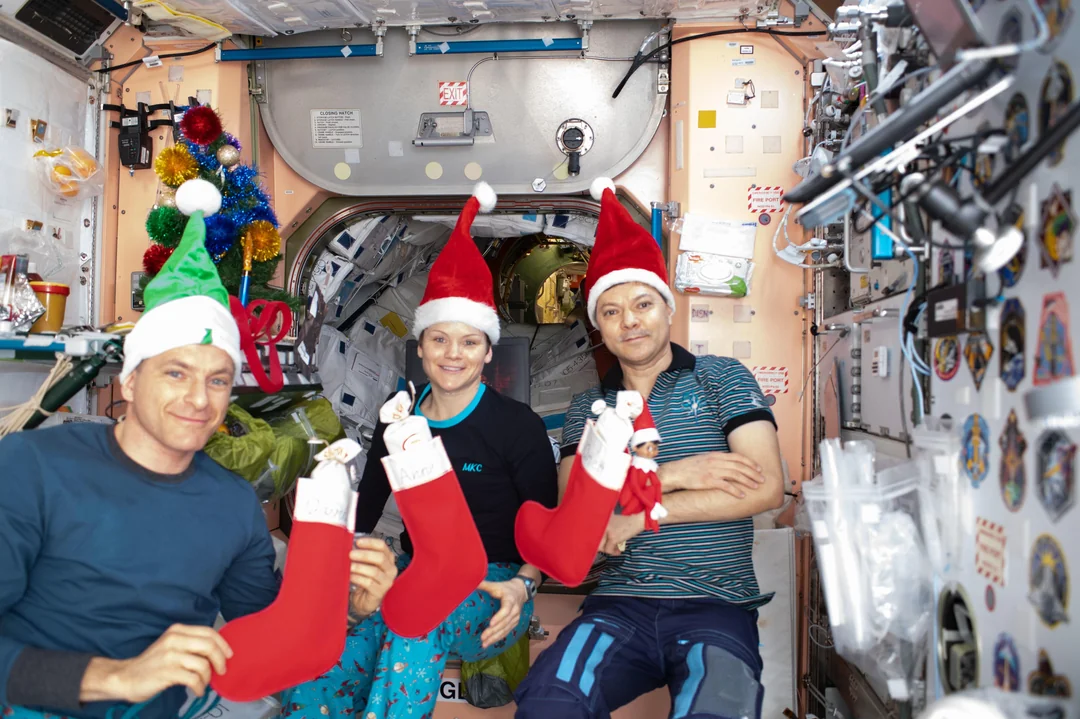
One of the most charming traditions is the creation of DIY Christmas trees using whatever materials are available on the ISS. The Skylab 4 crew famously built a tree out of leftover food cans in 1973, complete with a cardboard comet topper. These improvised decorations show how astronauts bring creativity and holiday spirit into the high‑tech environment of space.
2. Watching White Sun of the Desert
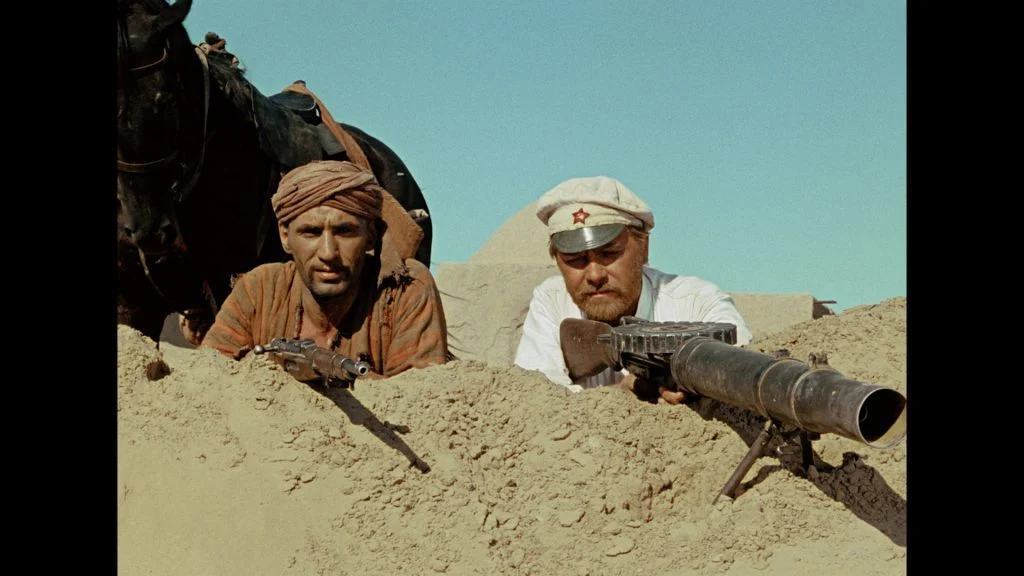
Russian astronauts have a mandatory movie night before every launch, and the film of choice is the Soviet classic White Sun of the Desert. This tradition began in the 1970s and stuck because crews who watched it seemed to have successful missions. The film, a mix of action and comedy, has nothing to do with space, but it provides a moment of relaxation and camaraderie before the intensity of space. Astronauts from other countries often join in, embracing the ritual as part of the shared journey.
3. Planting a Tree Before Flight
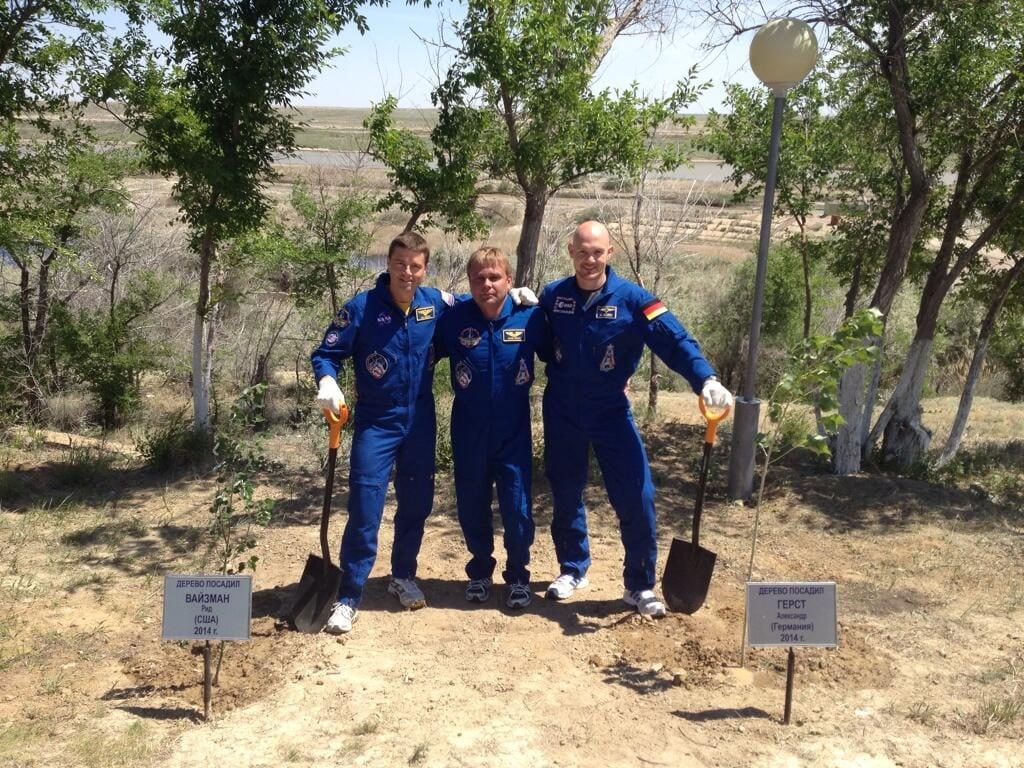
At Baikonur, every astronaut plants a tree before their first mission. The act symbolizes growth, life, and continuity while astronauts leave Earth, they also leave something behind that will keep growing in their absence. Walking through the grove is a powerful reminder of the human legacy in space exploration.
4. Wearing Matching Crew Patches
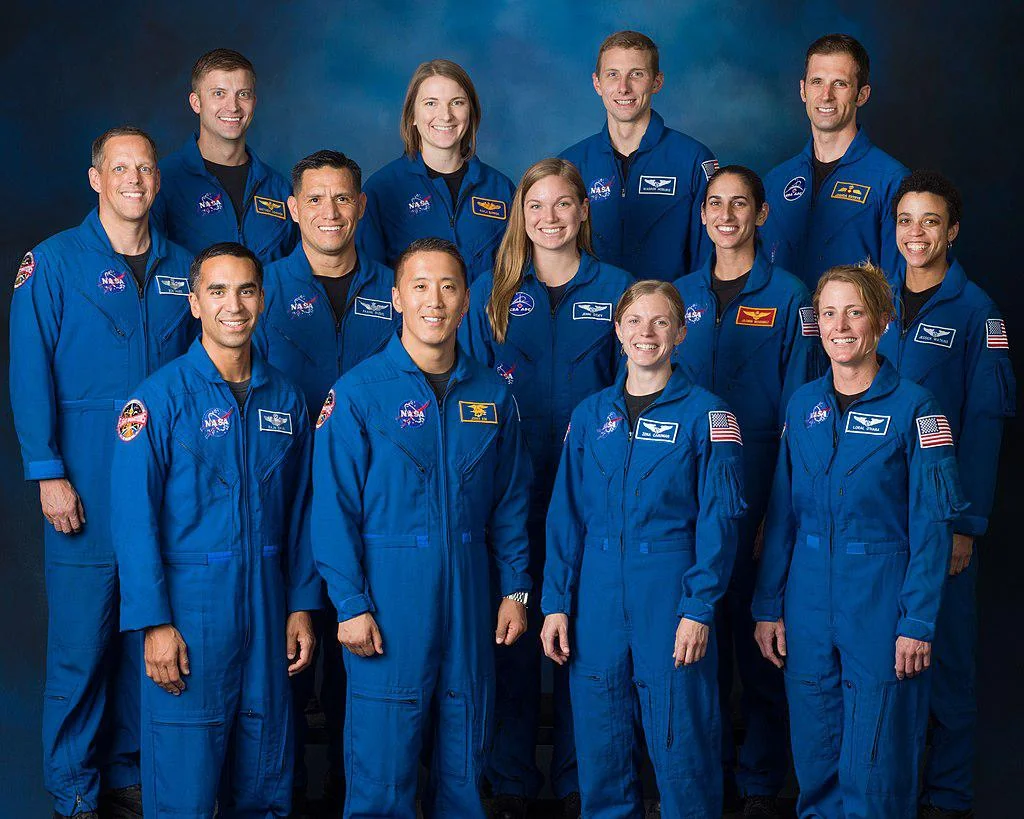
Astronauts design and wear mission patches that symbolize their journey. These patches are full of hidden meanings. Wearing them is more than just uniform, it is a way of carrying the mission’s identity and spirit. Crews often exchange patches with colleagues, creating a sense of shared heritage across generations.
5. The Baikonur Cosmodrome Room Ritual
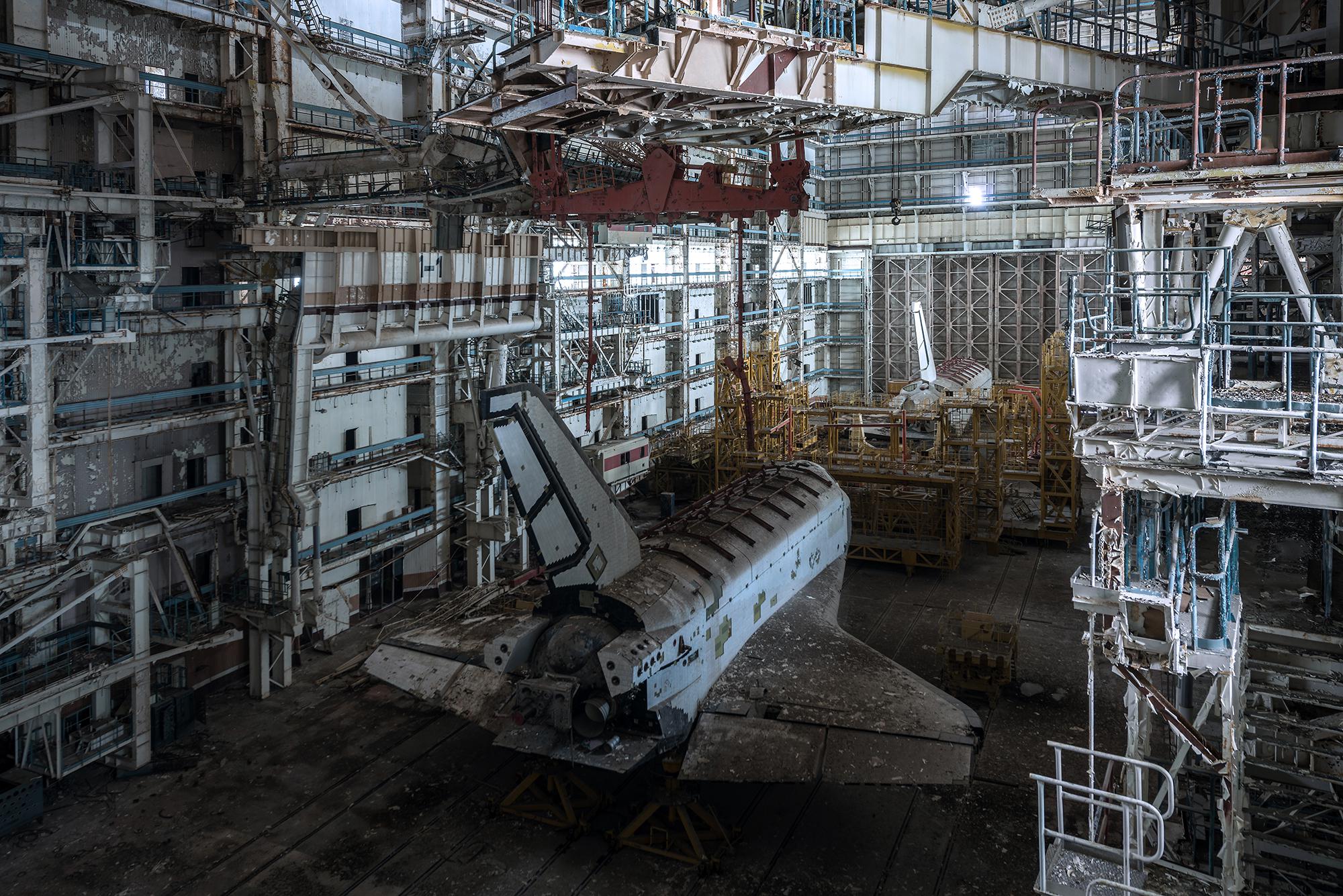
Before launch, astronauts spend time in a special room at Baikonur where they sign the guest book and reflect. The room is filled with photos of past crews, and the ritual connects today’s astronauts with those who came before. Signing the book is a symbolic act of joining a lineage, acknowledging that spaceflight is not just a personal achievement but part of a collective human mission.
Trending on Wealth Gang


6. The Pre-Launch Haircut
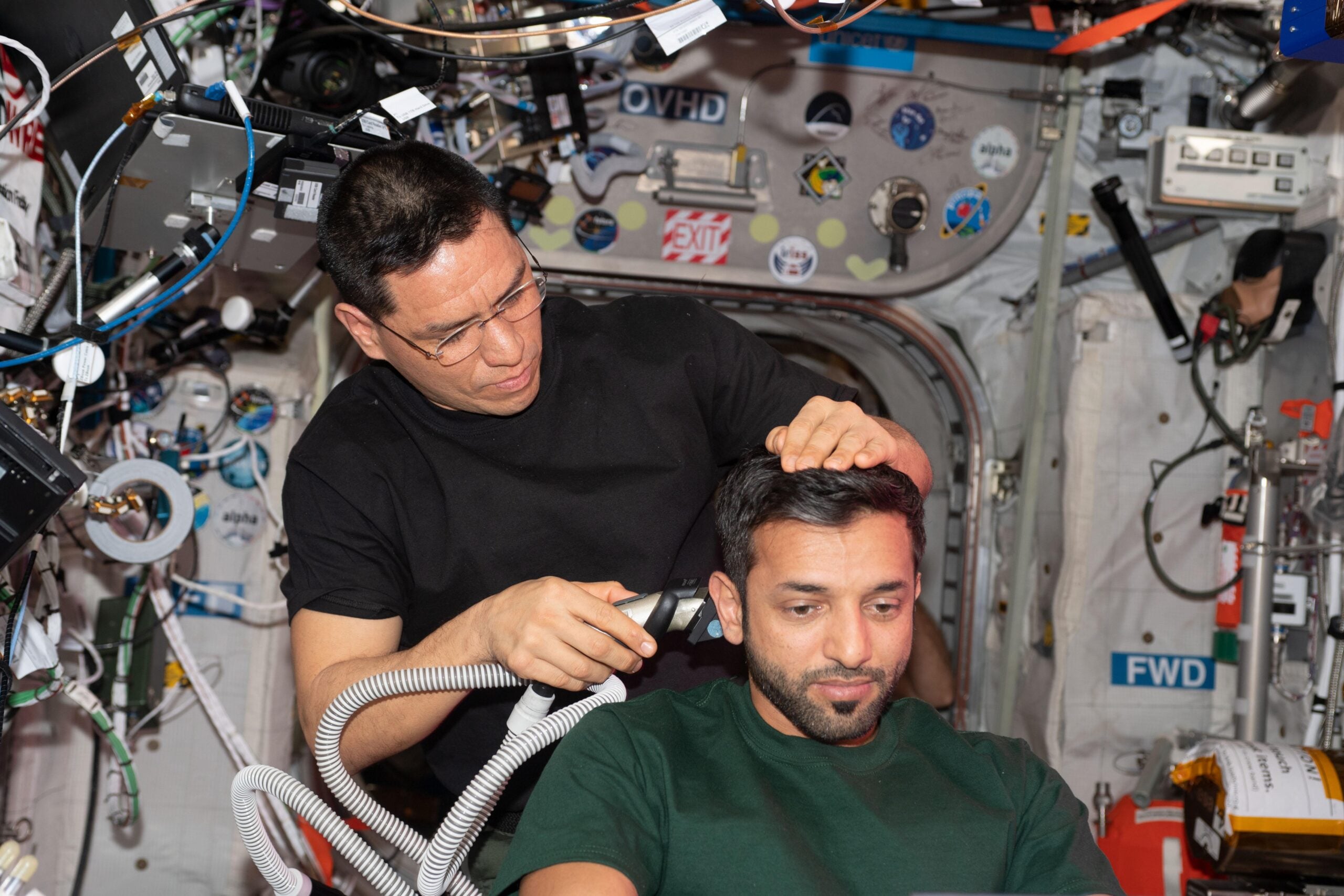
Before heading to the launch pad, astronauts often get a haircut from the same barber at the Baikonur Cosmodrome in Kazakhstan. This tradition started with Yuri Gagarin, the first human in space, and has continued ever since. The haircut is symbolic, it represents a clean slate and a fresh start. Even astronauts who don’t normally fuss about their hair take part, knowing it ties them to decades of space history.
7. Steak and Eggs
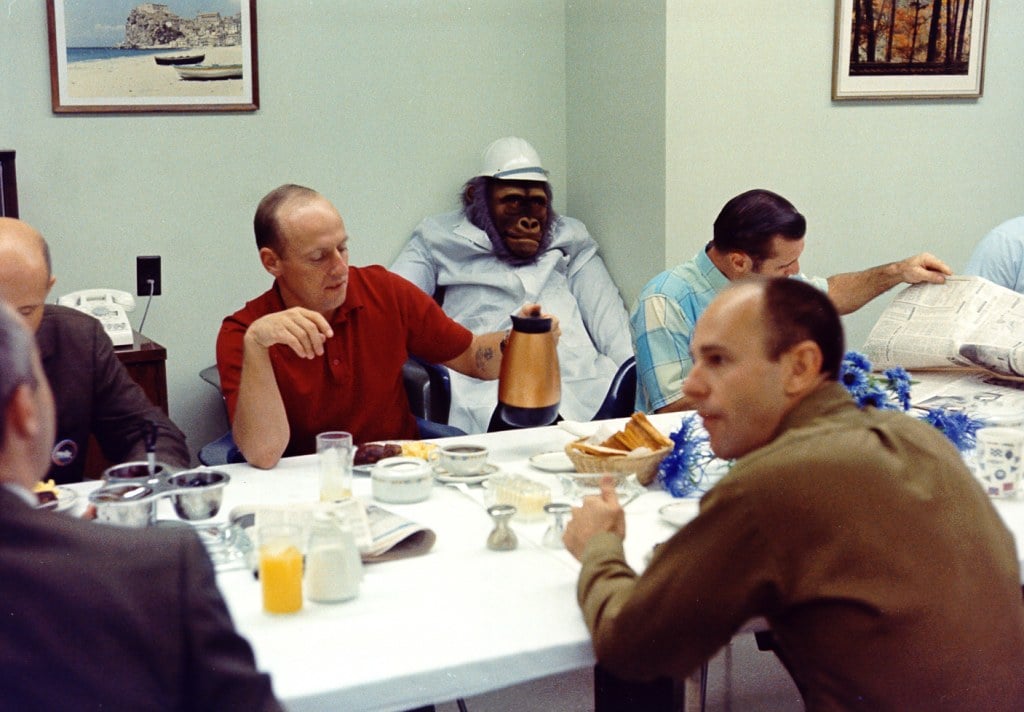
Before launch, they sit down to a surprisingly old‑school breakfast: steak, eggs, and cake, a ritual that dates back to the early days of American spaceflight. The meal is meant to be comforting and familiar, a grounding moment before the chaos. NASA astronauts follow this tradition regardless of the hour, whether liftoff is at dawn or deep into the night. The consistency of the ritual helps calm nerves and creates a sense of continuity across generations of crews.
8. The Good‑Luck Towel
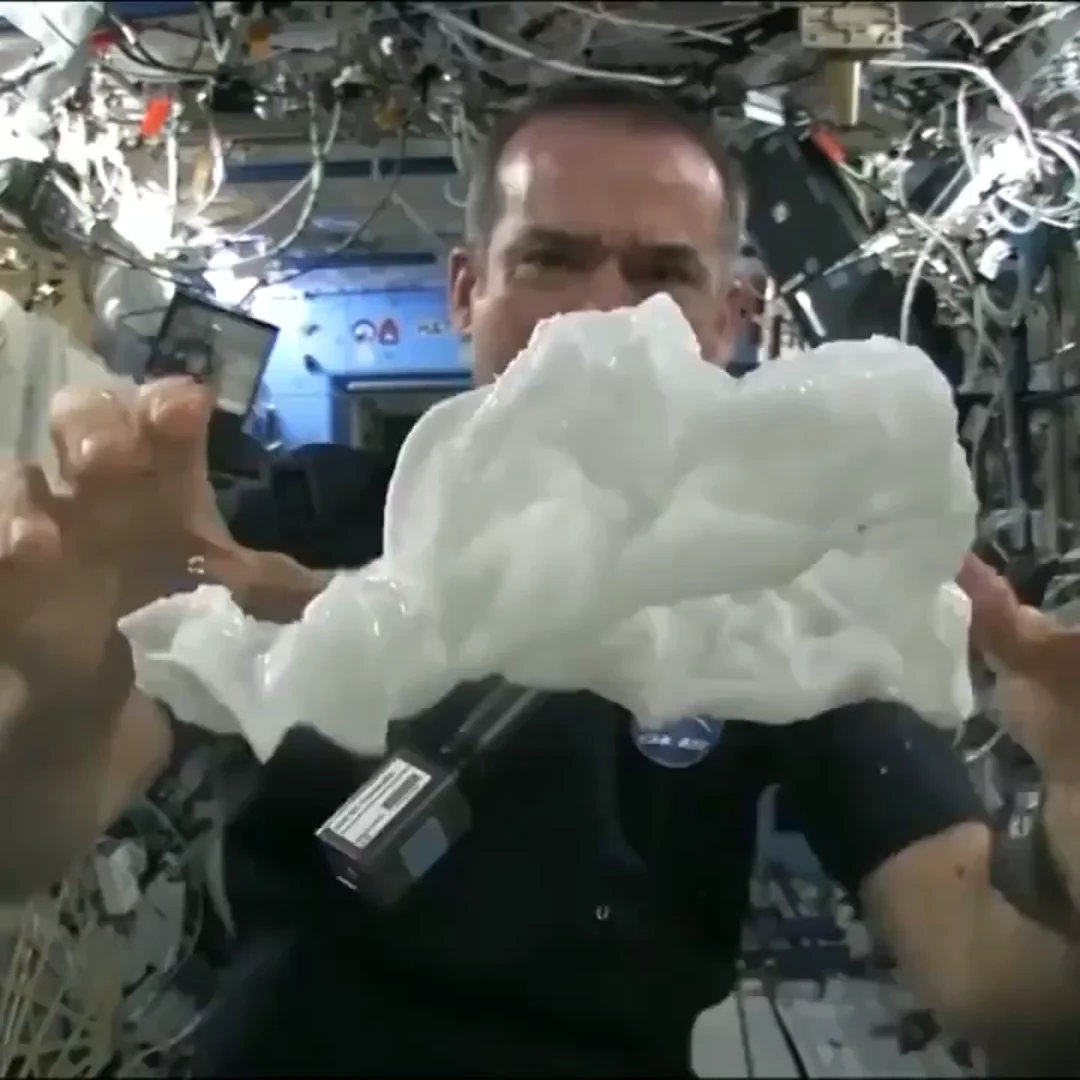
In recent years, some astronauts have adopted a new superstition: bringing a towel for good luck, a nod to The Hitchhiker’s Guide to the Galaxy, where a towel is described as the most useful item for interstellar travel. It is a playful tradition that reflects the humor and humanity of astronauts, even as they prepare for one of the most dangerous jobs on Earth.
Sign up for our newsletter
9. Lucky Peanuts

At NASA’s Jet Propulsion Laboratory, no major mission begins without a bowl of “lucky peanuts”. The tradition started in 1964 during the Ranger 7 mission, after six consecutive failures. An engineer handed out peanuts to calm nerves and Ranger 7 succeeded. Ever since, peanuts have been an essential at mission control, symbolizing hope, focus, and a little bit of superstition.
10. Wake‑Up Songs
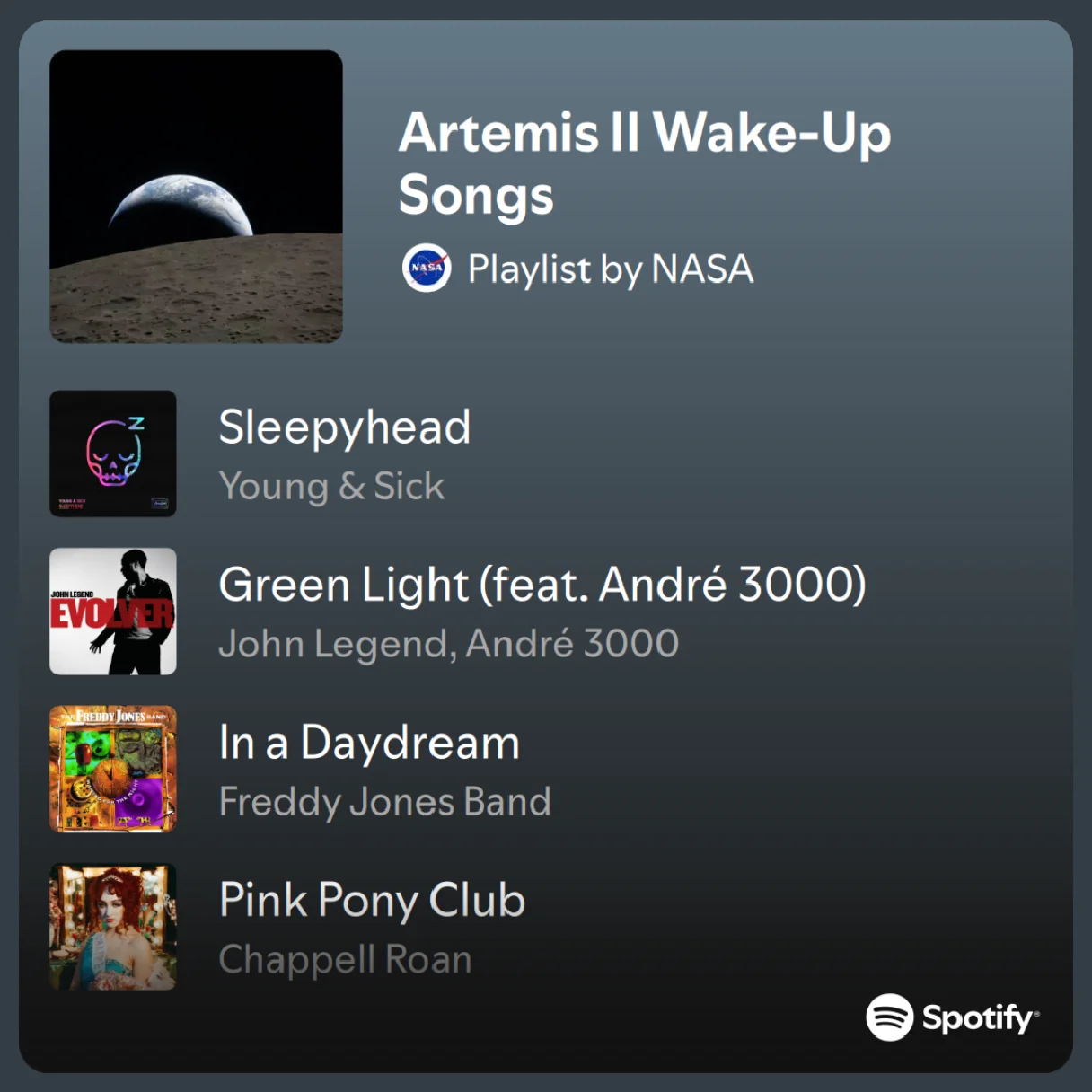
NASA has a long tradition of waking astronauts with personalized music, chosen by crew members and their families. For Artemis II, the playlist includes everything from Queen to modern pop hits. These songs serve as emotional anchors and help astronauts feel connected to Earth. The ritual highlights how even small comforts matter during long, demanding missions.