

Saving money isn’t always about how much you earn it’s often about the habits, patterns, and small decisions you repeat every day. Many people feel stuck financially not because they lack discipline, but because they’re unaware of what’s quietly draining their money. Identifying these blind spots is the first step toward building a healthier financial routine that actually works.
1. You Don’t Track Your Spending

If you don’t know where your money is going, it’s almost impossible to control it. Small daily expenses add up quickly and often go unnoticed.
2. You Rely Too Much on Credit Cards
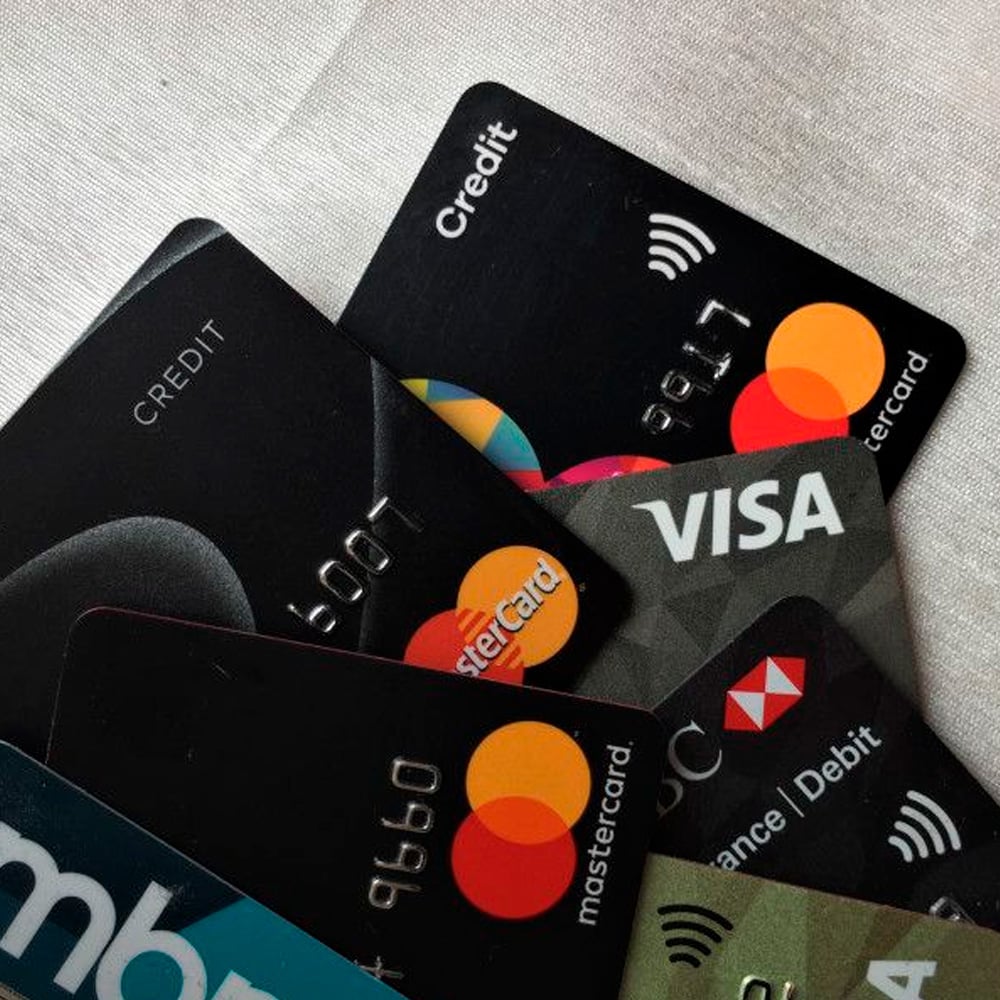
Credit cards can create the illusion of having more money than you actually do. This often leads to overspending and accumulating debt instead of saving.
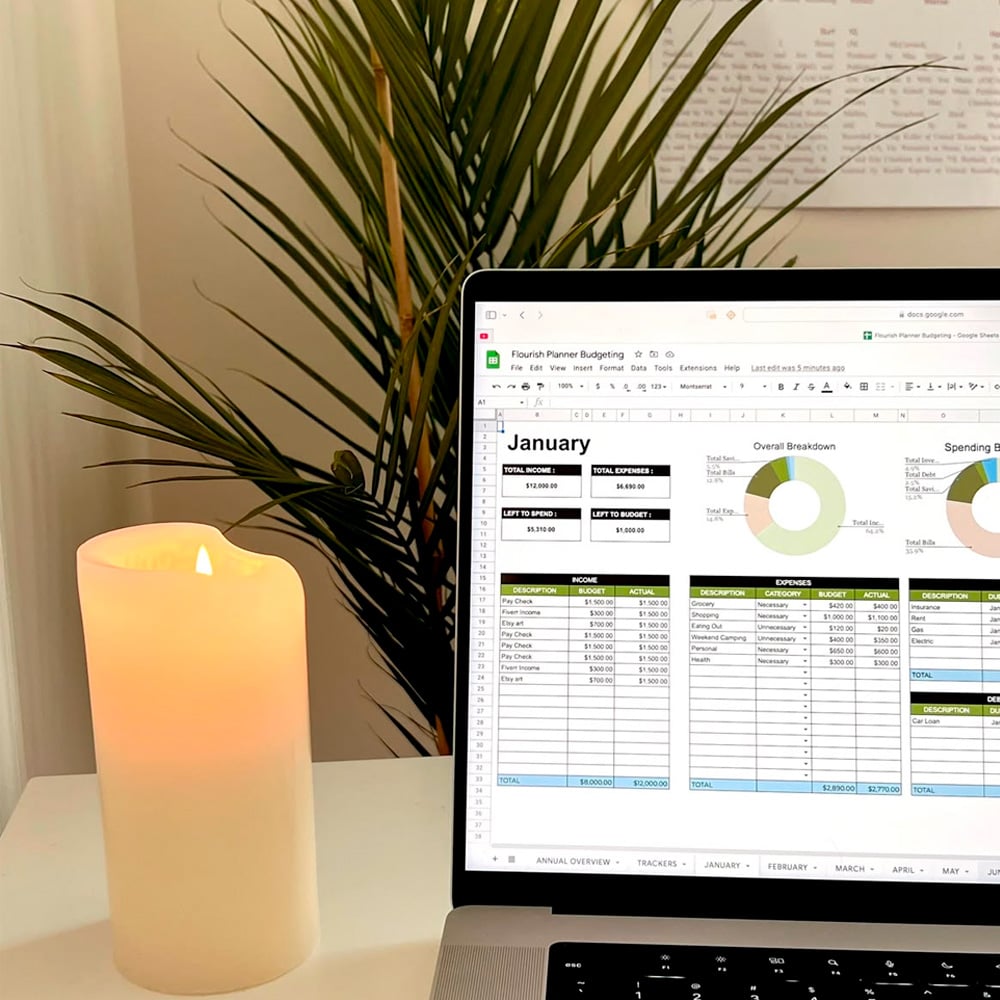
3. You Don’t Have a Budget

Without a clear plan, your money gets spent randomly. A budget gives your income direction and helps prioritize saving.
4. You Spend to Match on Your Lifestyle

As your income increases, your expenses tend to rise with it. This “lifestyle inflation” prevents you from setting money aside.
5. You Ignore Small Expenses

Daily coffees, subscriptions, and impulse buys might seem insignificant, but over time they can seriously impact your ability to save.
Trending on Wealth Gang


6. You Don’t Set Clear Financial Goals

Saving without a purpose feels pointless. Clear goals like a trip, a home, or an emergency fund make saving more motivating and consistent.
7. You Avoid Looking at Your Finances

Ignoring your bank account doesn’t make problems disappear. It usually leads to more stress and less control over your money.
8. You Don’t Pay Yourself First

If you wait to save what’s “left over,” there’s often nothing left. Saving should be treated like a fixed expense.
Sign up for our newsletter
9. You’re Influenced by Social Media

Constant exposure to other people’s lifestyles can pressure you into spending more than you should just to keep up.
10. You Lack an Emergency Fund

Unexpected expenses force you to dip into savings or worse, go into debt making it harder to build long-term financial stability.
11.You Think Saving Means Sacrifice Only
If saving feels like punishment, you won’t stick to it. The key is balance allowing yourself to enjoy money while still being intentional about it.
More Related Notes
10 Free Tools That Will Help You Improve Your Finances
A practical guide to tools that can help you track spending, budget better, and take control of your finances.
20 Ways People Are Saving Money That Are Wildly Creative
This article explores unconventional strategies that make saving money more achievable, even on a tight budget.
15 Smart Money Habits People Adopted to Survive Inflation
A complementary read highlighting everyday habits that help build financial discipline and long-term savings.