The 2000s were a defining decade for cars. Design became bolder, technology started to feel futuristic, and certain models weren’t just transportation, they were status symbols, personality statements, and everyday dreams parked on the street. Some of the most recognizable cars of that era dominated sales charts and pop culture, only to quietly disappear years later as trends, regulations, and consumer tastes changed. Here are 12 cars that ruled the 2000s and are no longer sold today.
1. Ford Focus (First Generations)

In the early 2000s, the Focus was everywhere. Affordable, reliable, and easy to maintain, it became a go-to compact car for young drivers and families alike. Over time, competition and shifting strategies pushed Ford to retire the model in several markets.
2. Volkswagen Beetle (Modern Revival)

The modern Beetle brought nostalgia back with a playful twist. Instantly recognizable and emotionally driven, it became a lifestyle car rather than a practical choice. As consumer demand shifted toward SUVs, the Beetle slowly lost relevance and was officially discontinued.
3. Chevrolet Impala

Once a symbol of American comfort and space, the Impala was a staple in the 2000s sedan market. Despite its long legacy, declining interest in large sedans eventually led to its retirement after decades on the road.
4. Pontiac Grand Prix

Sporty looks at an accessible price made the Grand Prix a favorite in the early 2000s. When Pontiac shut down entirely during GM’s restructuring, this popular model disappeared along with the brand.
5. Chrysler PT Cruiser

Few cars defined early-2000s design like the PT Cruiser. Its retro styling divided opinions but guaranteed attention. After the novelty wore off and sales declined, Chrysler pulled the plug on one of the decade’s most polarizing cars.
Trending on Wealth Gang
6. Honda Element

The Element was practical, boxy, and oddly charming. Loved by outdoor enthusiasts and city drivers alike, it offered durability over style. Unfortunately, its unconventional look limited mass appeal, leading to its discontinuation.
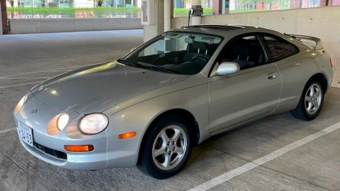
7. Toyota Celica
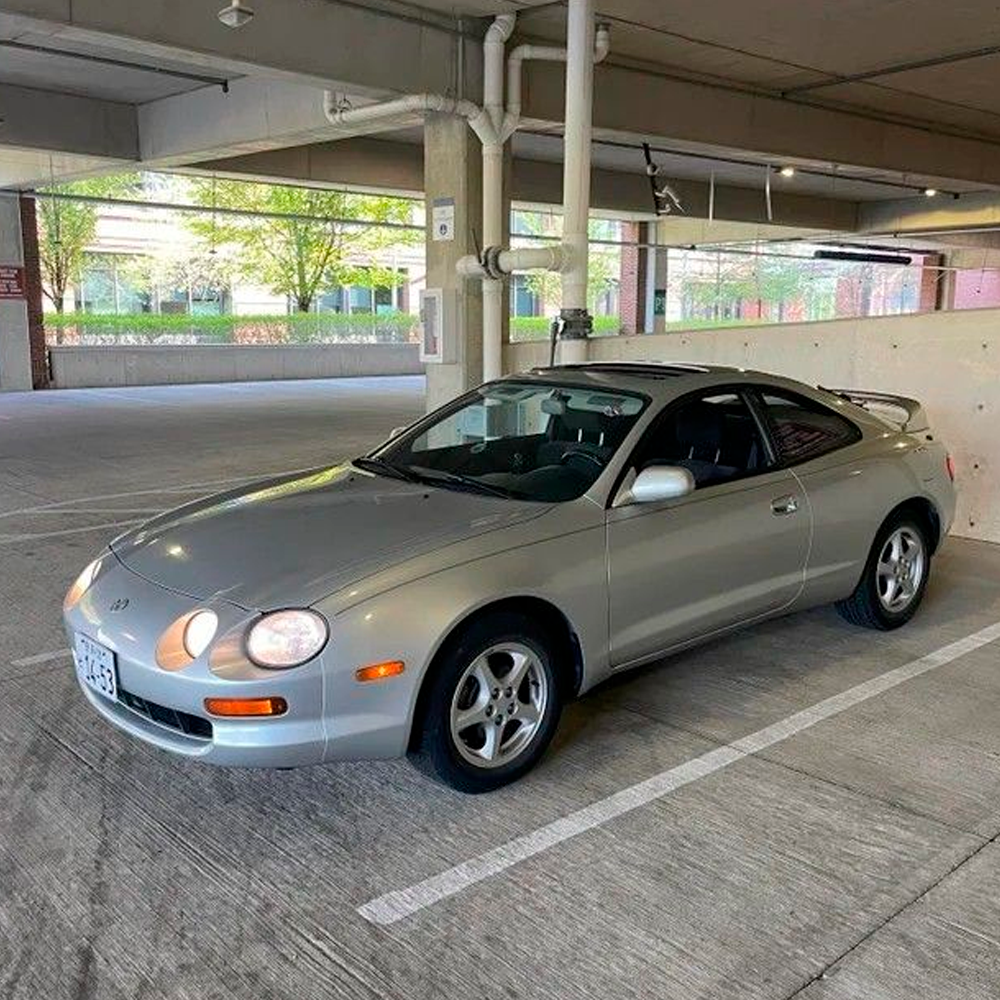
A sporty icon for an entire generation, the Celica balanced performance and affordability. As Toyota shifted focus toward more efficient and practical models, the Celica quietly exited the lineup.
8. Nissan Xterra

The Xterra thrived during the SUV boom of the 2000s. Rugged and adventurous, it appealed to drivers who wanted off-road credibility. Changing emissions standards and evolving SUV designs eventually made it obsolete.
Sign up for our newsletter
9. Dodge Neon

Cheap, simple, and easy to customize, the Neon was a staple of the early 2000s streets. It gained popularity among younger drivers but couldn’t keep up with rising safety and quality expectations.
10. Saab 9-3

The Saab 9-3 stood out for its Scandinavian design and quirky engineering. It attracted drivers looking for something different, but financial issues at Saab led to the brand’s collapse and the model’s disappearance.
11. Mazda RX-8

Known for its rotary engine and sleek design, the RX-8 was admired by car enthusiasts. High maintenance costs and fuel inefficiency ultimately made it unsustainable in a changing automotive landscape.
12. Mitsubishi Eclipse

The Eclipse became a pop-culture icon, especially among tuning fans. Aggressive styling and sporty performance defined its early-2000s success. Later redesigns failed to capture the same excitement, leading to its discontinuation.
More Related Notes
-
20 Iconic Fashion Moments That Defined the 1980s
A nostalgic look at the bold silhouettes, colors, and styles that shaped the decade and influenced fashion for years to come. -
15 Fashion Trends from the 1970s That Set the Stage for the ’80s
This article explores how late ’70s style paved the way for the dramatic fashion shifts of the 1980s. -
20 Vintage Photos That Show How People Really Dressed in the 1980s
A visual deep dive into everyday fashion from the 1980s, perfectly complementing iconic trends with real-life looks.