

Your 30s are often a decade of transition: career growth and bigger financial goals. But with greater income and more complex priorities, it’s also a time when costly missteps can quietly derail your future. From spending too much to neglecting retirement savings, the choices you make now can echo for decades. To help you stay on track, here are 15 common financial mistakes you’ll want to avoid in your 30s.
1. Living Beyond Your Means

It’s tempting to upgrade your lifestyle as your income grows, but overspending on cars, homes, or luxury items can quickly erode financial stability. Lifestyle inflation often feels harmless in the moment, yet it prevents you from saving and investing for long-term goals. Keeping expenses in check ensures that your financial progress matches your career growth.
2. Neglecting Retirement Contributions

Your 30s are the prime time to harness compound interest, but many people delay retirement savings thinking they will “catch up later.” The truth is, every year you wait makes the climb steeper. Even modest contributions now can snowball into significant wealth by your 60s, so prioritize retirement accounts early.
3. Carrying High-Interest Debt

Credit card balances and payday loans can quietly drain your finances with interest rates that often exceed 20%. Paying only the minimum keeps you trapped in a cycle that eats away at future opportunities. Eliminating high-interest debt should be a top priority to free up cash for savings and investments.
4. Not Building an Emergency Fund
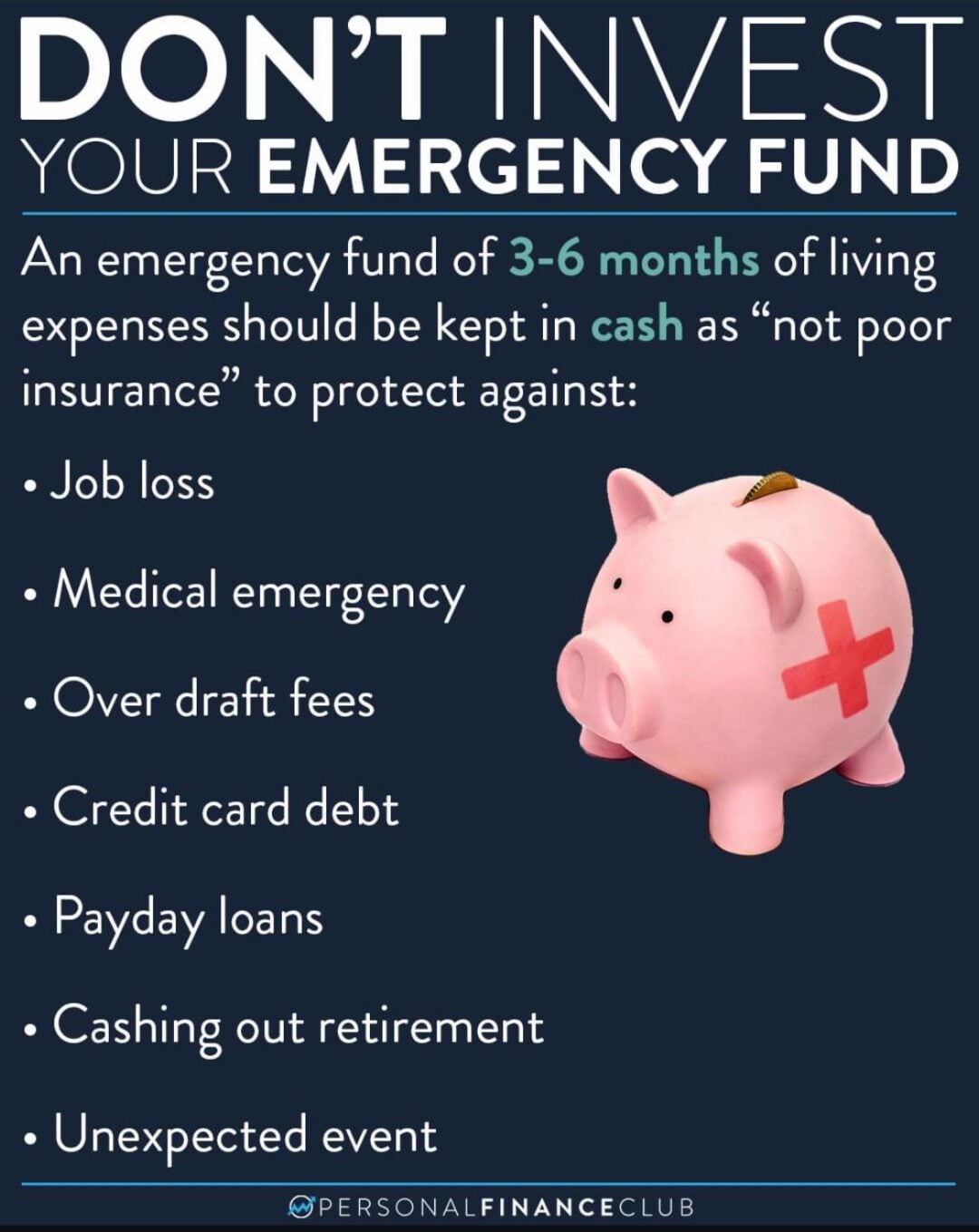
Life is unpredictable: job loss, medical bills, or sudden repairs can strike at any time. Without a cushion of 3–6 months of expenses, you risk falling into debt when crises hit. An emergency fund provides peace of mind and keeps your financial plan intact during turbulent times.
5. Ignoring Health Insurance
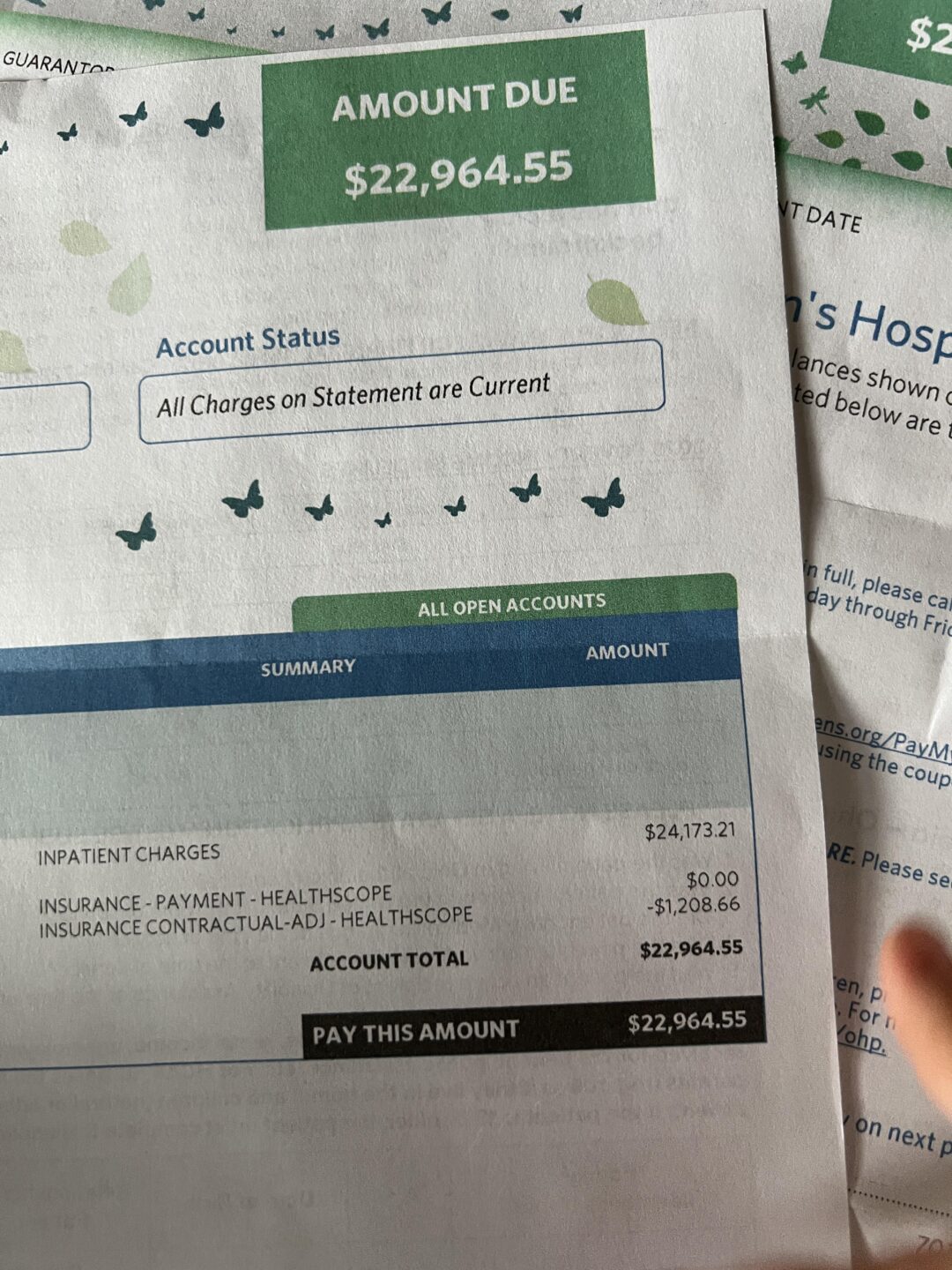
Skipping or underestimating health coverage might save money upfront, but one medical emergency can wipe out years of savings. Health insurance protects not just your well-being but also your financial future. Investing in adequate coverage is a safeguard against catastrophic expenses.
Trending on Wealth Gang


6. Failing to Budget

Operating without a budget often leads to overspending and missed financial goals. A clear plan helps you track income, expenses, and savings, ensuring your money aligns with your priorities. Budgeting isn’t restrictive, it’s empowering, giving you control over where your money goes.
7. Overinvesting in a Single Asset

Putting all your money into one stock, property, or cryptocurrency may feel bold, but it’s dangerously risky. Diversification spreads risk and stabilizes returns, protecting you from sudden downturns. A balanced portfolio ensures your wealth grows steadily without being tied to one volatile investment.
8. Skipping Estate Planning
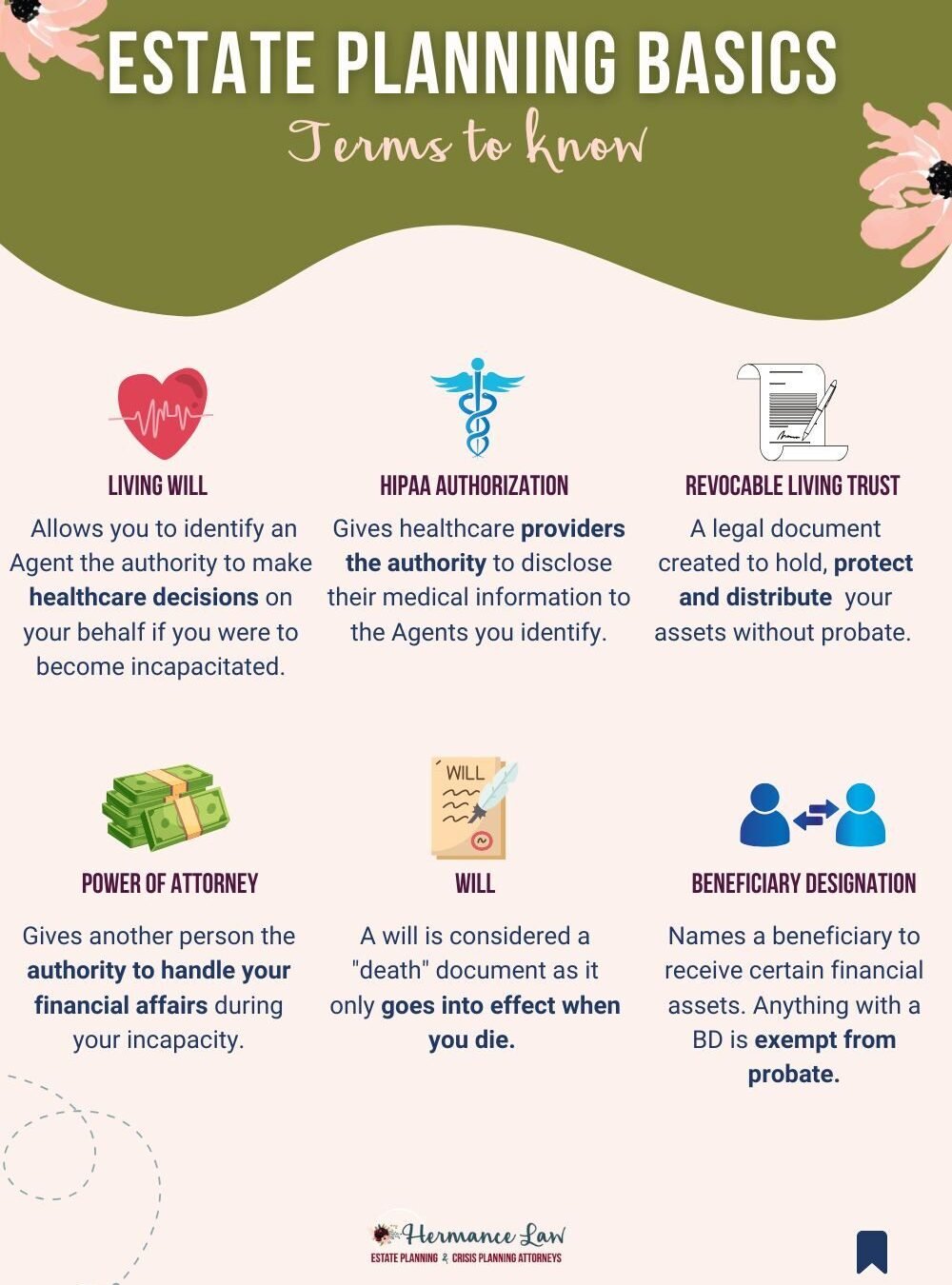
Many in their 30s assume estate planning is for older adults, but accidents and unexpected events can happen anytime. Without a will or plan, your family may face legal complications and financial stress. Estate planning ensures your assets are distributed according to your wishes and loved ones are protected.
Sign up for our newsletter
9. Not Negotiating Salary

Accepting the first job offer or raise without negotiation can cost you over your career. Employers often expect negotiation, and failing to advocate for yourself leaves money on the table. Building confidence in salary discussions pays dividends for decades.
10. Buying Too Much House

A mortgage that stretches your budget can trap you financially, leaving little room for savings or emergencies. Owning a home is a milestone, but buying beyond your means creates stress and limits flexibility. Choose a property that fits comfortably within your budget to avoid becoming “house poor.”
11. Neglecting Professional Development

Your earning potential depends on your skills, and stagnation can stall career growth. Investing in courses, certifications, or networking expands opportunities and boosts income over time. Professional development is not an expense, it’s an investment in your future.
12. Overreliance on Credit

Using credit cards for everyday living builds unhealthy habits and masks overspending. While credit can be useful for building a score, relying on it too heavily creates dependency and debt. Cash flow discipline ensures you live within your means and use credit strategically.
13. Ignoring Tax Planning

Taxes are one of the largest expenses you’ll face, yet many fail to plan for them. Missing deductions, failing to optimize with retirement accounts, or ignoring tax-efficient investments can cost thousands. Smart tax planning keeps more money in your pocket and supports long-term goals.
14. Not Tracking Net Worth
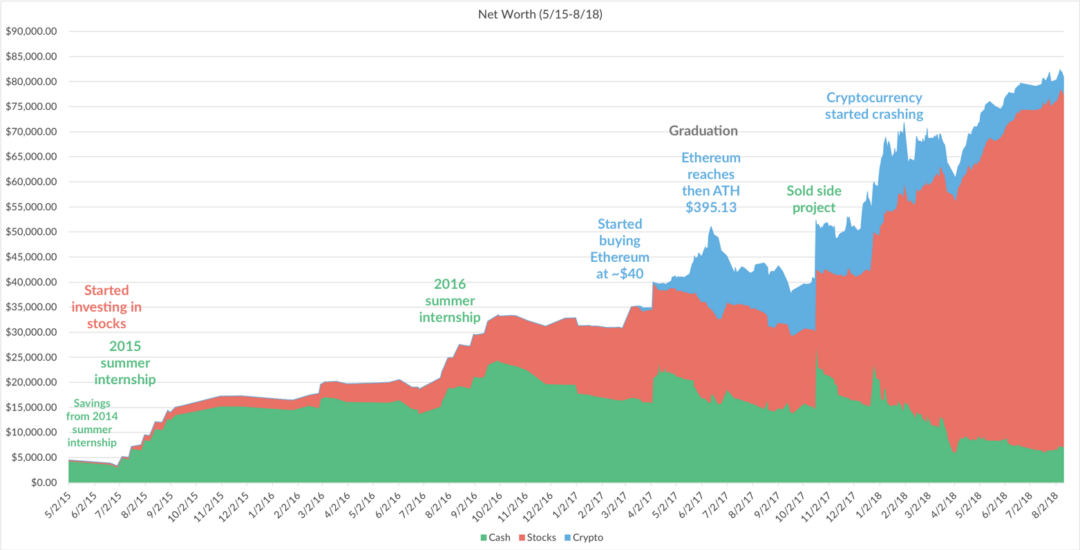
Income alone doesn’t tell the full story, net worth shows whether you’re truly building wealth. Without tracking All assets and liabilities, it’s easy to drift financially without progress. Monitoring net worth helps you stay accountable, measure growth, and adjust strategies as life evolves.
Looking for similar and useful content?
Avoiding financial mistakes in your 30s is just the beginning, there’s always more to learn about building wealth and protecting your future. For fresh insights, 6 Smart Money Moves to Make Before you turn 30 for strategies that lay the groundwork early, check out How ChatGPT Can Help With Personal Finances to see how AI tools can guide smarter money decisions, and 19 Major Mistakes People Made After Becoming Rich to learn from the missteps of the wealthy so you don’t repeat them. Together, these reads complement your financial journey with practical advice.