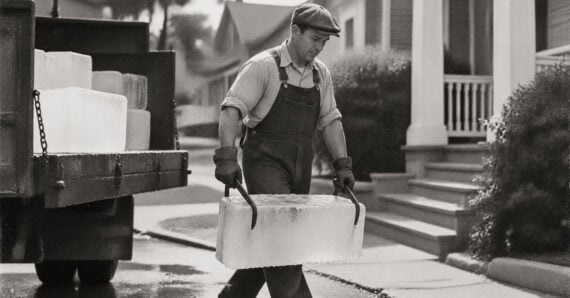
Forgotten jobs were once part of the everyday rhythm of American neighborhoods. Before supermarkets, shopping malls, and automated services changed the way people lived, familiar workers appeared on front porches, traveled down residential streets, and stopped at the same houses week after week.
You could recognize some of them by the sound of their trucks, the tools they carried, or the knock at the back door. They knew which families needed extra deliveries, which neighbors were away, and who always had something waiting to be repaired. Many of these jobs have nearly disappeared, taking a little piece of neighborhood life with them.
1. The Milkman Who Knew Every Front Porch
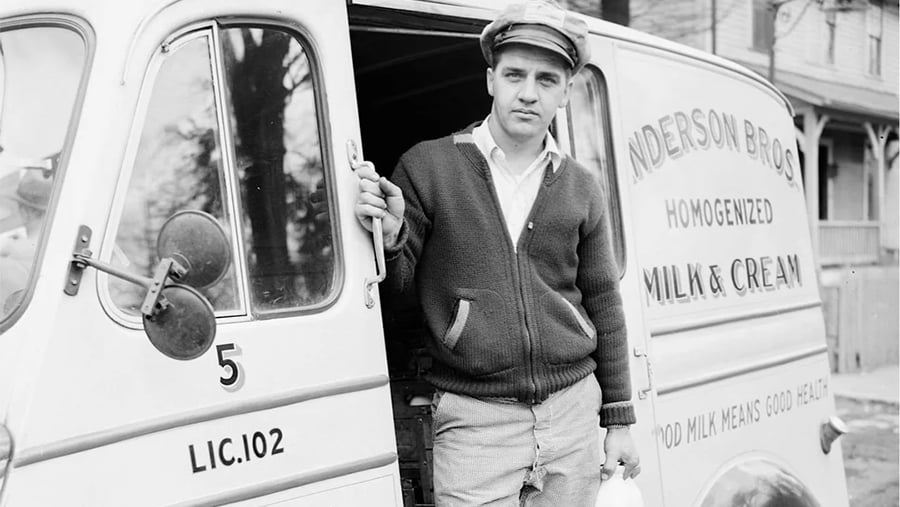
Before grocery store milk cartons became the norm, the milkman made his rounds while much of the neighborhood was still asleep. Glass bottles waited outside the door, sometimes with a handwritten note requesting extra cream or butter. Families often knew exactly when to expect the familiar delivery truck.
2. The Knife Sharpener Who Came Down the Street
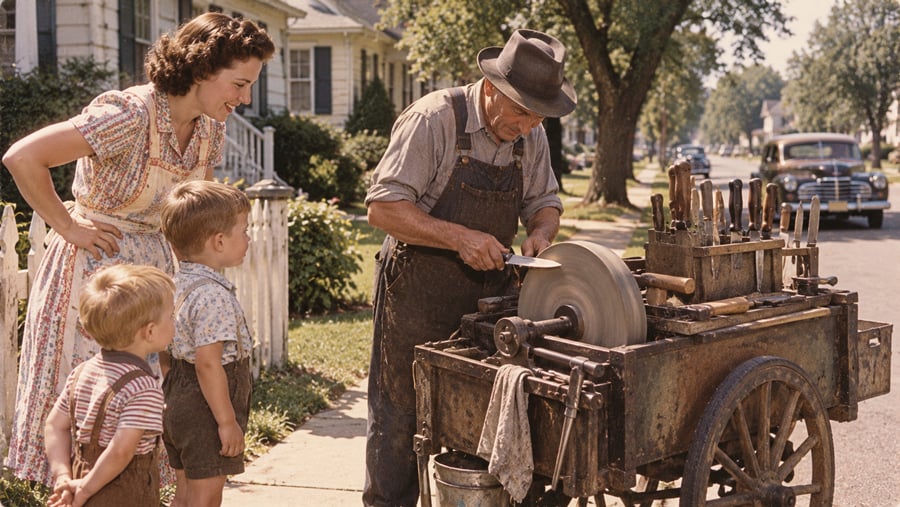
A distinctive bell or call could announce that the traveling knife sharpener had arrived. Housewives brought out dull kitchen knives, scissors, and garden tools while the sharpener worked beside a cart or small truck. Instead of throwing something away, people waited for the person who could make it useful again.
3. The Fuller Brush Salesman
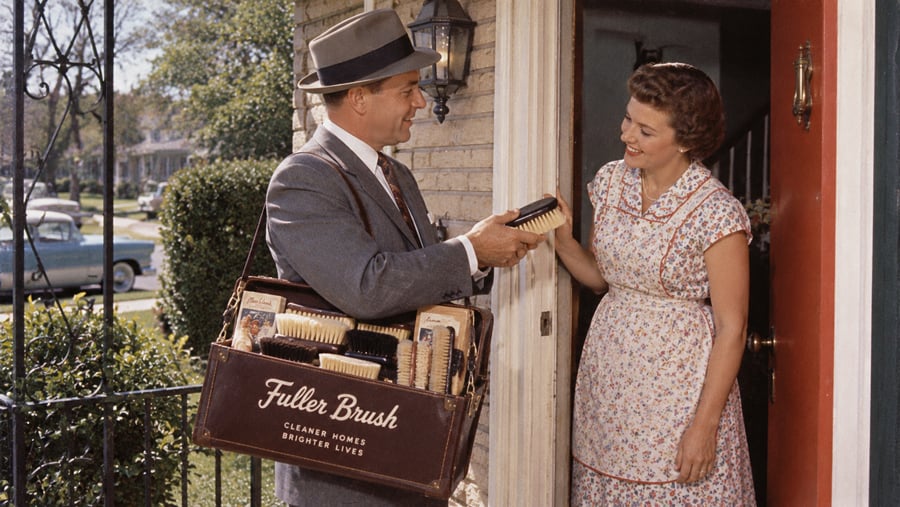
A knock at the door might reveal a salesman carrying brushes, cleaning tools, and household products in a sample case. The Fuller Brush man was once such a familiar figure that his visits became part of American popular culture. He might demonstrate a product right in the kitchen before moving on to the next house.
4. The Neighborhood TV Repairman
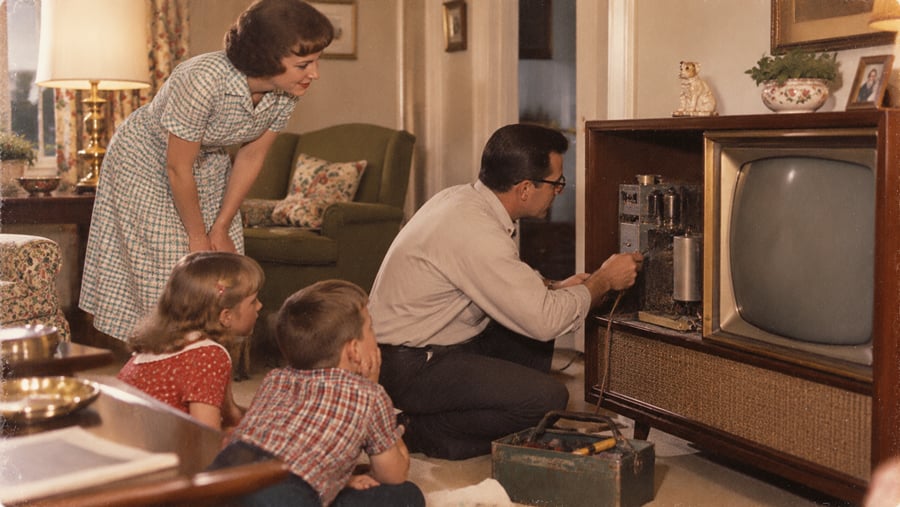
When the television picture shrank into a thin line or the screen went completely dark, someone called the repairman. He arrived carrying a toolbox, removed the television’s back panel, and sometimes replaced a faulty vacuum tube right in the living room. A working television was worth fixing, not replacing.
5. The Coal Delivery Man
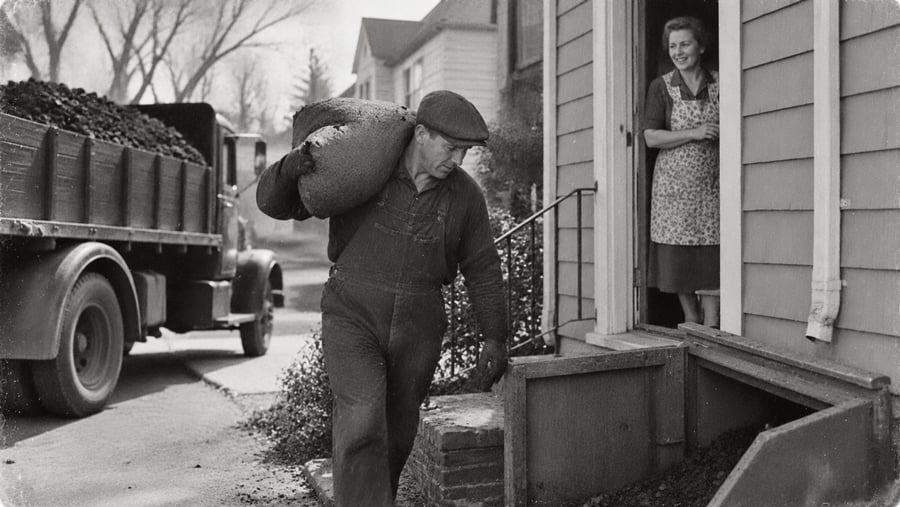
In neighborhoods where coal still heated homes, deliveries were an essential part of preparing for winter. Heavy sacks or loads of coal disappeared into basement coal bins, often leaving a trail of black dust behind. The delivery man was a familiar seasonal visitor long before central heating became widespread.
Trending on Wealth Gang


6. The Ragman Who Collected Unwanted Things
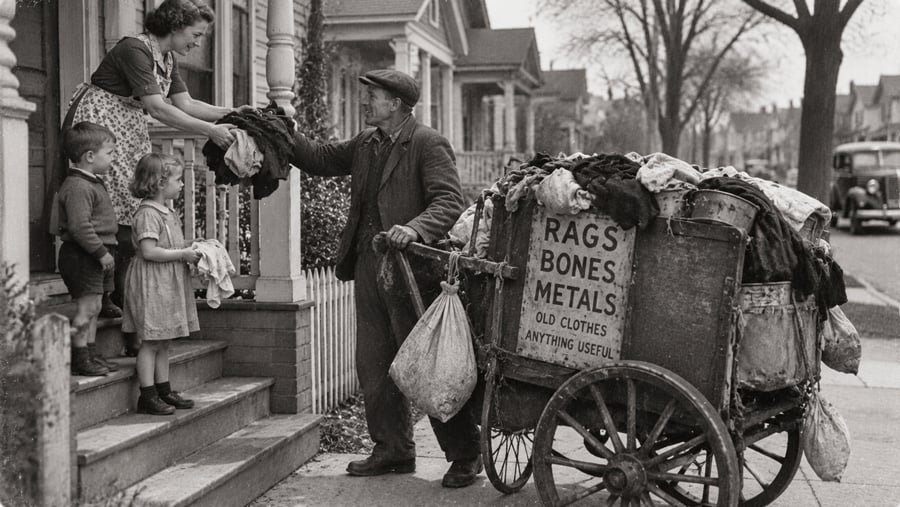
Long before organized recycling programs, traveling ragmen collected old clothing, scrap metal, and other materials that households no longer wanted. Their calls could be heard along residential streets, and families knew to bring out items that still had some value as salvage.
7. The Local Shoe Repairman
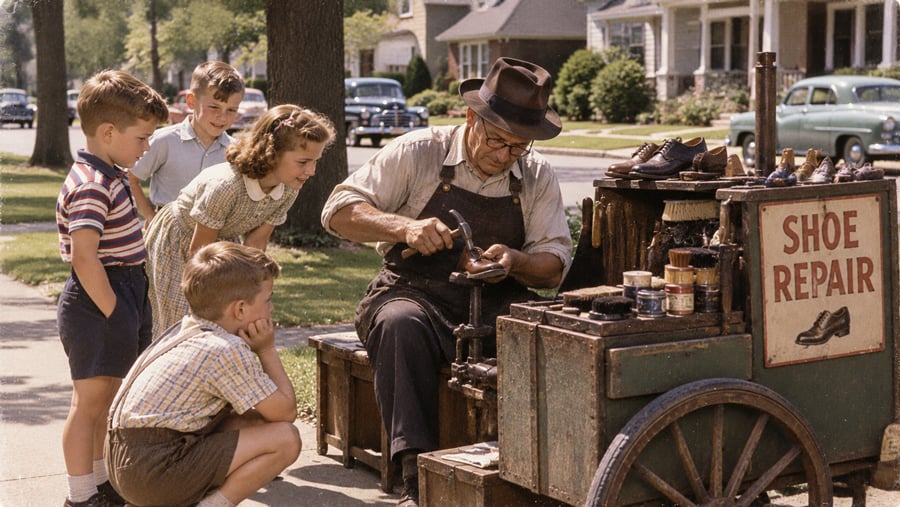
A pair of worn shoes didn’t automatically mean a shopping trip. Neighborhood shoe repair shops replaced heels, repaired soles, and polished leather until it looked nearly new. Customers dropped off their favorite shoes and returned days later, often greeted by someone who had worked in the same little shop for decades.
8. The Door-to-Door Egg Seller
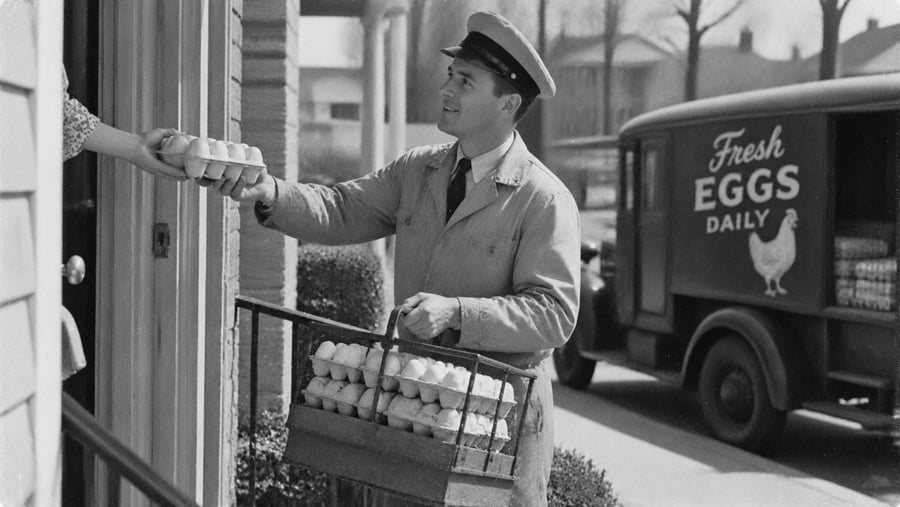
In some communities, eggs came directly from a local farmer or independent seller rather than a supermarket shelf. Regular customers expected a delivery at the same time each week, and a quick exchange at the doorstep could turn into a conversation about the weather, children, or neighborhood news.
Sign up for our newsletter
9. The Neighborhood Window Washer
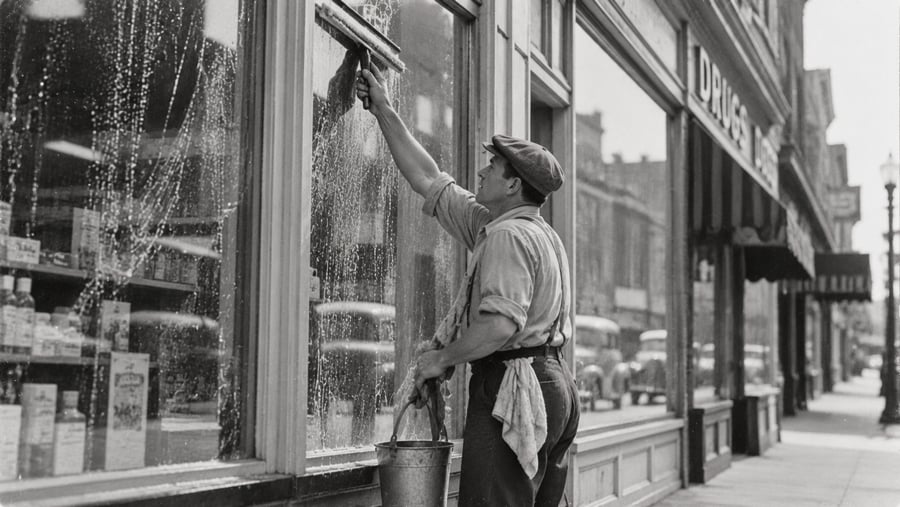
Small storefronts depended on window washers who followed familiar routes through the shopping district. With a bucket, squeegee, and ladder, they cleaned the same bakery, barber shop, and drugstore windows week after week. Shopkeepers often knew them as well as their regular customers.
10. The Ice Delivery Man
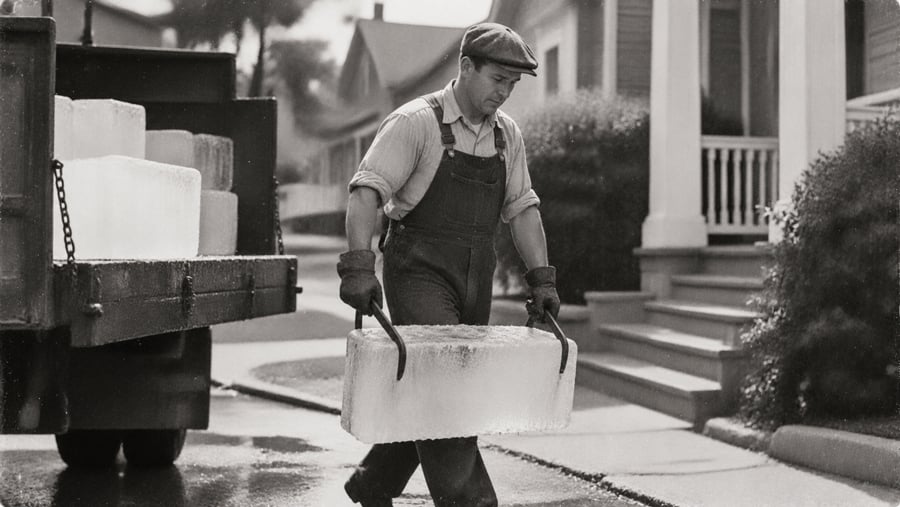
Before electric refrigerators became universal, iceboxes required regular deliveries of heavy blocks of ice. The iceman carried them with large metal tongs, sometimes using a thick leather shoulder pad for protection. Children occasionally waited nearby, hoping for a small piece of ice on a hot summer day.
11. The Traveling Vacuum Cleaner Salesman
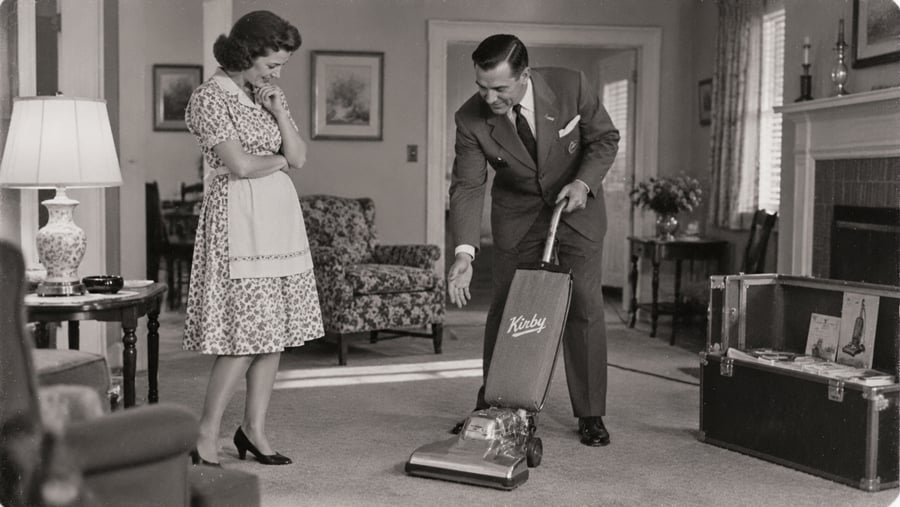
Some household appliances were once sold through elaborate demonstrations in the family living room. A salesman might arrive with a vacuum cleaner, attachments, and a case of samples, then show how much dust could be pulled from a rug everyone thought was clean. The demonstration itself could become the afternoon’s entertainment.
12. The Local Delivery Boy
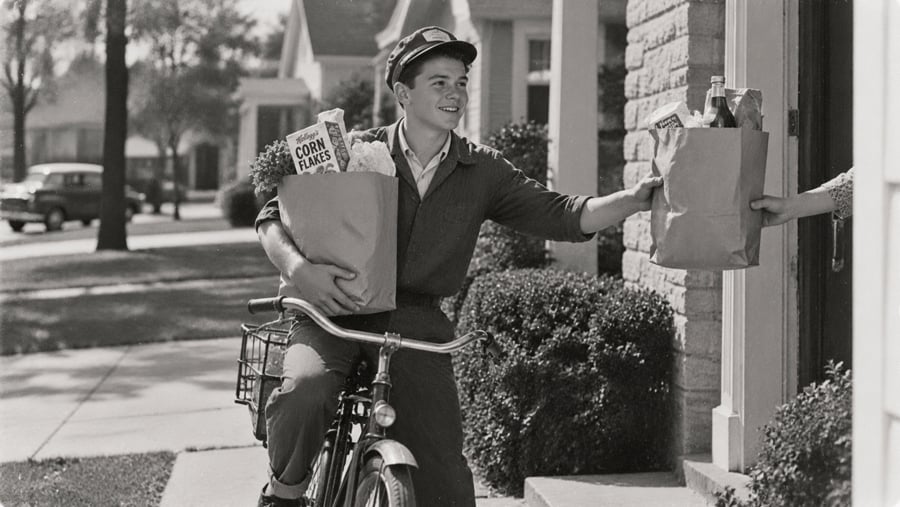
Long before delivery apps, neighborhood grocery stores and pharmacies employed boys to bring purchases directly to nearby homes. Some traveled by bicycle with baskets, while others carried paper bags on foot. A familiar delivery boy might know every shortcut between the store and the surrounding houses.
13. The Neighborhood Watch Repairman
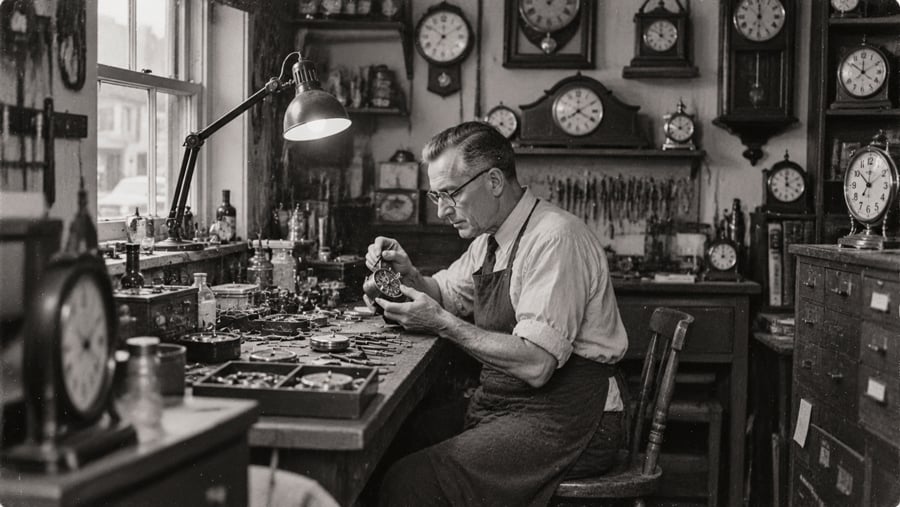
A broken wristwatch or an alarm clock that stopped ticking usually went to a local repair counter. Behind the glass, a watchmaker worked with tiny tools, magnifying lenses, and trays filled with delicate parts. Customers returned to collect the same timepiece rather than buying a replacement.
14. The Traveling Vegetable Peddler
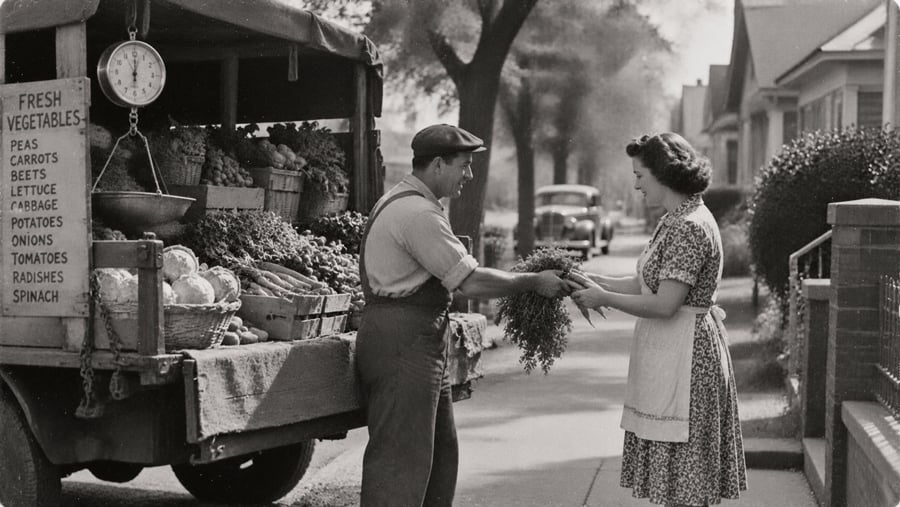
In some neighborhoods, fresh produce arrived on a wagon or truck that moved slowly from street to street. Residents stepped outside to inspect tomatoes, potatoes, apples, and whatever else was in season. The seller’s familiar voice could announce his arrival before the vehicle even appeared.
15. The Local Newspaper Delivery Boy
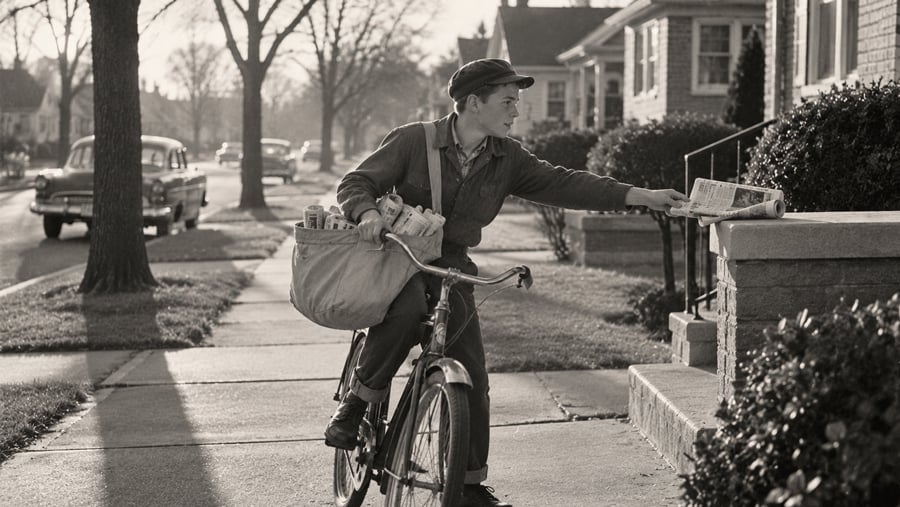
Before sunrise, neighborhood newspaper carriers were already making their rounds. Bundles of papers were sorted, folded, and delivered to porches or doorsteps, often from a bicycle with a heavy canvas bag. For many children and teenagers, it was their first paying job, complete with early mornings and collecting subscription payments from customers.
More Related Notes
Jobs That Were More Common 50 Years Ago
From traditional trades to once-essential roles, these jobs reveal how dramatically the American workforce has changed over the past five decades.
15 First Jobs Every Teenager Had in the 1970s
From neighborhood businesses to classic after-school gigs, these first jobs capture what earning money as a teenager looked like in the 1970s.
16 Seasonal Jobs That Pay Surprisingly Well
Seasonal work isn’t always about minimum wage. These temporary opportunities offer surprisingly competitive pay and a chance to earn extra income throughout the year.