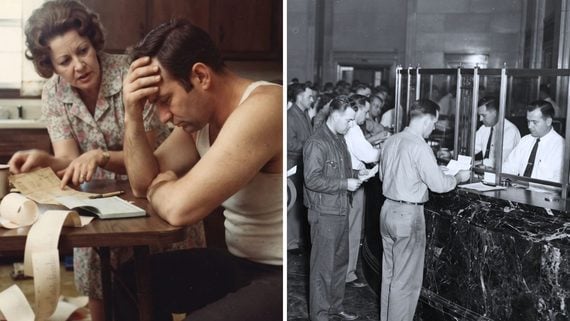
Ask anyone who grew up in an American household in the 1960s or ’70s what payday looked like, and you might hear about a paper check, a rush to the bank before it closed, and a kitchen drawer full of envelopes. Money used to be something you could hold, count, and, if you weren’t careful, lose behind the couch cushions.
Today, a tap on a phone does what once took a stamp, a walk to the mailbox, and a few days of crossed fingers. Not every habit on this list was smarter, and plenty were just plain inconvenient, but each one shows how families got by before an app did the math for them. Here are 15 of them, and how many did your family do?
1. Dividing Cash Into Envelopes for Different Expenses
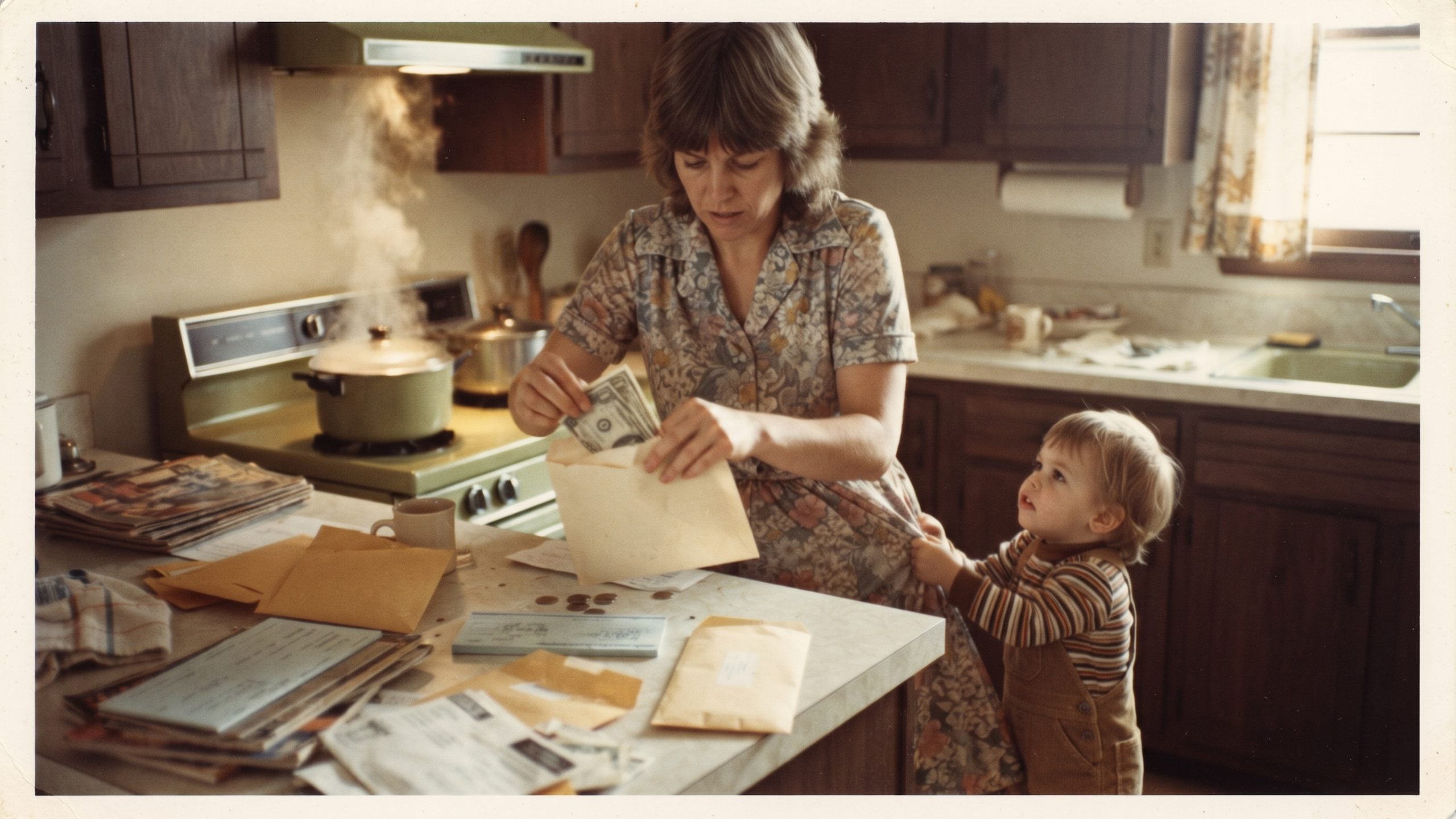
Before budgeting apps, plenty of households kept their money in check with a stack of envelopes labeled groceries, gas, rent, and fun. When the grocery envelope ran dry, the family either borrowed from another one or waited until payday for that treat. Budgeting resources from the Consumer Financial Protection Bureau still stress knowing exactly where each dollar goes, while the Federal Reserve’s consumer payment surveys show how much of everyday spending now happens without any cash changing hands.
2. Balancing the Checkbook Every Month
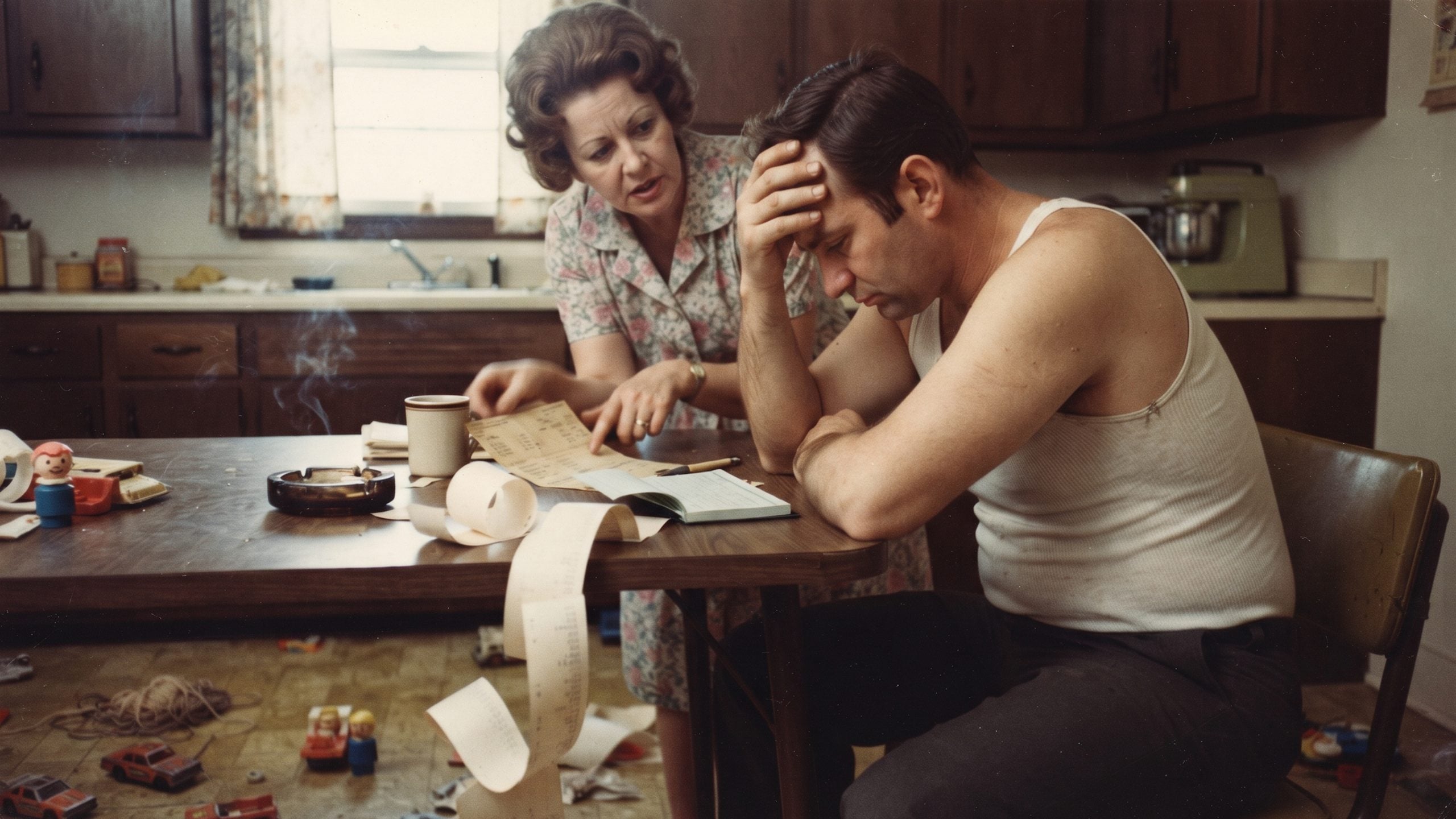
Picture the kitchen table on a quiet evening: a handwritten check register on one side, the bank statement on the other, and someone muttering about a missing $3.50. Checks took days to clear, so the number the bank showed rarely matched what you actually had left to spend. Federal Reserve payments research shows just how central paper checks were to everyday life, and Consumer Financial Protection Bureau guidance on bank accounts still warns that pending transactions can make a balance look healthier than it really is.
3. Mailing Paper Checks to Pay Household Bills
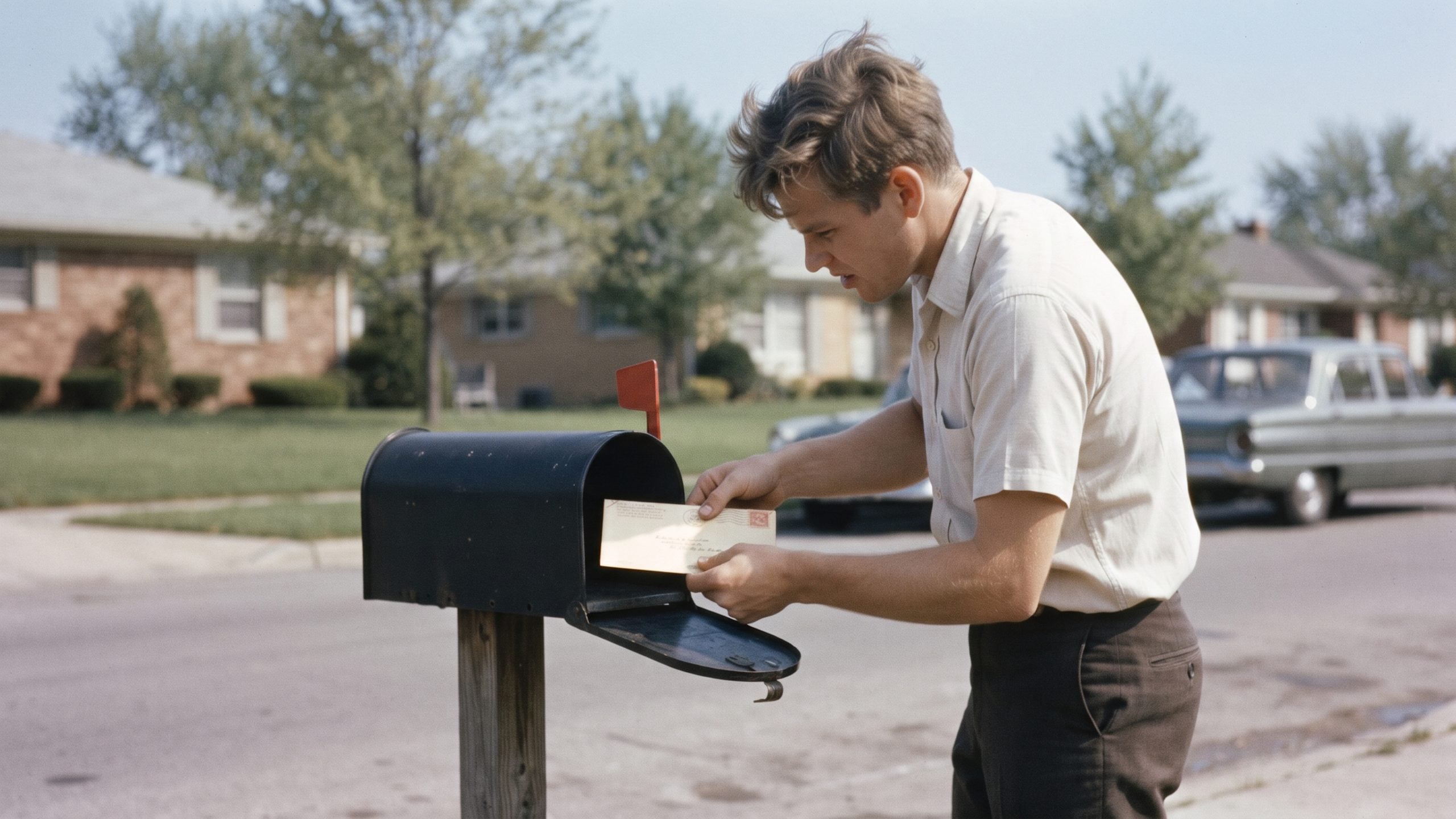
Paying the electric bill once meant writing a check, licking an envelope, sticking on a stamp, and hoping the mail carrier got there before the due date, and that the money would still be in the account when it cleared. According to the Federal Reserve, Americans paid about 42.5 billion checks in 2000, and by 2021 that number had dropped to roughly 11.1 billion. Online bill pay and automatic transfers did the rest, and the little red flag on the mailbox has had a lot less to do ever since.
4. Taking a Paycheck to the Bank
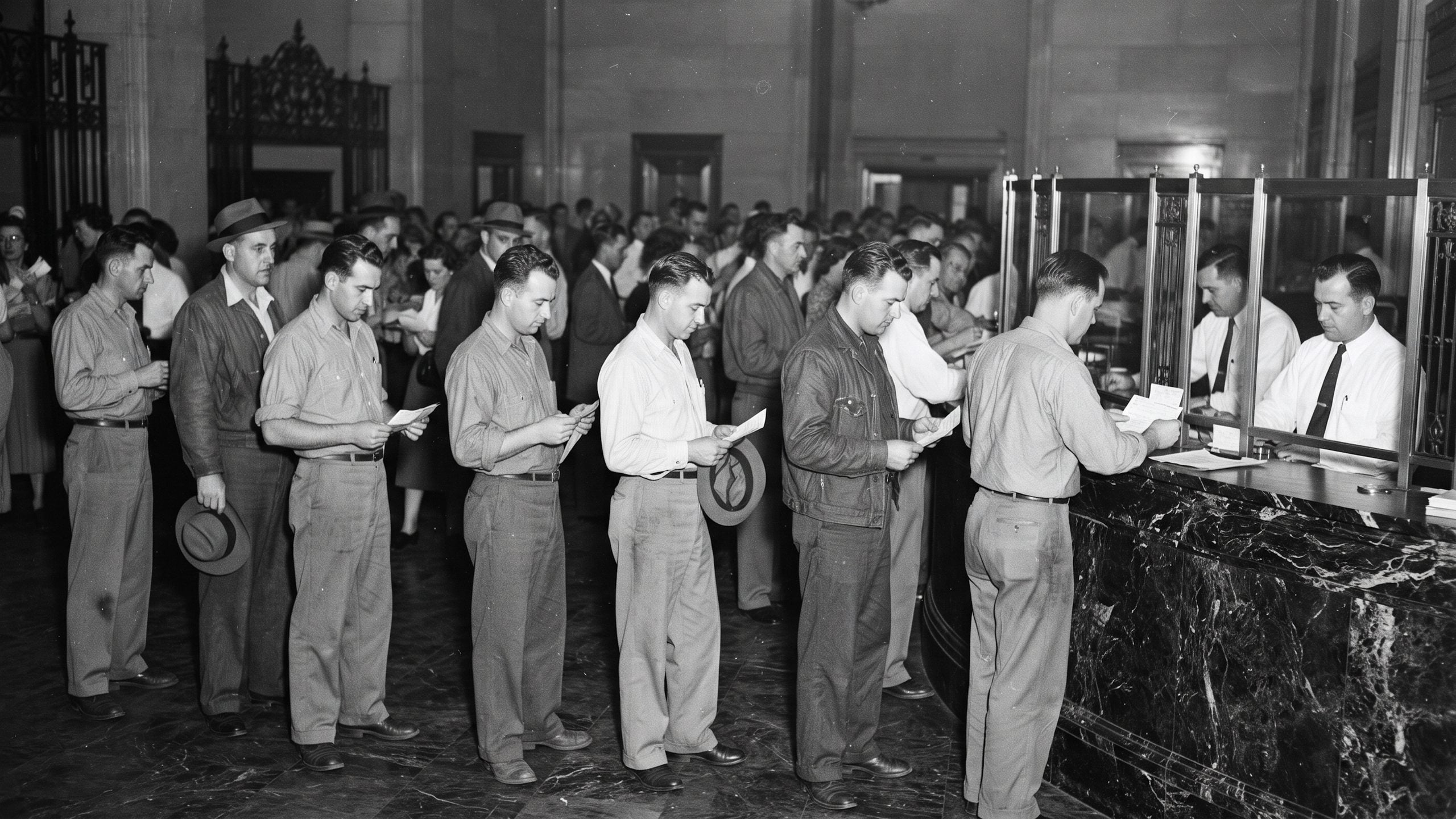
Before direct deposit, a paycheck was a piece of paper you had to carry somewhere. Plenty of workers squeezed in a trip to a teller on their lunch break or after work, and the lucky ones used a night-deposit slot or an ATM. Direct deposit changed that by sending wages straight to an account through the ACH network, whose rules are overseen by Nacha, part of the long shift from paper to electronic payments that Federal Reserve payments research documents. Most workers now never see their pay as paper at all.
5. Keeping a Savings Account Passbook
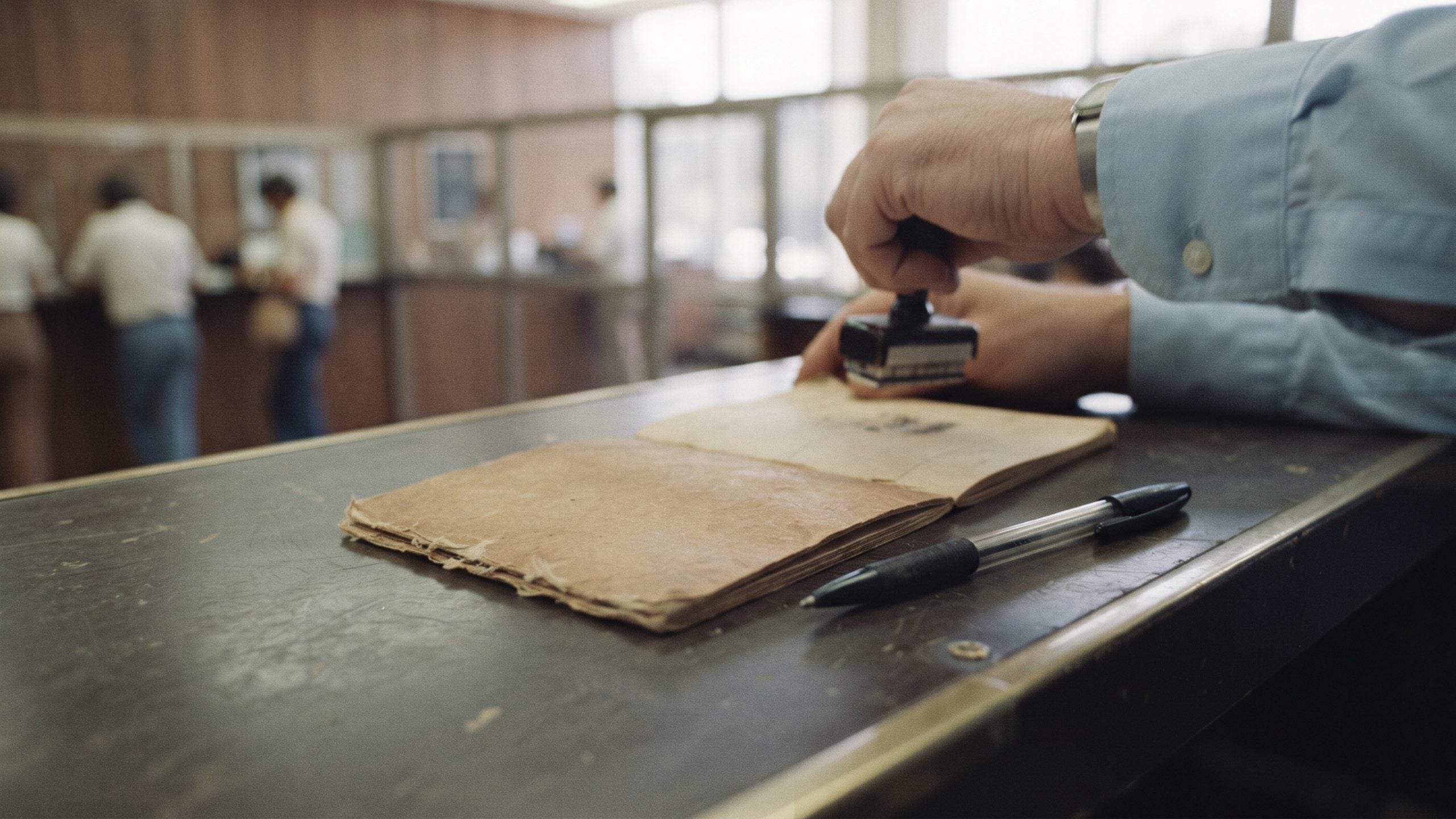
For many savers, a small booklet from the bank was the closest thing to holding their money in their hands. The teller stamped or printed each deposit, withdrawal, and bit of interest into it, and watching the number creep up felt oddly satisfying. Those pages came from a banking world shaped by the federal deposit insurance created in the 1930s, a system the FDIC still runs, and Federal Reserve consumer finance surveys have tracked how households save for decades. Today the same information is one app refresh away.
Trending on Wealth Gang

6. Saving a Little Money Each Week in Christmas Club Accounts
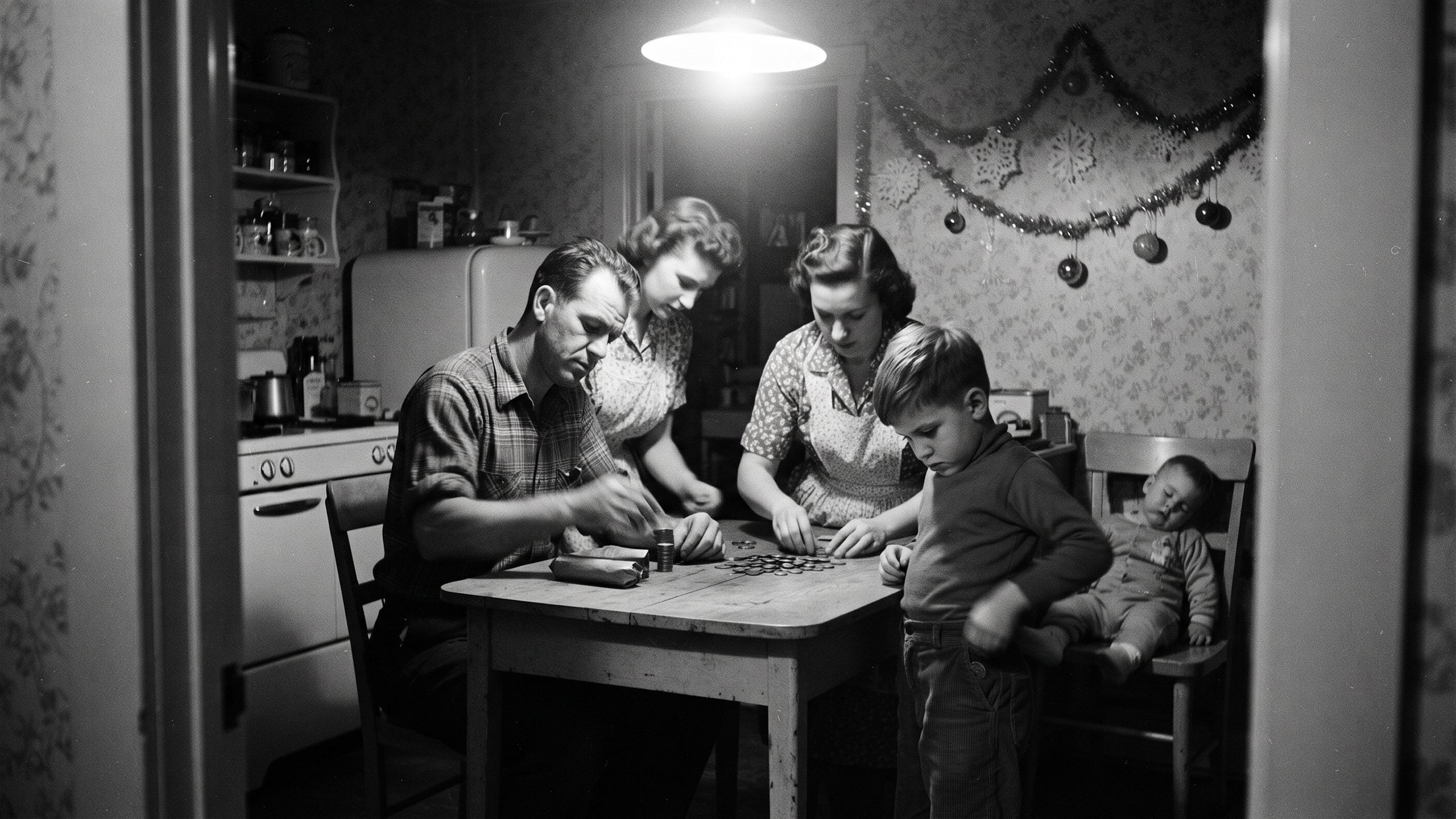
Years before holiday credit card debt became a conversation, many families put small amounts into a Christmas Club account every week. Banking histories, such as those compiled by the FDIC and Federal Reserve researchers, trace the first one to 1909, at a Pennsylvania bank, and the idea was simple: the funds arrived in time for gift shopping, with no borrowing needed. It was an old-school version of automated savings, minus the app and a bit of December cheer.
7. Putting Purchases on Layaway Instead of Taking Them Home Immediately
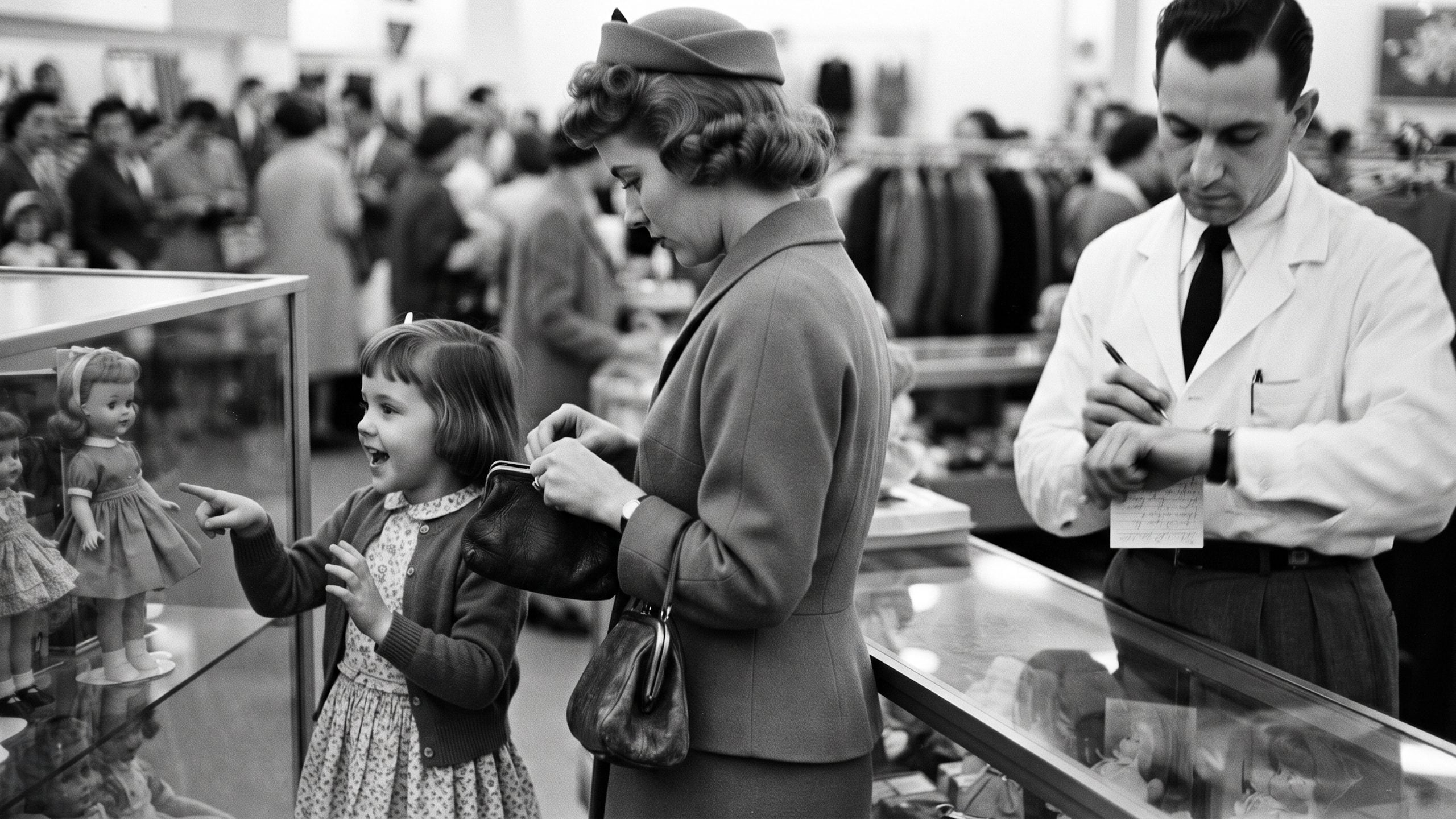
Layaway let shoppers put an item on hold at the store and pay for it in installments, and the item went home only after the last payment, so the money always came first. The practice took hold during the Great Depression and stayed popular for clothes, toys, and holiday gifts. Buy now, pay later flips that order by handing over the product first, a shift serious enough that the Consumer Financial Protection Bureau has studied how those services work.
8. Saving S&H Green Stamps to Get Household Merchandise
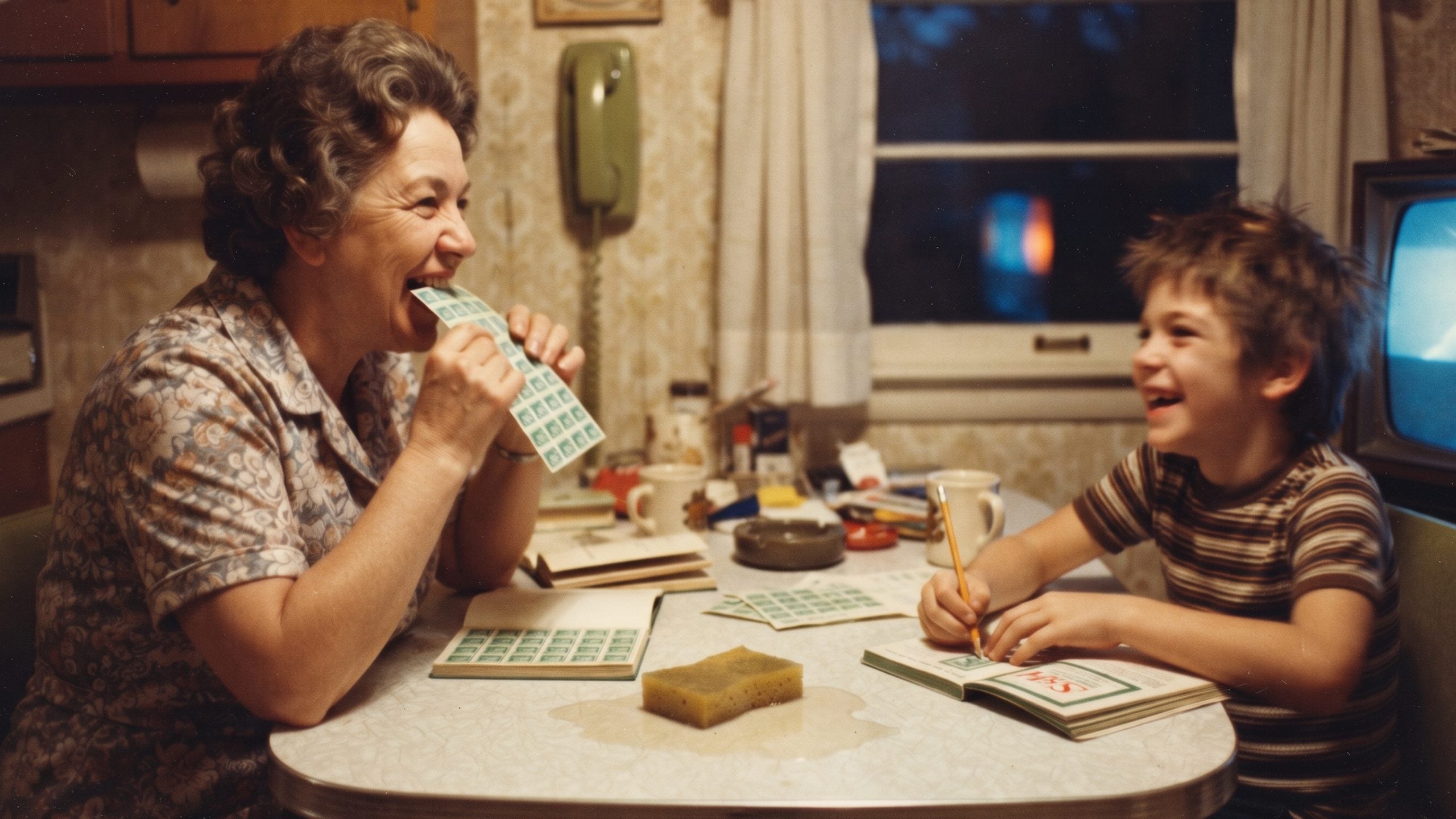
If your grandmother licked and pasted stamps into little books, she was part of a national habit that Smithsonian Magazine’s history of S&H Green Stamps has chronicled. According to Antique Trader, each booklet held 24 pages of 50 points, so a full one was worth 1,200 points, and families traded filled books for items from china to clock radios. At its peak, the company reportedly printed about three times as many stamps as the U.S. Postal Service. Not bad for a loyalty program that ran on spit and patience.
Sign up for our newsletter
9. Clipping Coupons From Sunday Newspapers
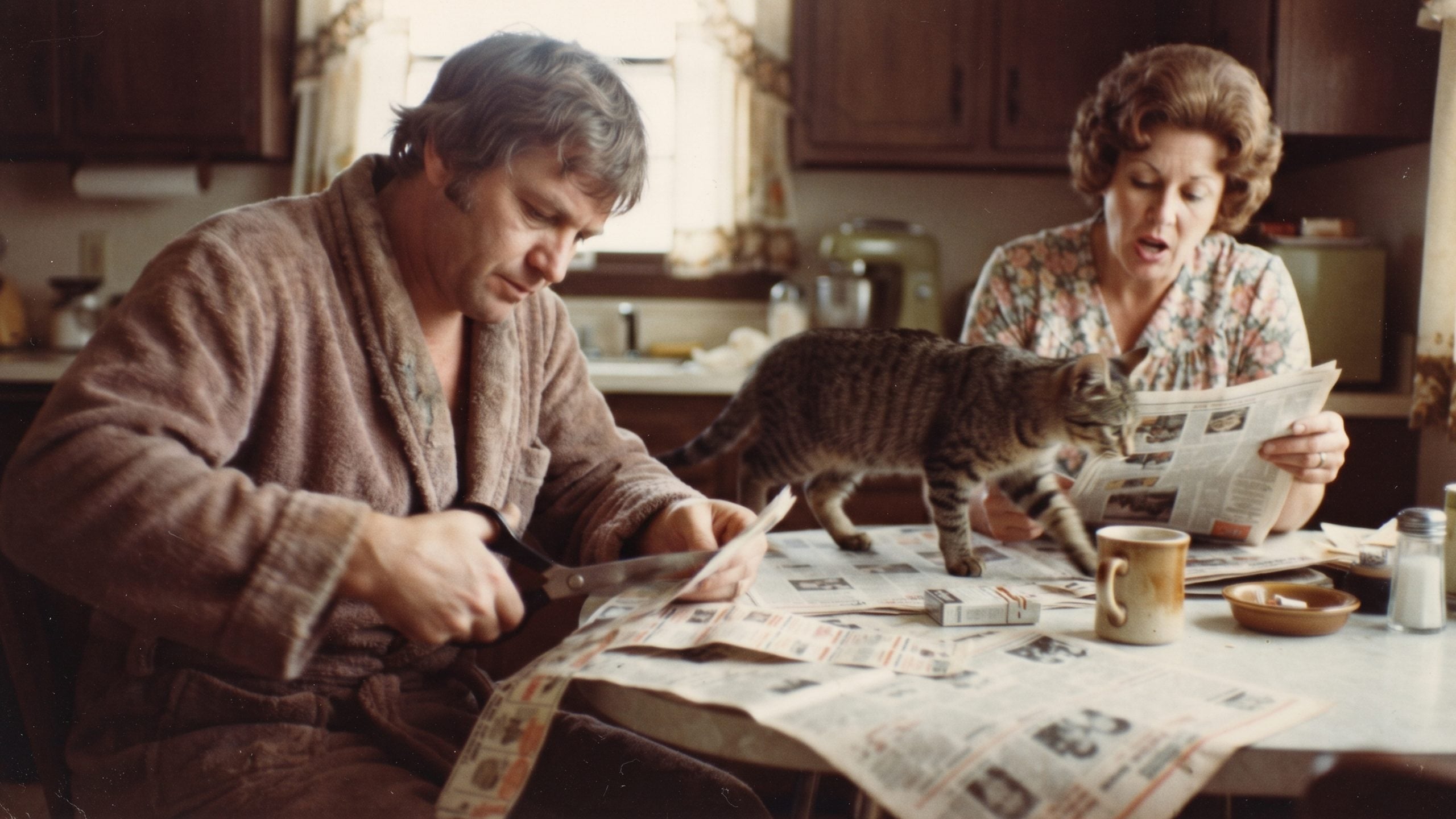
For plenty of households, the Sunday paper was less about headlines and more about the inserts, which could shave real money off a grocery bill. Shoppers clipped coupons, sorted them into envelopes or holders and brought them to the register, and the real pros waited for double-coupon days. Everyday bargain hunting like this is part of the American shopping history that the Smithsonian’s National Museum of American History preserves, while regulators such as the Federal Trade Commission still keep a close eye on how discounts are advertised, a reminder that a clipped coupon was always a small contract with the store.
10. Paying Cash for Everyday Purchases
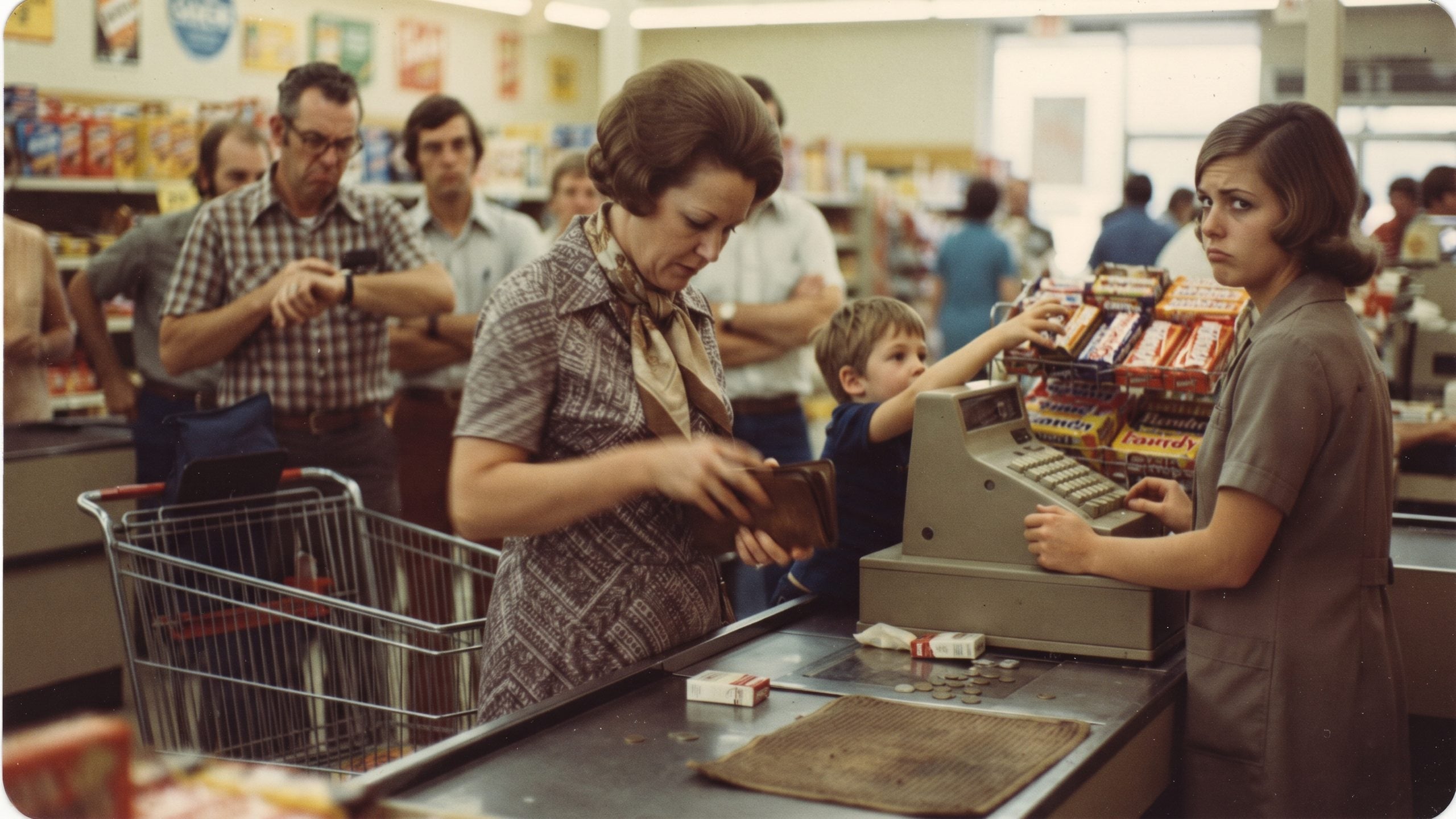
Paying in cash made spending feel real, because you could literally watch the bills leave your wallet. According to the Federal Reserve Bank of Boston, cash accounted for 31 percent of consumer payments in October 2016. The Federal Reserve’s 2025 Diary of Consumer Payment Choice puts that share at 14 percent in 2024. Cash isn’t gone, but cards and phones have taken over most of the checkout lane.
11. Giving Paper Savings Bonds as Gifts
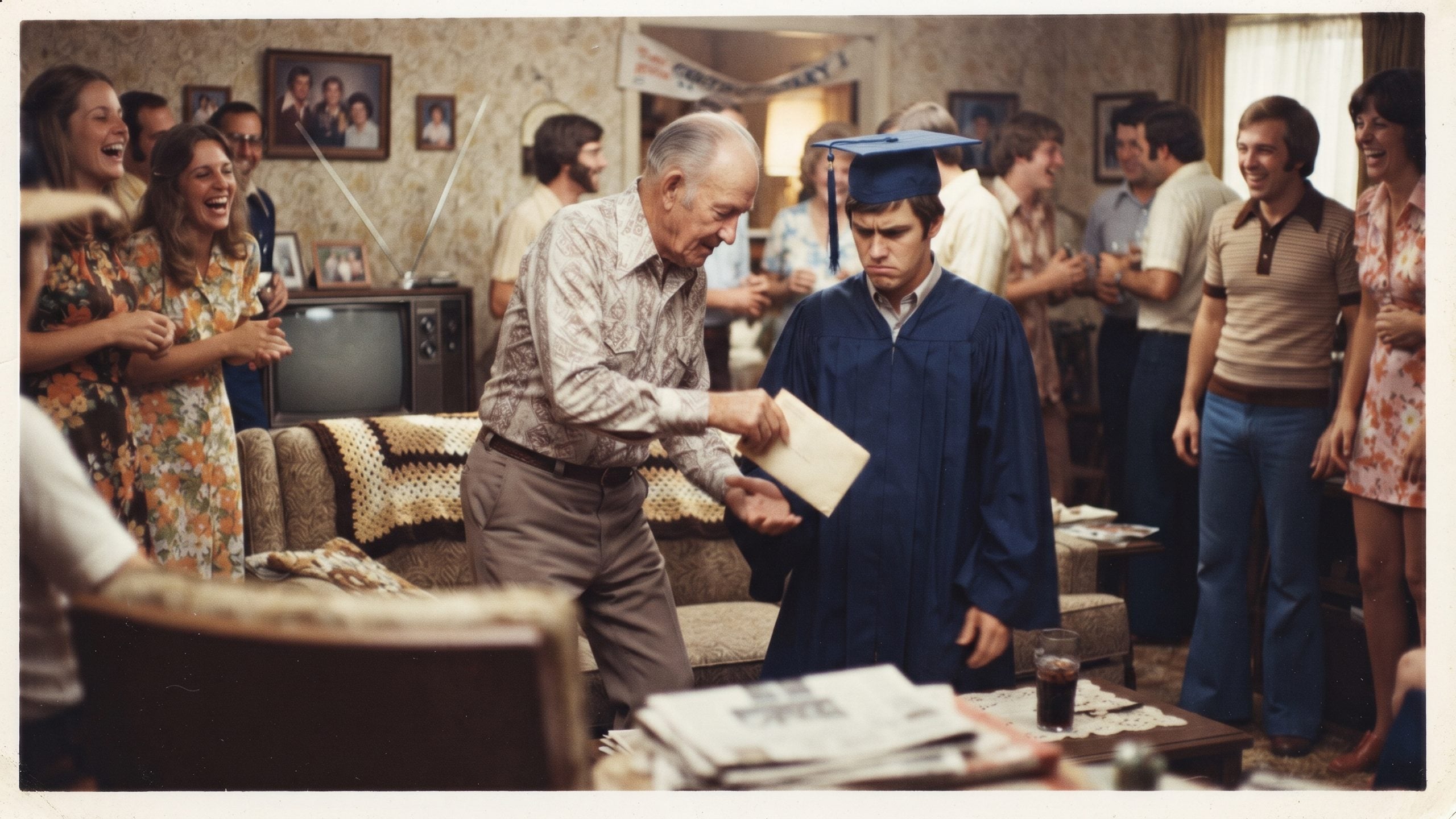
Few presents said “I believe in your future” like a savings bond tucked into a birthday or graduation card, a gift of money that was supposed to grow while the kid wasn’t looking. TreasuryDirect traces the modern savings bond program to 1935, and paper bonds sold over the counter went electronic in 2012. The tax-refund route, which was the last way to buy paper bonds, ended in 2025 as well. These days, the closest thing to that gift is a TreasuryDirect account.
12. Buying Savings Bonds Through Payroll Deductions
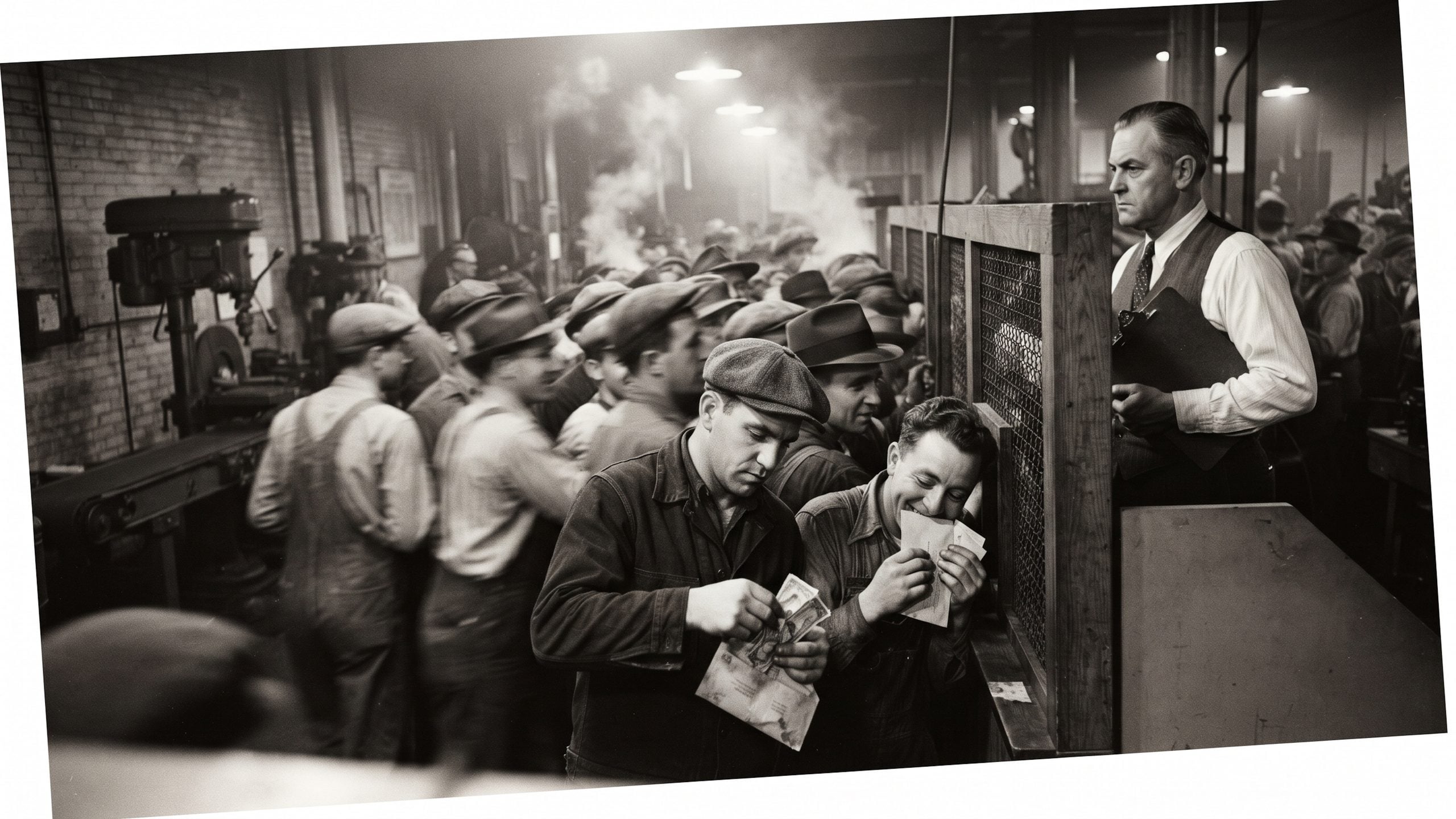
Under payroll savings plans, an employee could have a small amount taken from each paycheck to buy bonds, with no trip to the bank required. The approach grew popular around World War II, when Americans were encouraged to buy bonds this way, and it lasted for decades. TreasuryDirect’s history of the Payroll Savings Plan covers how it grew, and according to the Association for Payroll Professionals, the Treasury ended the plan on January 31, 2025, after use had declined since the 1980s as 401(k) plans took over.
13. Expecting a Pension After Years With the Same Employer
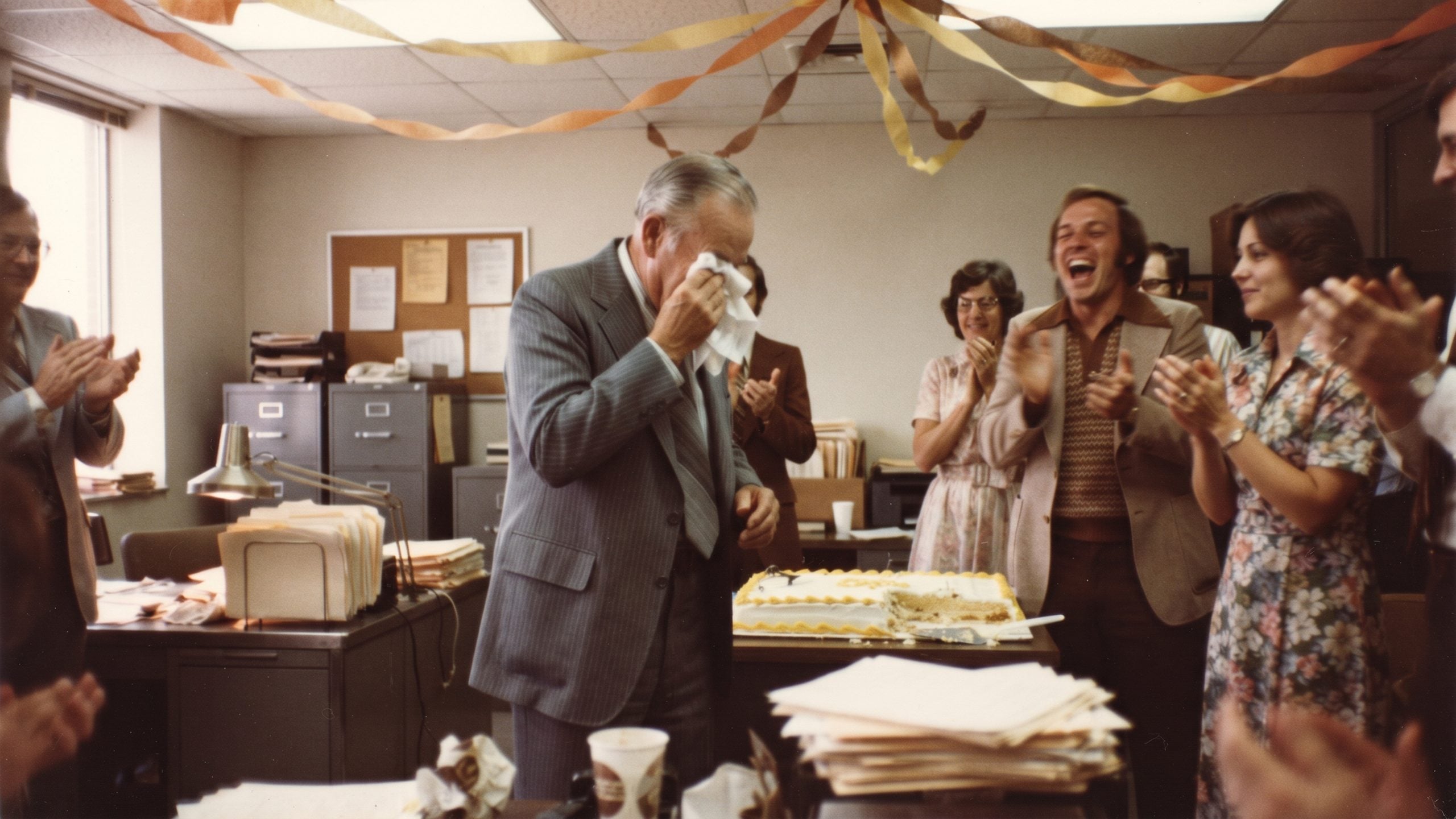
For many workers, a pension meant steady money in retirement based on years of service and earnings, with no need to pick investments. The Bureau of Labor Statistics reports that in March 2010, 20 percent of private industry workers had access to a defined benefit plan, a figure that fell to 15 percent by 2023. Over the same period, access to defined contribution plans such as 401(k)s rose from 59 to 67 percent.
14. Using Department Store Charge Accounts
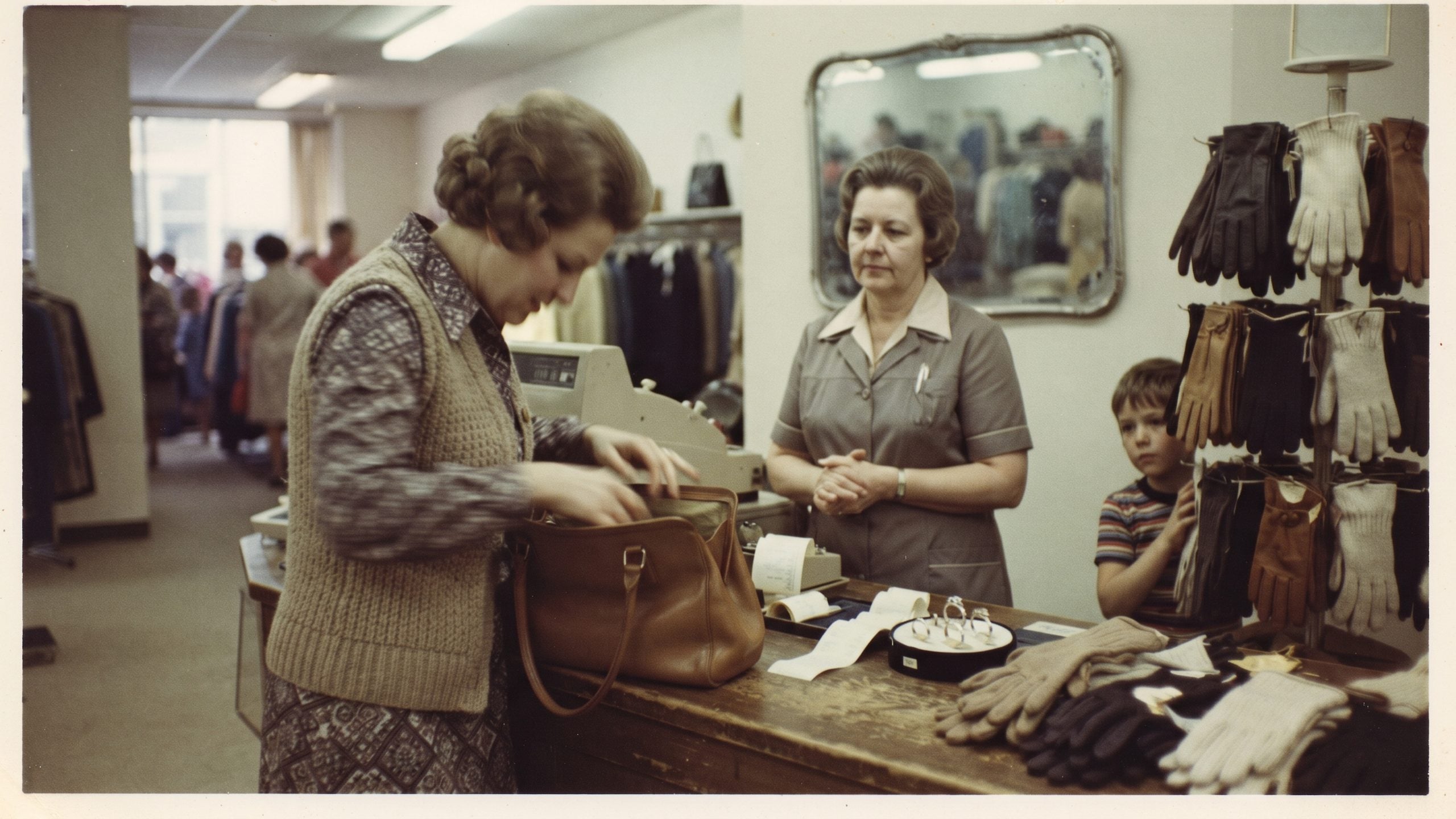
Before a general-purpose credit card lived in every wallet, a charge account at a favorite department store was a mark of trust, and the bill came at the end of the month. According to a Federal Reserve review of credit card use from 1970 to 2000, cards began in the 1950s as a convenient way for affluent people to pay at restaurants and department stores without cash. Department stores were among the first places everyday Americans used credit, a story the Smithsonian’s history of department store credit tells in detail, and over the following decades cards spread to households at all income levels.
15. Keeping a Household Budget in a Notebook
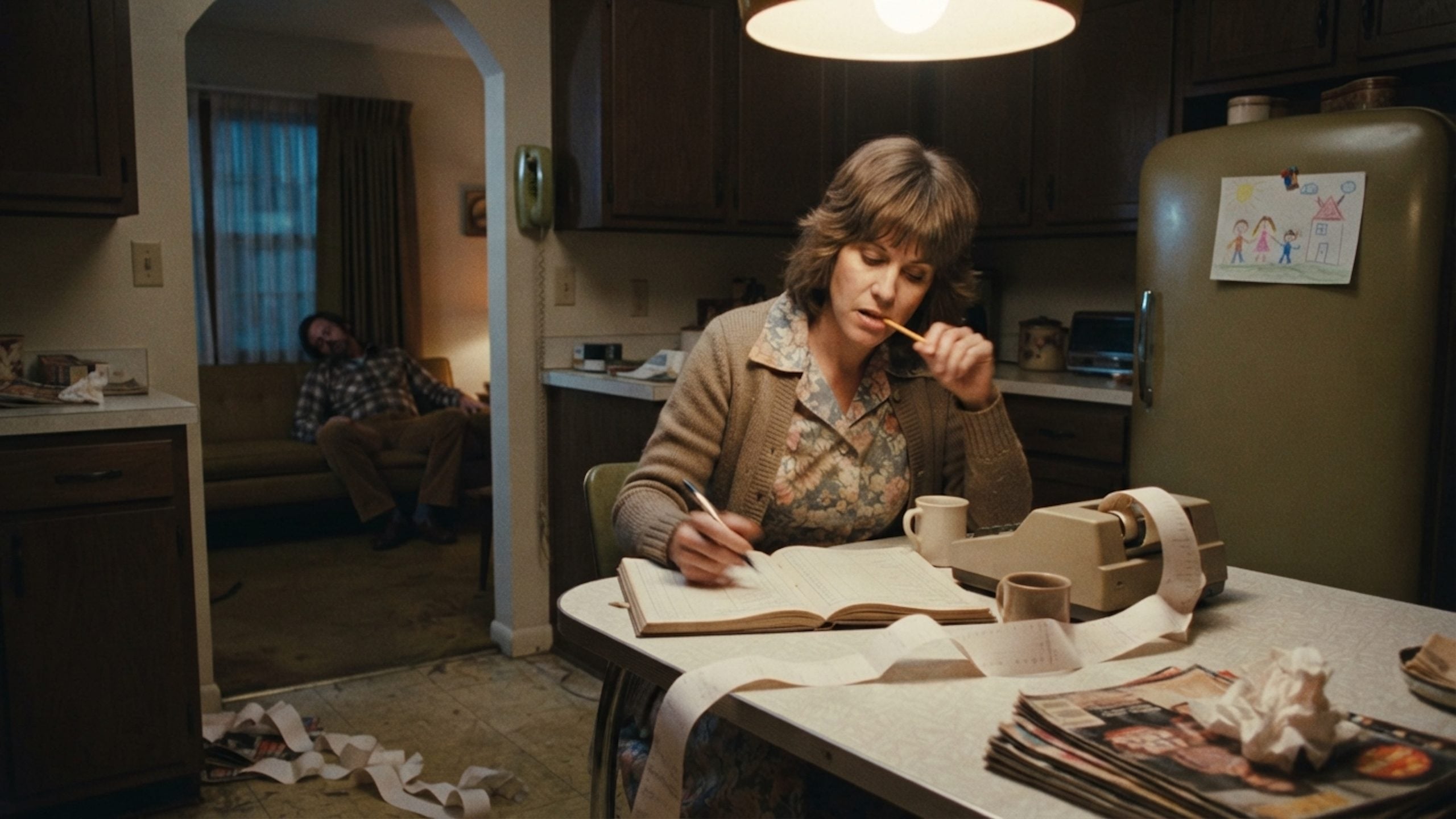
Before spreadsheets and apps, some households kept a notebook or ledger and wrote down groceries, utilities, and savings deposits, line by line. It took effort, but it also left behind a real record of where the money went, which many financial educators still consider the first step toward a budget. The Consumer Financial Protection Bureau’s budgeting tools boil it down to the same idea; Federal Reserve surveys of consumer finances give a long view of how households have managed their money, and software now does the sorting that pen and paper once did.
Some of these habits deserved to retire, and a few still hold up. Which one did your family swear by, and which one would you never go back to when it comes to money? Share your answer in the comments and check out these articles: