

Technology, sustainability, and shifting lifestyles are transforming the way we live, and by 2030, many everyday objects we take for granted today may vanish entirely. Driven by rapid technological progress and growing sustainability demands, the next decade will transform the everyday objects around us, reshaping what we use at home, at work and in daily life. This list of 15 objects that are likely to disappear offers a glimpse into a future where convenience, efficiency, and consciousness will reshape our material world.
1. Plastic Shopping Bags

Governments worldwide are banning single-use plastics, and reusable alternatives are becoming the norm. By 2030, light plastic bags will be phased out of stores, replaced by biodegradable and reusable options.
2. Paper Boarding Passes

Airlines are embracing mobile apps and QR scanning. By 2030, paper boarding passes will be phased out, with digital check-ins and facial recognition streamlining the airport experience. Digital passes will not only reduce waste but also speed up security checks.
3. DVDs and Blu-rays

Streaming platforms have already reduced demand for physical discs. By 2030, DVDs and Blu-rays will disappear entirely, leaving behind only collectors’ editions as nostalgic artifacts. Future generations may view them the way we see VHS tapes today: nostalgic and impractical.
4. Gas-powered cars
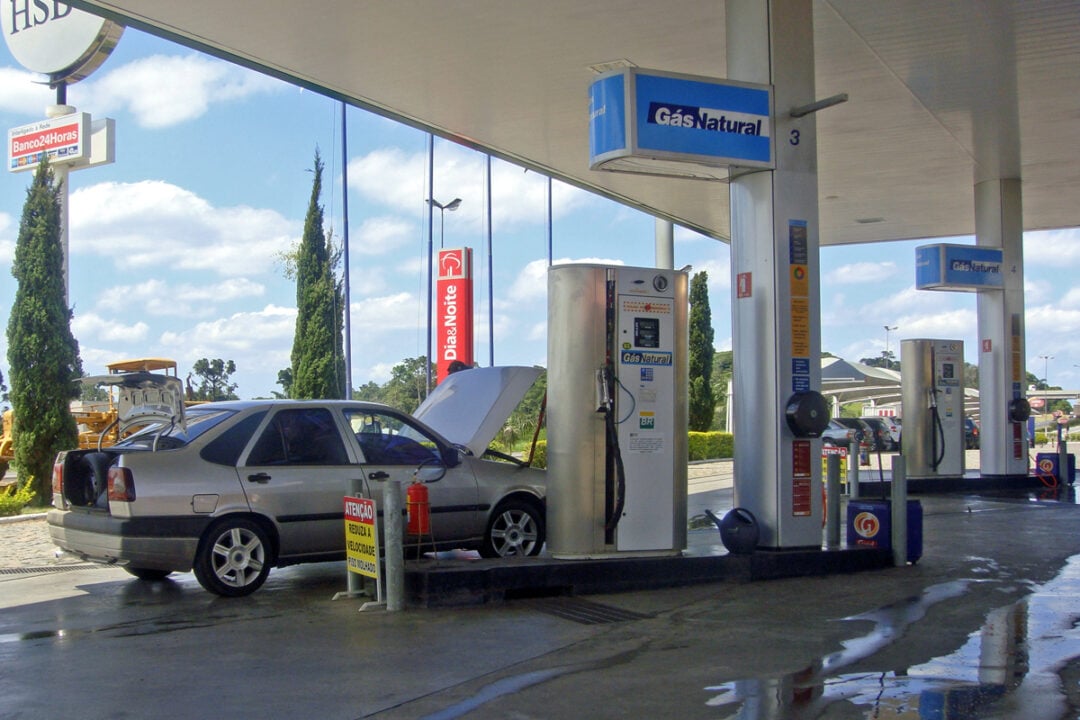
Electric vehicles are rapidly gaining ground, and many countries have set deadlines to ban new gas-powered car sales. By 2030, combustion engines will be odd, replaced by cleaner, quieter EVs. Cities will be quieter and cleaner as electric vehicles dominate the roads.
5. Wired Earphones
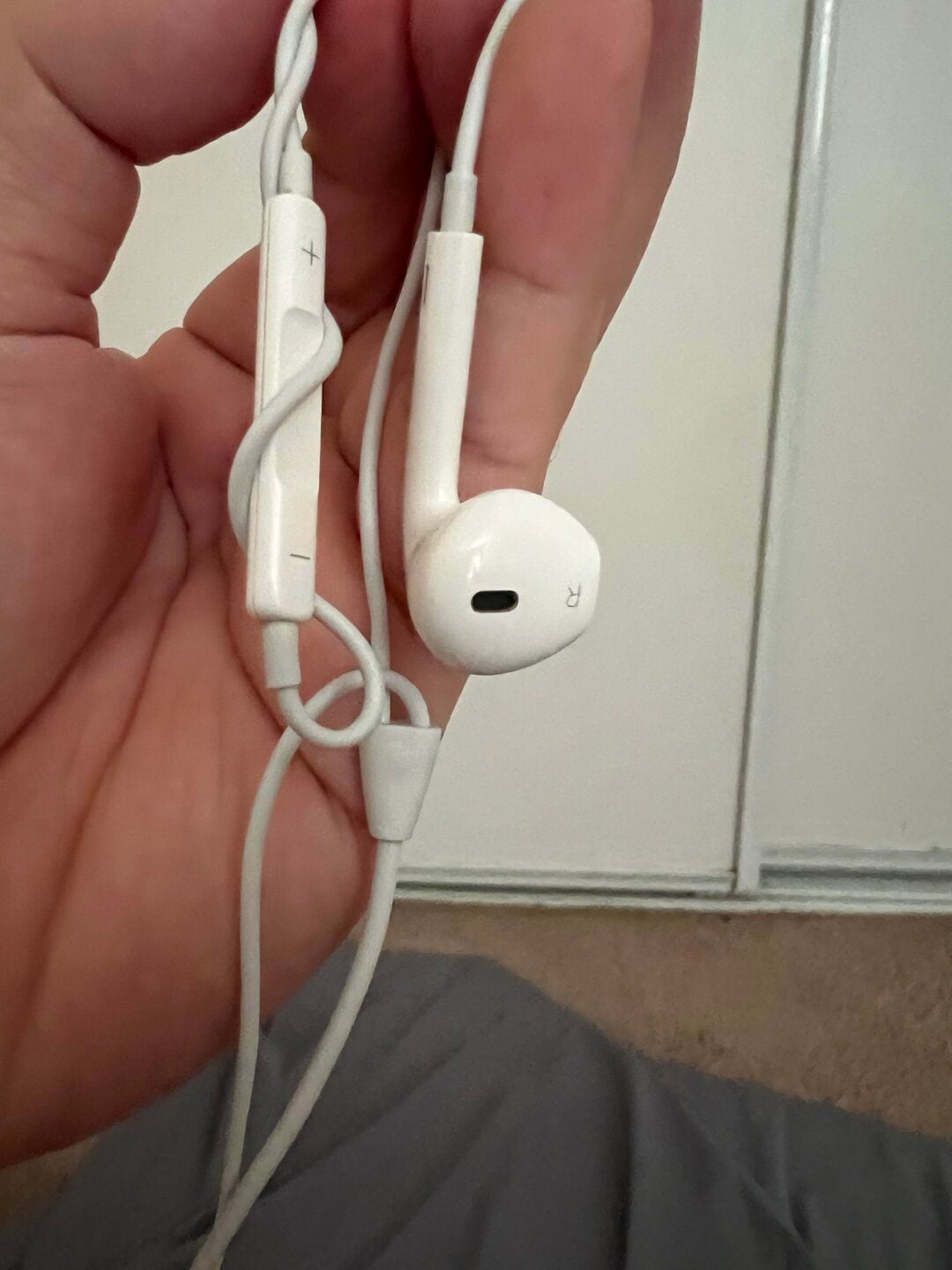
Wireless earbuds and Bluetooth headphones dominate the market. By 2030, wired earphones will be nearly extinct, remembered only as frustrations of the past. The freedom of wireless audio will make cords feel like an unnecessary hassle.
Trending on Wealth Gang


6. Checkbooks

Digital banking and mobile payments are replacing paper checks. By 2030, checkbooks will be gone, as instant transfers and contactless payments become universal. Younger generations may never even learn how to write a check.
7. Physical Credit Cards

Contactless payments, mobile wallets, and biometric authentication are rapidly replacing plastic cards. By 2030, swiping or inserting a card will feel outdated, as digital wallets and wearable devices become the standard. The familiar stack of cards in your wallet may vanish entirely.
8. Incandescent Light Bulbs

Energy-efficient LEDs and smart lighting are replacing incandescent bulbs. By 2030, these bulbs will be phased out, saving energy and reducing emissions worldwide. Homes will glow with smart, efficient lighting that adapts to our moods and routines.
Sign up for our newsletter
9. Cash Registers

Point-of-sale systems and mobile payment devices are replacing bulky cash registers. By 2030, sleek tablets and AI-driven checkout systems will dominate retail. Retail counters will evolve into sleek, digital hubs powered by AI.
10. Physical Maps

GPS and smartphone navigation apps have already made paper maps rare. By 2030, physical maps will disappear, surviving only as decorative or nostalgic items. Exploration will rely entirely on interactive, real-time navigation tools.
11. Stand-alone GPS Devices
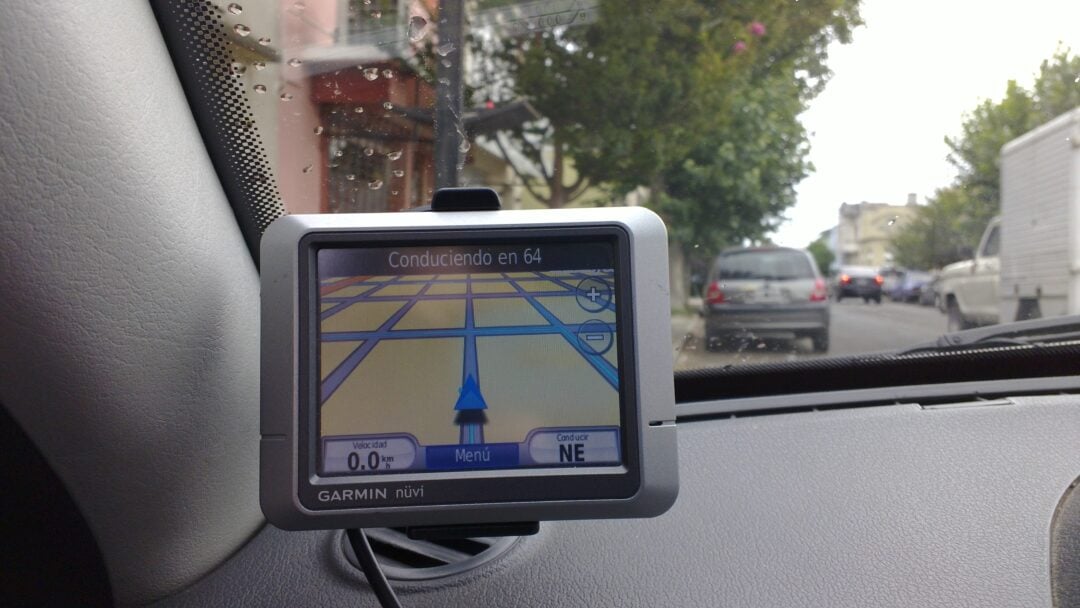
Smartphones now handle navigation seamlessly. By 2030, standalone GPS units will vanish, replaced entirely by apps integrated into cars and phones. Their bulky screens will be replaced by seamless smartphone and car dashboard integrations.
12. Plastic Water Bottles

Sustainability efforts are pushing reusable bottles into mainstream use. By 2030, single-use plastic water bottles will be phased out, replaced by refillable alternatives. Reusable bottles will become a fashion statement as well as an eco-friendly choice.
13. Remote Controls

Smart home systems and voice assistants are taking over. By 2030, physical remotes will disappear, replaced by voice command apps. Living rooms will respond to our voices and gestures instead of buttons.
14. Printed Newspapers

Digital news consumption is skyrocketing, and print circulation is declining. By 2030, most newspapers will exist only online, with print editions reserved for niche audiences. Morning routines will shift to scrolling headlines on tablets and smart glasses.
15. Physical Car Keys
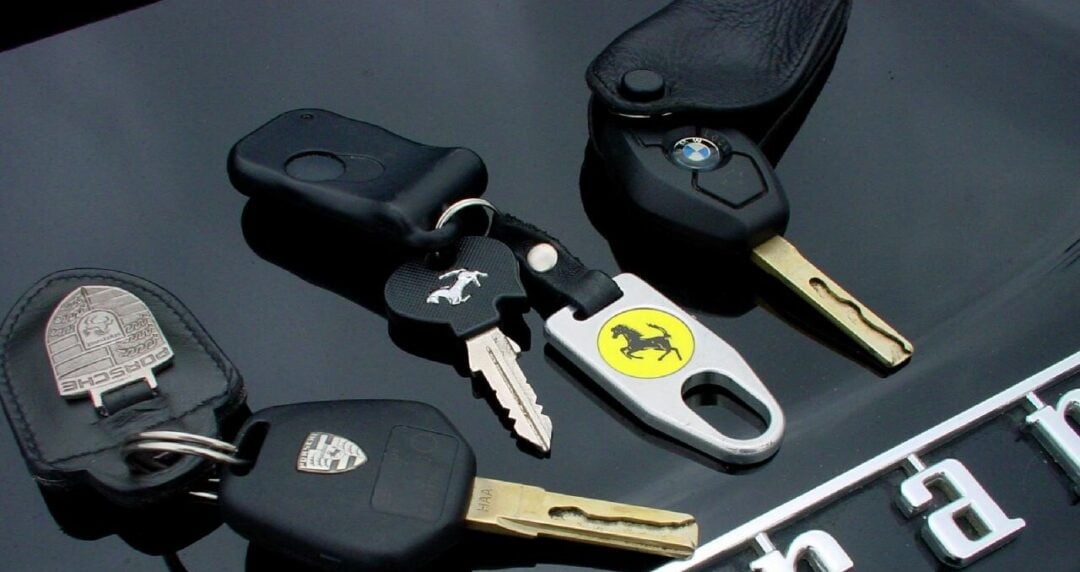
With the rise of keyless entry systems, smartphones, and biometric recognition, traditional car keys are quickly becoming obsolete. By 2030, most vehicles will depend on digital authentication, making the metal keys of today a relic of the past.
The disappearance of these objects is not just about convenience: it reflects a deeper shift toward sustainability, digital integration & smarter living. By 2030, our homes, offices, and pockets will look radically different, filled with tools that are cleaner, faster, and more connected than ever before.