Long before digital pop-ups and social media ads dominated our screens, companies relied on physical, heavy-duty displays to catch the attention of passersby.
Today, those forgotten marketing relics have turned into high-ticket collector items. Collectors and retro enthusiasts are willing to shell out tens of thousands of dollars for authentic promotional pieces that feature bold graphics and original gloss. Let’s look at 15 old advertising items that can be worth some money on today’s auction market.
1. Porcelain Gas Station Signs ($1,000 – $100,000+)
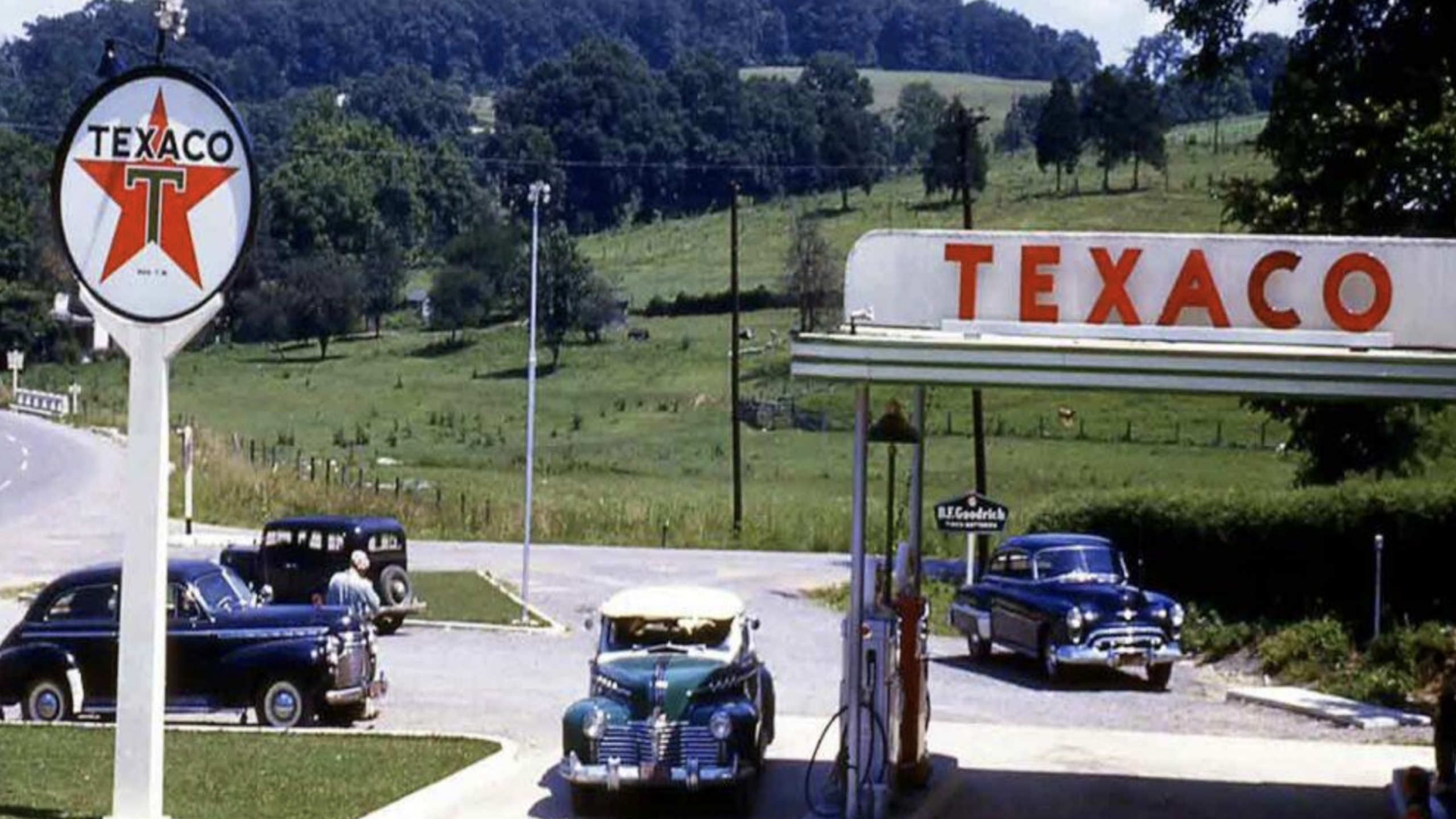
Heavy steel signs coated in porcelain enamel were built to withstand weather outside gas stations in the early-to-mid 20th century. Today, rare double-sided pieces featuring logos from iconic brands like Mobil, Texaco, or Musgo can fetch life-changing money at specialty auctions.
2. Glass Gas Pump Globes ($500 – $10,000+)
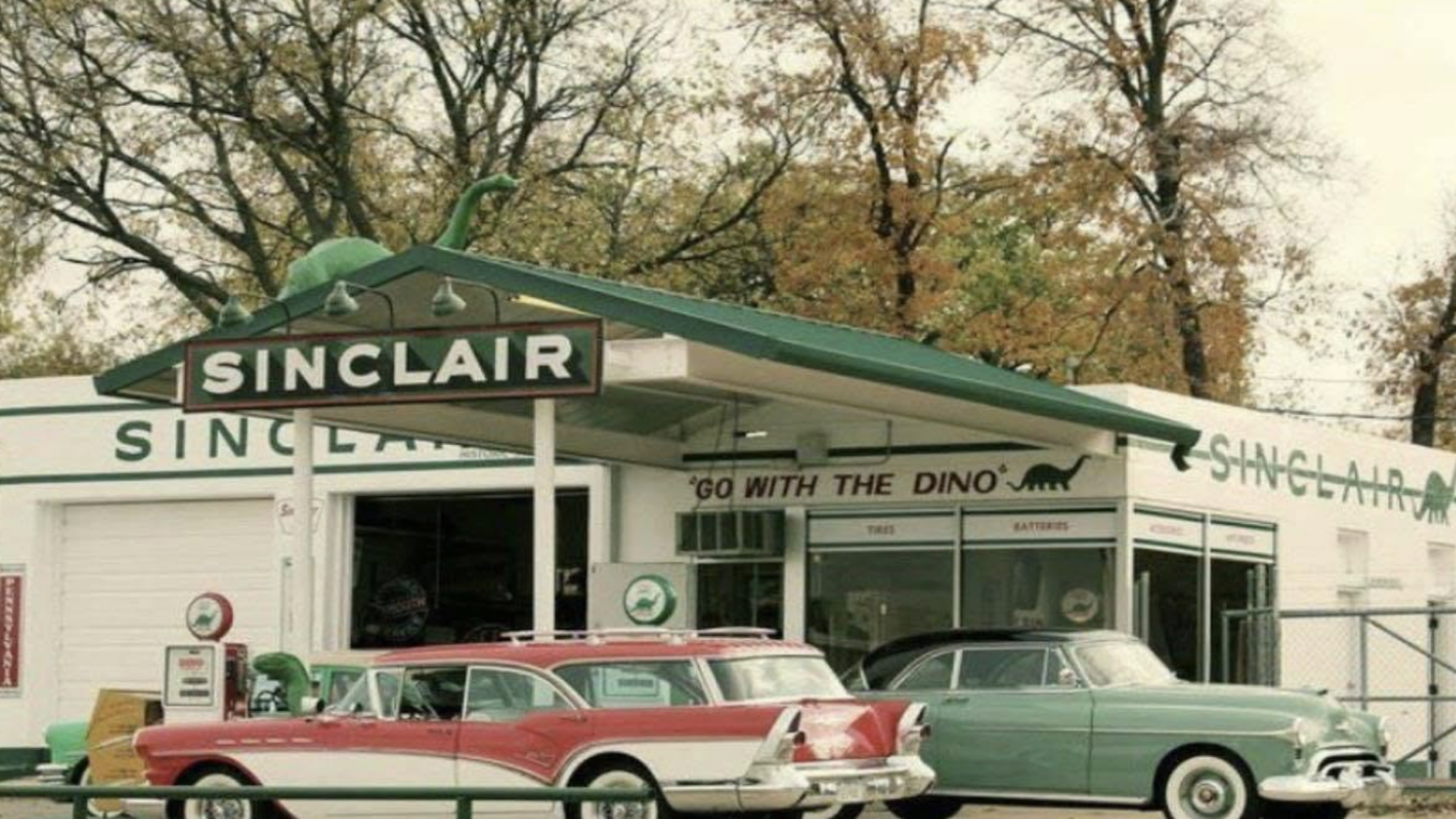
Sitting atop gas pumps in the 1920s through the 1950s, these illuminated glass lenses advertised various fuel brands to drivers. Original one-piece milk glass globes with intact artwork are delicate, highly sought after, and worth serious money to petroliana collectors.
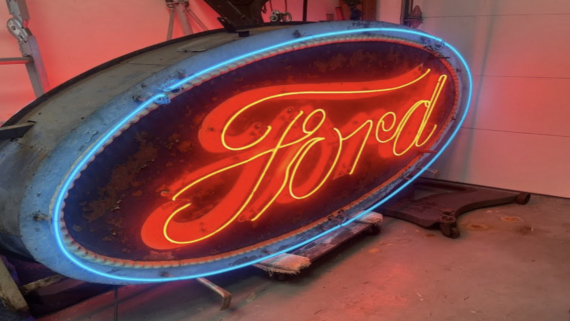
3. Vintage Neon Dealership Signs ($2,000 – $25,000)
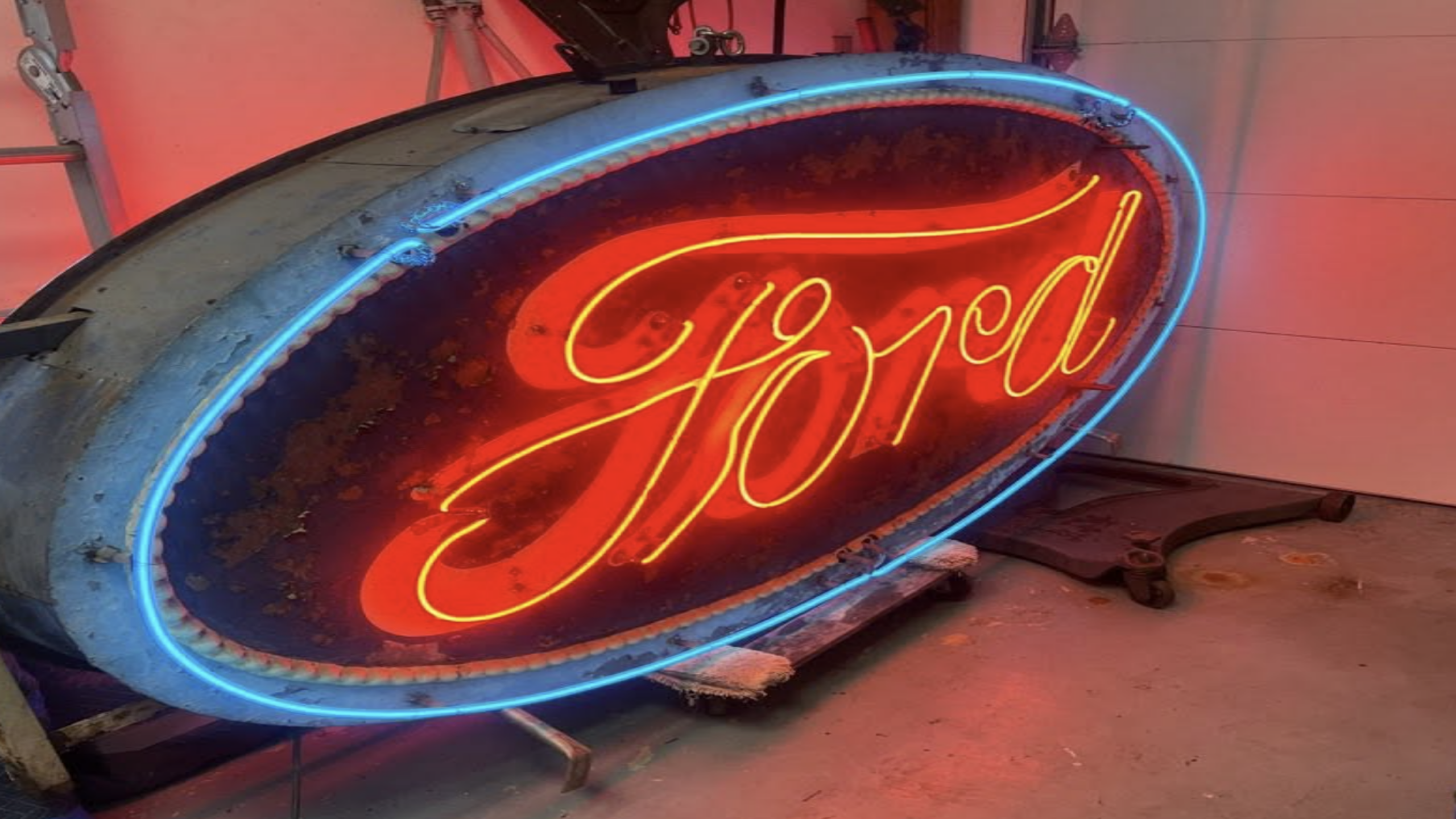
Auto dealerships mid-century relied on massive neon displays to draw in night drivers. Restored original neon signs from companies like Ford, Chevrolet, or Pontiac easily sell for substantial money.
4. 1900s-1950s Coca-Cola Metal Trays ($100 – $5,000+)
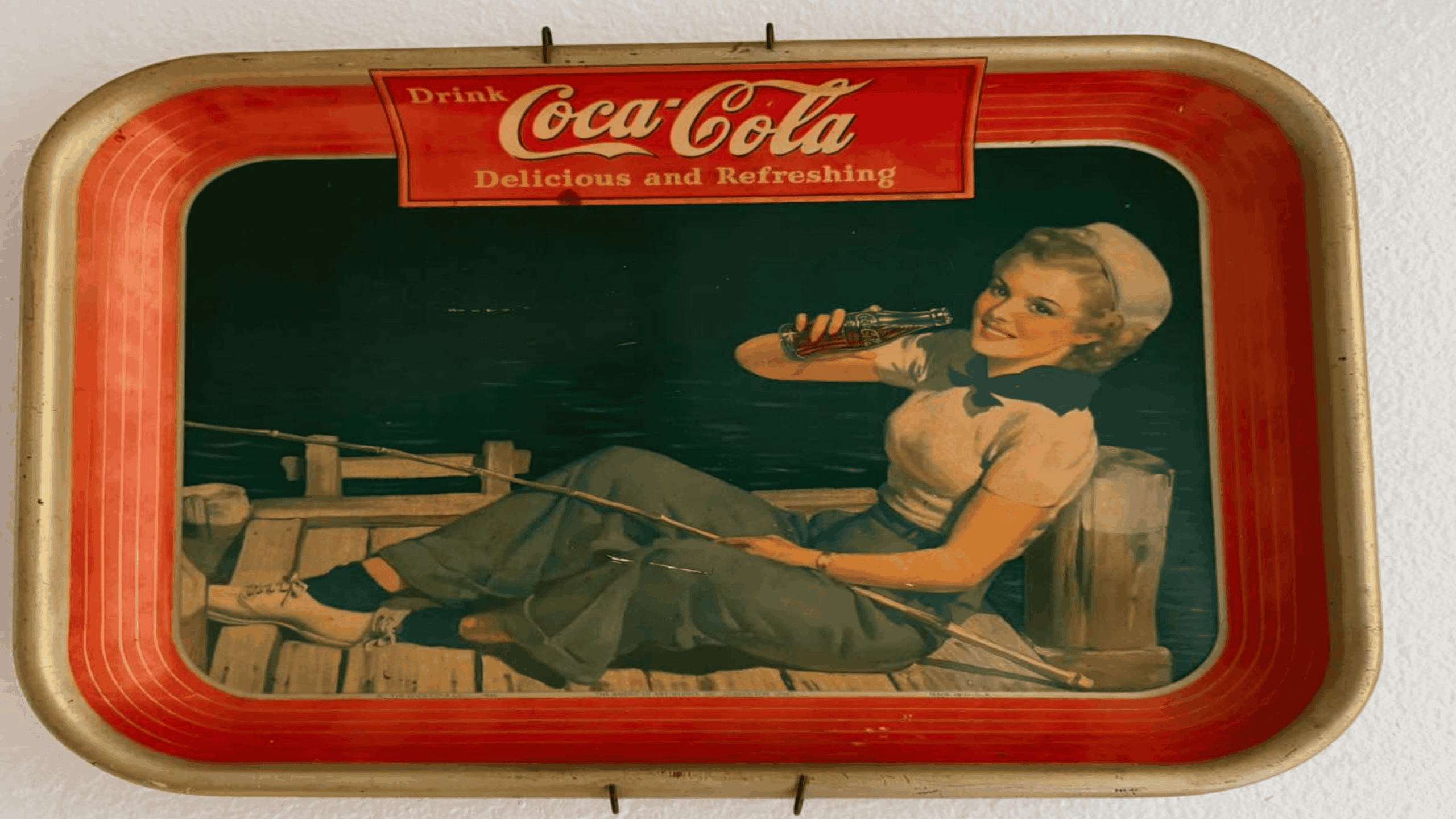
Given to soda fountains and diners, these tin serving trays featured colorful lithographed artwork of era-specific models and soda bottles. Pristine pre-war trays wth bright colors and minimal rust bring impressive money among soda collectors.
5. Porcelain Door Push Plates ($200 – $1,500)
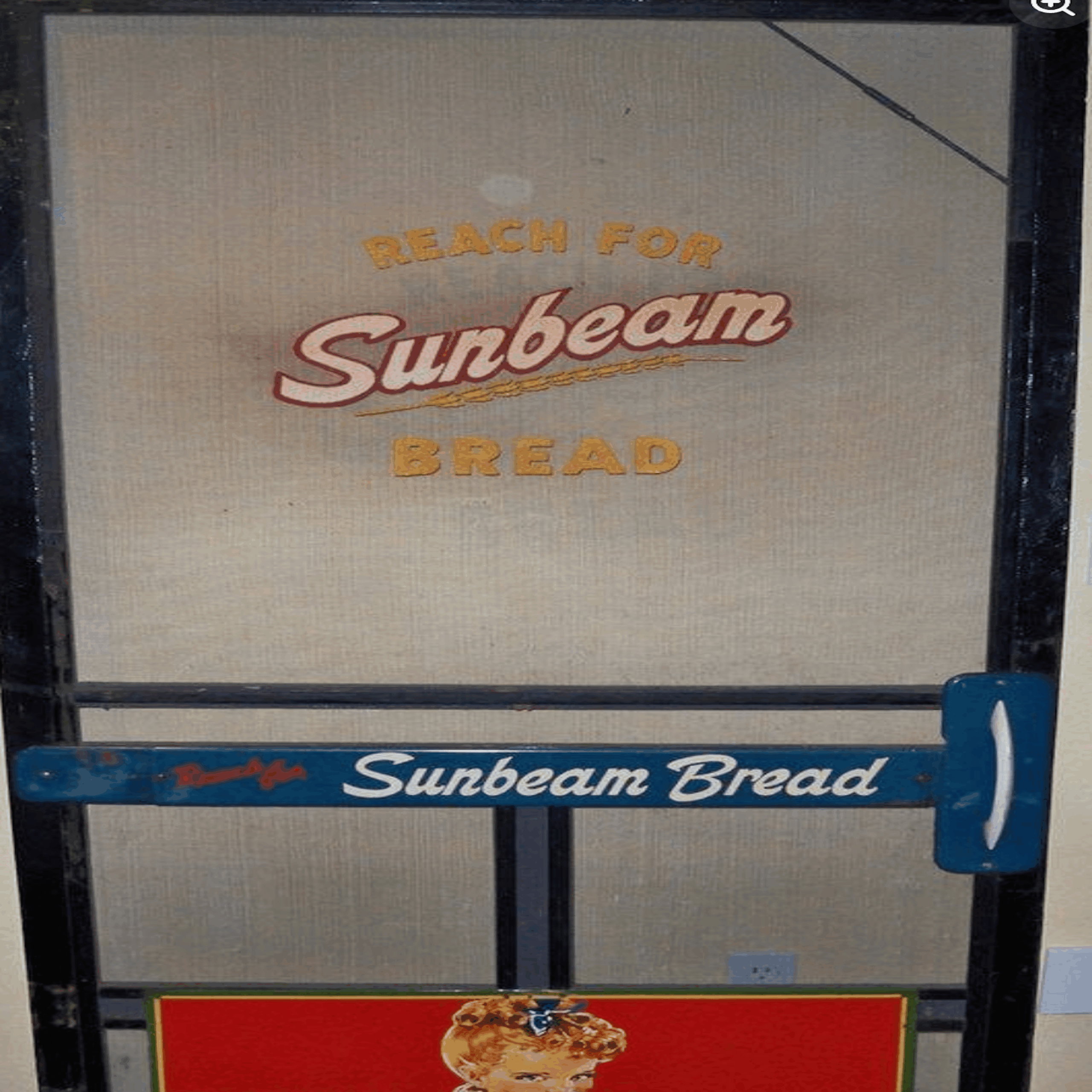
Mounted directly on the glass or wooden doors of country stores, these small enamel plates reminded shoppers to “Push” or “Pull” while advertising bread, tobacco, or soft drinks.
Trending on Wealth Gang


6. Lighted Beer Motion Signs ($300 – $2,500)
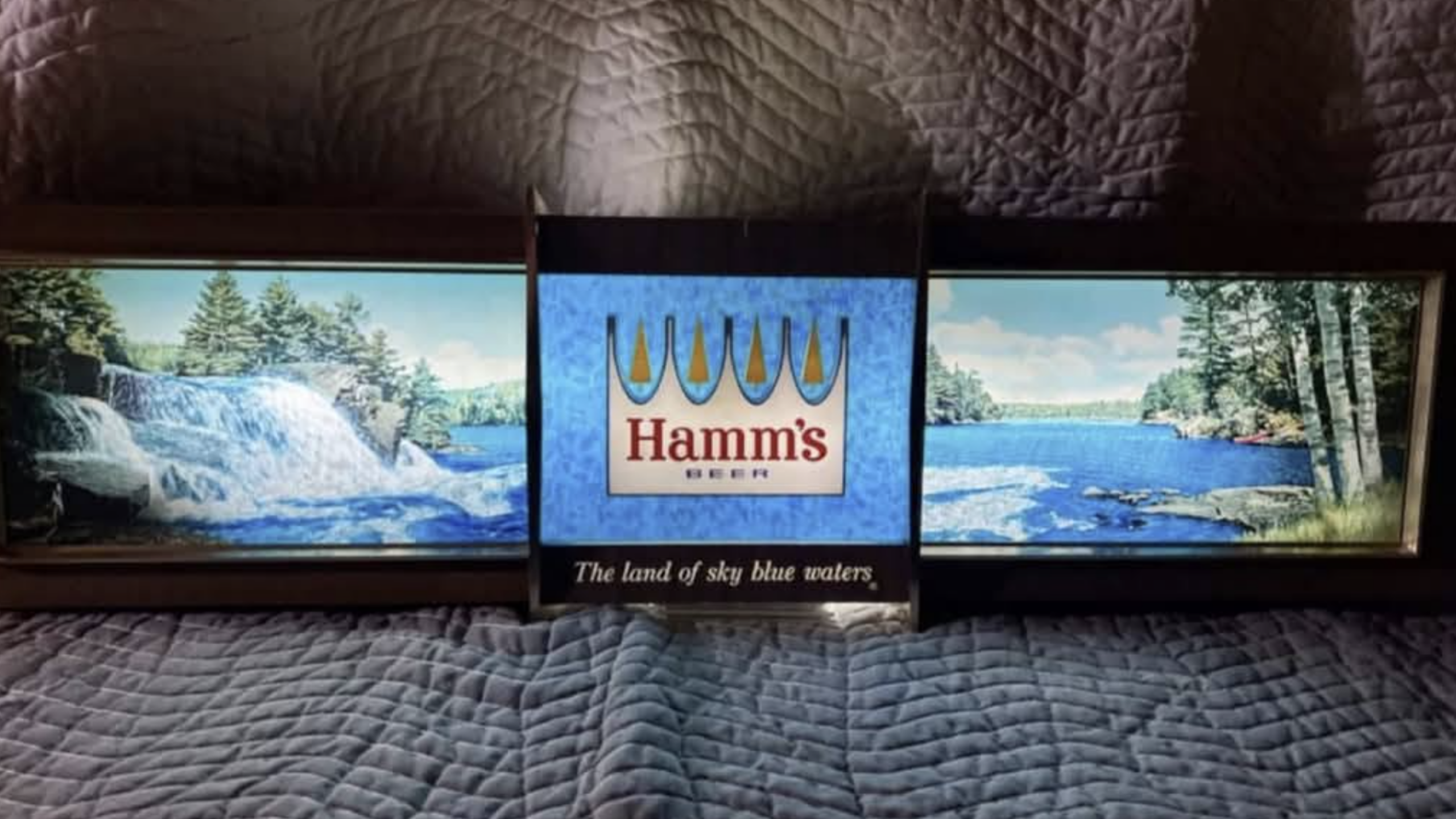
Barrooms of the 1950s and 60s were filled with glowing, animated displays promoting brands like Hamm’s, Pabst, or Schlitz. Motion signs that feature rotating waterfall effects or motorized scenes sell for top money if the motor still works.
7. Vintage Metal Thermometers ($150 – $2,000)
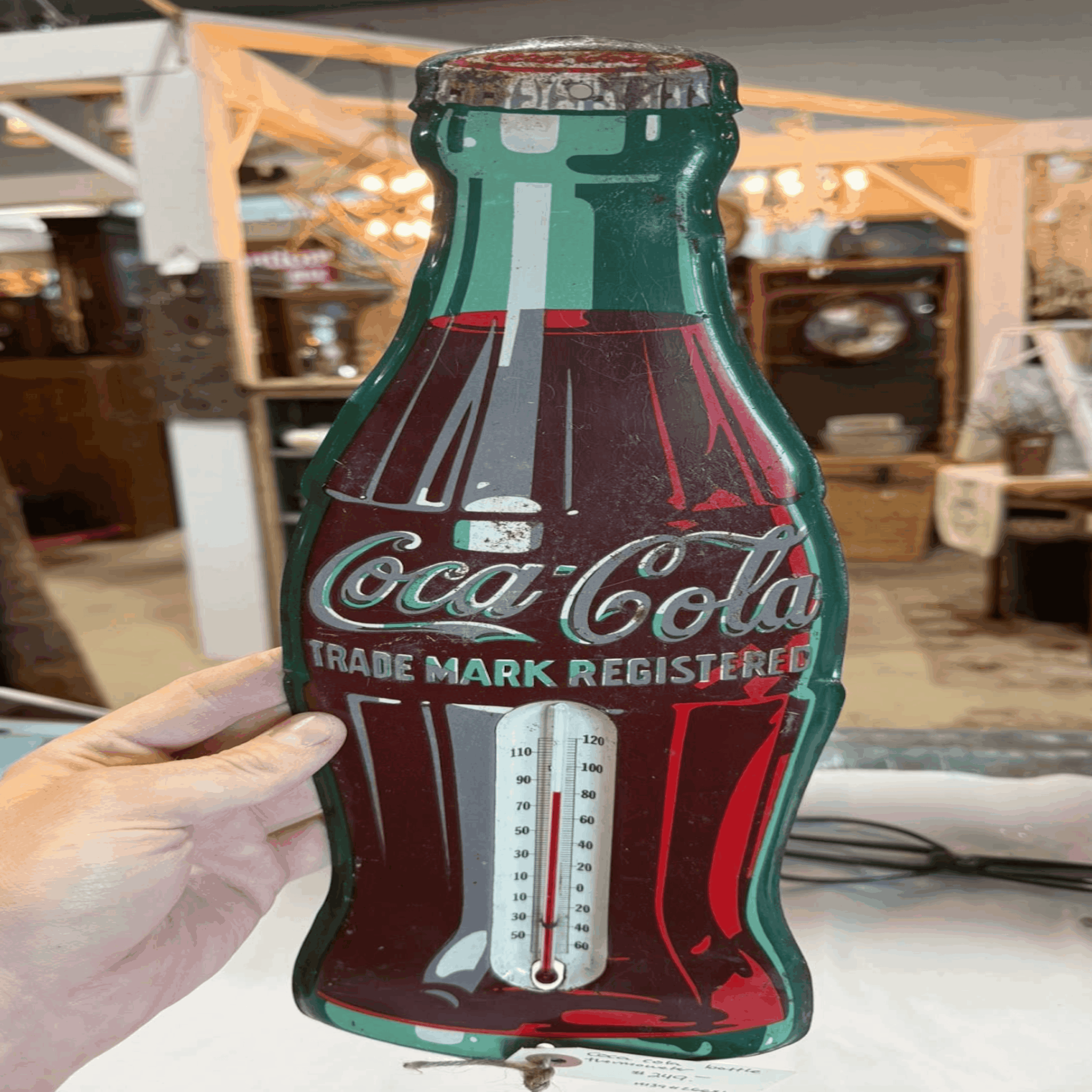
Companies like Coca-Cola, Mail Pouch Tobacco, and Dr Pepper regularly handed out long vertical metal thermometers to hardware stores.
8. Lithographed Tobacco Pocket Tins ($100 – $3,000)
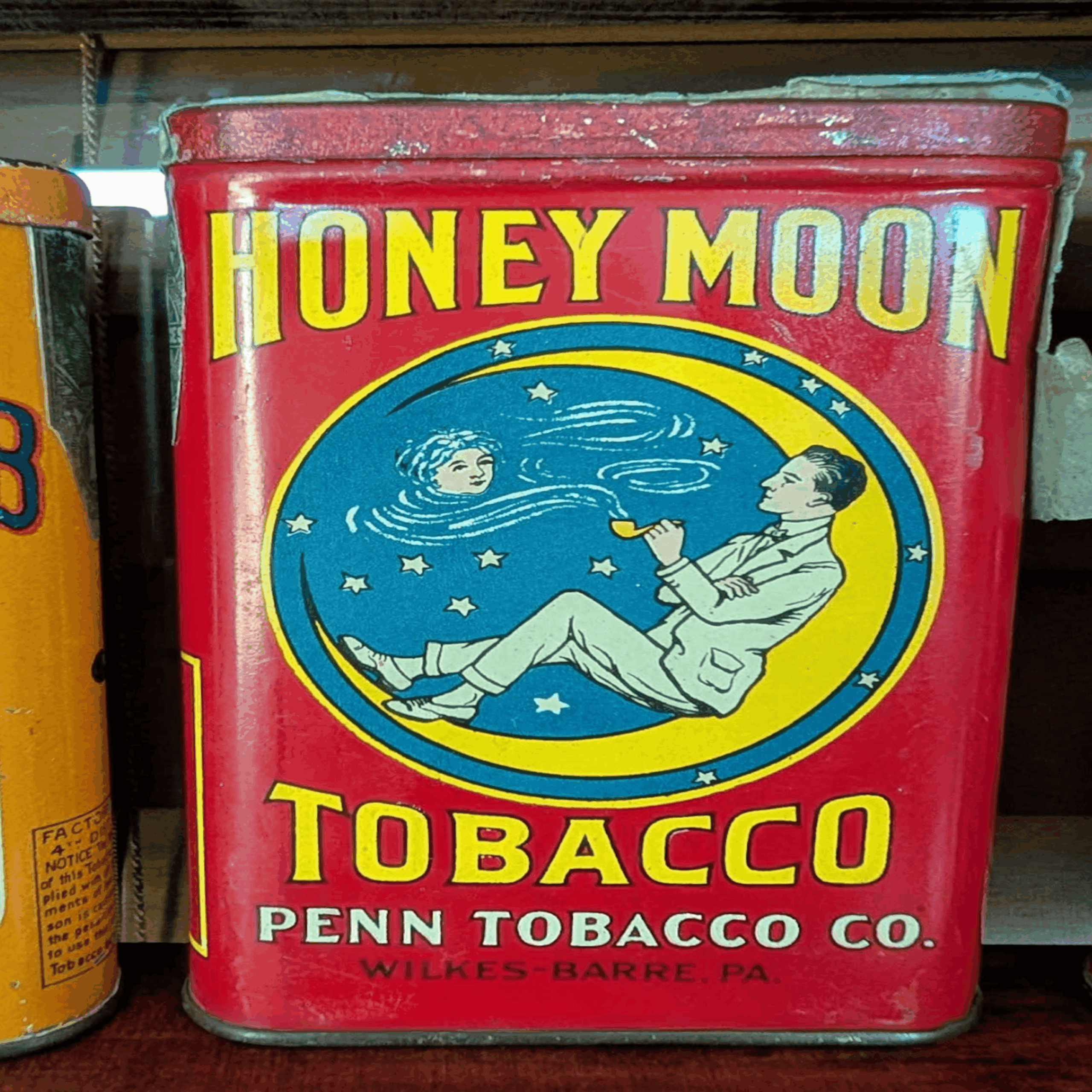
Before modern cigarette packs, loose tobacco was sold in pocket-sized hinged metal tins featuring intricate lithographed graphics. Rare brands or pocket tins boasting near-mint paint are small items that translate into big money today.
Sign up for our newsletter
9. Vintage Advertising Clocks ($300 – $4,000)
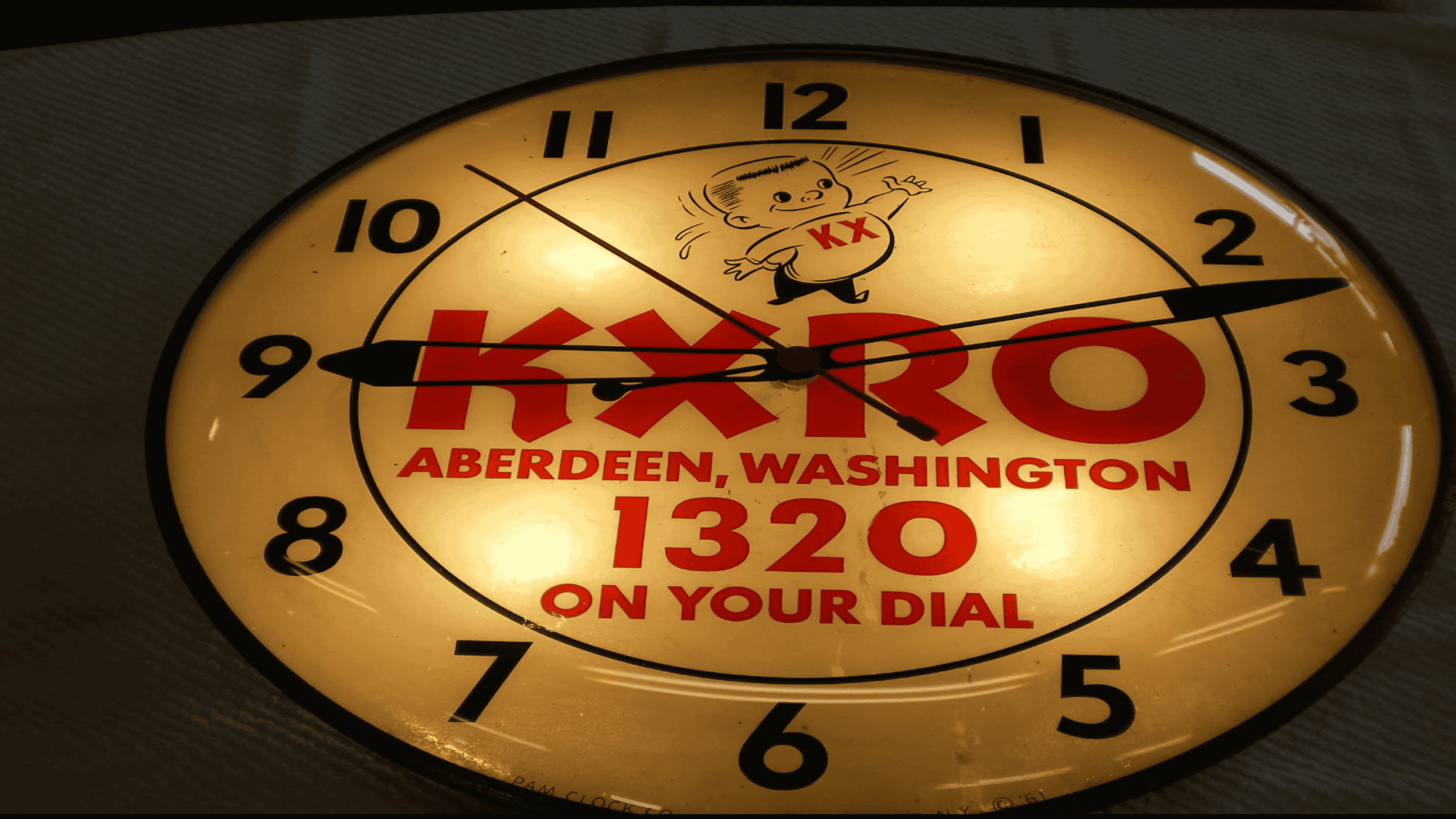
Hanging in pharmacies and diners, lighted neon or bubble-glass wall clocks advertised everything from local dairies to tires. Original Pam Clock Co. units with working electric movements regularly bring heavy money at estate sales.
10. Cast Iron Storefront Figures ($500 – $5,000+)
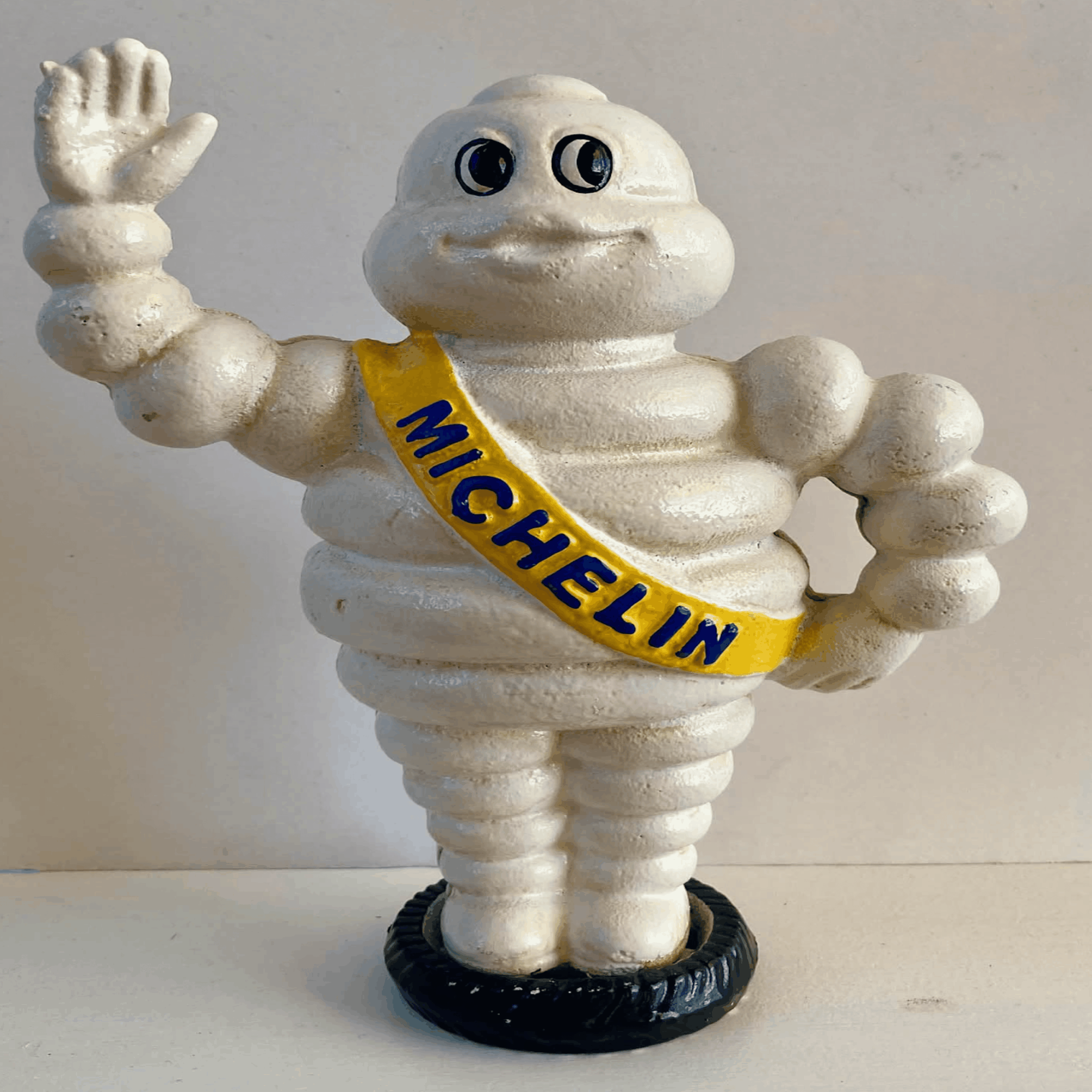
In the late 19th and early 20th centuries, businesses placed heavy painted cast-iron figures outside shop doors, such as cigar store figures or Michelin Man statues.
11. Die-Cut Soda Flange Signs ($400 – $3,500)
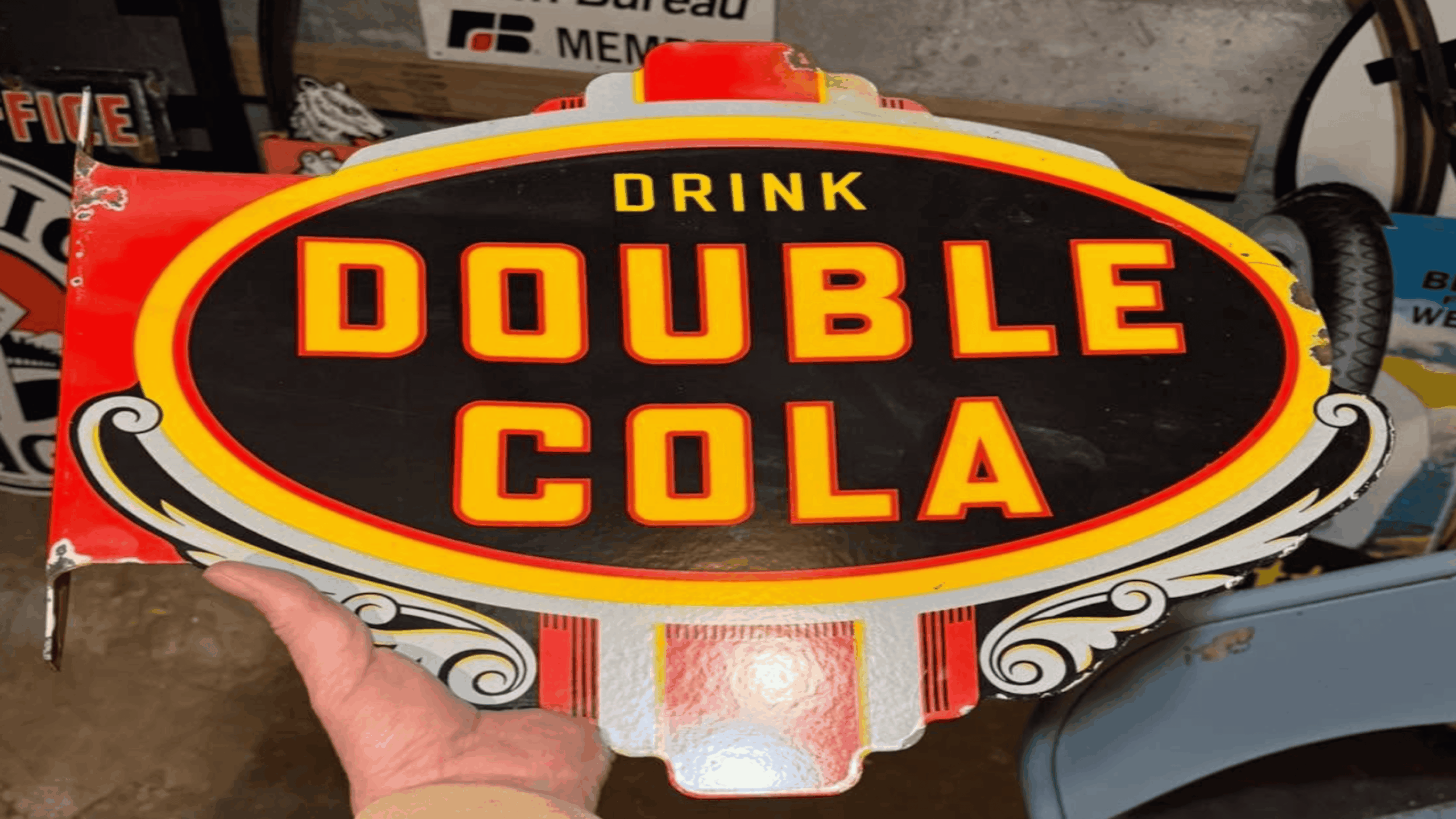
Flange signs are mounted perpendicular to store walls so pedestrians walking down the sidewalk can see the advertisement from both sides. Double-sided die-cut porcelain flange signs shaped like soda bottles bring in high money due to their unique shapes.
12. Vintage Oil Cans ($50 – $1,200)
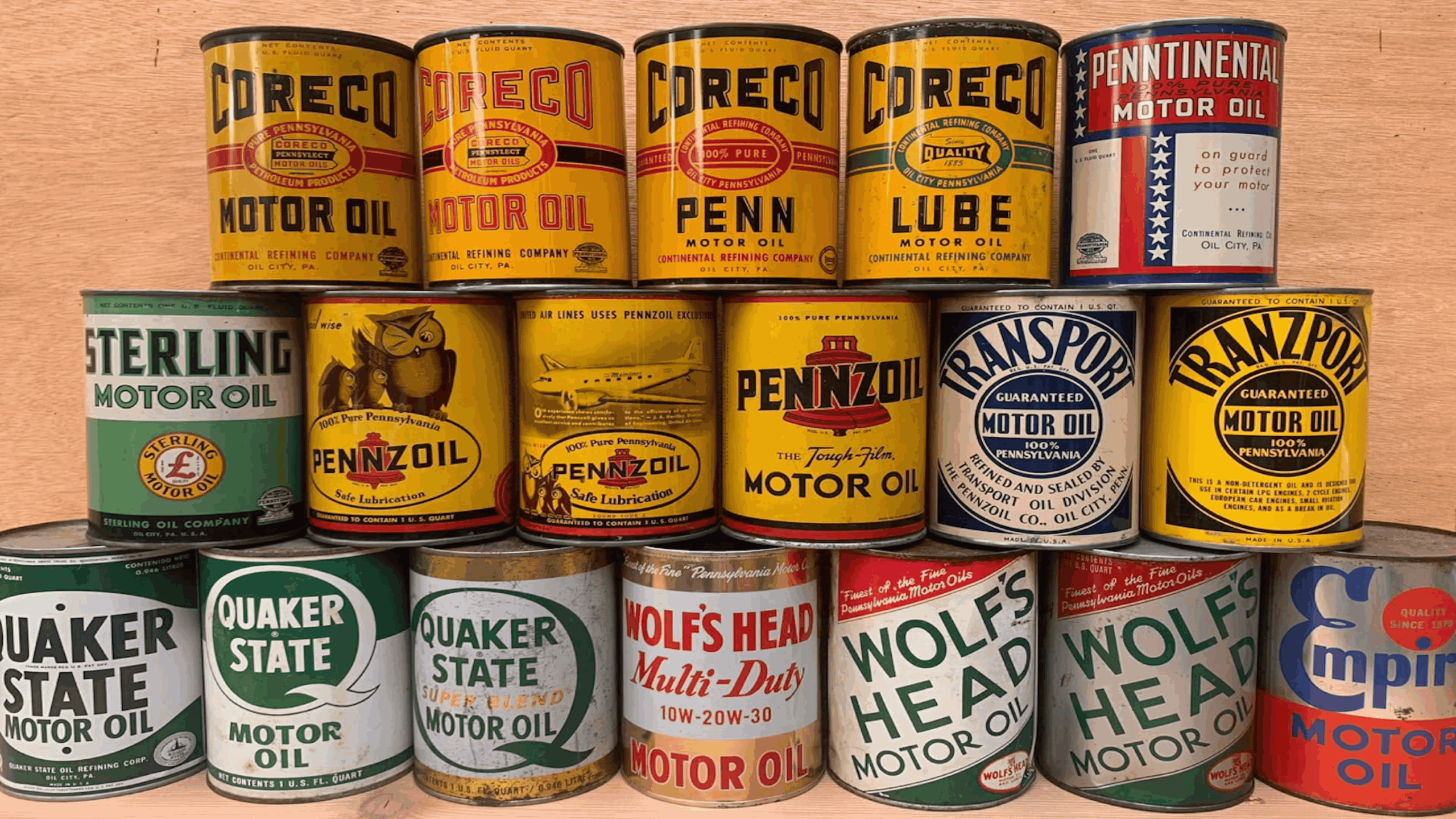
One-quart soldering-seam motor oil cans from the 1930s to 1950s are major collector targets.
13. Cardboard Countertop Displays ($150 – $2,000)
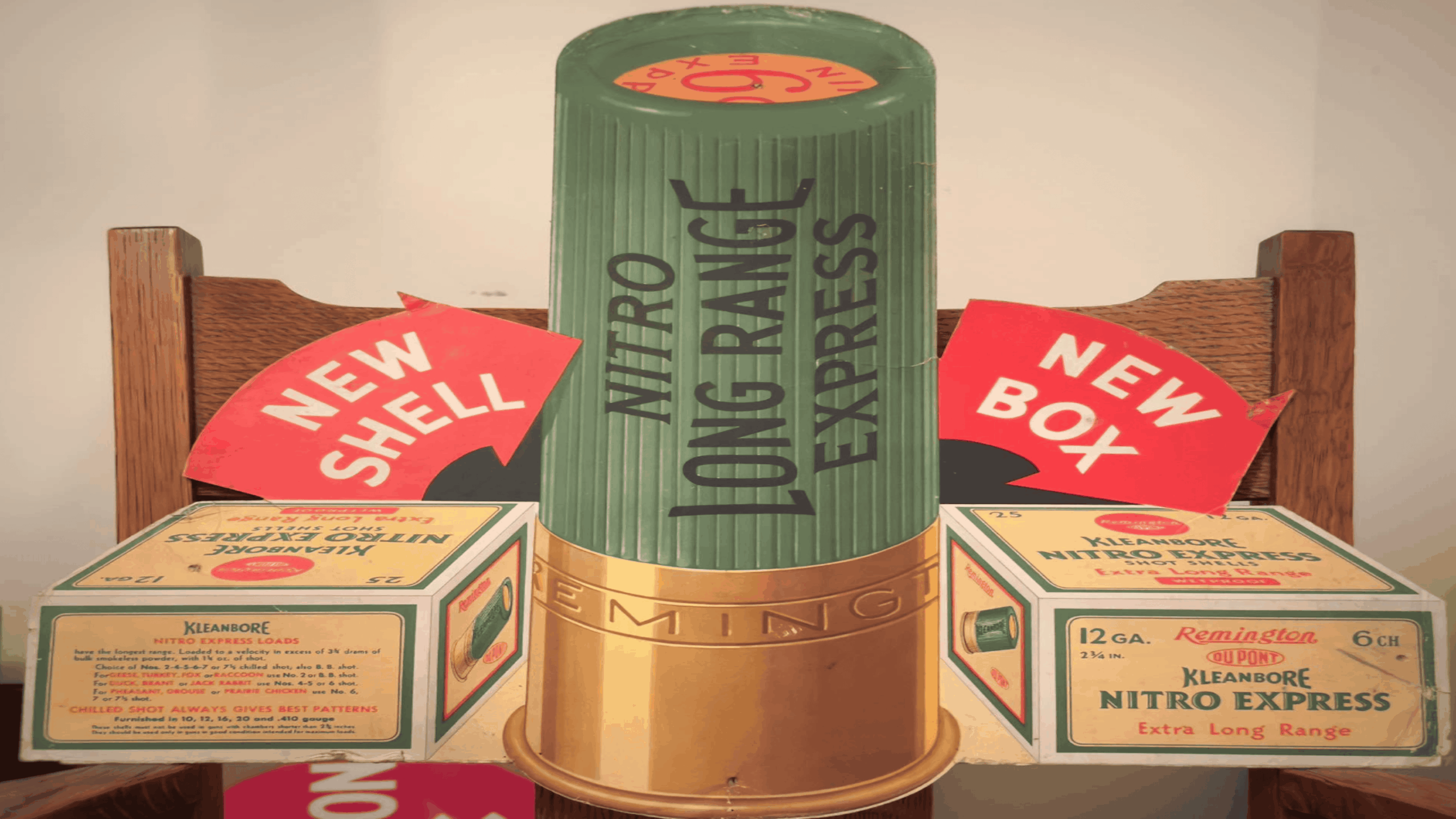
Because cardboard is fragile, very few point-of-sale easel-back counter displays survived the mid-century era. Unused die-cut cardboard standups promoting candy, gum, or movie tie-ins command surprisingly high prices from paper ephemera collectors.
14. Automobile License Plate Toppers ($100 – $1,500)
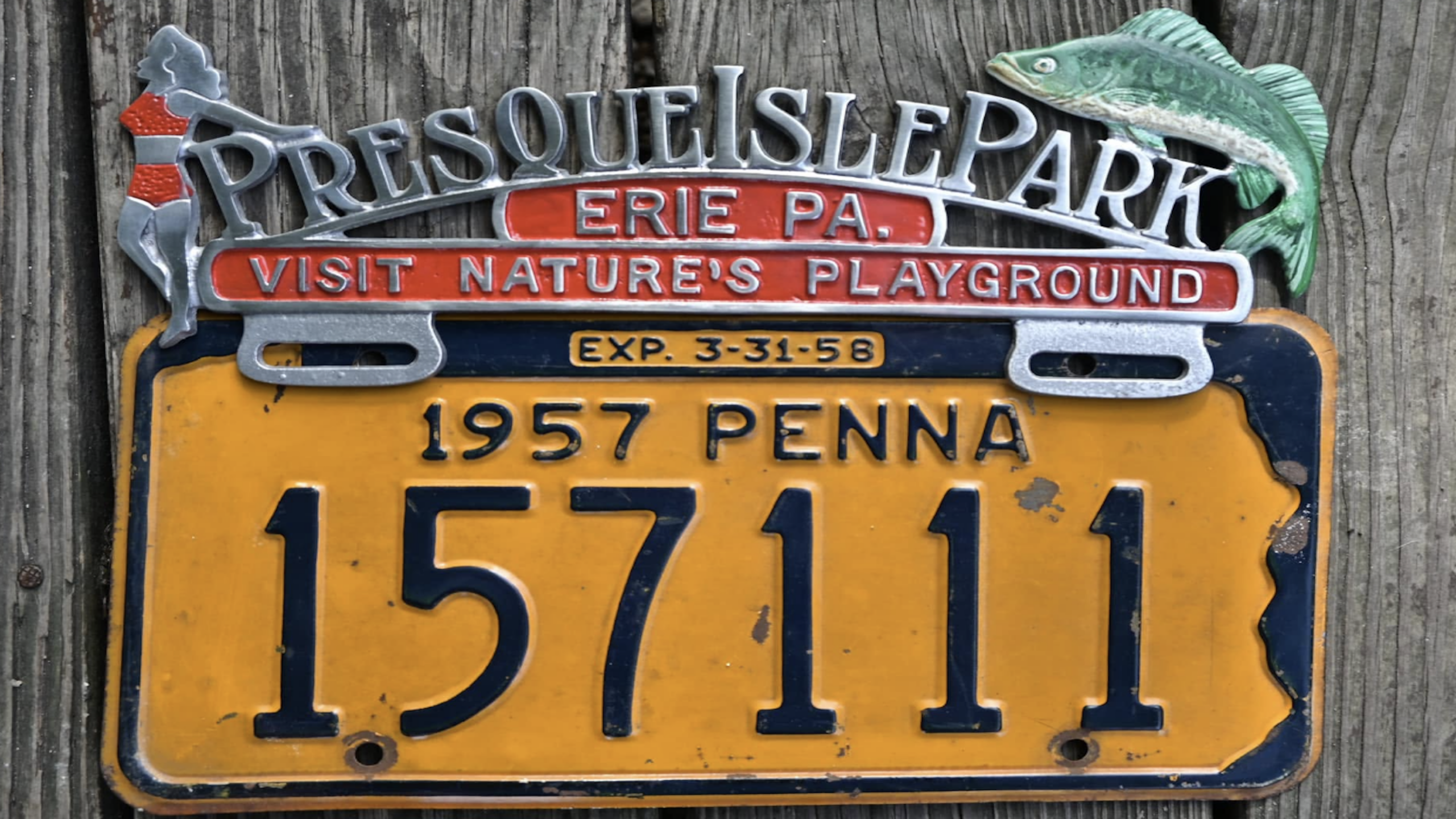
Before bumper stickers, motorists bolted small aluminum or porcelain badges to the tops of their license plates to advertise tourist attractions, gas brands, or auto clubs. Rare, colorful toppers in great shape mean solid money for automobilia fans.
15. Vintage Store Counter Display Cabinets ($400 – $4,500)
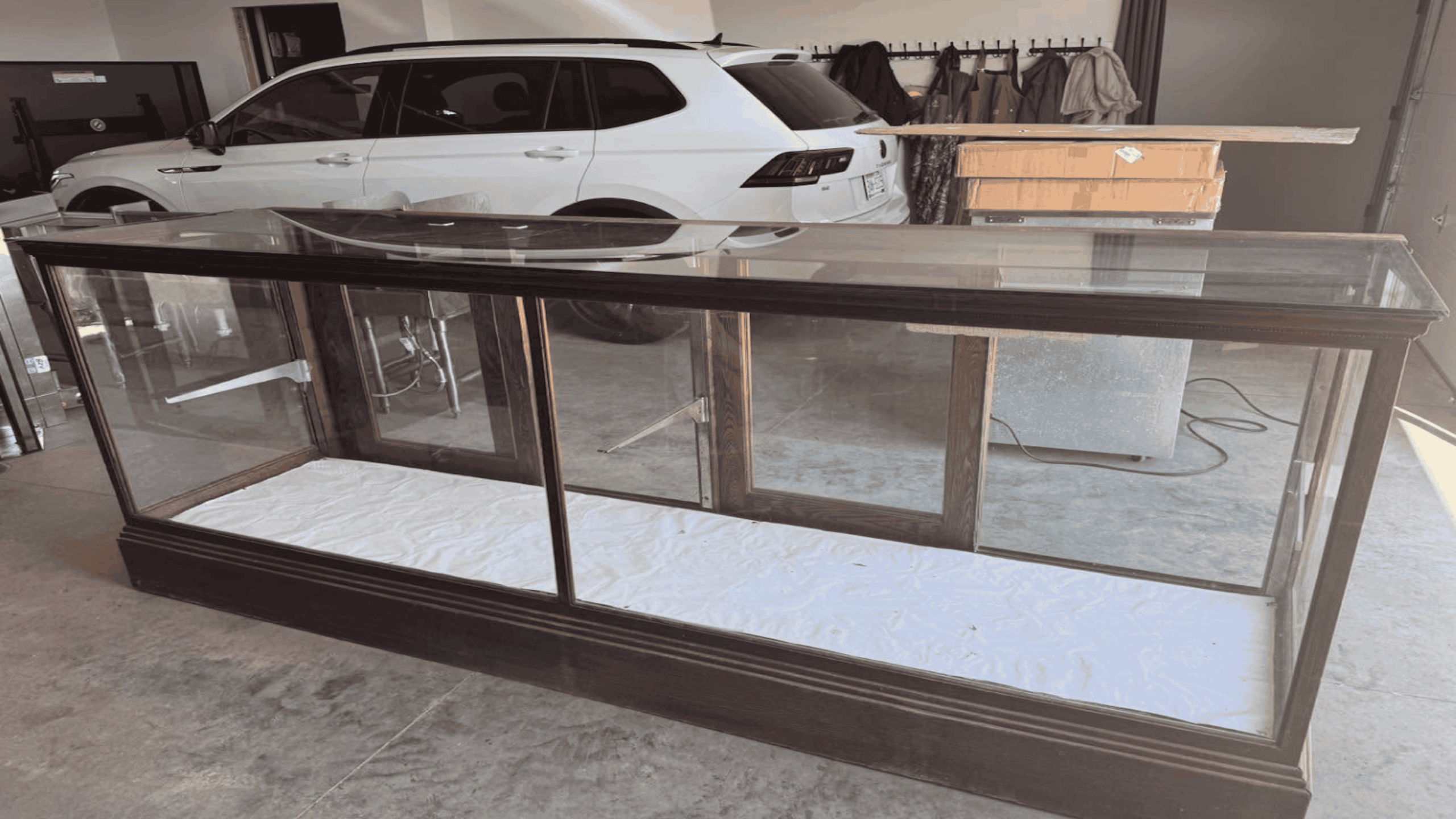
Country stores used branded wooden and metal cabinets with glass fronts to display spools of thread, medicine, or razors. These functional furniture pieces double as home decor today, ensuring they sell for serious money whenever they pop up at auction.