
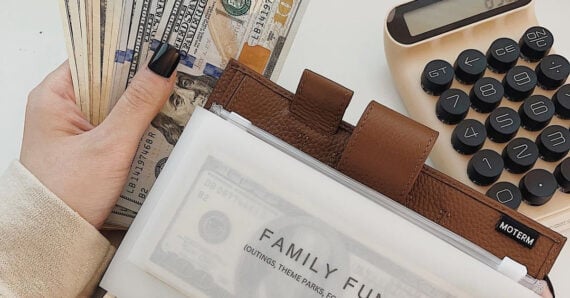
Middle-class families often face a balancing act between managing expenses and maintaining the lifestyle they enjoy. While headlines frequently focus on extreme budgeting strategies, many households save money through small, practical adjustments that don’t require major sacrifices.
Rather than giving up everything they enjoy, these families tend to focus on spending more intentionally. Over time, habits like planning, avoiding waste, and making smarter purchasing decisions can free up hundreds or even thousands of dollars each year without making life feel restrictive.
1. Planning Meals Before Grocery Shopping
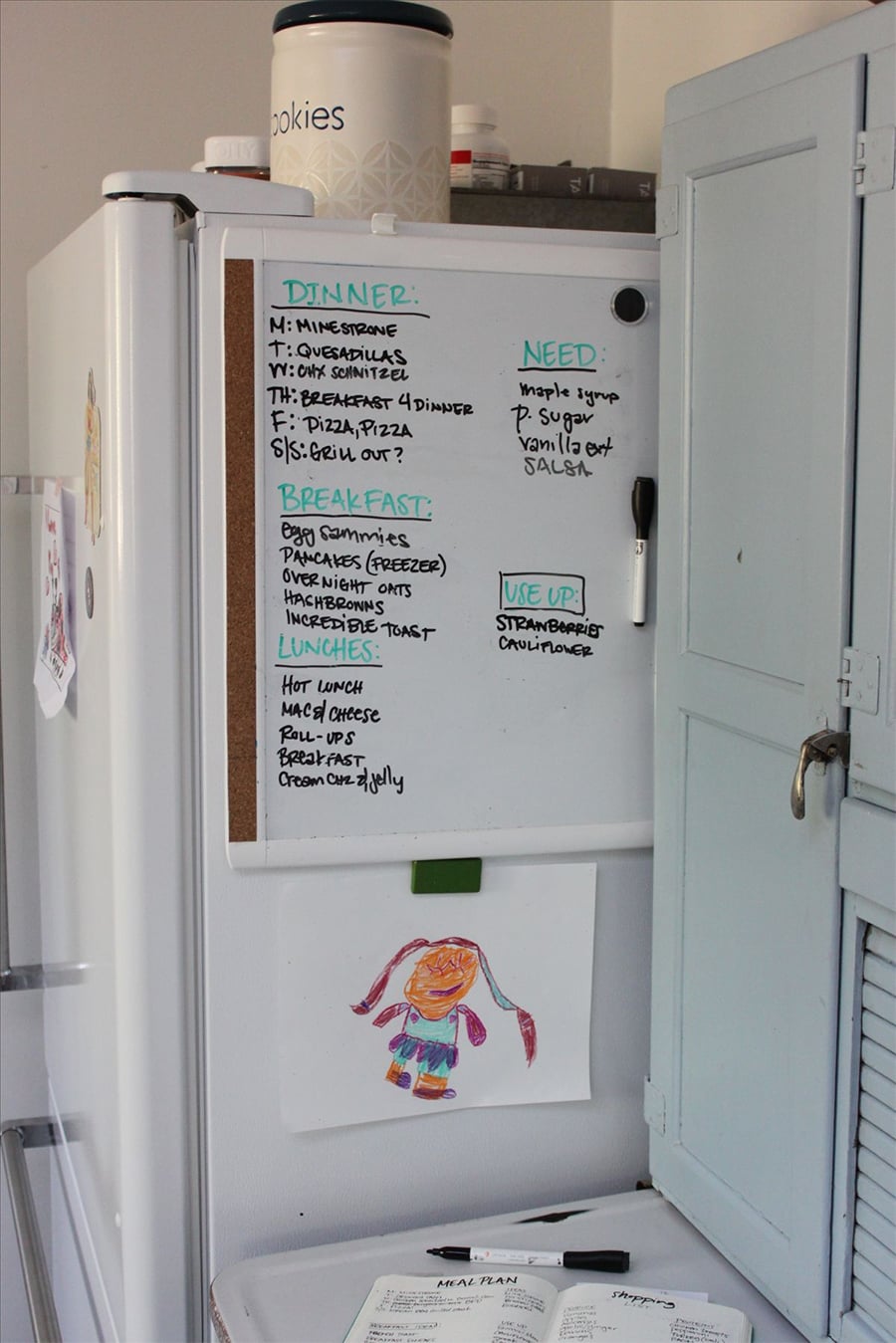
Many families save money simply by deciding what they’ll eat before heading to the store. Having a plan reduces impulse purchases and helps prevent food waste throughout the week.
2. Cooking at Home More Often
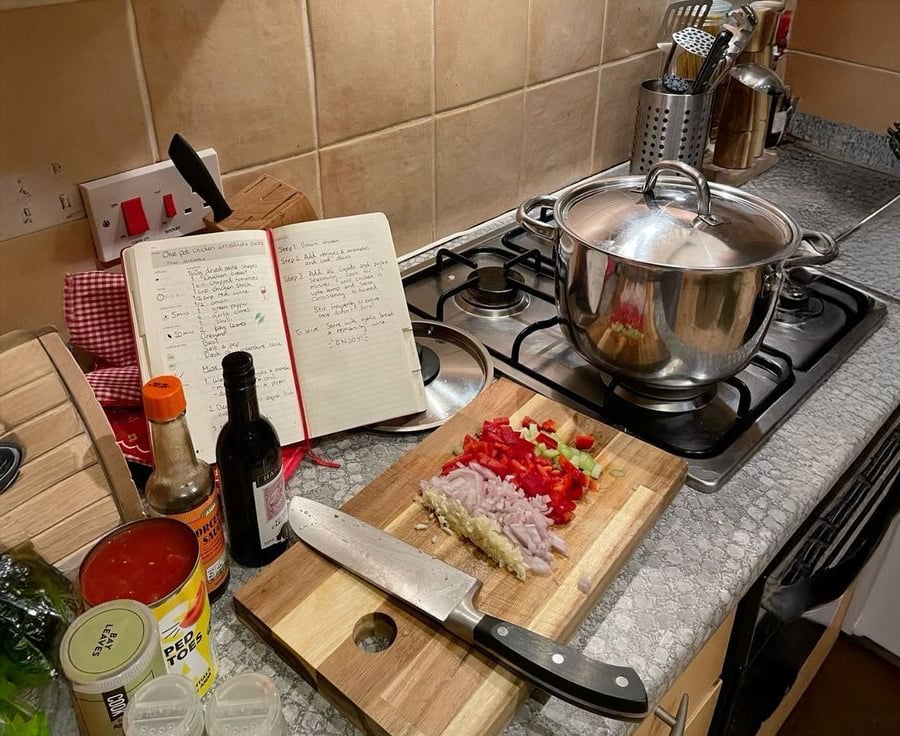
Annebeatrizventura45 / Pinterest.com
Restaurant meals can add up quickly. Preparing more meals at home allows families to enjoy favorite foods while spending significantly less overall.
3. Buying Generic Brands
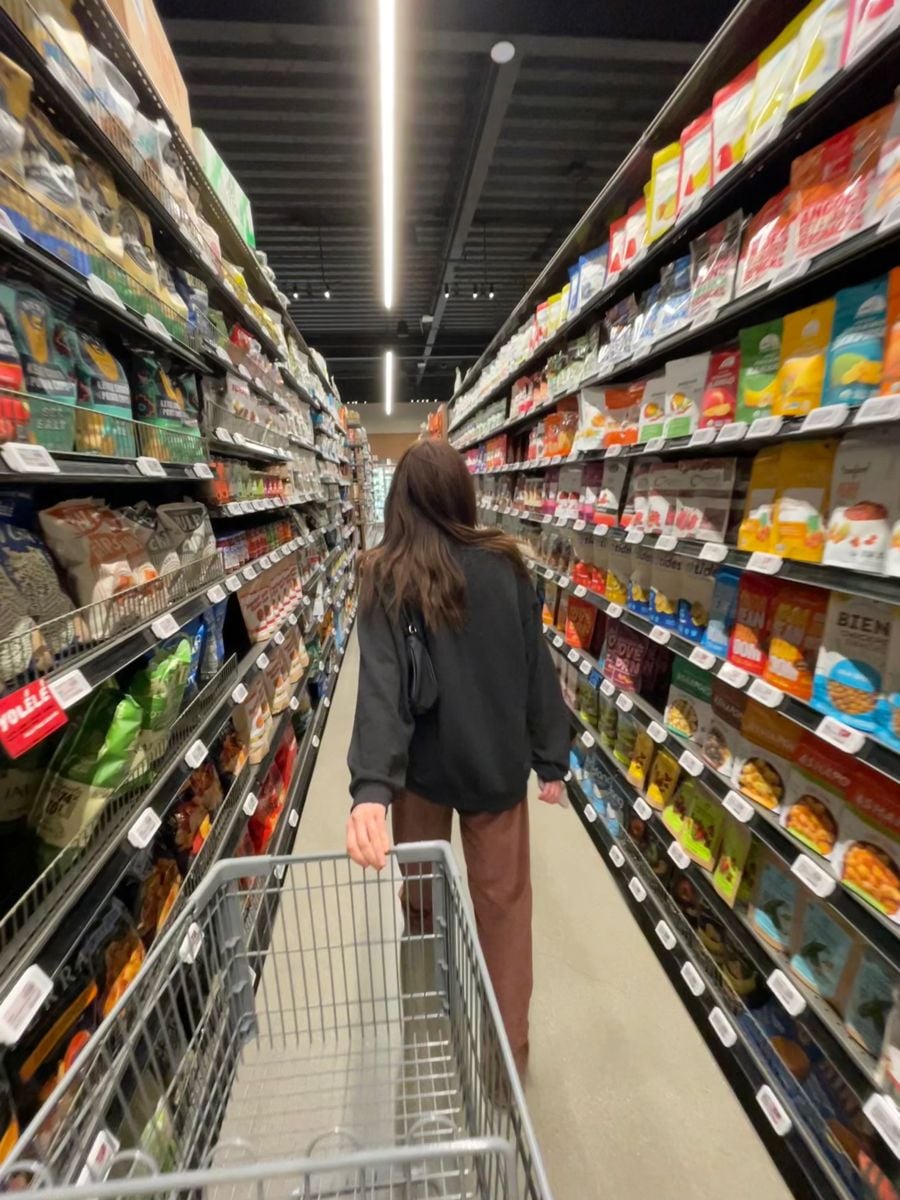
Many store brands offer similar quality to name-brand products at a lower price. Families often save money without noticing much difference in everyday items.
4. Using the Library
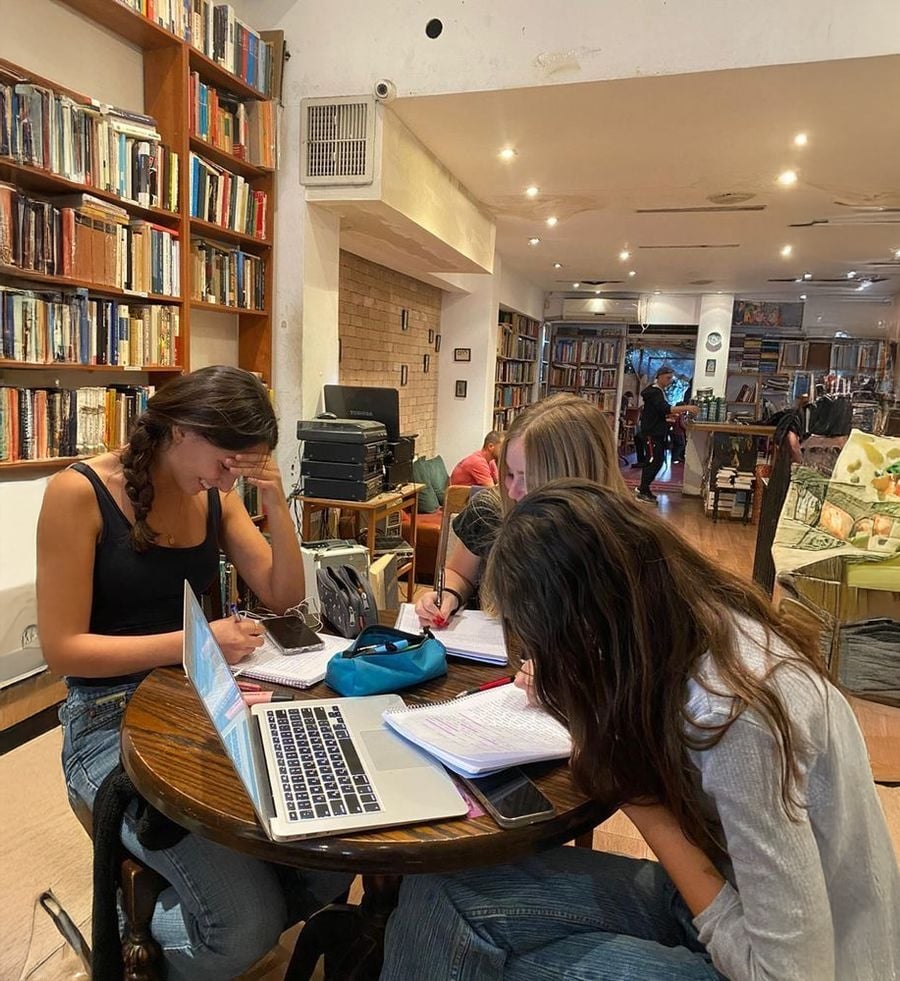
Libraries provide access to books, movies, audiobooks, and digital resources at little or no cost. Many families view them as an easy way to reduce entertainment expenses.
5. Waiting Before Making Large Purchases
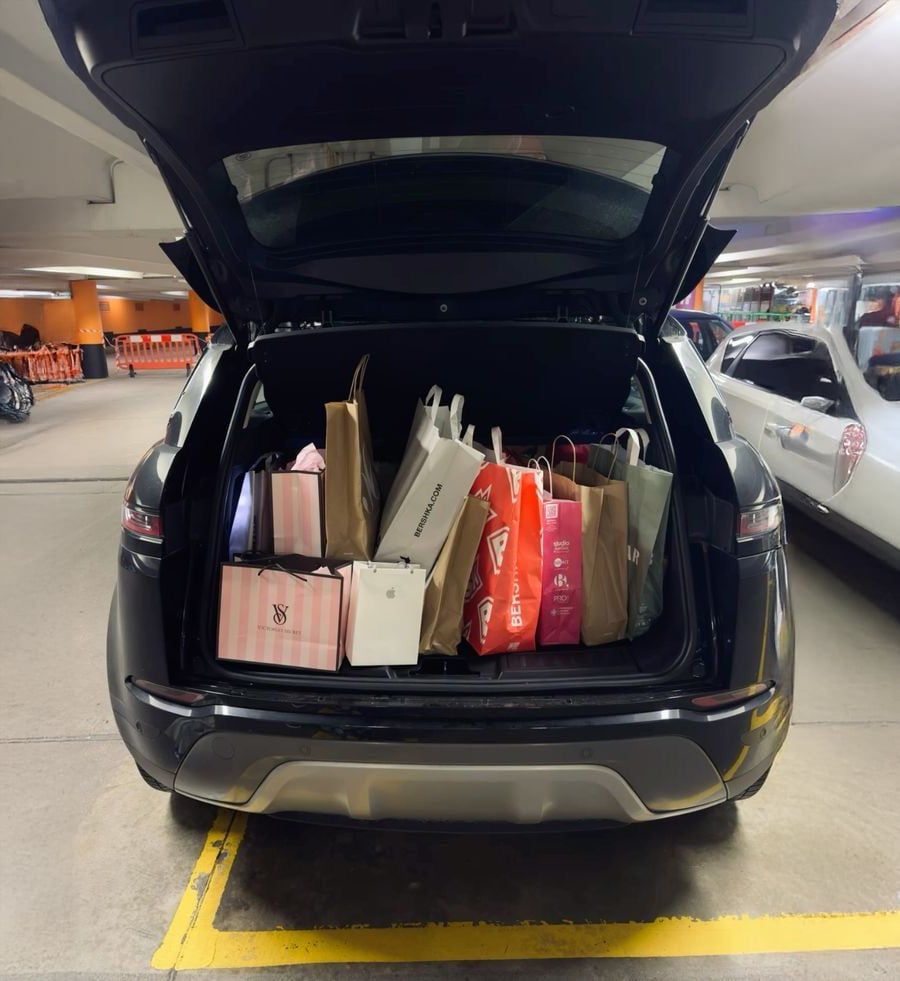
Instead of buying immediately, some families give themselves time to consider whether a purchase is truly necessary. This habit often reduces impulse spending.
Trending on Wealth Gang


6. Taking Advantage of Free Community Events
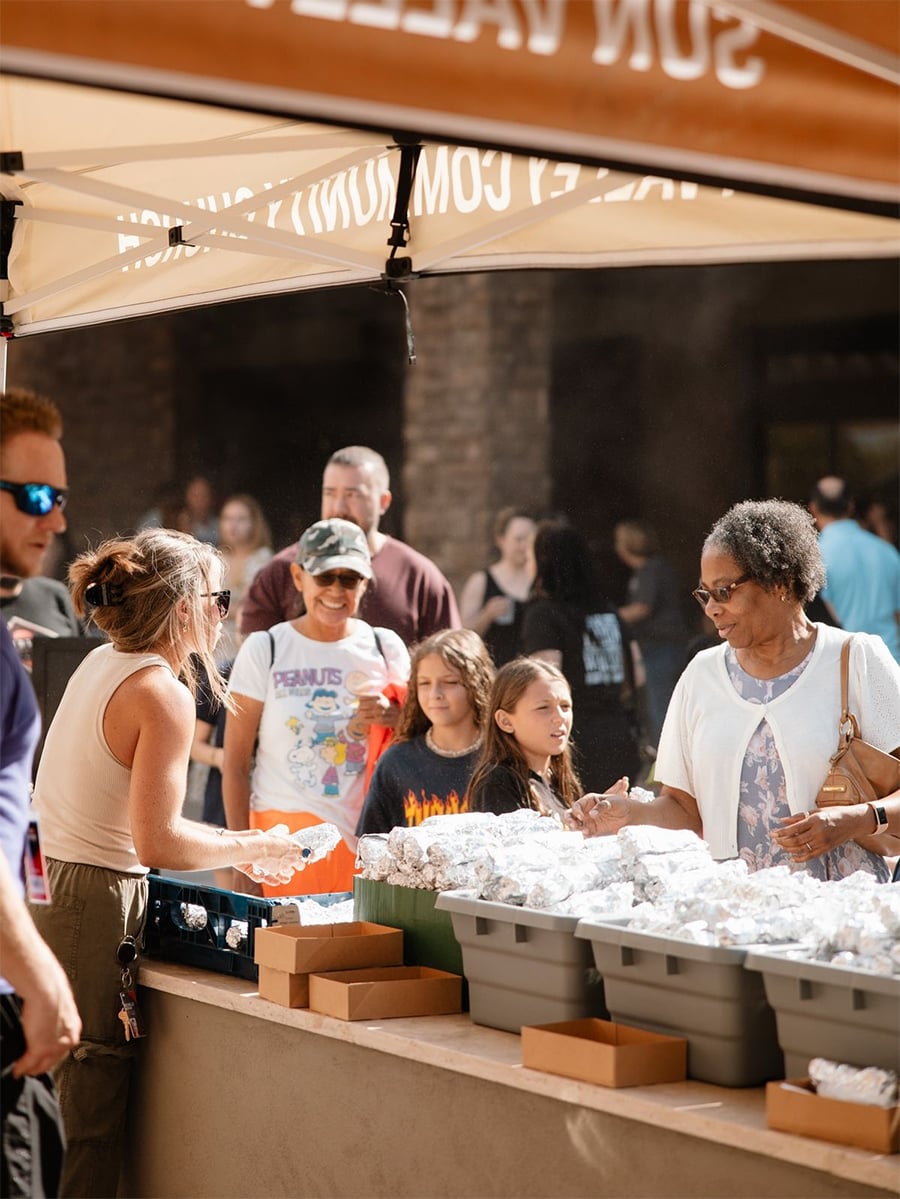
Local festivals, concerts, parks, and community activities provide entertainment without requiring large expenditures.
7. Keeping Cars Longer
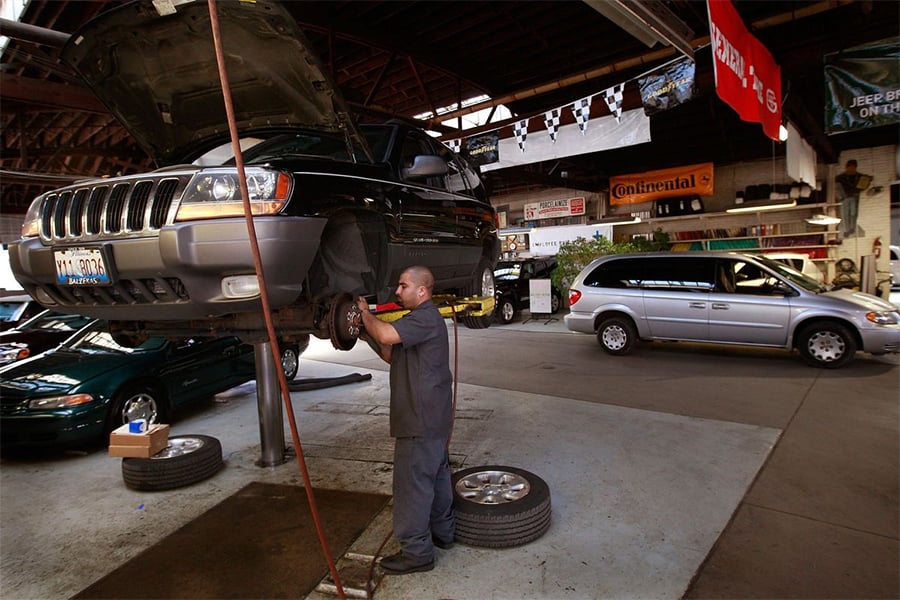
Rather than upgrading frequently, many families maximize the value of their vehicles by maintaining them and driving them for additional years.
8. Comparing Insurance Rates Regularly
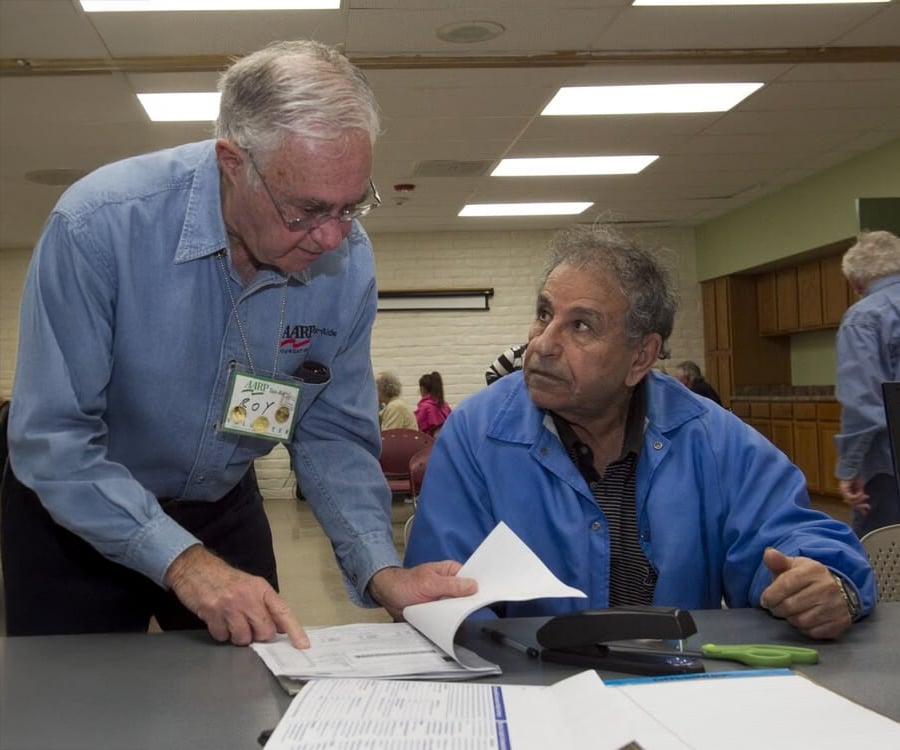
Reviewing insurance options every few years can help families identify savings opportunities without reducing coverage.
Sign up for our newsletter
9. Packing Lunches
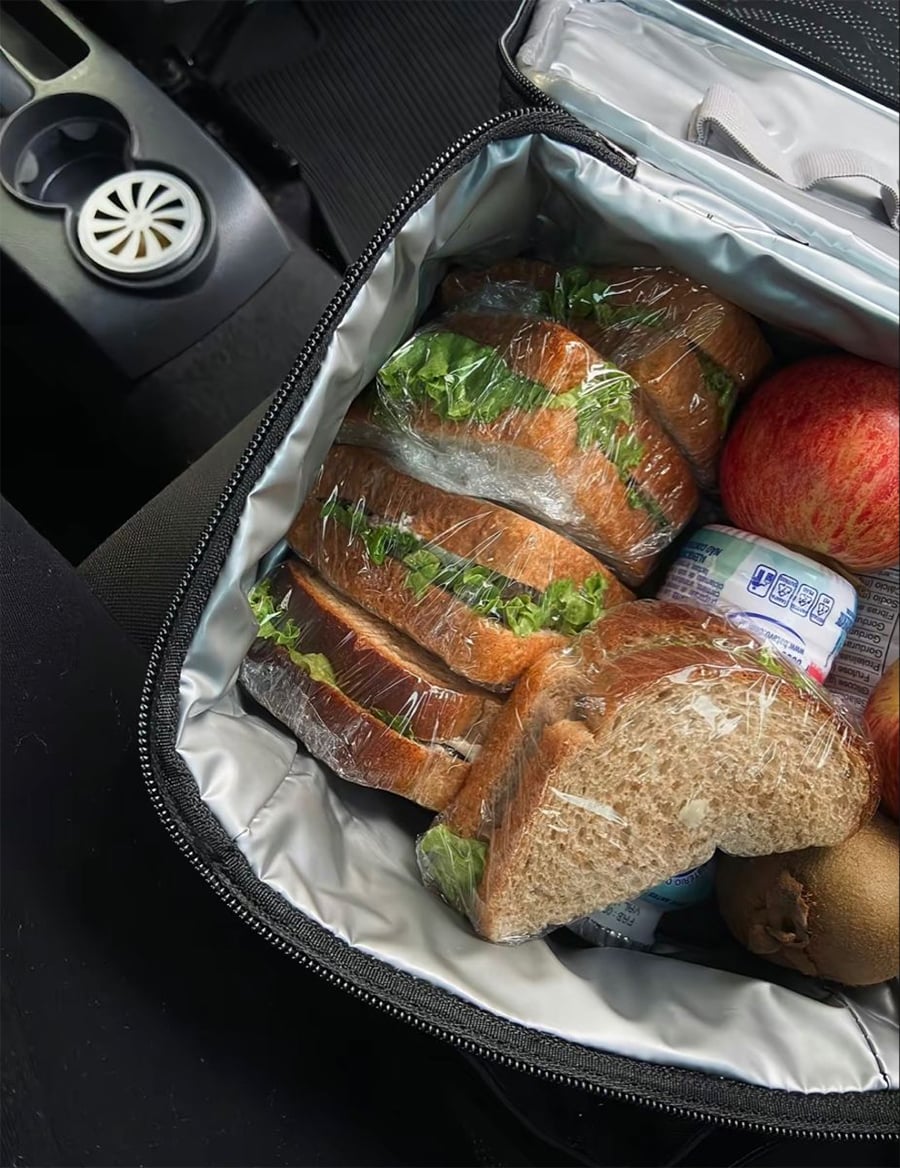
Bringing lunch from home can generate meaningful savings over the course of a year compared to regularly buying meals at work or school.
10. Sharing Streaming Services Carefully

Many households review subscriptions and eliminate services they rarely use, helping reduce recurring monthly expenses.
11. Buying Seasonal Items at the End of the Season
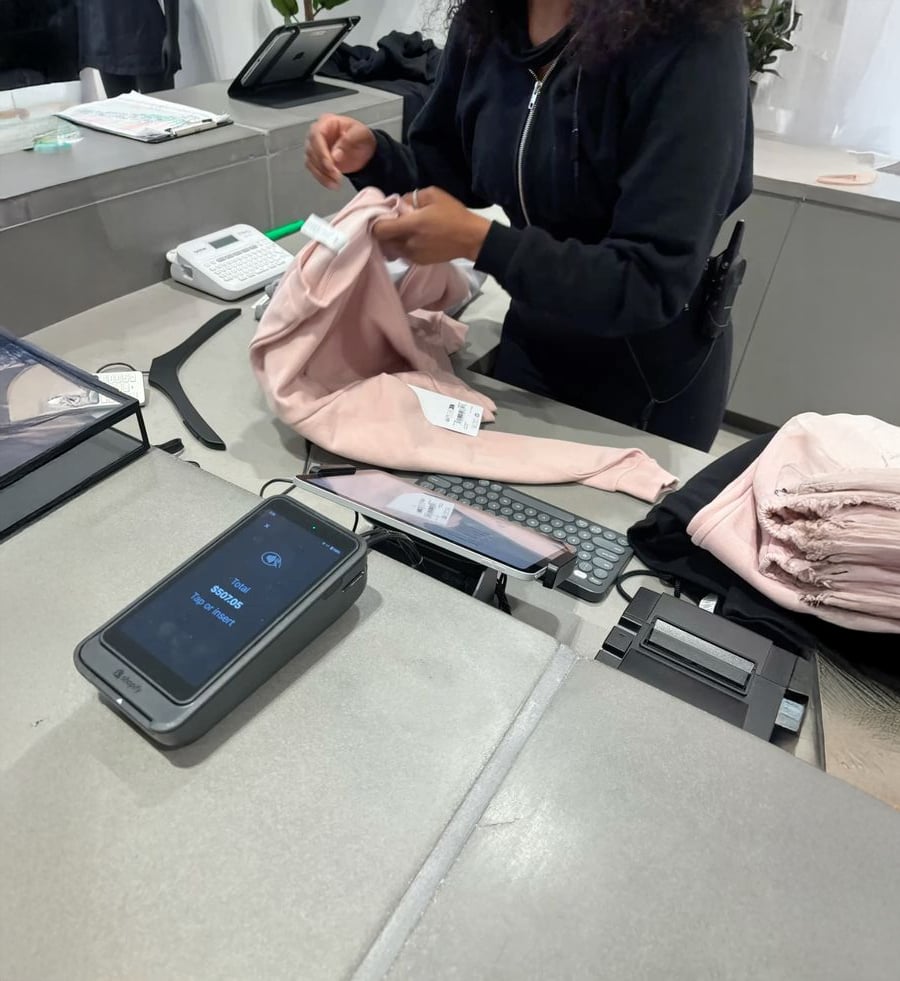
Patience often pays off when purchasing holiday decorations, outdoor furniture, or seasonal clothing after demand decreases.
12. Repairing Items Instead of Replacing Them

Simple repairs can often extend the life of furniture, appliances, clothing, and electronics while avoiding larger replacement costs.
13. Choosing Experiences Over Expensive Purchases

Many families focus on spending time together rather than constantly buying new things, helping create memories while controlling expenses.
14. Reducing Energy Usage
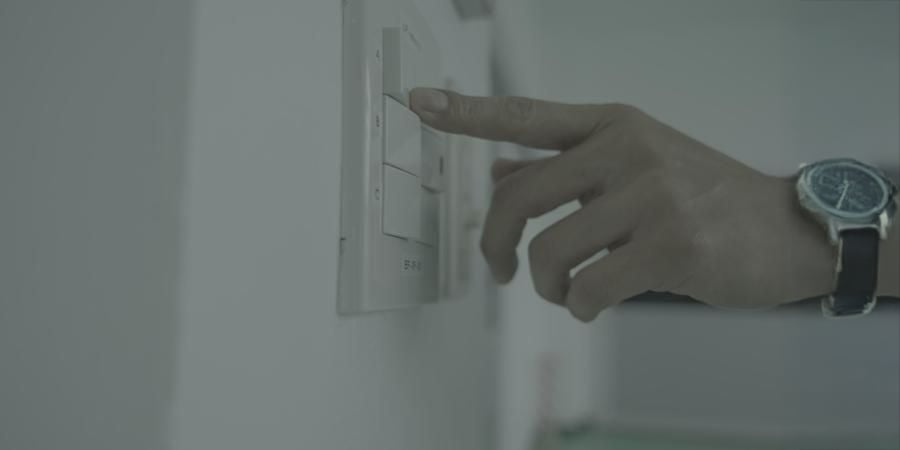
Small habits such as turning off lights, adjusting thermostats, and using energy-efficient appliances can gradually lower utility bills.
15. Creating a Monthly Spending Plan
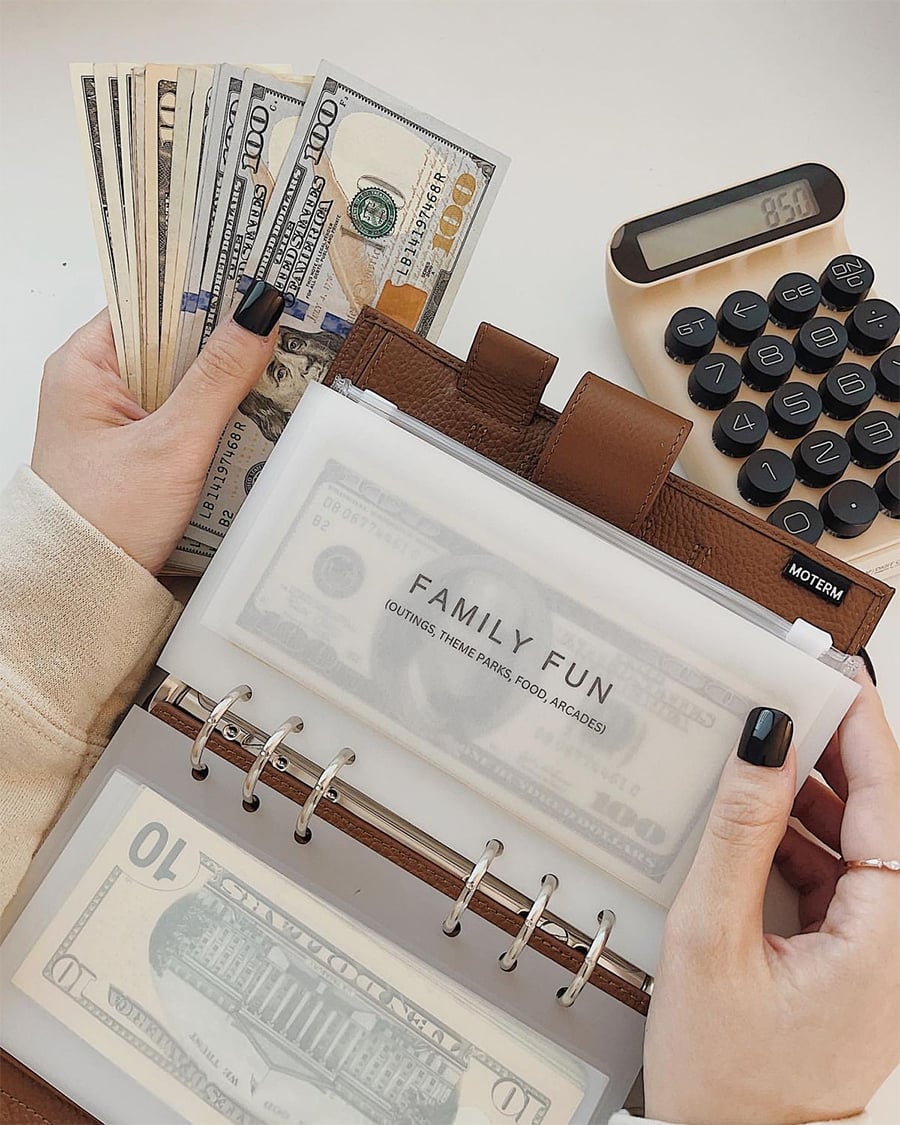
Families who regularly review their finances often find it easier to stay on track and avoid unnecessary expenses without feeling restricted.
Keep Reading About Middle-Class Life and Financial Challenges
- The Cost of Middle-Class Life Across American Cities
The definition of a middle-class lifestyle can vary dramatically depending on where people live. Housing, transportation, and everyday expenses all play a role in shaping affordability. - 16 Photos That Show What Middle-Class Life Looked Like in the 1880s
These fascinating images offer a glimpse into the homes, clothing, work, and daily routines of middle-class families more than a century ago. - Things the Middle Class Can’t Afford Anymore
Rising costs have changed what many families can comfortably purchase today. This article explores some of the goods and experiences that have become less accessible over time.