

Wages have increased over time, but many everyday expenses have risen even faster during significant periods, leaving Americans feeling as though bigger paychecks don’t necessarily buy more. Housing, food, insurance, healthcare, and other essential costs can absorb much of an income increase before workers get a chance to spend it elsewhere.
The exact comparison depends on the years measured, and not every expense is currently rising faster than earnings. Still, long-term increases and recent price spikes in several essential categories help explain why households can feel financially squeezed even when their salaries are technically growing. These 16 expenses show where some of the biggest pressures have appeared.
1. Rent
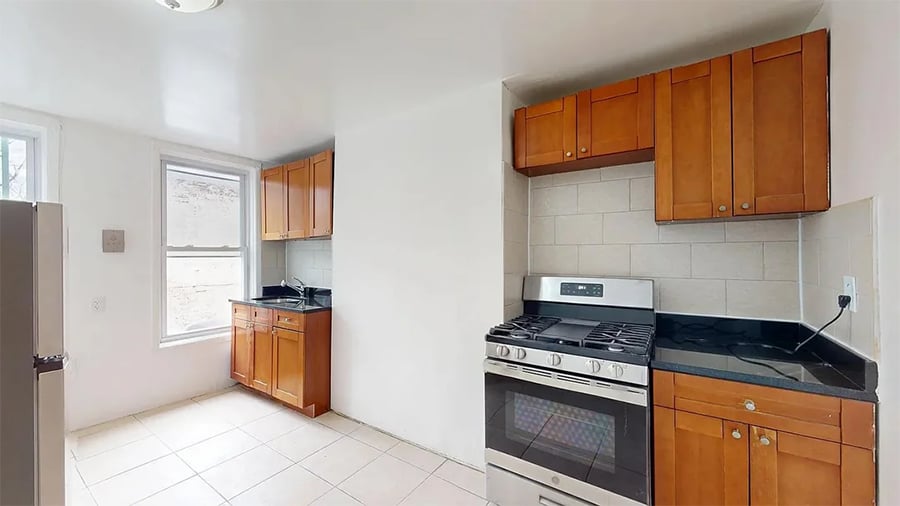
Housing has become one of the clearest sources of financial pressure for American households. Rents surged particularly quickly during and after the pandemic, and even as rent growth has recently slowed in many markets, tenants are starting from a much higher price level than they were only a few years ago.
2. Groceries

Grocery bills have become a much bigger part of household budgets after sharp food-price increases in recent years. Essentials such as meat, eggs, dairy products, and pantry staples have experienced particularly noticeable price spikes, meaning even routine supermarket trips can take a larger bite out of a paycheck.
3. Homeowners Insurance

Homeowners insurance premiums have climbed sharply in many parts of the country as insurers respond to higher rebuilding costs, severe weather risks, and increasingly expensive claims. The increases can be particularly painful because insurance is difficult to avoid for homeowners with a mortgage.
4. Auto Insurance

Car insurance has delivered some of the most noticeable increases in household budgets in recent years. More expensive vehicles, sophisticated replacement parts, higher repair costs, and larger claims have helped push premiums upward, making driving more expensive even for households that already own their vehicles.
5. Health Insurance

Employer-sponsored family health insurance averaged $26,993 annually in 2025, according to KFF. Family premiums increased 53% over the previous decade, compared with 48.2% growth in wages, meaning the cost of maintaining health coverage slightly outpaced worker earnings over that period.
Trending on Wealth Gang

6. Child Care
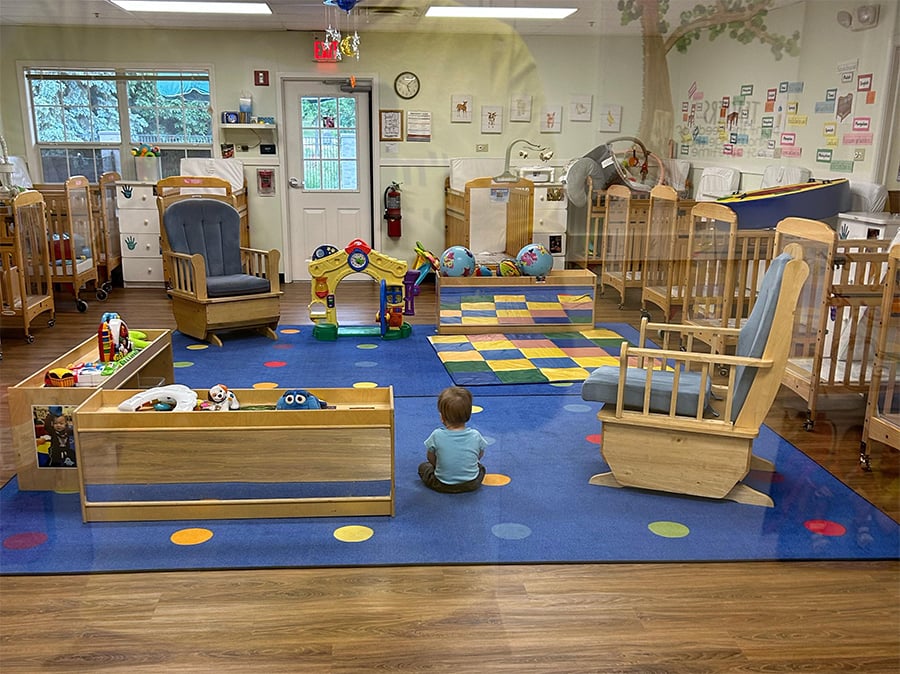
Child care can rival housing as one of the largest recurring expenses facing families with young children. Staffing requirements, limited availability, labor costs, and growing demand have made quality care expensive enough that some parents have to calculate whether returning to work even makes financial sense.
7. Prescription Drugs
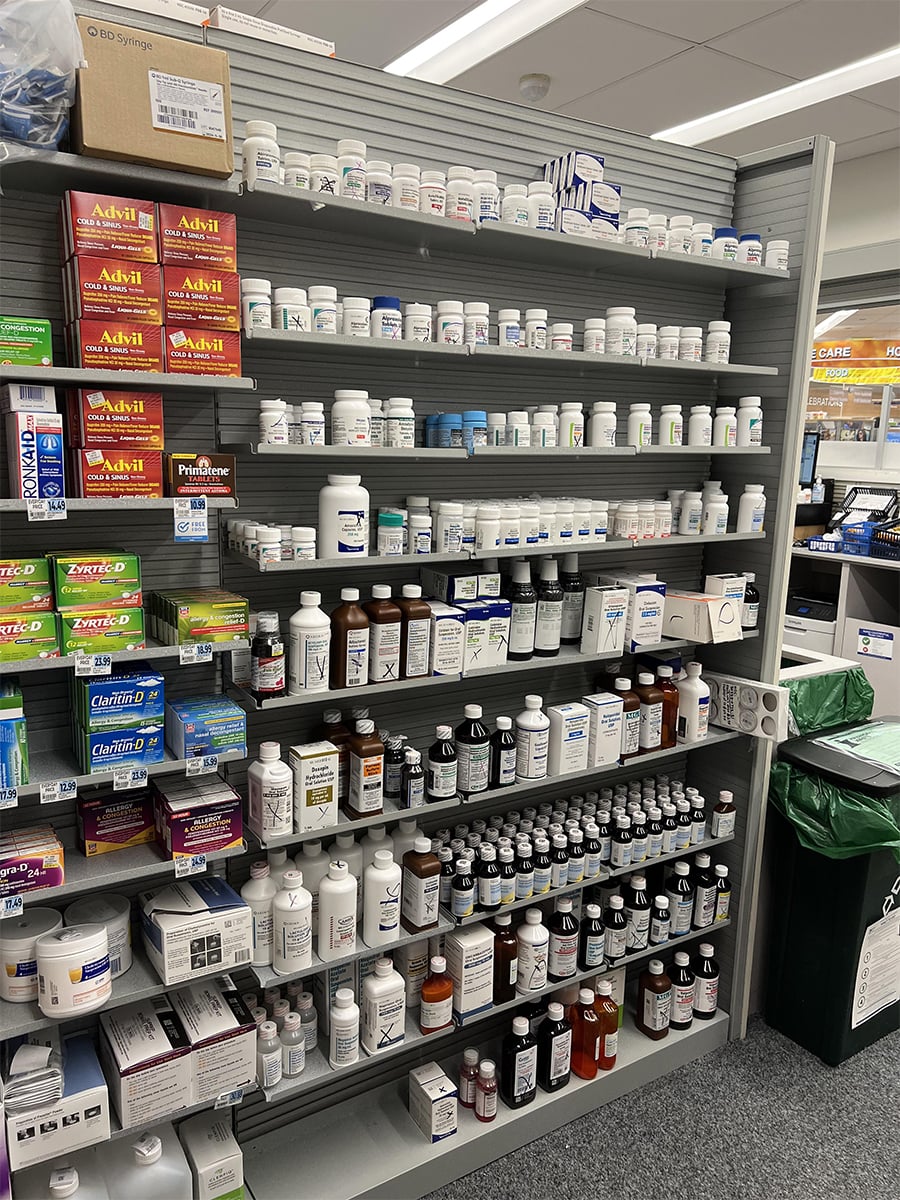
Prescription expenses can create an especially difficult burden because consumers often have little choice about whether they need the product. Specialty medications can carry extremely high prices, while deductibles, copays, and differences in insurance coverage can leave households responsible for substantial out-of-pocket costs.
8. Hospital Care

Hospital services have experienced persistent long-term price growth, making a serious illness or emergency potentially expensive even for insured households. Higher labor costs, sophisticated medical technology, facility expenses, and complicated insurance arrangements all contribute to bills that can consume a significant portion of household income.
Sign up for our newsletter
9. Electricity
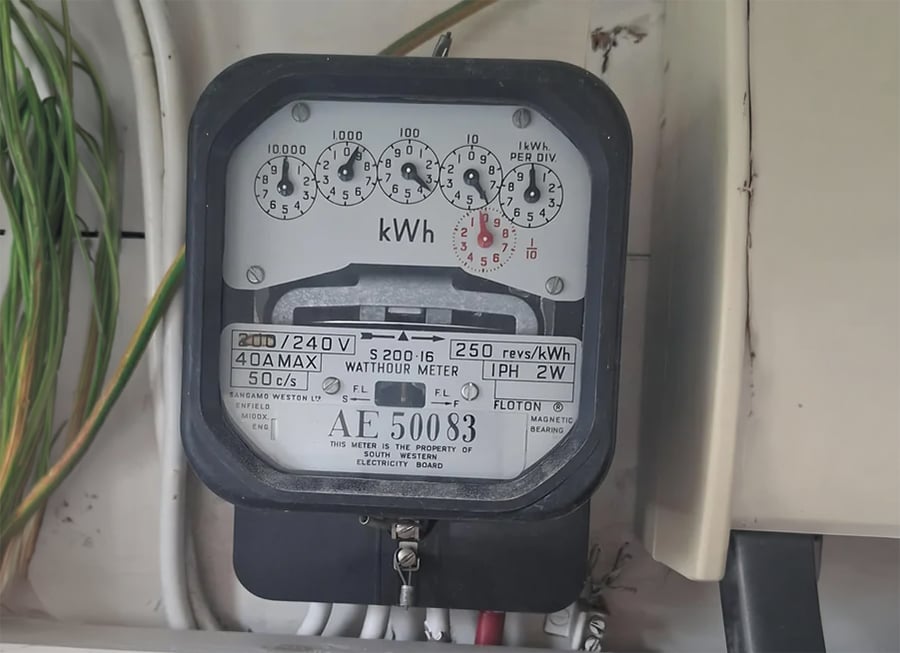
Electricity bills have become a growing concern in many parts of the country as utilities invest in infrastructure and households rely on power for an expanding number of devices. Regional differences are significant, meaning families in some areas have experienced much steeper increases than national averages suggest.
10. Restaurant Meals

Going out for an inexpensive meal has become noticeably more expensive. Restaurants have faced higher costs for labor, ingredients, rent, utilities, and insurance, and many of those increases have been passed along through menu prices, turning an ordinary convenience into a more deliberate budget decision.
11. Car Repairs
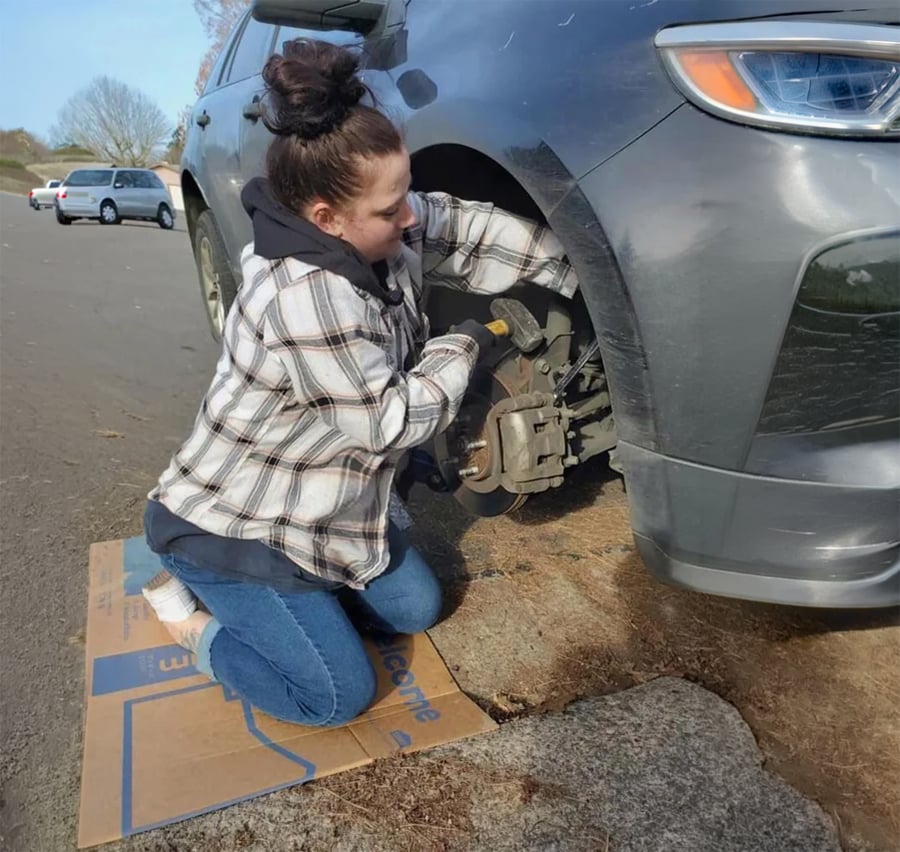
Modern vehicles contain cameras, sensors, computers, and specialized electronic components that can make even relatively minor damage expensive to repair. Labor and parts costs have also increased, creating another growing financial pressure for households that depend on a car for everyday transportation.
12. Property Taxes
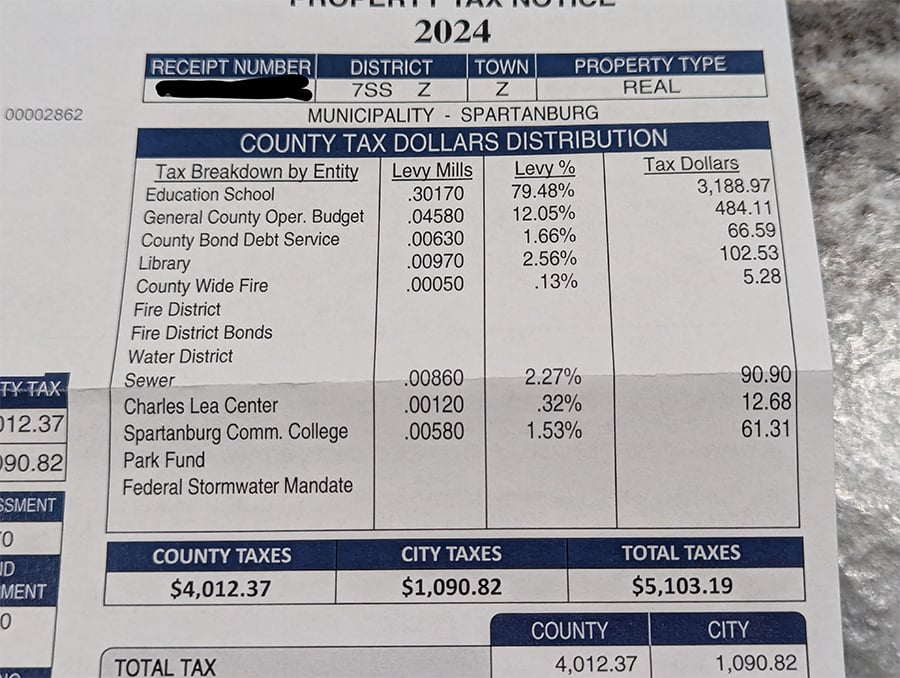
Owning a home outright doesn’t eliminate housing expenses. Rising property assessments can produce larger tax bills as home values increase, particularly in communities that depend heavily on property taxes to fund schools, infrastructure, and other public services.
13. Veterinary Care

Pet ownership has become more expensive as veterinary medicine has grown increasingly sophisticated. Advanced imaging, surgery, specialist treatment, medications, and emergency care provide more options for treating animals, but those capabilities can also produce bills reaching hundreds or thousands of dollars.
14. Internet Service
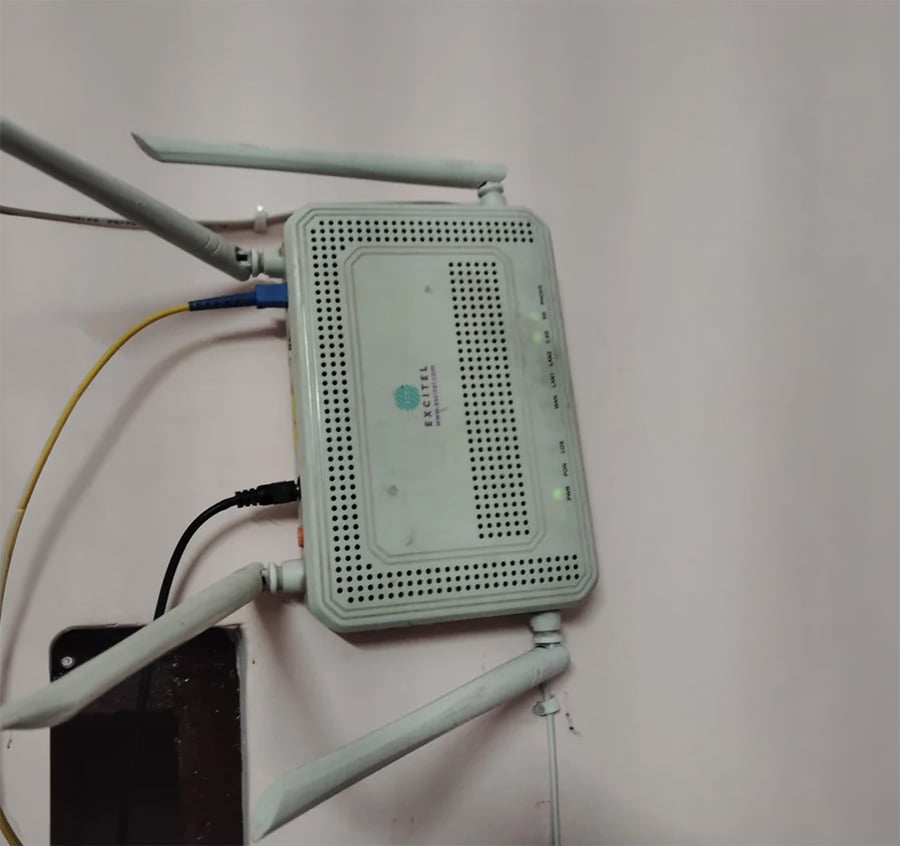
Internet access has gone from an optional household service to something many Americans need for work, school, banking, entertainment, and basic communication. Equipment charges, faster speed tiers, expiring promotional rates, and additional services can turn connectivity into a substantial recurring household bill.
15. Elder Care

Long-term care can become one of the largest recurring expenses a family faces. Home health aides, assisted living facilities, and nursing homes require significant amounts of human labor, making these services difficult to dramatically reduce in cost while an aging population continues to increase demand.
16. Home Maintenance and Repairs

The cost of maintaining a home can rise even when a mortgage payment stays exactly the same. Labor, construction materials, replacement appliances, plumbing work, roofing, and other repairs have become more expensive, making routine homeownership costs increasingly difficult to absorb from ordinary income.
More Related Notes
• 15 Classic Cars Nobody Wanted That Became Collector Favorites.
Discover overlooked vehicles that went from ordinary used cars to desirable classics, with collectors now paying serious money for well-preserved examples.
• 16 Used Cars That Hold Their Value Surprisingly Well Over Time.
Explore used vehicles that resist depreciation better than expected and see why certain models maintain strong demand long after leaving the showroom.
• 15 Cars From the 1960s That Changed Automotive History.
Take a look at influential vehicles that became automotive icons, showing how everyday cars can eventually earn an important place in collector culture.