Talking to strangers used to be an unavoidable part of everyday life in America. Before smartphones, self-service machines, and online apps, even simple errands involved asking someone for help. You might need directions from a gas station attendant, information from a store clerk, or a recommendation from someone who happened to know the neighborhood better than you did.
Today, many of those little conversations have disappeared without anyone really noticing. Technology has made everyday tasks faster and more convenient, but it has also removed countless moments of spontaneous human interaction. These 16 situations bring back a time when getting through an ordinary day often meant striking up a conversation with someone you’d never met.
1. Asking a Stranger for Directions When You Got Lost
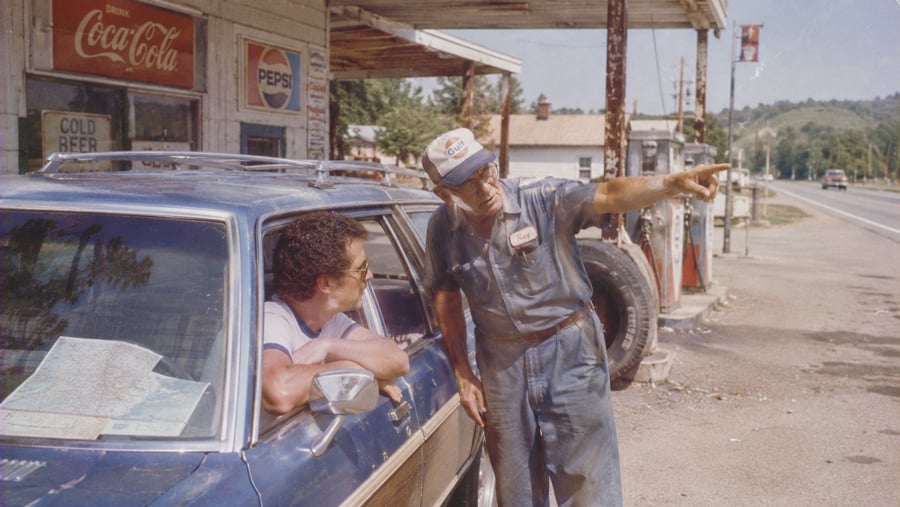
Getting lost before GPS could turn a simple drive into an unexpected adventure. Drivers pulled into gas stations, rolled down their windows beside pedestrians, or walked into small businesses hoping someone knew the way. Directions usually involved landmarks, confusing turns, and phrases like “you can’t miss it,” even when you absolutely could. Sometimes the person giving directions was just as uncertain as the driver. Today, a navigation app quietly tells you where to go without requiring a single conversation.
2. Calling an Operator to Find Someone’s Phone Number
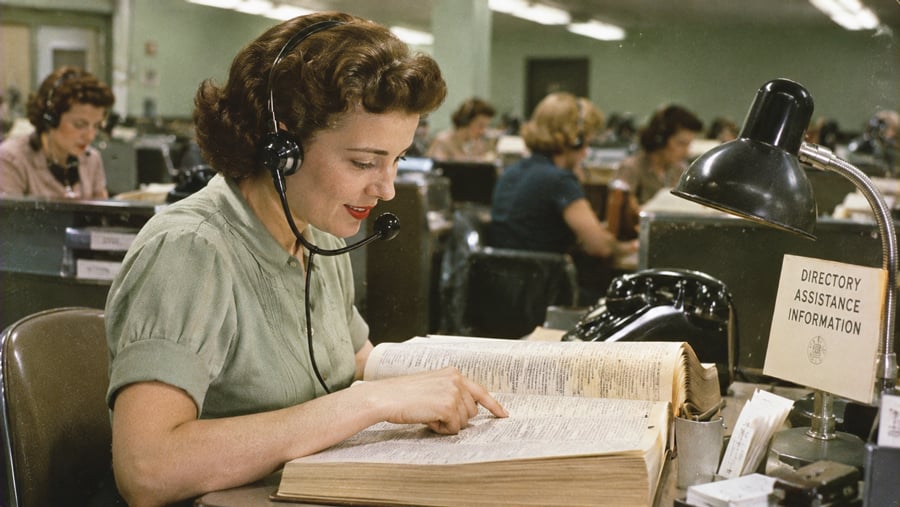
Before search engines and online directories, finding a phone number could mean speaking directly with a telephone operator. People dialed directory assistance, gave the name and location of the person or business they were trying to reach, and waited while someone searched for the listing. Sometimes they had to spell a surname or provide additional details. It was a routine service that now seems almost strangely personal, considering how quickly a phone number can be found online.
3. Asking a Store Clerk How Much Something Costs
Wealthgang
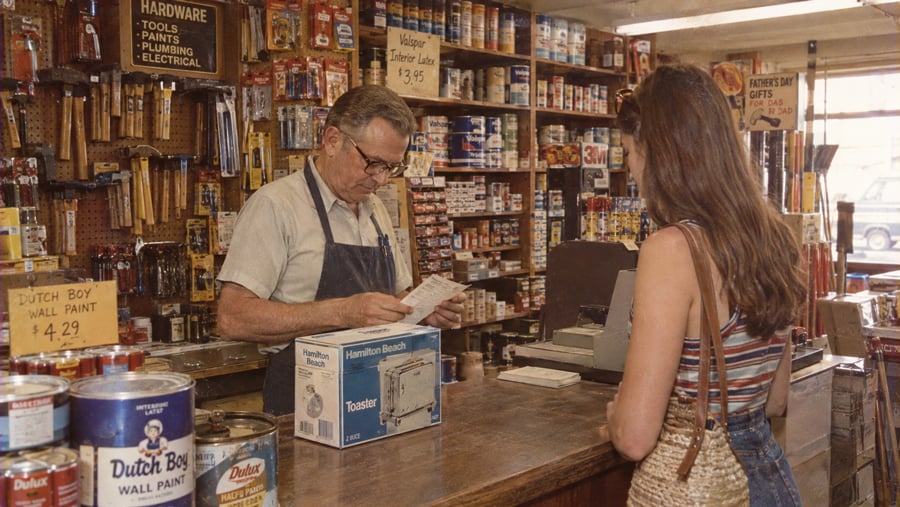
Shopping wasn’t always as simple as checking a price tag or scanning a barcode. In smaller stores, prices could be missing, handwritten, or difficult to find, leaving customers to ask an employee for help. A clerk might consult a price list, check with the manager, or explain why one item cost more than another. Today, shelf labels, self-service scanners, and shopping apps make it possible to compare prices without speaking to anyone.
4. Buying Movie Tickets From a Theater Employee
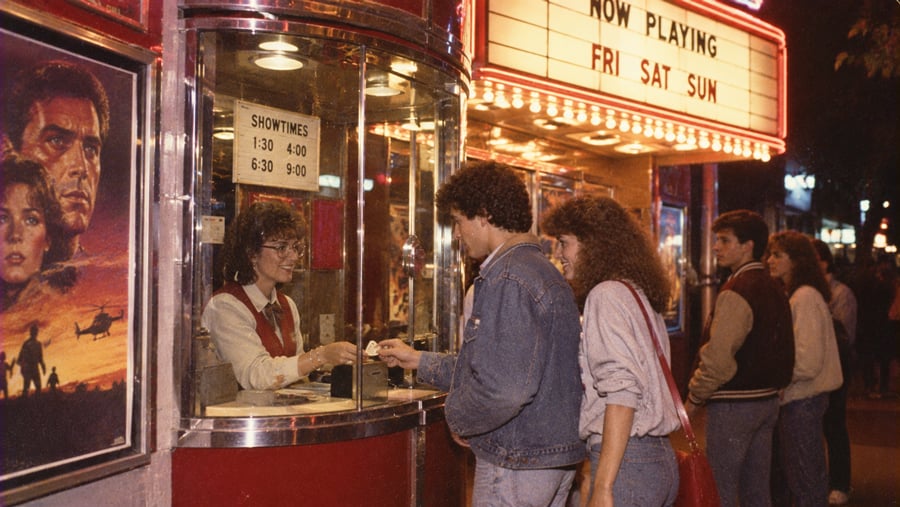
Going to the movies once meant standing in line at a ticket booth and telling an employee which film you wanted to see. You might ask what time the next showing started, whether good seats were still available, or if the movie was appropriate for younger children. The person behind the glass handled the tickets and the money while the line slowly moved forward. Now, moviegoers can choose their seats, pay, and receive digital tickets without ever approaching the box office.
5. Asking a Librarian Where to Find a Book
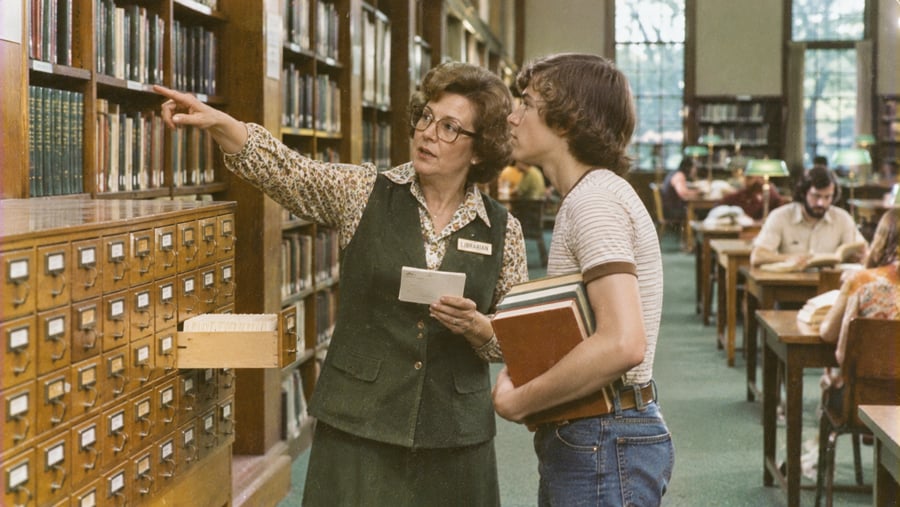
Finding a particular book could involve much more than typing its title into a search bar. Library visitors searched card catalogs, copied down call numbers, and sometimes asked a librarian to help locate a title or recommend something similar. A good librarian could point someone toward an entire shelf of books they never would have discovered alone. Online catalogs and digital books have made searching easier, but they’ve also reduced the need for those little conversations across the reference desk.
Trending on Wealth Gang


6. Asking a Gas Station Attendant to Fill Your Tank
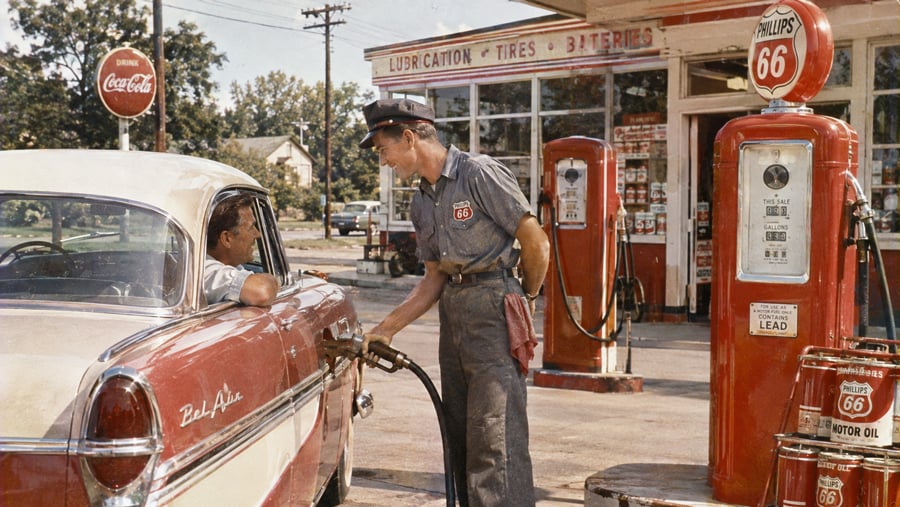
For much of the twentieth century, stopping for gas meant interacting with an attendant who handled the pump, checked the oil, or cleaned the windshield. Drivers often stayed in their cars while the attendant asked how much fuel they wanted. The exchange was brief, but it was another everyday conversation built into a routine errand. Self-service stations gradually became more common, and in most states today, drivers can fill their tanks and pay at the pump without speaking to anyone.
7. Asking a Bank Teller for Your Account Balance
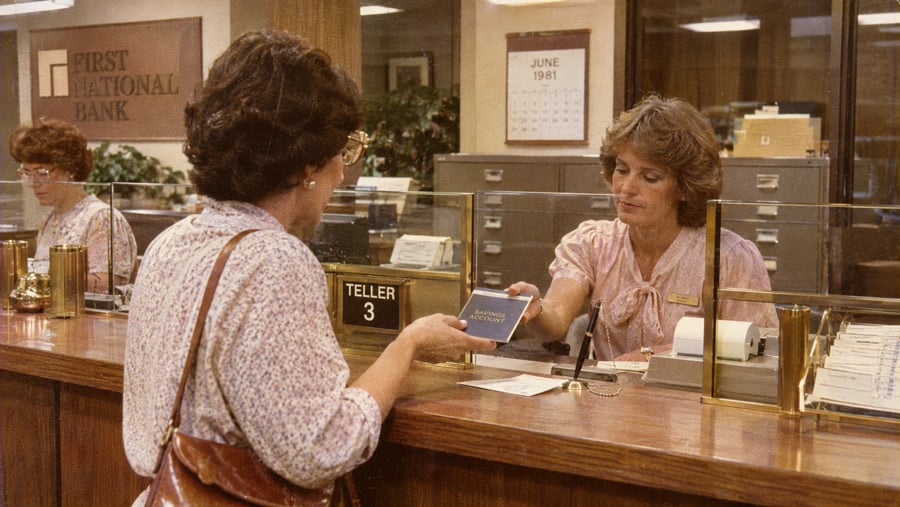
Checking how much money was in your bank account once required a trip to the bank, a phone call, or carefully balancing your checkbook. Customers waited in line, approached a teller, and sometimes asked for their current balance or recent account activity. Passbooks and printed statements helped keep track of transactions, but getting updated information wasn’t always immediate. Today, most people can check their balance in seconds, often without even getting out of bed.
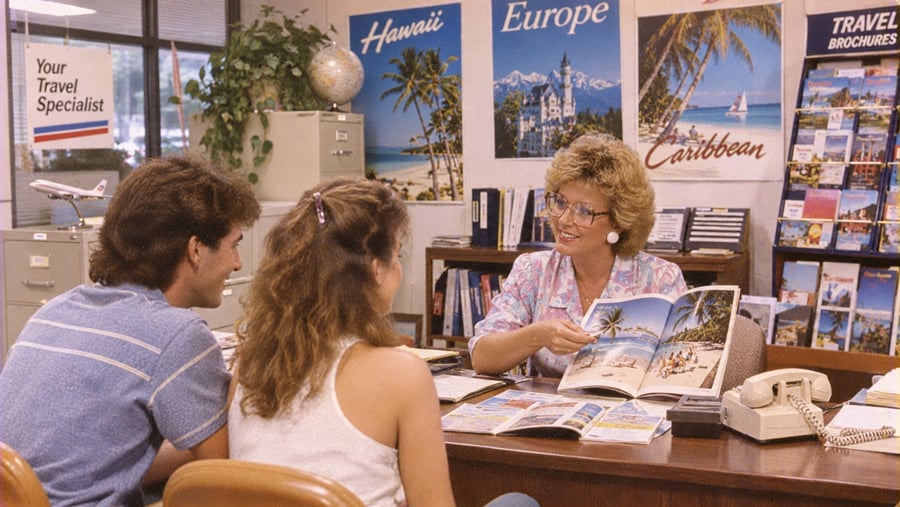
8. Asking a Travel Agent to Book a Vacation
Wealthgang
Planning a vacation once involved sitting across a desk from someone surrounded by brochures, airline schedules, and hotel catalogs. Travel agents helped customers compare destinations, find flights, and arrange accommodations, often explaining options that travelers couldn’t easily research themselves. People left with printed itineraries and envelopes full of tickets. Travel agents still exist, especially for complicated trips, but many ordinary vacations can now be planned entirely online without speaking to another person.
Sign up for our newsletter
9. Asking Someone to Take Your Photograph
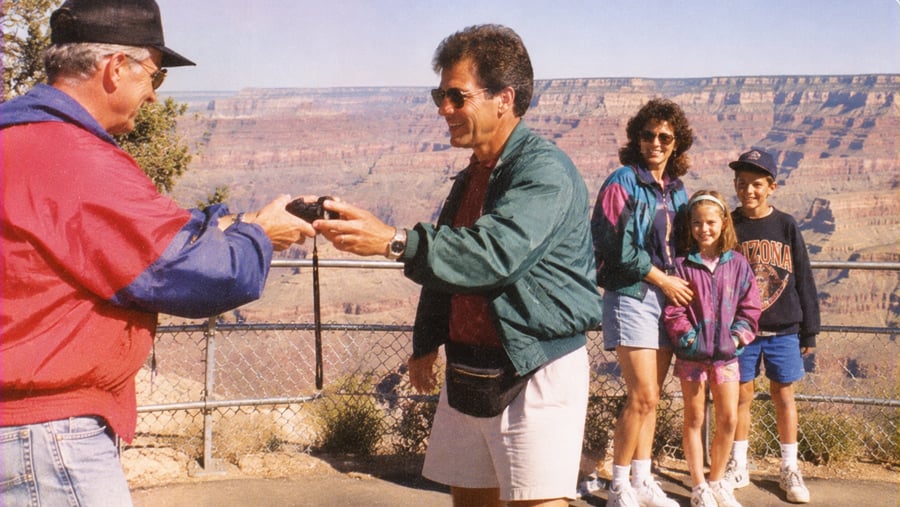
Before smartphones and selfie cameras, getting a picture of everyone together could require trusting a stranger with your camera. Tourists approached other visitors at landmarks, handed over a film camera, and hoped the person knew how to use it. There was no way to check the result immediately, so a blurry photograph or accidentally cropped head might not be discovered until the film was developed. Selfie sticks, front-facing cameras, and phone timers have made the request much less necessary.
10. Asking a Restaurant Employee for a Menu
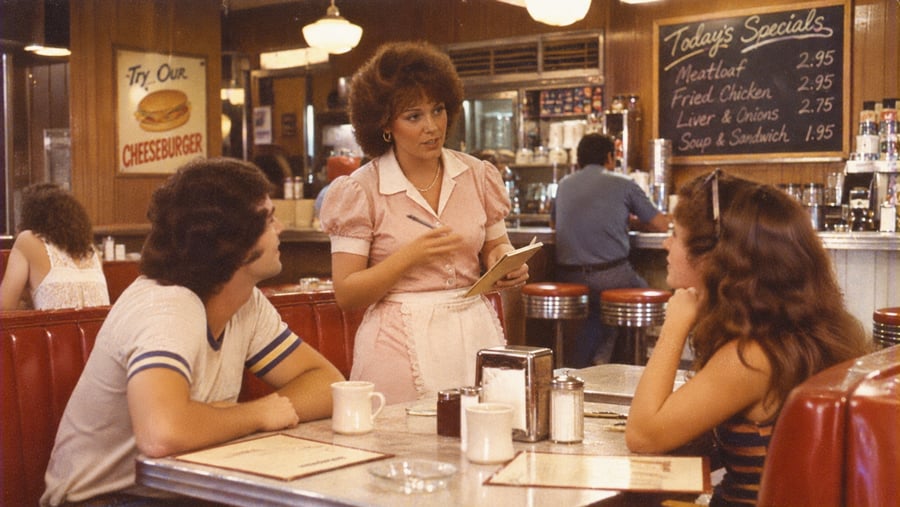
Before restaurant websites and online ordering platforms, learning what a restaurant served usually meant looking at a physical menu or asking someone who worked there. Diners might call ahead to ask about the daily specials, prices, or whether a particular dish was available. At smaller restaurants, the menu sometimes changed depending on what the kitchen had prepared. Today, customers can browse menus, read reviews, and even order meals before stepping through the door.
11. Asking a Stranger What Time It Was
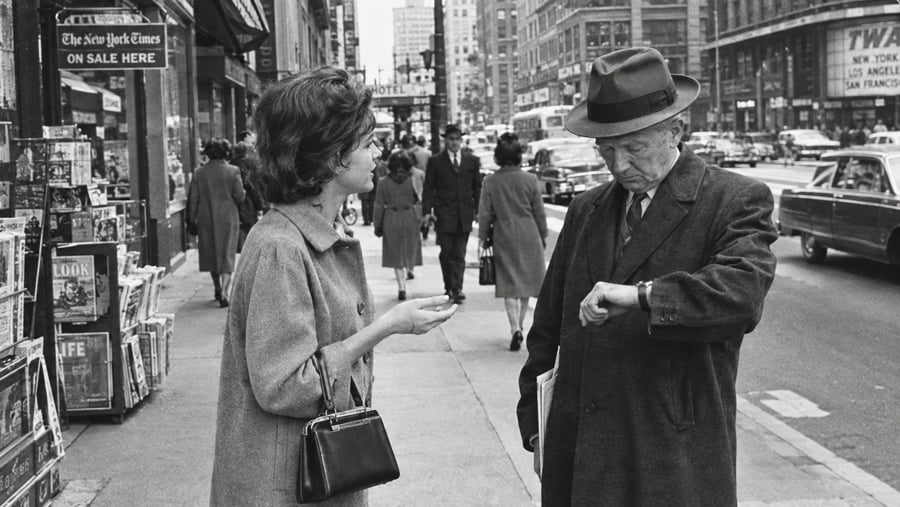
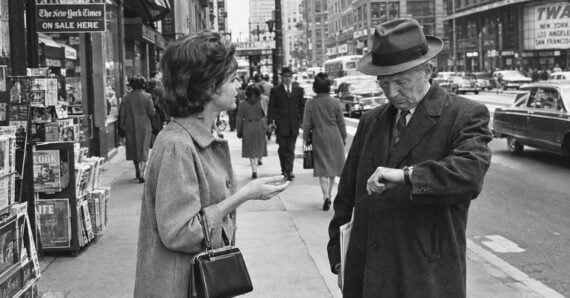
Forgetting your watch once meant asking someone nearby for the time. People stopped strangers on sidewalks, approached store employees, or glanced hopefully at a clock in a shop window. The question was so ordinary that it rarely felt unusual to ask. Now, almost everyone carries a phone, and digital clocks appear on countless devices. What used to be a perfectly normal conversation starter has become something most people can answer without looking up.
12. Asking a Clerk Whether a Store Had Something in Stock
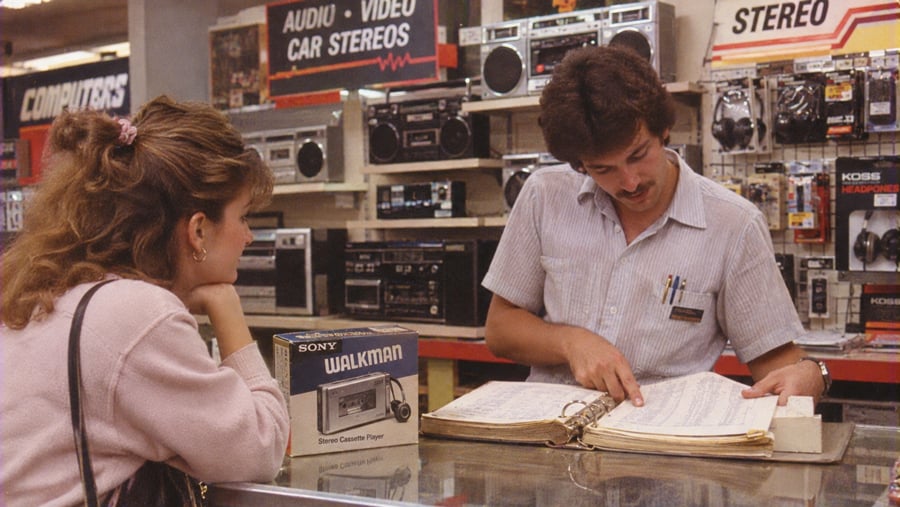
Finding a particular product once meant visiting a store or calling an employee to ask whether it was available. If the item wasn’t on the shelf, a clerk might disappear into the stockroom, check a paper inventory list, or call another location. Customers sometimes visited several stores before finding what they needed. Today, online inventory systems often show availability by location, allowing shoppers to check stock before leaving home.
13. Asking a Hotel Receptionist About Available Rooms
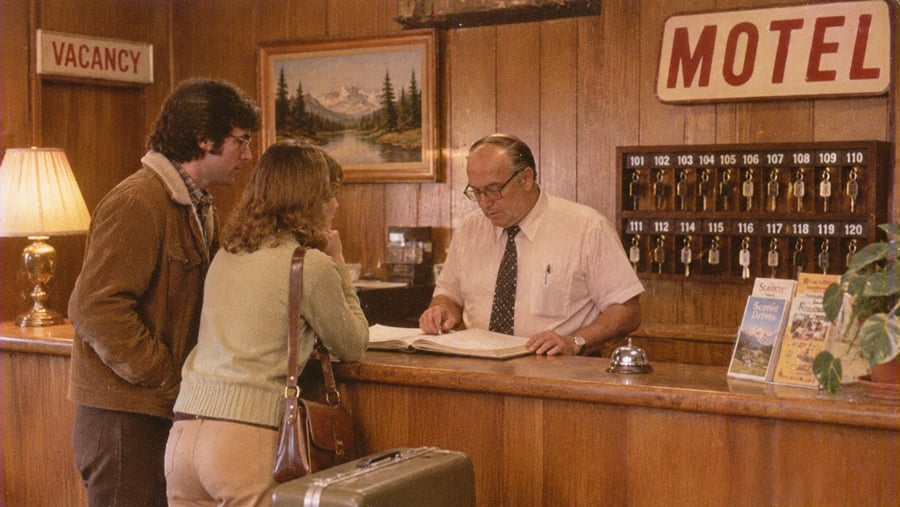
Arriving in an unfamiliar town without a reservation once meant walking into a hotel or motel and asking whether any rooms were available. Travelers approached the front desk, discussed prices, and sometimes asked to see a room before deciding. Roadside motels often displayed VACANCY signs to attract passing drivers. Today, booking platforms make it possible to compare rooms, check availability, and pay before arriving, often with little need for a conversation at check-in.
14. Asking Someone at the Bus Station About Departure Times
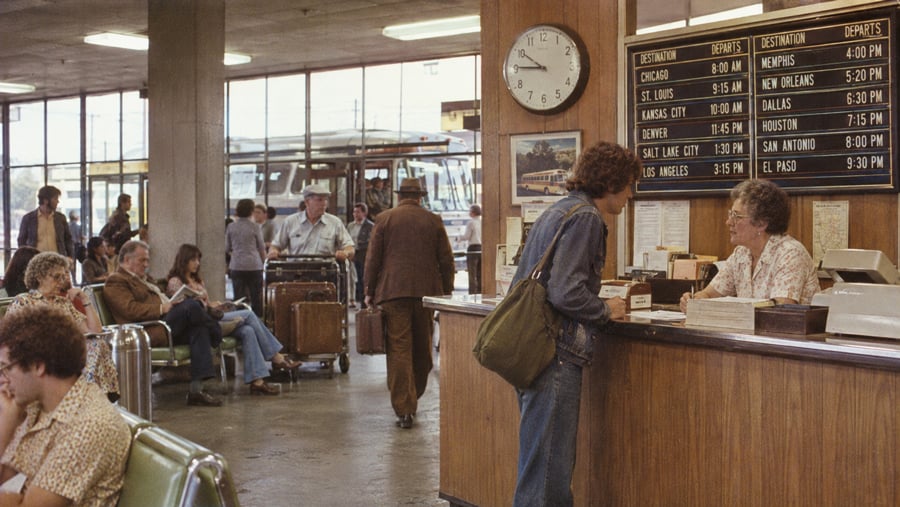
Before transit apps, finding out when a bus was leaving could involve checking a printed timetable or asking an employee at the station. Travelers approached ticket counters, confirmed departure platforms, and sometimes asked other passengers whether they were waiting in the right place. Schedules could be confusing, especially when connections or delays were involved. Today, many transportation systems provide live updates, route information, and mobile tickets, reducing the need to ask for help.
15. Asking a Record Store Employee for Music Recommendations
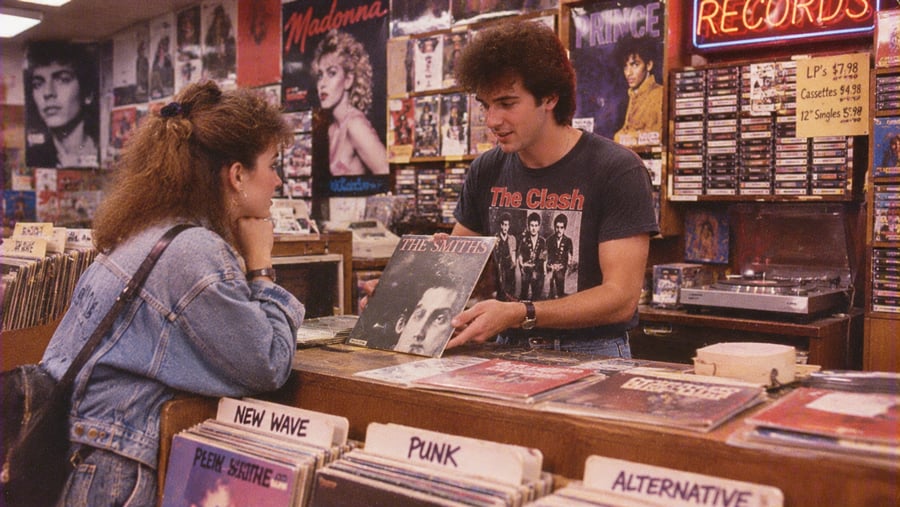
Discovering new music once involved much more than scrolling through an algorithm-generated playlist. Customers visited record stores, browsed shelves of albums, and asked employees what was worth listening to. A knowledgeable clerk might recommend an unfamiliar band, play a record over the store speakers, or point someone toward a new release. Those conversations could introduce people to music they never would have found on their own. Streaming services now offer instant recommendations, but they don’t always recreate the excitement of a personal suggestion.
16. Asking a Stranger to Help Settle a Simple Question
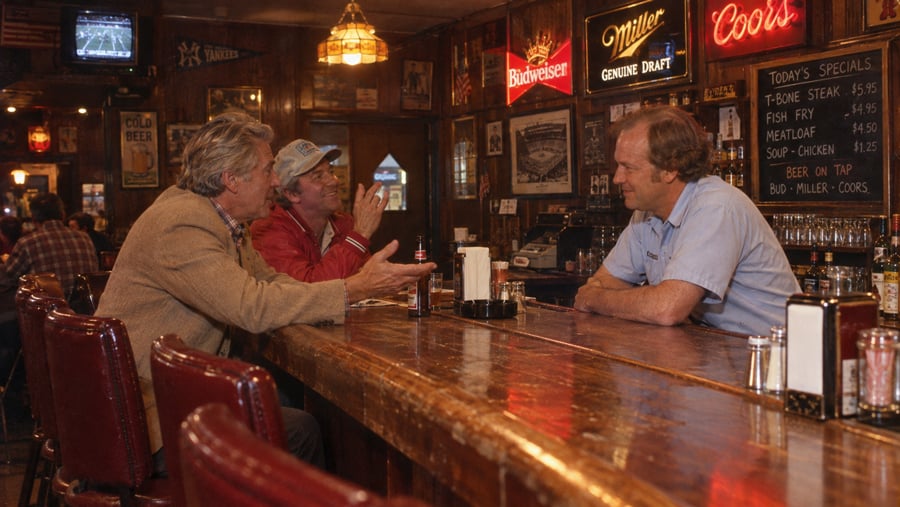
Before everyone could look up an answer in seconds, small disagreements sometimes turned into conversations with whoever happened to be nearby. Two friends arguing about a movie actor, a sports statistic, or the name of a song might ask a bartender, store clerk, or another customer to settle the debate. The answer wasn’t always correct, but that was part of the fun. Today, a quick search usually ends the argument before anyone else gets involved, removing one more excuse to strike up a conversation with a stranger.
More Related Notes
11 Unwritten Rules of Modern Dating
From texting etiquette to first-date expectations, these unspoken dating rules reveal how technology has changed modern relationships.
10 Habits of People Who Manage Their Money Well
Good money management often comes down to everyday decisions. These practical habits can help people save more, spend wisely, and build financial stability.
10 Ways You’re Wasting Energy Without Realizing It
Small household habits can quietly increase energy bills. Discover the everyday mistakes that waste electricity and how simple changes can make a difference.