Some of history’s most extraordinary finds have been hiding beneath our feet. These incredible discoveries do more than just fill the pages of history books: they rewrite what we know about ancient civilizations and transform our comprehension of the planet.
Exploring the world under us reveals how much of our history and geology remains hidden. Each excavation serves as a time capsule, offering a glimpse into lost eras, ancient technologies, and ecosystems that thrived before our time. The following 15 discoveries showcase the wonders that lie beneath the surface we walk on every day.
1. An Army of Terracotta Soldiers Was Buried in China
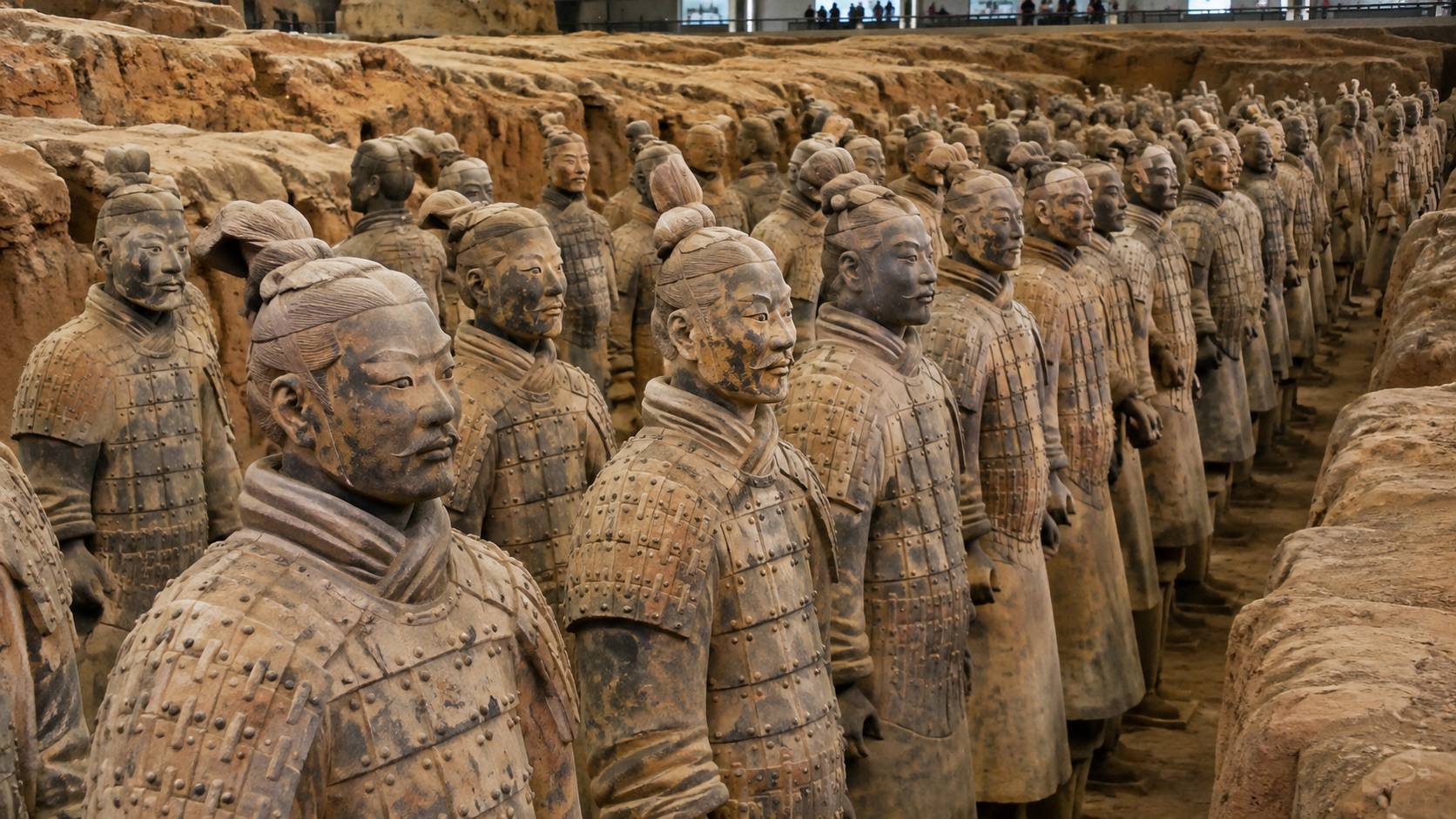
In 1974, farmers digging a well near Xi’an, China, uncovered fragments of clay figures. Excavations revealed thousands of terracotta warriors and horses arranged in military formation near the tomb of China’s first emperor. The figures were created more than 2,000 years ago to accompany and protect the emperor.
2. King Tutankhamun’s Tomb Was Found Beneath the Egyptian Desert
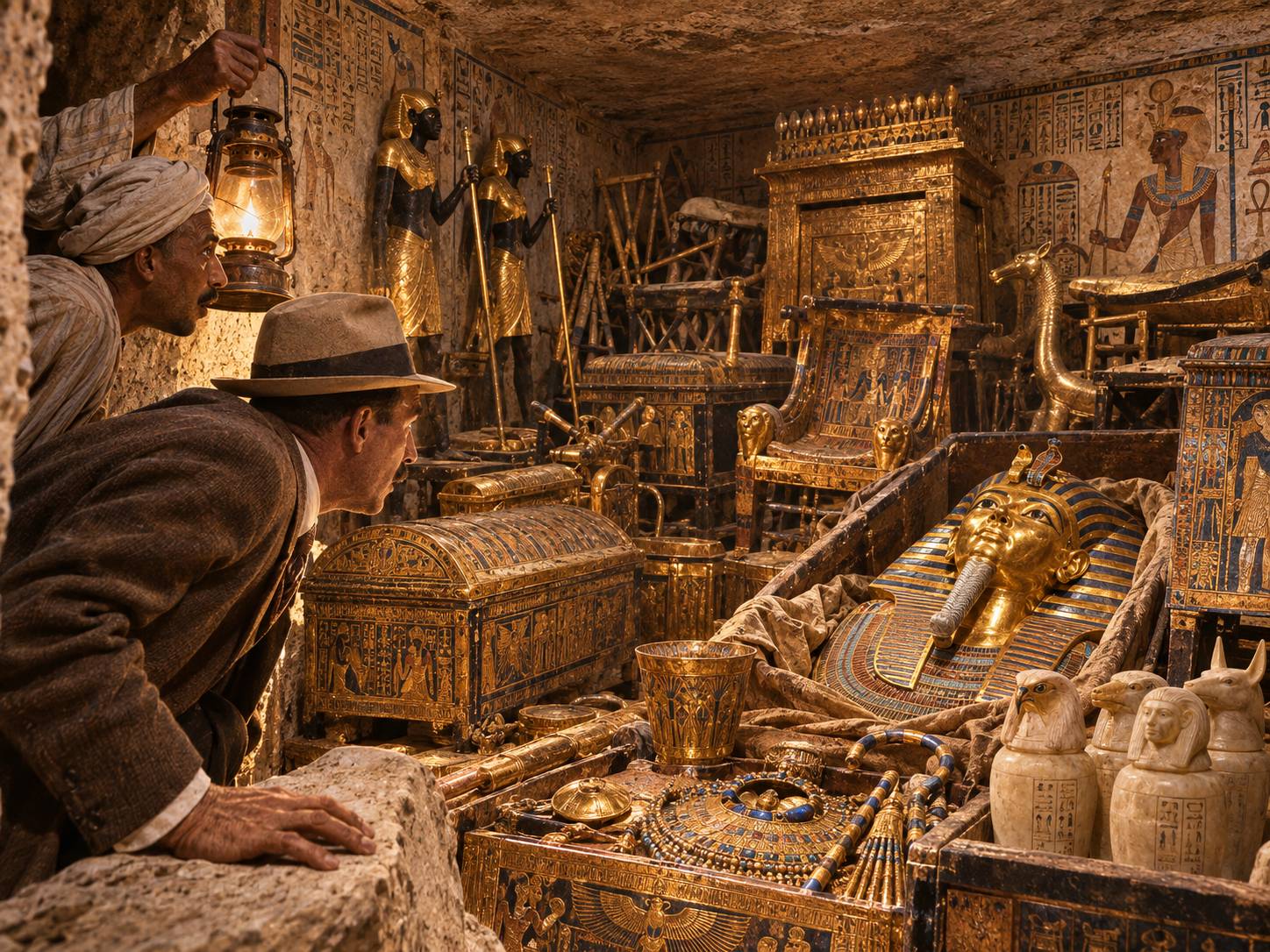
In November 1922, British archaeologist Howard Carter uncovered the entrance to a royal tomb in Egypt’s Valley of the Kings. The burial chamber belonged to Tutankhamun, a young pharaoh who ruled more than 3,000 years earlier. Inside were thousands of objects, including jewelry, furniture, ceremonial equipment, and a golden burial mask.
3. A Roman City Was Preserved Beneath Volcanic Ash
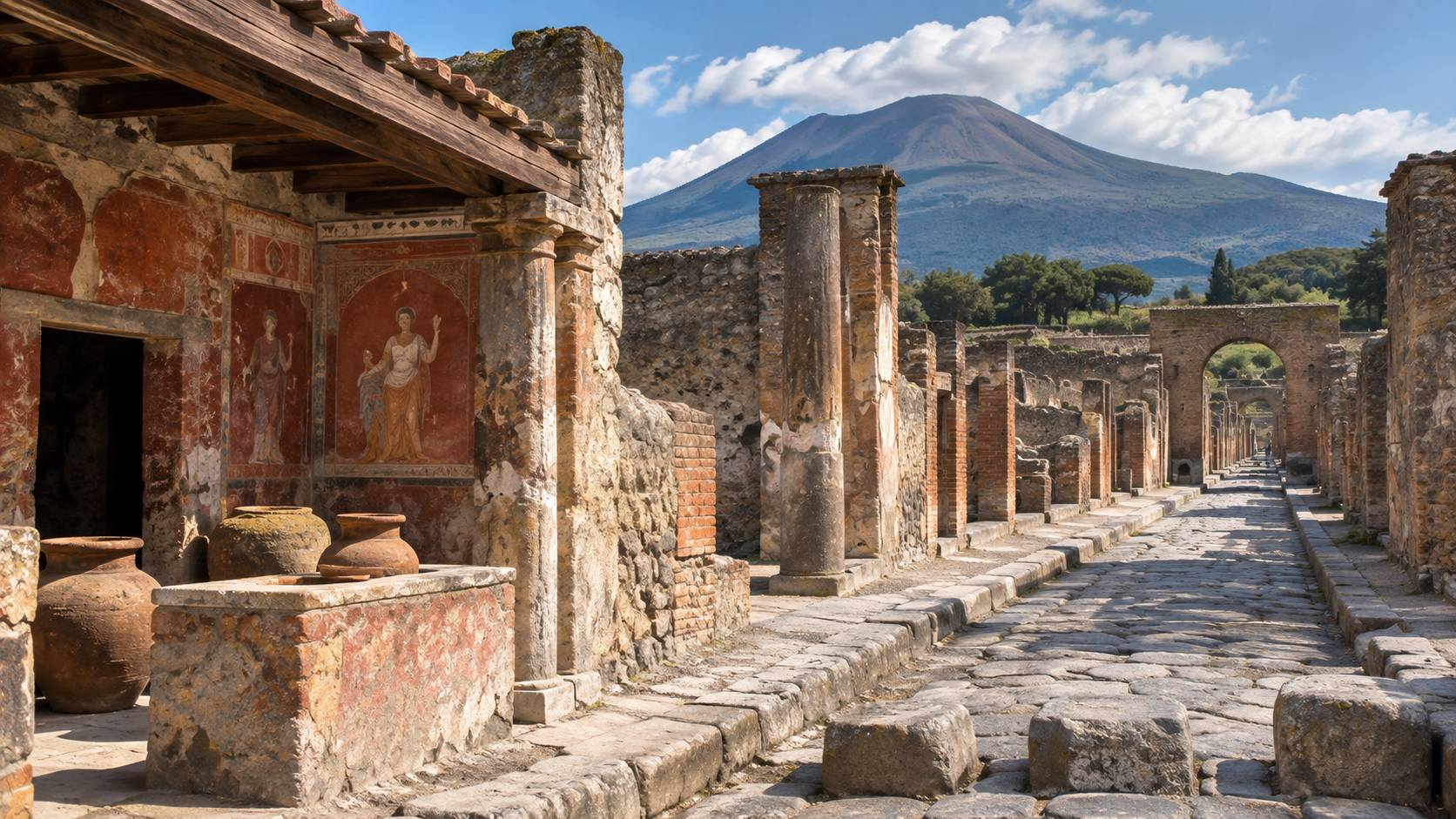
When Mount Vesuvius erupted in A.D. 79, Pompeii was buried beneath layers of volcanic ash. Excavations beginning in the 18th century uncovered streets, houses, shops, artwork, and other preserved remains. Archaeologists have even recovered evidence of everyday activities, allowing researchers to reconstruct new aspects of Roman life.
4. An Ancient Ship Burial Was Discovered Beneath an English Field
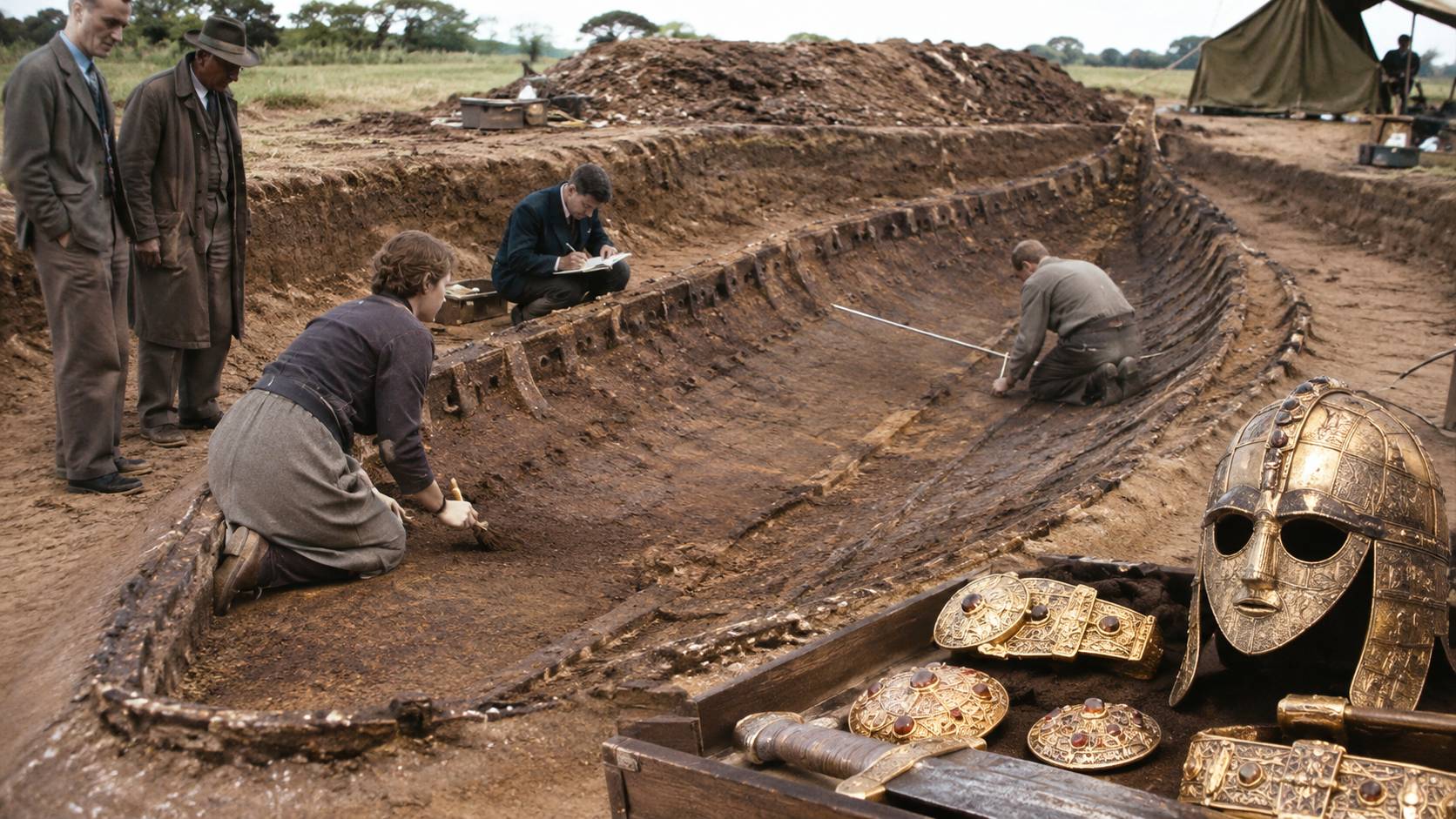
In 1939, an archaeologist excavated a burial mound at Sutton Hoo in Suffolk, England, and uncovered the remains of an enormous ship. Although its wooden structure had decayed, the outline of the vessel remained visible in the soil. The burial chamber contained elaborate treasures, including gold ornaments, weapons, and ceremonial equipment.
5. Archaeologists Uncovered Monumental Structures From More Than 11,000 Years Old
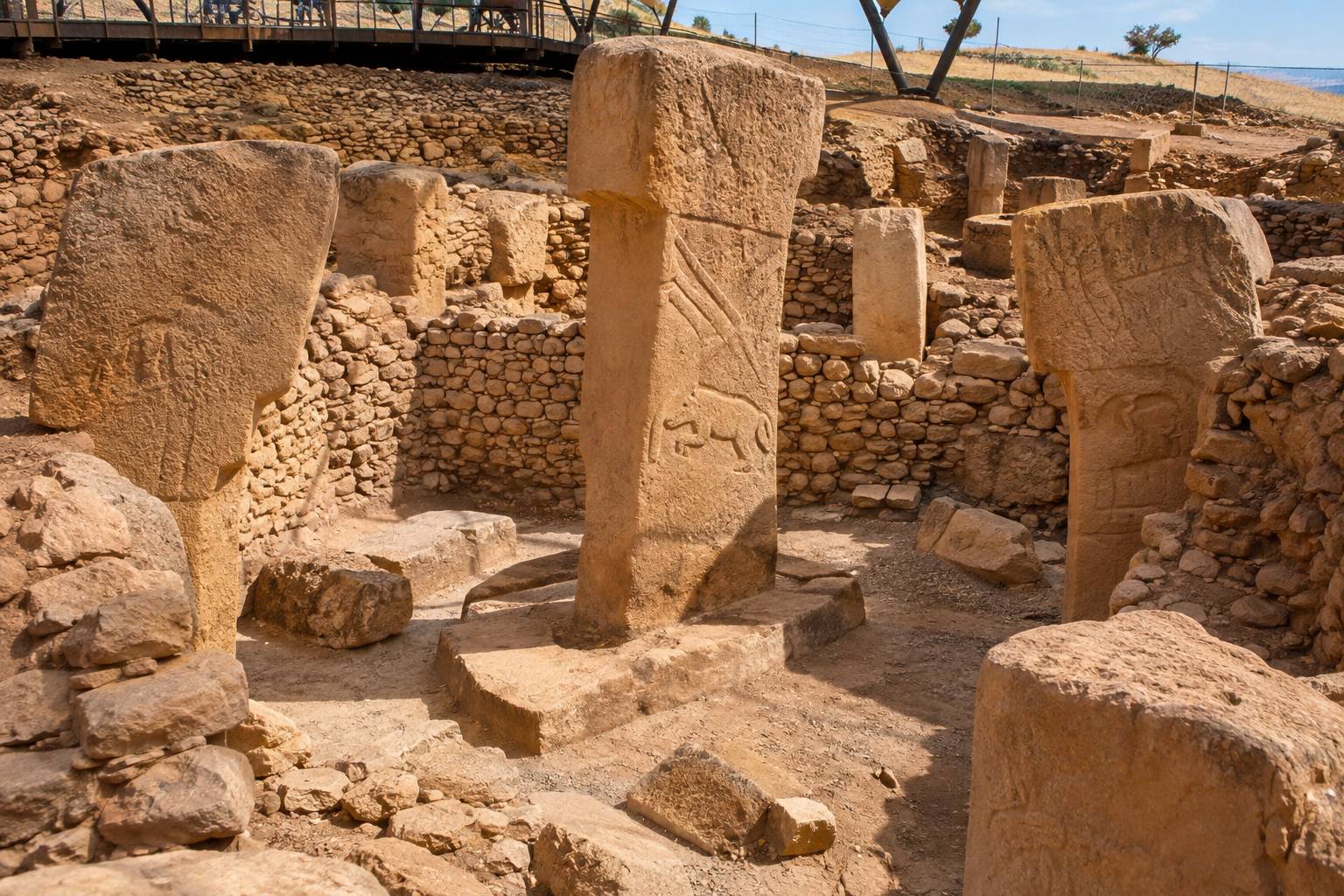
In Turkey, excavations beginning in the 1990s revealed enormous stone pillars arranged inside ancient monumental structures. UNESCO dates the site’s construction to approximately 9600–8200 B.C., when communities were transitioning from hunting and gathering toward agriculture.
Trending on Wealth Gang


6. Scrolls Were Found Hidden Inside Desert Caves
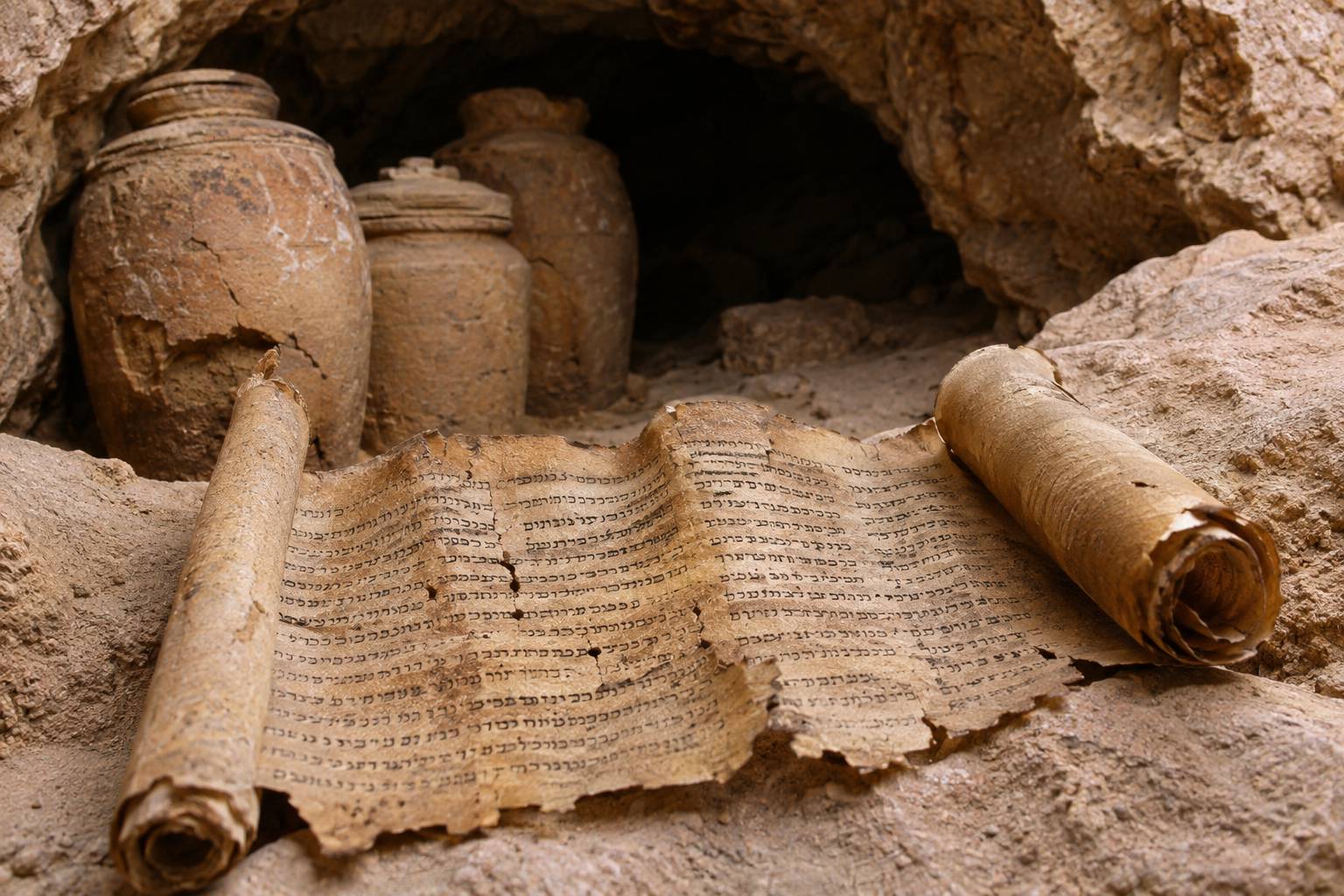
In 1947, Bedouin shepherds discovered ancient manuscripts inside caves near the Dead Sea, beginning one of the most significant manuscript discoveries in history. Known as the Dead Sea Scrolls, these documents include some of the oldest surviving manuscripts of books from the Hebrew Bible.
7. Teenagers Discovered Prehistoric Paintings Inside a Hidden French Cave
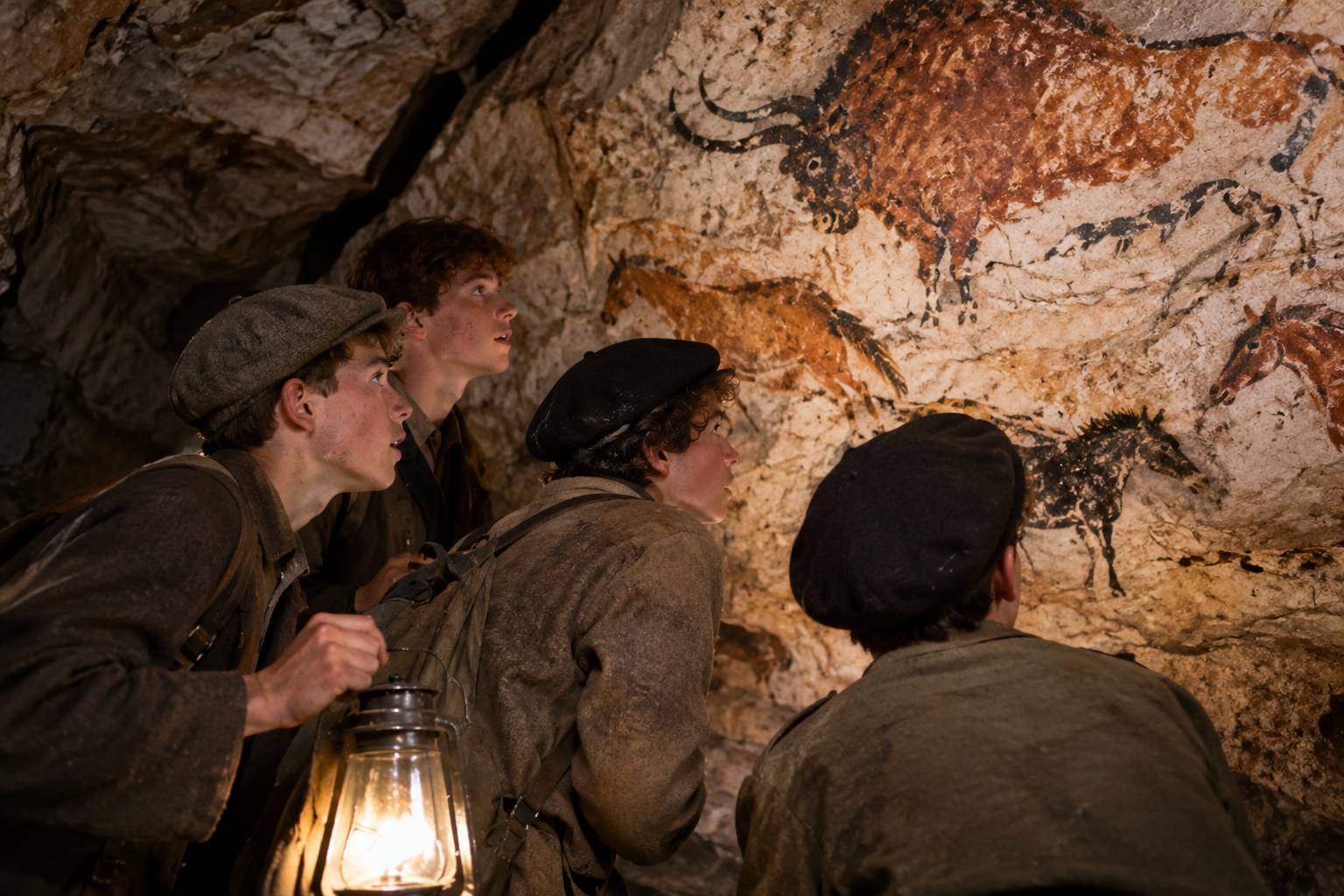
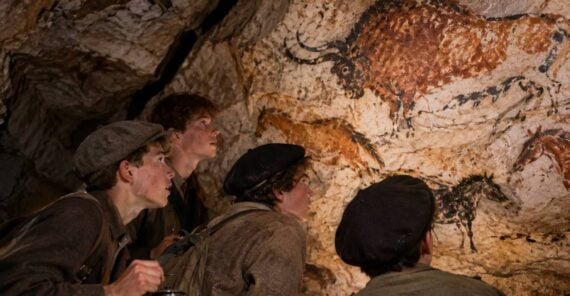
In September 1940, four teenagers exploring the countryside near Montignac, France, entered a hidden opening that led to the Lascaux cave. Inside, they discovered walls covered with prehistoric paintings. The artwork was created thousands of years before written history.
8. A Sealed Cave Preserved Ancient Artwork for Thousands of Years
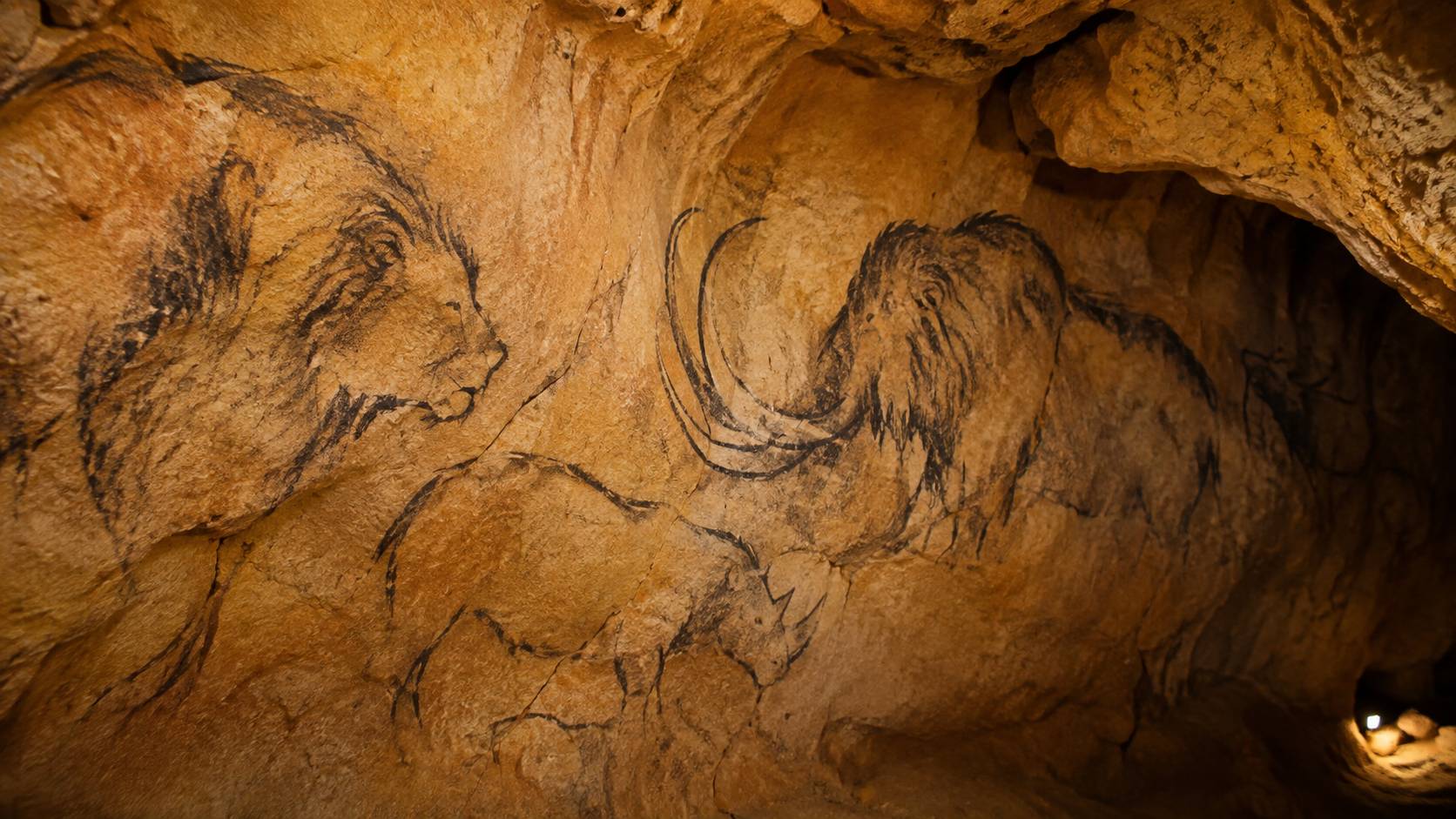
In December 1994, three cave explorers discovered a collection of prehistoric artwork inside Chauvet Cave in southern France. The cave had been sealed by rockfalls for thousands of years, helping preserve drawings of lions, mammoths, rhinoceroses, and other animals. Researchers have identified more than 1,000 images.
Sign up for our newsletter
9. Cave Paintings Changed How Scientists Viewed Prehistoric Humans
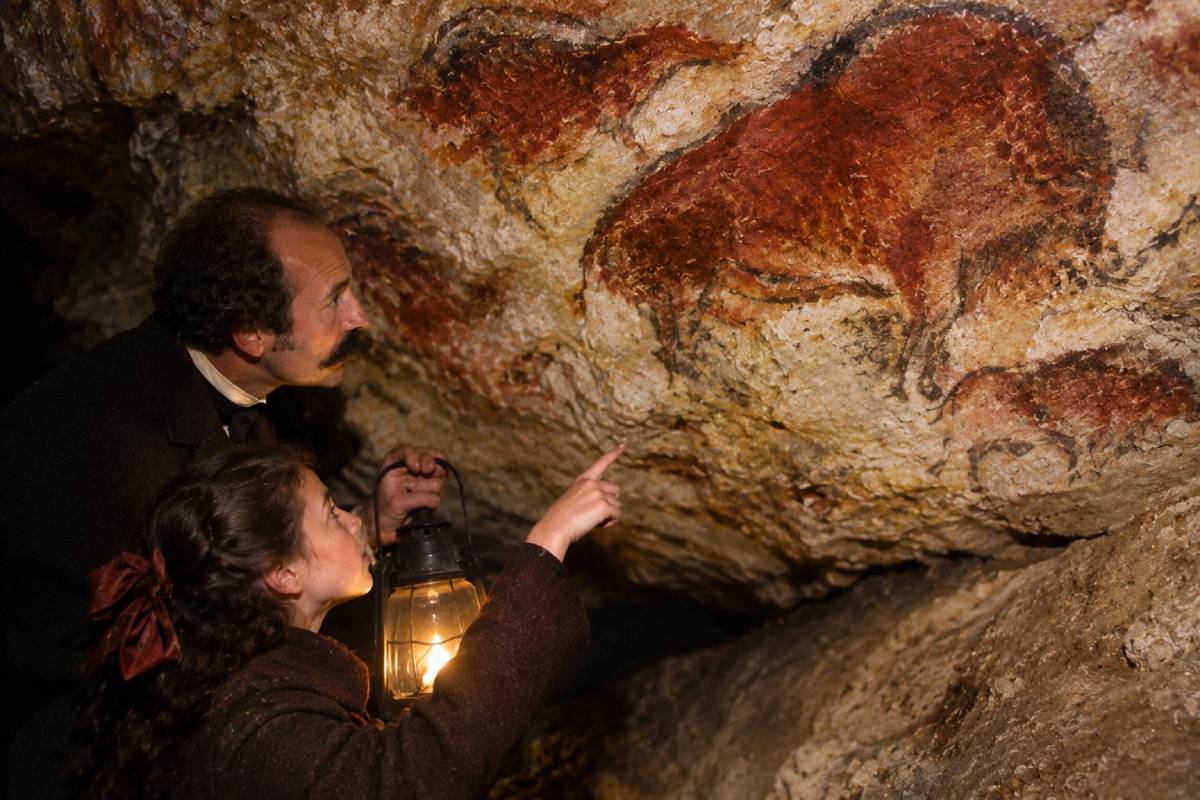
In 1879, nine-year-old María Sanz de Sautuola noticed animal paintings on the ceiling of Altamira Cave in northern Spain. Her father, amateur archaeologist Marcelino Sanz de Sautuola, recognized their importance and argued that they had been created during the Stone Age.
10. A Maya King’s Tomb Was Found Deep Inside a Pyramid
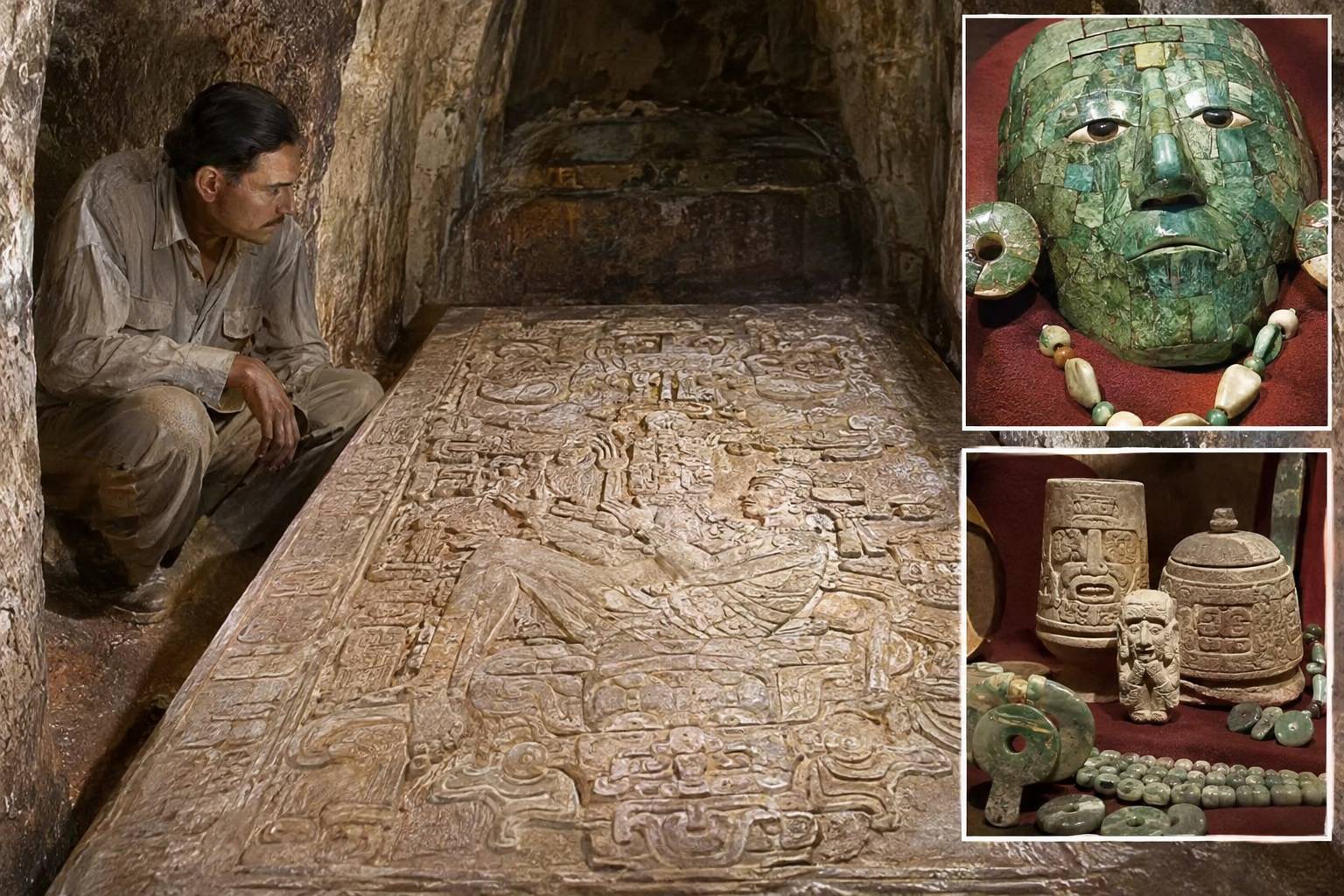
In 1952, Mexican archaeologist Alberto Ruz Lhuillier uncovered the burial chamber of the Maya ruler K’inich Janaab’ Pakal beneath the Temple of the Inscriptions at Palenque. The chamber contained a large stone sarcophagus, funerary objects, and a remarkable jade burial mask.
11. Explorers Found a Vast Cave System Below New Mexico
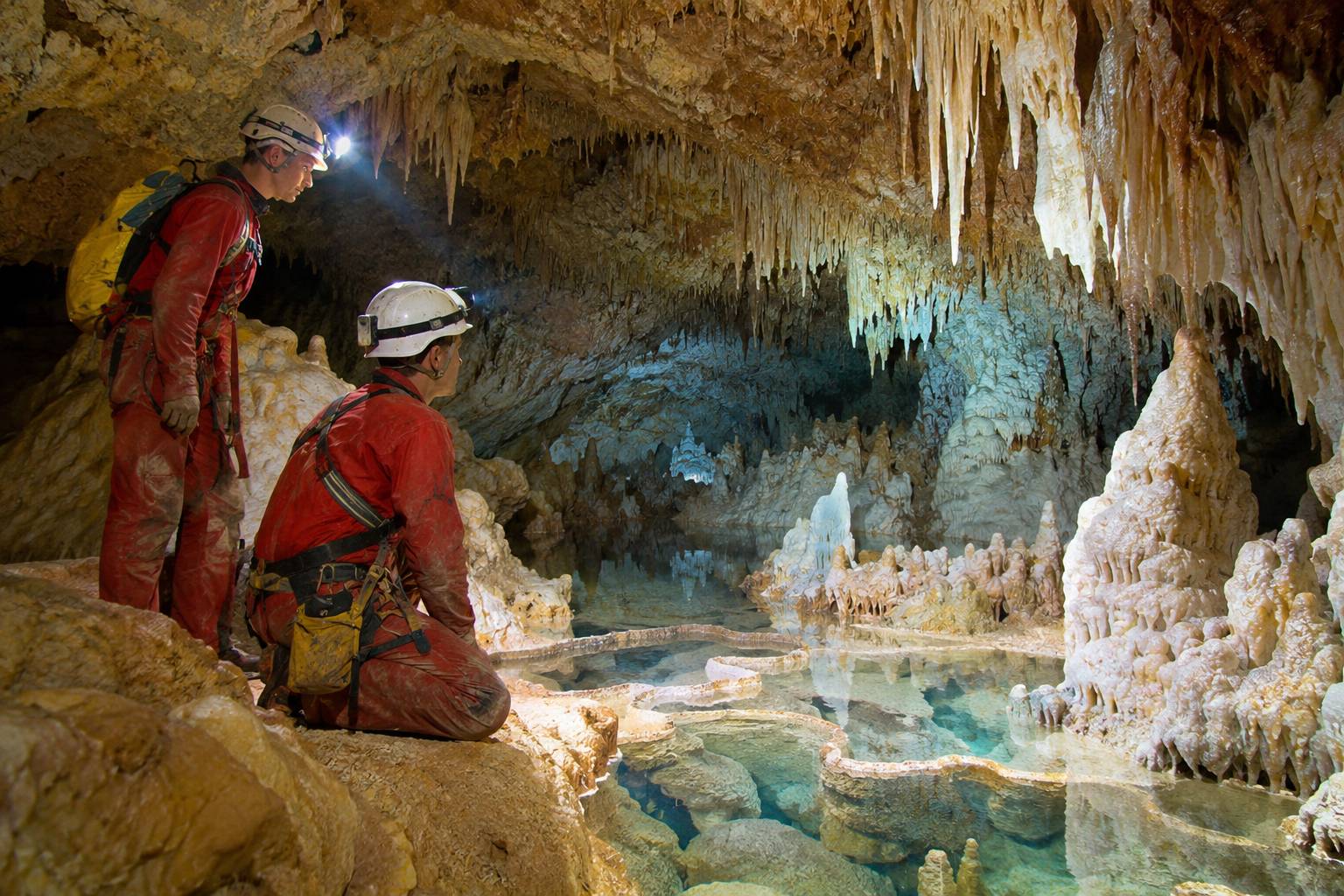
For years, Lechuguilla Cave in New Mexico was considered an insignificant underground site with a small number of accessible passages. In May 1986, explorers digging through a blocked section discovered extensive new chambers and corridors.
12. Scientists Found an Enormous Lake Below Antarctica’s Ice
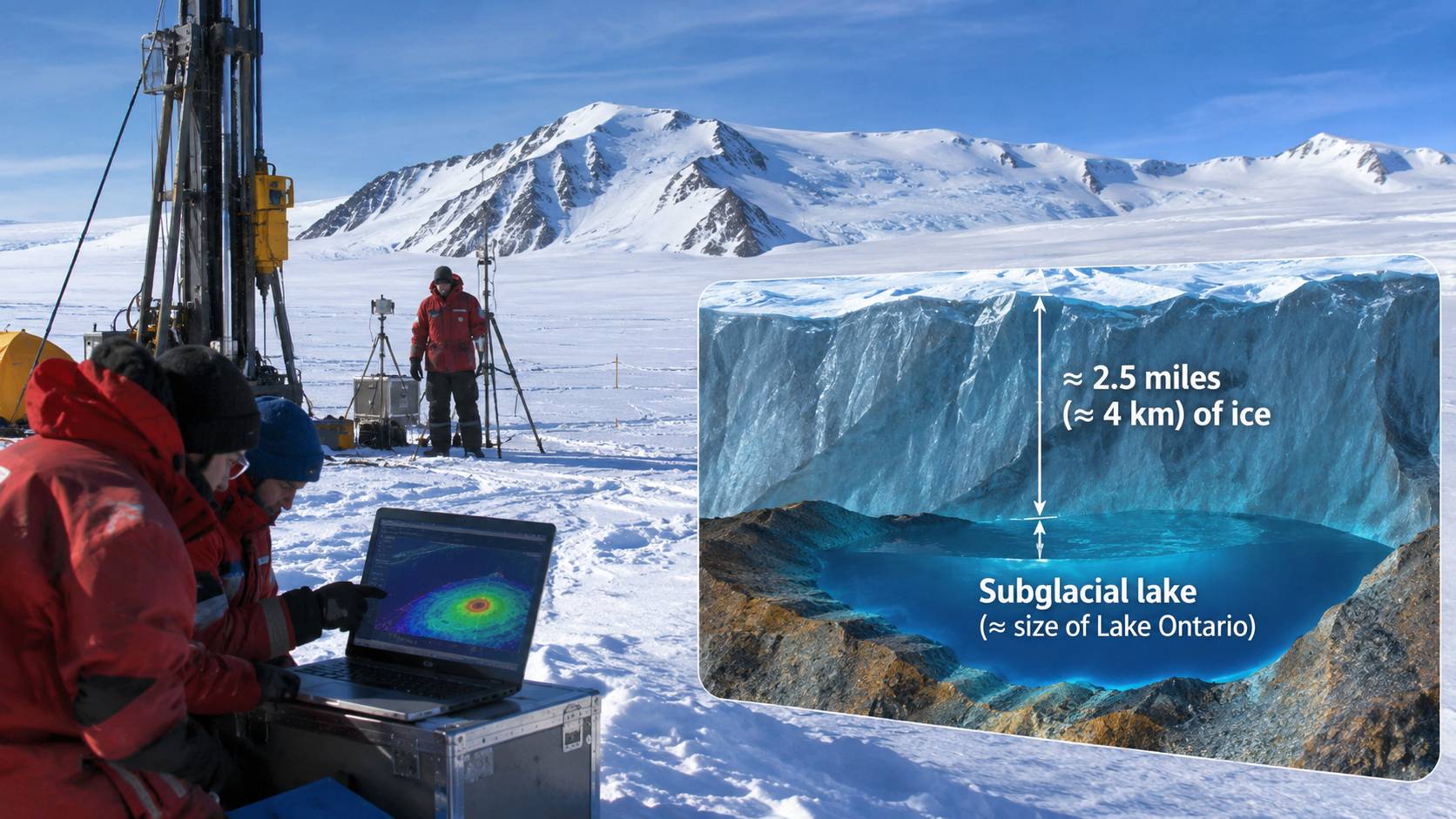
Scientists studying Antarctica discovered a massive freshwater lake buried beneath approximately 2.5 miles of ice. Research published in 1996 showed that the lake was comparable in surface area to Lake Ontario. The discovery revealed that large bodies of liquid water can survive beneath extremely thick ice.
13. A Diamond Revealed Water Hidden Deep Inside Earth’s Mantle
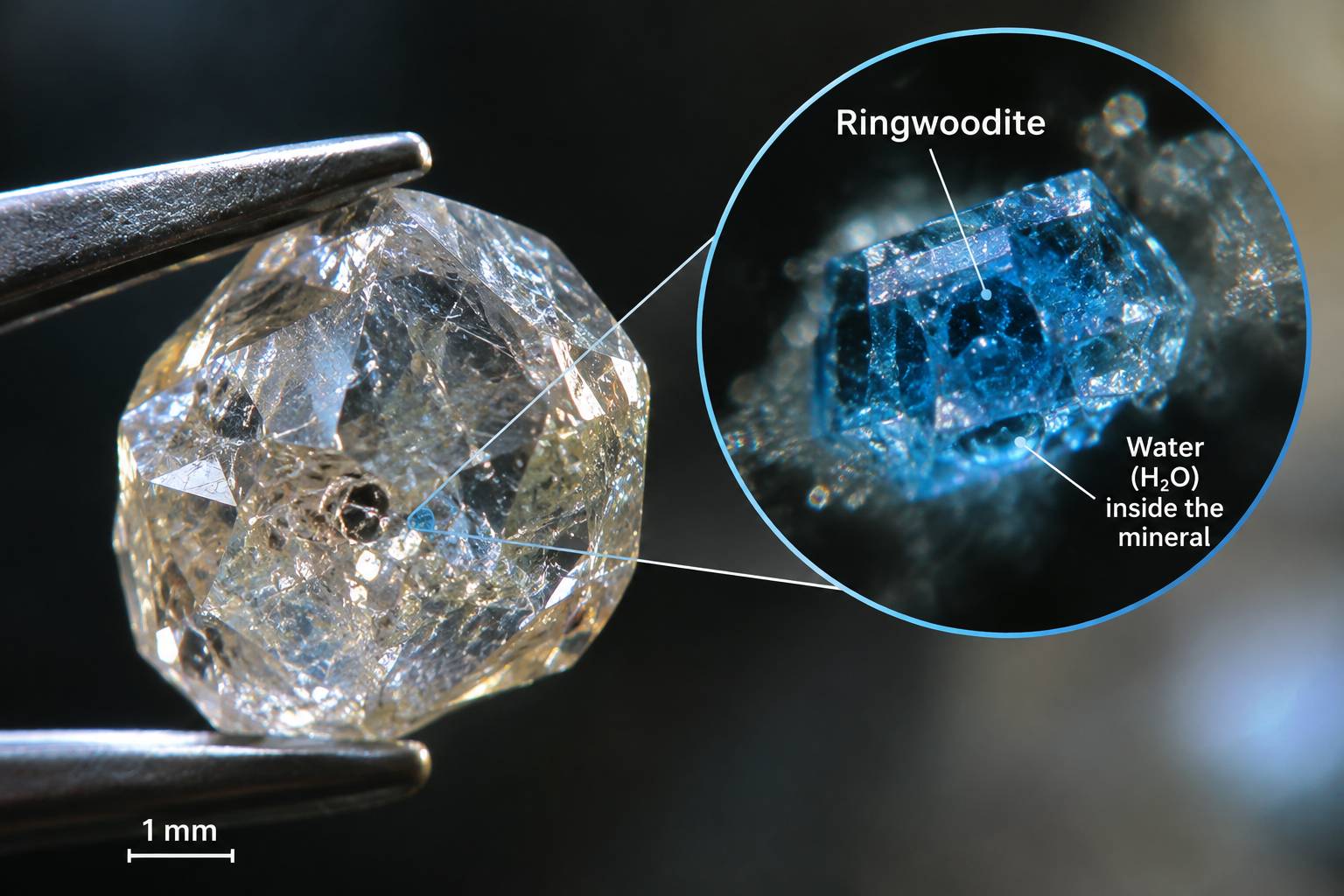
In 2014, researchers examining a diamond from Brazil discovered a mineral that forms under extreme pressure deep inside Earth. The mineral contained water within its crystal structure. Scientists believe minerals in this region, approximately 250 to 410 miles beneath the surface, could store enormous quantities of water.
14. Earthquake Waves Revealed a Solid Core Inside Earth
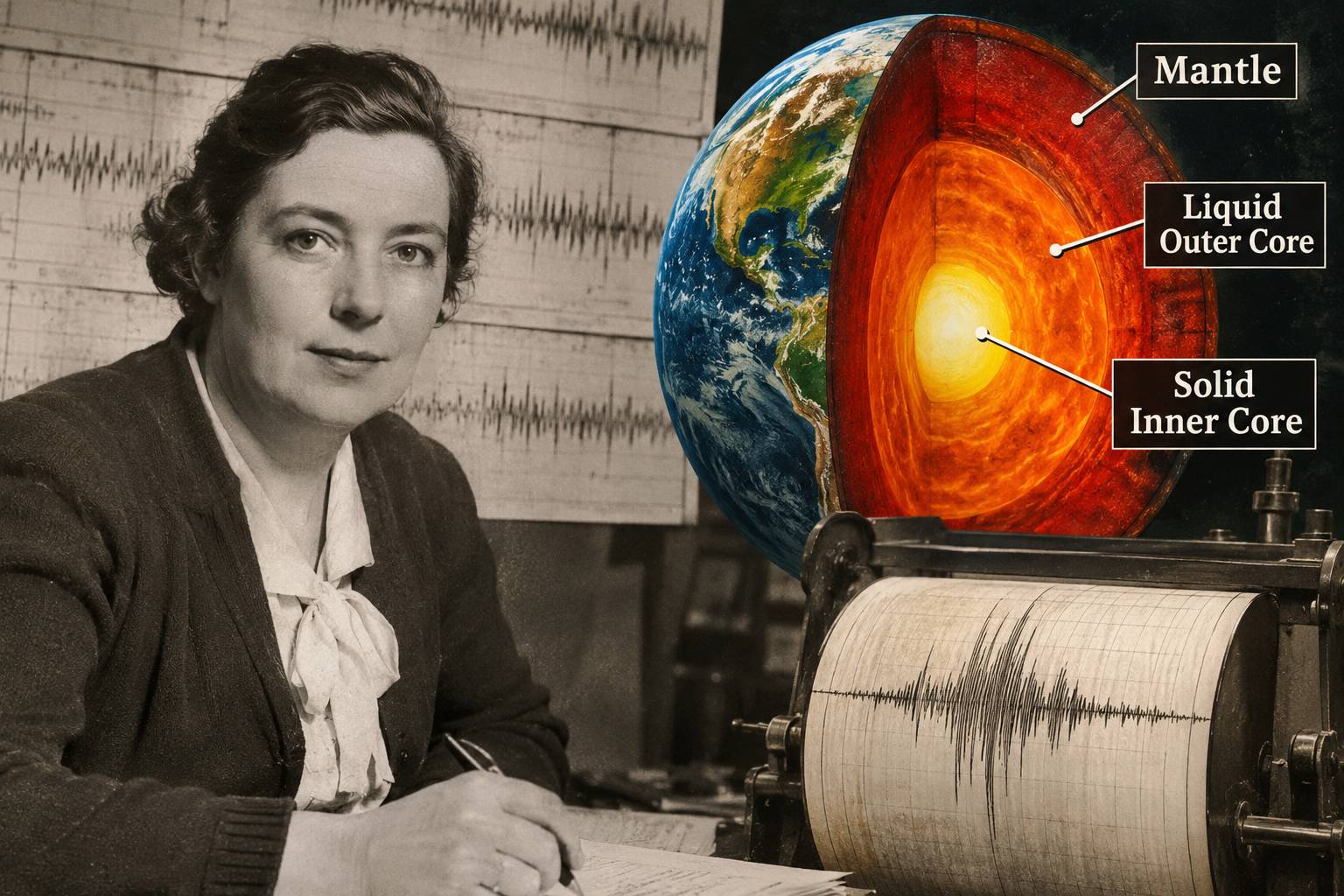
In 1936, a Danish seismologist proposed that Earth contained a solid inner core surrounded by a liquid outer core. She reached this conclusion after studying earthquake waves that behaved differently from what existing models of Earth’s interior predicted. Her interpretation was later supported by more advanced seismic observations.
15. Scientists Discovered a Crater Linked to Dinosaur Extinction
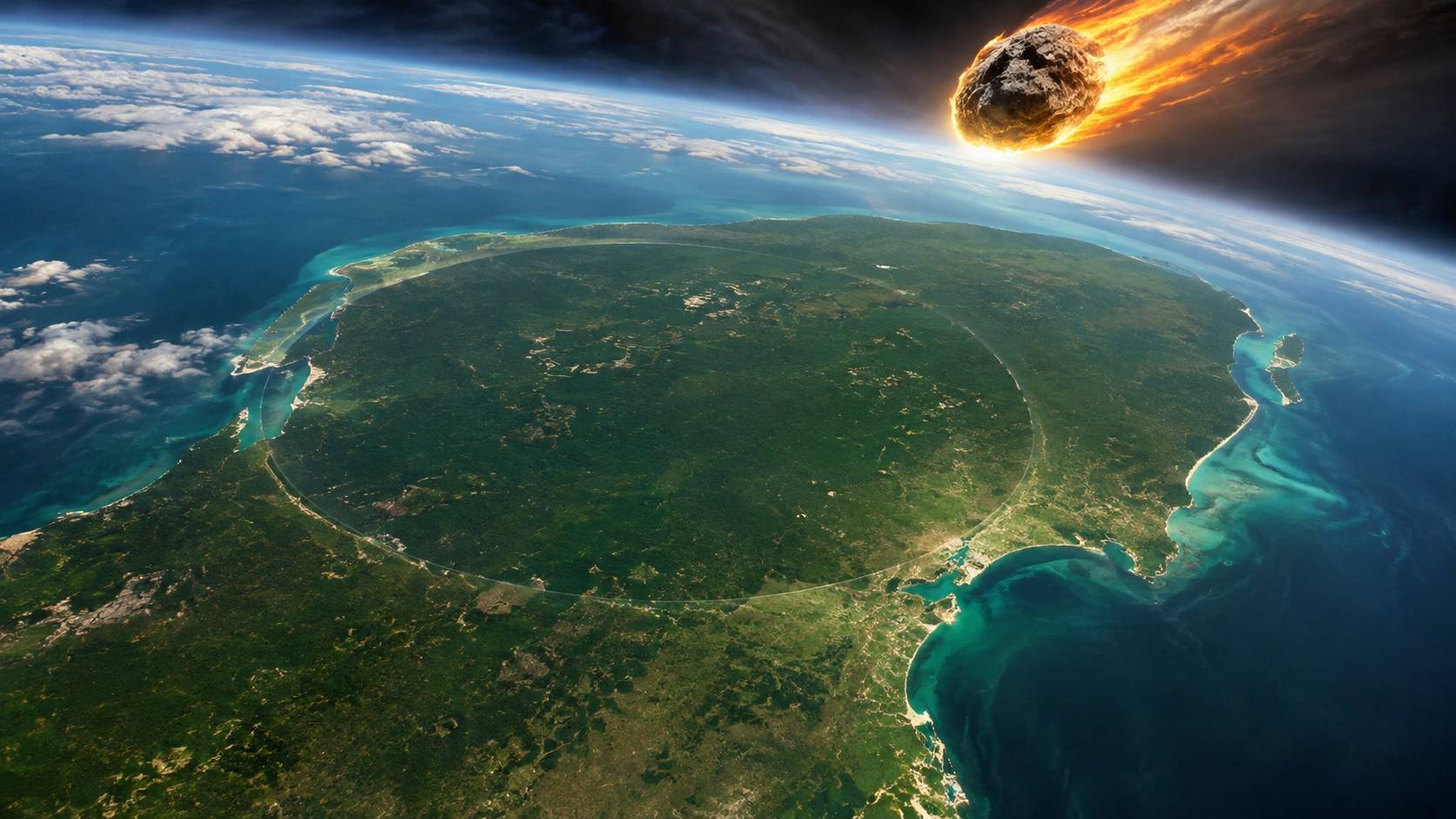
For years, scientists searched for evidence of the enormous asteroid impact associated with the extinction of dinosaurs 66 million years ago. Researchers identified a massive crater buried beneath Mexico’s Yucatán Peninsula. By the early 1990s, studies helped confirm that the Chicxulub structure was an ancient impact crater.