The 1980s are remembered as a time when life was much more affordable, with cheap houses, low-cost gas, and daily goods that cost a fraction of what they do today.
But the reality was more complicated. High interest rates, rising inflation, expensive technology, and everyday expenses made life less affordable than those nostalgic price tags suggest. Next is a closer look at why the 1980s were not as cheap as many people remember.
1. Inflation Hit 13.5% in 1980
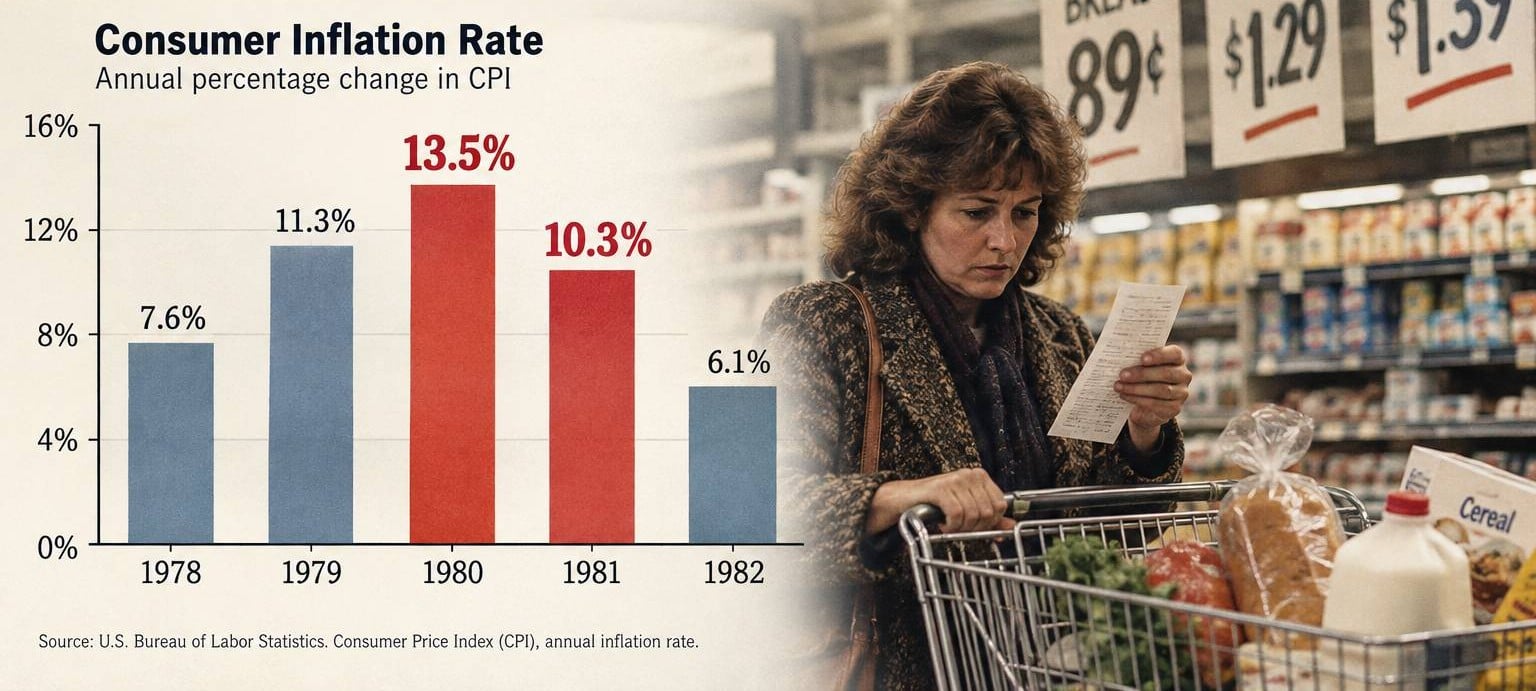
The Bureau of Labor Statistics reports that consumer inflation reached 13.5% in 1980. Prices rose another 10.3% in 1981 before inflation began easing.
2. Mortgage Rates Climbed Above 18%
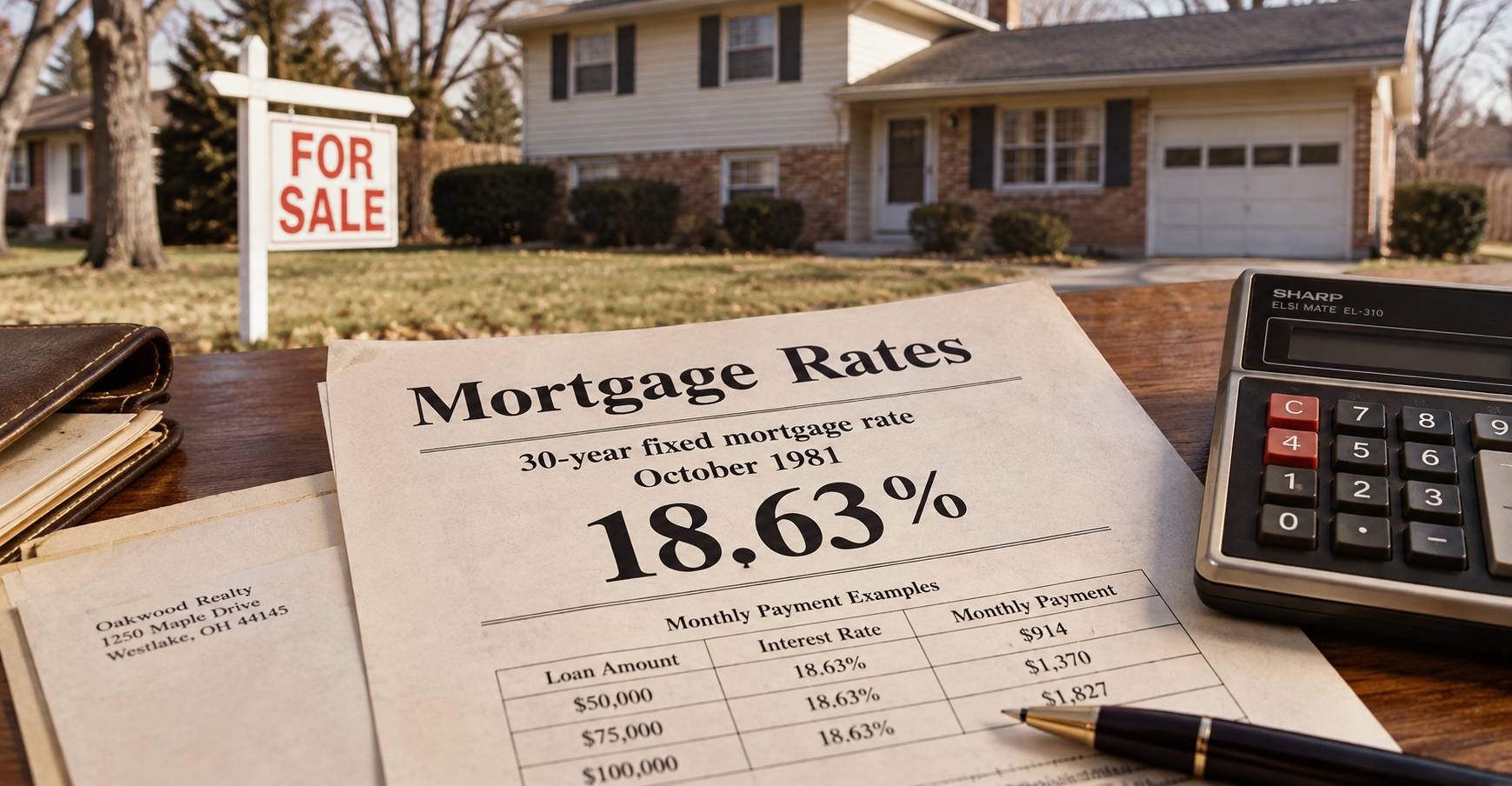
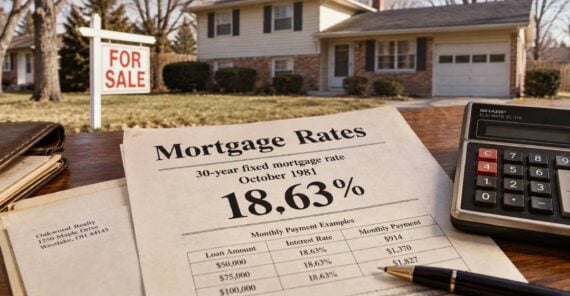
Homes may look cheap in old listings, but borrowing the money to buy one could be brutal. The average 30-year fixed mortgage rate reached 18.63% in October 1981.
3. Car Loan Carried a 17% Interest Rate
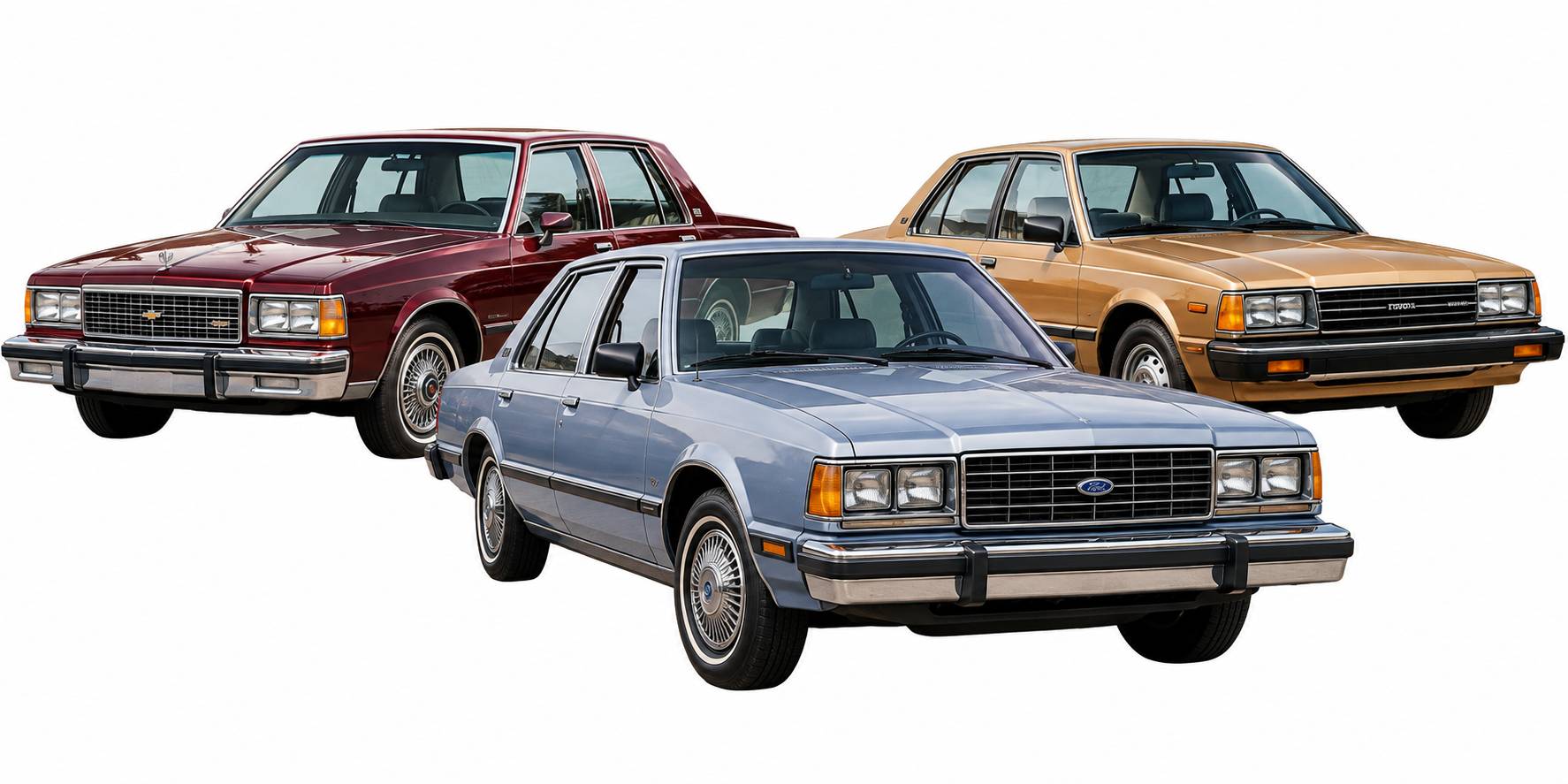
Federal Reserve data show rates on 48-month new-car loans at commercial banks reaching about 17.36% in late 1981 and remaining around 17% during 1982.
4. Credit Card Rates Hovered Around 18%
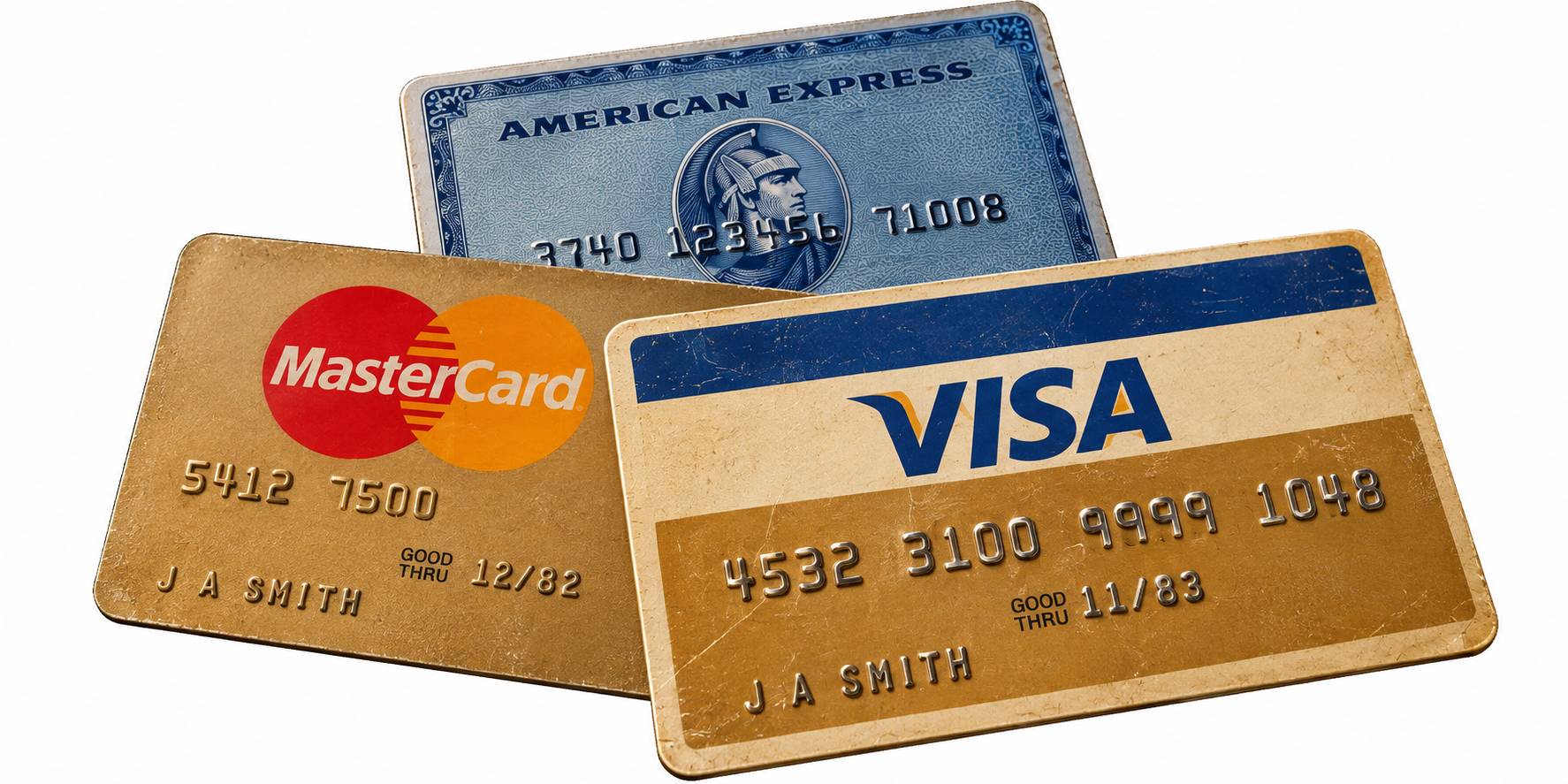
Carrying a credit-card balance was expensive during the decade. Credit-card interest rates reached 17.31% in 1980, rising to 18.78% in 1983.
5. A $1.40 Gallon of Gas Wasn’t As Cheap As It Looks
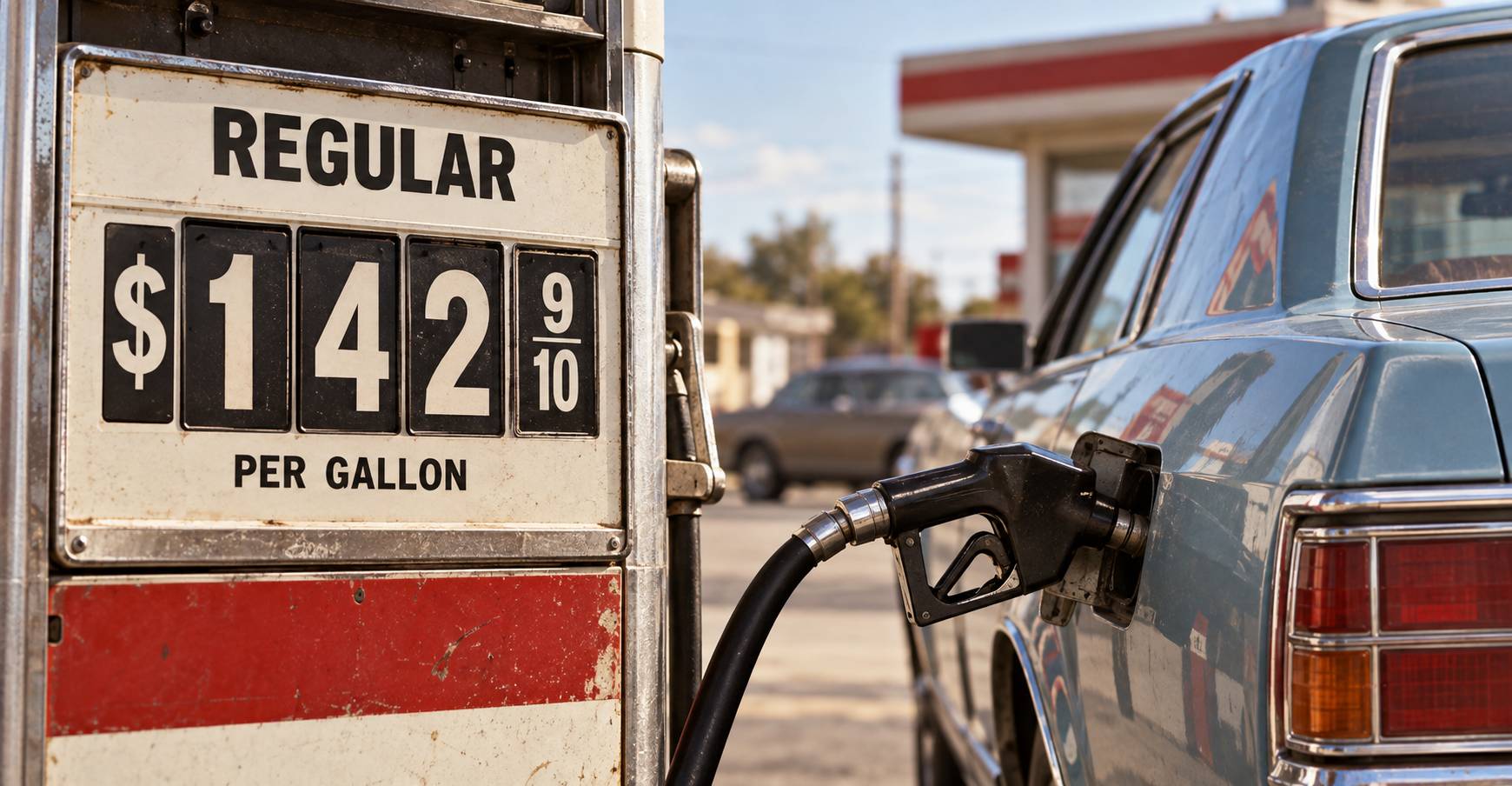
Gas prices from the early 1980s can sound low until inflation is considered. A gallon averaged about $1.42 in March 1981, but the Bureau of Transportation Statistics calculated $3.86 in 2016 dollars.
Trending on Wealth Gang


6. Energy Consumed a Much Bigger Piece of the Budget
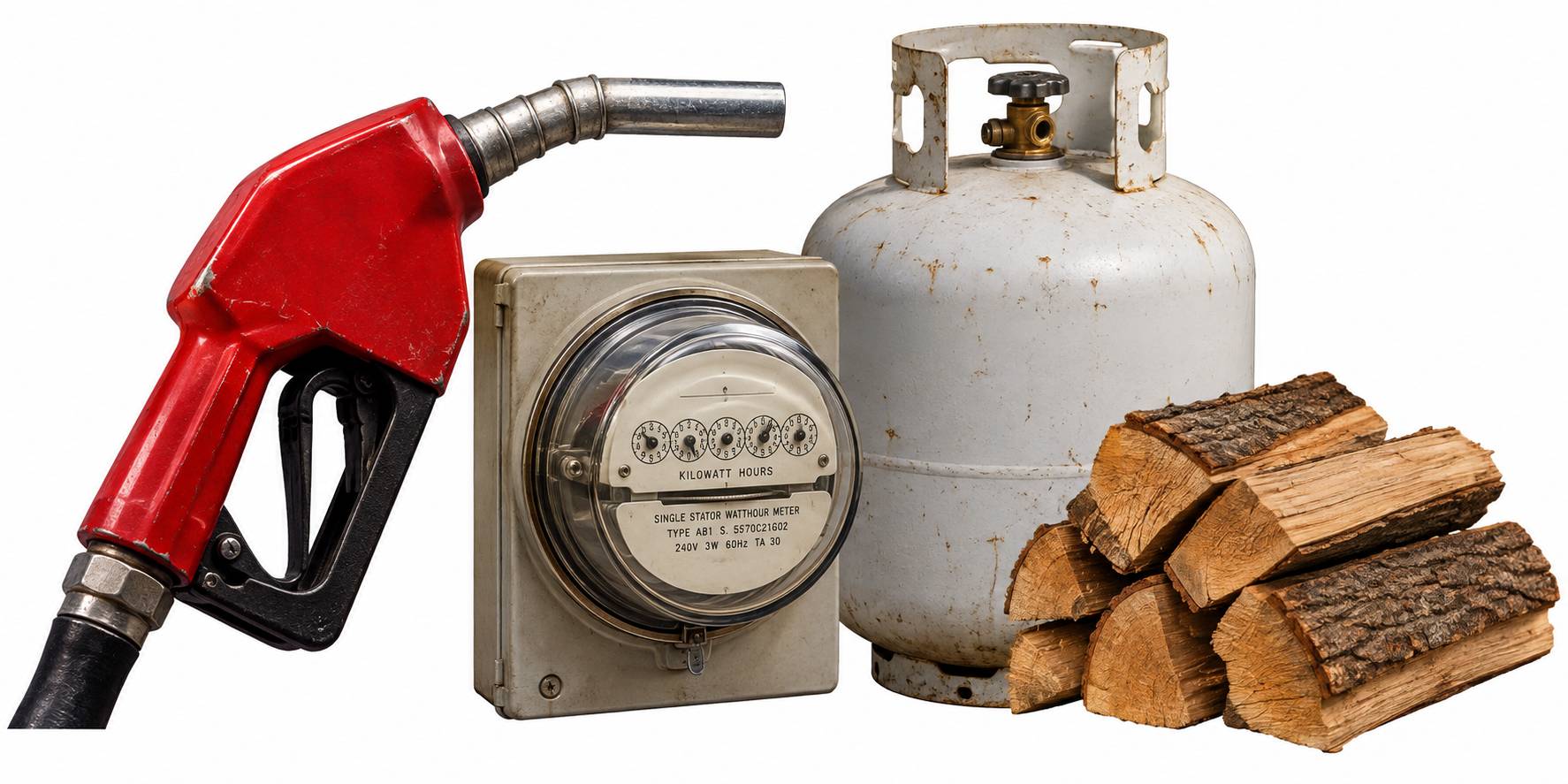
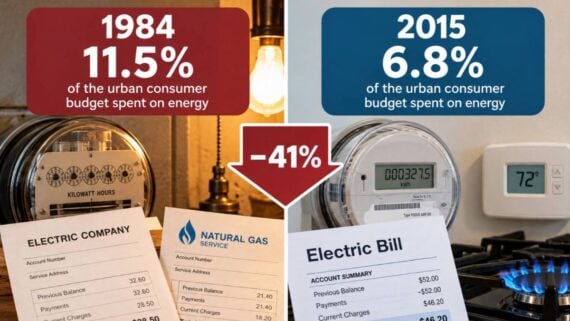
High energy costs extended beyond the gas pump. Bureau of Labor Statistics data show energy accounted for about 11.47% of the typical urban consumer’s budget in 1984. By 2015, the share was only 6.82%, meaning energy consumed roughly 40% less of the budget.
7. Transportation Took More Than 1/5 of A Budget
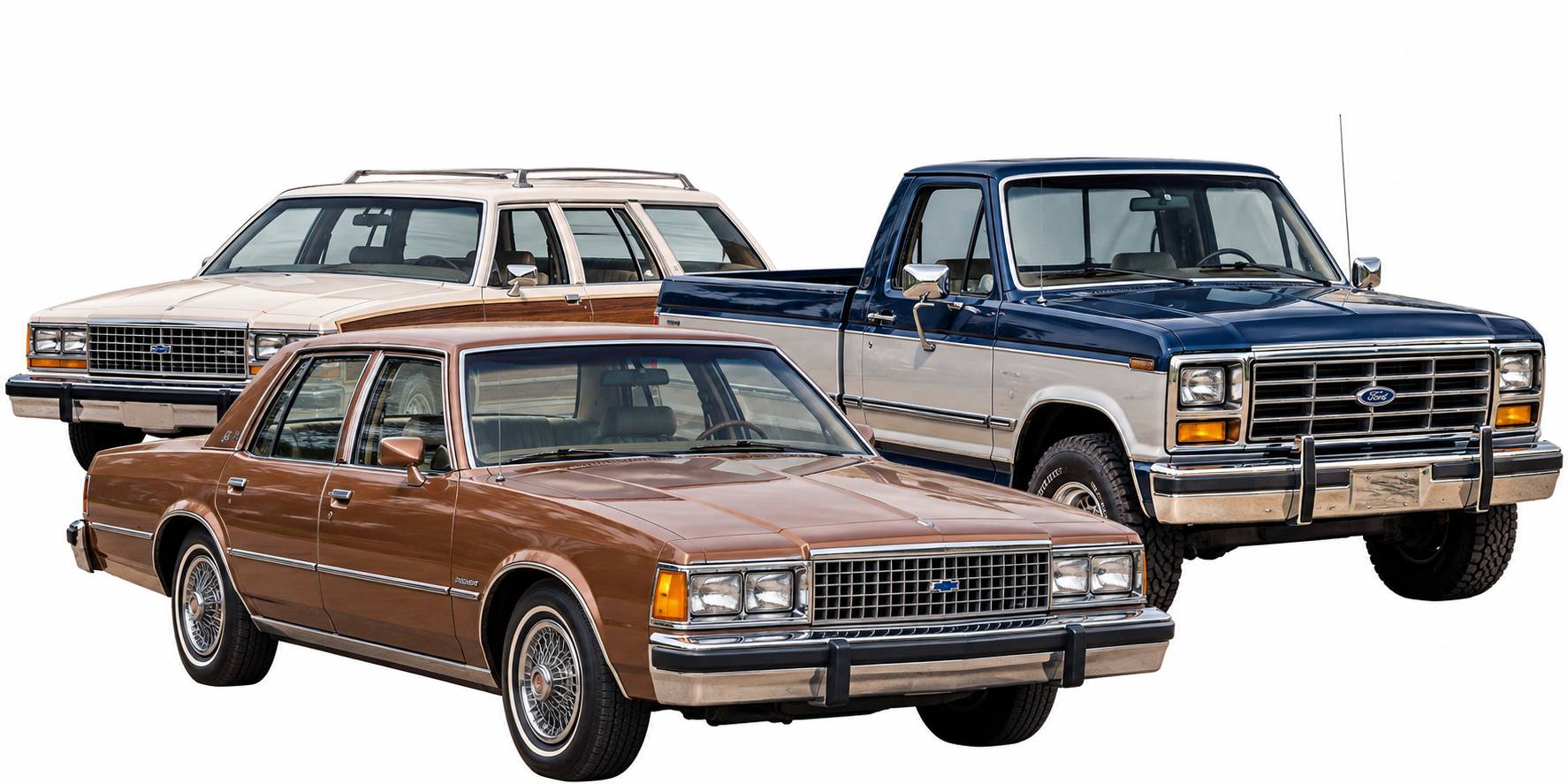
Transportation consumed about 21.63% of the typical urban consumer’s budget in 1984, compared with 15.26% in 2015. Gasoline, vehicle purchases, financing, maintenance, and other transportation expenses added up quickly.
8. Food & Drinks Took 20 Cents of Every Consumer Dollar

Food and beverages accounted for about 19.8% of the typical urban consumer budget in 1984. By 2015, that figure had fallen to just under 15%, meaning food claimed one-quarter less of the consumer budget.
Sign up for our newsletter
9. Groceries Alone Took About 13% of the Budget

Eating at home was expensive in relation to the rest of household spending. In 1984, groceries represented about 12.58% of the typical urban consumer budget. By 2015, that share was only 8.23%.
10. Meat, Fish & Eggs Took More Than Twice the Budget Share

Protein staples were especially expensive relative to everything else families bought. Meat, poultry, fish, and eggs represented about 3.97% of urban consumer spending in 1984, compared with only 1.88% in 2015.
11. Clothes Took a Much Bigger Bite Out of Paychecks

Apparel accounted for about 5.06% of the typical urban consumer budget in 1984, compared with 3.10% in 2015.
12. College Costs Were Climbing Faster Than Inflation

Tuition, room, and board charges began rising after 1979-80, especially at four-year institutions. By the mid-1980s, families were already confronting a trend that intensified for decades.
13. An IBM PC Cost Thousands
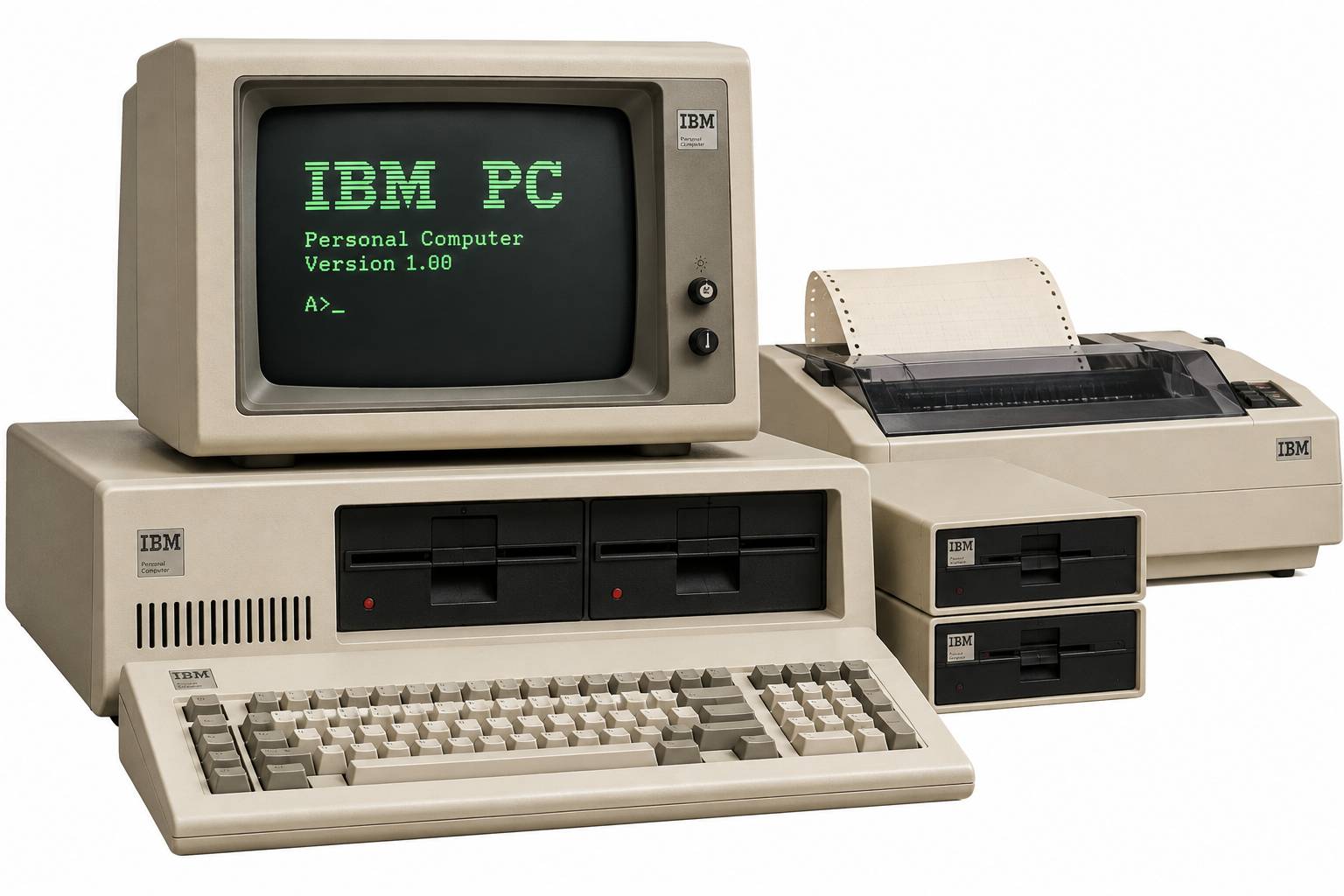
IBM introduced its PC in 1981 at $1,565. IBM says adding a display, two disk drives, and a printer cost nearly another $3,000, potentially pushing a useful setup well above $4,000 in 1981 dollars.
14. The Original Macintosh Cost $2,495
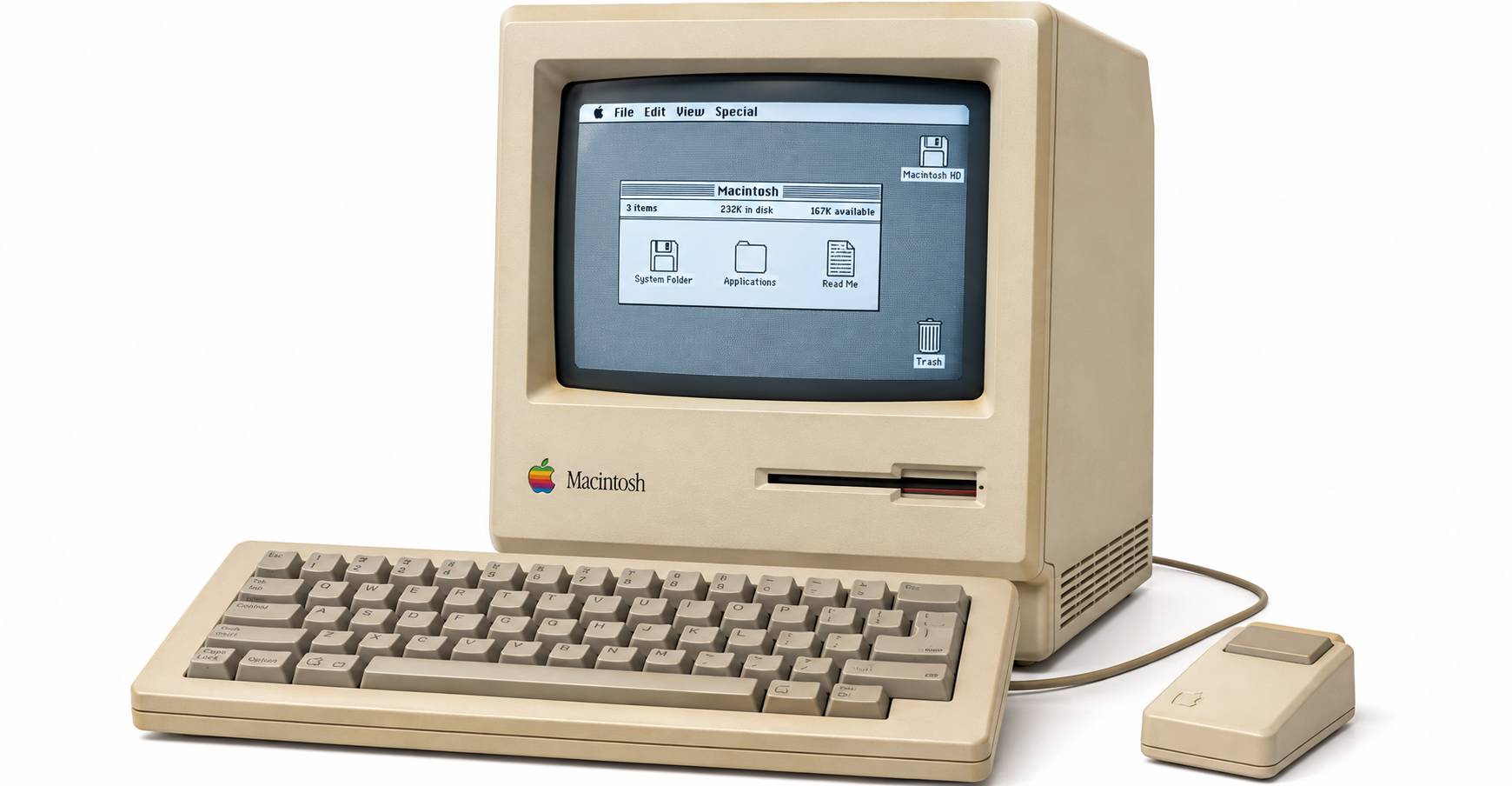
The first Macintosh launched in 1984 for $2,495, according to the Computer History Museum. That price bought 128 kilobytes of memory and technology that seems extraordinarily limited to modern standards.
15. First Commercial Cellphone Cost About $4,000
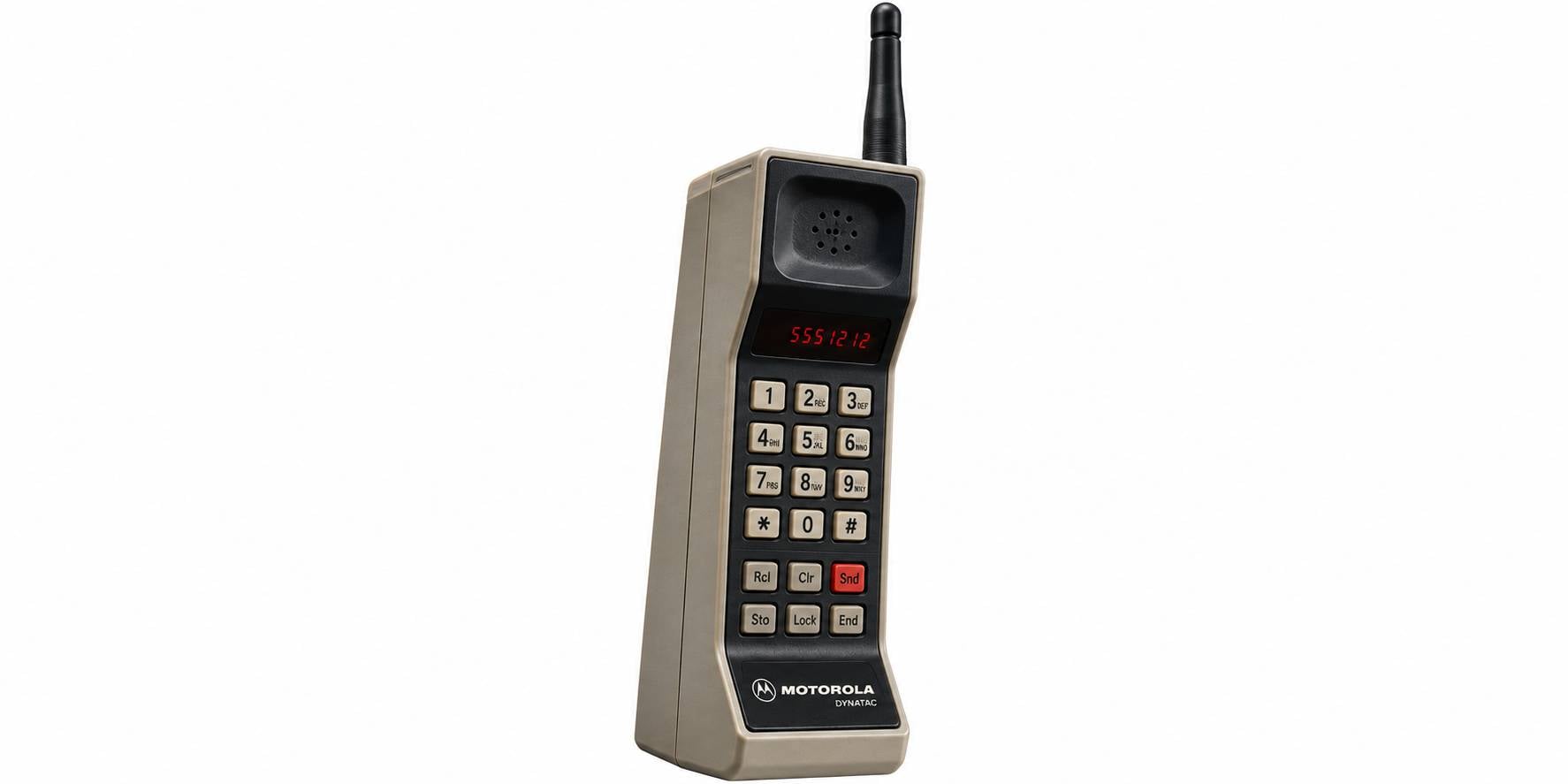
Motorola’s DynaTAC became the first commercially available portable cellphone in the U.S. in the 1980s. Smithsonian records put its price at about $4,000. Mobile calling was a luxury aimed at a very small group of customers.
16. Using Cellphone Cost Money Every Minute
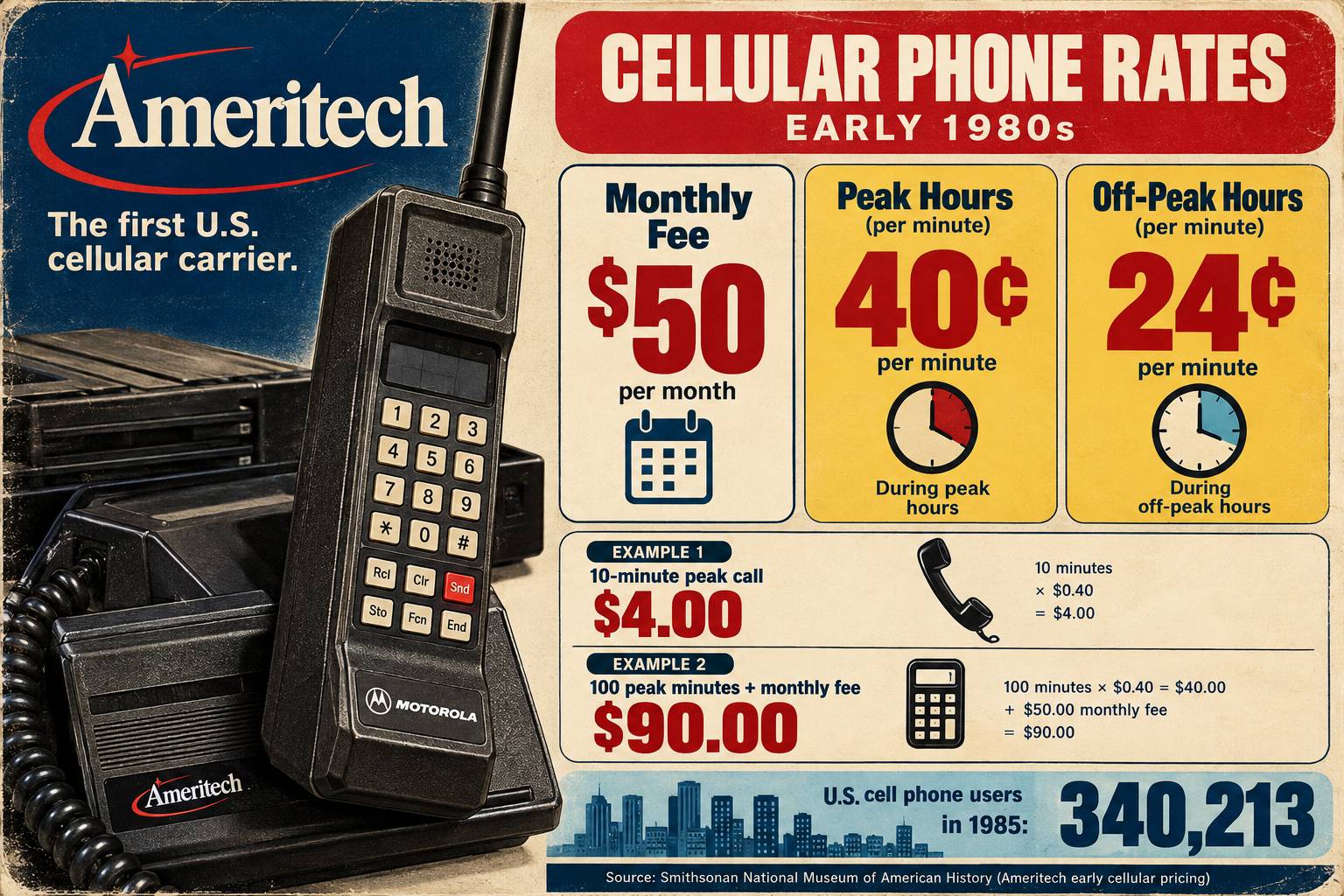
Ameritech, the first U.S. cellular carrier, charged $50 per month plus 40 cents per minute during peak hours and 24 cents off-peak.
17. A VCR Could Cost Hundreds of Dollars
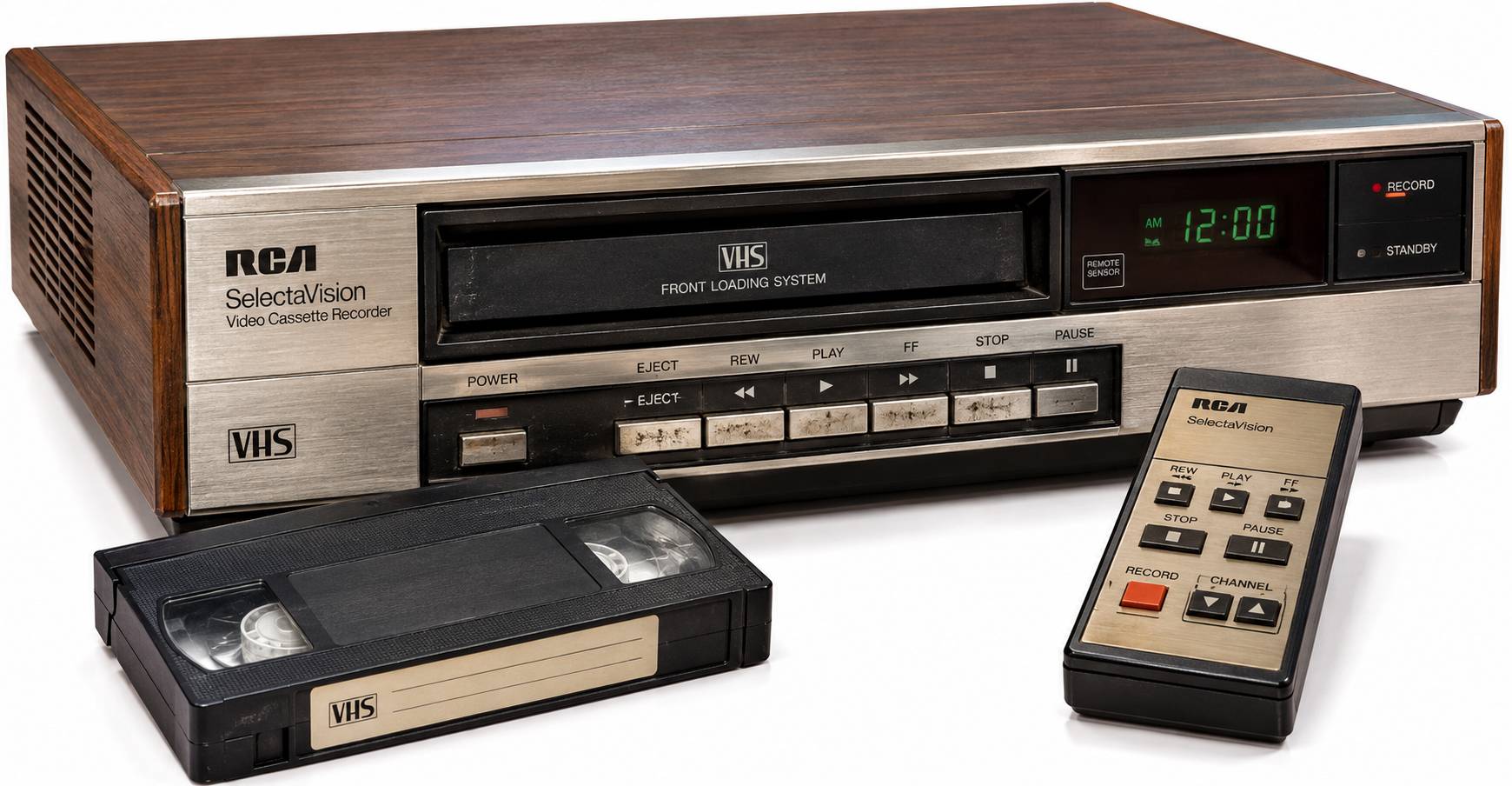
1983 VCRs generally retailed for $400 to $900, even after prices had fallen from the $1,000-plus levels of the late 1970s. Owning a machine to record television or rent movies remained a serious purchase.
18. Buying a Movie on VHS Could Cost $50
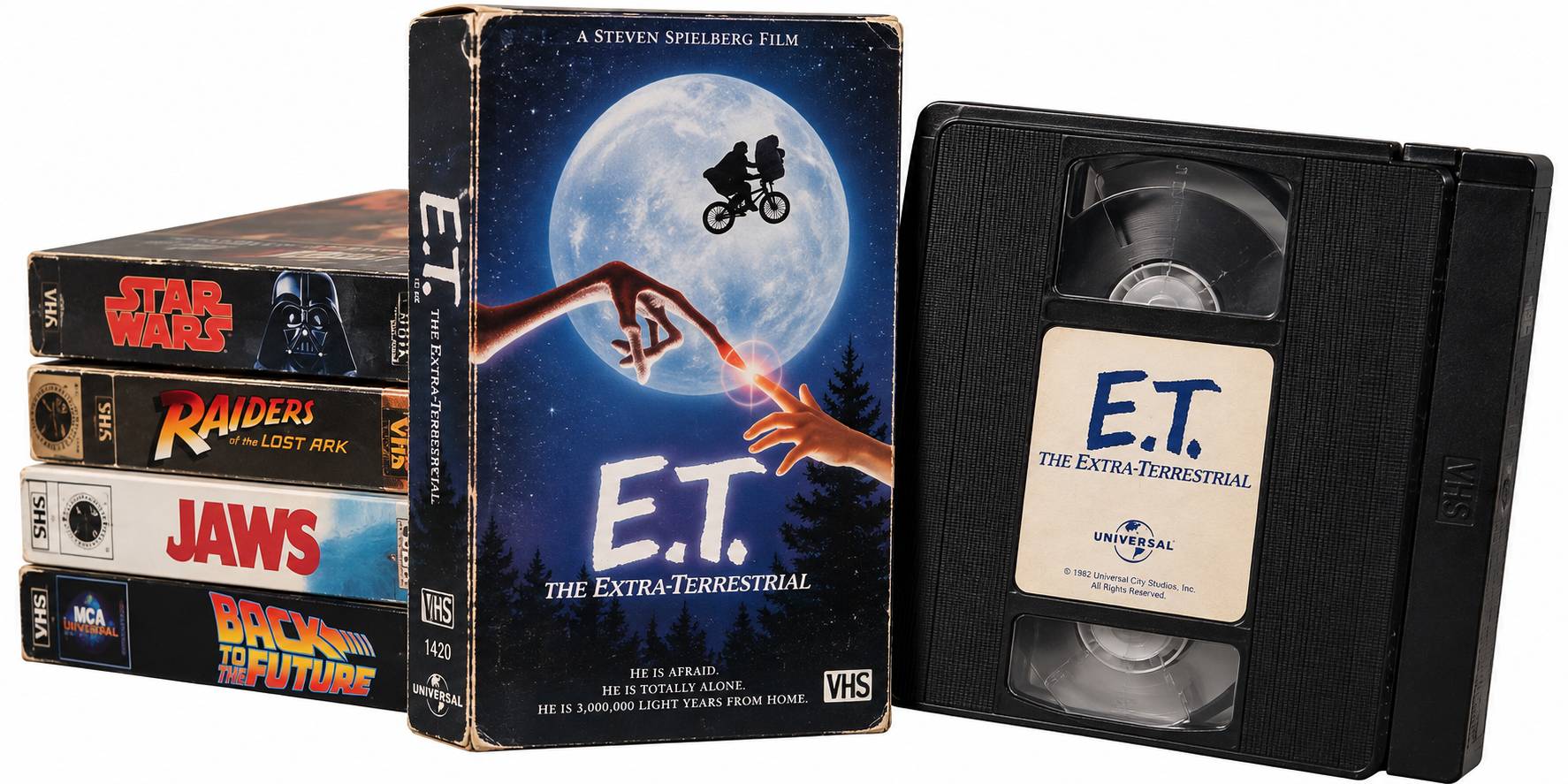
Streaming subscriptions did not exist, and building a personal movie library could be very expensive. Research found that prerecorded videocassettes generally sold for $40 to $70 between 1980 and 1983.