
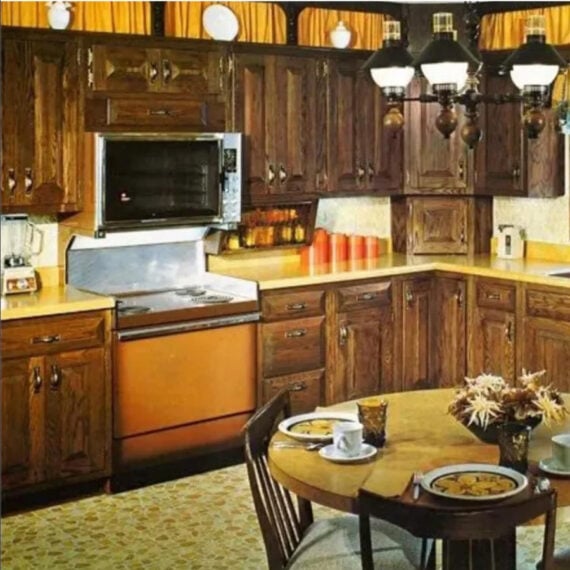
Kitchens in the 1970s were filled with gadgets, appliances, and everyday tools that would look unfamiliar to many younger people today. Long before touchscreens, smart appliances, and single-use conveniences, preparing meals often required a little more hands-on work.
Some of these kitchen staples disappeared because newer technology made them unnecessary, while others simply fell out of fashion. From countertop appliances to storage containers, these 18 items were once perfectly ordinary parts of the American kitchen.
1. Electric Can Openers
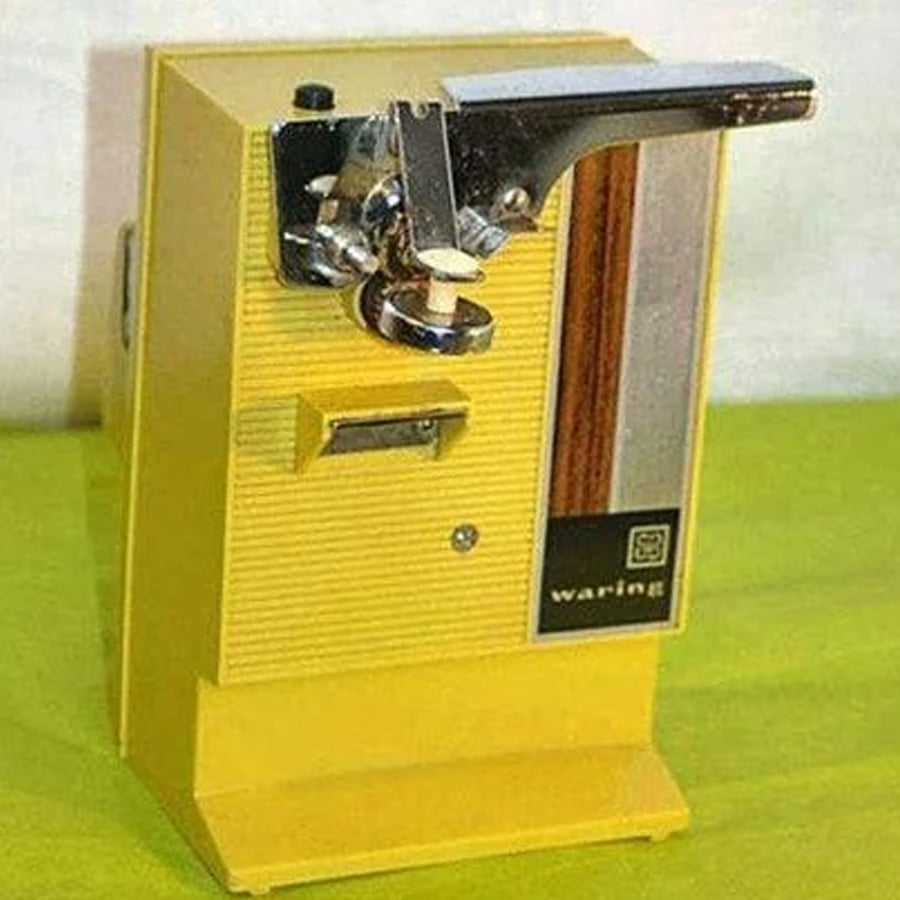
Electric can openers were a common sight on 1970s countertops. Instead of turning a handheld opener around the rim, users attached the can to the machine and let a small motor do the work. They were especially popular when canned vegetables, soups, and sauces were everyday pantry staples.
2. Hand-Crank Egg Beaters
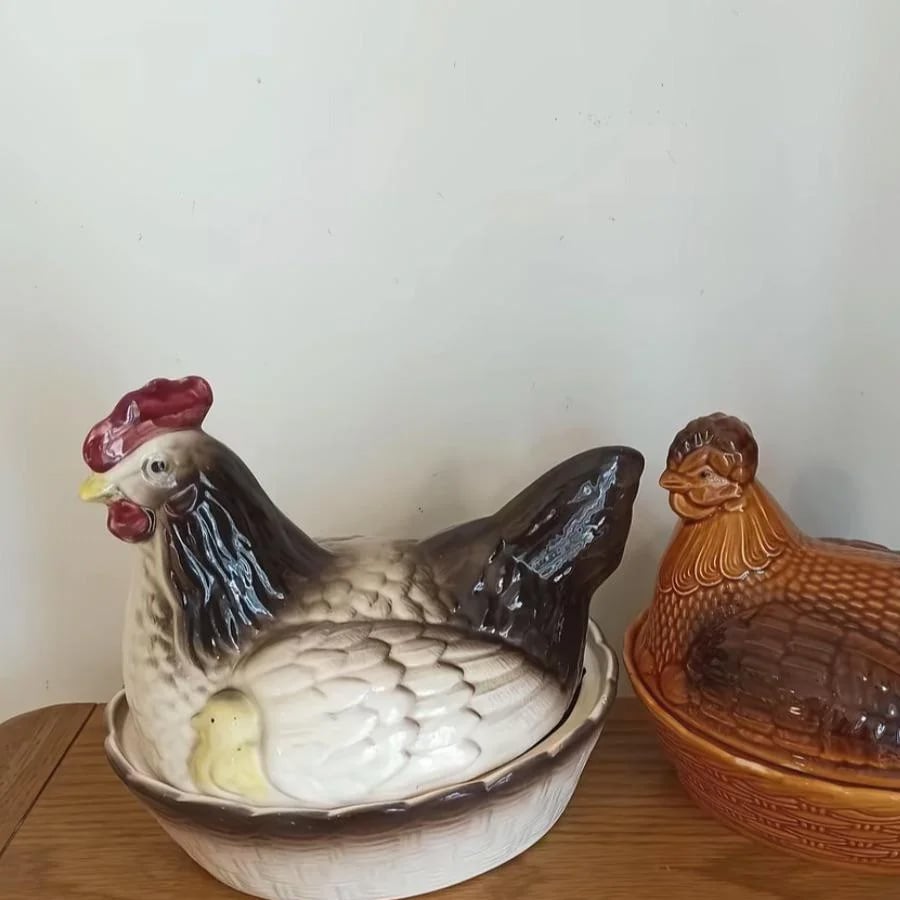
Before electric hand mixers became inexpensive and widespread, many kitchens had rotary egg beaters. Turning the handle spun two metal beaters simultaneously, making them useful for whipping eggs, cream, and cake batter without electricity.
3. Pressure Cookers With Rocking Valves
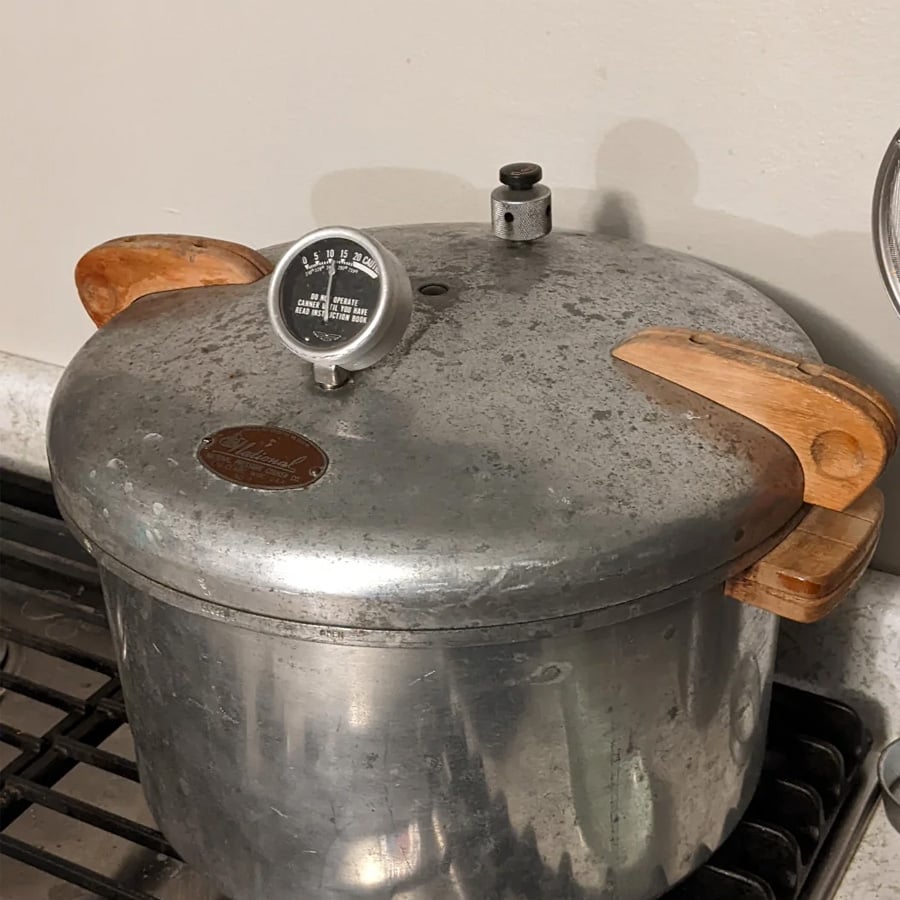
Traditional stovetop pressure cookers used weighted valves that rocked or rattled as steam escaped. They could dramatically reduce cooking times, but operating one required paying attention to pressure levels and heat in a way modern electric pressure cookers largely automate.
4. Manual Ice Cube Trays
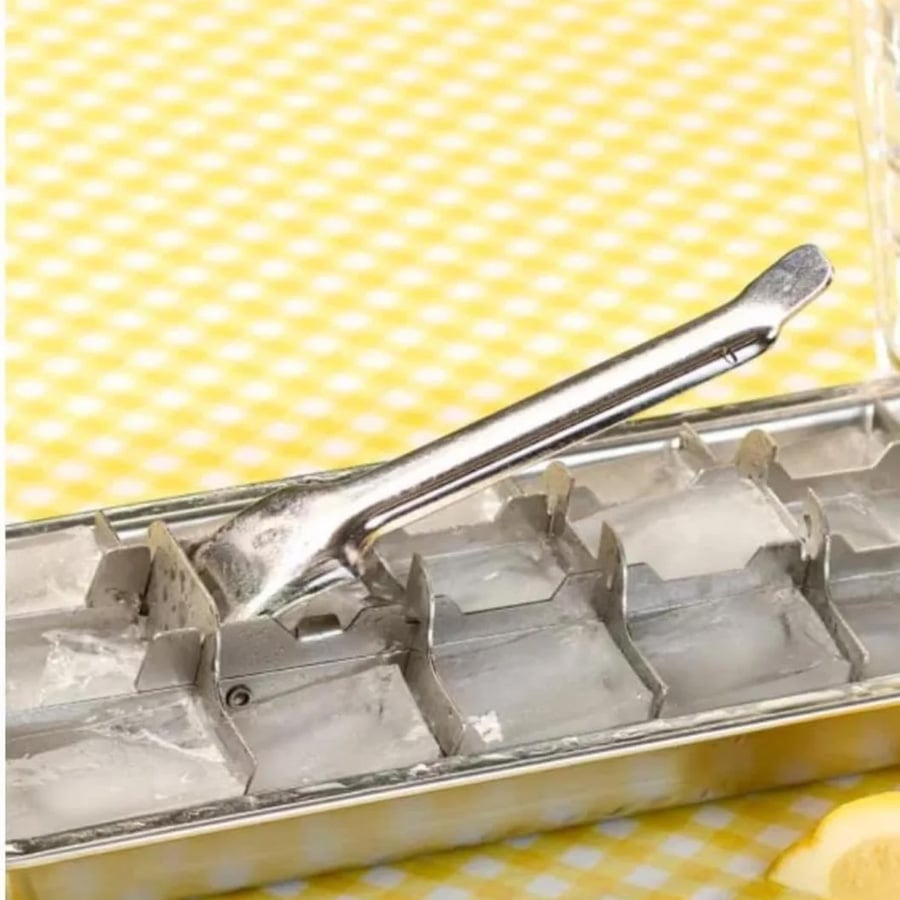
Metal ice cube trays with a large lever were still found in many kitchens. Pulling the handle cracked the ice loose from its compartments, often requiring considerably more force than today’s flexible plastic and silicone trays.
5. Electric Carving Knives
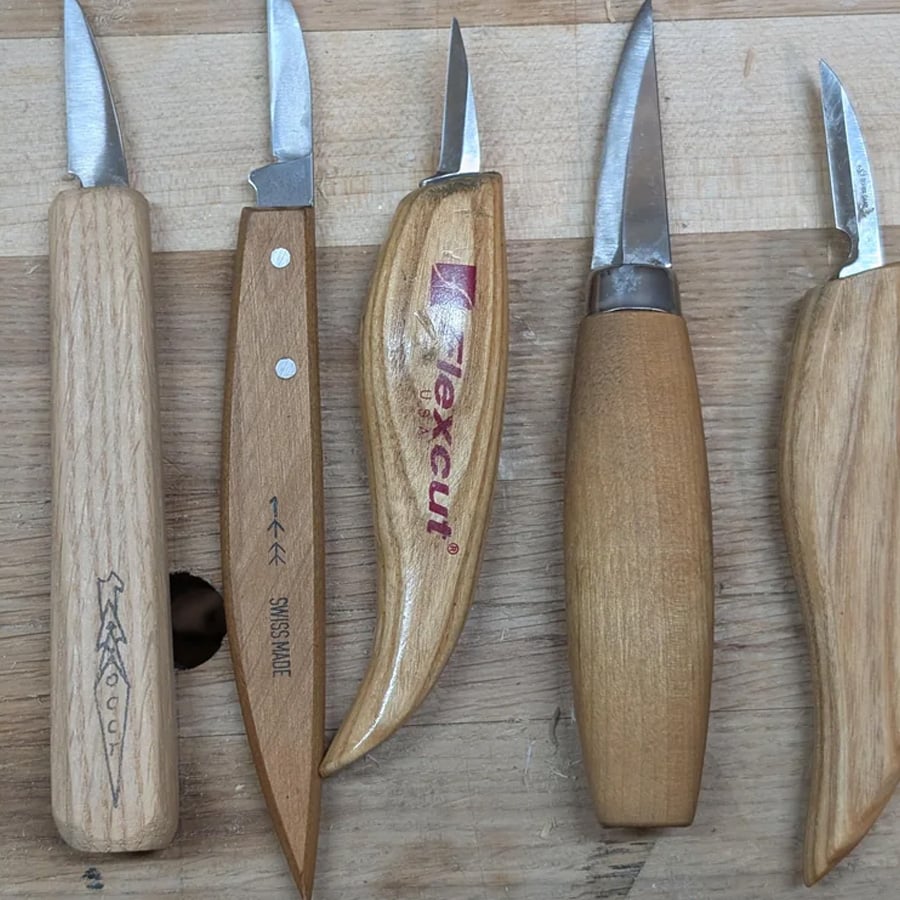
Electric carving knives became a popular kitchen gadget for slicing roasts, turkey, and homemade bread. Their rapidly moving serrated blades promised neat, effortless slices and were often brought out for holiday meals and special occasions.
Trending on Wealth Gang


6. Flour Sifters
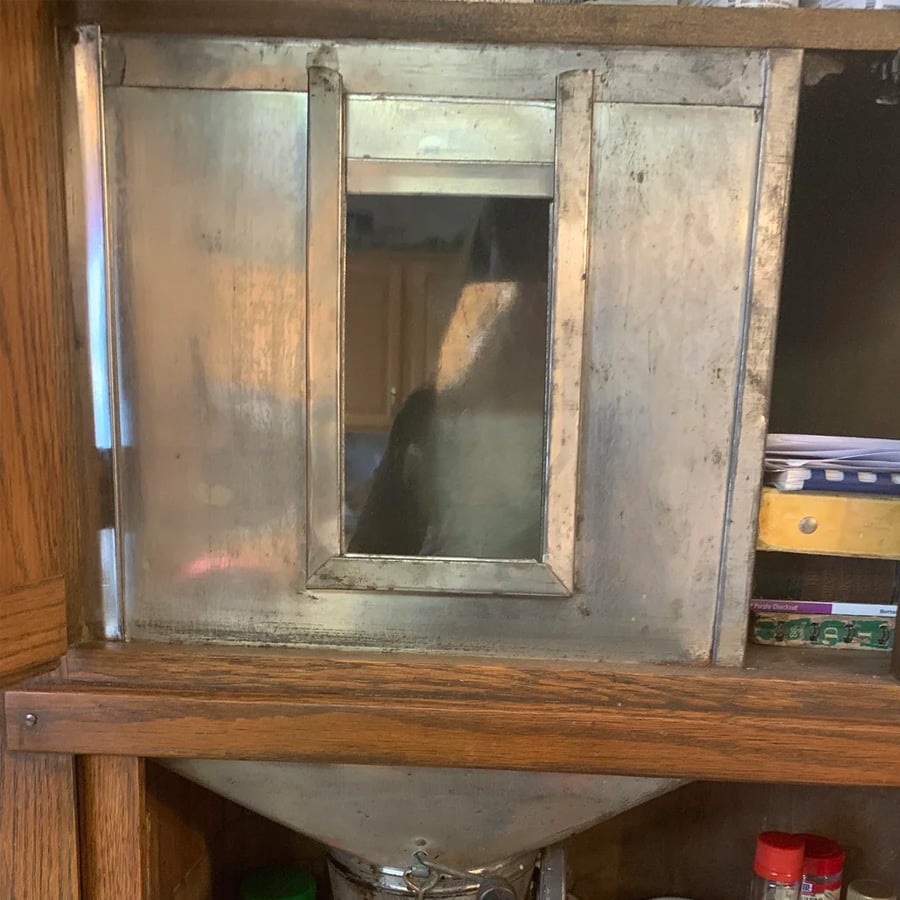
A handheld flour sifter was a basic baking tool in many homes. Flour was poured into the metal container and pushed through a fine screen using a crank or squeeze mechanism, helping remove lumps and aerate dry ingredients before baking.
7. Percolator Coffee Pots
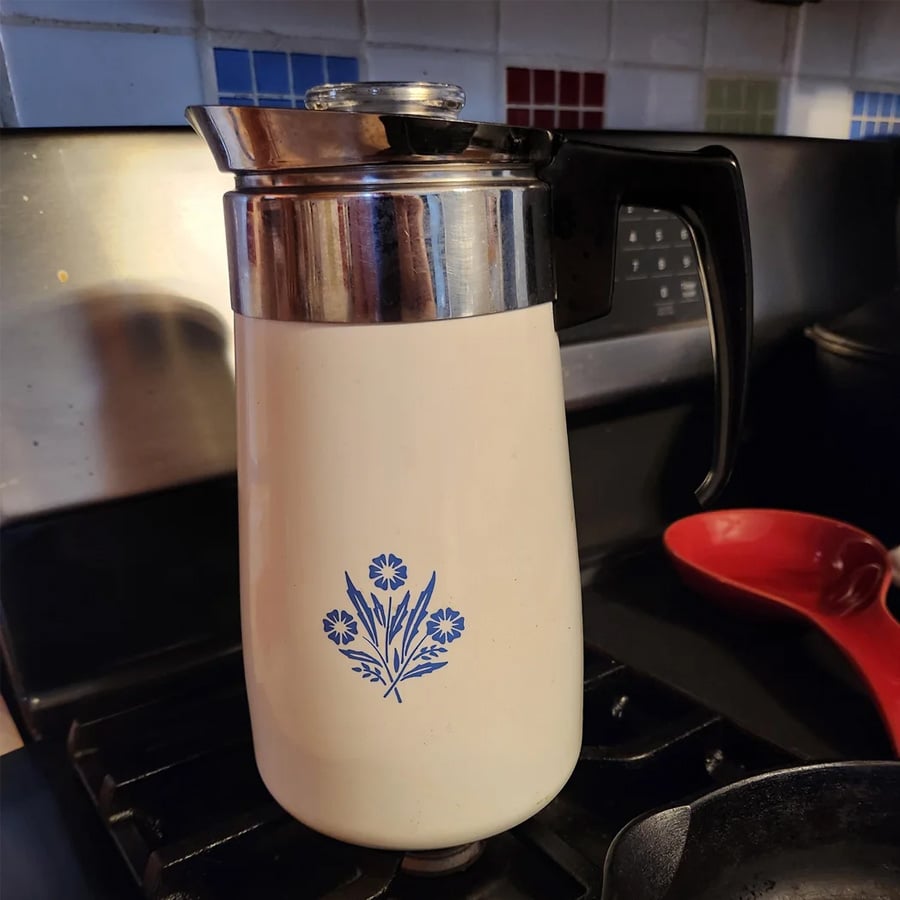
Before automatic drip machines became dominant, many households made coffee with a percolator. Water repeatedly circulated through the coffee grounds as it heated, producing the strong brew that became a familiar part of countless American breakfasts.
8. Butter Dishes Kept on the Counter
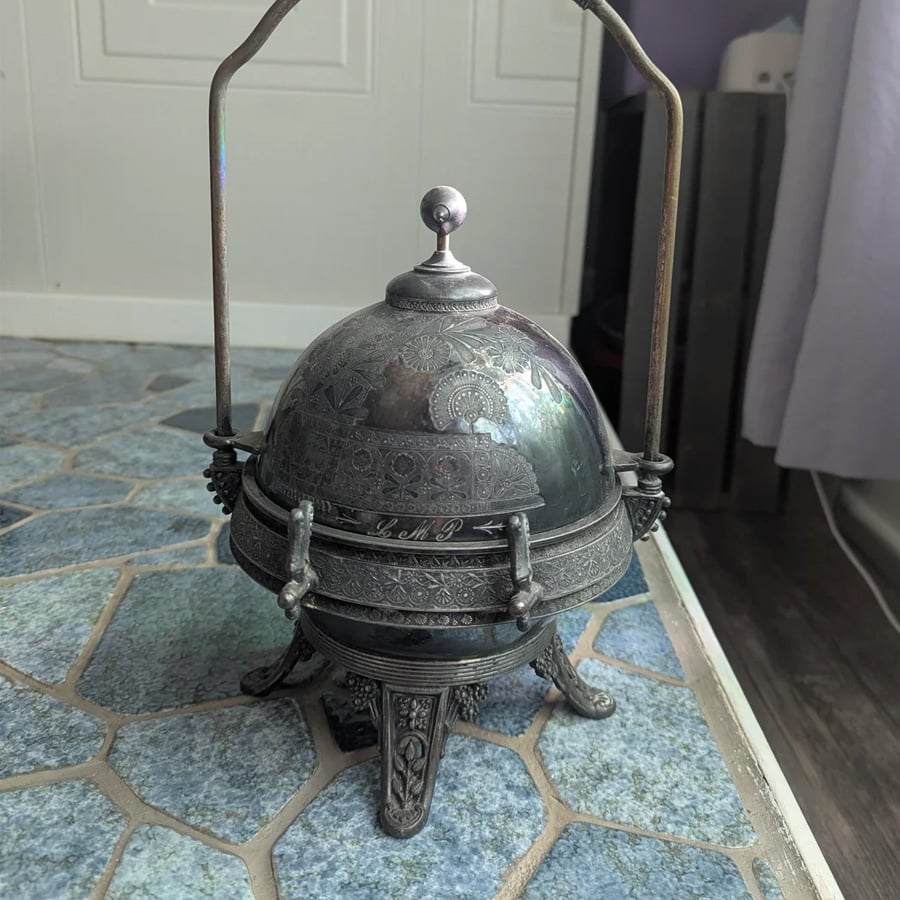
Covered butter dishes were frequently left on kitchen counters so butter remained soft enough to spread. While butter dishes still exist, younger households accustomed to refrigerated tubs and spreadable alternatives may rarely use one this way.
Sign up for our newsletter
9. Countertop Electric Skillets
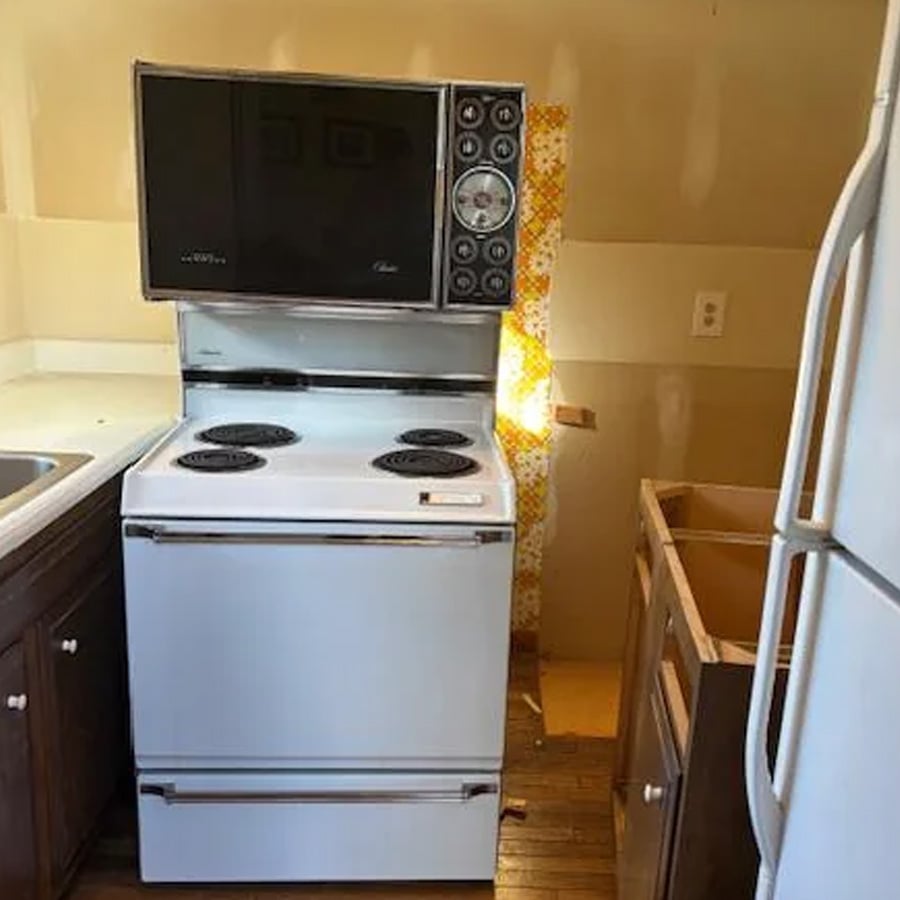
Large rectangular electric skillets offered families an extra cooking surface without using the stove. They were used for everything from pancakes and bacon to casseroles and fried chicken, and many models came with distinctive domed lids.
10. Meat Grinders
Manual meat grinders could be clamped directly onto a countertop or table. Home cooks fed chunks of meat into the top and turned a crank to produce ground beef, sausage mixtures, or other preparations that are now commonly purchased already processed.
11. Potato Ricers
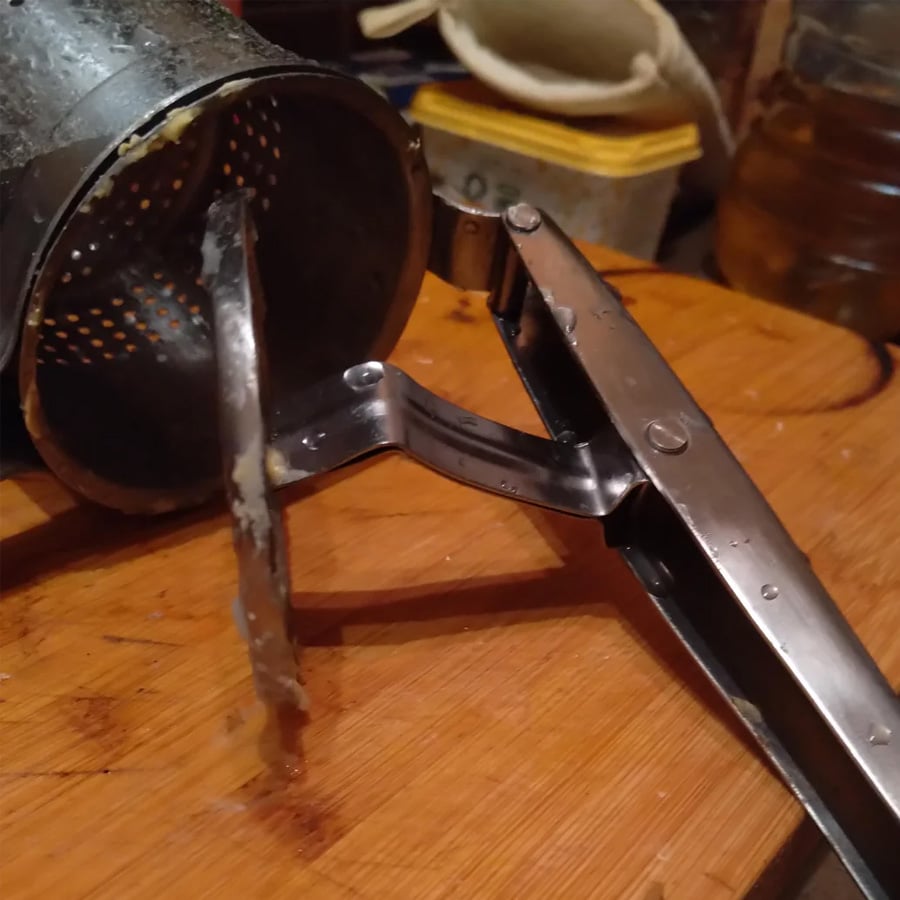
A potato ricer resembled an oversized garlic press and pushed cooked potatoes through small holes. The resulting fine pieces helped create smooth mashed potatoes, although electric mixers and other modern tools eventually reduced its everyday popularity.
12. Aluminum Measuring Cups
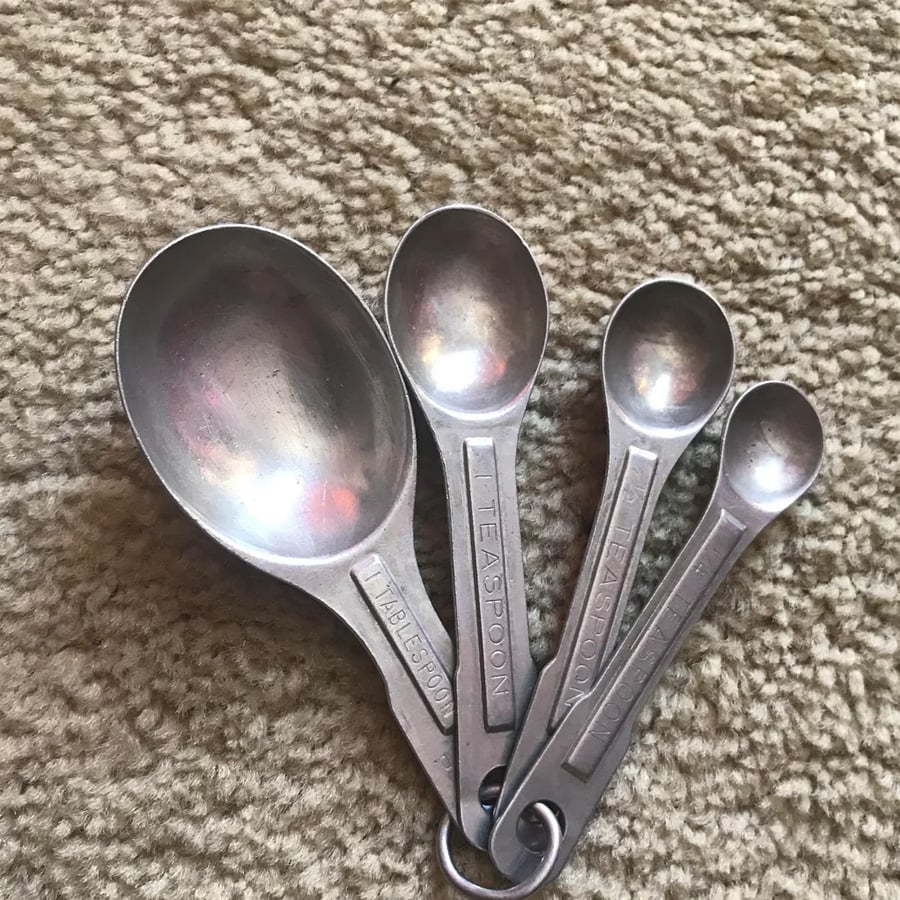
Lightweight aluminum measuring cups were kitchen standards for decades. Often sold as nested sets with simple stamped measurements, they were inexpensive, durable, and used for nearly every type of home baking.
13. Wall-Mounted Can Openers
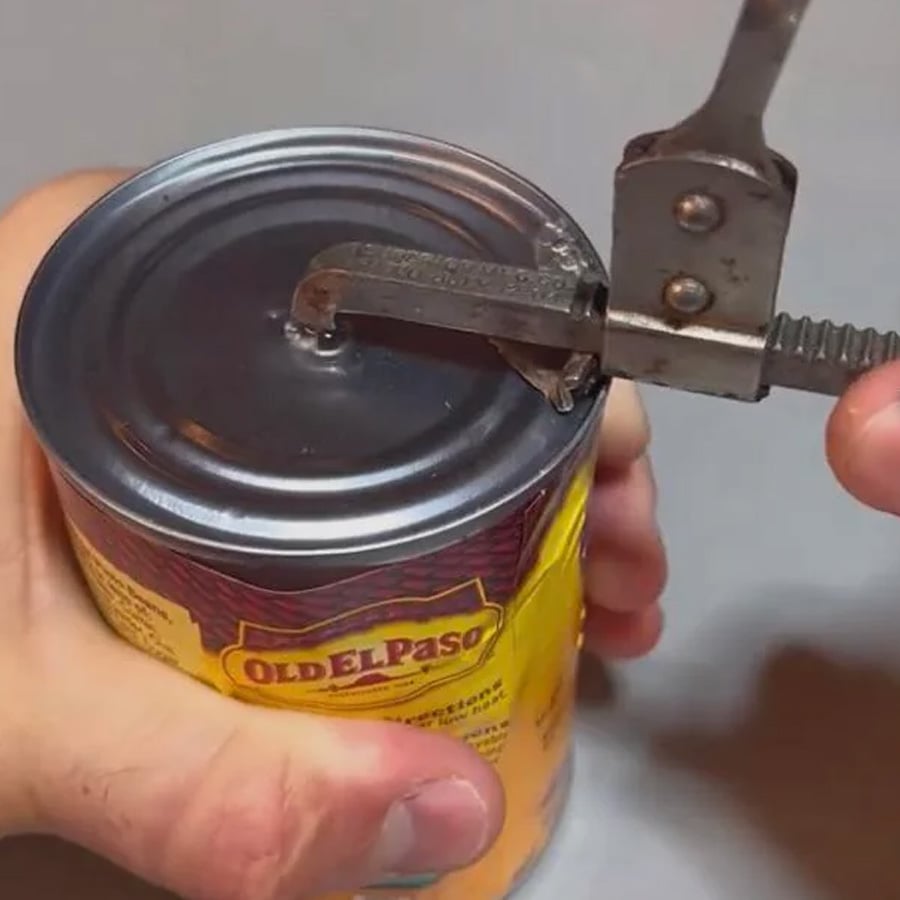
Some kitchens had heavy manual can openers permanently mounted to a wall or cabinet. The cook inserted a can beneath the cutting mechanism and turned a large handle, freeing up drawer space while providing a sturdy way to open cans.
14. Electric Fondue Pots
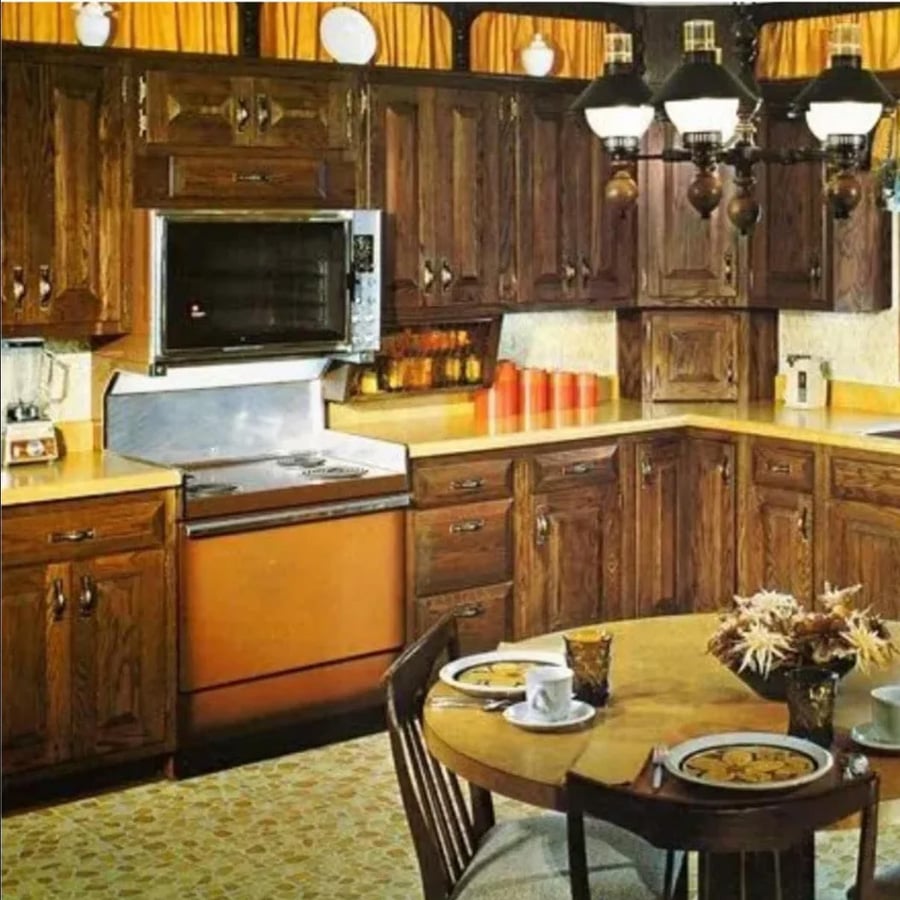
Fondue became a major entertaining trend during the 1970s, and electric fondue sets appeared in many homes. Guests gathered around the pot using long forks to dip bread into cheese, meat into hot oil, or fruit into melted chocolate.
15. Recipe Card Boxes
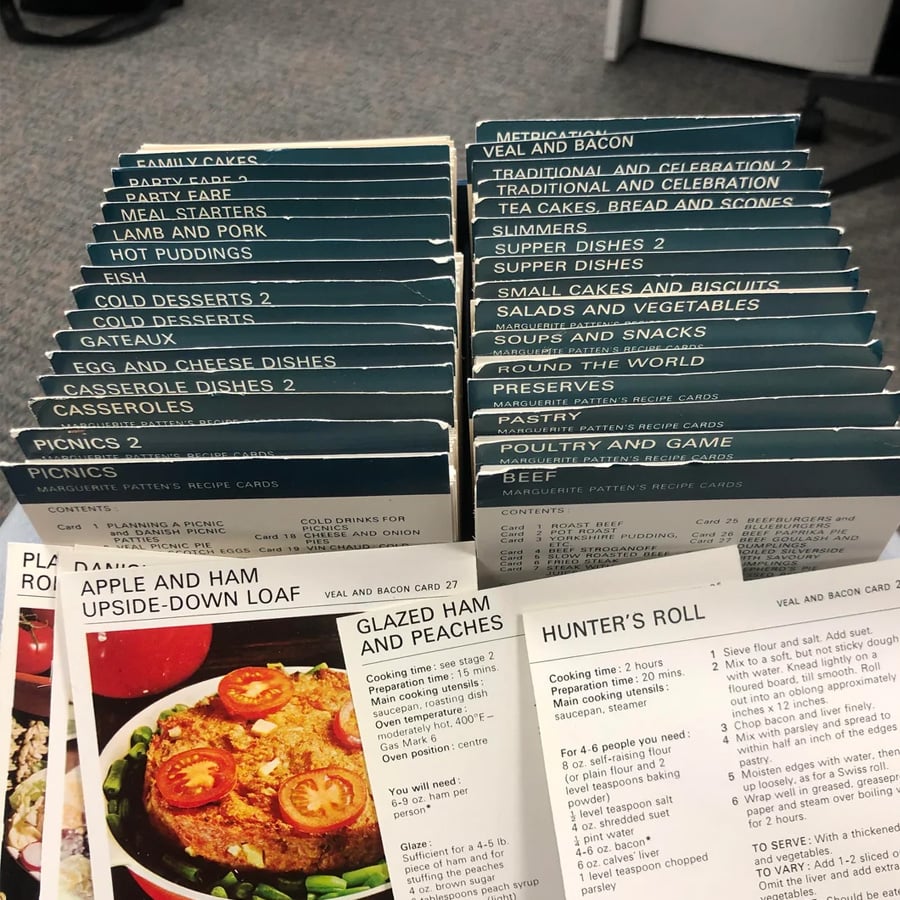
Long before recipes were saved on phones or bookmarked online, families organized them on handwritten index cards. Small boxes with alphabetical dividers often contained decades of favorite meals, desserts, and recipes passed between relatives and friends.
16. Manual Food Mills
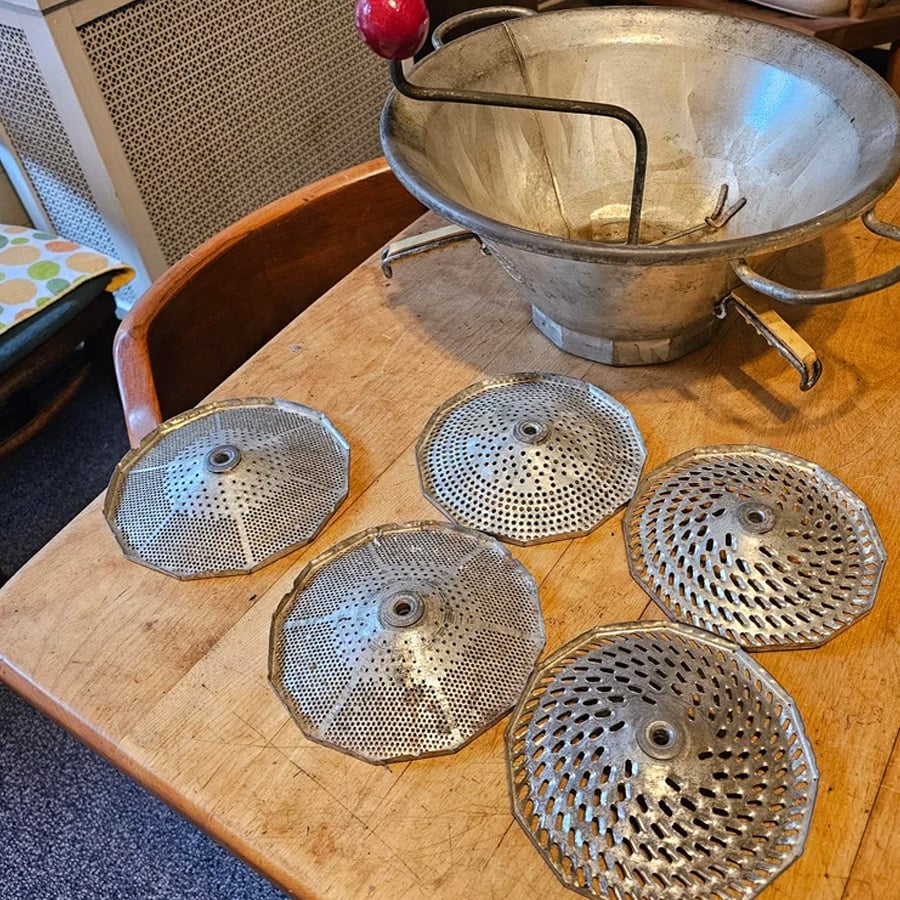
Food mills combined a bowl, perforated plate, and hand-operated crank. Turning the handle forced cooked vegetables or fruits through the holes, making smooth sauces, soups, and purees without needing a blender or food processor.
17. Grease Containers
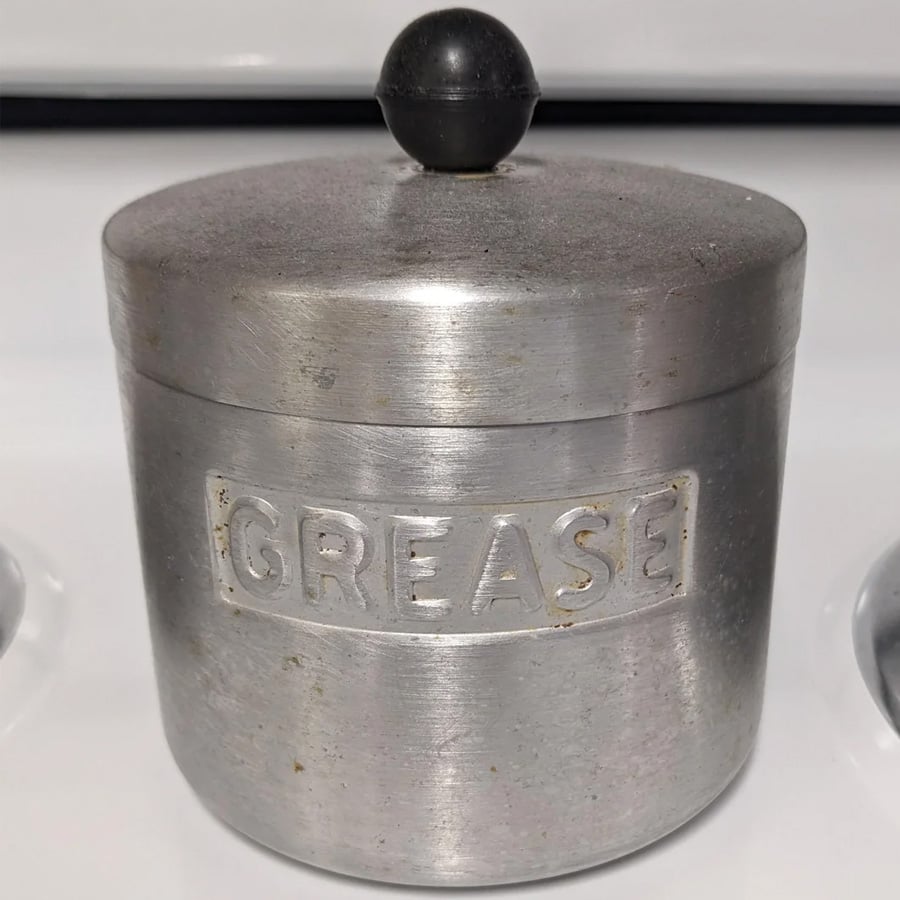
Many households kept a dedicated metal or ceramic container near the stove for saving bacon grease and other cooking fats. The grease could later be reused for frying or adding flavor to dishes, reducing waste and stretching kitchen ingredients further.
18. Vacuum-Sealed Glass Storage Containers
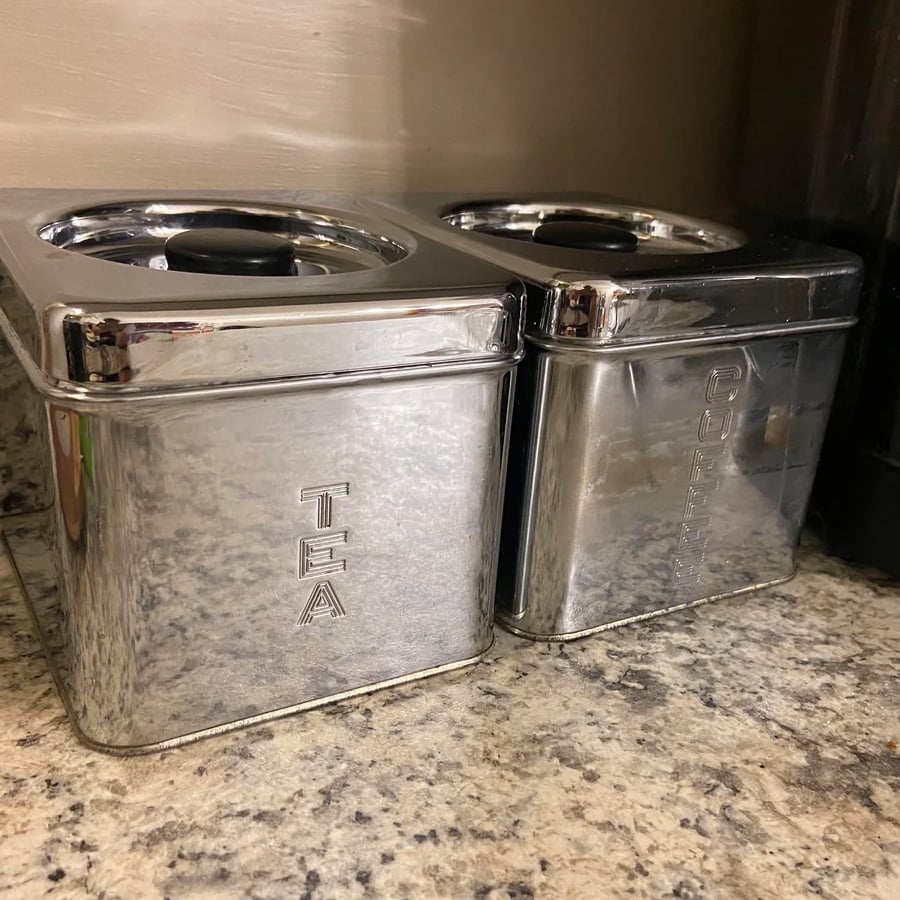
Before disposable plastic containers became the default, kitchens often relied heavily on glass jars and containers with tight-fitting lids. Leftovers, dry ingredients, preserves, and homemade foods were stored in reusable glass containers that could remain in service for years.
More Related Notes
• 16 Vintage Appliances That Were Built to Last for Decades.
Explore vintage kitchen and household appliances remembered for their sturdy construction, simple designs, and ability to remain useful for decades.
• 14 Kitchen Items Boomers Threw Away That Are Worth Money Today.
Discover once-common kitchen items that many households discarded over the years, only for surviving examples to become nostalgic and potentially valuable collectibles.
• 12 Everyday Objects Younger Generations Wouldn’t Know How to Use.
Take a look at everyday objects that were once familiar parts of daily life but have largely disappeared as new technology and modern conveniences took their place.