
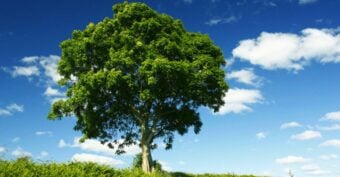
Did you know that there are extraordinary trees that only a few people in the world can afford to own? Their shapes and beauty make them seem more like a dream than reality. This article brings together a selection of truly spectacular specimens that only the wealthiest individuals can acquire. Each of these trees has been planted and nurtured as a genuine symbol of botanical status. Through their crowns, branches, and roots, they reveal stories of wealth, design, and natural desire that only a privileged few can experience.
1. Centuries-Old Bonsai

Centuries-old bonsai trees are objects of worship among wealthy collectors; they are displayed in private museums and collections. One public example is Kunio Kobayashi, whose Shunkaen Bonsai Museum in Tokyo houses specimens worth fortunes and attracts high-end buyers and enthusiasts. These bonsai require almost obsessive care. They must be pruned constantly and transplanted frequently. For a wealthy collector, owning a unique bonsai is a symbol of status. Many collectors maintain networks of experts who travel specifically to preserve each piece.
2. Wollemi Pine

It is a prehistoric relic, and its availability has been tightly controlled since its rediscovery; for that reason, it has become a museum piece symbolizing status and a prized item in private collections. A famous example was the planting of the first private specimen at the Tregothnan Estate, which demonstrated the desire of wealthy landowners to possess extraordinary species.
3. Giant Sequoia

These trees are monumental, requiring vast expanses of land; for this reason, they are typically found on ranches and historic estates owned by wealthy families who have inherited or purchased forested properties. The Richardson family, for example, has privately owned large redwood forests for generations until certain parcels were incorporated into conservation programs. Owning redwoods on private property is synonymous with land heritage and the financial means for forest management.
4. Moreton Bay Fig

Ficus trees are common on islands and in tropical mansions of the ultra-rich. These trees develop roots and canopies that span dozens of meters, turning gardens into miniature forests. Wealthy owners preserve them as living sculptural pieces, often enhanced with nighttime lighting and pathways designed around them. They are symbols of longevity and exoticism in private collections.
5. Crape Myrtle

Millennial olive trees are Mediterranean trophies: their age and twisted appearance turn a garden into an almost sacred place. The very wealthy buy or preserve centuries-old olive trees to give their properties historical authenticity and aesthetic value. Maintaining these trees requires teams of arborists and special permits for transplantation if they are relocated. In luxury markets, a centuries-old olive tree can enhance real estate listings. They are icons of sustainability and heritage.
Trending on Wealth Gang


6. Cedar of Lebanon

A tree of majestic stature, often associated with mansion gardens and aristocratic parks. Wealthy owners use it to convey history and lineage within their gardens: preserving a centuries-old cedar demonstrates continuity and classic taste. Planting and protecting cedars requires space and long-term planning, which is why they are found on estates with professional maintenance. This tree adds architectural presence to the landscape.
7. Blue Atlas Cedar

The blue cedar brings color and elegance thanks to its unique hue and morphology. It is commonly found in gardens designed by landscape architects hired by families and magnates seeking European distinction. It is often planted as a focal point at the entrances of mansions. The tree requires expert pruning and phytosanitary control to maintain its shape and health against fungi and weather conditions.
8. Southern Magnolia

Magnolias are symbols of tradition and opulence: their large white flowers and glossy leaves line the private avenues of historic residences. Suited to temperate climates, these magnolias are used as focal points in garden design and require careful pruning to showcase their blooms. They are highly valued by real estate photographers and luxury tourism.
Sign up for our newsletter
9. Japanese Maple

These trees are prized for their autumn colors and delicate silhouette. Wealthy homeowners incorporate them into gardens with oriental inspiration, with some paying high prices for exclusive cultivars. They require partial shade, controlled watering, and expert care to keep their leaves in perfect condition. In modern mansions, they are used to create contemplative and tranquil spaces.
10. Topiary Sculptures

Topiary sculptures are works that require decades of care and professional gardeners. Wealthy estates commission designs from landscape firms that maintain geometric or animal-shaped figures for generations. A signature topiary is a symbol of power and patience. Beyond their aesthetic value, they serve as marketing elements for properties rented out for luxury events. Their upkeep demands regular pruning and phytosanitary treatments.
11. Baobab

Baobabs are iconic trees of warm climates; when they appear on private properties, they are usually purchased pieces meant to create an air of extreme exoticism. Symbolically, owning a baobab means possessing a unique natural sculpture that few can replicate. Its presence transforms any property into a luxury destination.
12. Ginkgo Biloba

This tree is valued for its longevity and fan-shaped leaves that brighten the autumn season. On private estates, it is often a showcase of botanical curiosity and a symbol of resilience. The wealthy plant it for both its beauty and its historical narrative. Maintaining a centuries-old specimen requires protection against disease and careful root planning near buildings. Ginkgo trees in grand gardens serve as aesthetic and cultural landmarks.
13. Jacaranda

Wealthy property owners plant them to highlight entrances, terraces, and courtyards with a burst of seasonal color. Some collectors pay high prices for cultivars with more intense blooms or for large transplanted specimens. They require careful maintenance for optimal flowering and root protection. On luxury estates, their annual bloom is an occasion for events and photoshoots, celebrated for its vibrant violet color and fresh appearance.
14. Italian Cypress

A row of cypresses framing the entrance to a villa is a classic hallmark of Mediterranean elite estates and period films alike—a symbol of lineage and traditional landscape design. Cypresses enhance the sense of history and territorial grandeur at a main entrance. Wealthy owners use them to create dramatic perspectives and provide visual privacy for the property. They require pruning to maintain straight lines and treatments to prevent common pests.
15. Chinese Elm

Zelkova and Asian elm trees are often part of collections that blend bonsai and living art; in the hands of wealthy collectors, they become exhibition pieces. They are prized for their bark texture and classic form.
16. Monumental Ash Tree

On a luxury estate or expansive property, planting an ash tree gives the garden a sense of maturity, not just new plantings, but a tree that already conveys presence, history, and visual weight.
17. Canary Island Palm and Rare Palms

Large palm trees are emblems of the luxury lifestyle, featured at entrances, pools, and hotels. Resort and mansion owners use them to create tropical, exclusive atmospheres. Some exotic palms are imported and acclimated by landscape designers hired by multimillionaires. They require irrigation, pest control, and occasional replacements due to wind damage.
18. Ancient Yew

These trees are associated with history, mystery, and European tradition. Maintaining a centuries-old yew is often a responsibility passed down through generations; for this reason, they are found on estates with archives and records of historic gardens. Yews are used in formal areas or private botanical mazes.
19. Variegated Box Elder

Many of these trees appear only in high-budget private collections, acquired through auctions from specialized nurseries. Collectors pay for specimens with exotic-looking leaves and trunks, then place them in protected microclimates within their properties. They hold great aesthetic value, and their rarity makes them conversation pieces during private guided tours.
20. Japanese Cherry Blossom

This cherry tree is common in luxury gardens inspired by Japanese landscaping. Some billionaires import mature specimens from Japan to recreate private hanami celebrations.