It seems simple enough, but putting it into practice can become exceedingly difficult. It’s always a wonderful course of action to be prepared to up and sell your antiques with the post-sale plan in effect too.
1. Research the Item’s Value
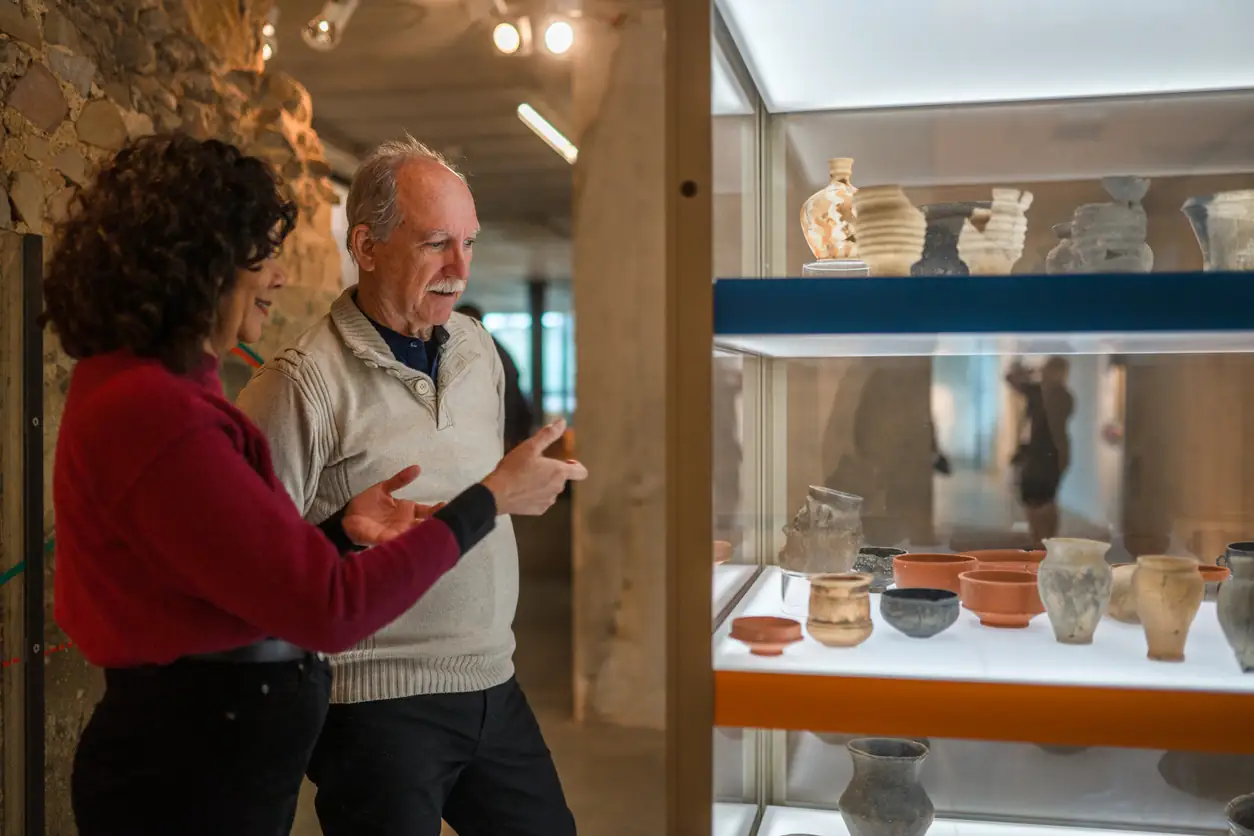
Understanding the value of your antique is the first step in ensuring you price it correctly. To do this, consider looking up similar items that have sold recently, and take note of things like age, condition, and any other distinguishing features. Knowing the market value will give you a realistic idea of what you can expect to get from your sale.
2. Get the Item Professionally Appraised

An appraisal from a professional gives you an accurate estimate of your antique’s worth, especially if it’s rare or has historical significance. Appraisers have the expertise to spot features that add value, such as unique markings or high-quality craftsmanship. While there’s typically a fee for appraisals, this step can help you avoid undervaluing or overpricing your item. You can even get a quote through online sites like Ask Antique Experts.
3. Decide Whether To Restore or Preserve
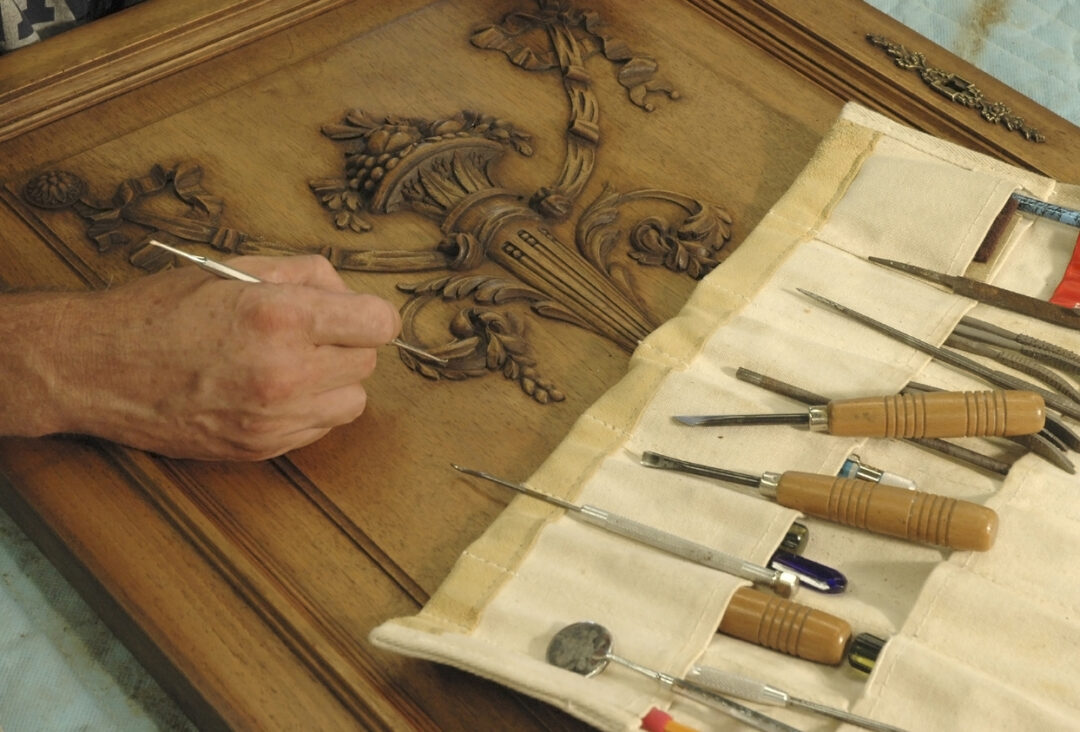
Restoring an antique can sometimes increase its value, but in other cases, it may diminish its authenticity. Consider consulting with experts to decide whether minor repairs or cleaning will benefit or harm the item’s market value.
4. Check for Authenticity and Provenance

Antiques with documented history — known as provenance — often fetch higher prices than those without it. Buyers like to know an item’s origin, previous owners, or any interesting backstory that adds to its value. Verifying and documenting authenticity through official records or certificates can make your antique more appealing to collectors.
5. Consider the Best Selling Platform

Different antiques sell better on various platforms, such as online marketplaces (think Facebook Marketplace, eBay, Amazon, or Etsy), auctions, or consignment stores. Since each platform has its advantages and particular audiences, it’s important to choose one that best aligns with the item’s value if you want to reach target buyers. Researching where similar antiques are selling successfully can also help you make an informed decision.
Trending on Wealth Gang


6. Understand the Fees and Costs Involved

Selling antiques often comes with additional costs, such as appraisal fees, shipping, and seller’s commissions. Different platforms may charge for listing or handling items, and these fees can cut into your final profit. Be sure to account for these expenses to avoid surprises and to set a fair price that factors in these other costs.
7. Time Your Sale Strategically

Certain antiques may sell better during particular times of the year or when market trends shift. For example, items tied to specific holidays or design trends may command higher prices when they’re in season. Understanding these market cycles can help you maximize your profit by selling your antiques at the ideal time.
8. Prepare Quality Photos and Descriptions

You know how the restaurants with the best-looking, most appetizing photos always catch your eye first on DoorDash? The same concept applies when you’re selling something online. Clear, detailed pictures and an accurate description are essential when selling online, as they directly impact a buyer’s perception. If possible, consider taking photos on a clean, well-lit surface, or using a professional camera to get high-resolution images.
Showcase any unique features, markings, or signs of wear that might interest collectors. A well-written description, including relevant details about its history, price point, and any other features, can also help your listing stand out.
Sign up for our newsletter
9. Network With Other Collectors and Enthusiasts

Building connections with other antique collectors, dealers, or shoppers can open new doors and give you an edge when it comes to selling online. Join online forums (sites like Hive Brite help connect buyers and sellers from across the globe), attend antique fairs, or participate in local collector groups to gain fresh insights and find potential buyers. Networking can also help you uncover new gems with resale potential while keeping you in the loop on the latest market trends.
Want to read more about valuable vintage items?
Don’t miss 10 Tips for a Successful Vintage Yard Sale. You should also check out The 15 Biggest Surprises on ‘Antiques Roadshow’ and 12 Items Boomers Kept That Have Increased in Value.