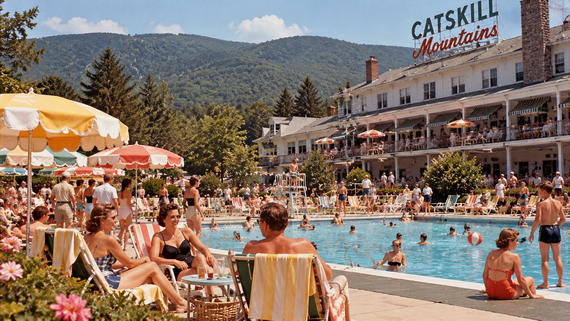
There was a time when the perfect American vacation meant packing the family station wagon, filling a cooler with sandwiches, and heading somewhere everyone seemed to be talking about. Certain destinations had a magic all their own, whether it was a bustling boardwalk, a roadside attraction, or a mountain resort where families returned summer after summer.
But vacation habits changed, and some of America’s most beloved getaways struggled to keep up. Affordable flights opened the door to new destinations, highways redirected travelers, and once-glamorous resorts began showing their age. While a few have found ways to reinvent themselves, others remain nostalgic reminders of an era when a simple weekend trip could feel like the adventure of a lifetime.
1. Atlantic City, New Jersey
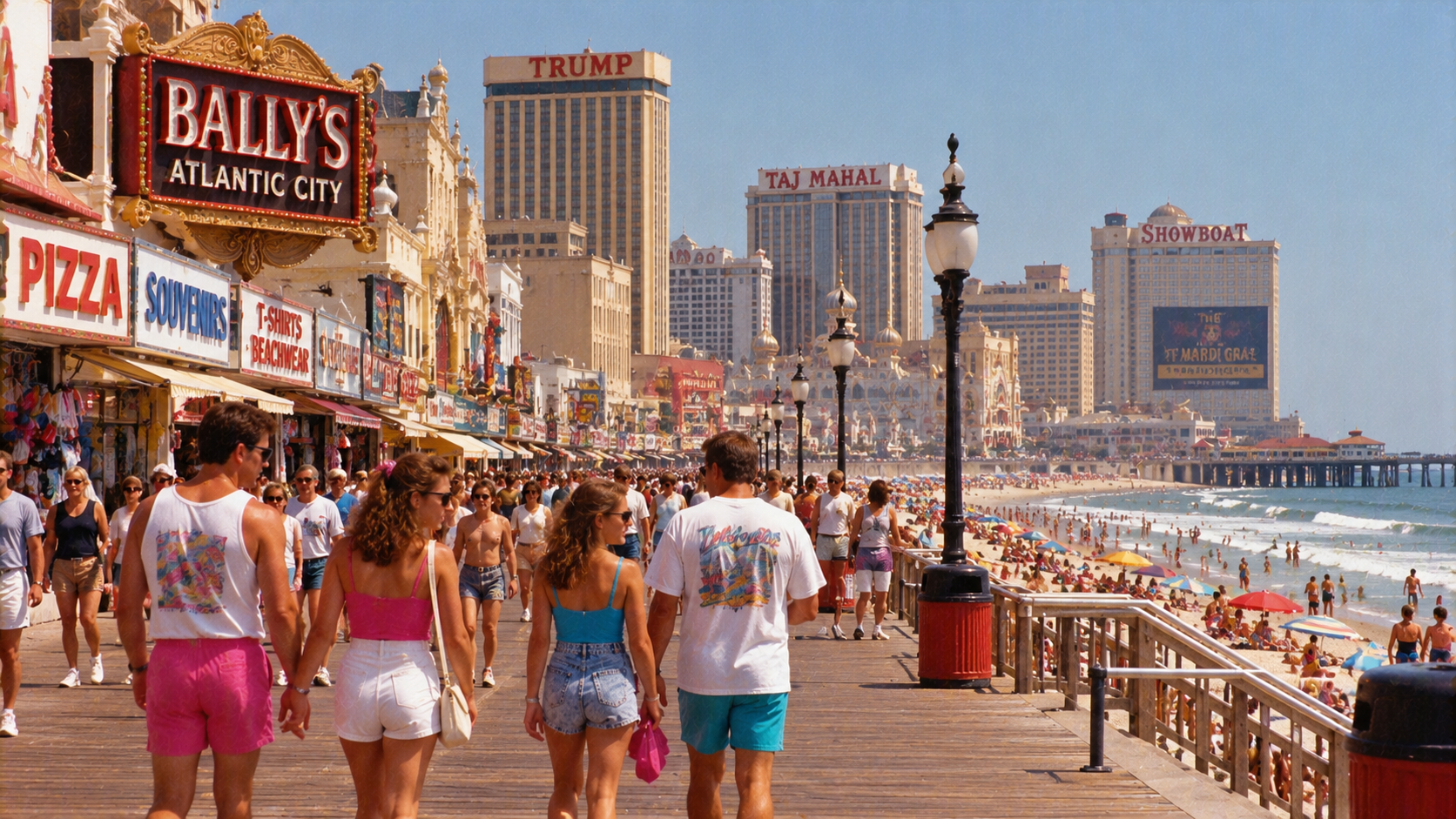
Before Las Vegas became America’s gambling capital, Atlantic City was already famous for its grand hotels, lively boardwalk, and oceanfront entertainment. Families strolled past saltwater taffy shops, posed for photographs, and spent summer afternoons on crowded beaches. The city’s popularity declined as changing travel habits and competition weakened its traditional resort economy. Casinos brought a revival beginning in 1978, but they never fully restored the old-fashioned seaside glamour that once made Atlantic City a household name.
2. The Catskills, New York
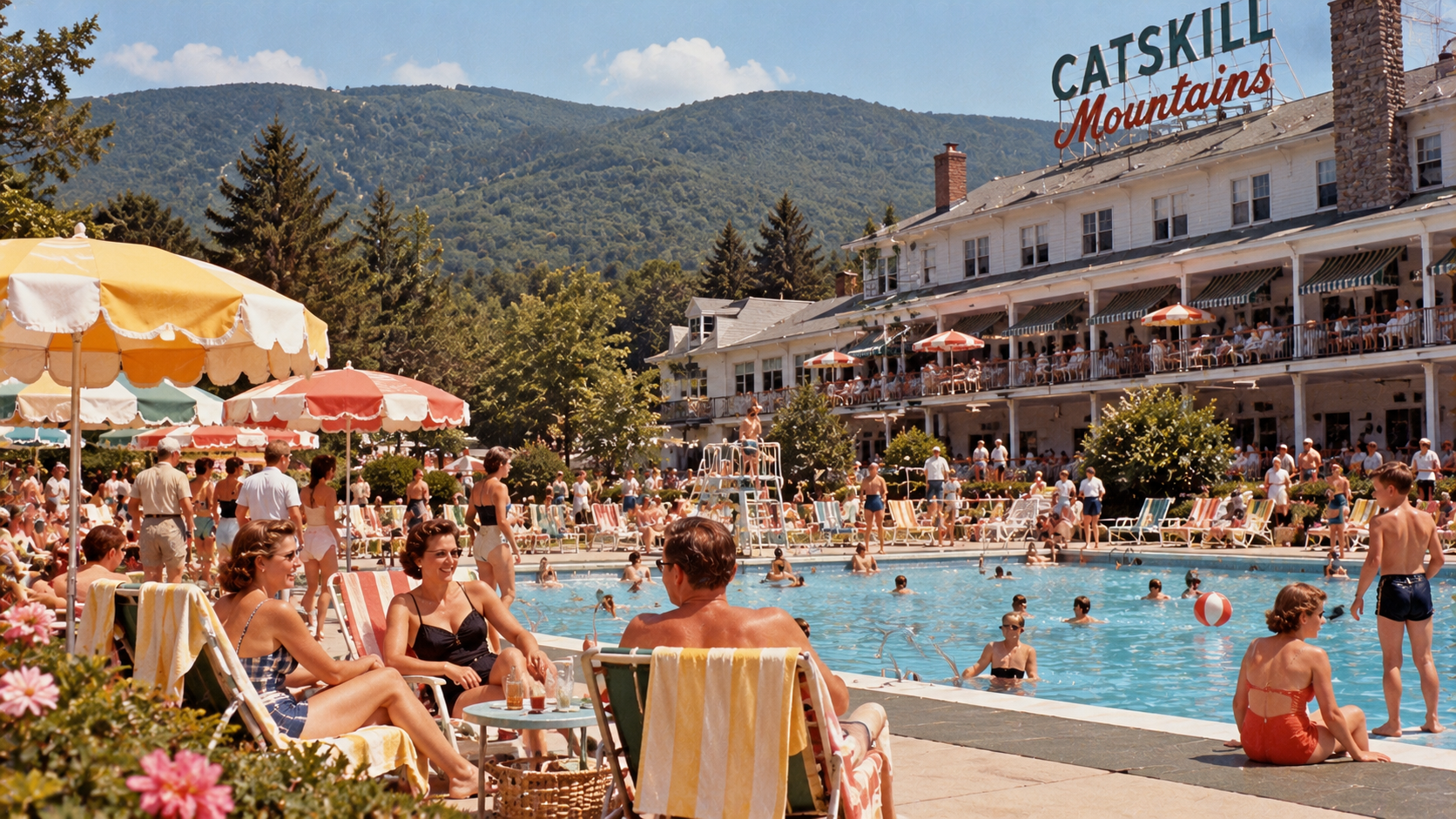
For generations of New York families, spending summer in the Catskills was practically a tradition. Resorts offered swimming pools, elaborate dinners, dance nights, and comedians who entertained packed rooms long before becoming television stars. Known as the Borscht Belt, the region was especially popular among Jewish vacationers seeking a welcoming escape from city life. By the late twentieth century, affordable air travel, changing family habits, and aging hotels had brought the golden age of these sprawling resorts to an end.
3. Niagara Falls, New York
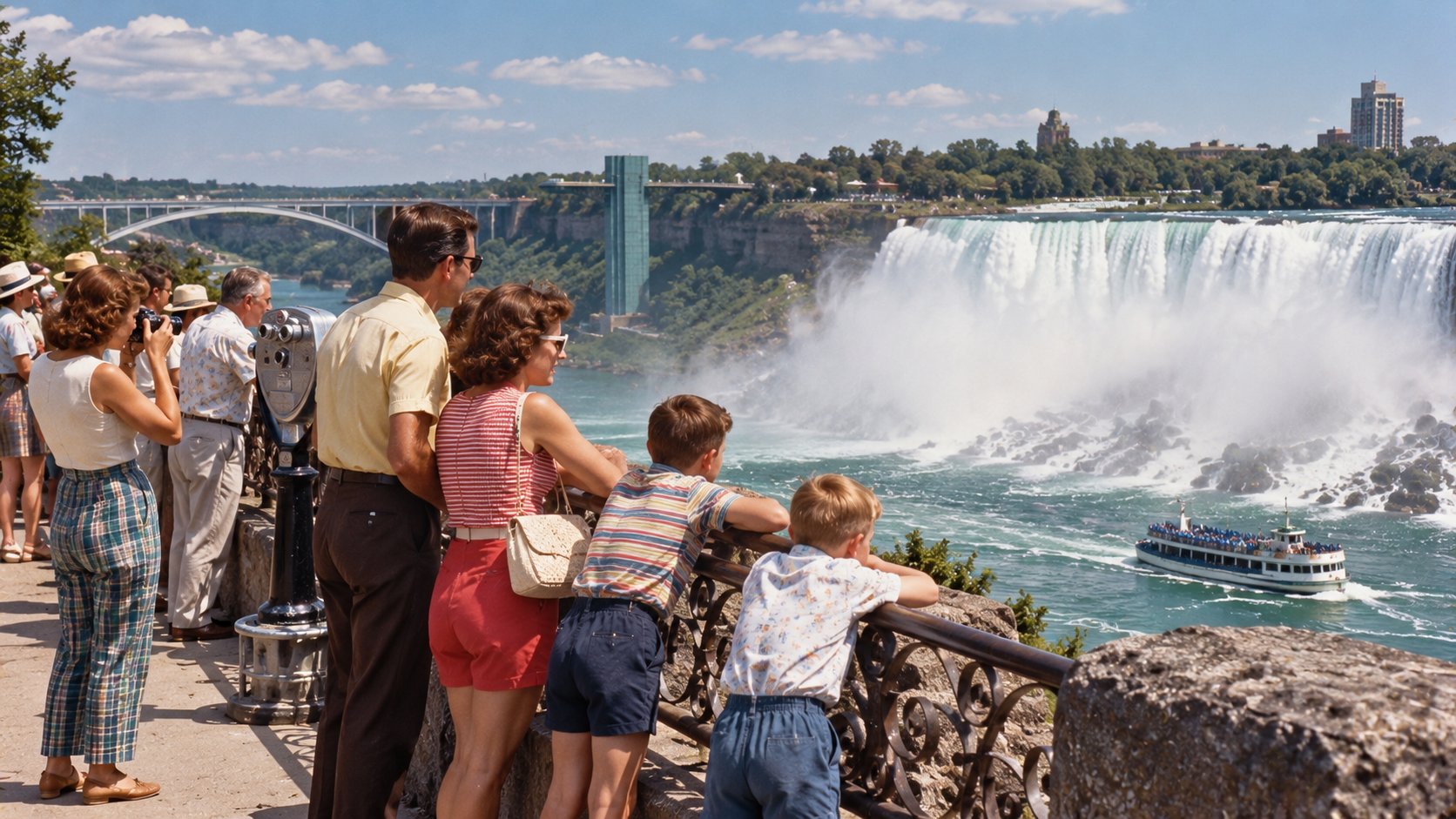
Niagara Falls once represented the ultimate American honeymoon destination, complete with romantic hotels, souvenir photographs, and sightseeing boats that carried visitors close to the roaring water. Newlyweds arrived in enormous numbers, turning the surrounding area into a thriving tourist economy. The waterfalls themselves remain spectacular, but parts of the American-side tourism district lost much of their former glamour as industrial decline, urban redevelopment, and changing vacation preferences reshaped the city. The natural wonder survived, even as its classic honeymoon image faded.
4. Lake of the Ozarks, Missouri
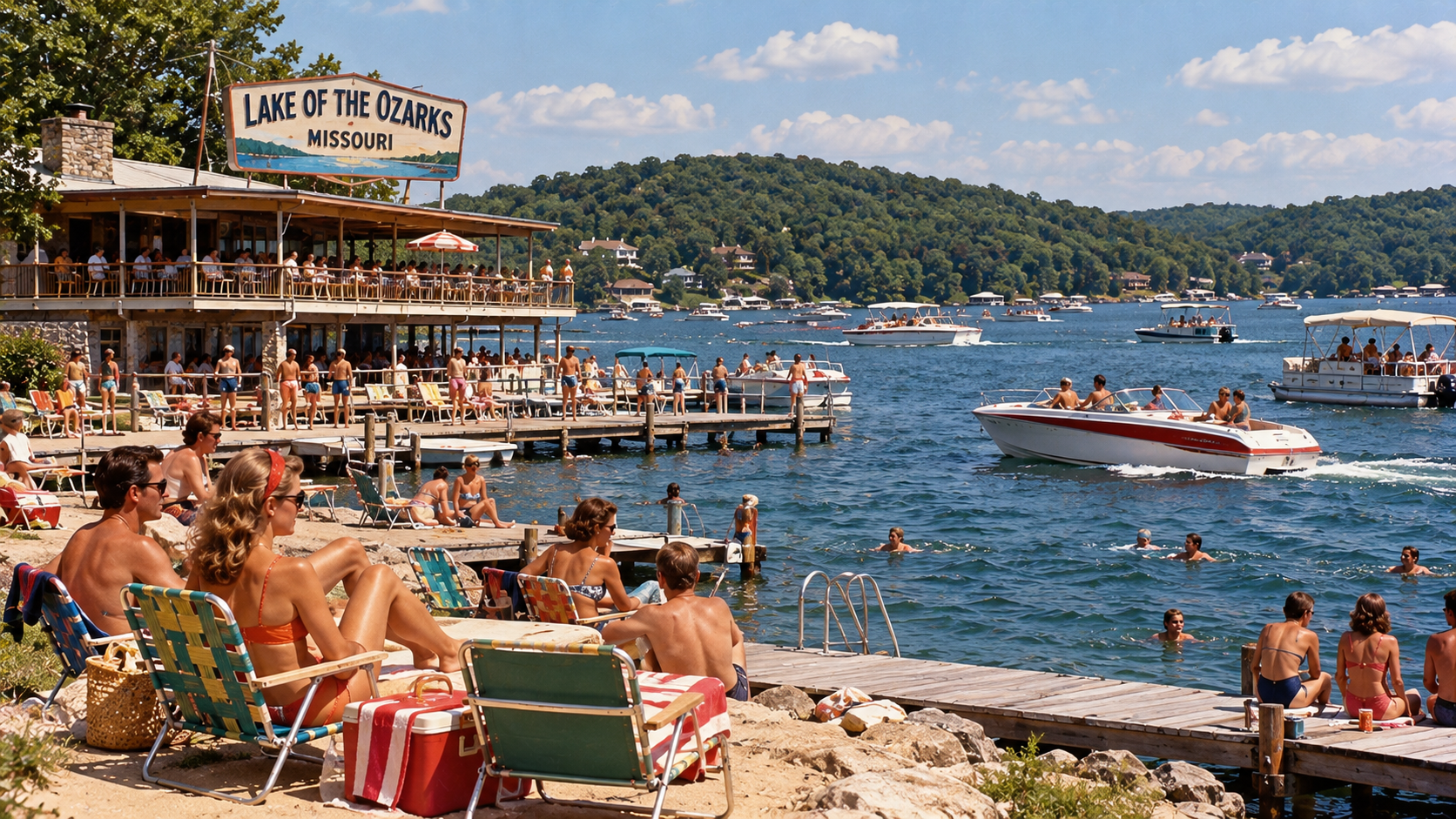
Long before luxury vacation rentals and elaborate waterfront developments, Lake of the Ozarks attracted families looking for inexpensive summer fun. Small lakeside cabins, fishing boats, roadside restaurants, and swimming docks made it a favorite Midwestern getaway. Over time, larger homes, busy boating areas, and increasingly commercialized waterfront attractions changed the atmosphere. The lake remains popular today, but visitors searching for the quiet, affordable family retreats of decades past may find a very different vacation experience.
5. Daytona Beach, Florida
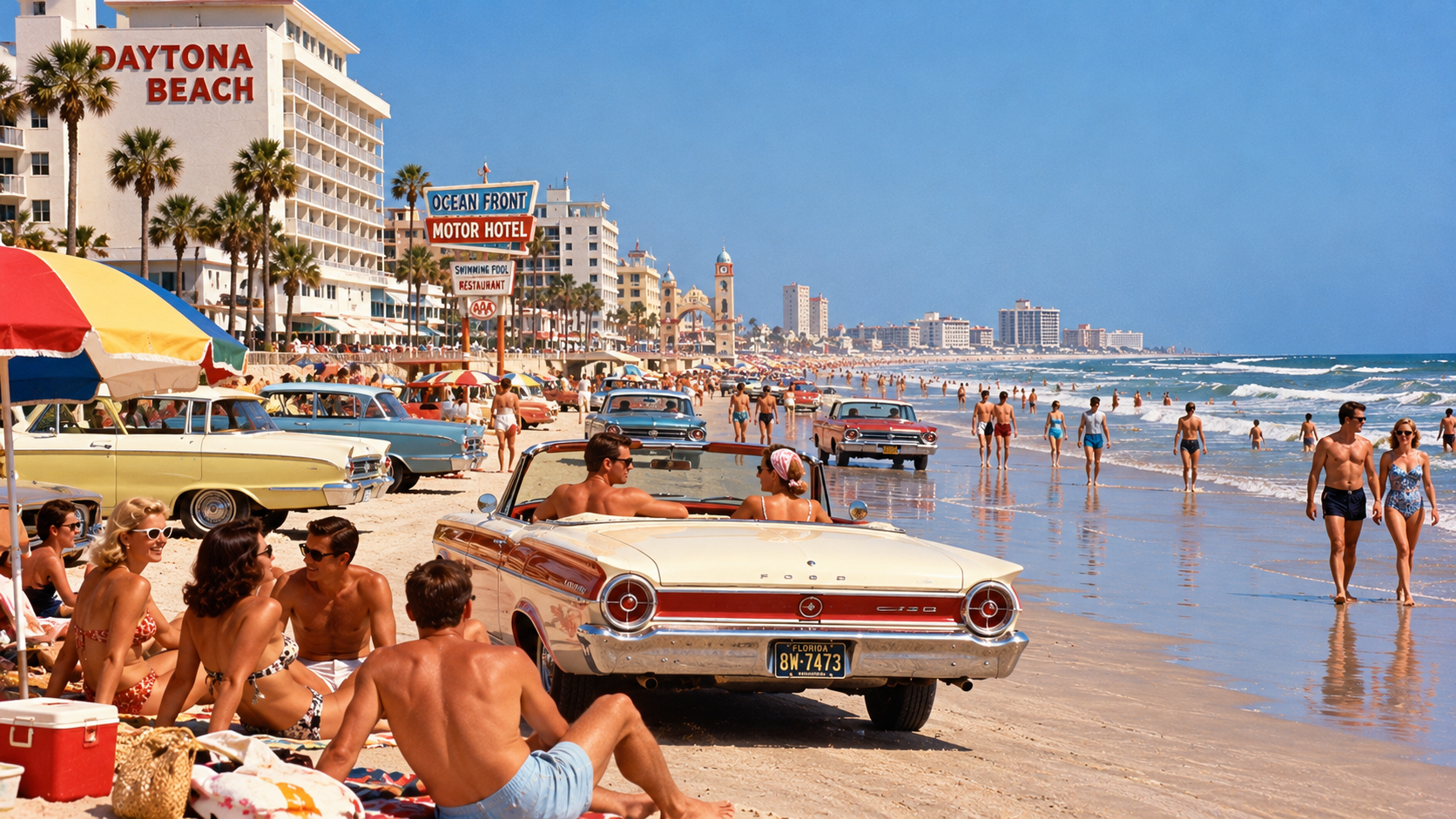
For years, Daytona Beach was synonymous with spring break, motorcycle gatherings, and the unusual thrill of driving directly onto the sand. College students filled beachfront motels, while families enjoyed the boardwalk and amusement rides. During the 1980s and 1990s, efforts to control unruly spring break crowds helped push many college vacationers toward other destinations. Although racing events and beach tourism still attract visitors, Daytona no longer dominates the youthful vacation scene the way it once did.
Trending on Wealth Gang


6. The Pocono Mountains, Pennsylvania
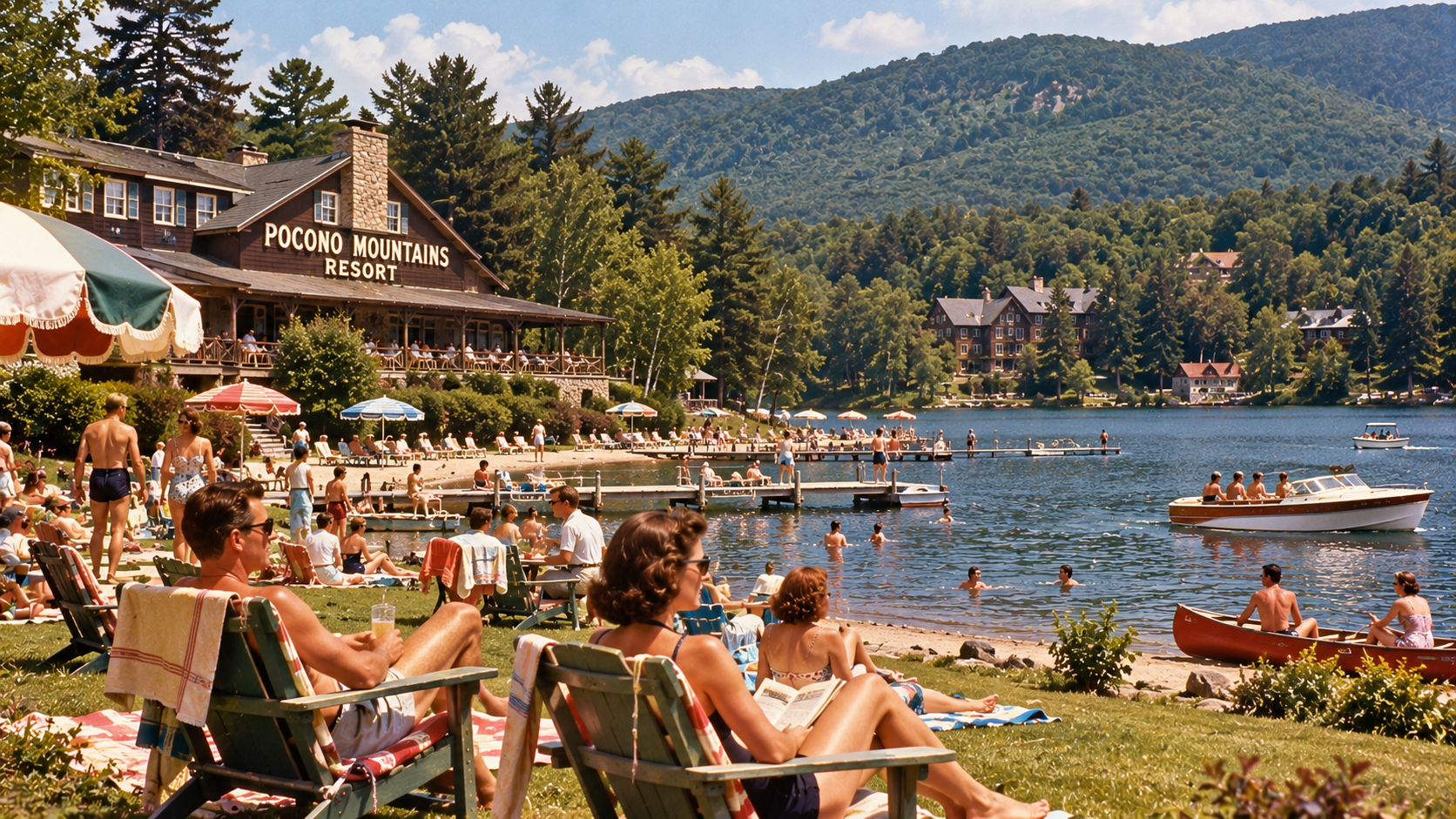
In the 1960s and 1970s, the Poconos were famous for romantic honeymoon resorts featuring heart-shaped bathtubs, mirrored ceilings, and champagne-glass whirlpools. Newlyweds arrived expecting candlelit dinners, dancing, and an entire weekend devoted to romance. As couples began choosing tropical islands and international destinations, many of these elaborate resorts struggled to attract younger generations. Several eventually closed, leaving behind a wonderfully unusual chapter of American vacation history that feels almost impossible to recreate today.
7. The Salton Sea, California
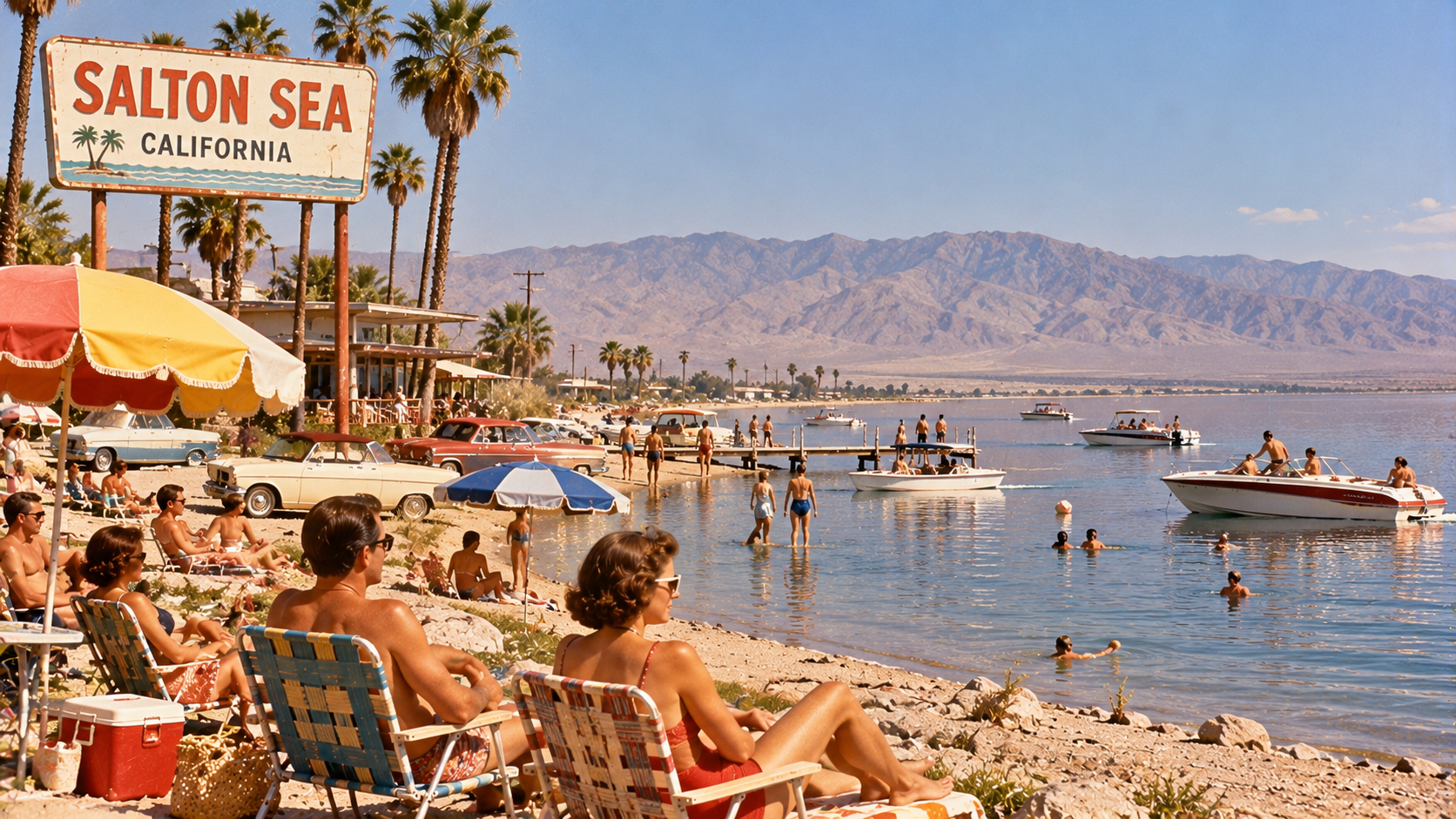
During the 1950s and 1960s, the Salton Sea was promoted as California’s next great vacation paradise. Families arrived with fishing equipment, speedboats, and picnic baskets, while developers imagined glamorous resorts along the desert shoreline. Celebrities visited, yacht clubs flourished, and waterfront communities seemed destined for success. But increasing salinity, pollution, and recurring fish die-offs eventually transformed the area. Today, abandoned buildings and weathered vacation properties tell the story of a destination that once promised endless summer fun.
8. Lake Havasu City, Arizona
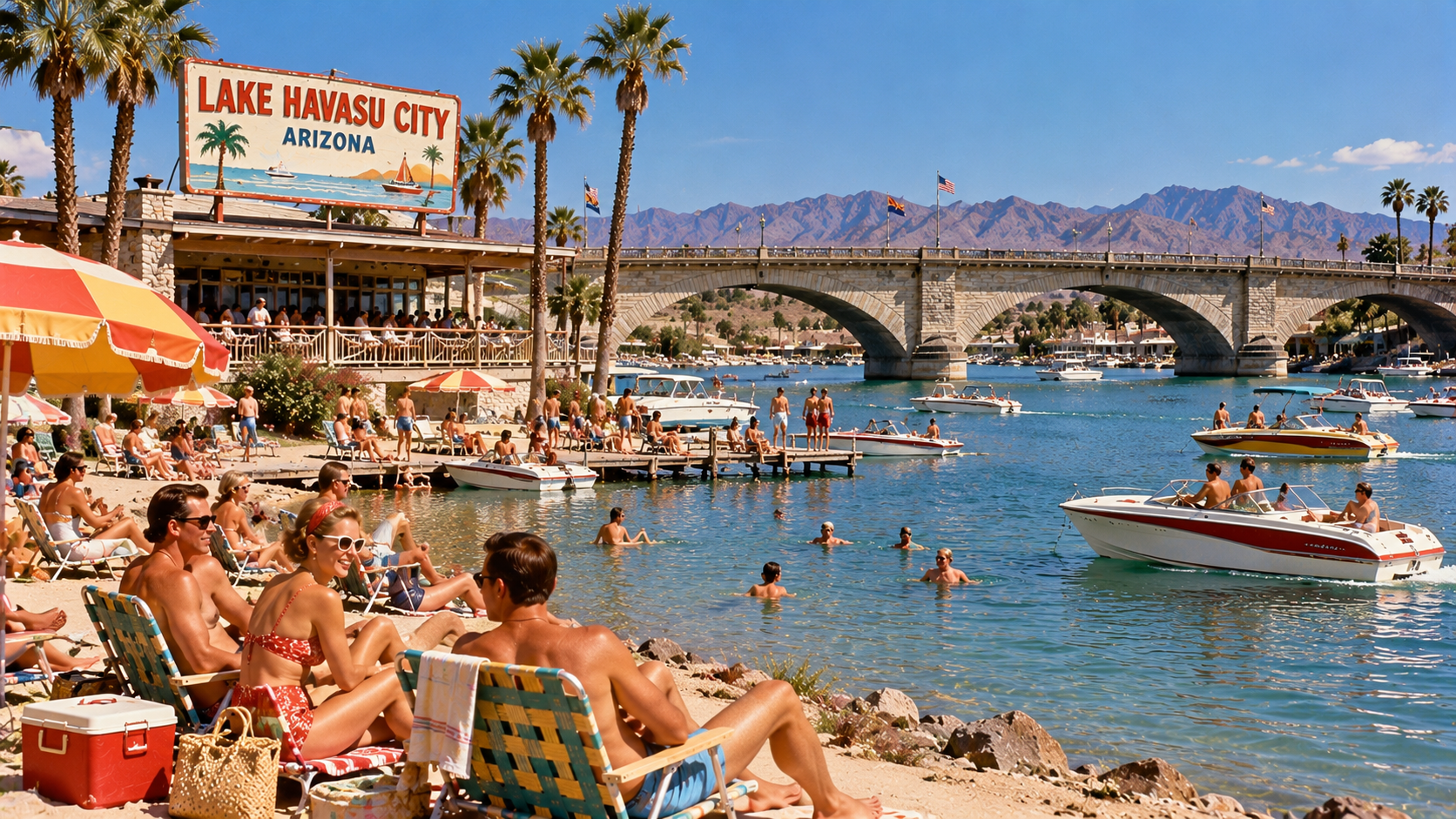
When London Bridge was reconstructed in Lake Havasu City during the early 1970s, it gave Americans an unusual reason to vacation in the Arizona desert. Families came to photograph the famous landmark, enjoy boat rides, and spend afternoons along the waterfront. Later, spring break crowds helped turn the city into a lively party destination. Although boating remains popular, extreme summer temperatures and competition from destinations offering more varied outdoor adventures have made Lake Havasu less of a novelty than it once was.
Sign up for our newsletter
9. Myrtle Beach, South Carolina
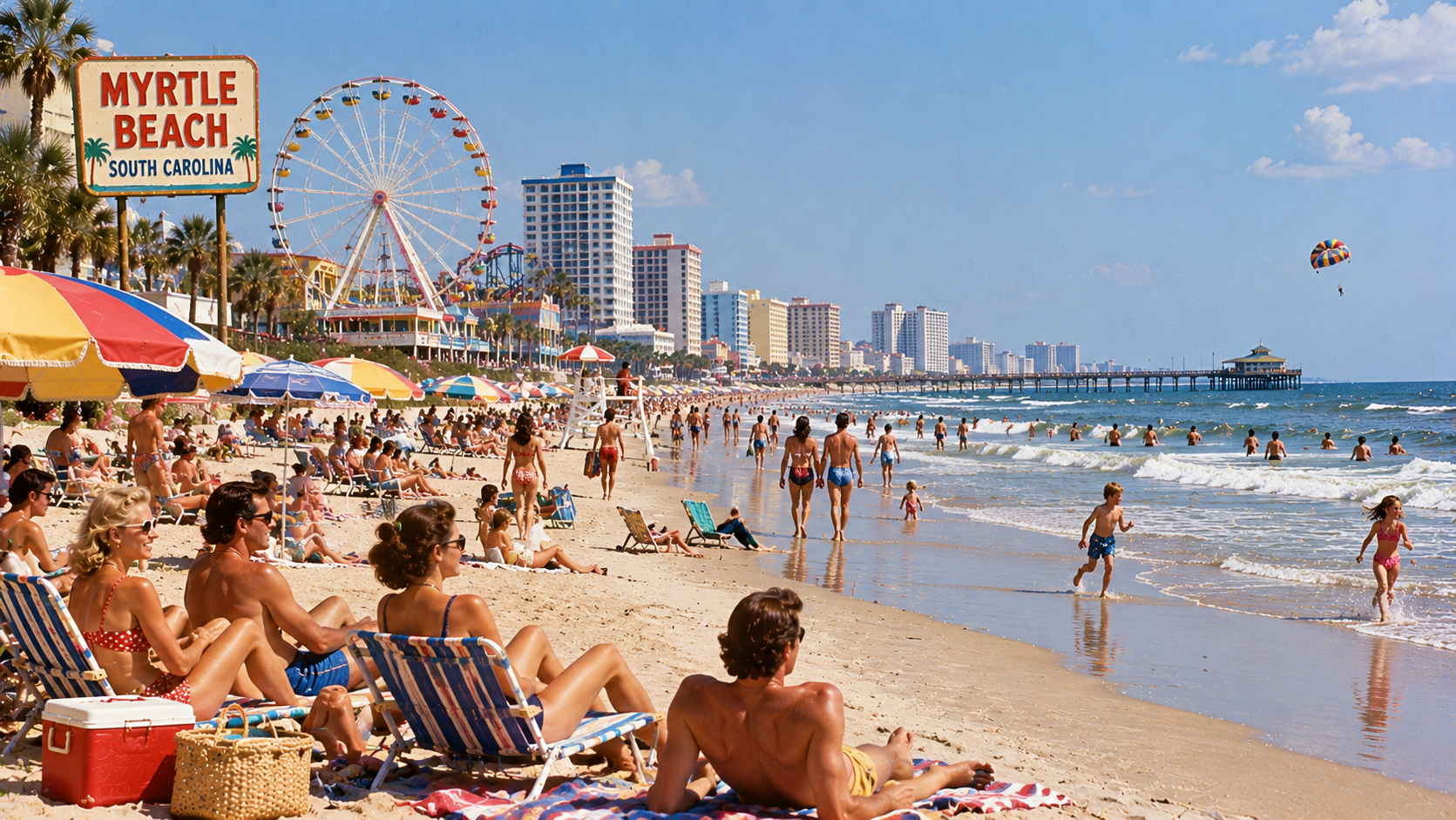
Myrtle Beach was once the definition of a classic family vacation, with oceanfront motels, miniature golf courses, seafood buffets, and souvenir shops selling everything from seashell necklaces to airbrushed T-shirts. Parents could spend an entire week entertaining their children without traveling far from the hotel. The destination still welcomes vacationers, but its increasingly developed coastline, heavy summer traffic, and crowded entertainment districts have encouraged some families to seek quieter beaches. The nostalgic charm remains, though the atmosphere has changed considerably.
10. Wisconsin Dells, Wisconsin
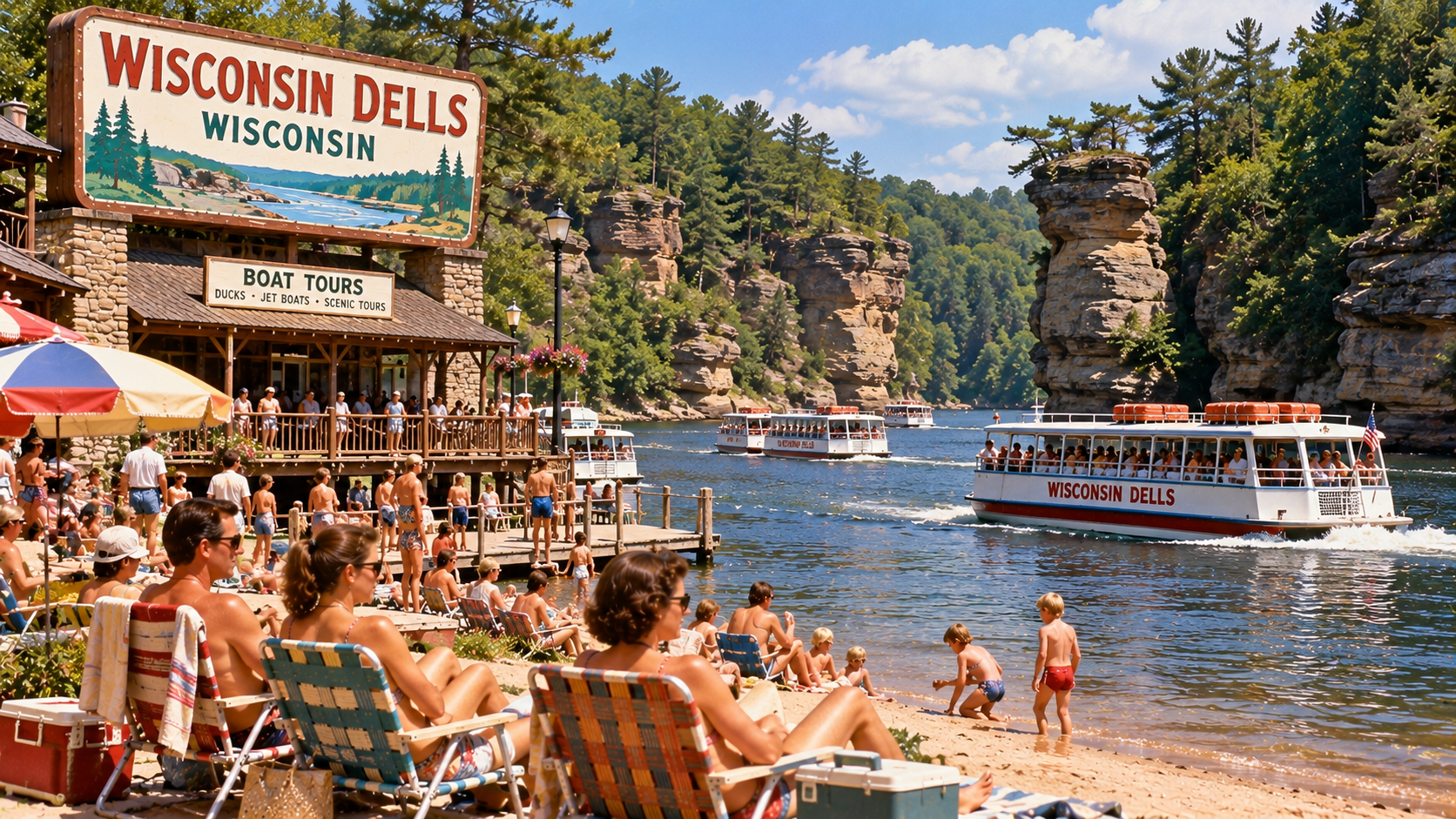
For Midwestern families, a trip to Wisconsin Dells once felt like visiting an entirely different world. Children eagerly anticipated water slides, scenic boat tours, miniature golf, and nights spent in colorful roadside motels. Before indoor water parks became common across the country, the Dells offered attractions that seemed impossible to find anywhere else. Today, similar entertainment is available much closer to home for many families, while the cost of staying at large resorts has changed the area’s reputation as an easy, affordable getaway.
11. Virginia Beach, Virginia
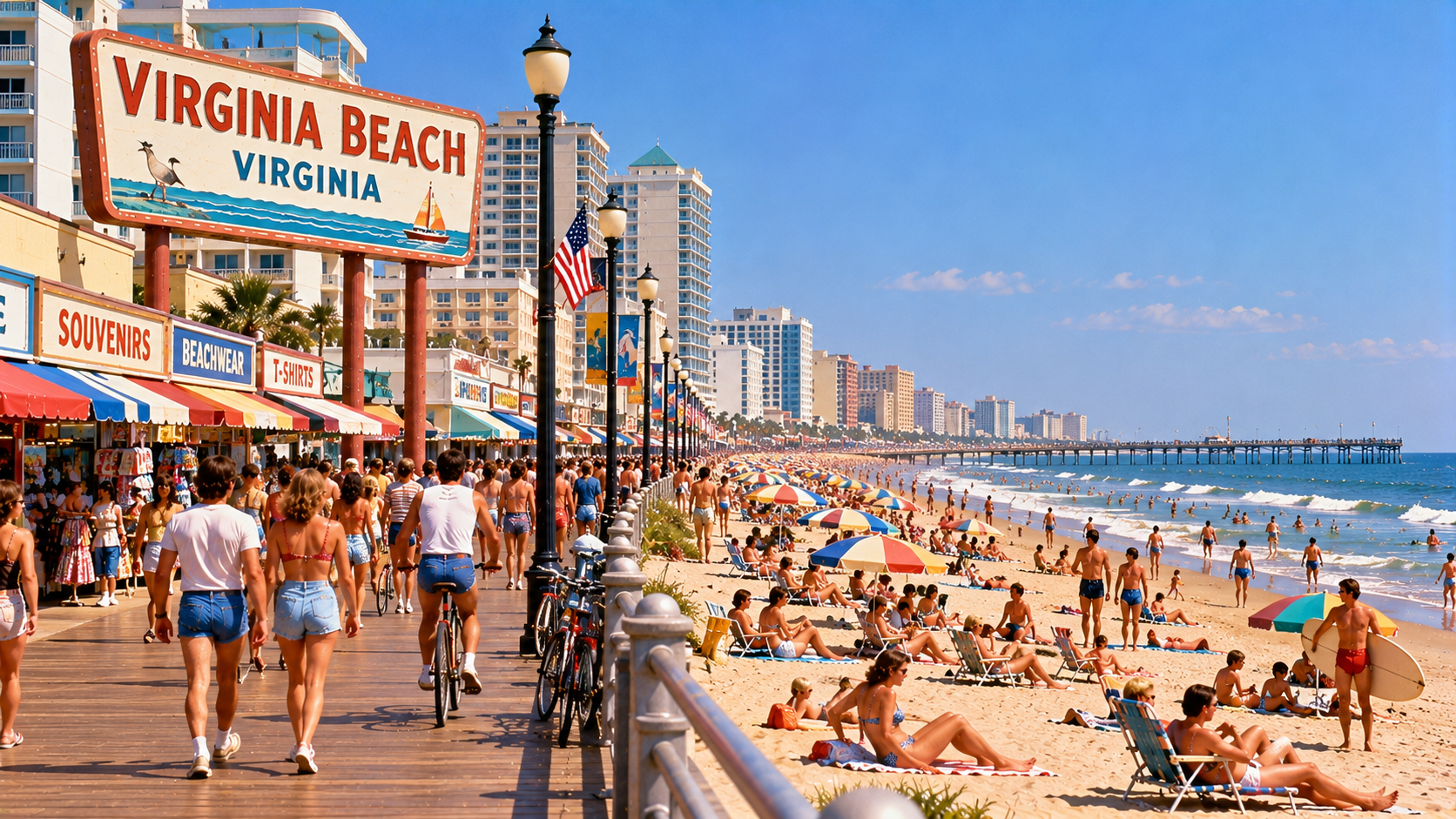
During the postwar vacation boom, Virginia Beach offered families a straightforward summer escape filled with oceanfront hotels, bicycle rides along the boardwalk, and evenings spent watching the waves. Generations returned to the same motels, sometimes reserving their favorite rooms a year in advance. While the city continues to attract tourists, heavy seasonal traffic and growing development have changed its once-relaxed atmosphere. Some vacationers now prefer smaller Outer Banks communities where quiet streets and rental cottages provide a different kind of coastal experience.
12. Fort Lauderdale, Florida
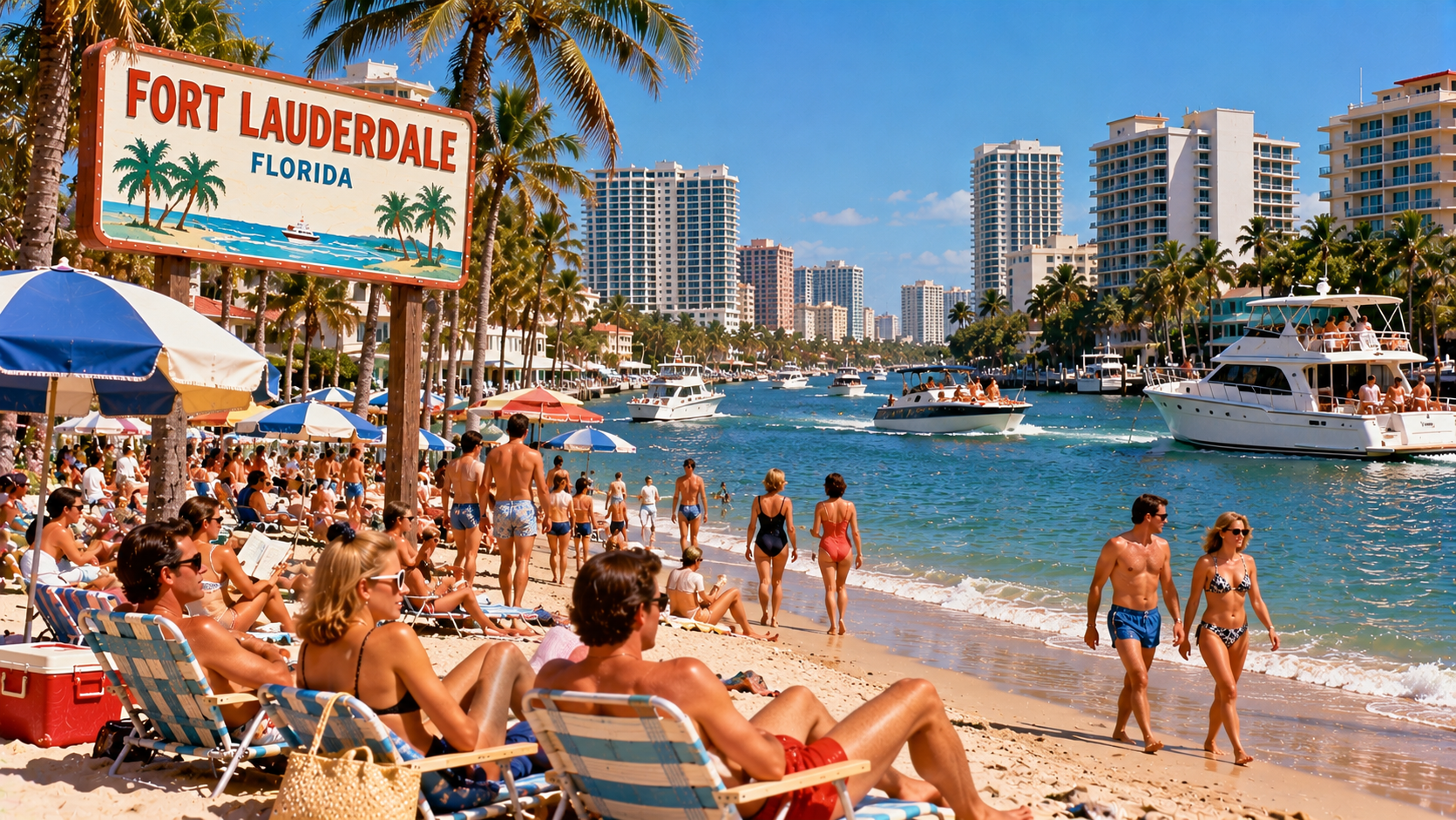
Long before its luxury waterfront reputation, Fort Lauderdale was one of America’s most famous spring break destinations. During the 1960s, college students packed the beaches, crowded inexpensive motels, and turned the city into a symbol of youthful freedom. The tradition became so recognizable that it inspired movies and countless vacation dreams. By the 1980s, concerns about overcrowding and disruptive behavior encouraged officials to move away from the spring break image. Fort Lauderdale reinvented itself, but the carefree student getaway remembered by earlier generations largely disappeared.
13. Grossinger’s Catskill Resort, New York
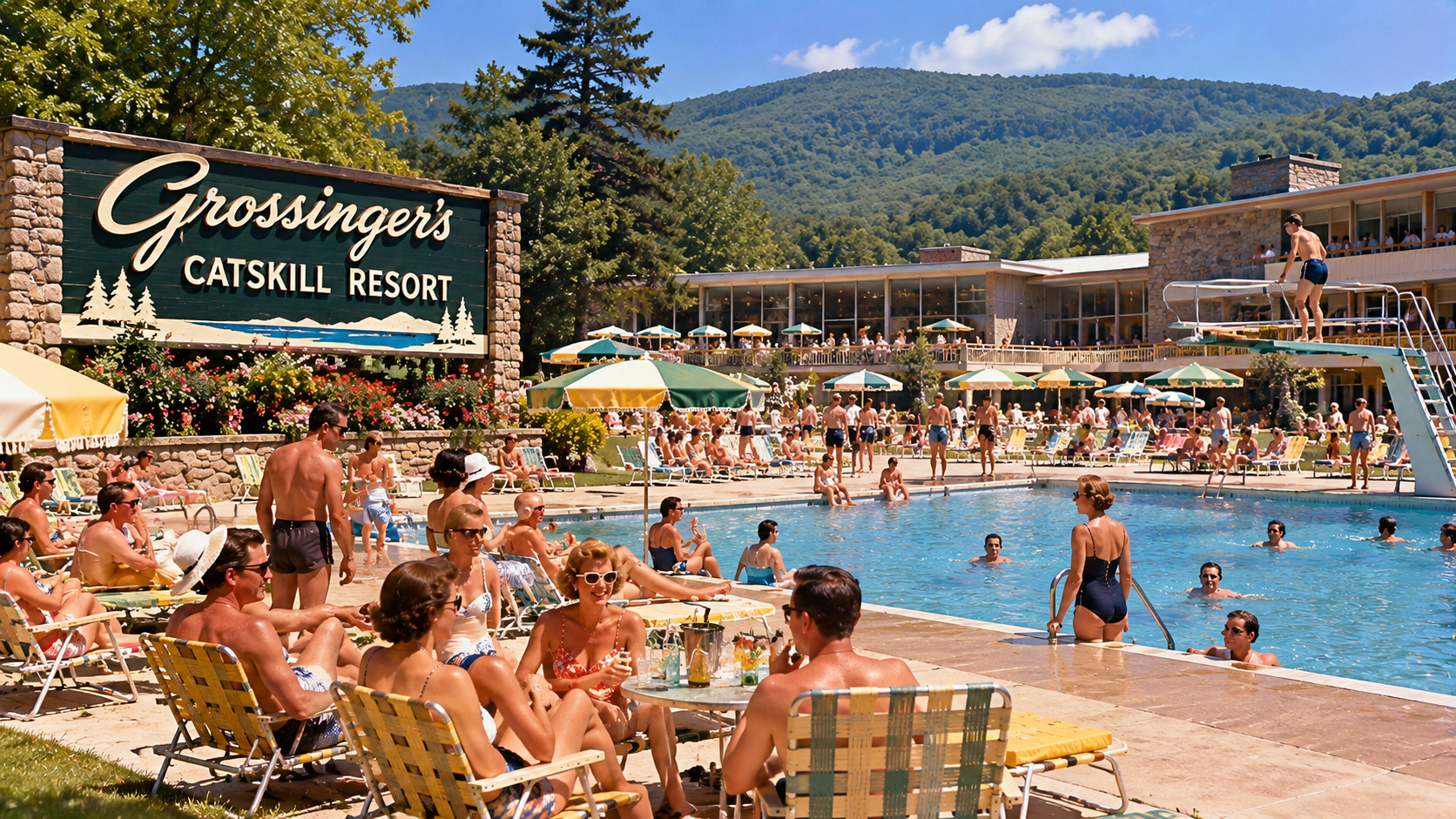
At its peak, Grossinger’s was the kind of vacation destination where guests could swim, golf, dance, and watch famous entertainers without ever leaving the property. Families dressed for dinner, children made summer friendships, and returning visitors were greeted like old acquaintances. The resort became one of the best-known symbols of the Catskills’ glamorous vacation culture. But changing travel preferences and financial difficulties eventually caught up with it, and Grossinger’s closed in 1986. Its decline marked the disappearance of an entire style of American resort vacation.
14. Mount Airy Lodge, Pennsylvania
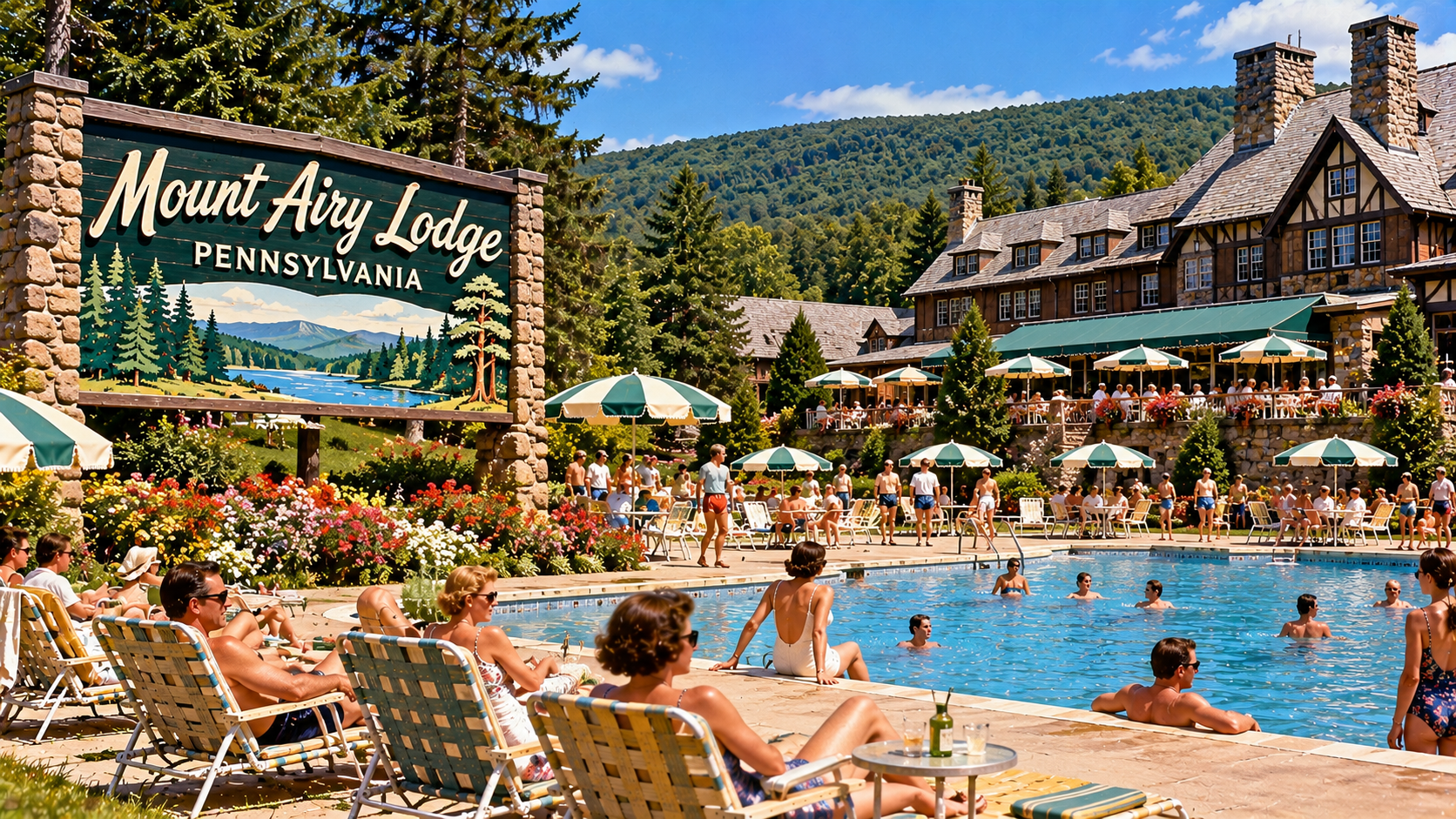
Few vacation advertisements were as memorable as the commercials for Mount Airy Lodge, which promised couples a romantic escape in the Pocono Mountains. Guests enjoyed elaborate swimming pools, live entertainment, horseback riding, and luxurious honeymoon suites. For decades, the resort represented an attainable kind of glamour for couples who wanted something special without traveling overseas. As vacation preferences changed, the enormous property became increasingly difficult to maintain. Mount Airy Lodge closed in 2001, ending a tradition that many former guests still remember through its unforgettable advertising jingle.
15. Penn Hills Resort, Pennsylvania
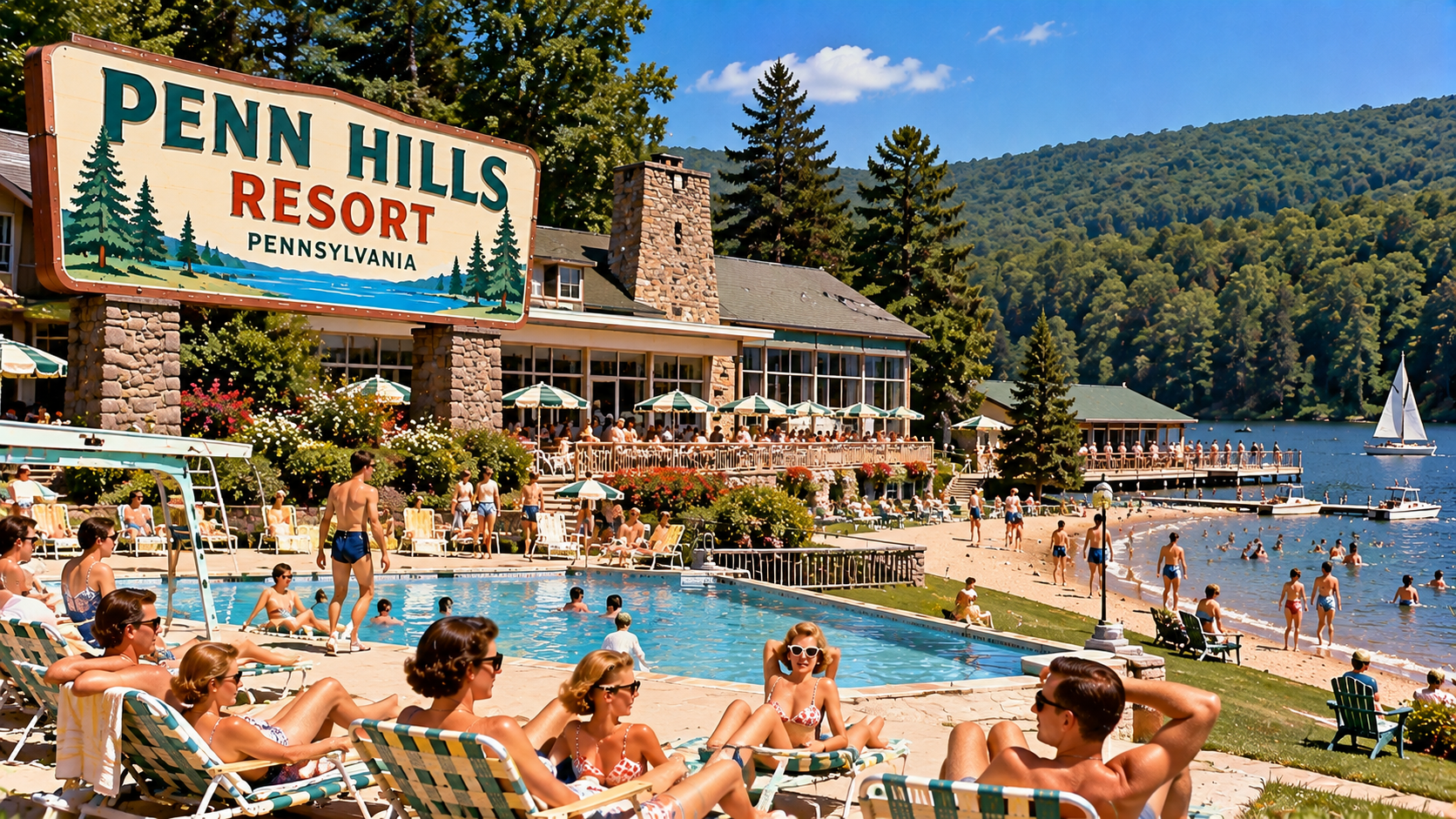
Penn Hills Resort belonged to a time when a romantic weekend could mean heart-shaped swimming pools, themed suites, and dancing beneath colorful lights. Located in the Pocono Mountains, it attracted couples who wanted a playful escape from everyday responsibilities. Its extravagant decorations and adults-only atmosphere reflected the honeymoon culture of the 1960s and 1970s. As newer travel experiences became more accessible, resorts built around this particular fantasy gradually lost their audience. Penn Hills eventually closed, leaving behind one of the more recognizable examples of America’s fading honeymoon resort era.
16. The Old Route 66 Vacation Stops
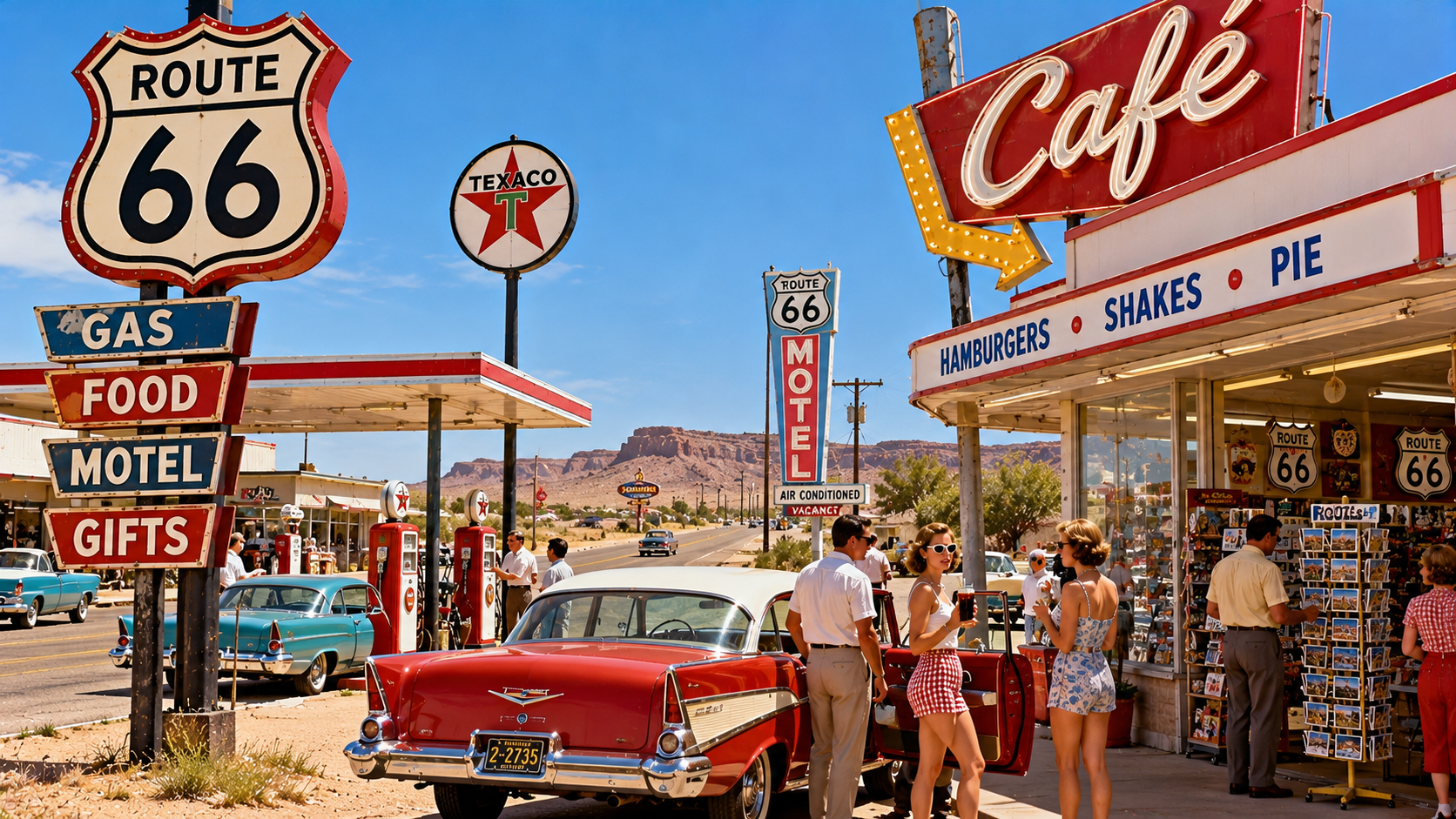
For families traveling west during the 1950s and 1960s, Route 66 was more than a highway. It was an adventure filled with neon motel signs, roadside diners, souvenir stands, and unusual attractions designed to convince drivers to stop for a few minutes. Children watched the scenery from the back seat, hoping to spot the next giant statue or colorful trading post. When interstate highways redirected traffic away from many small towns, countless businesses lost the steady stream of vacationers that had kept them alive. Historic Route 66 still attracts nostalgic road-trippers, but the bustling roadside vacation culture of its heyday belongs to another era.
More Related Notes
• 16 Famous Vacation Spots Before Tourism Transformed Them
Travel back to the days when famous destinations were quiet beach towns, peaceful coastal communities, and hidden escapes. Discover how resorts, crowds, and commercial development transformed the places generations of travelers once loved.
• 12 Outdated Luxury Experiences That Are Dying Out With Boomers
Explore the once-desirable vacation experiences and luxury traditions that have gradually lost their appeal, from exclusive timeshares to old-fashioned getaways that younger generations approach differently.
• 11 Abandoned Places That Have Become Unexpected Tourist Attractions
Discover forgotten destinations that found a surprising second life as tourist attractions. These abandoned locations reveal how changing travel habits can transform once-bustling places into fascinating reminders of the past.