Money in 1976 came with a certain soundtrack: coins rattling in pockets, cash registers ringing, and checkbooks opening at grocery store counters. Fast-forward 50 years, and someone from that era might wonder where all the actual money went. Americans can now buy groceries with a phone, invest in something that has never existed as a physical coin, and send money across the country before their coffee gets cold.
But the strangest changes aren’t all about technology. Some familiar coins have stopped being produced, retirement works differently, and even the humble dollar bill has a surprisingly global life. These 18 money facts show just how much American finances have changed since the days when carrying cash was practically unavoidable.
1. The Penny Finally Reached the End of the Road
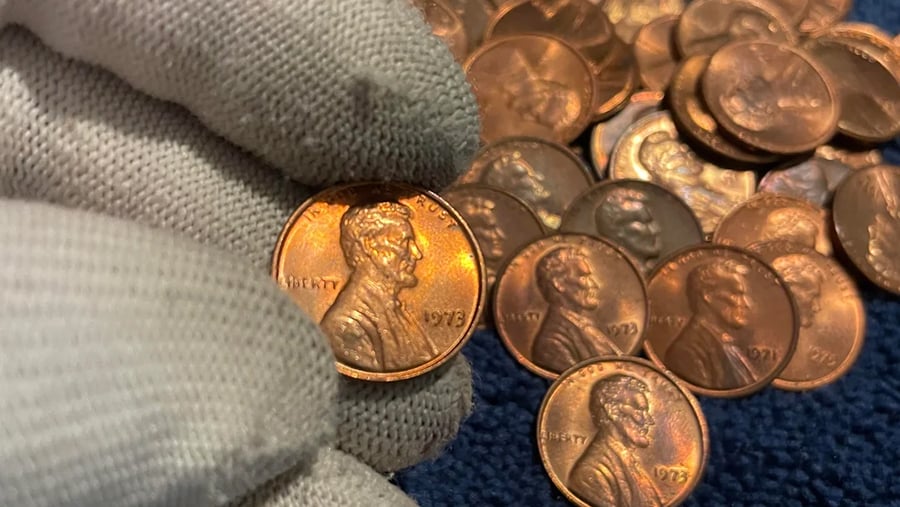
After 232 years, America stopped producing pennies for everyday circulation in November 2025. The reason was almost comical: making a one-cent coin cost 3.69 cents. Existing pennies remain legal tender, but the familiar little copper-colored coin is no longer rolling off the presses for regular spending.
2. Cash Is Used for Only About One in Seven Payments
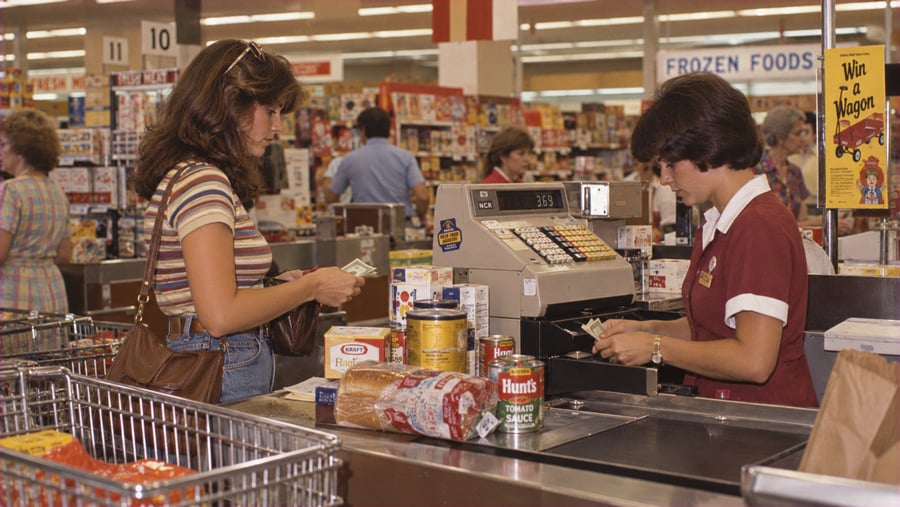
Imagine telling someone in 1976 that most purchases wouldn’t involve handing over actual money. According to Federal Reserve research, cash accounted for roughly one in seven consumer payments in 2025. Yet it hasn’t vanished completely. Most Americans still use it occasionally, even if their wallets are getting considerably lighter.
3. Bank Transfers Can Arrive Before You Finish a Sentence
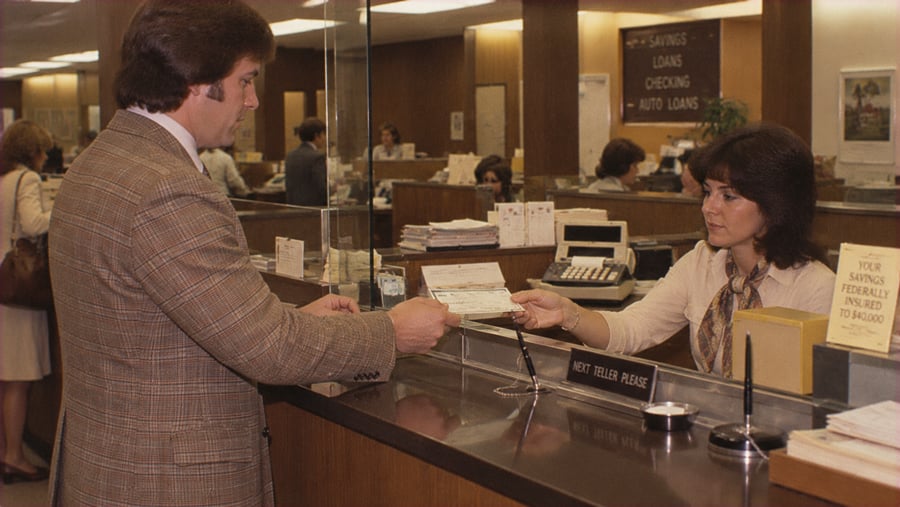
Waiting for a check to clear once required serious patience. Today, participating banks can use the Federal Reserve’s FedNow system to move money within seconds, even on Sundays and holidays. Launched in 2023, the service makes the old routine of waiting several business days feel positively prehistoric.
4. Government Checks Are Becoming a Thing of the Past
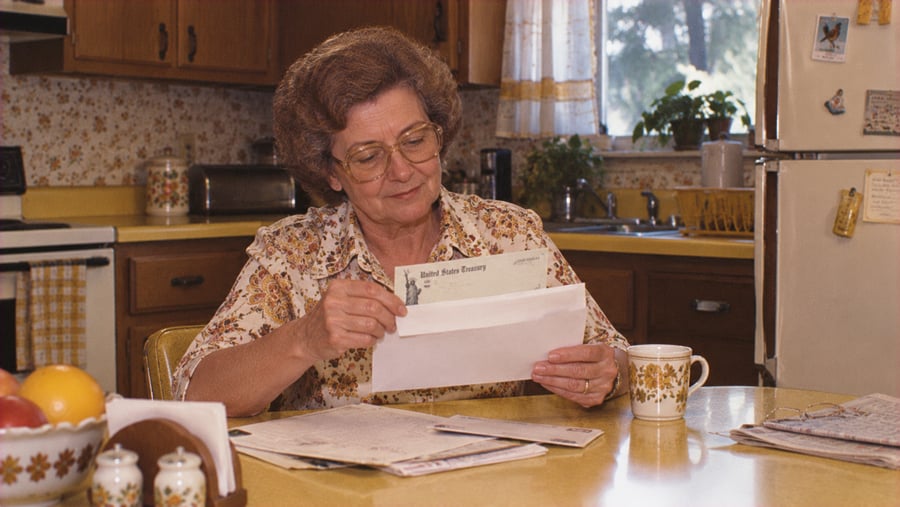
For generations, receiving a government check in the mailbox was completely ordinary. That tradition began disappearing for most federal payments in September 2025, as electronic transfers became the preferred method. The Treasury reported that paper checks were more than 16 times as likely to encounter problems such as theft, loss, or delays.
5. The 401(k) Wasn’t Even an Option in 1976
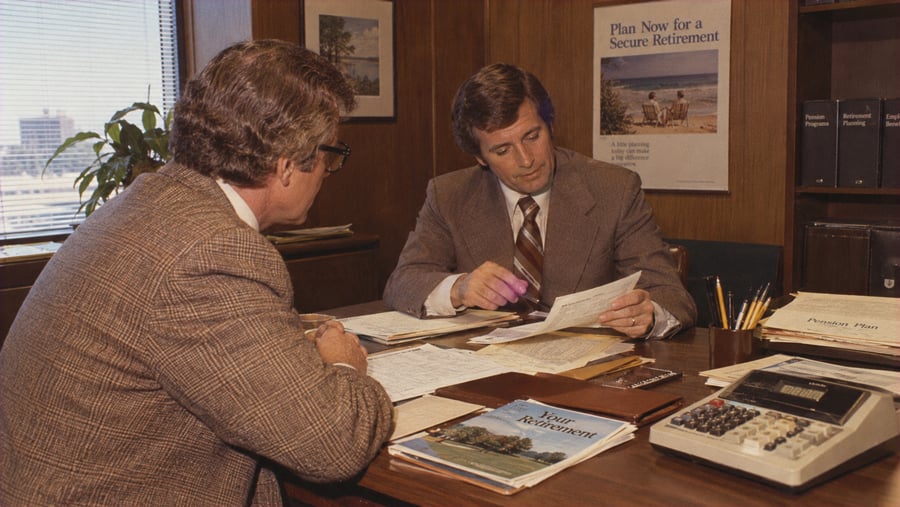
Today’s familiar 401(k) retirement account would have been an unfamiliar concept to most workers in 1976. The law behind it arrived in 1978, with further clarification in 1981. Instead of depending primarily on traditional pensions, many Americans now make investment decisions that directly affect their retirement savings.
Trending on Wealth Gang


6. You Can Split a Small Purchase Into Four Payments
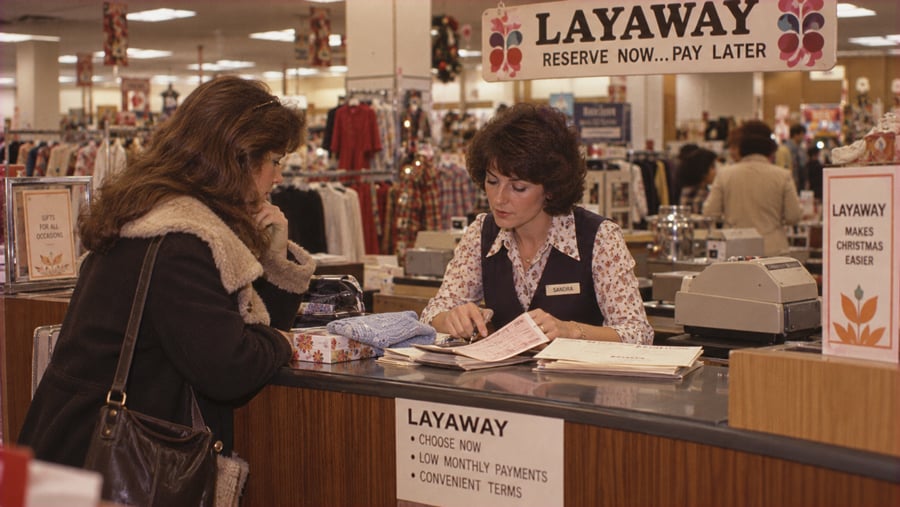
Buying on installments isn’t new, but doing it instantly at an online checkout would have seemed remarkable 50 years ago. Modern buy-now-pay-later services often divide purchases into four payments without interest when paid on schedule. The convenience comes with a catch: multiple small payment plans can become surprisingly difficult to track.
7. Paper Savings Bonds Have Become Collectibles
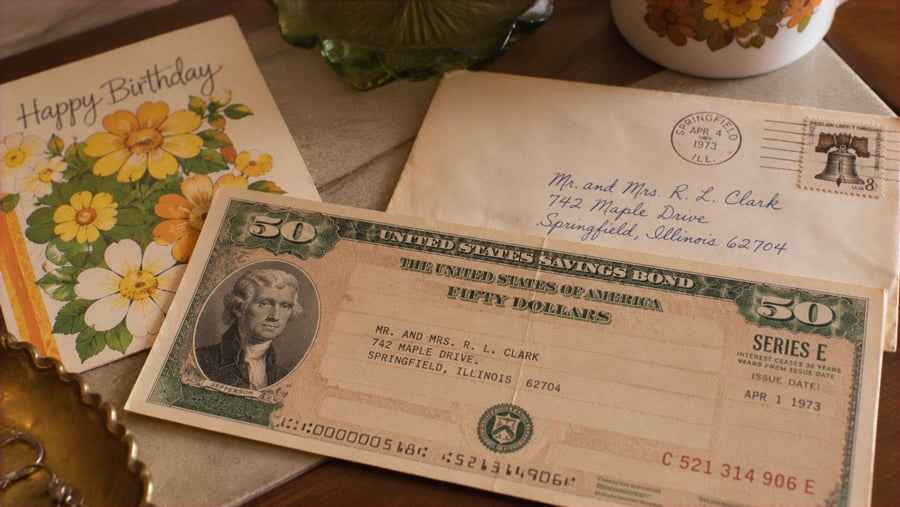
A savings bond once made a surprisingly respectable birthday or graduation present. You could actually hold the colorful certificate in your hands. Today, new U.S. savings bonds are purchased electronically, after paper sales through banks ended in 2012 and the remaining tax-refund option disappeared in 2025.
8. People Invest in Money That Doesn’t Physically Exist
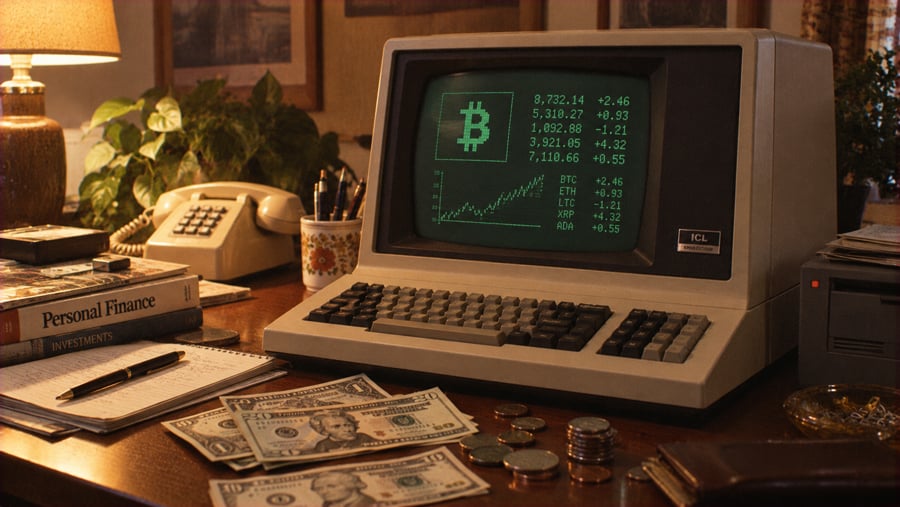
Try explaining Bitcoin to someone whose financial world revolved around dollars, checks, and bank accounts. Introduced in 2009, the cryptocurrency exists on a decentralized digital network rather than as physical coins. Since 2024, investors have also been able to gain exposure through U.S.-listed spot Bitcoin exchange-traded products.
Sign up for our newsletter
9. Bank Deposits Have Much Higher Insurance Limits
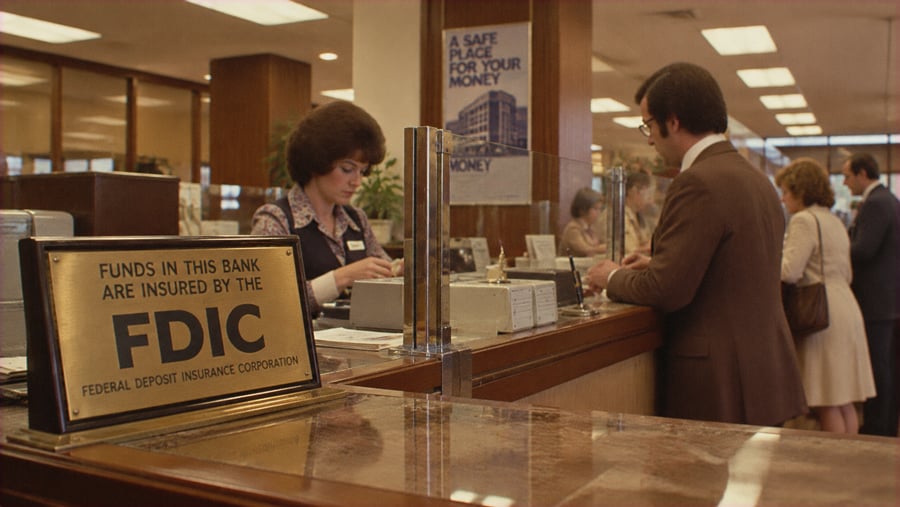
In 1976, federal deposit insurance generally covered up to $40,000 per depositor at an insured bank. Today, the standard limit is $250,000 per depositor, per insured bank, per ownership category. That’s more than six times the old dollar amount, although inflation makes the comparison less dramatic than it sounds.
10. Stock Trades Settle Much Faster Than They Used To
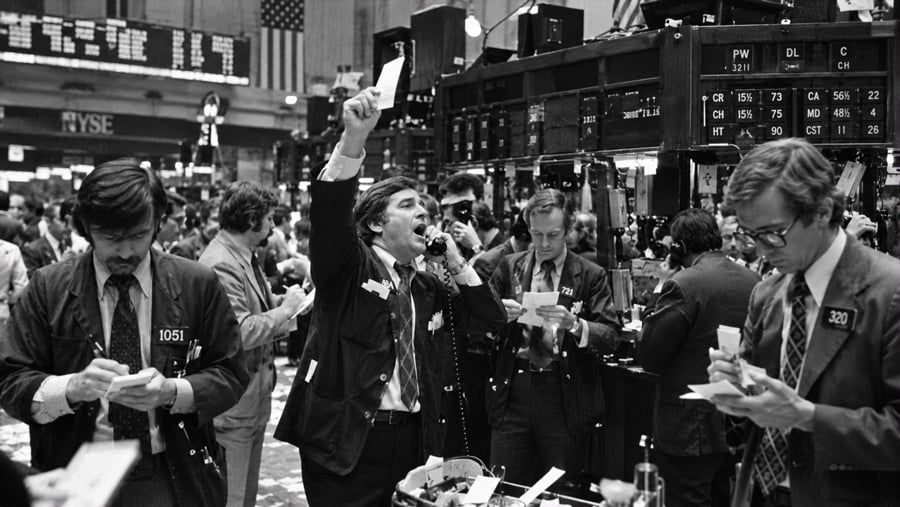
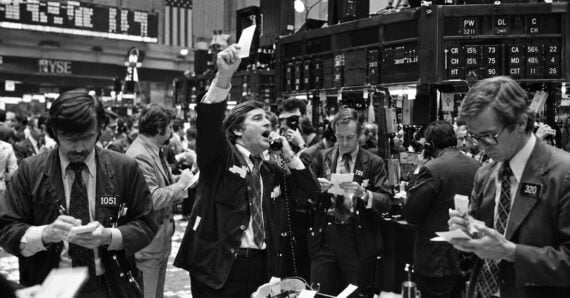
Wall Street in the 1970s still involved mountains of paperwork and considerably more waiting. Since May 2024, most U.S. securities trades settle in just one business day. Sell shares on Monday, and the transaction will ordinarily be settled Tuesday. The old paper-heavy process would barely recognize its modern replacement.
11. America Still Prints Billions of Banknotes
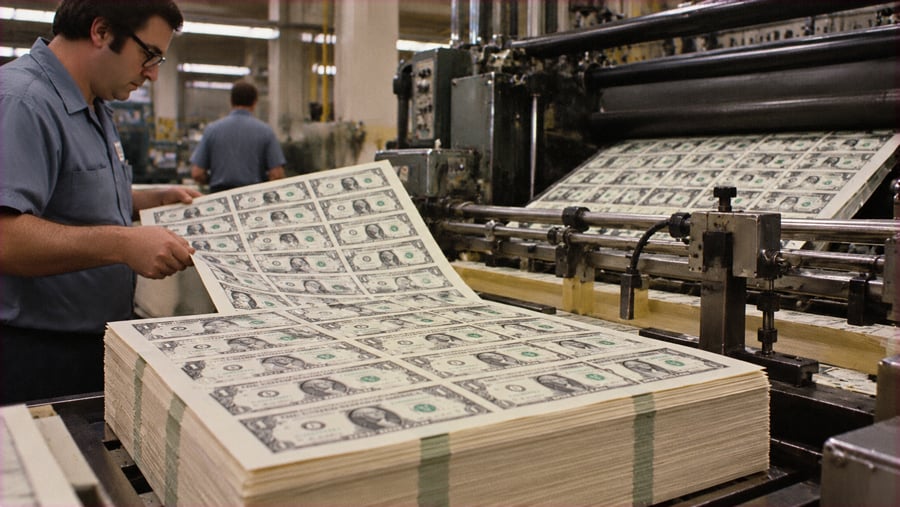
With phones and cards handling so many purchases, you’d think printing cash might be a dying business. Not quite. The Federal Reserve’s 2026 order called for approximately 3.8 billion to 5.1 billion new banknotes, representing as much as $140 billion in face value. That’s an impressive amount of paper for a supposedly cashless world.
12. Pennies Quietly Changed Their Main Ingredient
Wealthgang
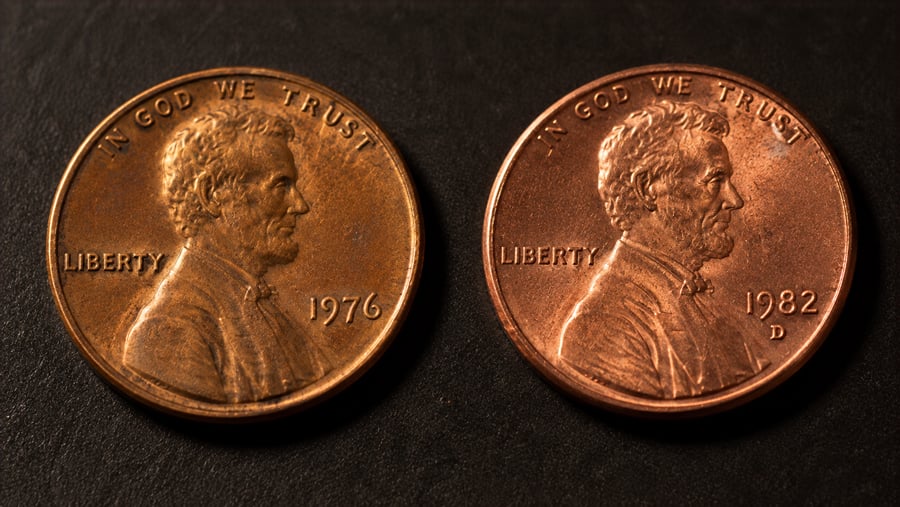
A penny from 1976 was approximately 95% copper. But in 1982, rising metal costs pushed the U.S. Mint toward a cheaper recipe: 97.5% zinc with a thin copper coating. For decades afterward, Americans carried coins that looked familiar but were made mostly from an entirely different metal.
13. Young Adults Make Nearly Half Their Payments by Phone
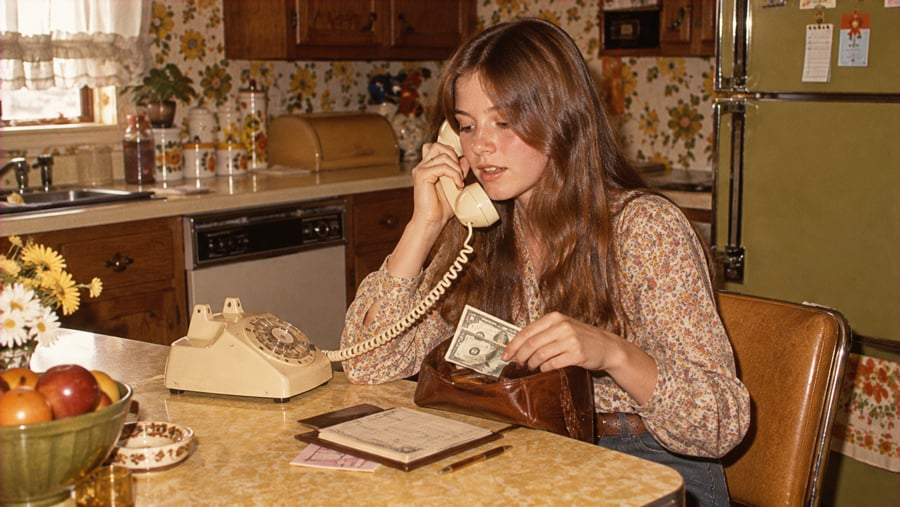
A telephone in 1976 was something you used to call people, preferably without stretching the cord across the kitchen. By 2024, Americans ages 18 to 24 were making 45% of their payments using mobile phones. The device once attached to the wall had become a wallet, checkout counter, and banking tool.
14. The $100 Bill Travels Far Beyond America
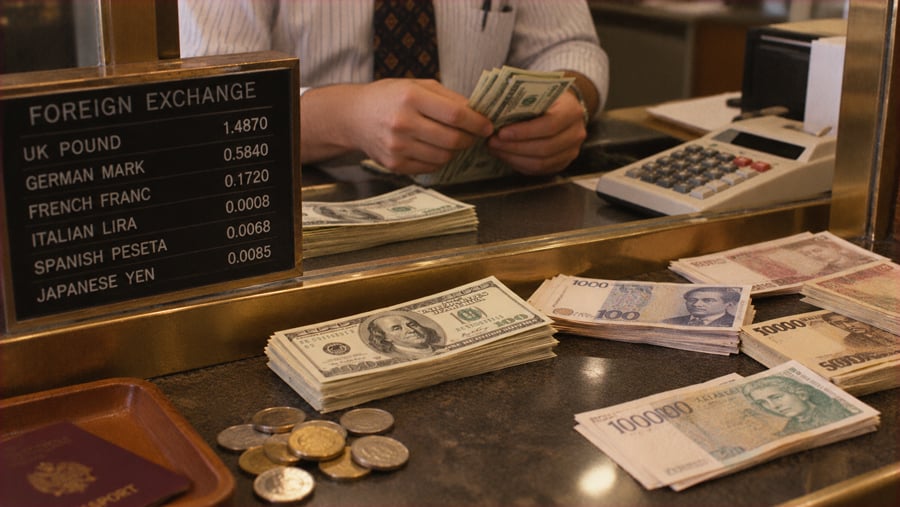
Benjamin Franklin has become something of an international traveler. The $100 bill is widely held outside the United States, often as a way to preserve savings rather than make everyday purchases. Federal Reserve research has documented substantial overseas holdings, giving American paper currency a second life far from home.
15. Credit Card Debt Has Passed the Trillion-Dollar Mark
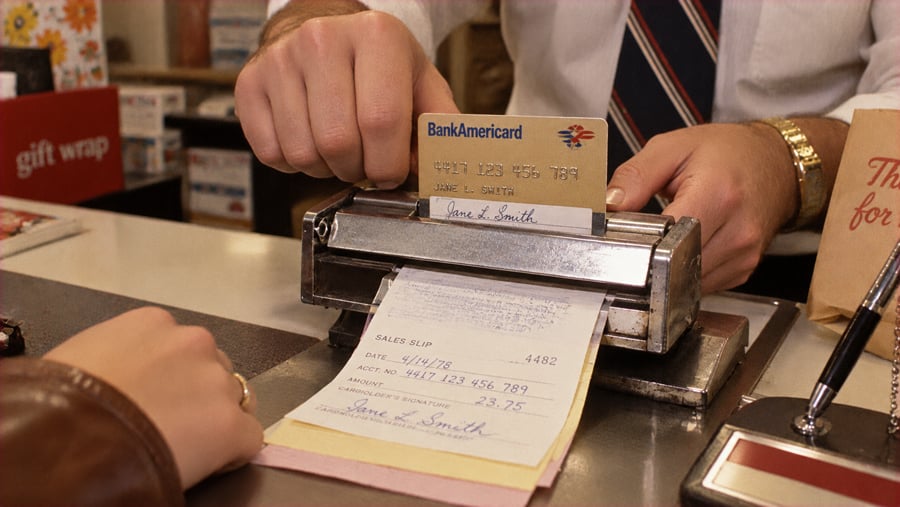
Credit cards were already part of American life in 1976, but today’s outstanding balances would have been difficult to imagine. By the third quarter of 2025, U.S. credit card debt had reached approximately $1.2 trillion. Population growth and inflation matter, but the sheer number still makes those old embossed plastic cards look surprisingly powerful.
16. Paying Back a Friend No Longer Requires Exact Change
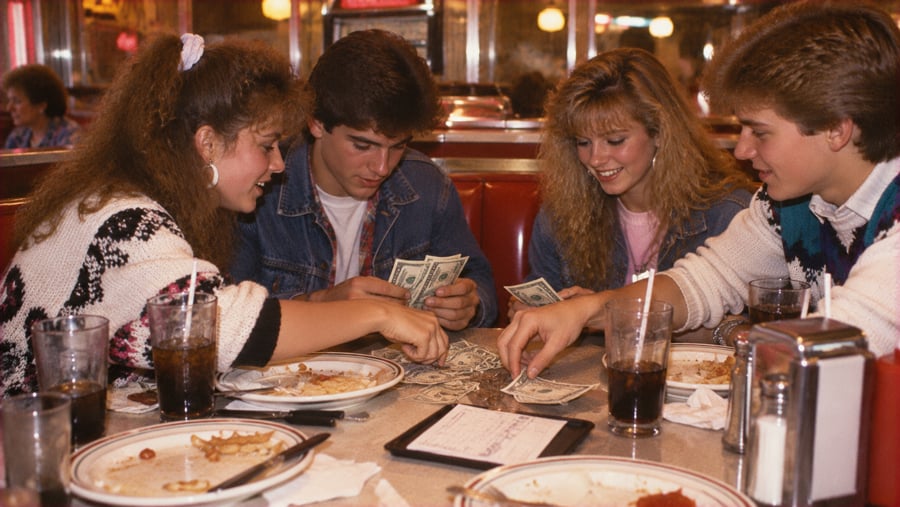
Splitting a dinner bill once meant searching through pockets for dollar bills or promising to write a check later. By 2023, mobile apps accounted for half of person-to-person payments in Federal Reserve research. Today, settling a five-dollar debt can take seconds, without anyone hunting for loose change.
17. You Don’t Need to Buy an Entire Share of Stock
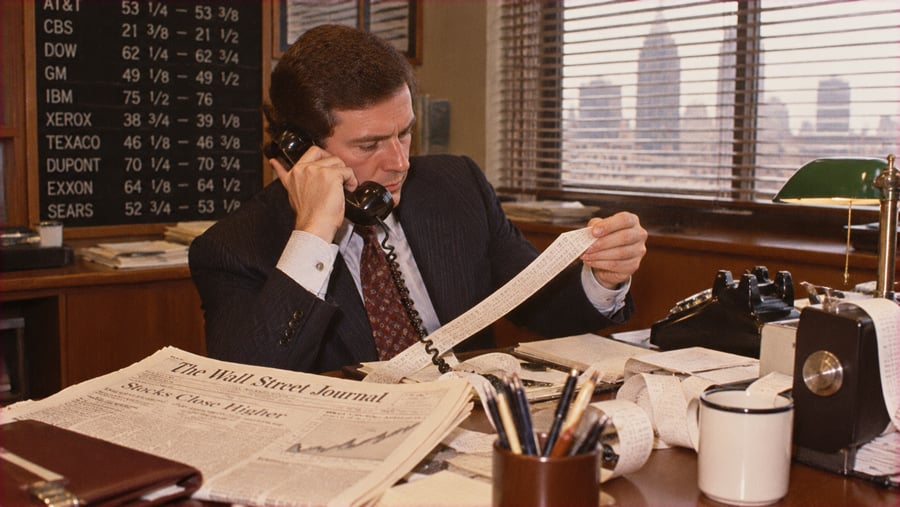
Investing once felt like a club with an expensive entrance fee. Today, some brokerage platforms let customers buy fractional shares, meaning they can invest a small dollar amount without purchasing one complete share. A company with a high stock price is no longer automatically out of reach for smaller investors.
18. The Roosevelt Dime Got a Birthday Makeover
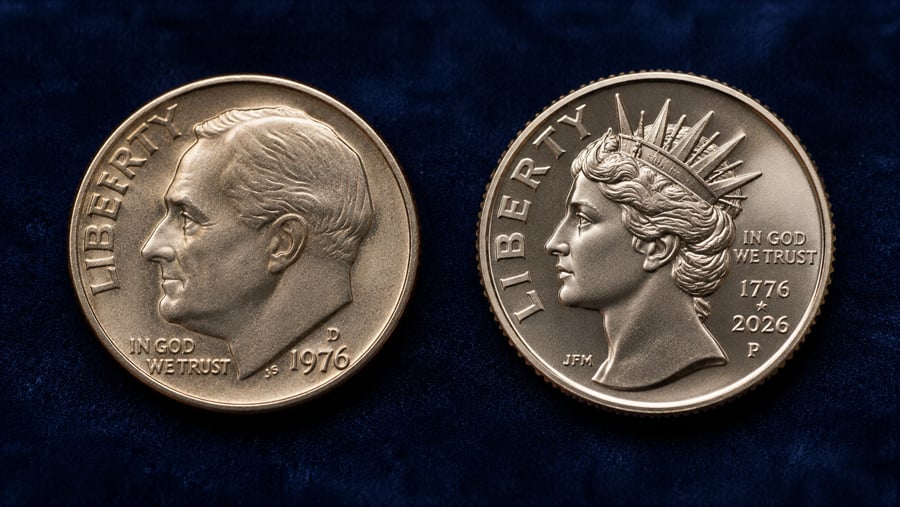
Americans in 1976 saw special Bicentennial designs on quarters, half dollars, and dollar coins, but the Roosevelt dime stayed the same. For the nation’s 250th anniversary in 2026, the Mint introduced a temporary dime design featuring Liberty instead. Even pocket change got a surprising update for America’s big birthday.
More Related Notes
Habits People With Old Money Practice
Discover the surprisingly simple habits associated with old money, from thoughtful spending to financial traditions that have helped families preserve wealth across generations.
Old Office Items Collectors Want
Those forgotten office supplies gathering dust might be worth another look. Explore vintage workplace treasures that collectors are still eager to find.
15 Money Facts That Sound Made Up but Are True
From bizarre currency history to unexpected financial facts, these surprising discoveries prove that the world of money is stranger than it seems.