
For all the satellites orbiting Earth and the technology scientists have at their fingertips, nature still knows how to keep a few secrets. Lightning flashes across the sky, enormous waves rise from seemingly calm oceans, and mysterious lights appear in places where nobody expects them. We have spent centuries studying these events, yet some of their most fascinating details remain surprisingly difficult to explain.
What makes these mysteries so interesting is that they are not just strange stories or unexplained legends. Scientists have observed them, measured them, and sometimes even photographed them from space. Still, understanding why they happen, what triggers them, or when they might appear is another challenge entirely. These 15 natural phenomena are reminders that our planet still has plenty of surprises waiting to be understood.
1. Scientists Still Do Not Completely Understand How Lightning Gets Started
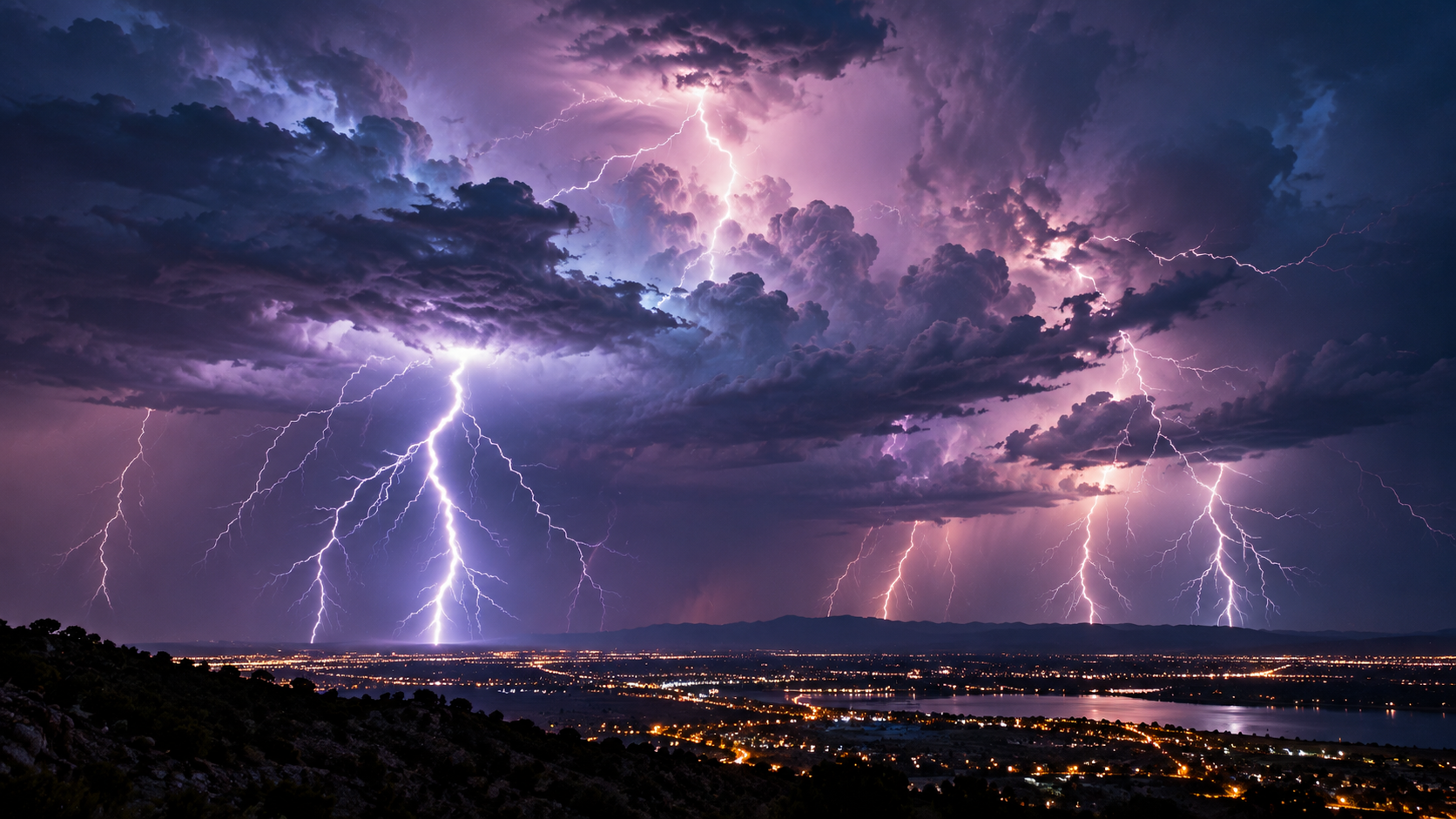
A thunderstorm rolls in, the sky suddenly lights up, and a split second later comes that familiar rumble of thunder. Lightning seems like one of nature’s most straightforward displays, especially considering how often we see it. Scientists understand that electrical charges build up inside storm clouds until a powerful discharge occurs. The surprising part is that they still cannot fully explain what gets that first electrical channel started. Researchers have spent decades studying the conditions inside thunderstorms, but the exact moment that transforms separated charges into a lightning bolt remains an active scientific puzzle.
2. Some Lightning Bolts Are Up to 1,000 Times More Energetic Than Normal
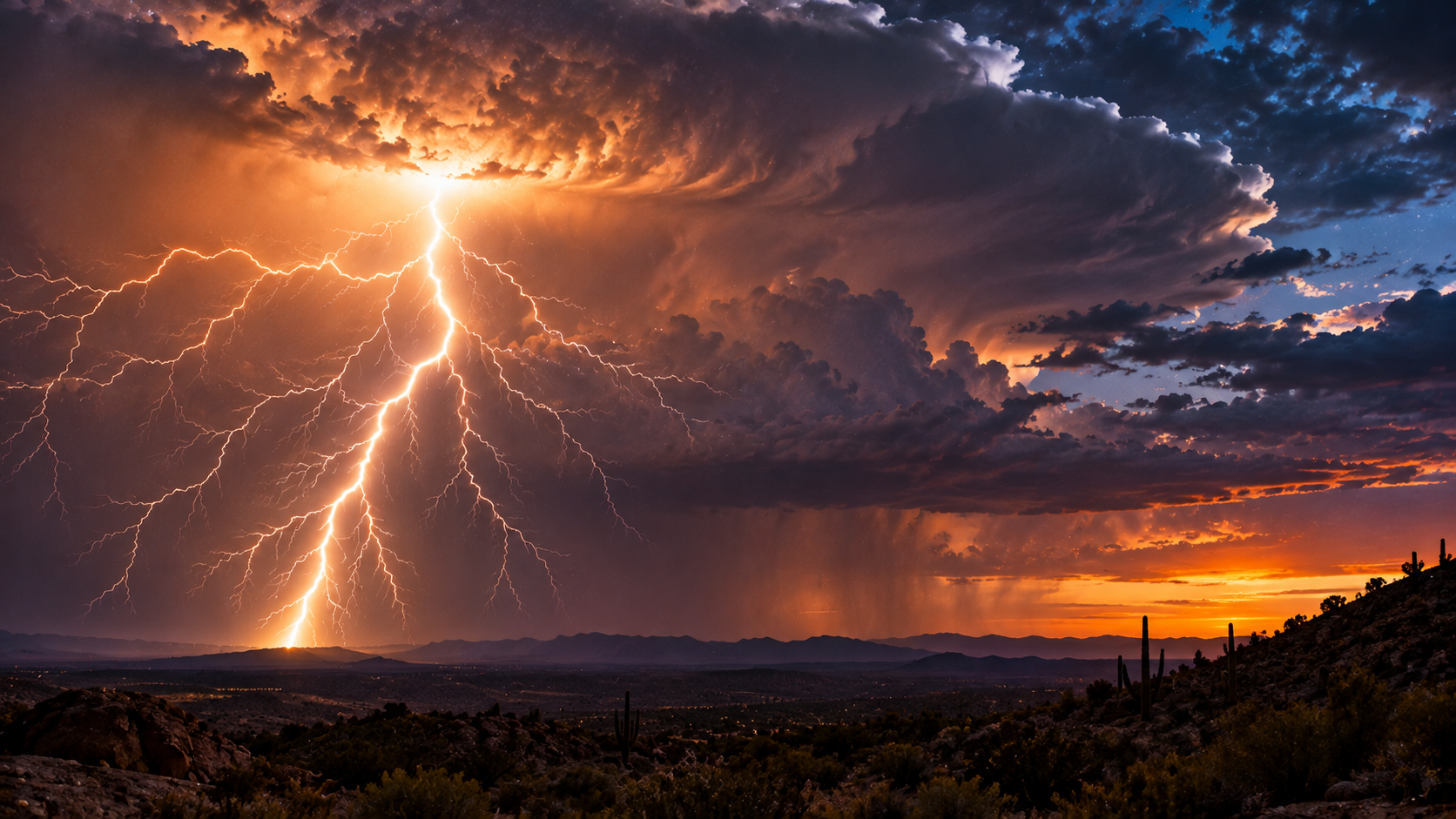
Most lightning strikes are impressive enough, but every so often, nature produces something far more extraordinary. Known as superbolts, these unusually powerful flashes can carry up to 1,000 times the energy of typical lightning. Scientists once questioned whether such extreme readings were simply mistakes made by measuring instruments, but satellite observations confirmed that superbolts are real. What remains difficult to explain is why certain storms produce these enormous bursts of energy while others do not. Even with sophisticated equipment watching thunderstorms from space, researchers are still trying to understand what makes a superbolt different from an ordinary flash.
3. A Purple Light Called STEVE Is Not Quite an Aurora
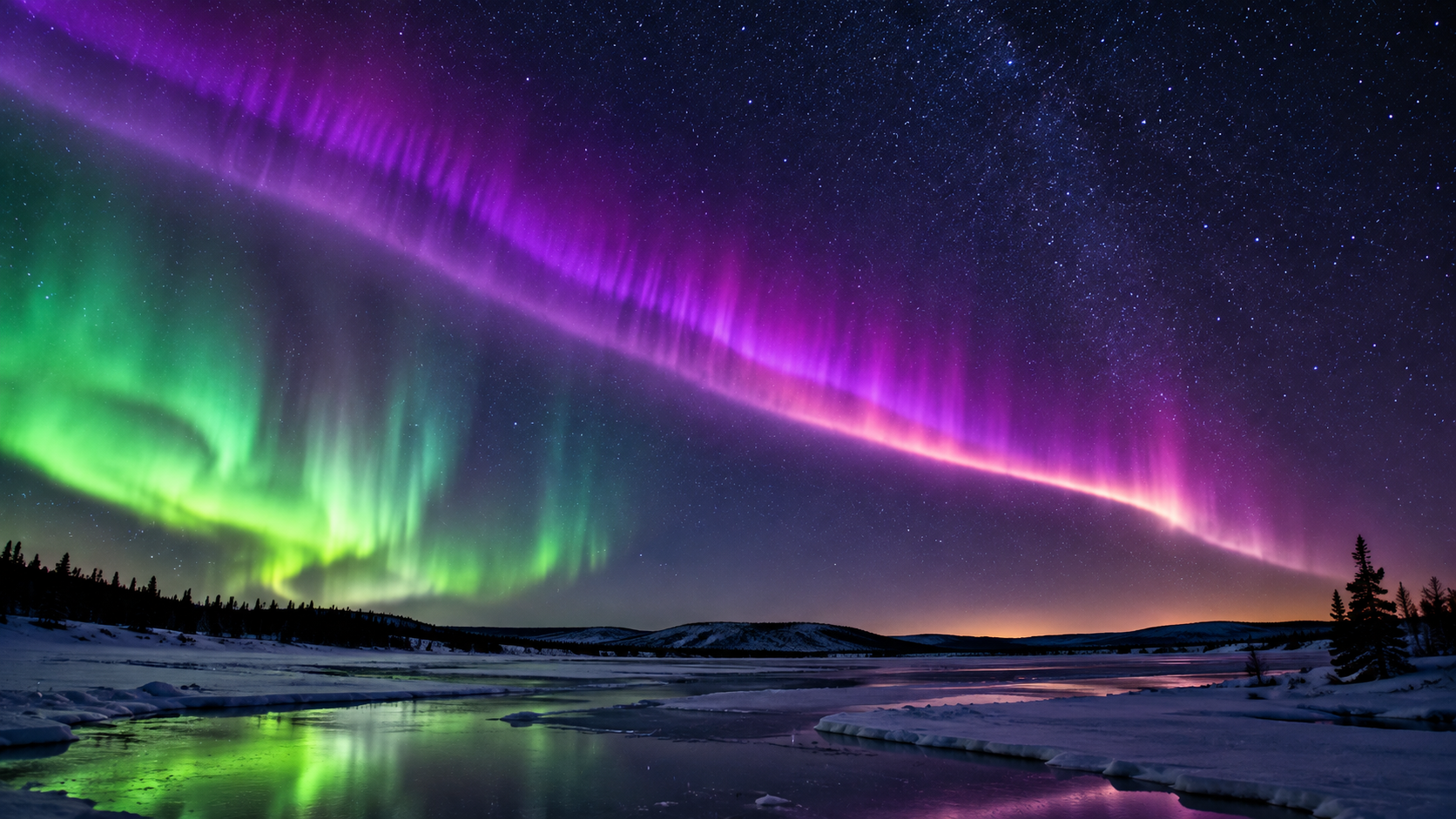
Imagine looking up at the night sky and spotting a long, glowing purple ribbon stretching across the darkness. For years, people photographed this unusual display without realizing they were observing something scientists had not fully characterized. Eventually, amateur sky watchers helped researchers investigate the phenomenon, now known as STEVE, short for Strong Thermal Emission Velocity Enhancement. Although it resembles the northern lights, STEVE is not a typical aurora. Scientists have linked it to extremely hot, fast-moving charged particles high above Earth, but questions remain about exactly how its distinctive glow develops. It is a fascinating example of ordinary people helping uncover something new about the sky.
4. Night-Shining Clouds Are Appearing Farther From the Poles
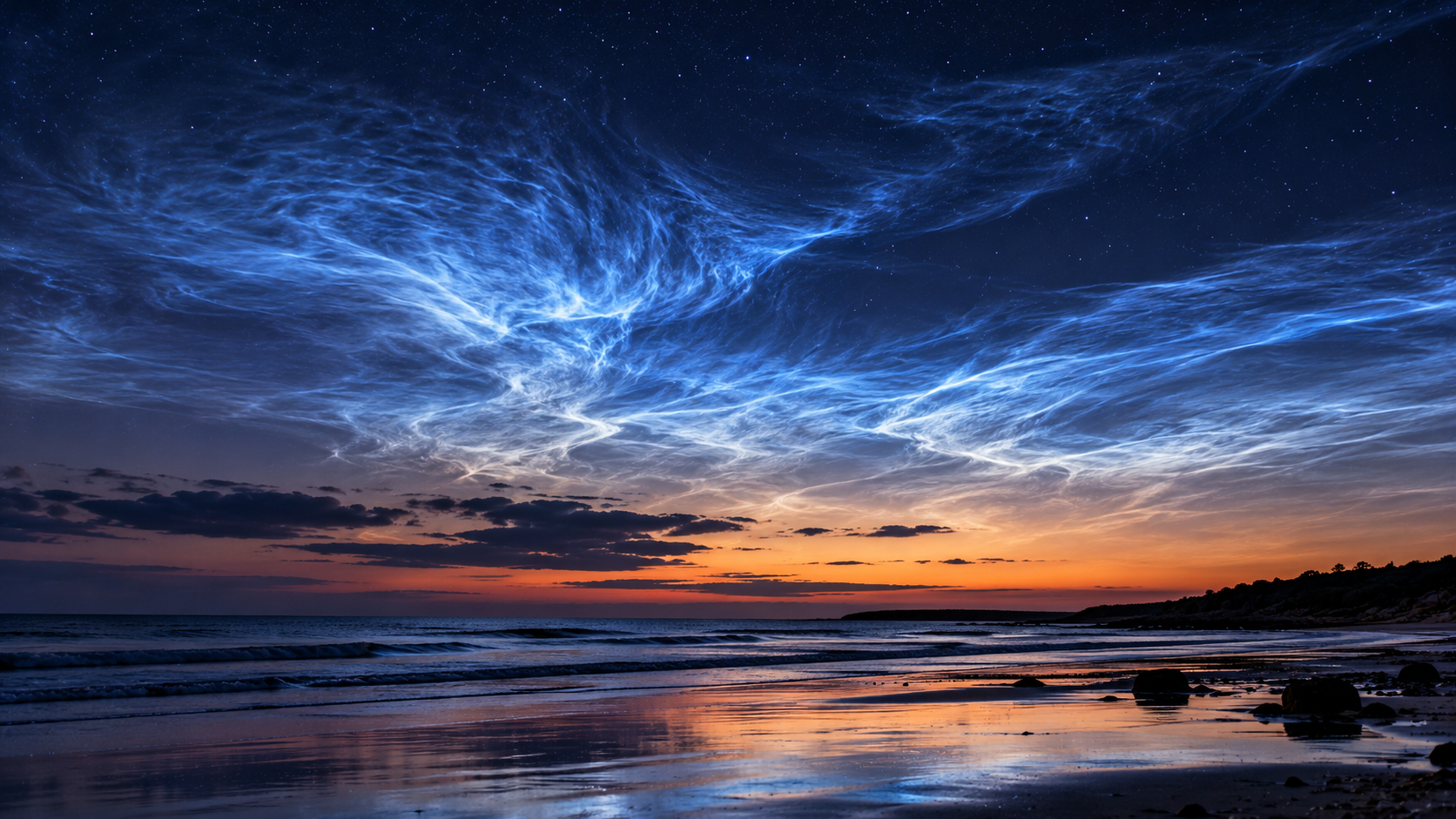
Most clouds disappear into the darkness after sunset, but some seem to come alive when the sky grows dim. Noctilucent clouds, sometimes called night-shining clouds, form roughly 50 miles above Earth, where tiny ice crystals catch sunlight long after the ground below has fallen into shadow. Their delicate, silvery-blue appearance makes them look almost unreal. Traditionally associated with polar regions, these clouds have increasingly been observed farther from the poles. Scientists suspect that changing atmospheric temperatures, water vapor, greenhouse gases, and even rocket exhaust may influence their formation. Exactly how these factors interact is still being studied, making these beautiful clouds an unexpected window into changes occurring high above our heads.
5. Wildfires Can Create Their Own Thunderstorms
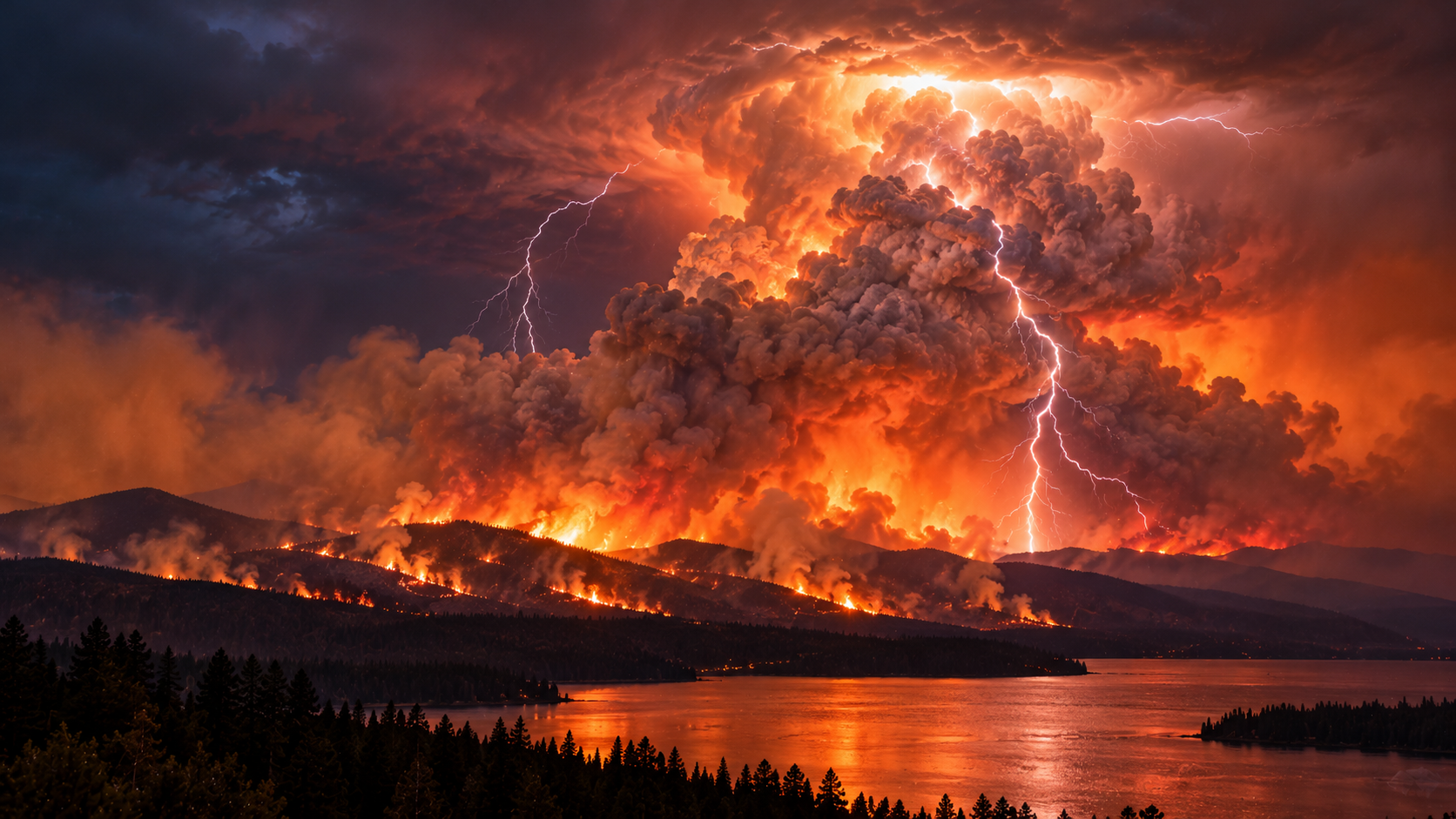
A wildfire is already frightening enough without the possibility of creating its own weather. Yet under the right conditions, intense fires can send enormous columns of heat and smoke into the atmosphere, forming clouds known as pyrocumulonimbus clouds. These towering formations can produce lightning, strong winds, and sometimes rain, potentially making an already dangerous fire even more unpredictable. Some grow powerful enough to carry smoke into the stratosphere. Scientists understand the basic process, but predicting which fires will develop these extraordinary storms remains difficult. NASA continues studying them to learn how they influence wildfire behavior and move smoke across the atmosphere.
Trending on Wealth Gang


6. Rogue Waves Can Appear With Little Warning

For generations, sailors returned from voyages with terrifying stories about gigantic walls of water appearing out of nowhere. Many people assumed those accounts were exaggerated, until modern instruments confirmed that rogue waves really do exist. These enormous waves rise to more than twice the height of the surrounding significant waves and can emerge with remarkably little warning. Researchers have identified several ways ocean energy can become concentrated into one extraordinary crest, but predicting exactly where or when that will happen remains a challenge. The ocean has been traveled for thousands of years, yet it can still produce a wave that catches even experienced sailors by surprise.
7. Entire Sections of Ocean Can Glow for Weeks
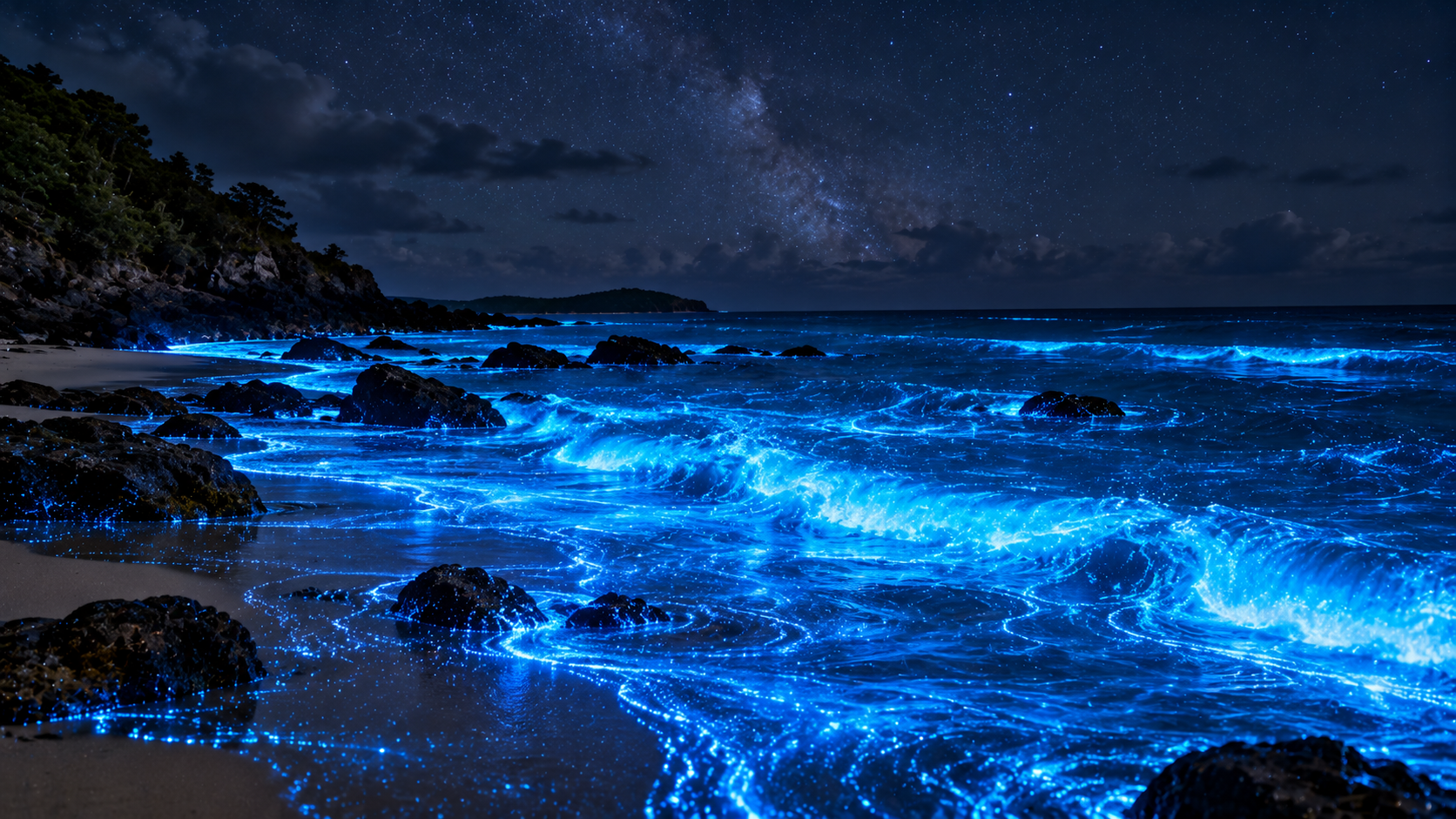
Picture sailing across the ocean at night and discovering that the water around your boat is glowing with a soft, almost ghostly light. This is not a scene from a fantasy movie. Rare events known as milky seas can illuminate enormous stretches of ocean for days or even weeks. Unlike the brief flashes of bioluminescence sometimes seen along beaches, these displays produce a steady white or greenish glow. Satellites have detected events covering more than 100,000 square kilometers. Scientists believe vast populations of light-producing bacteria are involved, but they still do not fully understand what causes these displays to begin, spread across such enormous areas, or last so long.
8. Giant Waves Also Move Through the Ocean Where Nobody Can See Them

The ocean can look perfectly peaceful on the surface while enormous waves travel through the water far below. These hidden movements, called internal waves, form between layers of water with different densities. Some reach astonishing heights, even though a person looking out from a boat might notice nothing unusual. Scientists know these waves play an important role in moving heat, nutrients, and energy through the ocean, helping shape conditions for marine life. The challenge is observing something so large when most of its movement happens out of sight. Understanding and predicting internal waves remains an important part of ocean research.
Sign up for our newsletter
9. Scientists Still Do Not Know Why Bioluminescence Is So Common in the Ocean
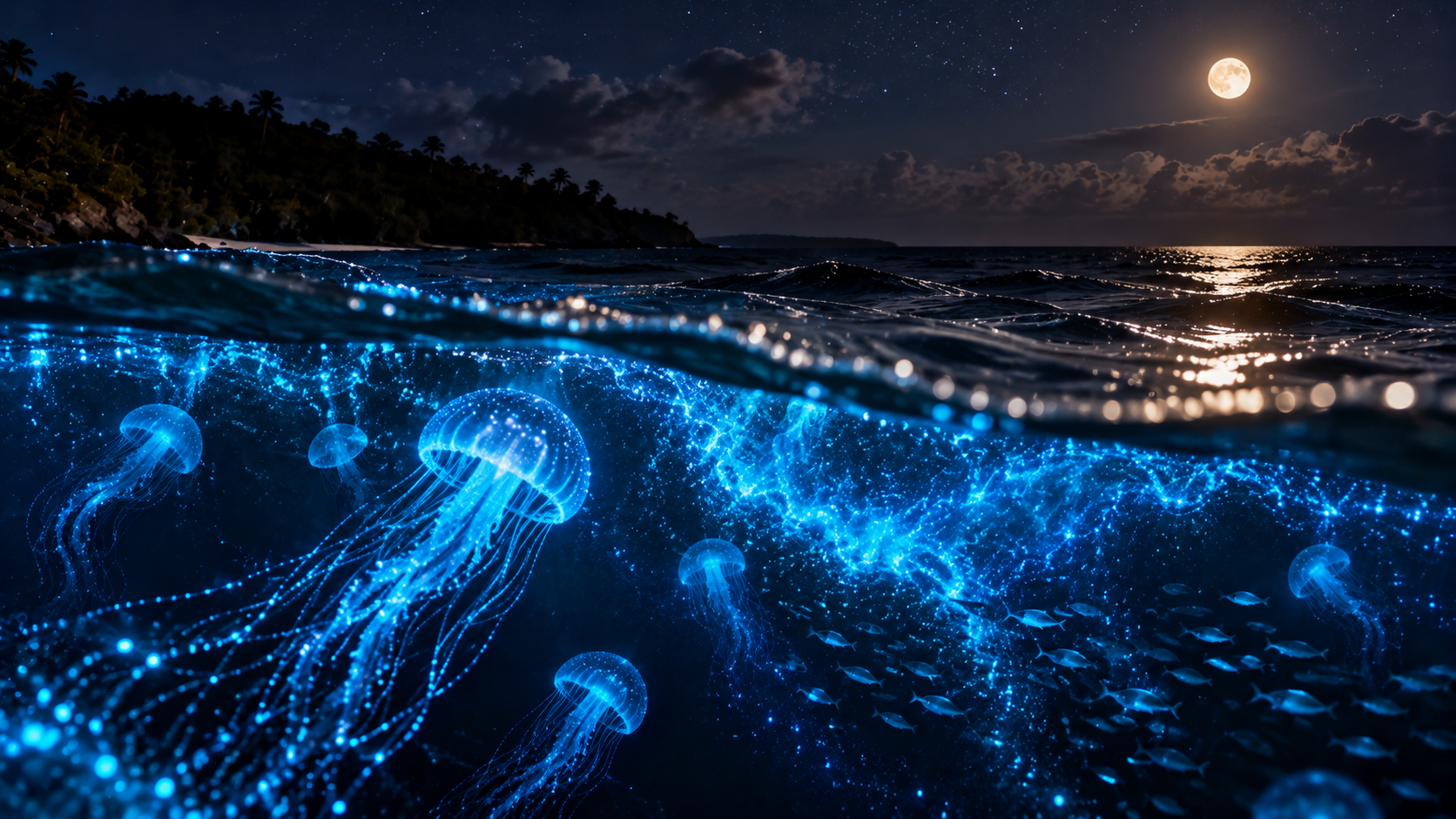
Deep beneath the ocean’s surface, where sunlight barely reaches, countless creatures have developed the remarkable ability to produce their own light. Some use it to attract prey, others to confuse predators, and still others to communicate or find a mate. NOAA estimates that roughly 80% of animals living between 200 and 1,000 meters below the surface are bioluminescent. Scientists understand many of the practical advantages of this ability, but one larger question remains: why is producing light so widespread in the ocean and comparatively uncommon on land or in freshwater? It is one of those fascinating evolutionary mysteries hiding in a place humans rarely get to visit.
10. Some Earthquakes Arrive in Swarms With No Obvious Main Shock
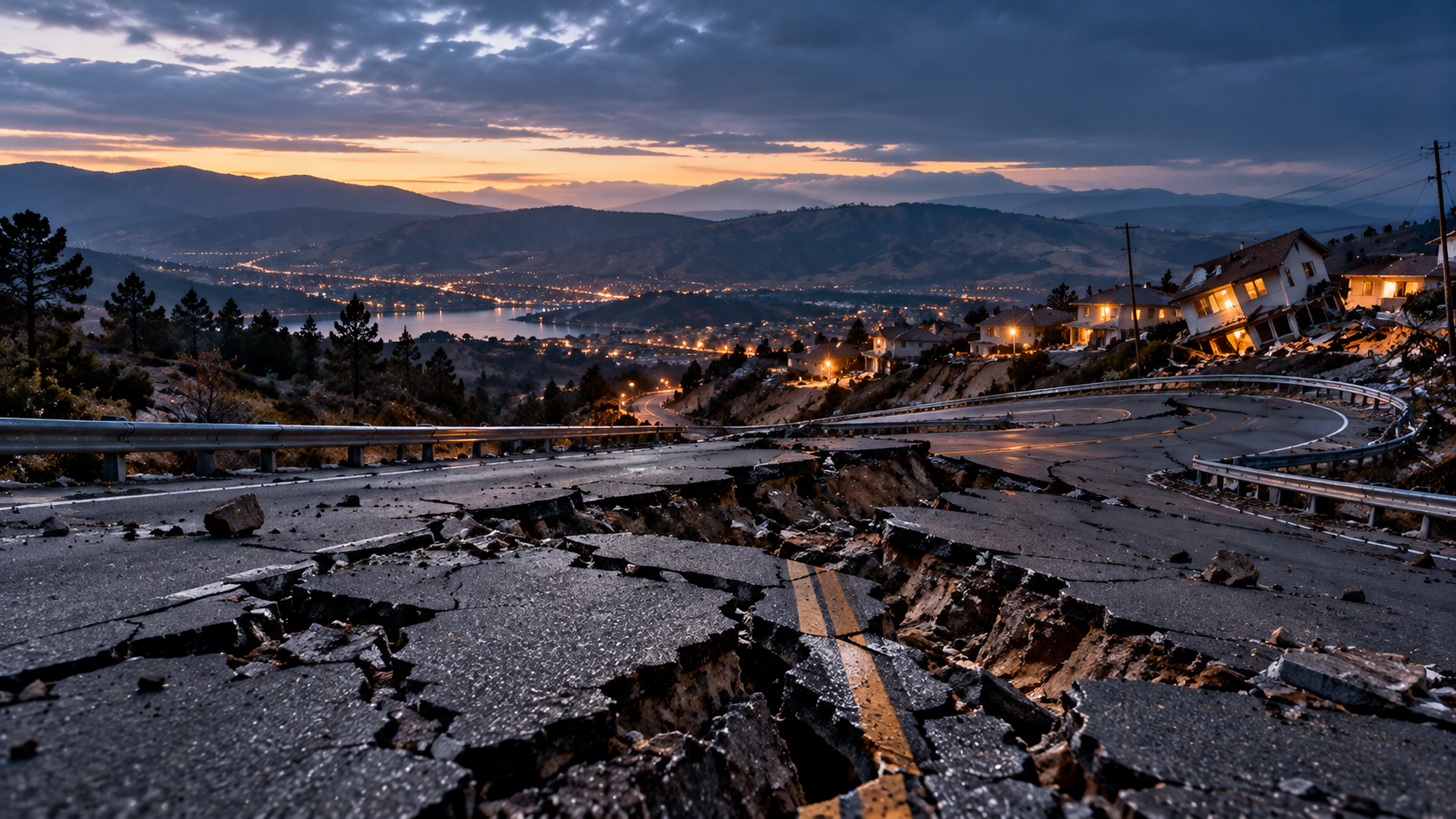
When people think about earthquakes, they usually imagine one major tremor followed by a series of smaller aftershocks. Nature does not always follow that pattern. Sometimes an area experiences dozens or even hundreds of earthquakes clustered together without one obvious main event. Scientists call these earthquake swarms, and they can occur for several different reasons. Underground fluids, moving magma, and gradual shifts along faults may all play a role. The difficult part is determining which process is responsible for a particular swarm. Researchers can monitor the shaking, but understanding what is happening beneath the surface is not always straightforward.
11. Some Faults Can Slip for Days or Weeks Without a Normal Earthquake
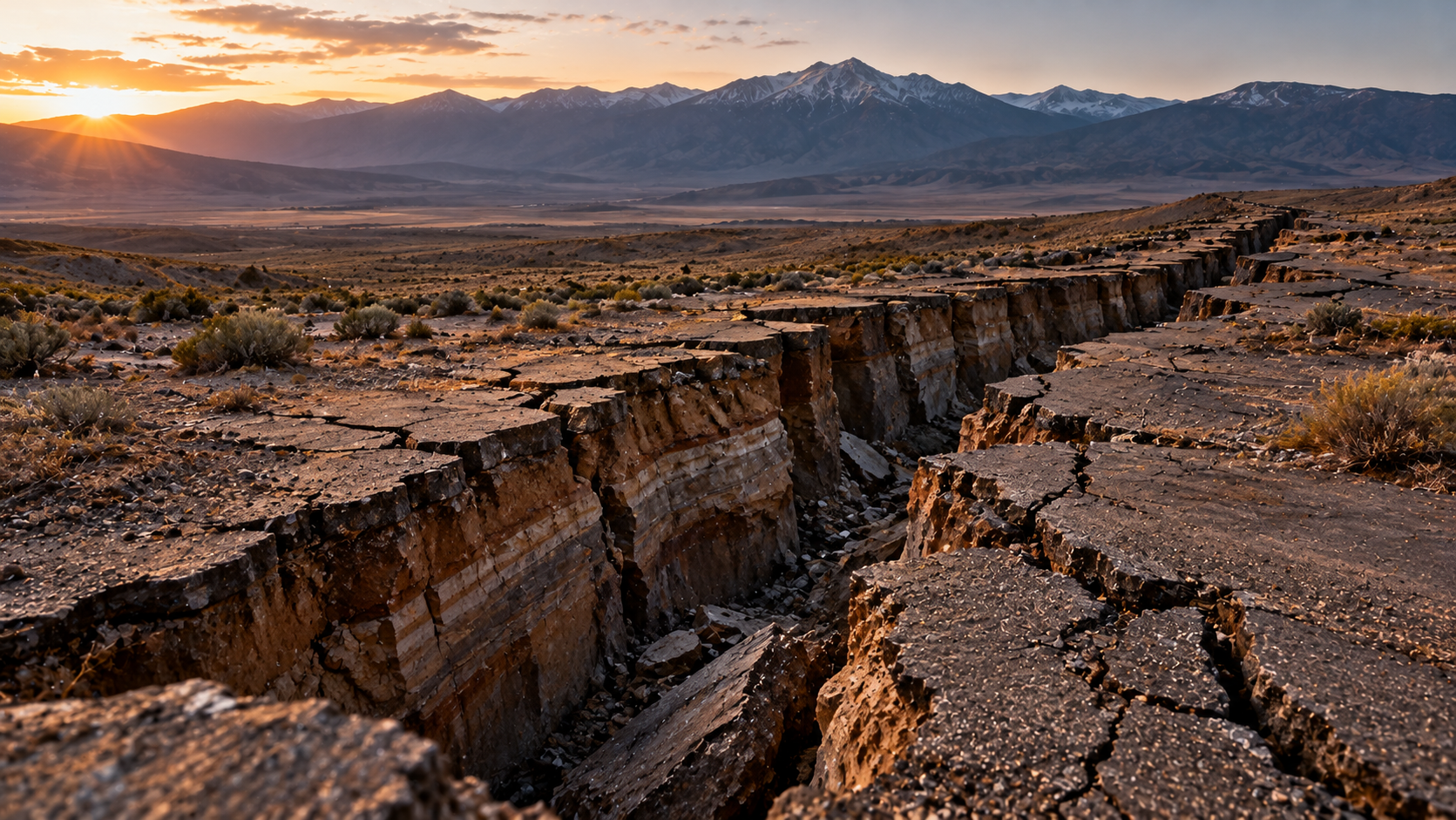
Not every movement along a fault announces itself with shaking buildings or rattling windows. Scientists have discovered that some faults can slowly release built-up strain over days or weeks, producing little or no noticeable shaking. These movements are known as slow-slip events, and their discovery changed the way researchers understood earthquake behavior. Instead of releasing energy only through sudden earthquakes or steady creeping motion, faults can behave in ways that fall somewhere between the two. Scientists are particularly interested in whether these quiet movements can influence nearby faults or change the likelihood of larger earthquakes. It is a reminder that significant geological activity can happen without anyone on the surface feeling a thing.
12. Volcanoes Can Generate Lightning More Intense Than Thunderstorms
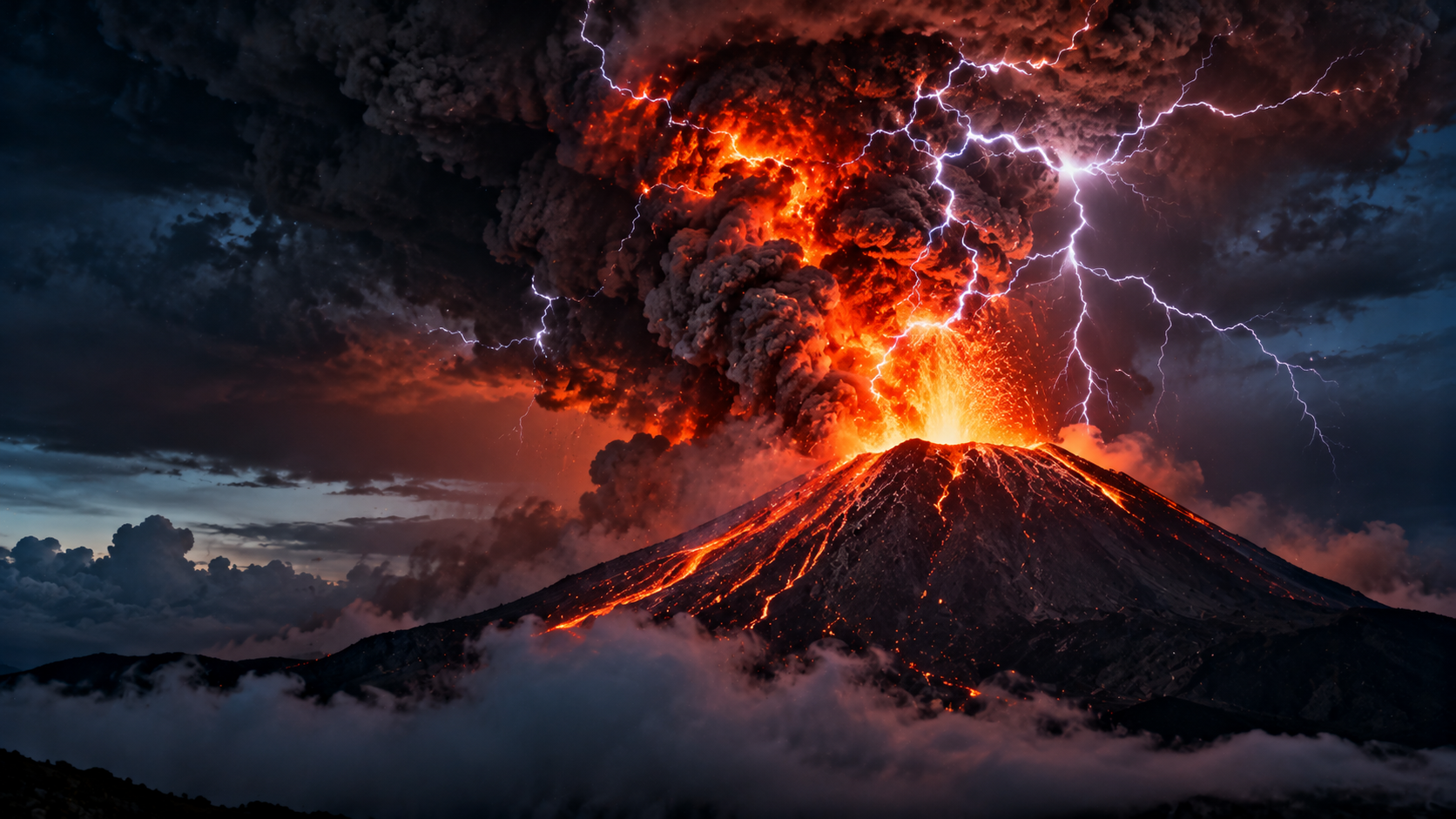
A volcanic eruption is one of Earth’s most dramatic sights, but some eruptions add an unexpected spectacle: lightning flashing through enormous clouds of ash. As particles of ash, ice, and water collide inside a volcanic plume, electrical charges can build up and produce extraordinary lightning displays. During the 2022 Hunga eruption in Tonga, researchers recorded more than 192,000 lightning flashes, with peak activity exceeding 2,600 flashes per minute. Scientists understand several ways volcanic plumes become electrically charged, yet they are still investigating why some eruptions generate incredible lightning storms while others produce relatively little electrical activity. Even volcanoes that appear similar can behave very differently.
13. Animals Can Detect Earth’s Magnetic Field, but Scientists Still Do Not Know Exactly How
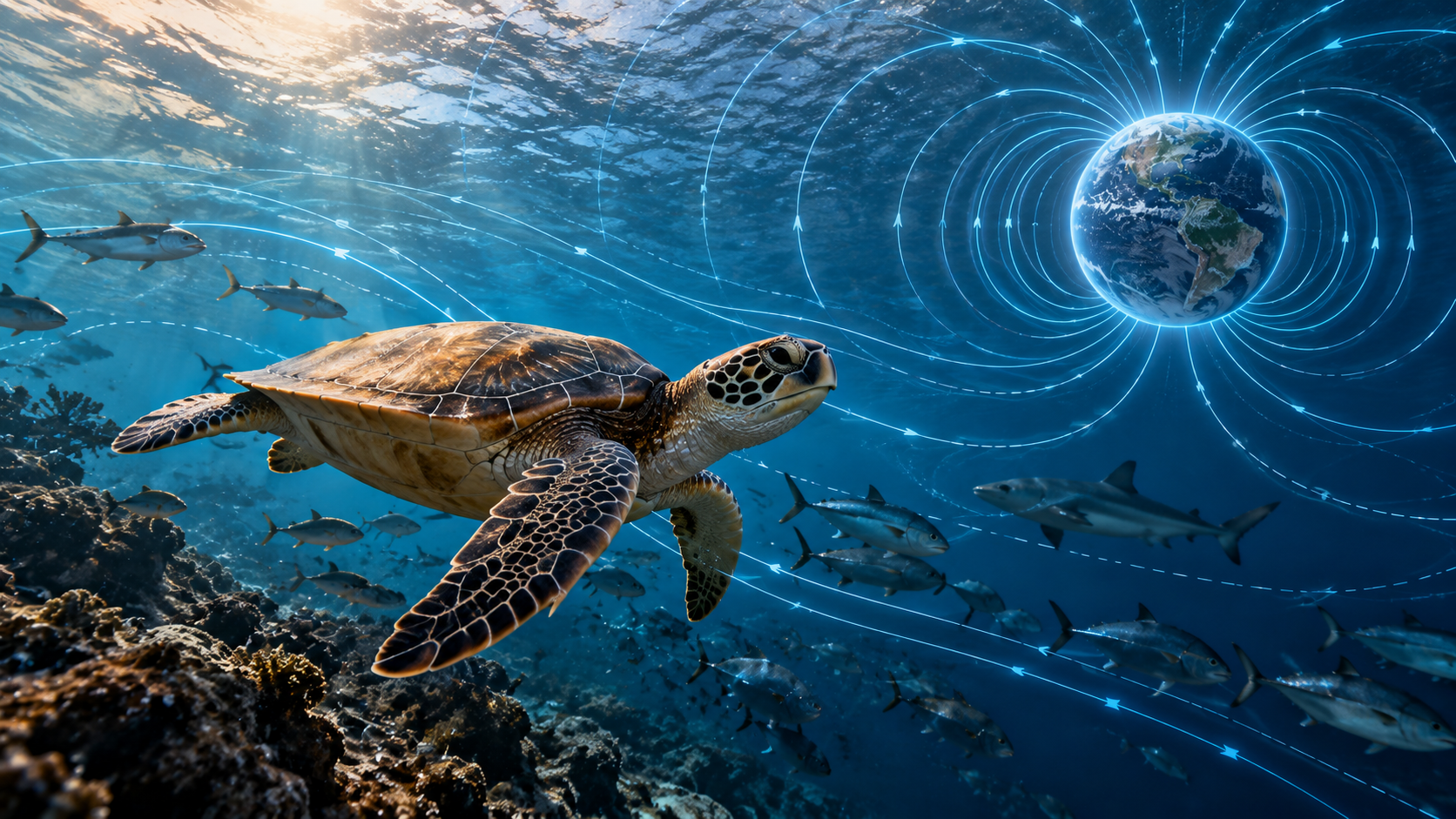
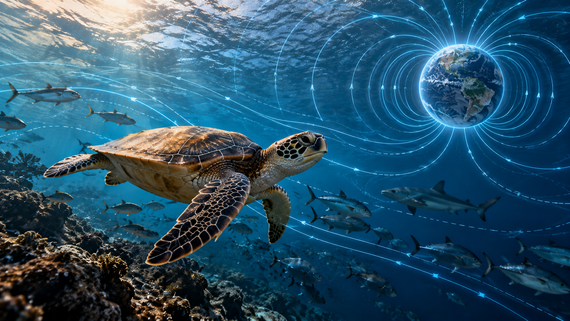
Every year, birds travel astonishing distances, sea turtles navigate vast oceans, and other animals find their way across environments without maps or GPS. One of their remarkable abilities is sensing Earth’s magnetic field, which provides information that helps them navigate. Scientists call this magnetoreception, and evidence of the ability has been found in birds, fish, insects, turtles, and other creatures. What researchers still struggle to explain is precisely how these animals detect such a weak magnetic signal. Some theories involve tiny magnetic minerals, while others point to light-sensitive chemical reactions. The ability itself is well established, but the biological machinery behind it remains surprisingly mysterious.
14. Scientists Still Debate What Creates the Namib Desert’s Fairy Circles

Across parts of Namibia’s desert landscape, thousands of nearly perfect circles interrupt the surrounding grass. These bare patches, known as fairy circles, can appear in remarkably regular patterns, almost as though someone carefully arranged them across the sand. For years, scientists have debated what creates them. One explanation points to termites altering the soil, while another suggests that grasses naturally organize themselves as they compete for scarce water. Some research indicates that both processes might interact. Despite extensive fieldwork and computer modeling, researchers have not reached a definitive explanation. These strange desert patterns remain one of nature’s most visually intriguing scientific debates.
15. Weather Near the Ground Can Send Waves All the Way Toward Space
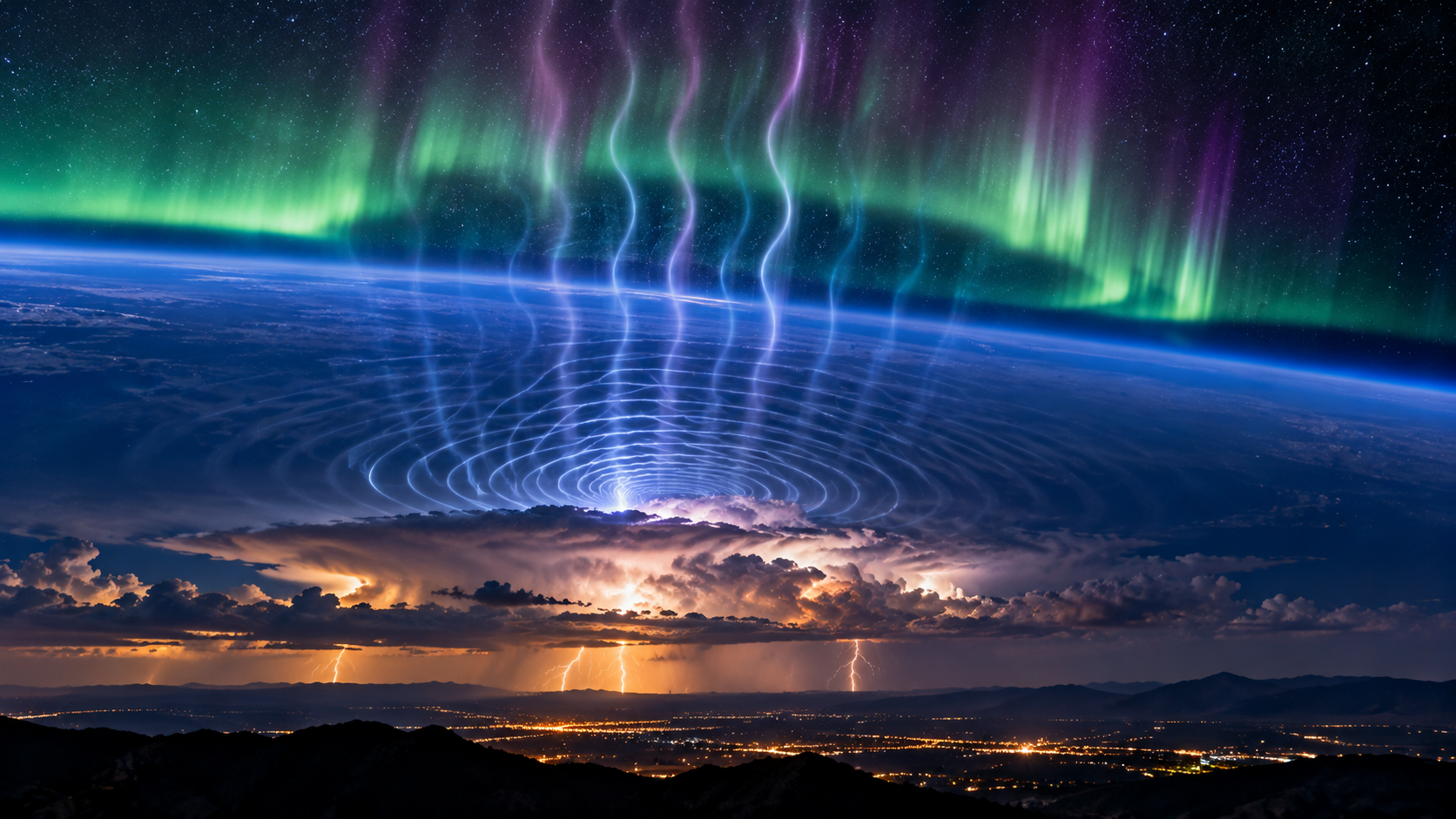
A thunderstorm passing overhead might seem like a local event, but its influence can reach far beyond the clouds. Storms, mountains, and other disturbances can generate atmospheric gravity waves that travel upward through layers of the atmosphere. As they rise, these waves can affect the ionosphere, a region that plays an important role in satellite operations, radio signals, and GPS communication. Scientists have understood the existence of atmospheric waves for years, but tracing exactly how weather near Earth’s surface creates disturbances hundreds of miles above it remains challenging. NASA’s Atmospheric Waves Experiment has begun providing new observations, helping researchers connect everyday weather with activity near the edge of space.
More Related Notes
– 15 Little-Known Places That Look Like They Belong to Another Planet
From colorful lakes to extraordinary rock formations, these real places look like something from another world. Discover some of Earth’s most unusual landscapes and the natural forces behind them.
– 15 Scientific Facts That Sound Invented But Are Completely True
Science has uncovered some astonishing facts that seem almost impossible to believe. From unusual animal abilities to surprising discoveries about our planet, these examples prove that reality can be stranger than fiction.
– 15 Underwater Places That Most People Will Never Get to See
Beneath the ocean’s surface lies a world of mysterious formations, hidden ecosystems, and extraordinary discoveries. Explore fascinating underwater locations that remain out of reach for most people.