There was a time when getting almost anything done meant leaving the house. Paying bills required a trip to the bank, watching a new movie meant visiting a theater or rental store, and talking to someone far away could involve an expensive long-distance phone call. Even simple activities like shopping, researching a question, or developing photographs required planning around business hours.
Over the decades, new technologies gradually brought those experiences into American homes. Some arrived as bulky machines that took up entire desks, while others eventually fit into a pocket. Together, they changed how people worked, learned, shopped, communicated, and entertained themselves without ever stepping outside the front door.
1. Personal Computers Turned Spare Bedrooms Into Workspaces
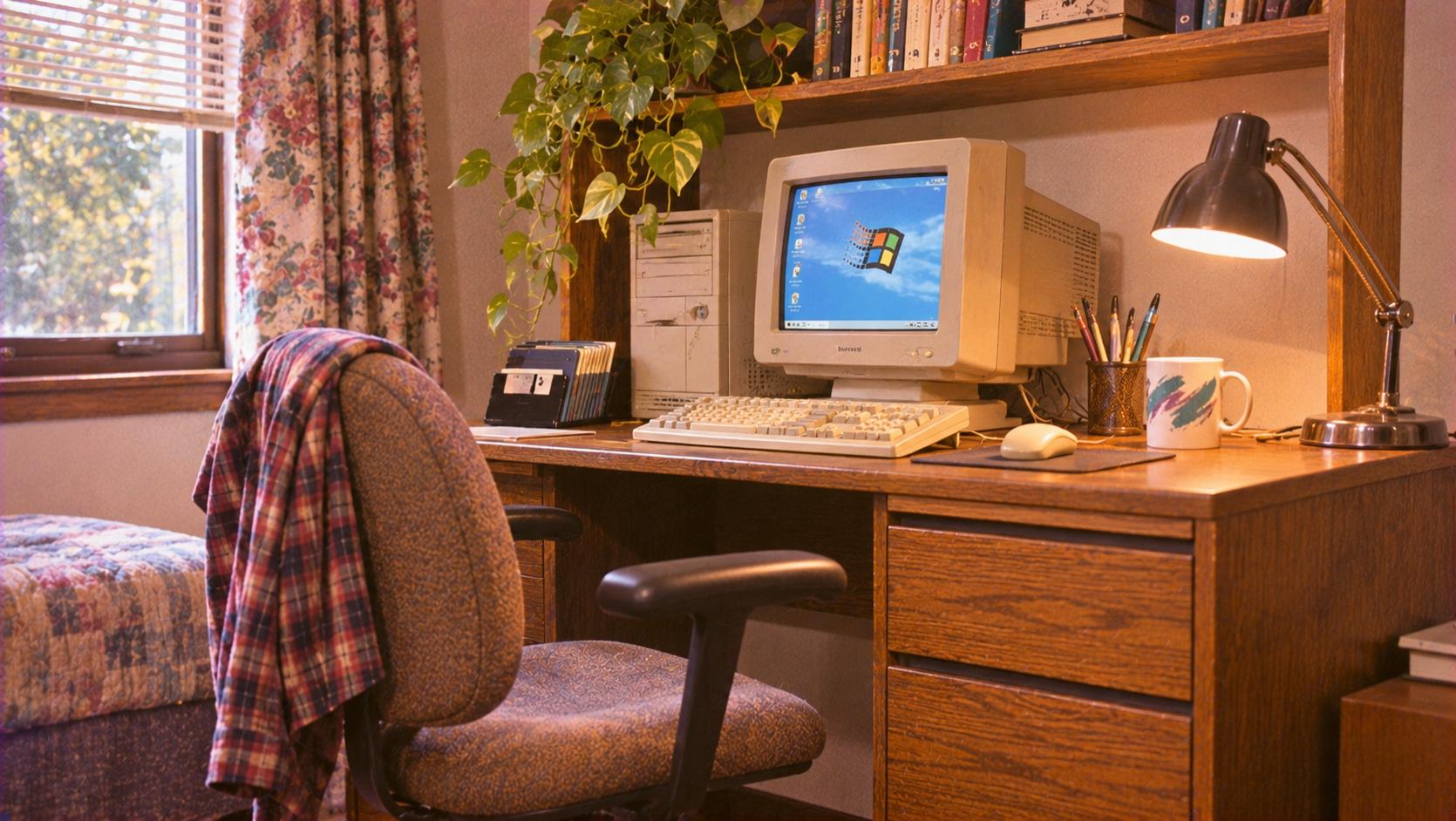
Before personal computers became common, most office work depended on equipment found in actual offices. Typewriters, filing cabinets, and specialized business machines were essential for everyday tasks. When affordable home computers appeared in the late 1970s and became more popular throughout the 1980s, families suddenly had access to tools that once belonged primarily to businesses and universities. Word processing software made writing and editing documents easier, while spreadsheets allowed people to manage budgets and calculations without piles of paper. By the 1990s, a spare bedroom could function as a surprisingly capable home office.
2. Microwave Ovens Made Cooking Faster Than Ever
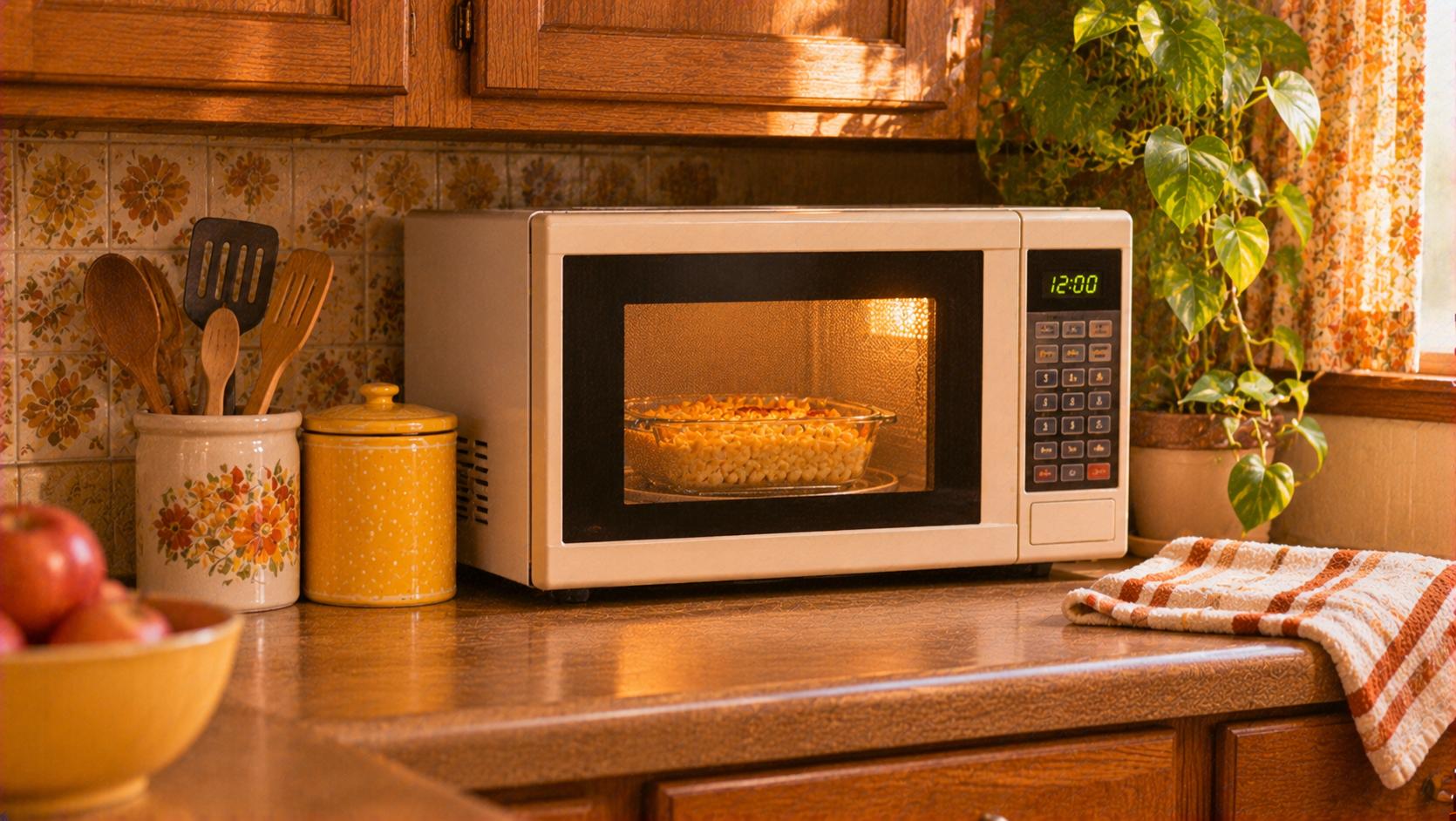
Preparing dinner once meant spending considerable time in front of the stove or waiting for an oven to heat up. Although microwave ovens entered the market decades earlier, they became increasingly common in American kitchens during the 1970s and 1980s. Families could reheat leftovers, defrost frozen ingredients, and prepare simple meals in minutes. Microwaveable dinners and snacks became an entire category of convenience foods. The appliance did not replace traditional cooking, but it made feeding a busy household considerably easier, especially when everyone seemed to be eating at a different time.
3. VCRs Let Families Decide When Movie Night Happened
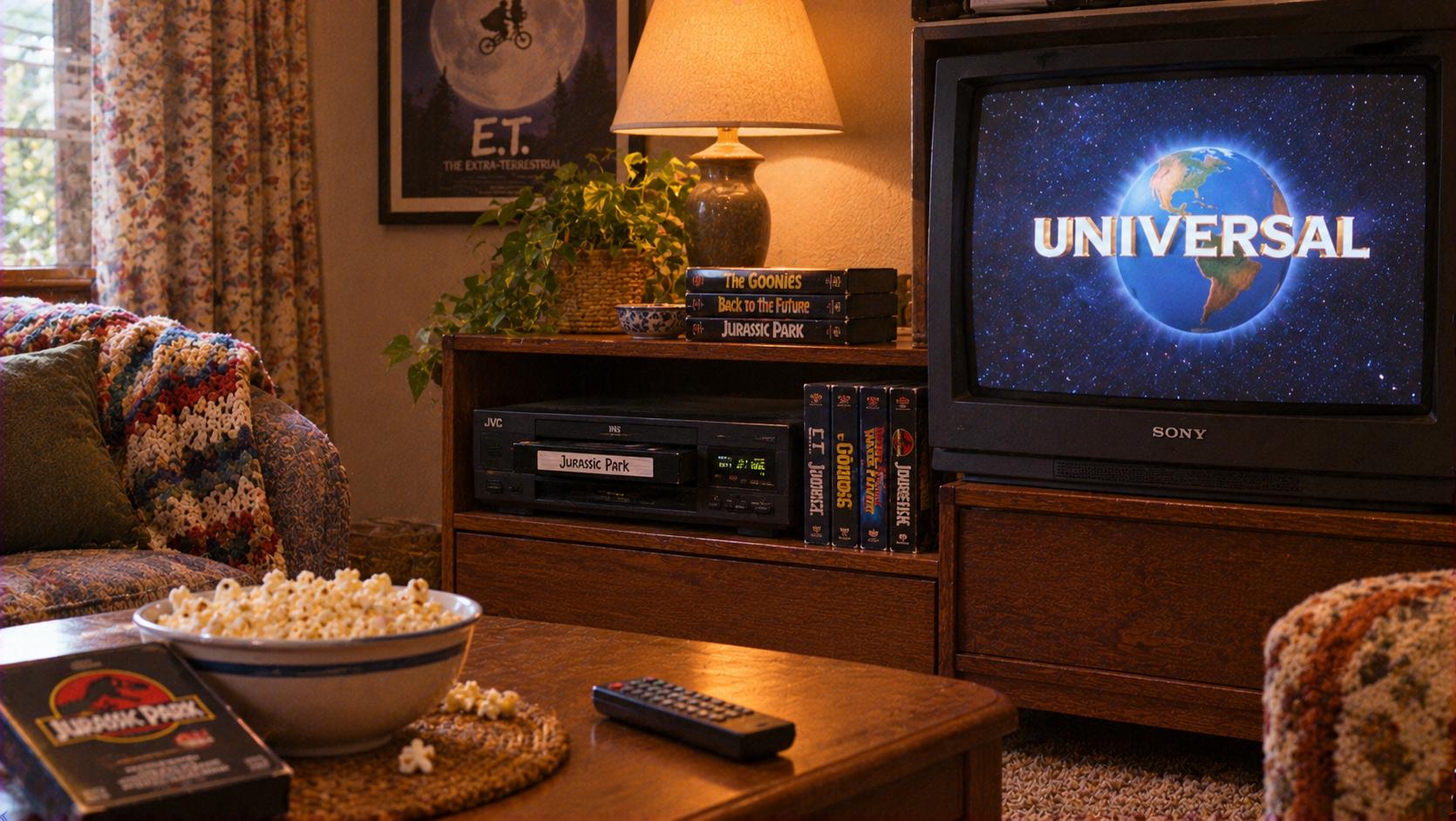
For much of television history, viewers had to organize their evenings around broadcast schedules. Missing a favorite program often meant waiting for a rerun, assuming one ever appeared. Video cassette recorders changed that arrangement by allowing households to record television programs and watch them later. During the 1980s, movie rental stores made the technology even more appealing. Families could bring Hollywood releases home, pause movies for bathroom breaks, and watch favorite scenes repeatedly. Friday night entertainment no longer depended entirely on what television networks decided to broadcast.
4. Answering Machines Made Missing a Phone Call Less Important
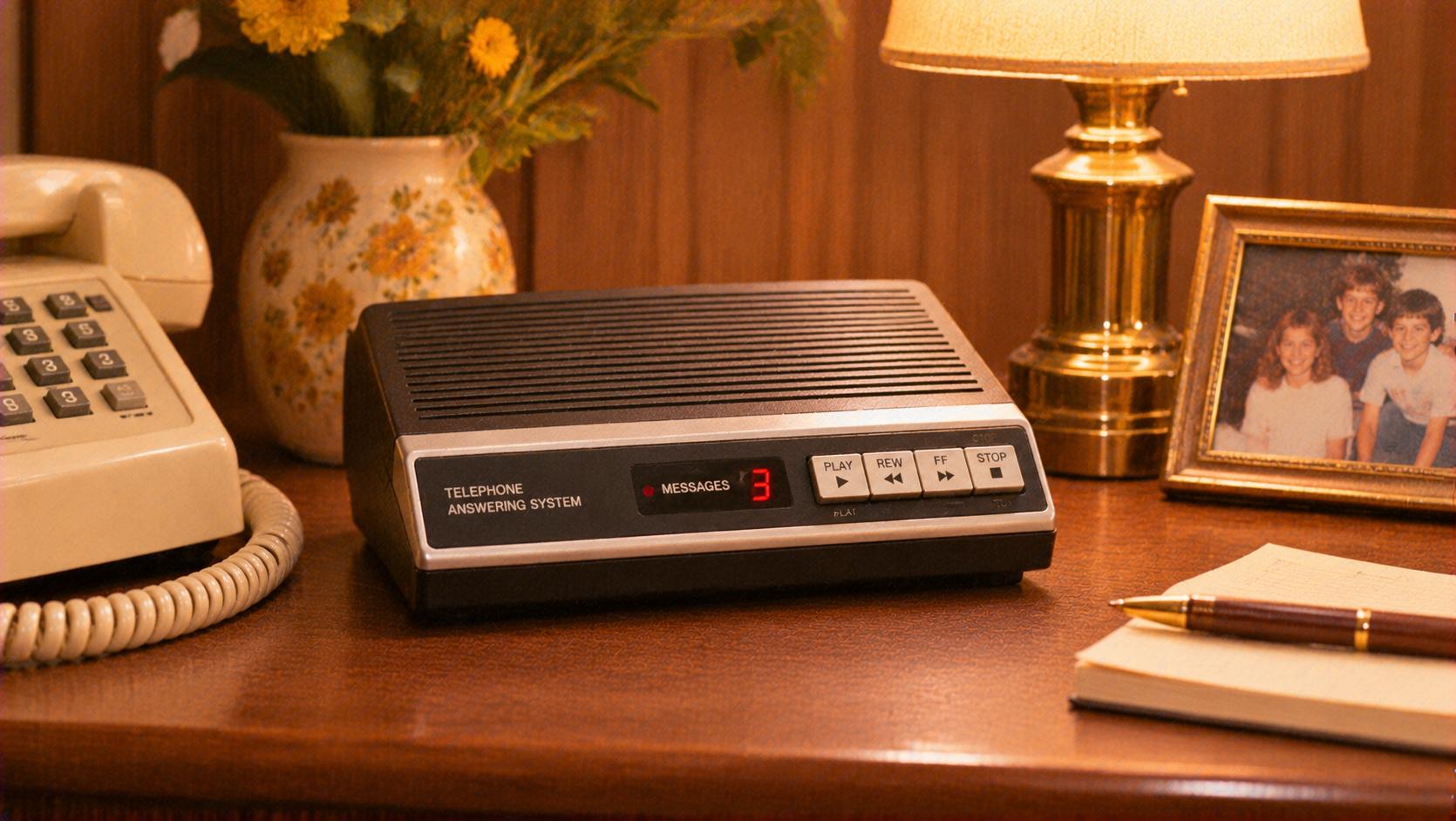
Before answering machines became household staples, an unanswered telephone could mean losing contact with someone until they tried again. People occasionally spent entire afternoons waiting for an important call because there was no reliable way to receive a message while they were away. Home answering machines, which grew increasingly popular during the 1980s, offered a practical solution. Callers could leave recorded messages, and families could listen whenever they returned. The familiar blinking message light became a small but meaningful symbol of independence from the telephone.
5. Home Internet Connections Opened Up an Entire World
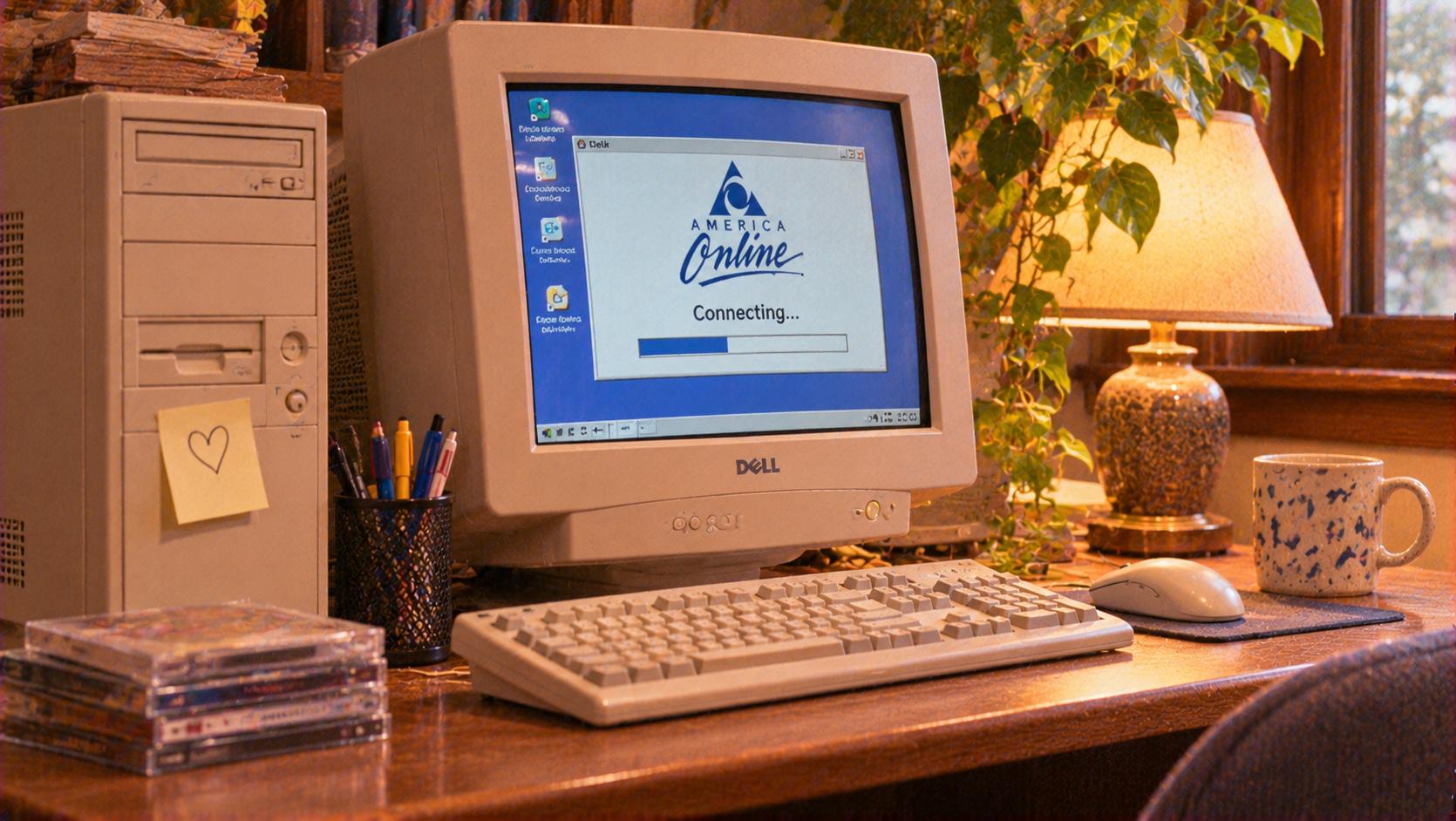
When home internet access began spreading during the 1990s, connecting often involved a dial-up modem making a series of unforgettable electronic noises. The connection could occupy the household telephone line, and downloading a single photograph sometimes required considerable patience. Even with those limitations, the possibilities were remarkable. People could read information from distant institutions, participate in online discussions, exchange messages, and explore websites without visiting a library or bookstore. As broadband connections became widespread, the internet evolved from an occasional household activity into an essential part of daily life.
Trending on Wealth Gang


6. Email Made Long-Distance Communication Almost Instant
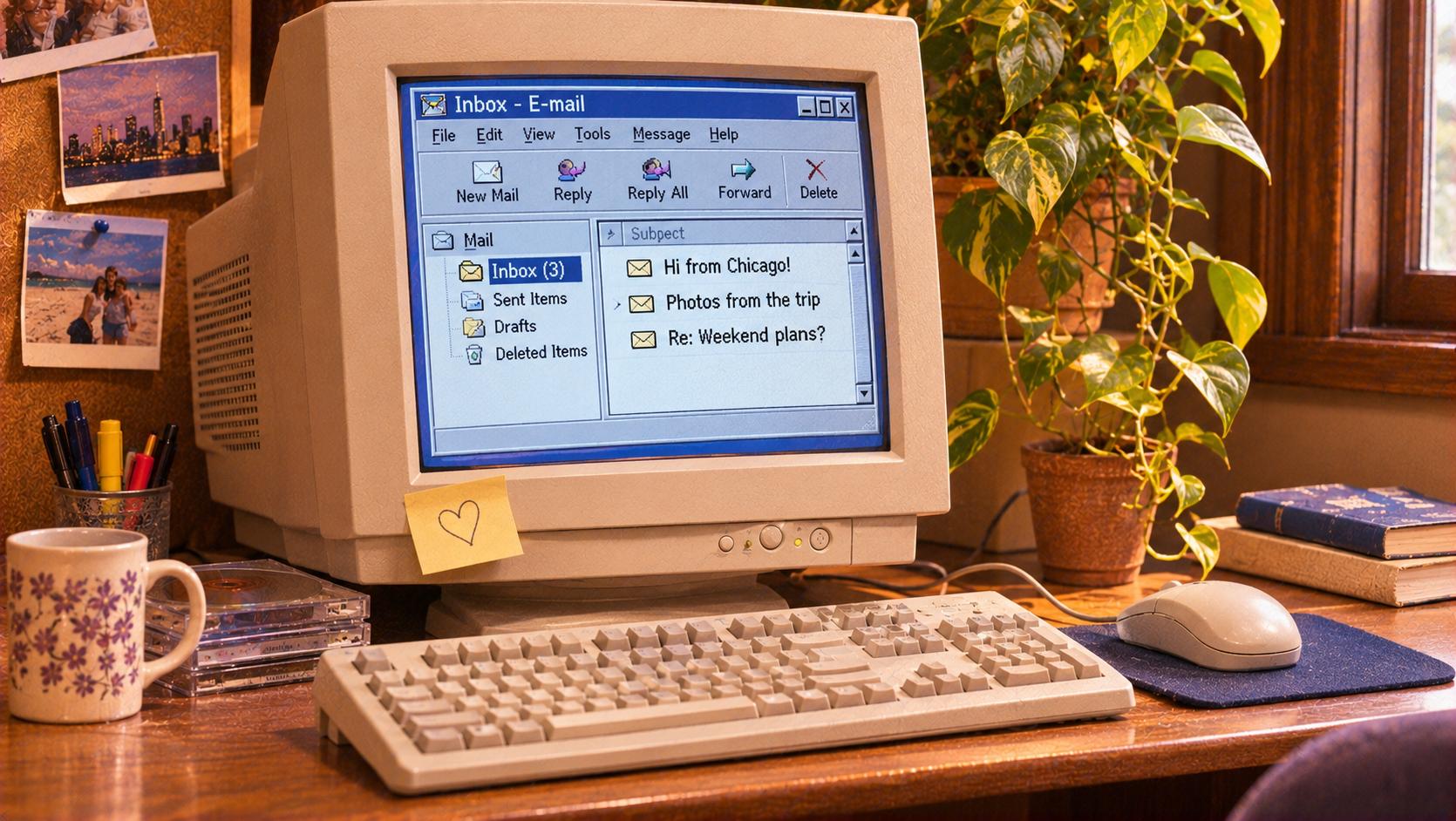
Sending a letter across the country once required stationery, postage, and several days of waiting. Fax machines offered faster communication, but they depended on specialized equipment and telephone connections. Email transformed the process by allowing people to send written messages electronically, often arriving within seconds. As internet access expanded during the 1990s, email became increasingly useful for both personal and professional communication. Families could exchange updates with relatives overseas, while workers could send documents without visiting an office. Eventually, checking an inbox became as ordinary as checking the mailbox outside.
7. Online Banking Eliminated Many Trips to the Bank
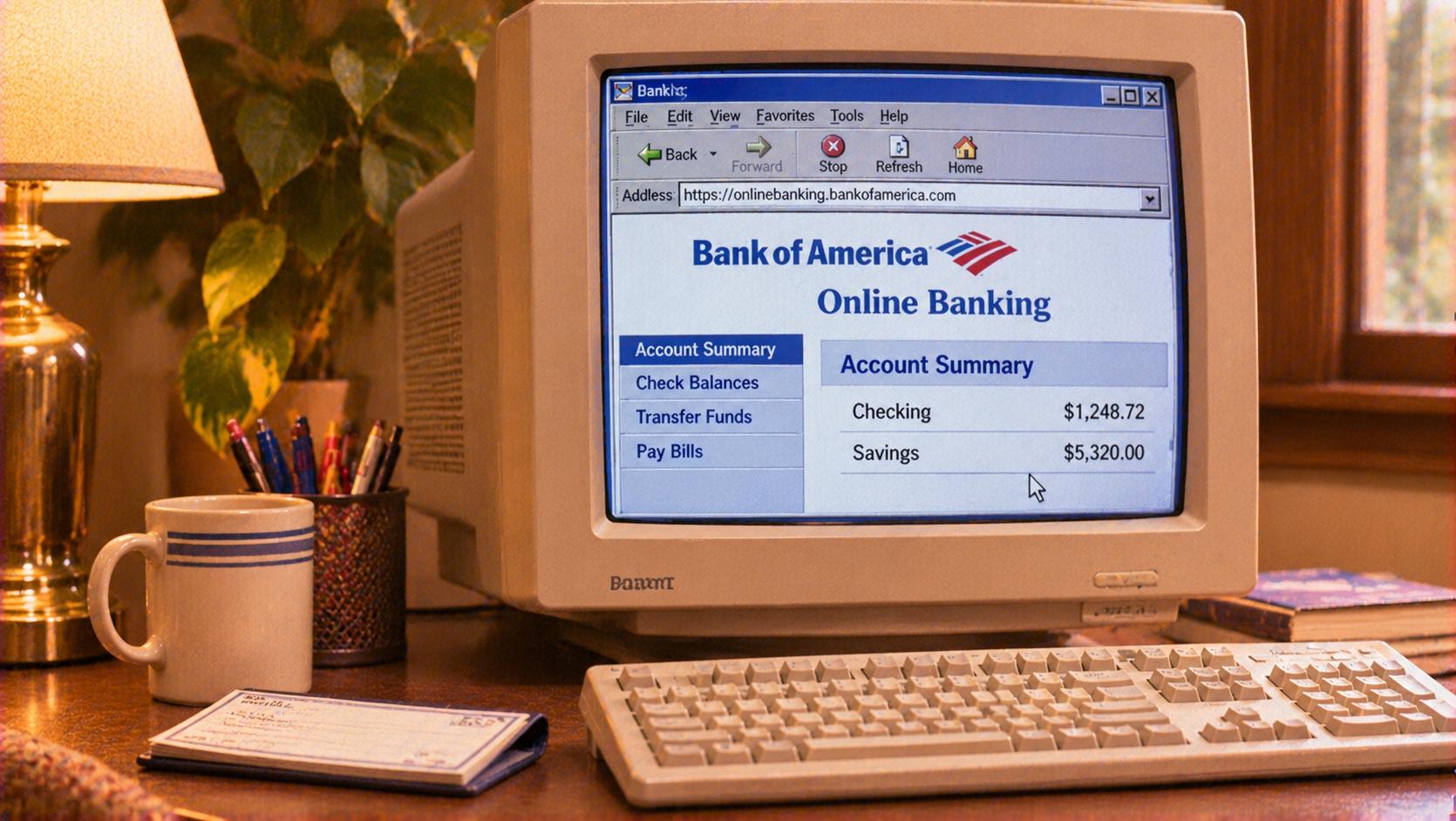
Managing personal finances once involved paper statements, handwritten checks, and regular visits to a bank branch. Customers often needed to wait until business hours to transfer money or resolve basic account questions. Online banking gradually changed those routines as financial institutions introduced internet services during the 1990s and 2000s. Customers could review balances, transfer funds, and pay bills from their home computers. Mobile banking later made those services even more accessible. Although branches remained important for certain transactions, many everyday banking tasks could finally happen without standing in line.
8. Online Shopping Turned Living Rooms Into Shopping Centers
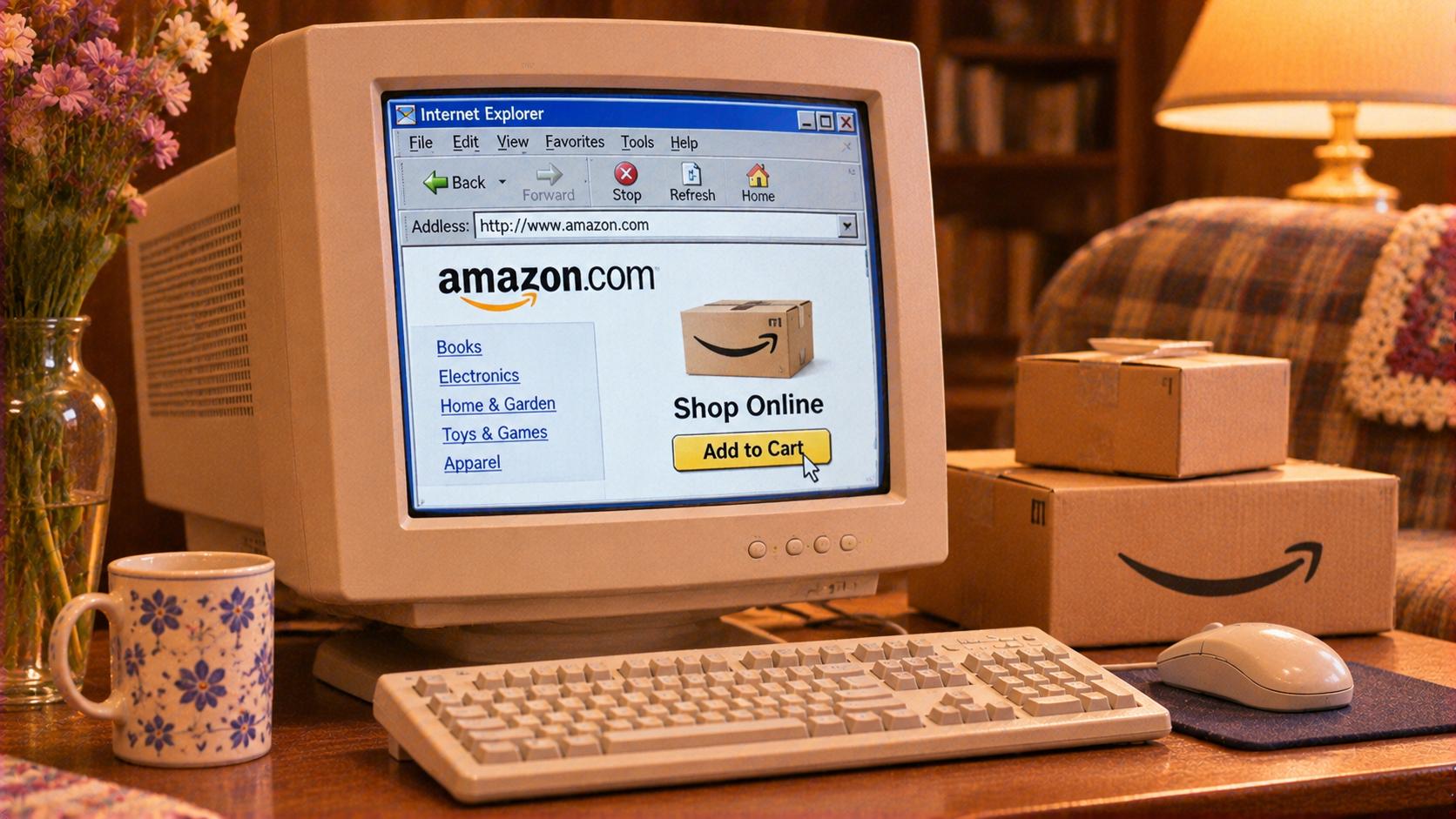
Catalog shopping had allowed Americans to order merchandise from home for generations, but online shopping dramatically expanded the selection and convenience. During the 1990s, early e-commerce websites introduced consumers to the idea of browsing products and placing orders through a computer. As payment security improved and delivery networks expanded, shopping online became increasingly practical. People could compare prices, read customer reviews, and order everything from books to furniture without visiting multiple stores. Eventually, even groceries and household essentials could arrive directly at the front door.
Sign up for our newsletter
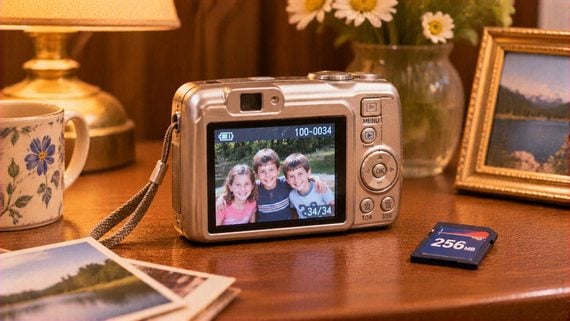
9. Digital Cameras Made Home Photography More Immediate
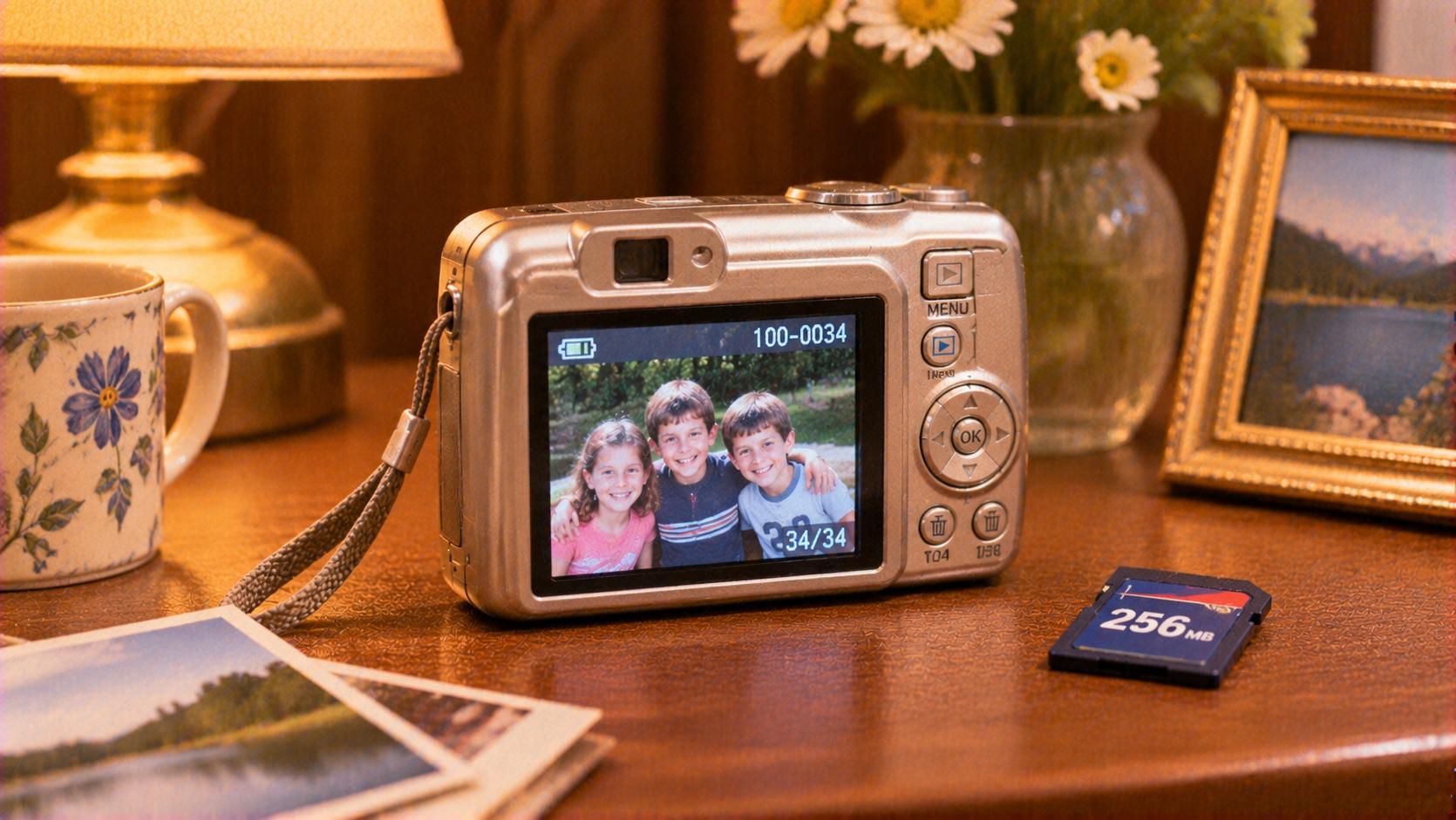
Film photography required patience. After finishing a roll, families had to take it to a photo lab and wait to discover whether their pictures turned out. Digital cameras began changing that experience during the 1990s and became widely popular in the 2000s. Photographers could review images immediately, delete disappointing shots, and transfer photographs to a computer. Home photo printers offered another convenience, allowing people to produce pictures without visiting a store. The shift became even more dramatic when smartphones combined digital cameras with instant sharing.
10. Home Printers Brought Professional-Looking Documents Within Reach
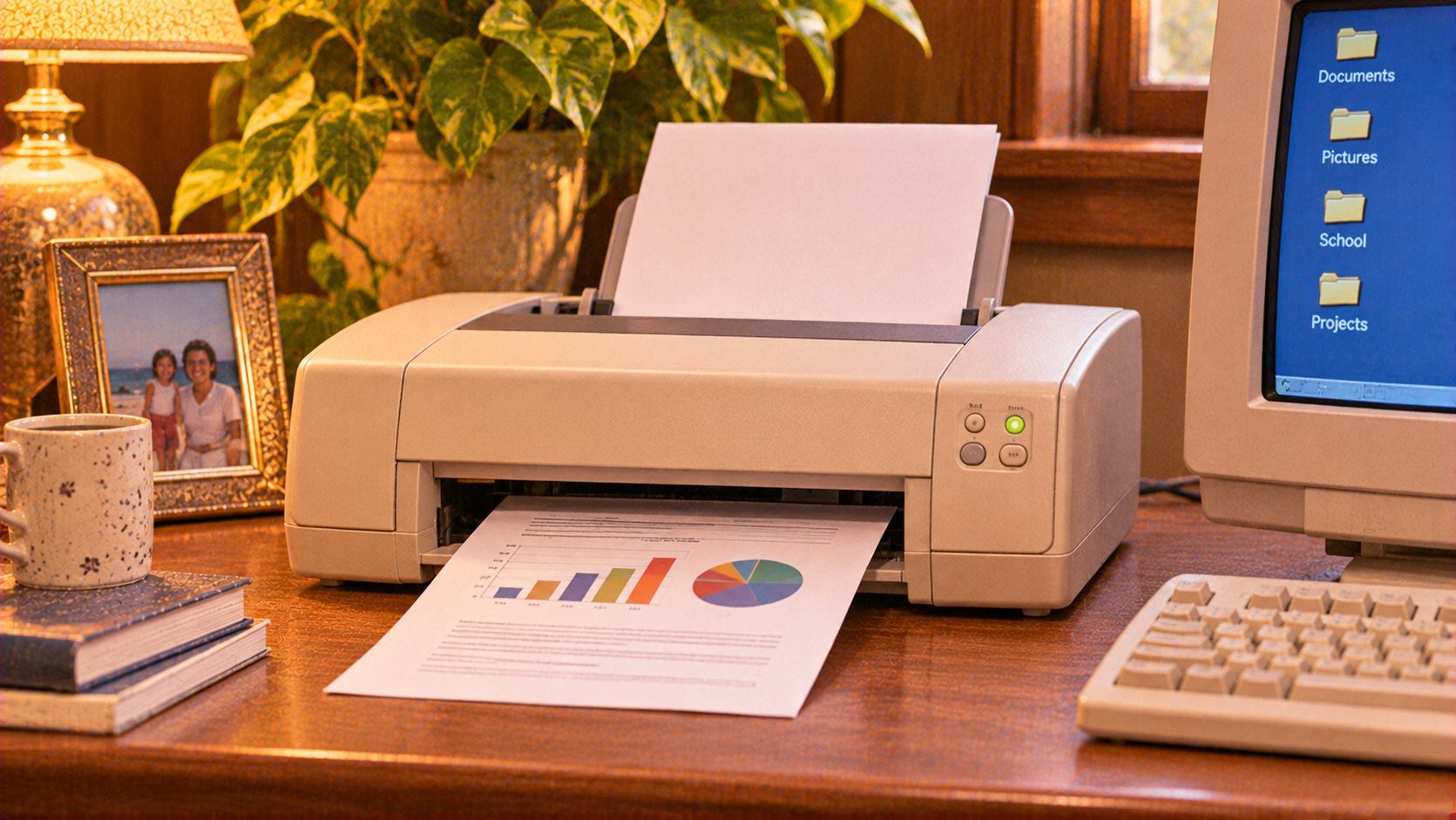
Printing once required access to an office, print shop, or specialized equipment. Early home printers were often noisy, slow, and limited in quality, but inkjet and laser technology made them increasingly useful. By the 1990s, families could print school reports, resumes, invitations, photographs, and business documents at home. Desktop publishing software added another layer of creativity, allowing ordinary computer users to design newsletters, greeting cards, and flyers. Tasks that previously involved professional printing services became manageable from a desk in the family room.
11. Video Calling Made Face-to-Face Conversations Possible Across Distances
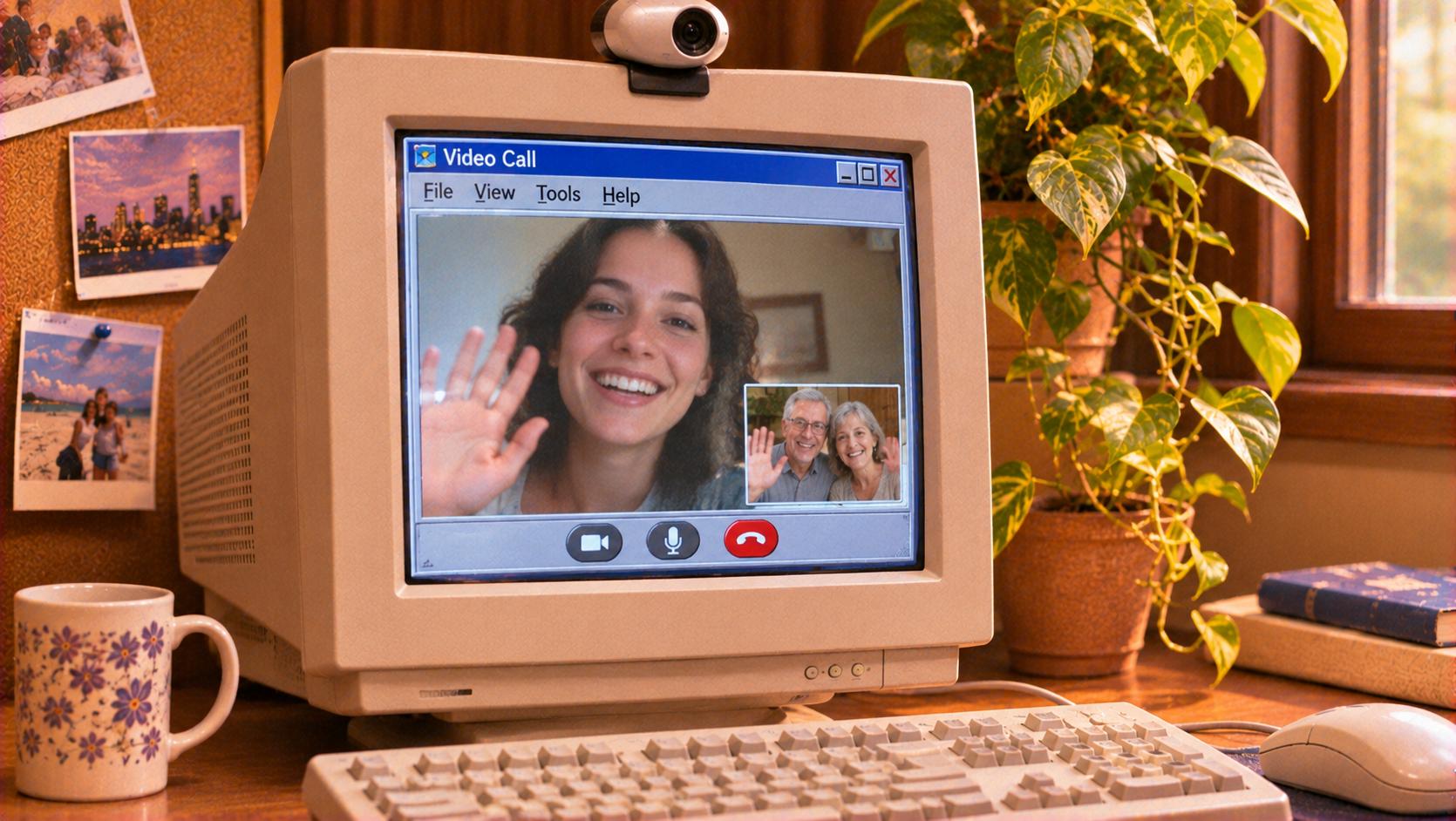
For generations, long-distance communication meant hearing someone’s voice or reading their words. Video calling introduced the possibility of seeing distant friends, relatives, and coworkers in real time. Early consumer systems were expensive or limited by slow internet connections, but webcams and improving broadband access made video conversations increasingly practical during the 2000s. Services such as Skype helped popularize the experience, while smartphones made video calls even more convenient. By the 2020s, video meetings had become familiar enough to support remote jobs, virtual celebrations, and family gatherings across continents.
12. Streaming Services Put Entertainment on Demand
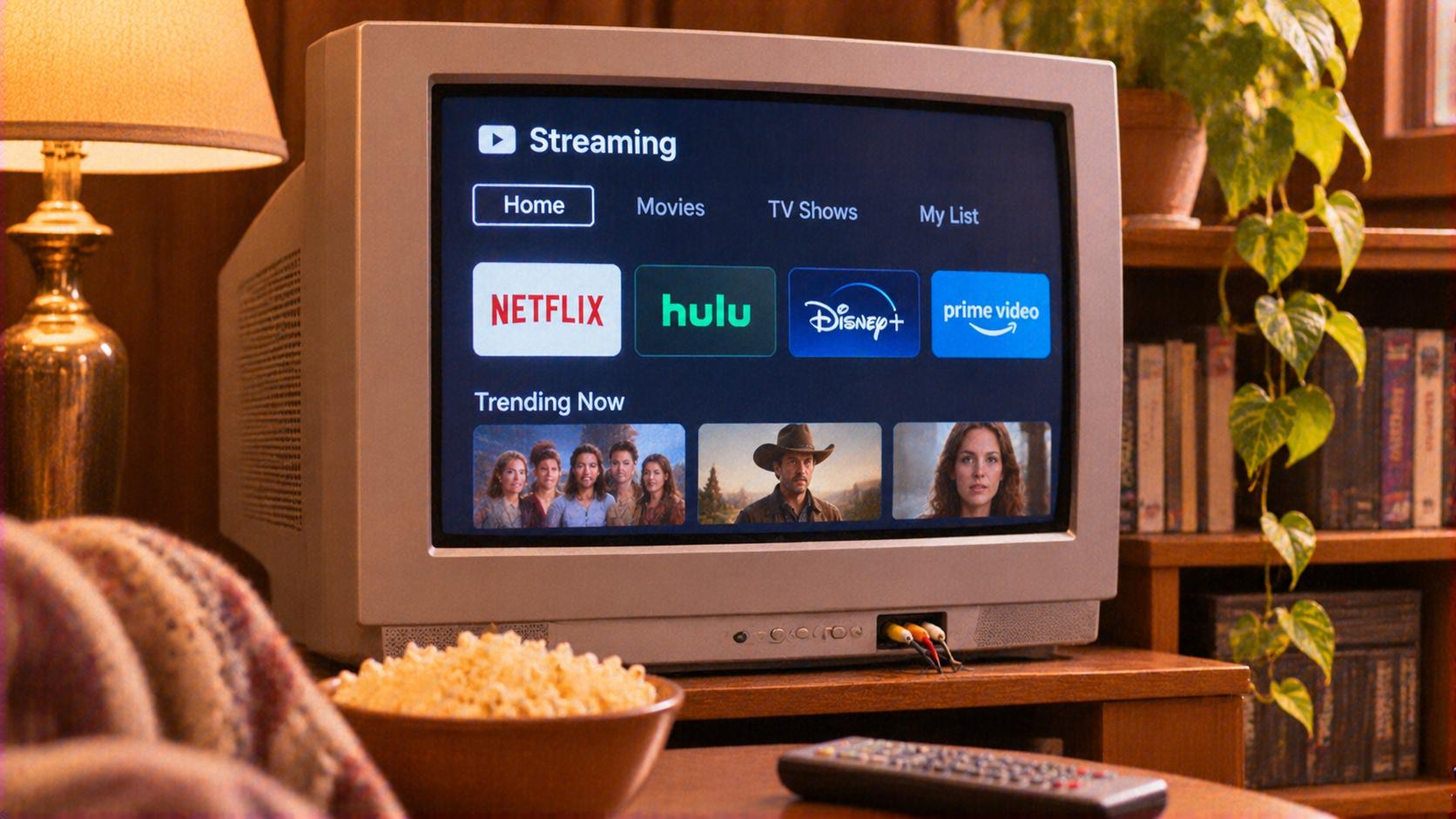
Television viewers once depended on broadcast schedules, cable channels, and physical recordings. Streaming technology gradually removed those restrictions by delivering movies, television programs, and music over internet connections. As broadband became more reliable, services such as Netflix expanded from DVD rentals into online viewing. Families could choose what to watch without waiting for a scheduled broadcast or returning a rented disc. Music streaming similarly replaced much of the need to purchase individual albums. Entertainment became increasingly personalized, with entire libraries available from the couch.
13. Smartphones Put an Entire Home Office in One Device
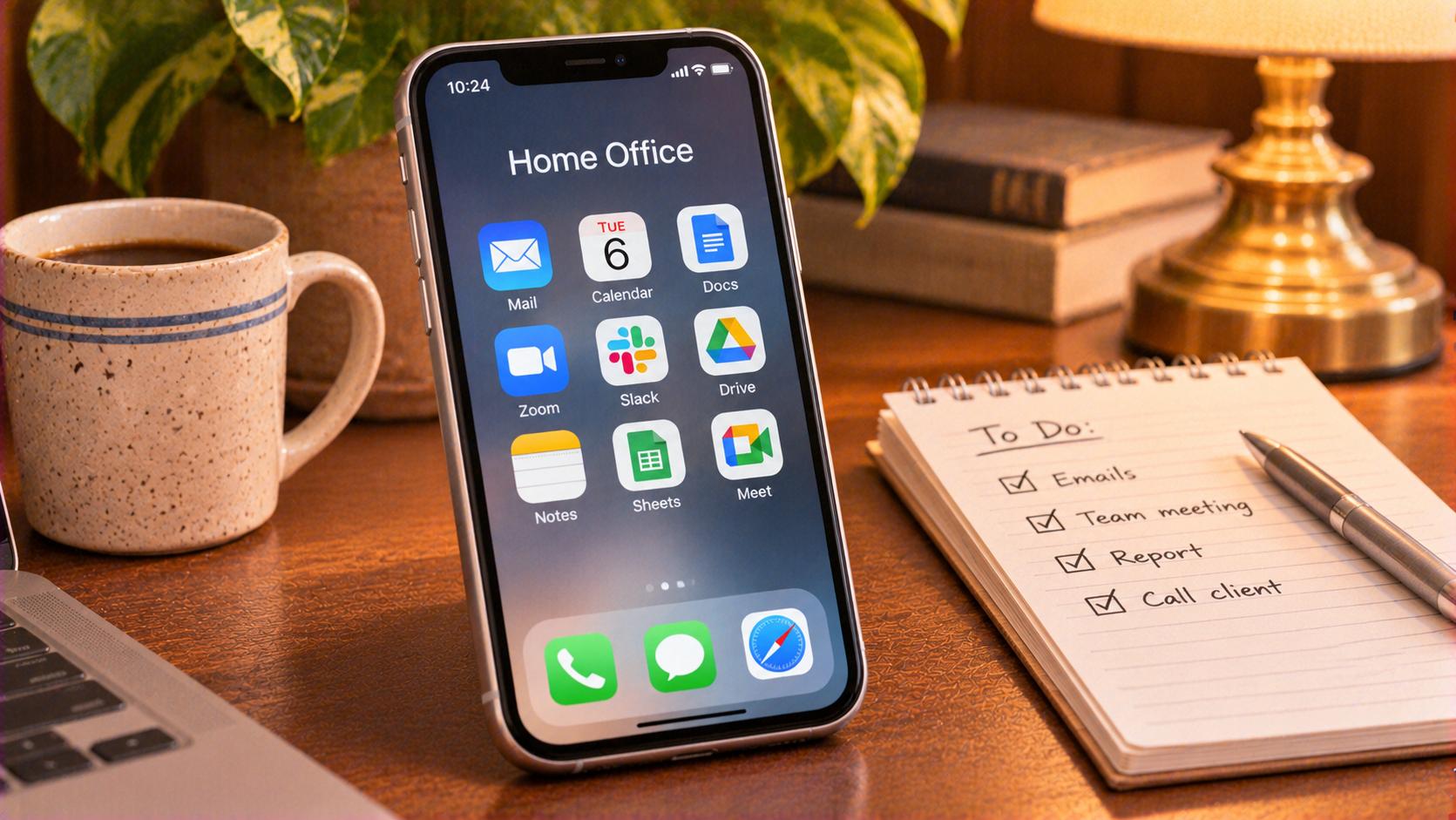
Early mobile phones mainly allowed people to make calls away from home. Smartphones eventually combined communication, internet browsing, photography, navigation, and countless other functions into one portable device. The introduction of modern touchscreen smartphones during the late 2000s accelerated that transformation. At home, people could answer work emails, pay bills, attend meetings, order groceries, and edit documents without sitting at a computer. Smartphones also became convenient tools for managing household schedules, controlling connected devices, and communicating with family members throughout the day.
14. Online Learning Platforms Brought Classrooms Into the House

Education traditionally required students to attend physical classrooms, visit libraries, or purchase instructional materials. Educational television and correspondence courses offered earlier alternatives, but internet technology expanded the possibilities dramatically. Online learning platforms introduced recorded lectures, interactive exercises, and courses taught by instructors around the world. Students could learn computer programming, practice foreign languages, or pursue professional certifications from home. Universities also expanded their online programs, while video conferencing made live virtual classes possible. Learning became less dependent on geographic location and traditional classroom schedules.
15. Smart Home Devices Made Household Tasks More Automatic
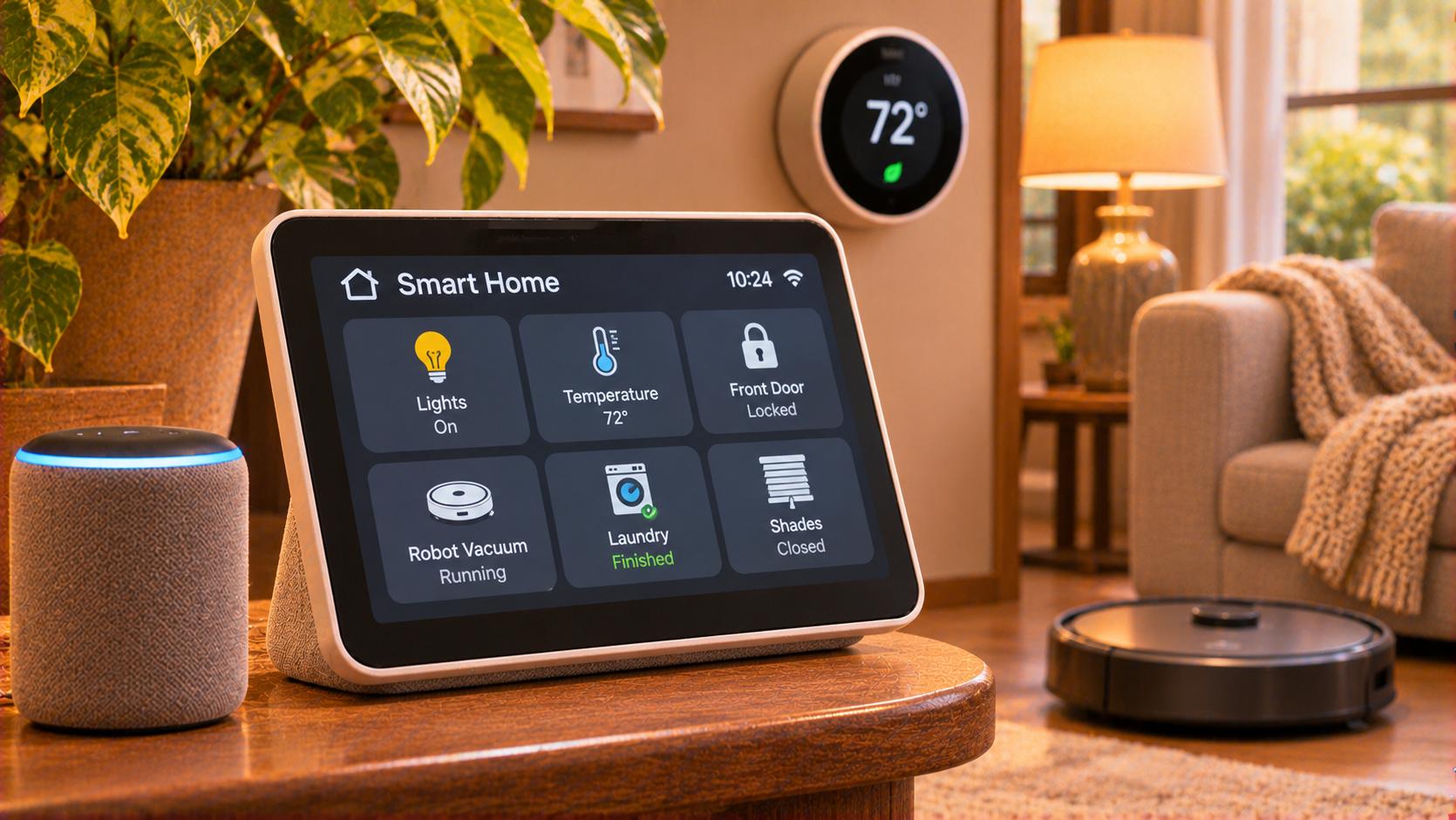
Home automation once seemed like something reserved for futuristic movies or expensive custom houses. Over time, connected thermostats, smart lighting, security cameras, and voice assistants brought those capabilities into ordinary households. Homeowners could adjust temperatures, check security footage, and control lights using smartphones or spoken commands. Robotic vacuum cleaners also reduced some of the effort involved in routine cleaning. These devices did not eliminate household chores, but they gave families new ways to manage their homes and automate repetitive tasks.
16. Telehealth Made Some Doctor Visits Possible From the Couch

Seeing a medical professional traditionally required traveling to a clinic, waiting in a reception area, and meeting face to face. Telehealth technology introduced alternatives for appointments that did not require a physical examination. Video consultations allowed patients to discuss symptoms, review test results, and receive follow-up care without leaving home. Digital patient portals and connected health devices further expanded what people could manage remotely. In-person care remained essential for many medical needs, but routine consultations became more accessible for people facing distance, mobility, or scheduling challenges.
More Related Notes
• 15 Tech Inventions That Revolutionized Daily Life
Explore the technological breakthroughs that transformed everyday routines, from home computers and Wi-Fi to digital cameras and modern appliances. These inventions made it possible to work, communicate, and enjoy entertainment without leaving home.
• 18 Everyday Items That Became Cheaper as Technology Improved
Discover how technological advances made once-expensive household essentials more accessible, including televisions, computers, and home video equipment that changed how families spent their time.
• 16 Household Technologies That Were Supposed to Change Everything but Didn’t
Take a nostalgic look at the ambitious home inventions that promised to simplify everyday life, from automatic cleaning devices to early home automation systems. Some were ahead of their time, while others never became the household essentials people expected.