Leaving the house in the 1980s and 1990s required a little more preparation than it does today. There were no smartphones to check directions, send quick updates, or look up information along the way. Forgetting something important could mean turning around, finding a pay phone, or figuring things out without help.
For many Americans, these small routines were simply part of everyday life. Families planned their schedules, carried cash, and made sure everyone knew where they were going. Looking back, some of these habits seem surprisingly inconvenient, while others bring back memories of a time when being unreachable was perfectly normal.
1. Write Down Directions Before Driving Somewhere New
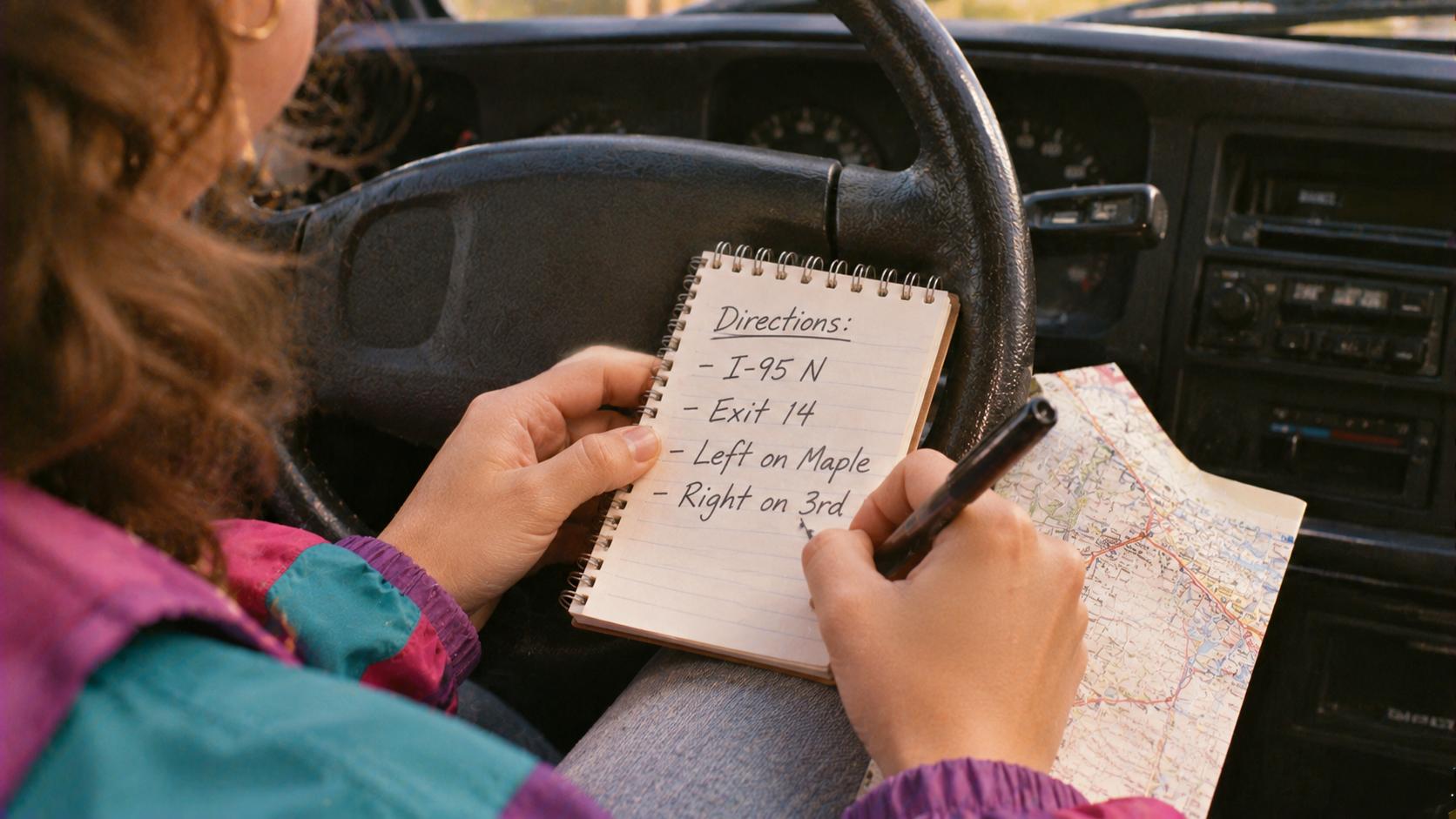
Before GPS became a standard feature in cars and phones, getting somewhere unfamiliar meant preparing ahead of time. People wrote directions on scraps of paper, copied instructions from friends, or checked a road atlas before leaving. A wrong turn could lead to several frustrating minutes of driving around, especially in an unfamiliar neighborhood. Some drivers kept a folded map in the glove compartment just in case. Finding the right address often depended on paying attention to street signs and remembering landmarks along the way.
2. Make Sure They Had Enough Cash

Walking out without cash was a much bigger problem in the 1980s and early 1990s. Credit cards existed, but many smaller businesses still preferred cash, and debit cards were not accepted everywhere. People needed money for parking, snacks, public transportation, and unexpected expenses. ATMs were available, although finding one was not always convenient. Before heading out, many Americans checked their wallets to make sure they had enough bills and coins to get through the day.
3. Leave a Note for Family Members
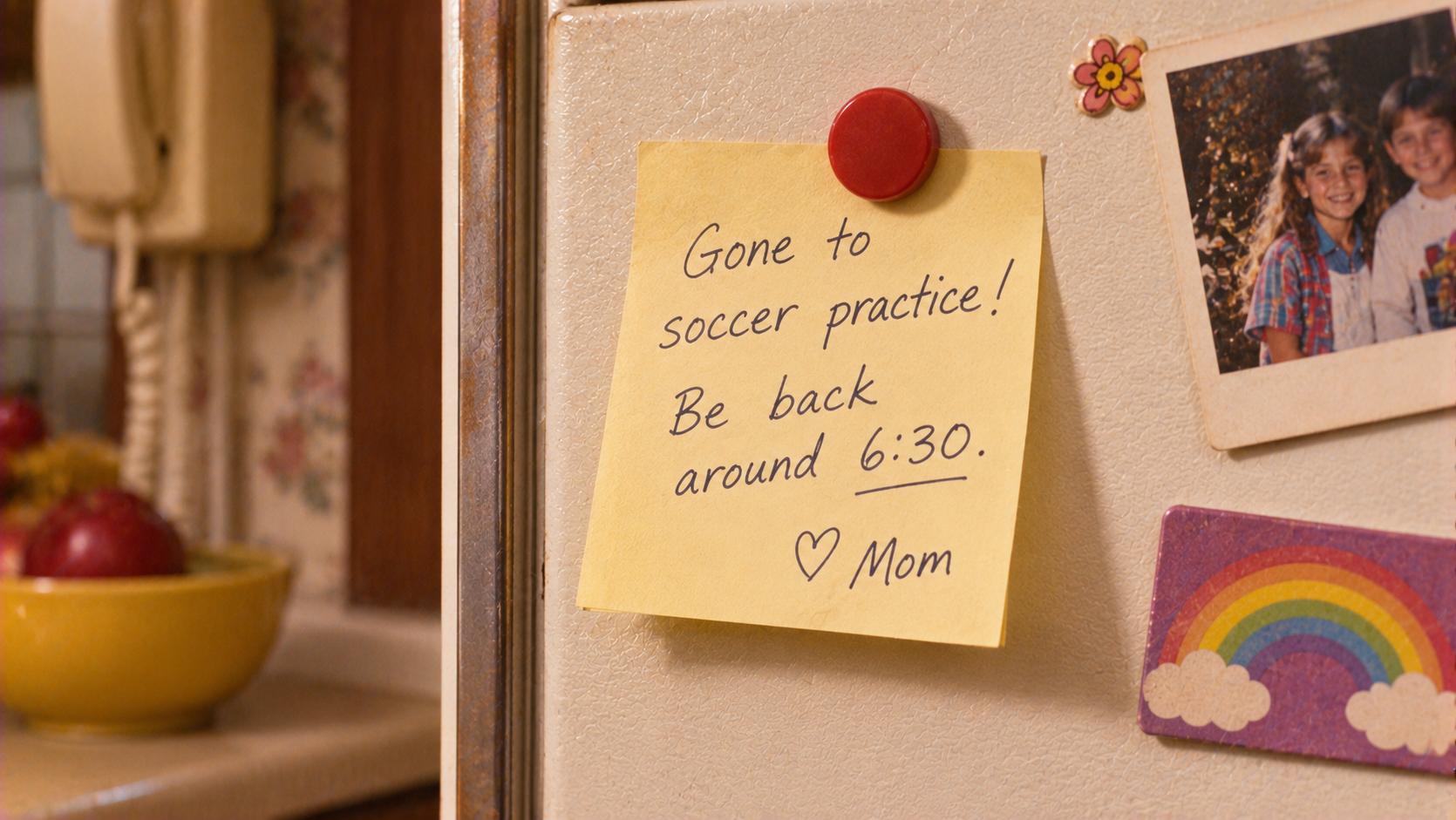
A handwritten note on the kitchen counter or refrigerator was once a common way to keep everyone informed. Parents might write where they were going, when they expected to return, or what time dinner would be ready. Teenagers often left quick messages explaining whose house they were visiting. Without text messages or family group chats, these notes helped households stay organized. A simple piece of paper could be the only way someone knew why the house was empty.
4. Memorize Important Phone Numbers
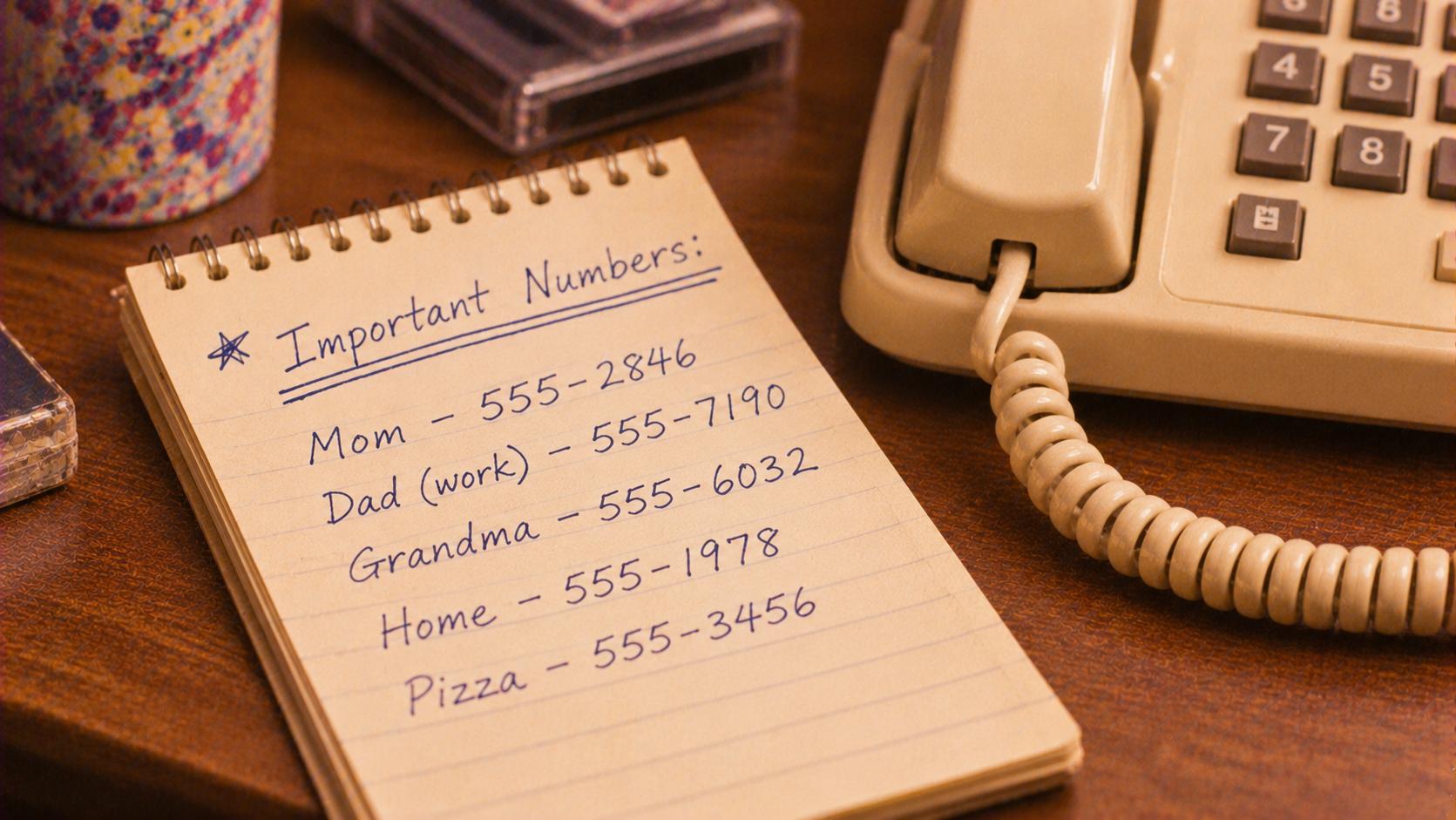
Knowing phone numbers by heart was an everyday skill. Children memorized their home numbers, while adults remembered relatives, close friends, and workplaces. Others carried small address books filled with handwritten contacts. If someone needed to make a call while away from home, they could not simply search for a name on a smartphone. Forgetting a number sometimes meant calling home first or looking through a public telephone directory.
5. Check the Weather on Television or Radio
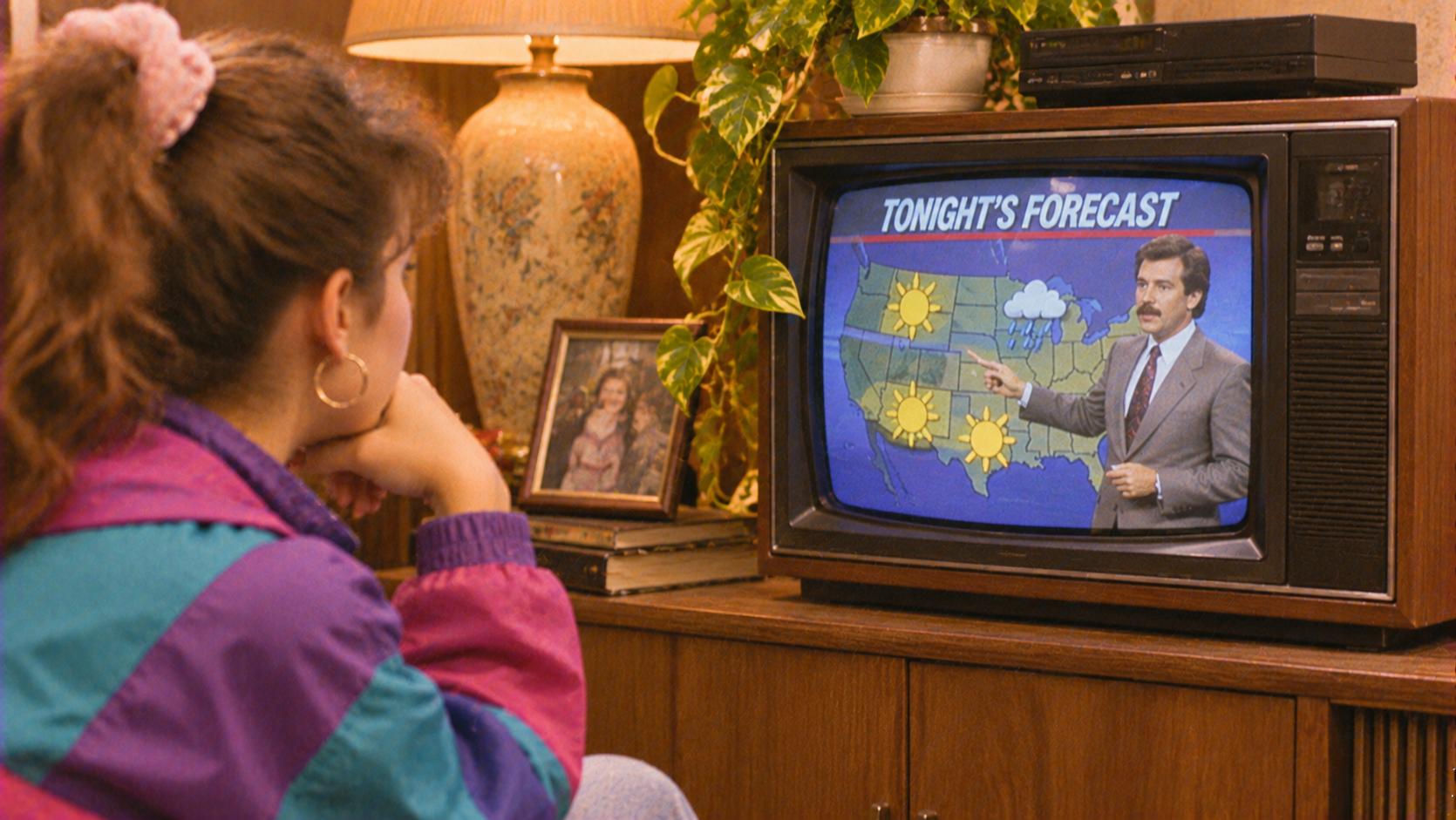
Before weather apps offered hourly forecasts, Americans often relied on television meteorologists or radio updates to plan their day. Morning news programs provided the temperature, chances of rain, and general conditions for the afternoon. Missing the forecast could mean stepping outside to judge the weather for yourself. Families planning a picnic, beach trip, or long drive paid particular attention. Once they left home, getting updated information was not nearly as simple.
Trending on Wealth Gang


6. Set the VCR to Record Their Favorite Shows
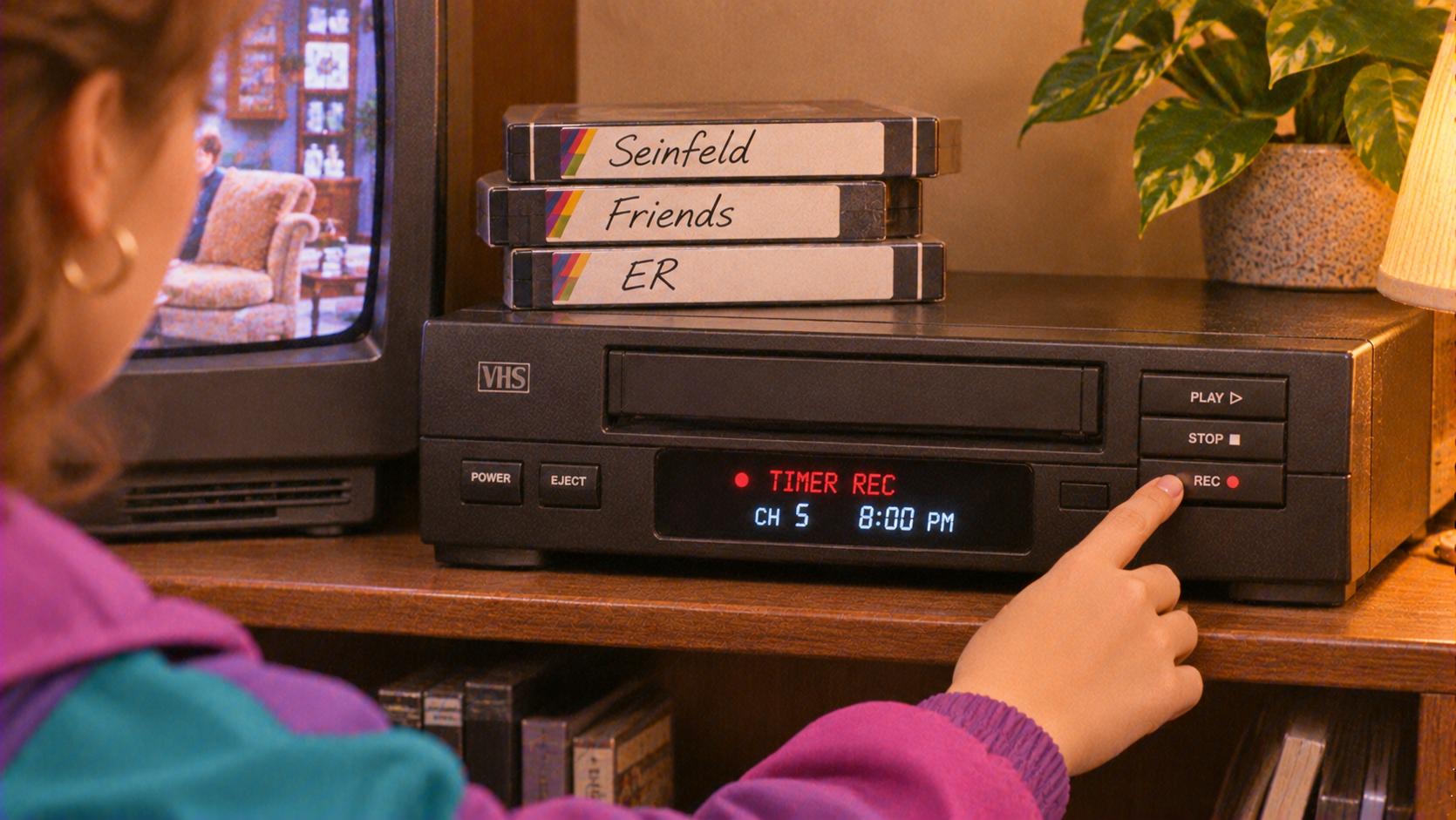
Missing a television program could be disappointing when there was no streaming service waiting at home. Many households programmed their VCRs before going out so they could watch a favorite show later. This involved setting the correct time, choosing the channel, and making sure a videotape had enough recording space. Accidentally recording over a family movie or entering the wrong time could ruin the plan. For anyone who remembers the blinking VCR clock, this routine probably sounds familiar.
7. Agree on a Meeting Place and Time
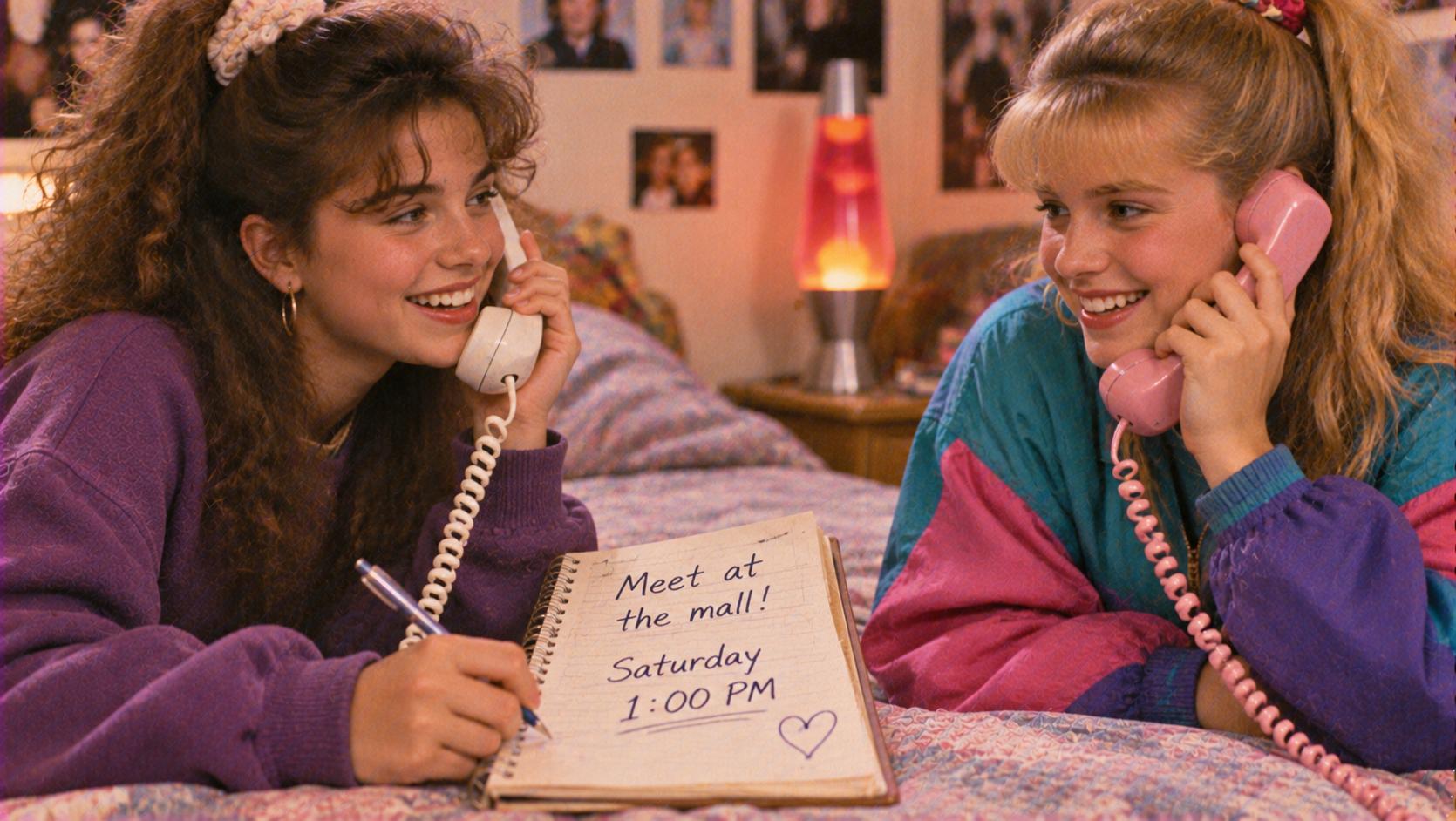
Meeting friends required more planning when nobody could send a quick message saying they were running late. People agreed on specific locations, such as the entrance to a shopping mall, a movie theater lobby, or a particular restaurant. They also needed to decide exactly when to arrive. If someone did not show up, the others usually had to wait or look around. Changing plans at the last minute could be nearly impossible once everyone had left home.
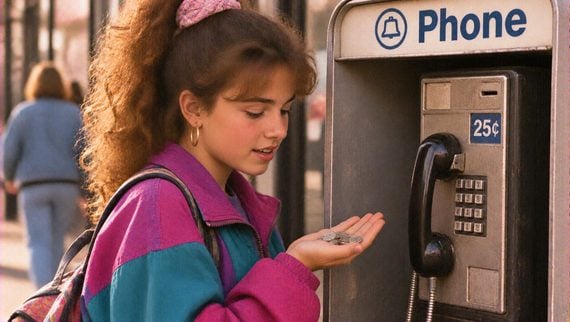
8. Bring Coins for a Pay Phone
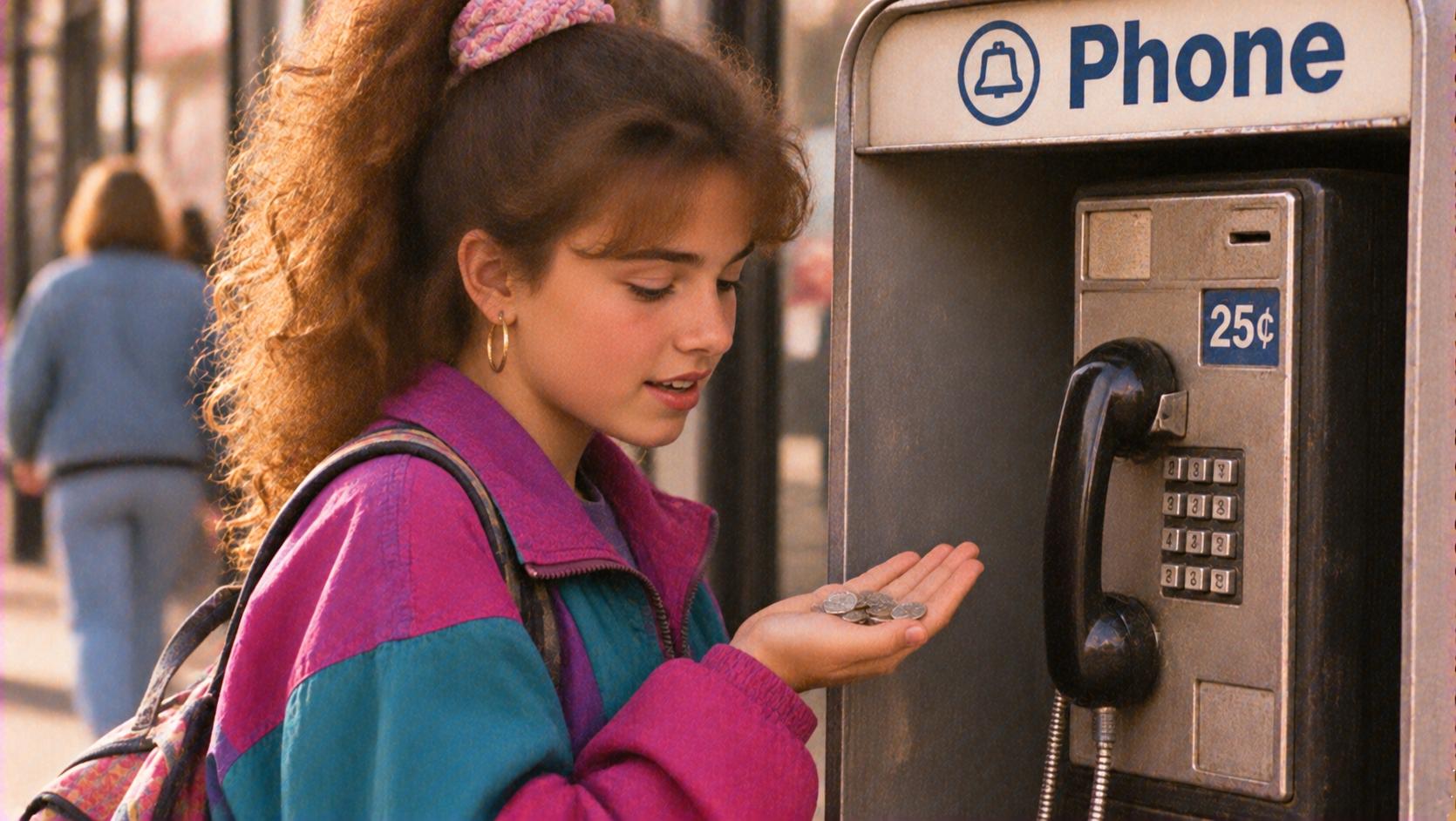
A few quarters could make the difference between getting help and being stranded without an easy way to contact anyone. Pay phones were common outside convenience stores, at gas stations, and in shopping centers. People used them to arrange rides, tell family members they would be late, or make calls during trips. Some parents reminded their children to carry change whenever they went out. Although collect calls were another option, having coins made things much easier.
Sign up for our newsletter
9. Check the Answering Machine Before Leaving
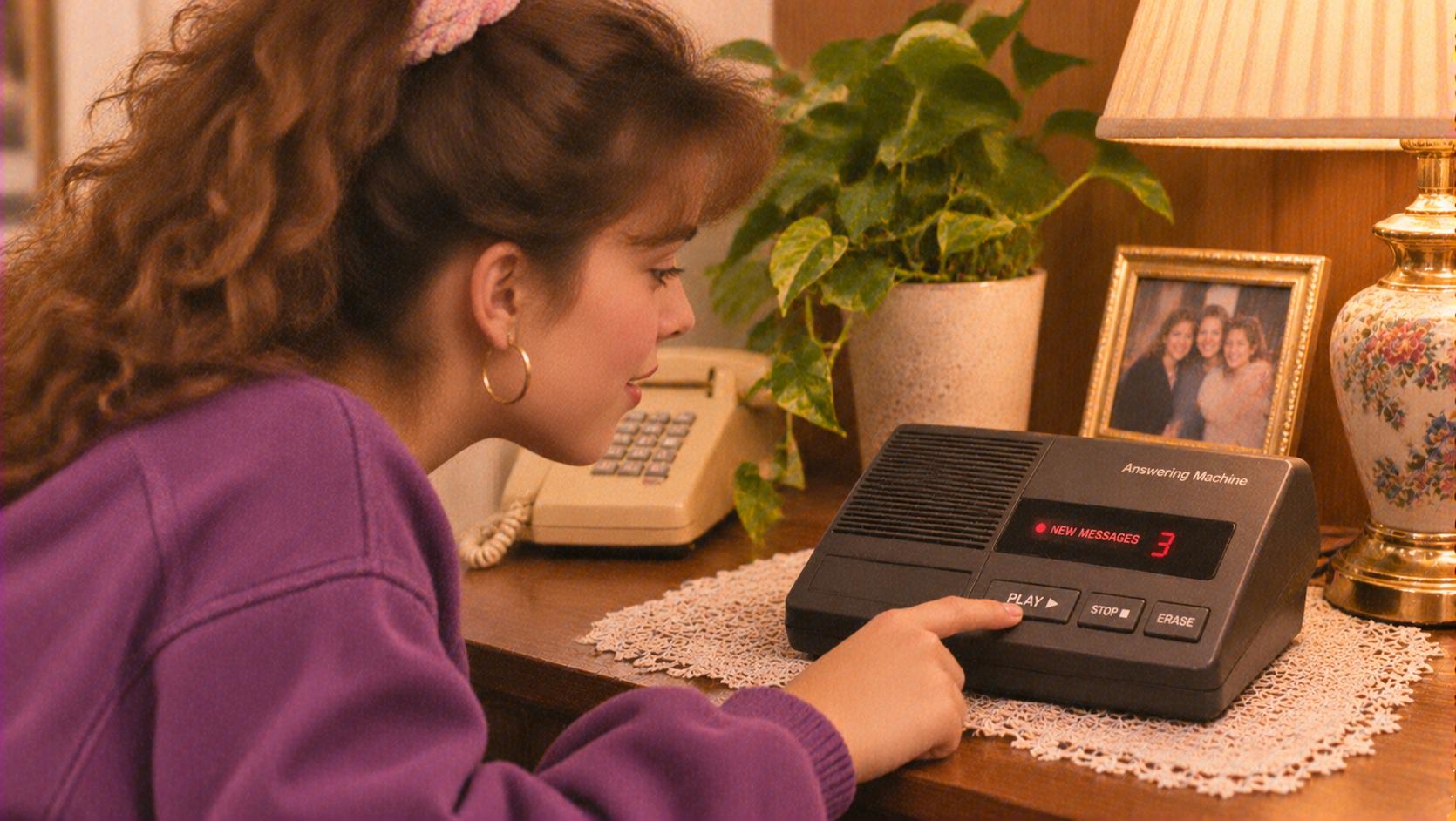
Home answering machines became familiar household devices during the 1980s and 1990s. Before heading out, people sometimes pressed play to hear whether anyone had left an important message. A blinking light could mean a changed appointment, a friend calling back, or news from a relative. Some machines required users to rewind a cassette tape, while later models offered digital recordings. Unlike modern voicemail, those messages generally stayed at home unless the machine supported remote access.
10. Pack a Camera for Special Occasions
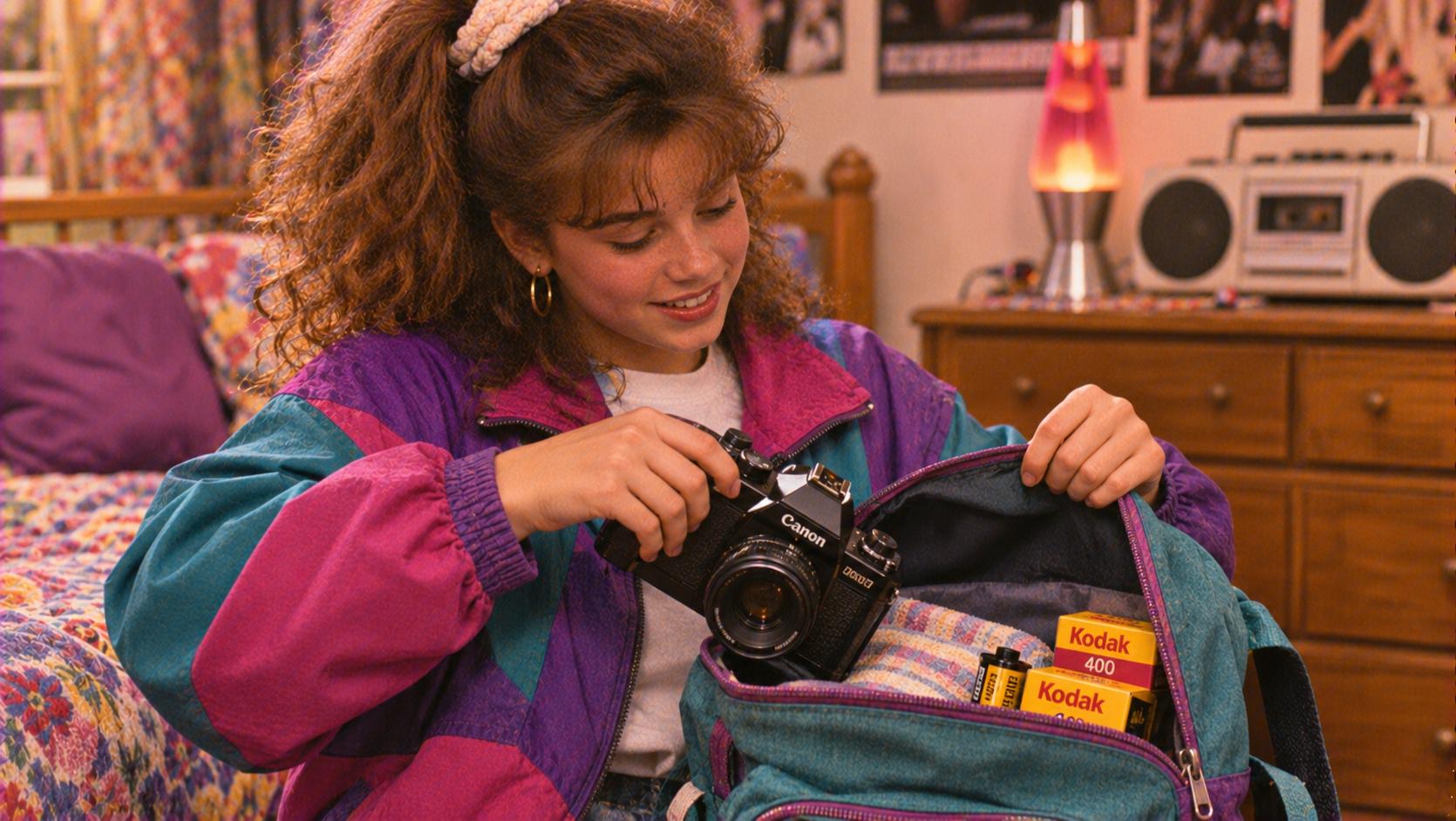
Taking photographs required some advance planning before digital cameras and smartphones became widespread. Families heading to birthday parties, vacations, or school events often packed a film camera. They also needed to check whether it had film and working batteries, if required. Running out of exposures halfway through an event was a familiar frustration. Since photos could not be reviewed immediately, people had to wait until the film was developed to discover whether their pictures turned out.
11. Look Up Business Hours in the Phone Book

Finding out whether a store was open often required checking a telephone directory or calling the business directly. Yellow Pages listings provided phone numbers, addresses, and sometimes business hours. People might make several calls before leaving home to confirm that a shop had what they needed. This was especially useful when visiting specialty stores or traveling across town. Without online listings and real time updates, a little research could prevent a wasted trip.
12. Make Sure the Car Had Enough Gas
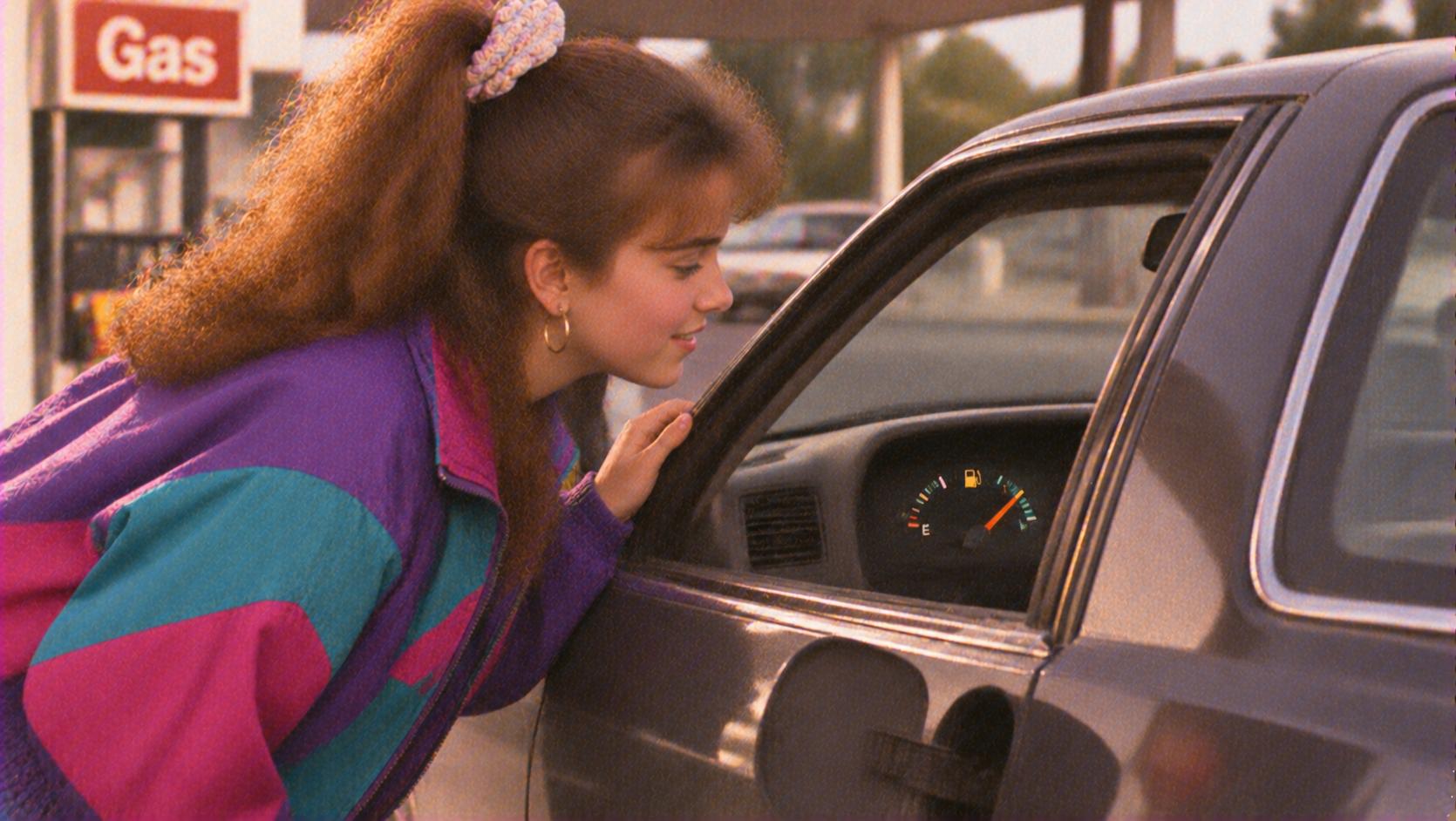
Running low on gas was especially inconvenient before smartphones made it easy to locate nearby stations. Drivers often checked the fuel gauge before longer trips and planned stops along the way. Some kept road maps that marked service stations, particularly when traveling through rural areas. Gas stations were not always open around the clock, making preparation even more important. Leaving home with a nearly empty tank could turn a simple drive into an unnecessary adventure.
13. Check the Newspaper for Movie Showtimes

Going to the movies often started with opening the entertainment section of the local newspaper. Listings showed which films were playing and the times available at nearby theaters. Some people called recorded movie information lines to hear the schedule. Once friends agreed on a film, they had to coordinate transportation and arrive early enough to purchase tickets. There was no convenient way to check seat availability from a phone while standing somewhere else.
14. Pack Entertainment for Long Trips
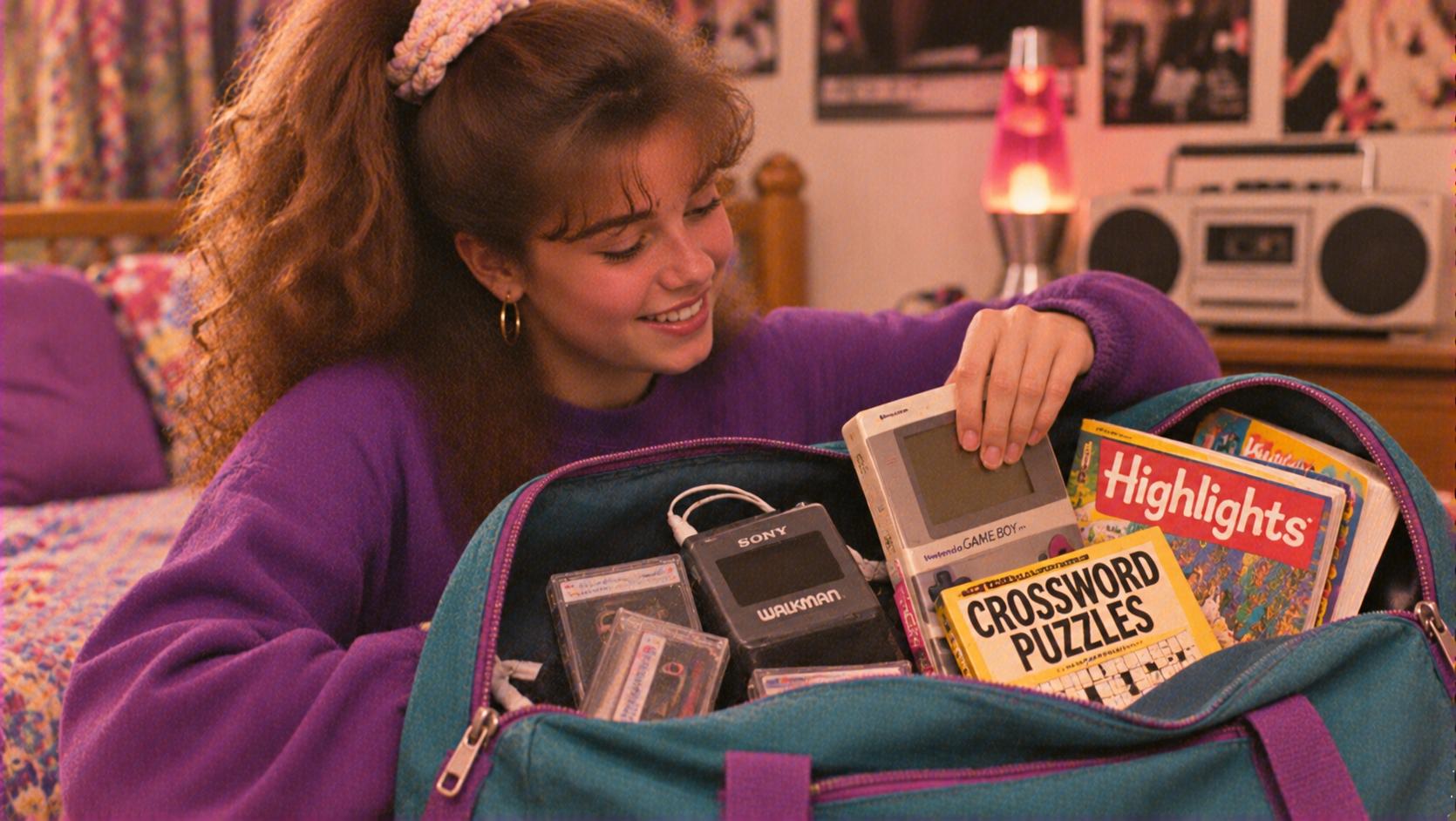
Long car rides and waiting rooms required a little creativity before smartphones offered endless entertainment. Children brought comic books, handheld games, coloring books, or portable cassette players. Adults packed magazines, paperback novels, and newspapers. Families sometimes prepared bags of activities to keep everyone occupied during vacations. Forgetting these items could lead to hours of staring out the window or repeatedly asking how much longer the trip would take.
15. Tell Someone When They Expected to Be Home
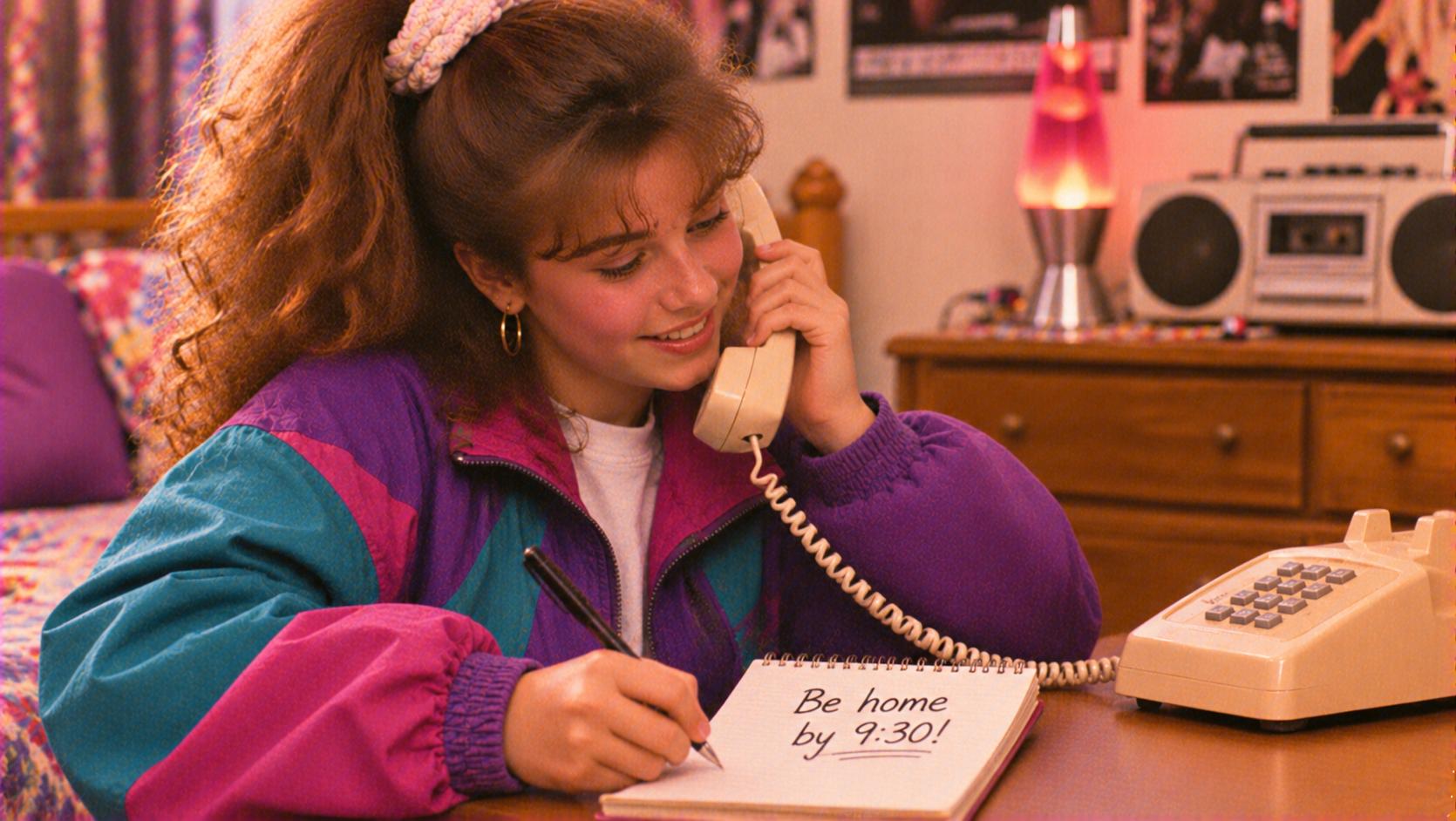
Before leaving for the evening, many Americans told a family member or roommate approximately when they would return. This was particularly common for teenagers going out with friends or couples leaving children with a babysitter. Once someone was away, reaching them could be difficult unless they happened to be near a telephone. If plans changed, they might have to find a pay phone to call home. Sharing an expected return time was a simple way to give everyone some peace of mind.
More Related Notes
• 10 Things That Were Totally Normal in the 90s but Make No Sense Today
Remember when leaving the house meant printing directions, making plans over a landline, and hoping everyone showed up on time? Revisit the everyday routines of the 1990s that seem almost impossible in today’s connected world.
• 18 Everyday Objects That Smartphones Replaced
Discover the essential items people once needed before heading out, from paper maps and address books to portable cameras and music players. These familiar objects gradually disappeared as smartphones took over their functions.
• 15 Everyday Things That Look Nothing Like They Did in 1985
Take a nostalgic look at the telephones, cameras, cars, and everyday gadgets that shaped life in the 1980s. Their transformations reveal how much simpler many daily preparations have become thanks to modern technology.