Opening an American freezer in the 1960s, 1970s, or 1980s could feel like exploring a small family museum. Behind the ice cube trays and frozen vegetables, there might be a coffee can filled with bacon grease, a loaf of bread saved for unexpected company, or a mysterious package wrapped in aluminum foil that nobody could identify. Freezers were not just for keeping food cold. They were places where families stored leftovers, stretched grocery budgets, and held onto things they might need someday.
Back when wasting food felt almost unthinkable, nearly everything had a second chance in the freezer. Some habits came from Depression-era thriftiness, others from household advice passed between generations, and a few were simply old tricks that everyone seemed to know. Although several of these practices still exist, they are far less familiar in many modern kitchens. Here are 18 things Americans once tucked into their freezers that might surprise younger generations today.
1. Coffee Cans Filled With Bacon Grease
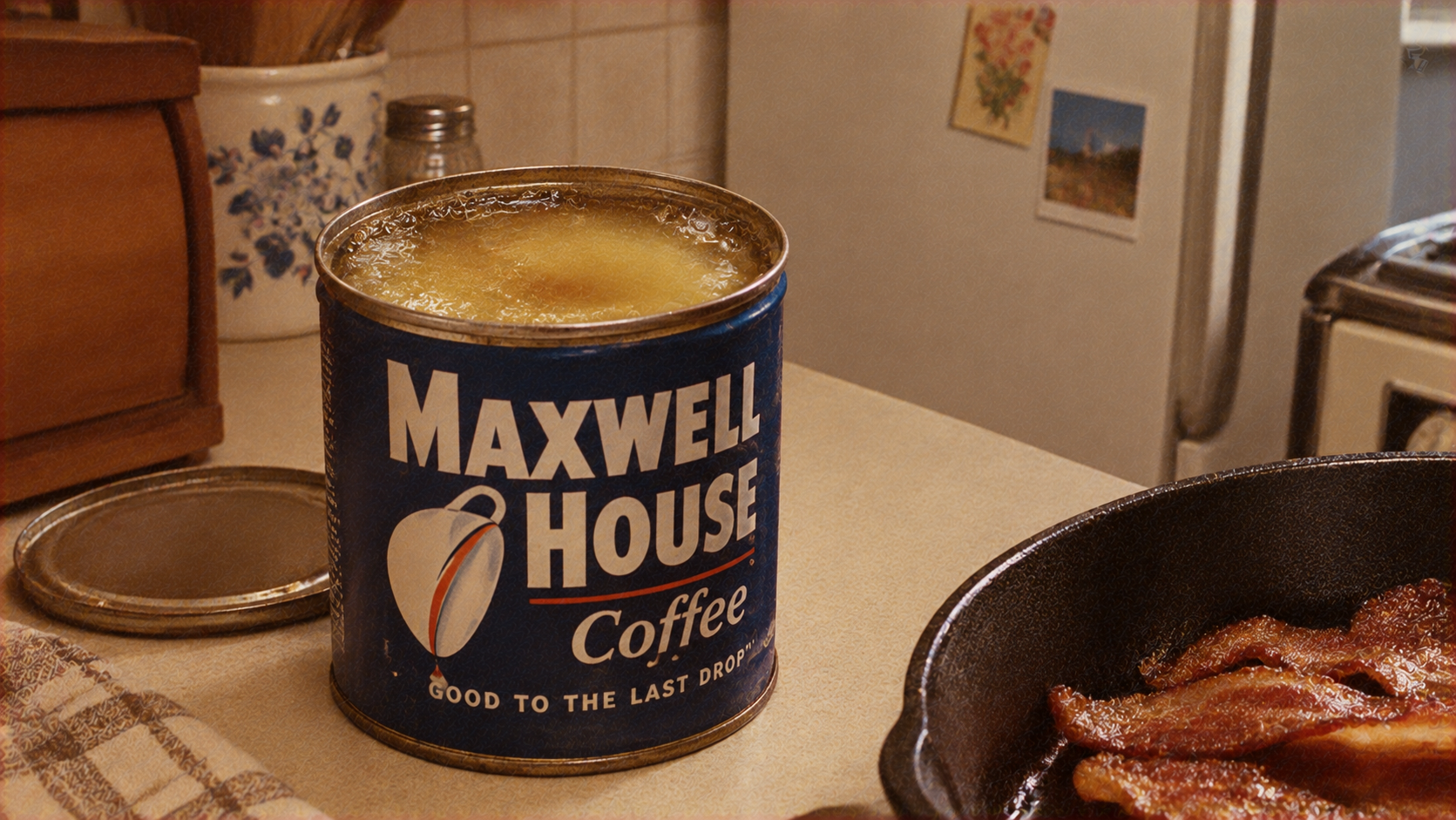
In many households, throwing away bacon grease seemed like throwing away perfectly good cooking oil. Families saved the drippings in old coffee cans or other containers, sometimes keeping portions in the freezer for future meals. A spoonful could flavor green beans, fried potatoes, or cornbread without requiring another ingredient. Grandmothers who grew up during leaner times knew exactly how valuable those leftovers could be. Today, finding a container of frozen bacon grease beside the ice cream might leave someone wondering why it was there.
2. Entire Loaves of Store-Bought Bread
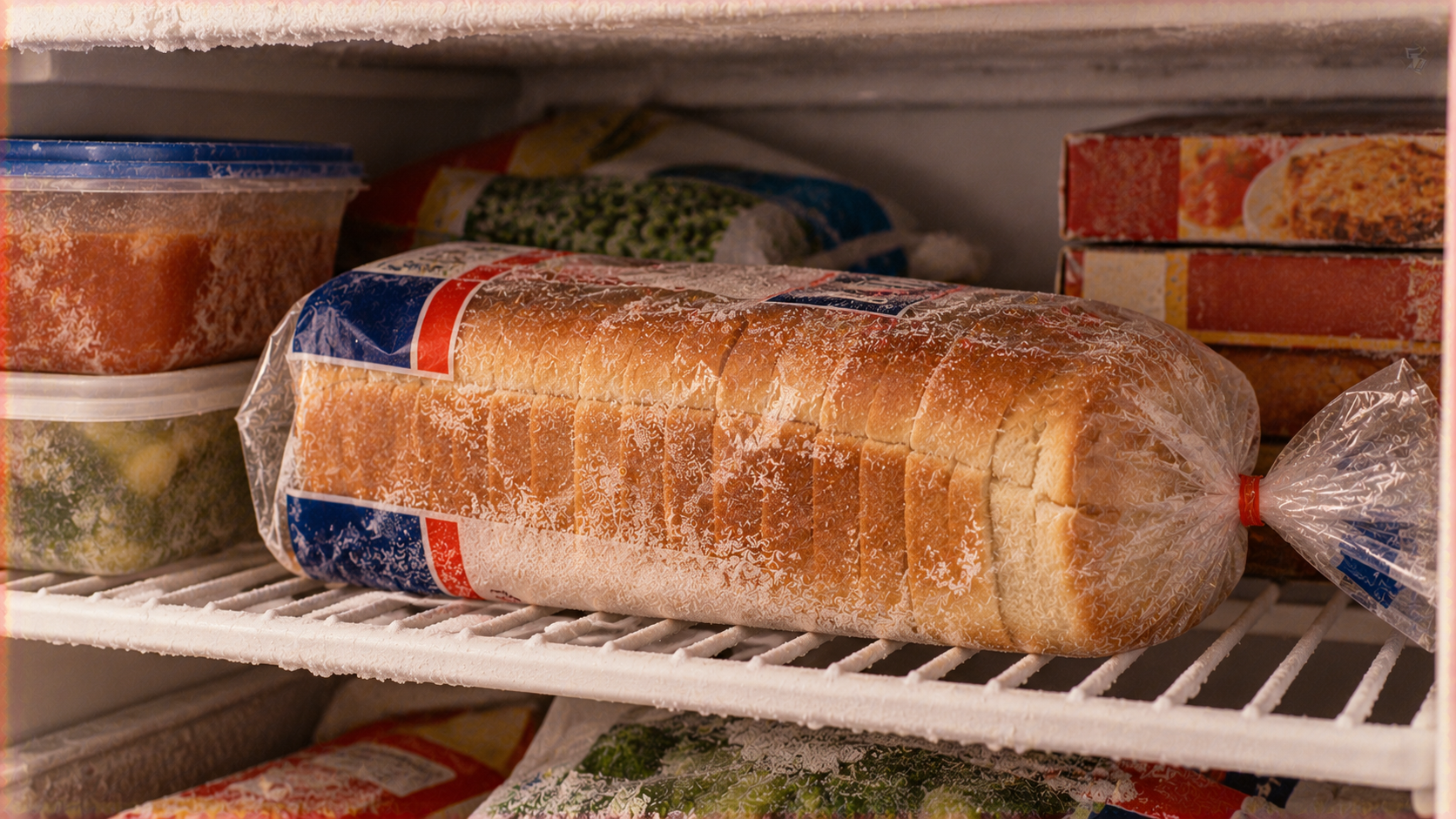
Before grocery shopping became something people could do almost any day, buying several loaves of bread at once was a practical habit. Families placed extra loaves in the freezer, often still inside their original plastic bags, and pulled one out when the breadbox was empty. Some mothers separated slices with wax paper to make individual portions easier to remove. There was something reassuring about knowing another loaf was waiting behind the frozen peas, especially in a household where sandwiches were packed every morning.
3. Leftover Coffee Frozen Into Ice Cubes
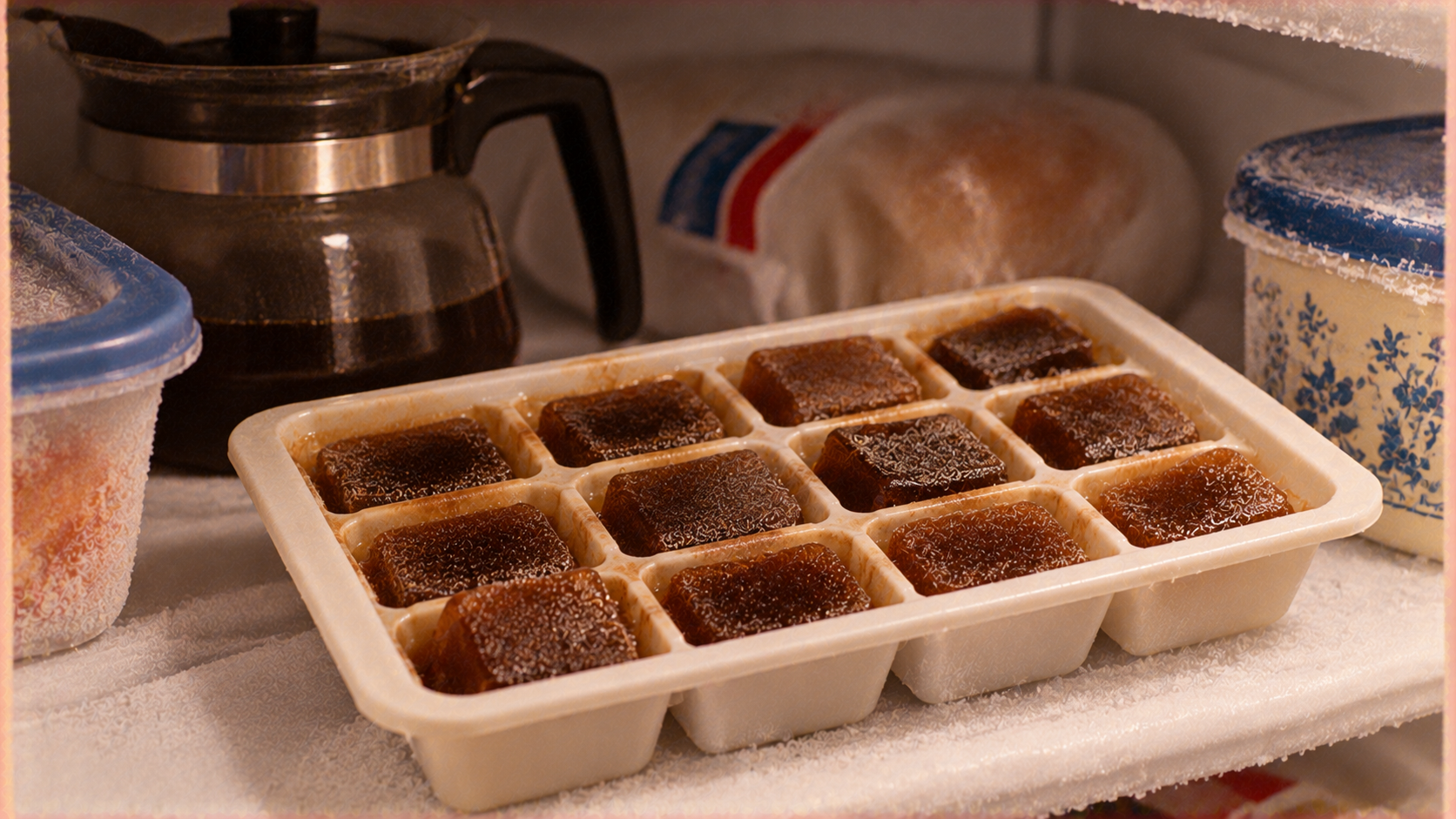
For people who hated wasting even half a pot of coffee, freezing the leftovers was an easy solution. Coffee was poured into ice cube trays and saved for iced coffee, desserts, or recipes that needed a little extra flavor. The cubes sometimes ended up in the same freezer compartment as ordinary ice, leading to unpleasant surprises when someone grabbed the wrong tray. Long before specialty coffee shops made iced drinks fashionable, resourceful home cooks had already figured out how to make yesterday’s coffee useful again.
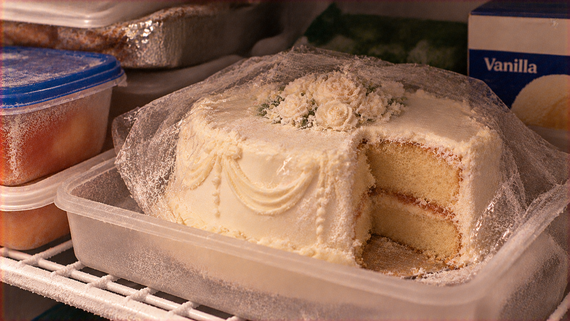
4. Wedding Cake Saved for the First Anniversary
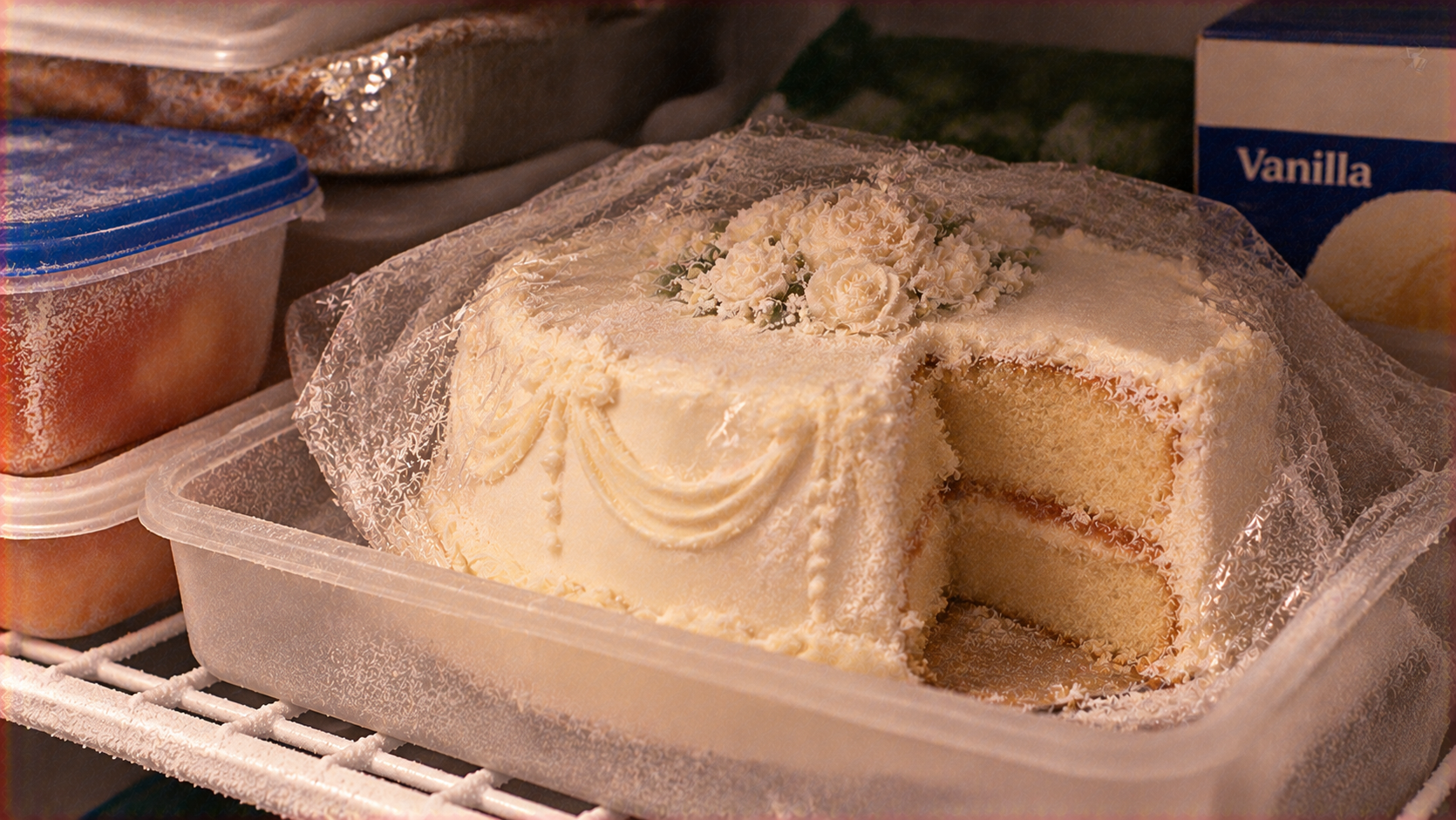
One of the more sentimental freezer traditions involved saving the top tier of a wedding cake. Couples wrapped it carefully in plastic, foil, or freezer paper and stored it for an entire year, planning to share it on their first anniversary. The tradition was especially popular when elaborate tiered wedding cakes were a centerpiece of the reception. By the time the anniversary arrived, the cake might have absorbed a few freezer odors or developed an unusual texture, but eating it was about remembering the wedding day rather than enjoying perfect frosting.
5. Bags of Vegetable Scraps for Homemade Soup
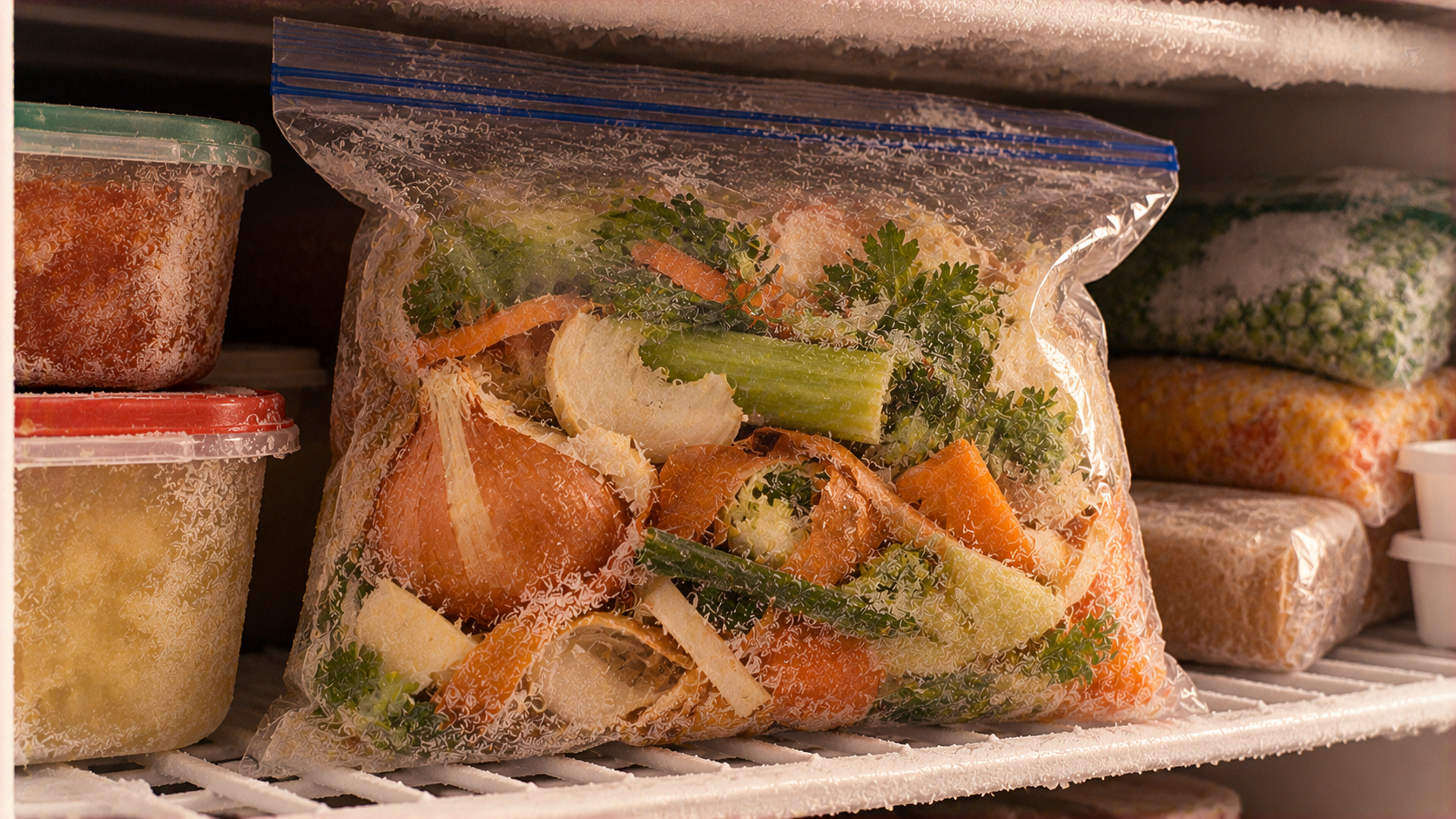
Carrot ends, celery leaves, onion pieces, and other vegetable trimmings often had a second destination before reaching the trash. Frugal cooks collected them in freezer bags until there was enough to make a large pot of homemade stock. The bag rarely looked particularly appetizing, but its contents could become the foundation for chicken soup or a Sunday stew. This habit has found new fans among people trying to reduce food waste, although many younger cooks would still be surprised to discover a bag filled with what looks like discarded vegetables.
Trending on Wealth Gang


6. Old Pantyhose to Make Them Last Longer
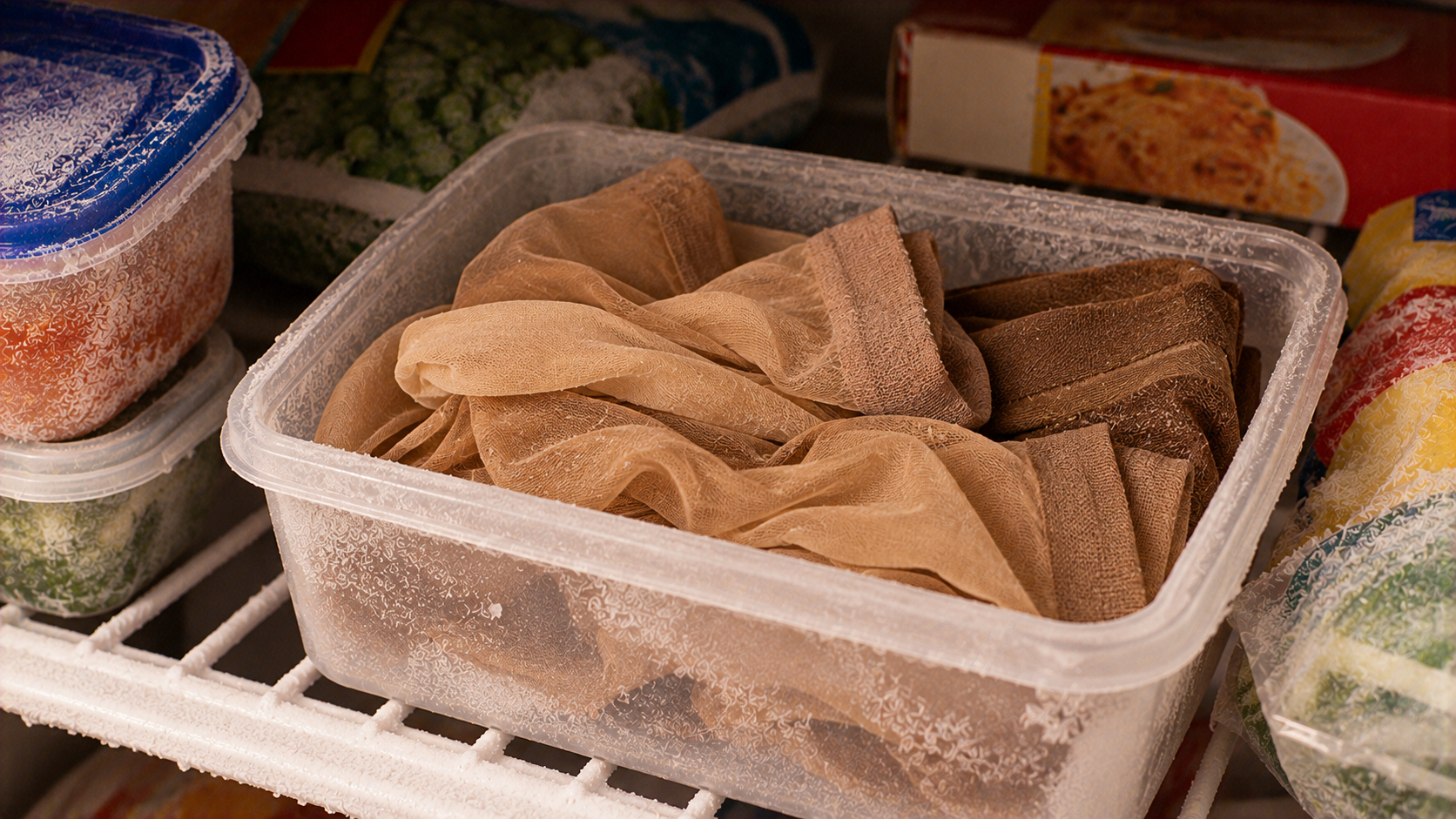
During the years when pantyhose were practically part of the everyday uniform for working women, keeping them from running was a constant challenge. One unusual household tip involved wetting a new pair, placing it in a plastic bag, and freezing it before wearing it. The belief was that the cold treatment would strengthen the nylon fibers and help prevent snags. There is little reliable evidence that the trick actually worked, but it circulated through magazines, conversations, and beauty advice for years. Finding pantyhose beside frozen chicken would certainly raise questions today.
7. Homemade Cookie Dough Wrapped in Wax Paper
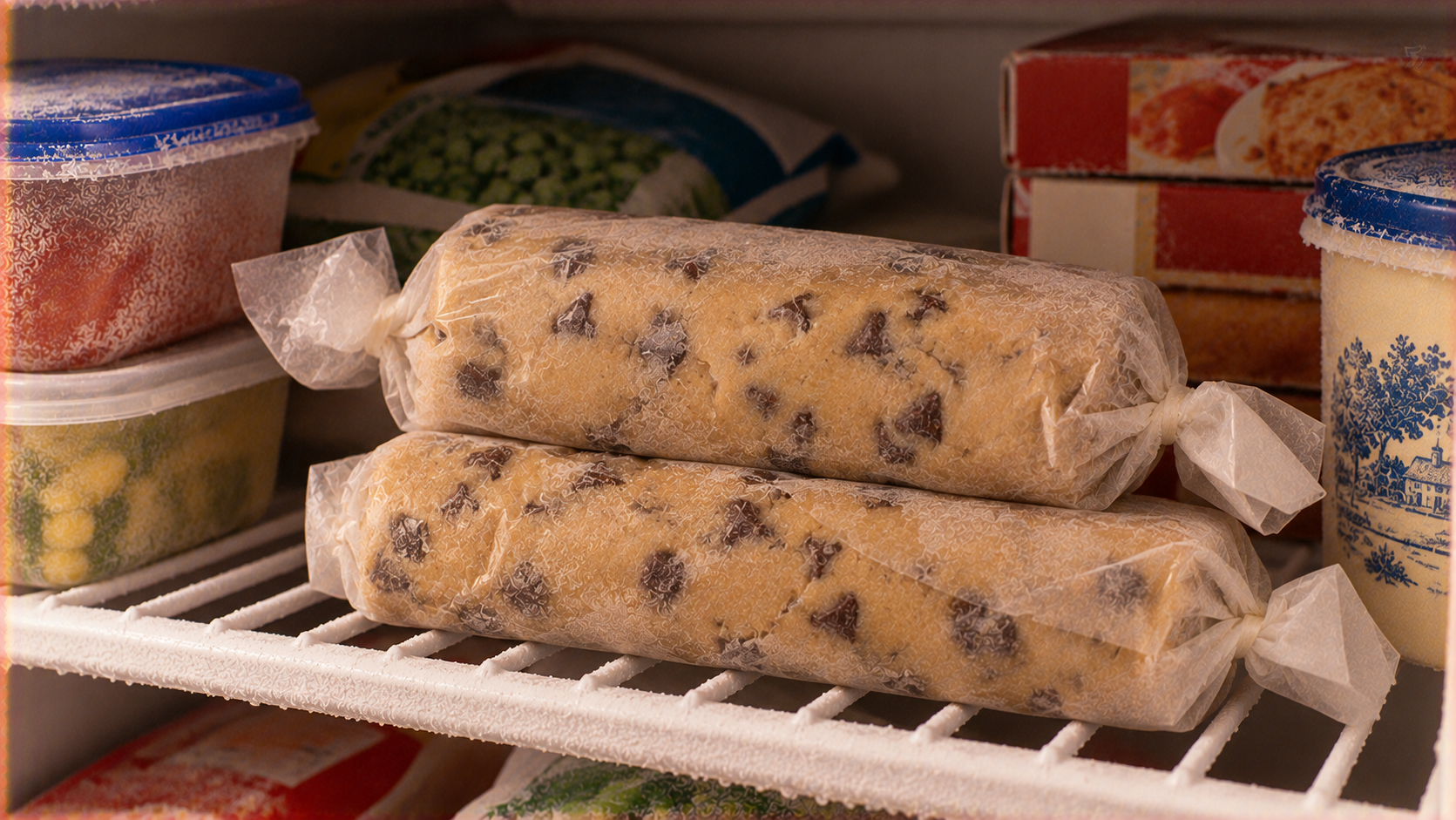
Long before refrigerated cookie dough became a supermarket staple, many families made large batches from scratch and froze portions for later. Mothers and grandmothers rolled dough into logs, wrapped them tightly in wax paper, and tucked them into the freezer. When unexpected visitors arrived, or children wanted something sweet after school, a few slices could go straight onto a baking sheet. The smell of freshly baked cookies could fill the kitchen without anyone starting a recipe from the beginning.
8. Film Rolls Waiting to Be Developed
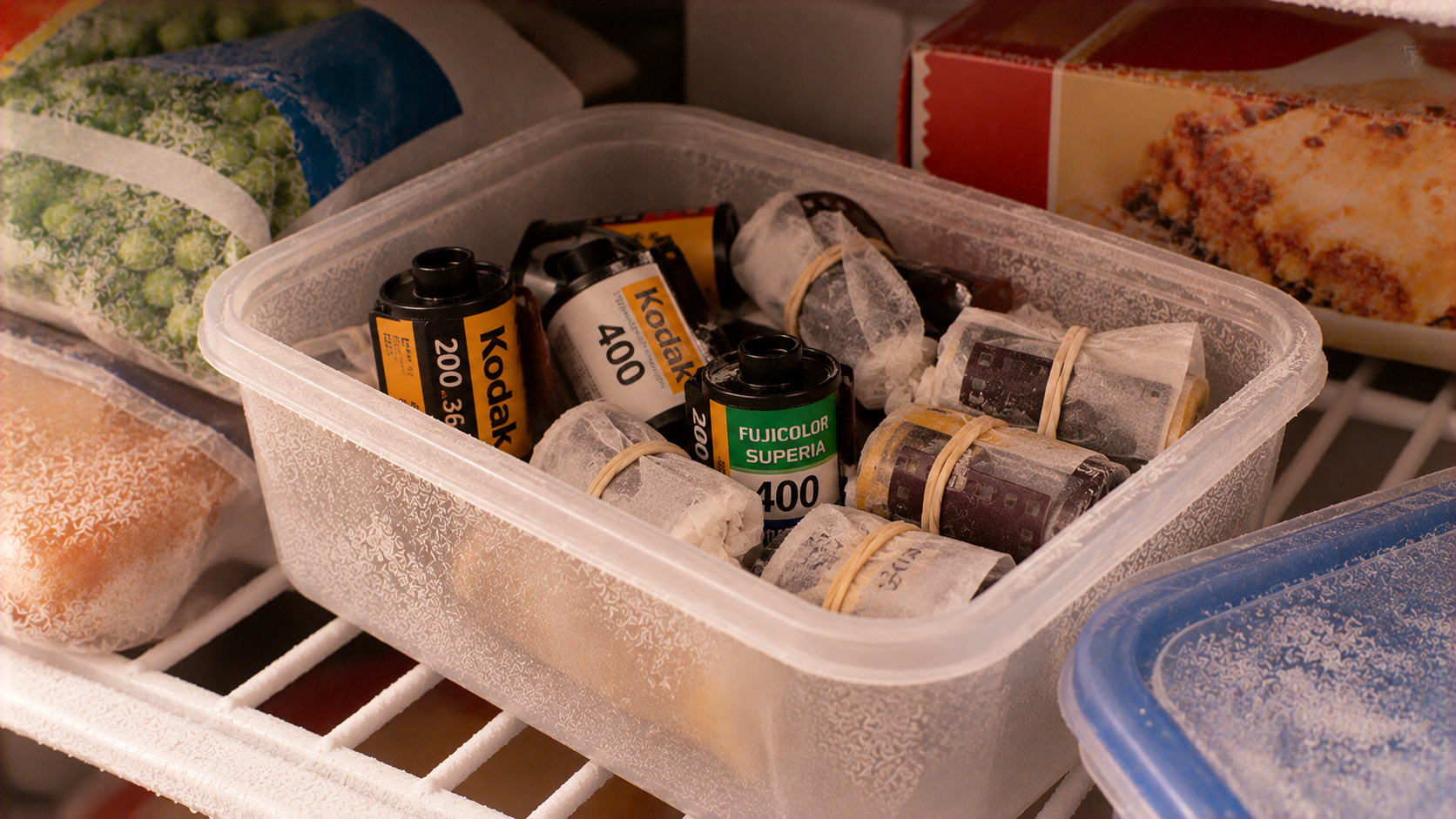
Photography enthusiasts sometimes stored unused rolls of camera film in the refrigerator or freezer to help preserve them, particularly when they had purchased film in bulk. The habit was especially familiar to serious amateur photographers who wanted to protect expensive supplies from heat and aging. Small film canisters might sit beside frozen dinners, waiting for a birthday party, vacation, or family gathering. Film needed to return to room temperature before opening to avoid condensation, but the practice made perfect sense in an era when every photograph cost money to take and develop.
Sign up for our newsletter
9. Large Blocks of Cheese Bought on Sale
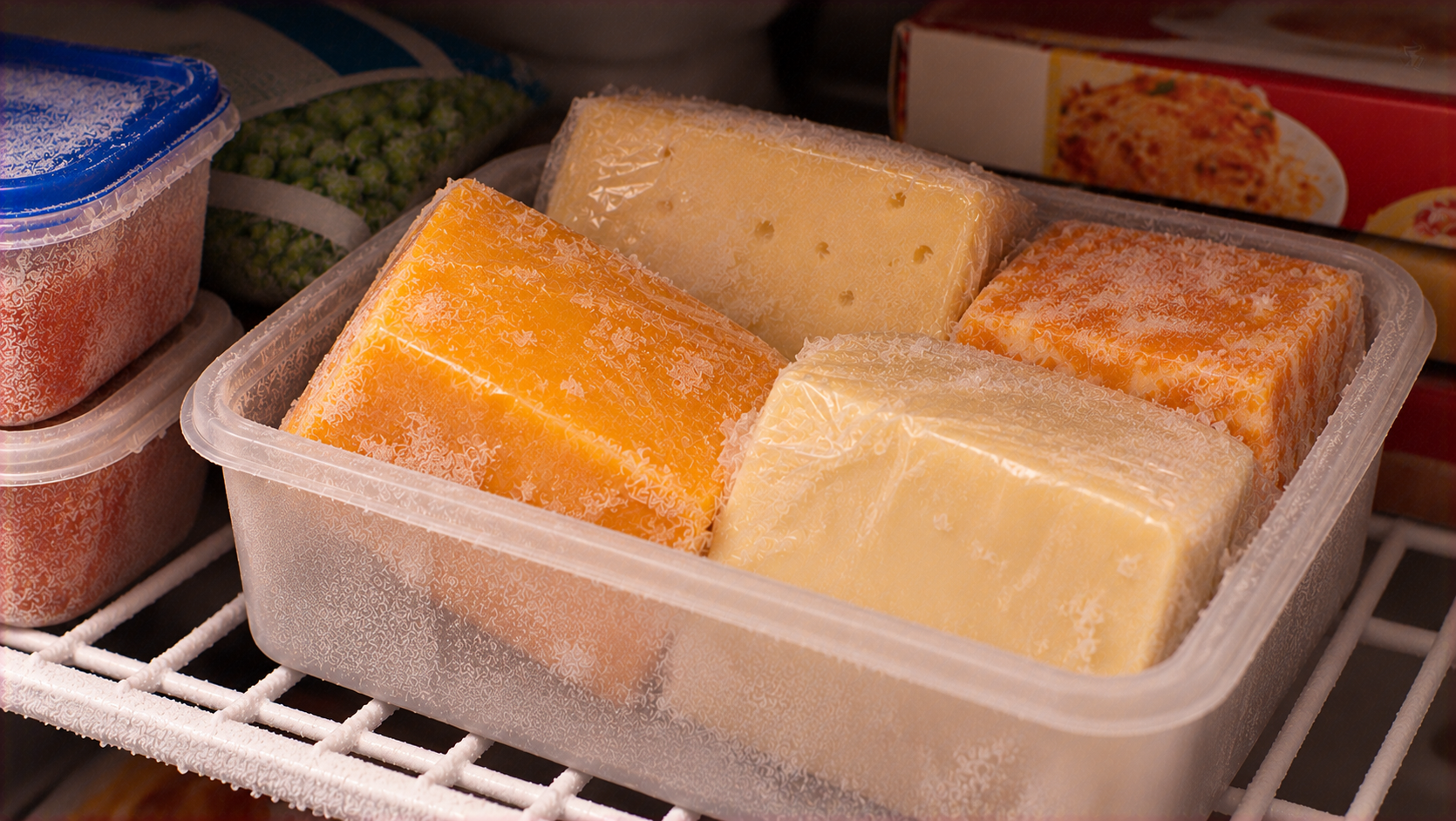
When grocery stores advertised a particularly good price on cheddar or mozzarella, some families bought far more than they could use immediately. Extra blocks were wrapped in freezer paper or aluminum foil and saved for casseroles, sandwiches, and homemade pizza. Freezing could make certain cheeses crumbly, but that mattered little when they were destined for melting into macaroni and cheese. For families managing a strict grocery budget, having several pounds of cheese tucked away represented smart shopping rather than an unusual storage habit.
10. Homemade Baby Food in Ice Cube Trays
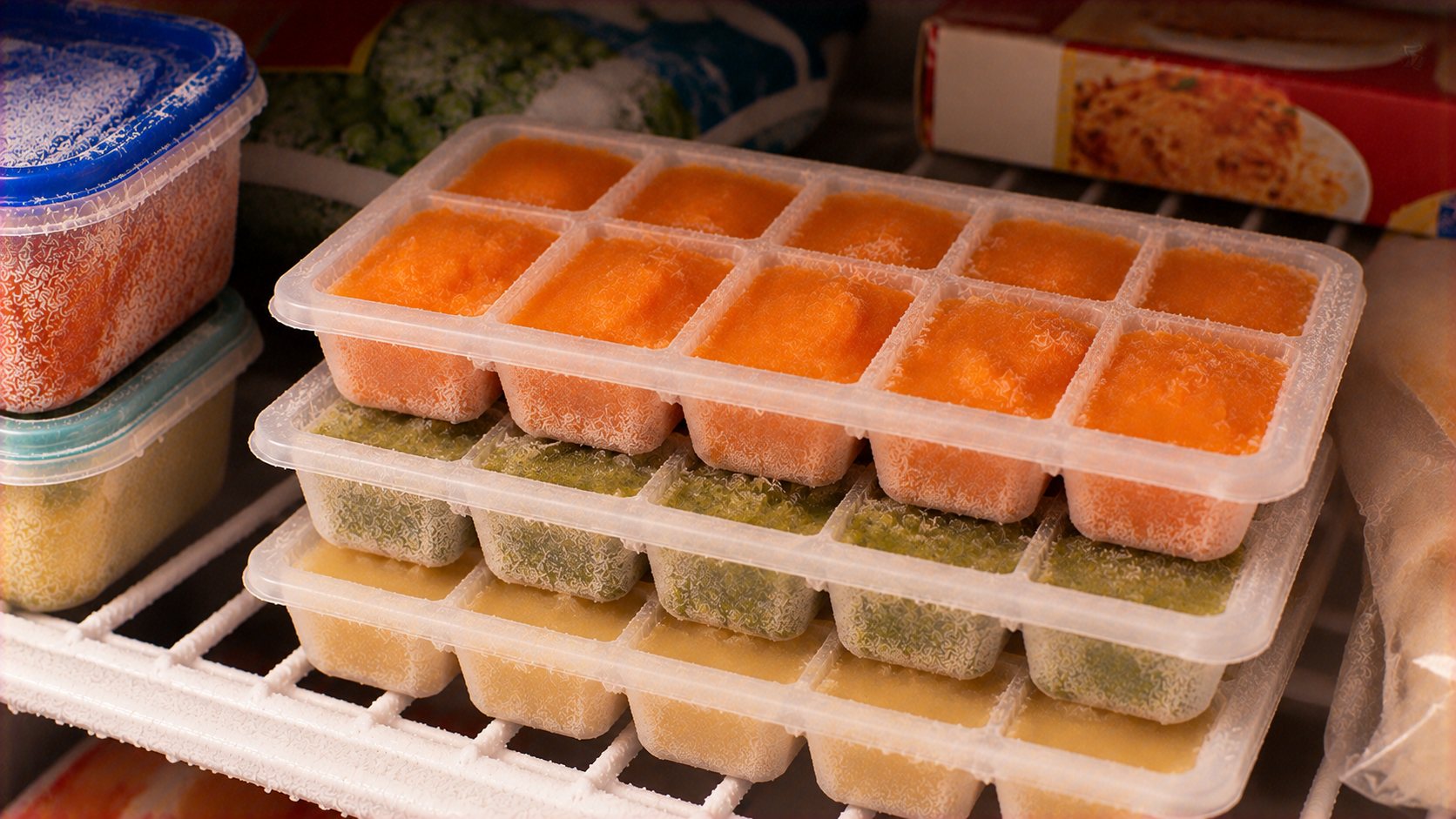
Before shelves were filled with convenient baby food pouches, many parents prepared their own purees and froze them in ordinary ice cube trays. Mashed carrots, peas, sweet potatoes, and other soft foods were portioned into small cubes that could be thawed individually. Once frozen, the portions were often transferred to labeled bags, although not every household was especially organized about it. A freezer containing tiny orange and green cubes might look strange today, but for busy parents, it made feeding a baby considerably easier.
11. Nuts Saved for Holiday Baking
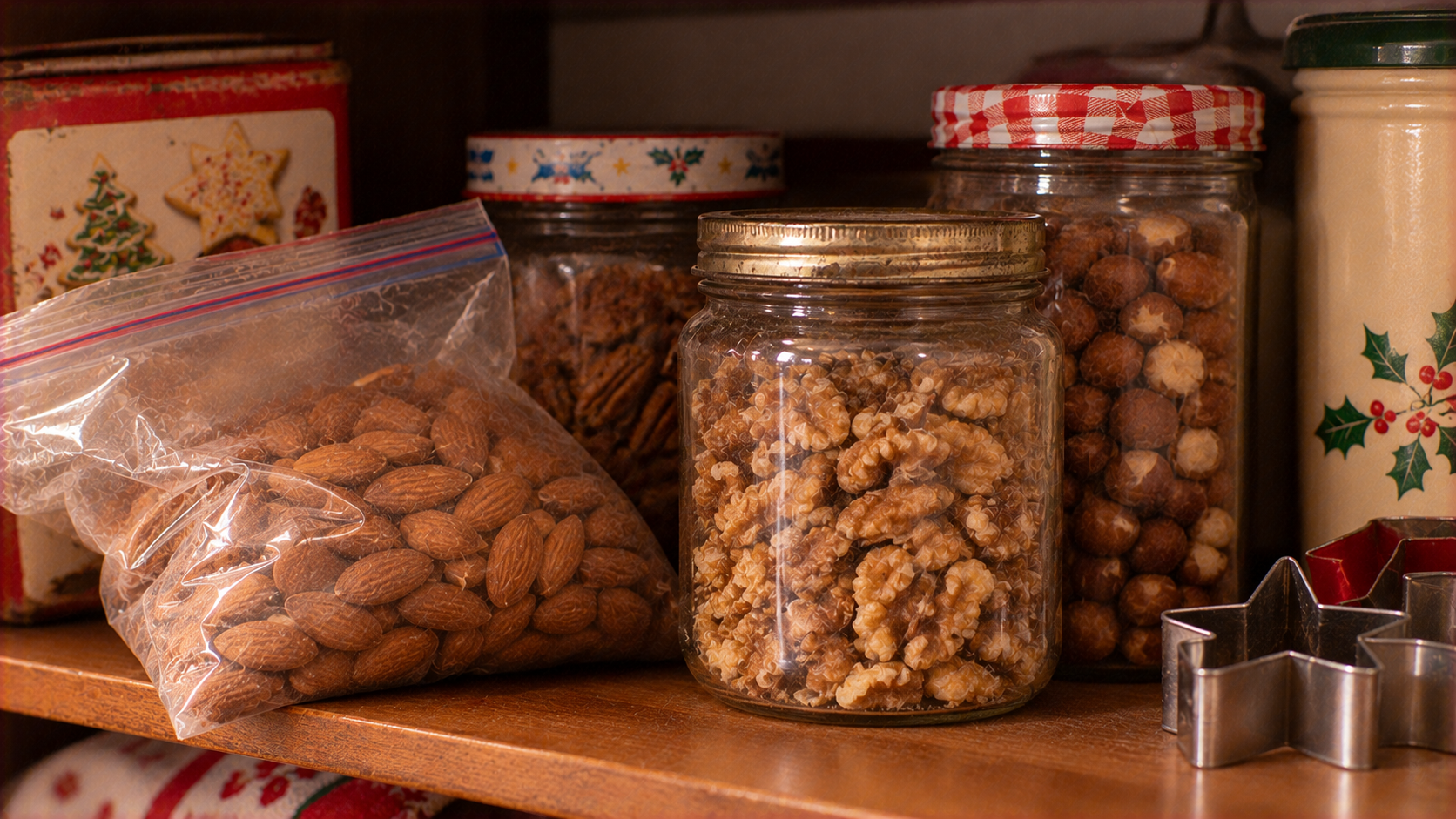
Walnuts, pecans, and almonds were not always treated as everyday pantry snacks. In many families, they were ingredients reserved for Christmas cookies, Thanksgiving pies, and other special occasions. Because nuts could turn rancid when stored too long at room temperature, home bakers often kept large bags in the freezer. Some families even bought them in shells and spent winter evenings cracking them at the kitchen table. Finding a carefully saved bag of pecans in July usually meant someone was already thinking ahead to the holidays.
12. Homemade Gravy Saved in Small Containers
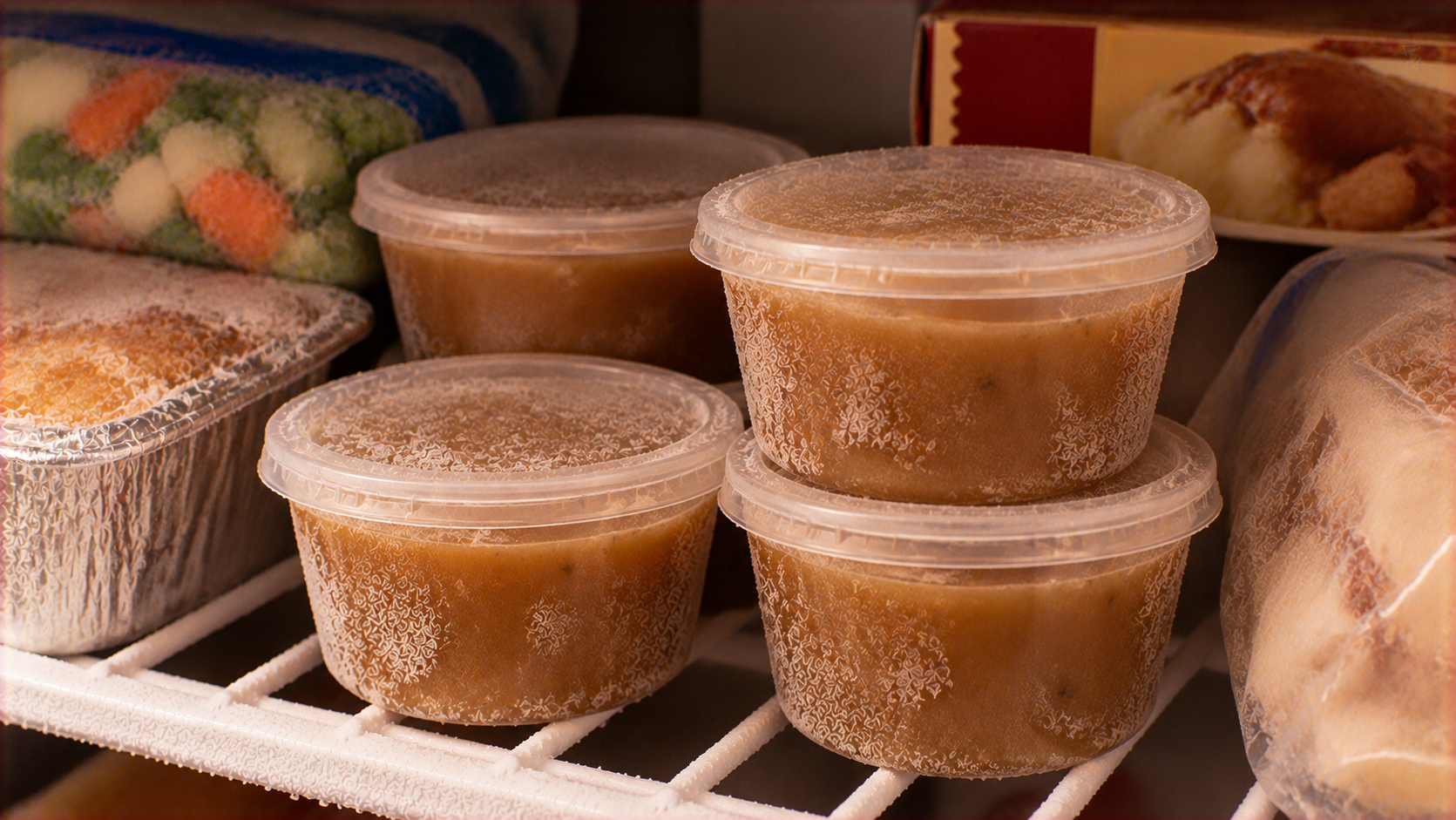
A good Sunday roast often produced more gravy than the family could finish, and throwing it away seemed wasteful. Home cooks poured the extra into small freezer containers, saving it for another dinner when there would be no time to prepare gravy from scratch. Those frozen portions could transform plain mashed potatoes or leftover meat into something that felt like a proper meal. The containers were not always labeled, which occasionally meant someone expecting soup discovered a solid block of brown gravy instead.
13. Flour to Keep Pantry Pests Away
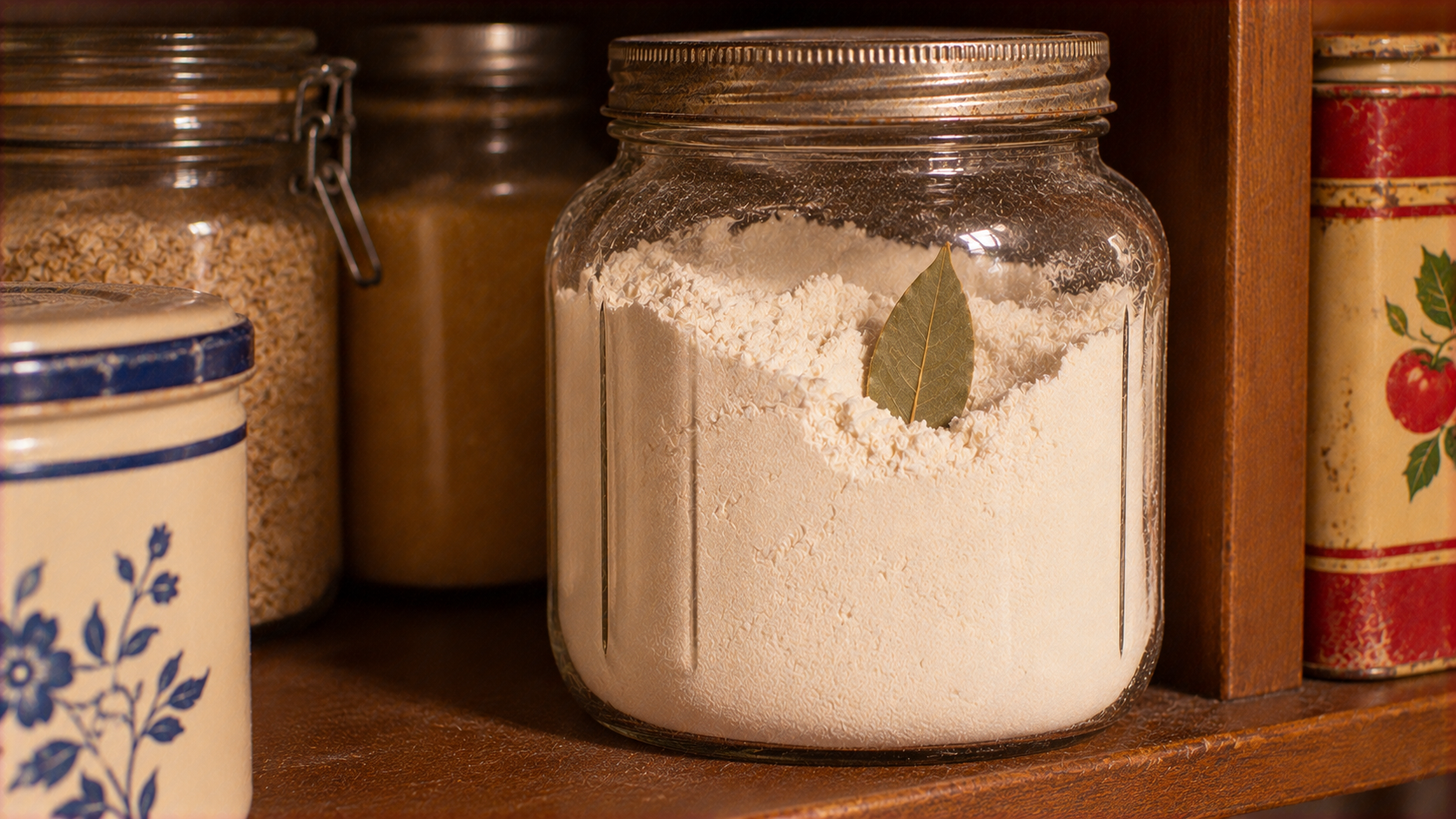
Some families stored flour in the freezer, particularly when they purchased large bags or worried about insects finding their way into kitchen cupboards. Freezing flour could help deal with pantry pests and extend its storage life, provided it was kept properly sealed against moisture and odors. This was especially useful in warmer climates or households where baking supplies were purchased in bulk. A five-pound bag of flour occupying valuable freezer space might seem excessive today, but it was a familiar precaution in certain kitchens.
14. Leftover Egg Whites From Baking
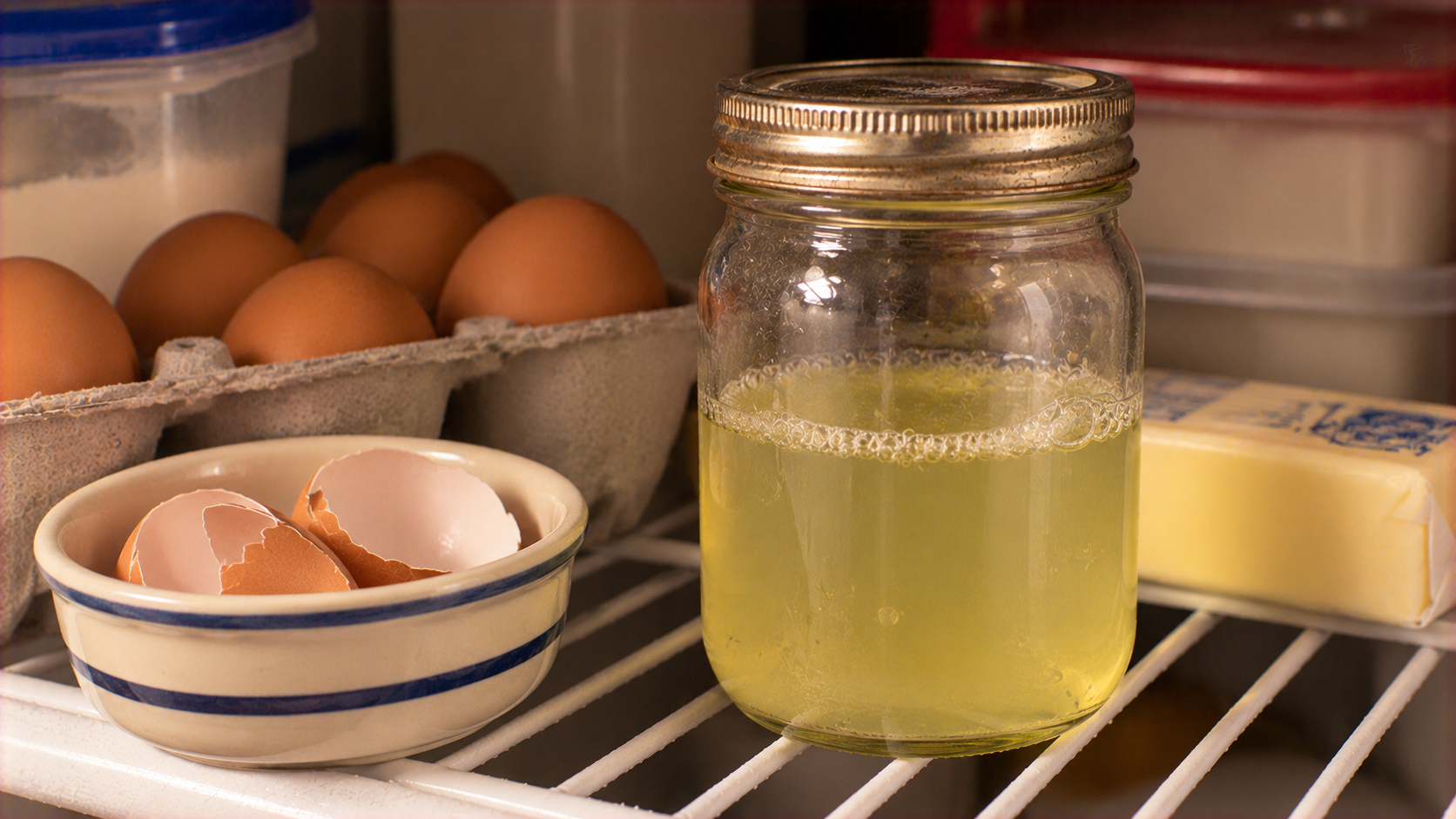
Recipes for custards, homemade mayonnaise, and rich holiday desserts often called for egg yolks, leaving several perfectly good whites behind. Instead of throwing them away, careful bakers froze the whites in small containers or ice cube trays for future use. They could later become meringues, angel food cakes, or other treats that required no yolks. Some households labeled the containers with the number of egg whites inside, while others relied on memory, which was not always dependable several weeks later.
15. Homemade Soup in Reused Margarine Tubs
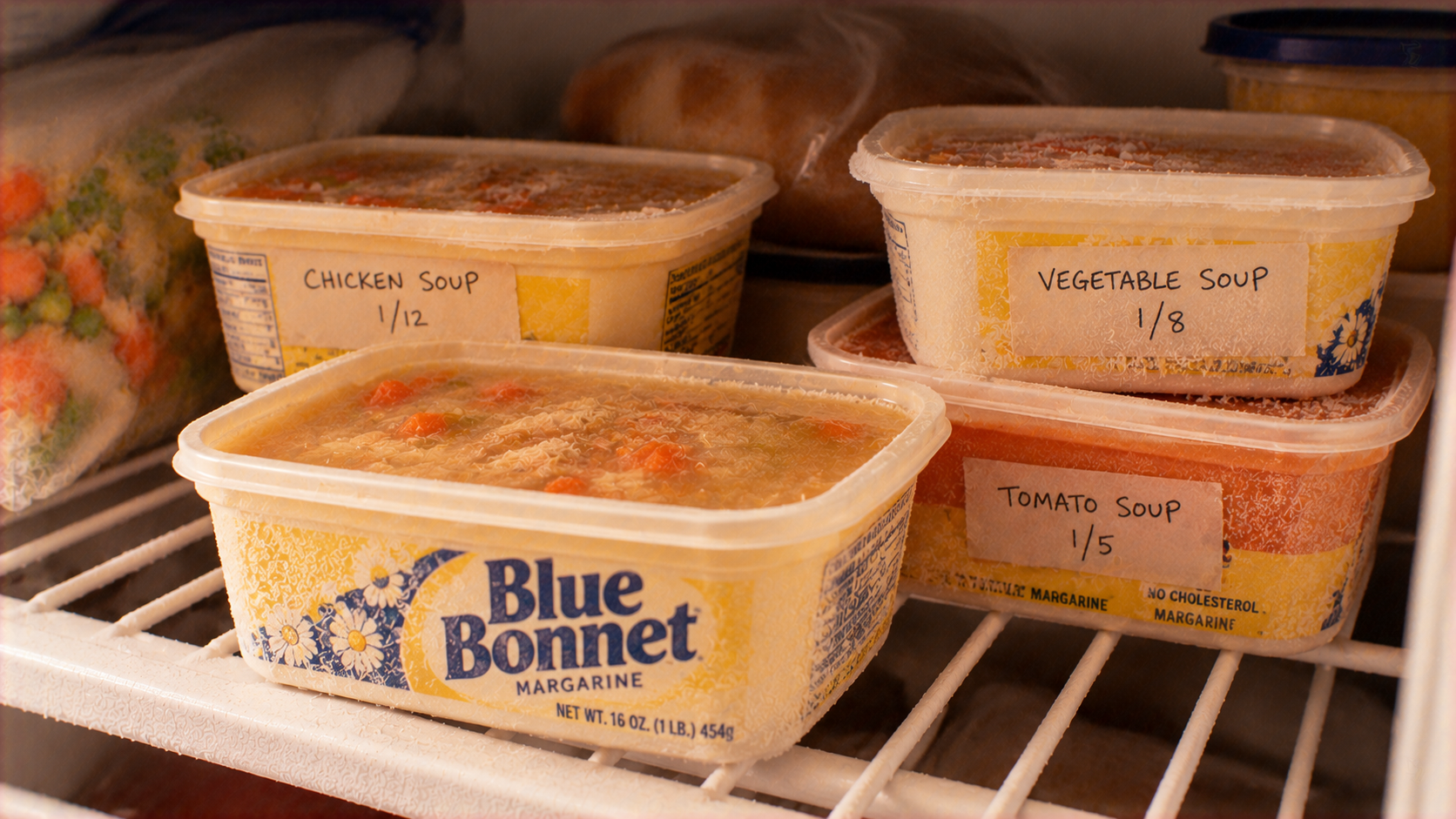
Plastic margarine and whipped topping containers were practically unofficial freezer equipment in many American homes. Once emptied and washed, they became storage containers for chicken soup, chili, stew, or whatever remained after dinner. Opening one could be a gamble because the original label rarely matched what was inside. A child hoping to find something sweet might discover frozen vegetable soup instead. Reusing those containers was part of a household philosophy in which almost nothing was thrown away if it still had a purpose.
16. Citrus Peels for Future Recipes
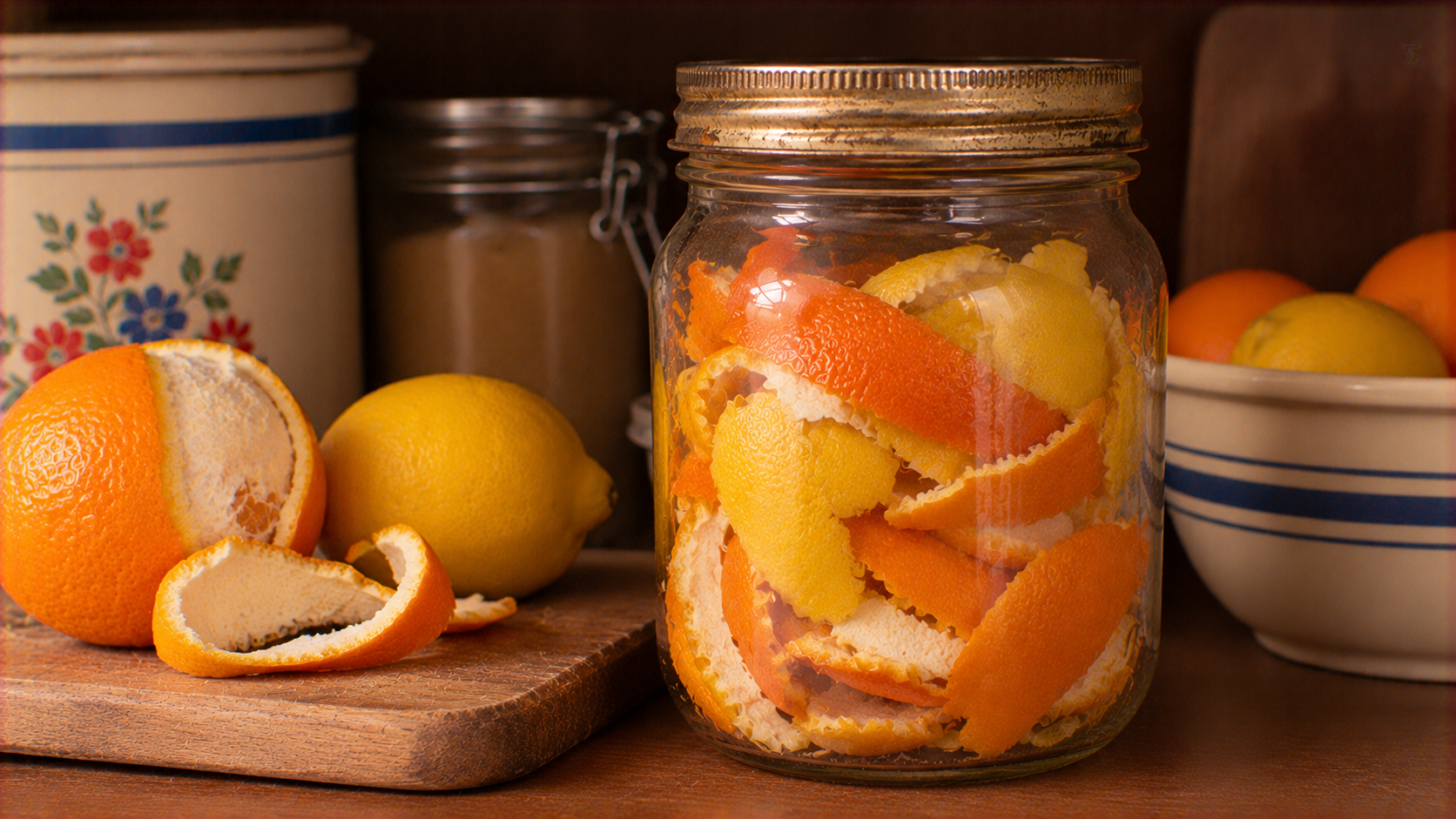
Orange and lemon peels were sometimes too useful to discard, especially in homes where baking was a regular activity. Cooks saved pieces of peel or grated zest in small bags, knowing they could add flavor to cakes, cookies, marmalade, or homemade sauces. During the holidays, a little saved orange zest could make an ordinary recipe taste special without another trip to the grocery store. Today, someone opening a freezer and finding a bag of dried-looking citrus peels might assume they had been forgotten rather than deliberately saved.
17. Homemade Popsicles Made From Kool-Aid
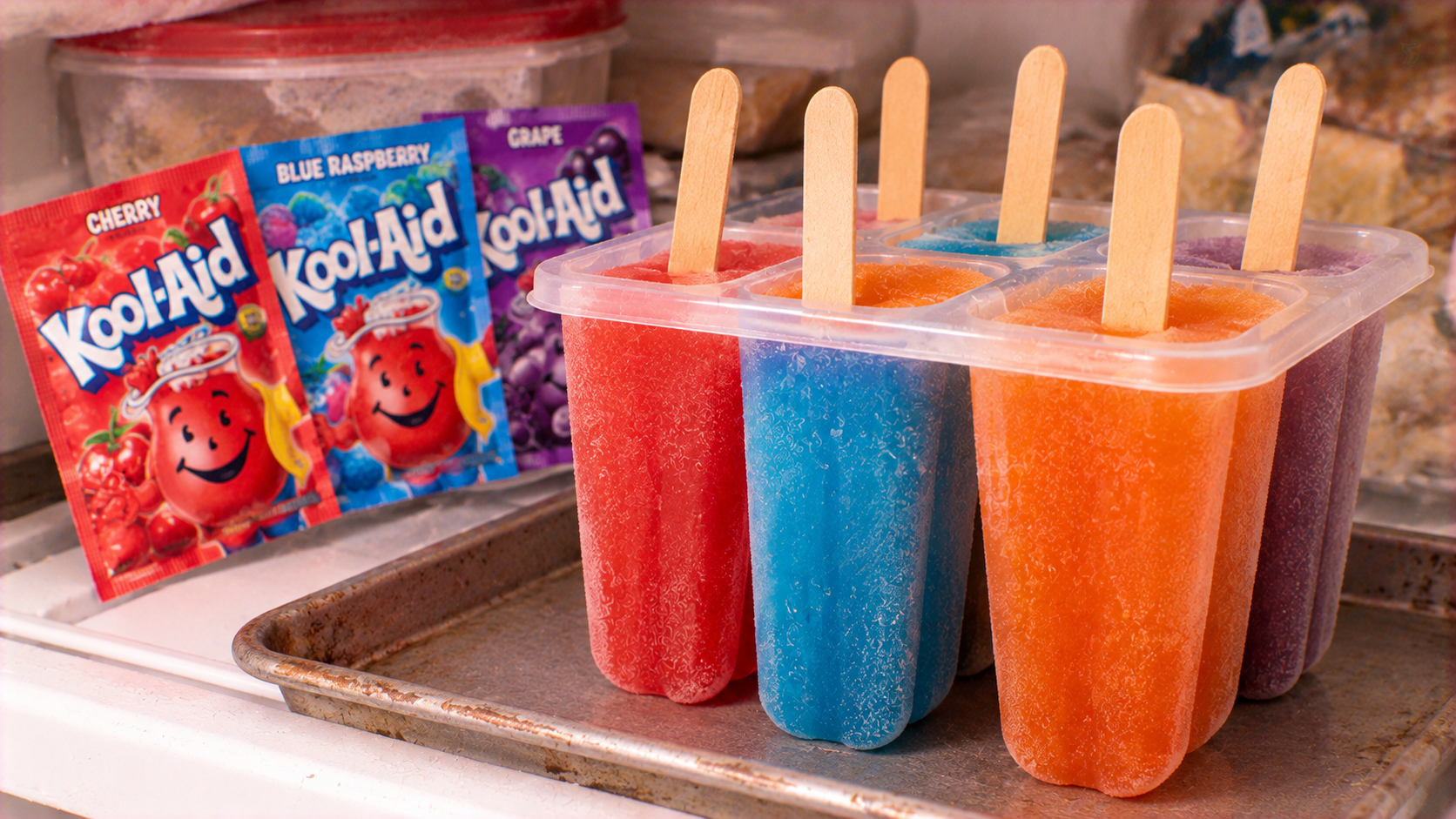
Summer afternoons once meant filling plastic molds or paper cups with Kool-Aid, lemonade, or whatever sweet drink was available in the kitchen. Parents inserted wooden sticks, placed the cups in the freezer, and waited for them to become homemade popsicles. Some children were impatient enough to check every fifteen minutes, convinced the freezing process could somehow be hurried along. The finished treats were often uneven, intensely colored, and prone to dripping down little hands, but they cost very little and tasted like summer vacation.
18. Mystery Leftovers Wrapped in Aluminum Foil
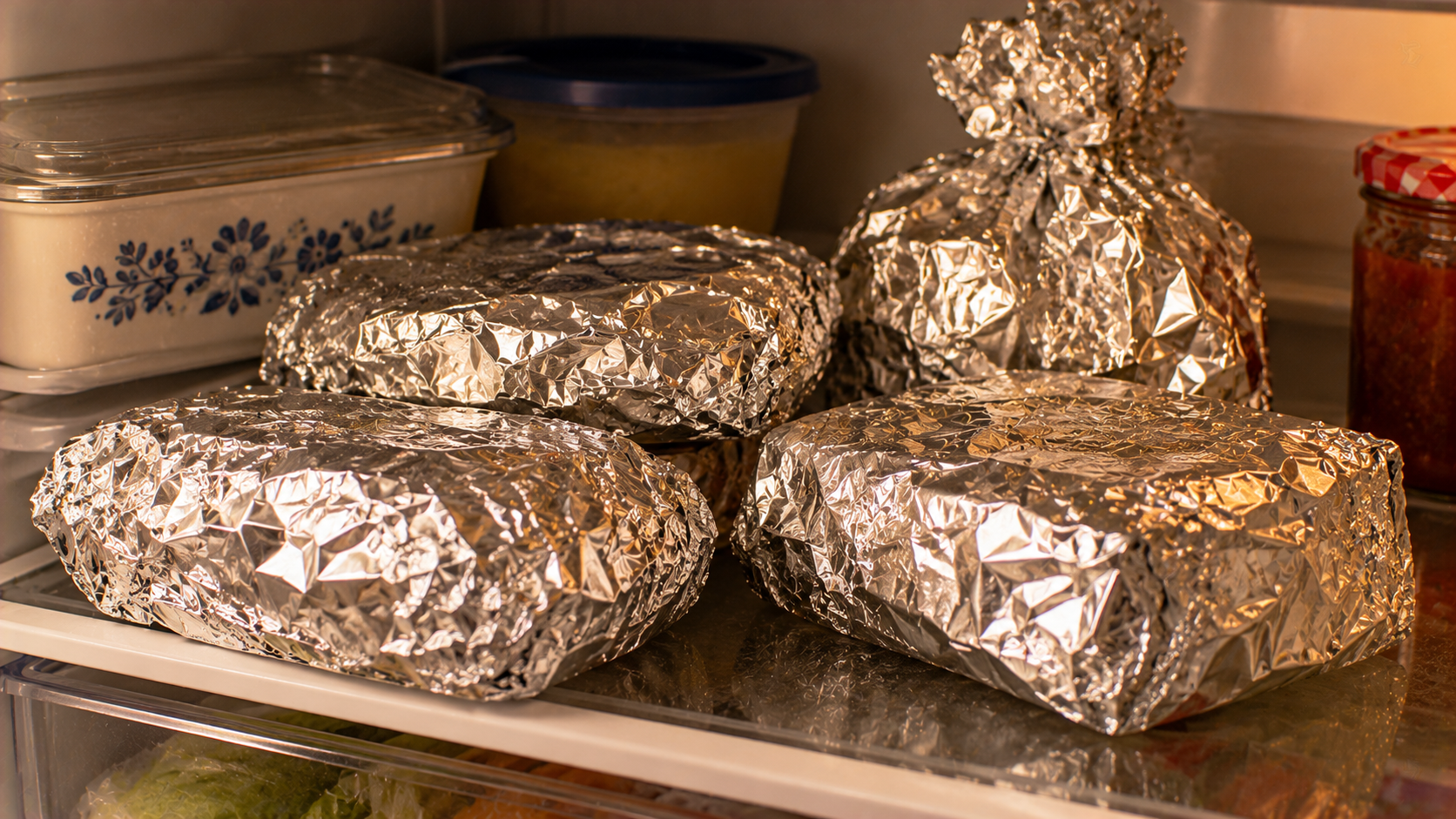
Perhaps the most recognizable feature of an old-fashioned family freezer was the collection of unidentified packages hidden in the back. Leftover meatloaf, Thanksgiving turkey, birthday cake, and half-finished casseroles were wrapped in aluminum foil with every intention of being eaten again. Weeks or months later, nobody could remember what was inside. Sometimes a mother would pull out a package in the morning and announce that dinner depended on whatever it turned out to be. Those silver bundles were a reminder of a time when saving food was second nature, even when remembering what had been saved was another matter entirely.
More Related Notes
• 18 Things From 1970s Kitchens That Younger Generations May Never Have Used
Revisit the old-fashioned kitchen gadgets, storage containers, and everyday appliances that once filled American homes, including freezer essentials that younger generations might barely recognize today.
• 15 Products That Used to Be in Every Pantry but Are Rarely Seen Today
Discover the canned foods, forgotten ingredients, and familiar pantry staples that families once kept on hand, revealing how much American food storage and shopping habits have changed.
• 15 Things Found in Every American Kitchen in 1965
Take a nostalgic look inside a typical 1960s kitchen, when growing freezer compartments, colorful appliances, and homemade meals shaped the way families stored and prepared food.