
1. Spare Buttons That Came With Clothes
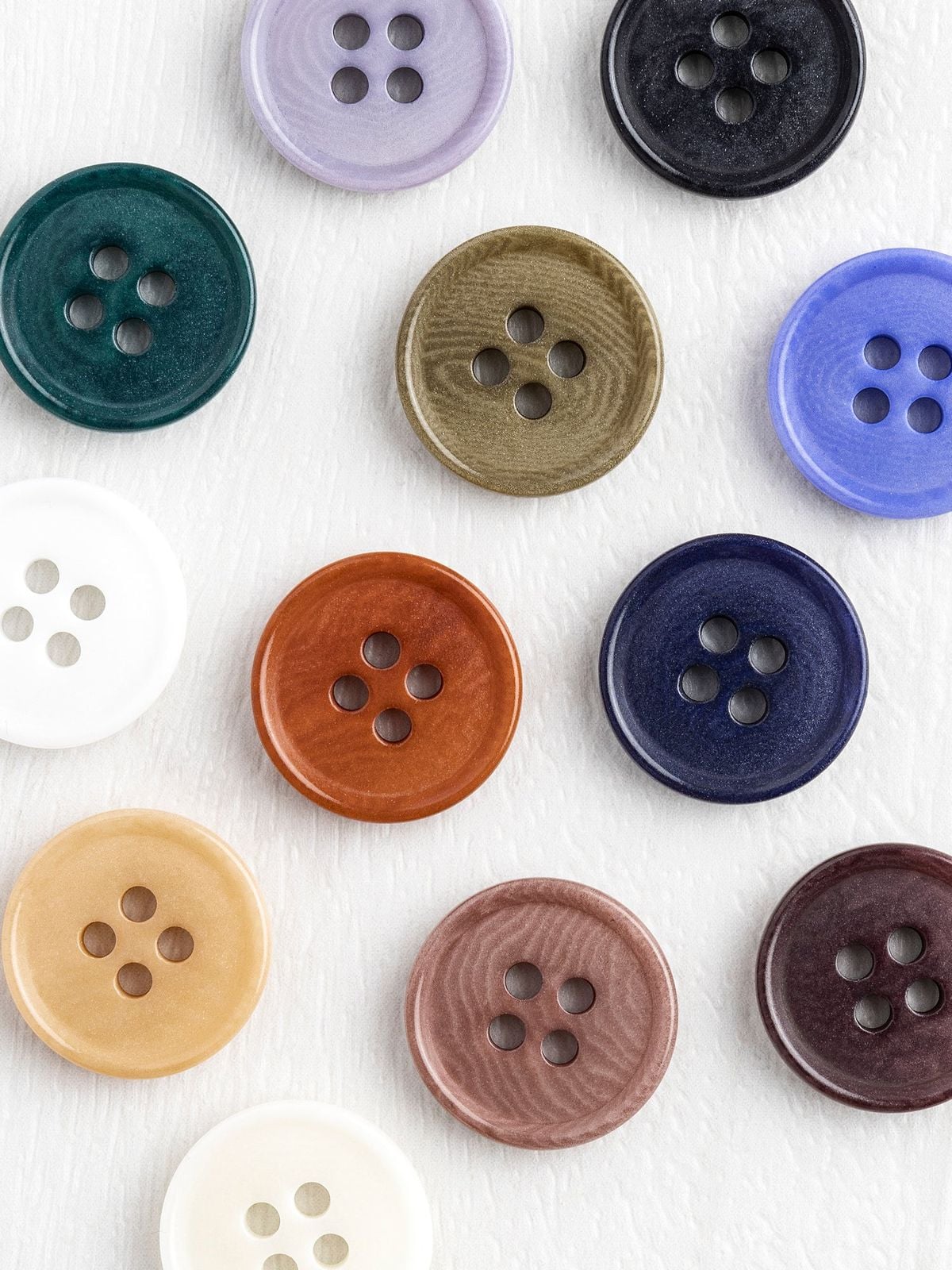
They used to be attached to every shirt or jacket, just in case. Now, many brands skip them entirely, assuming you’ll replace the item instead of fixing it.
2. Instructions Printed Inside Products
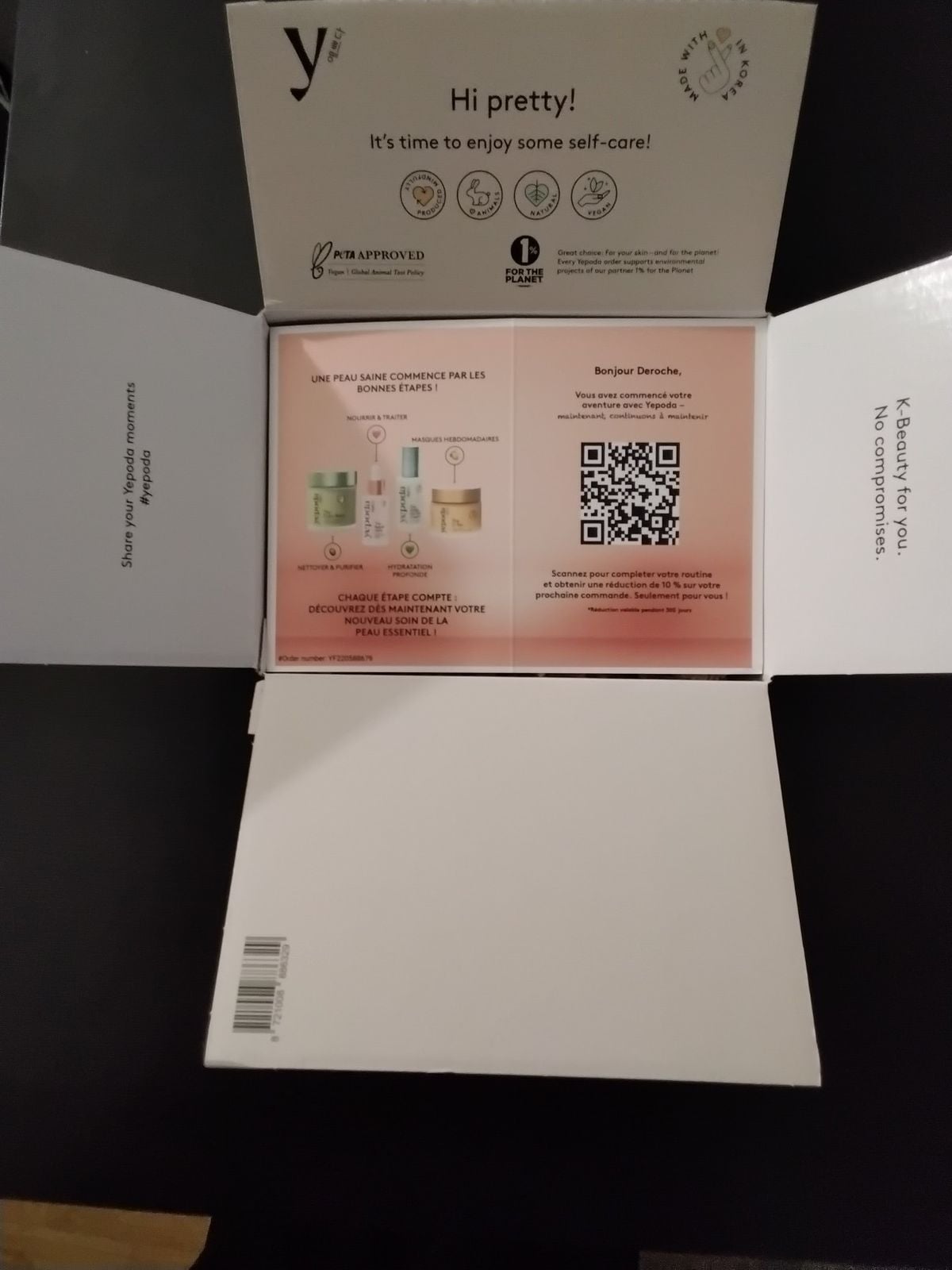
Manuals used to come in the box. Now you’re expected to scan a code or search online, even for simple things.
3. Real Customer Service Phone Lines

Finding an actual person on the other end has become surprisingly difficult, replaced by automated systems and endless menus.
4. Simple Cafes Without Branding
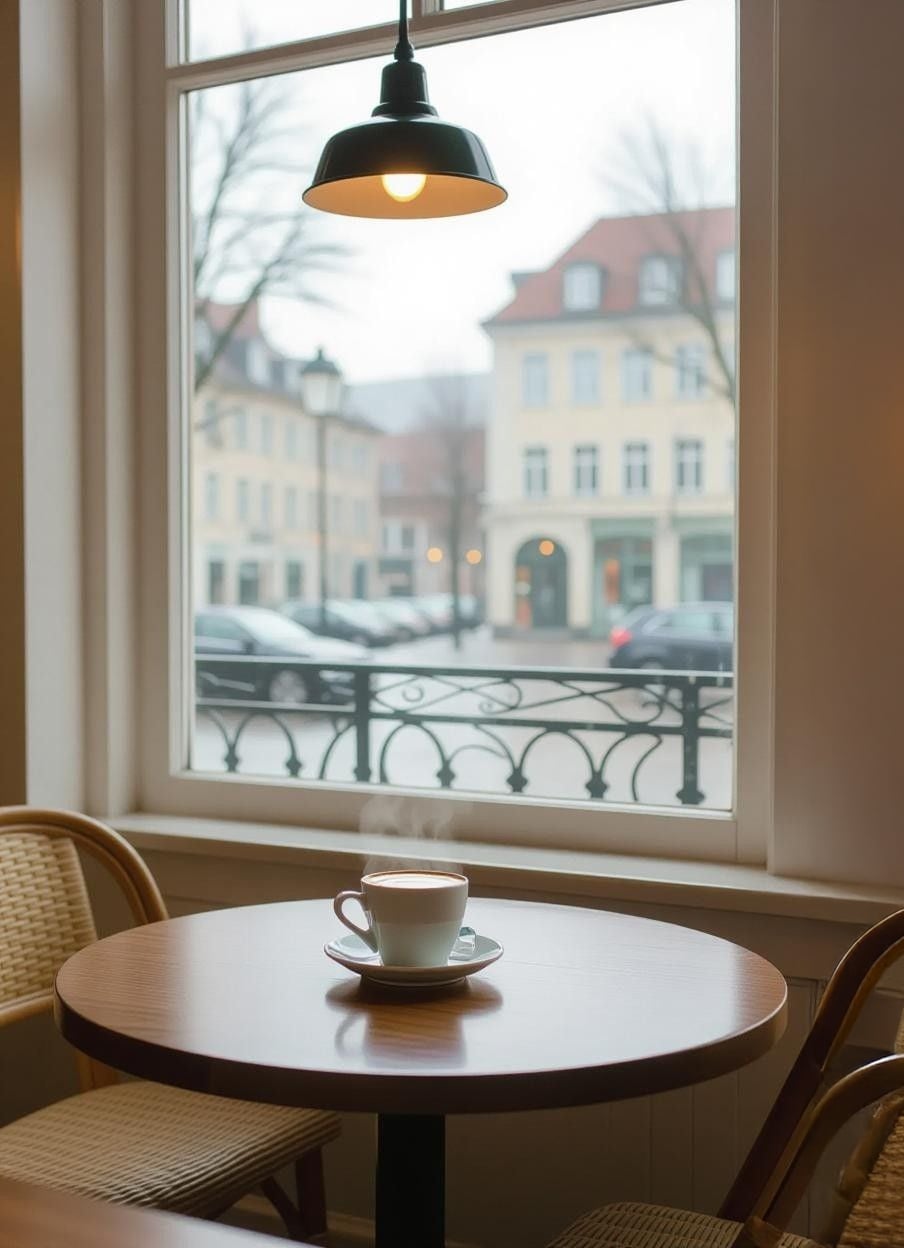
Places that just serve coffee without a concept, aesthetic, or identity are becoming less common.
5. Products Without Subscriptions

From apps to everyday services, more things now require ongoing payments instead of a one time purchase.
Trending on Wealth Gang

6. Quiet Public Spaces

With constant music, screens, and notifications, finding truly quiet places feels harder than before.
7. Durable “Buy It Once” Items
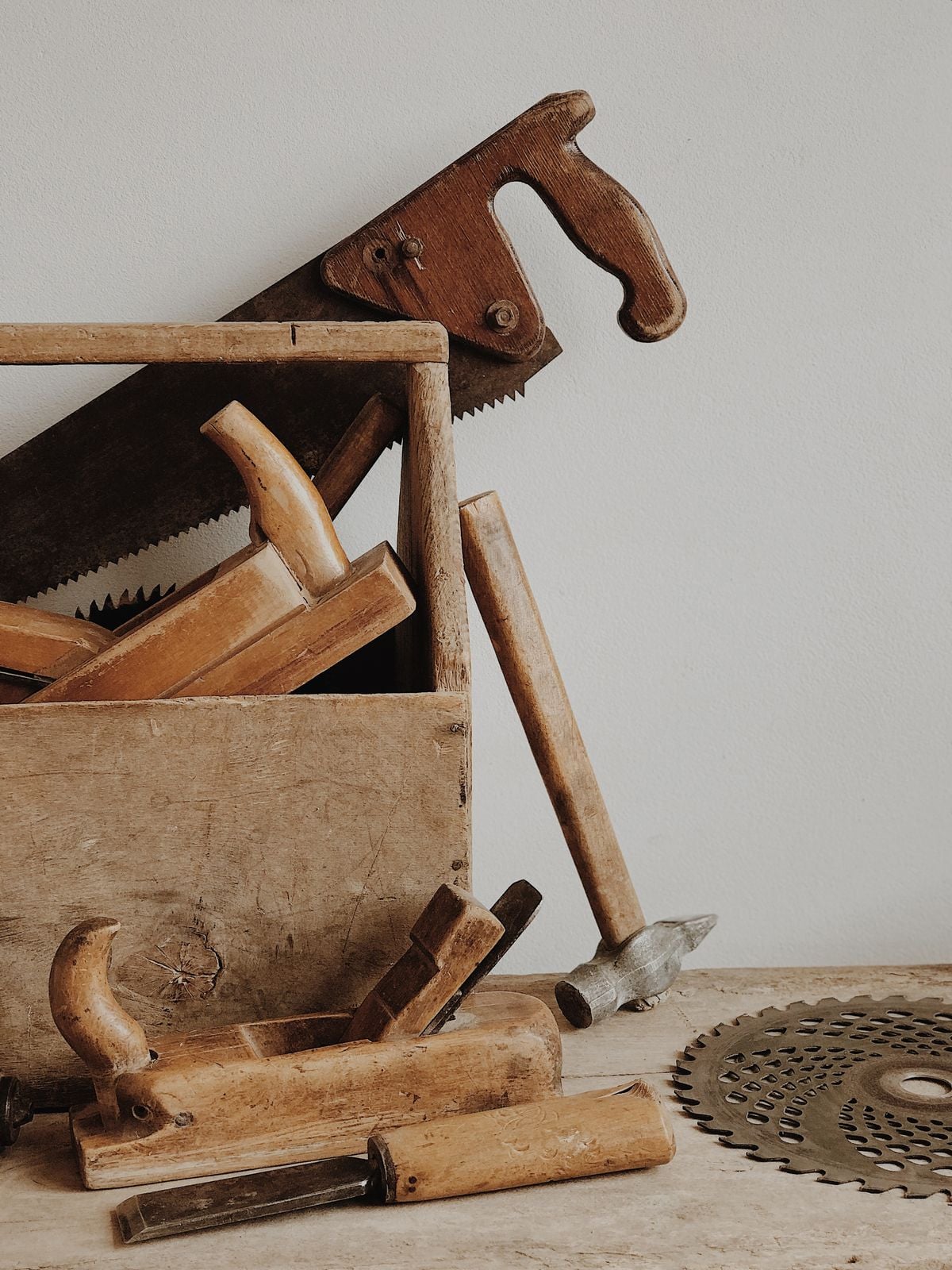
More products are designed to be replaced rather than last, making long lasting versions harder to find.
8. Unbranded Clothing Basics

Even simple pieces now come with visible branding or logos, making truly minimal options less common.
Sign up for our newsletter
9. Waiting Without Distraction

Standing in line used to mean just waiting. Now it’s almost automatic to reach for a screen.
10. Things That Don’t Ask for Your Data
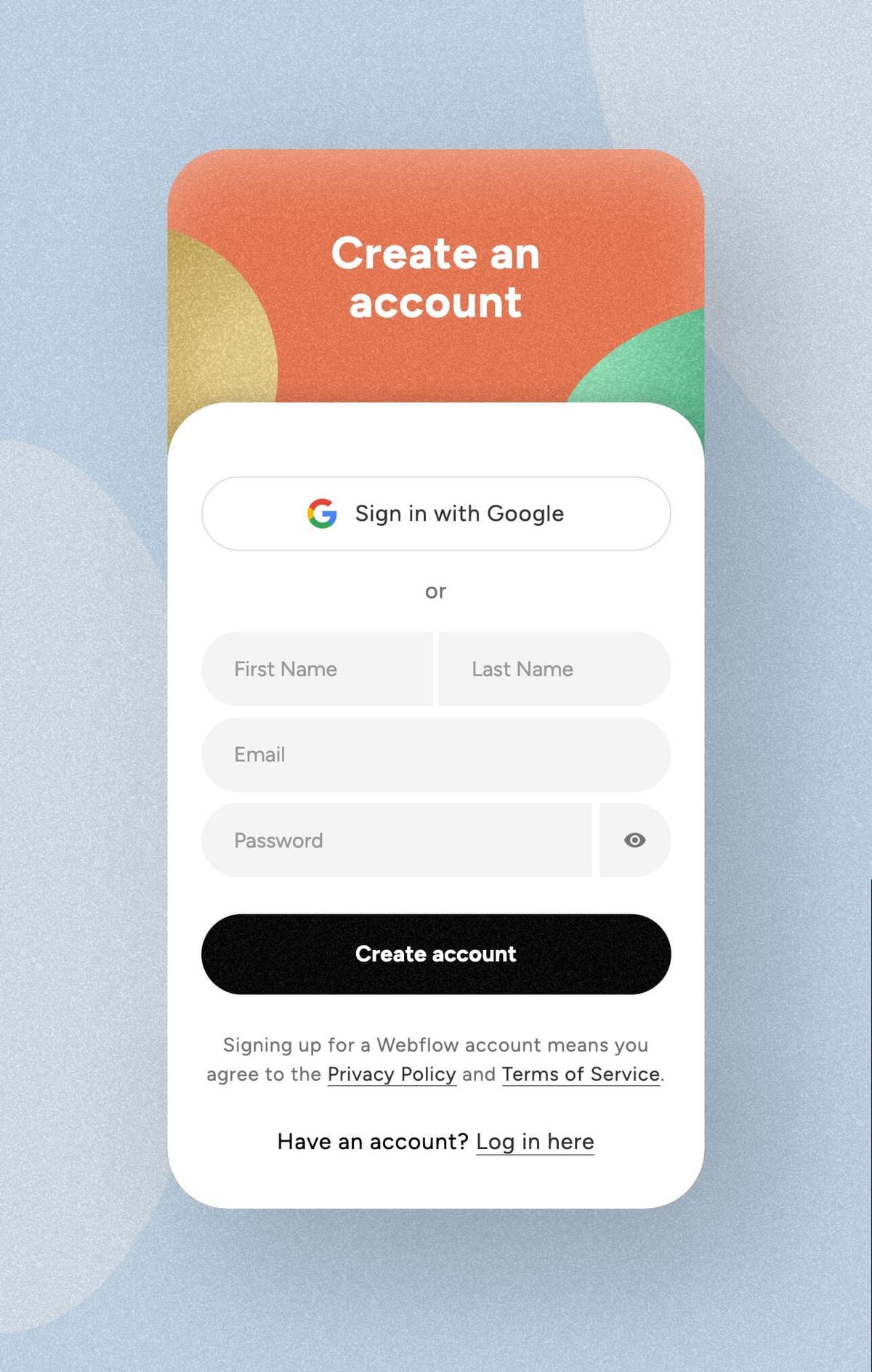
From purchases to sign ups, even basic interactions now often require personal information.
Things Change Faster Than We Realize
- 18 Items That Were Expensive Now Worthless
Some products once carried a high price tag but lost their value over time. Shifts in technology and habits can change what people consider worth paying for. - 10 Current Problems Generation Z Faces That Didn’t Exist Before
New lifestyles come with new challenges. These are some of the issues that didn’t exist for previous generations but are now part of everyday life. - 12 Brands That Master Nostalgia Marketing
Some brands know exactly how to bring the past back into the present. These strategies turn memories into powerful marketing tools.