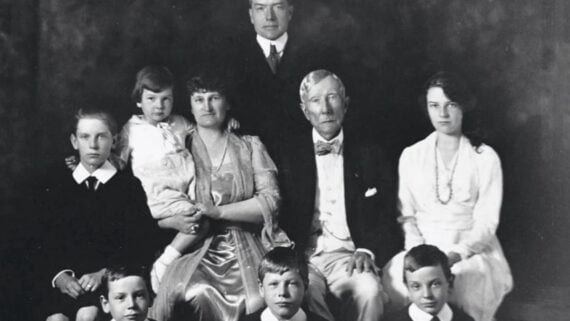

Many luxury brands rose to global fame only to later collapse under the weight of poor strategy, oversaturation, or shifting consumer tastes. Once synonymous with status and aspiration, these names eventually lost their aura of exclusivity. Below are eleven once-iconic labels that fascinated the world, succeeded remarkably, and then flopped, proof that even the brightest shine can fade.
1. Abercrombie & Fitch
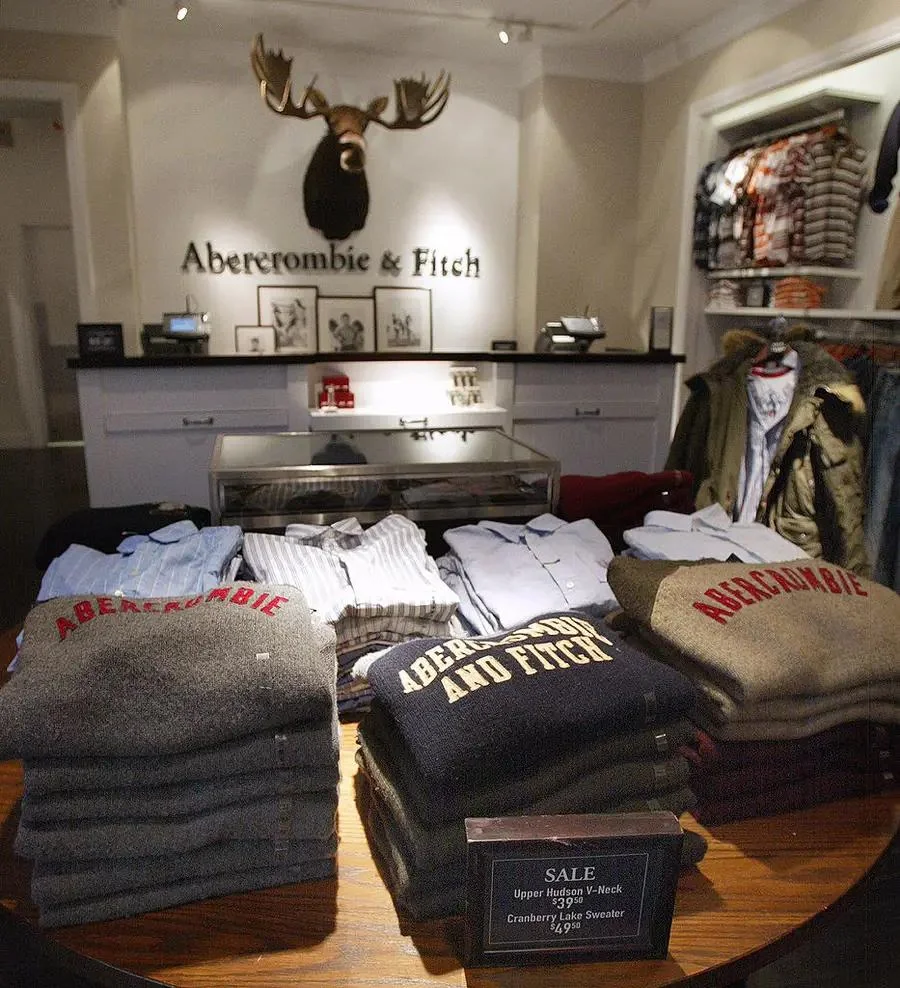
Once the uniform of cool teens in the early 2000s, its shirtless greeters and exclusivity made it aspirational. But controversies over exclusion, fast fashion competition, and oversaturation took away its luxury image. Today, it is repositioned as inclusive, but the aura of prestige is gone.
2. DKNY
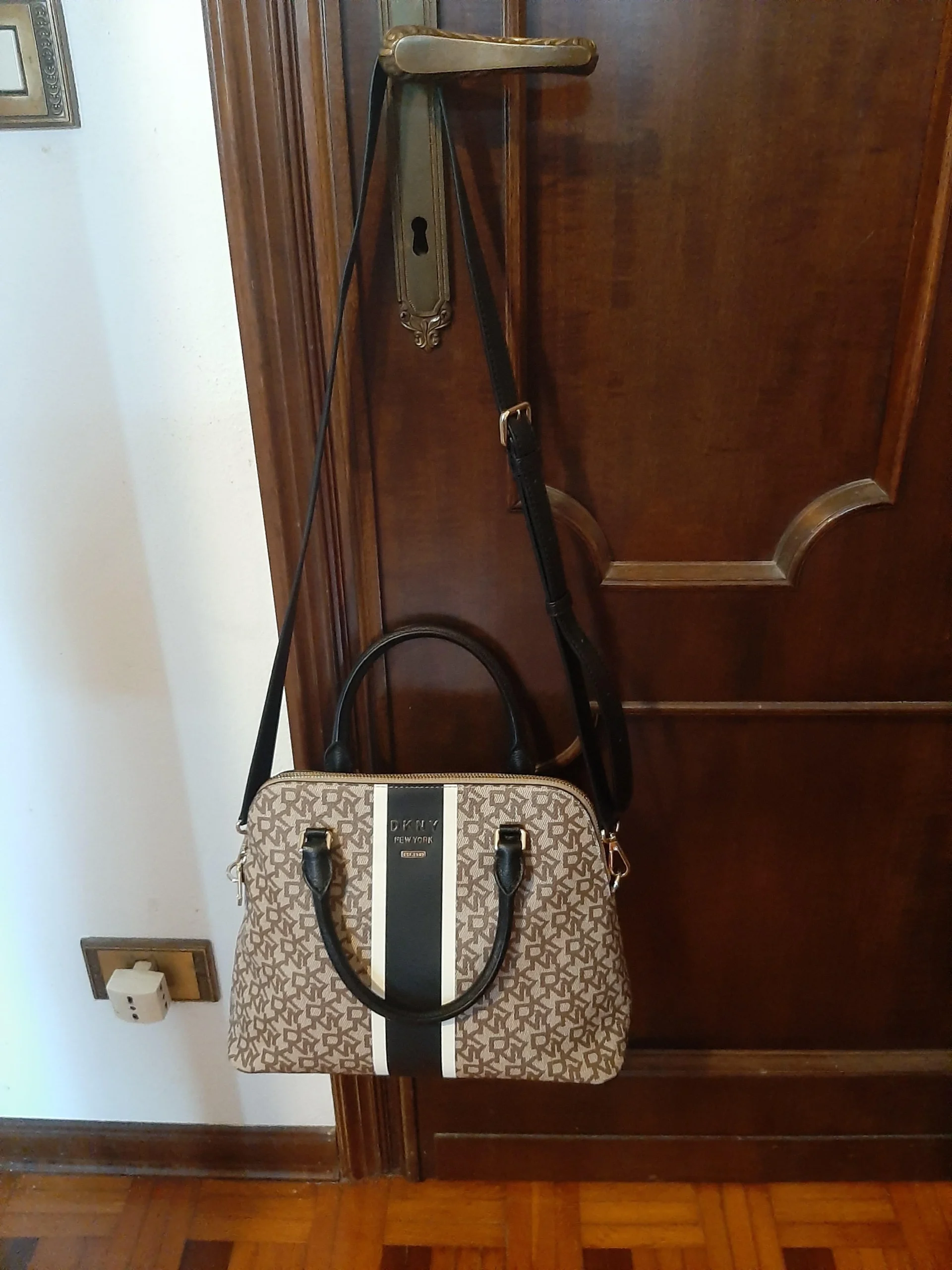
Donna Karan’s urban-inspired brand was once the go-to for chic city residents. Department store ubiquity corroded its luxury appeal, making DKNY more mainstream than aspirational.
3. Tommy Hilfiger
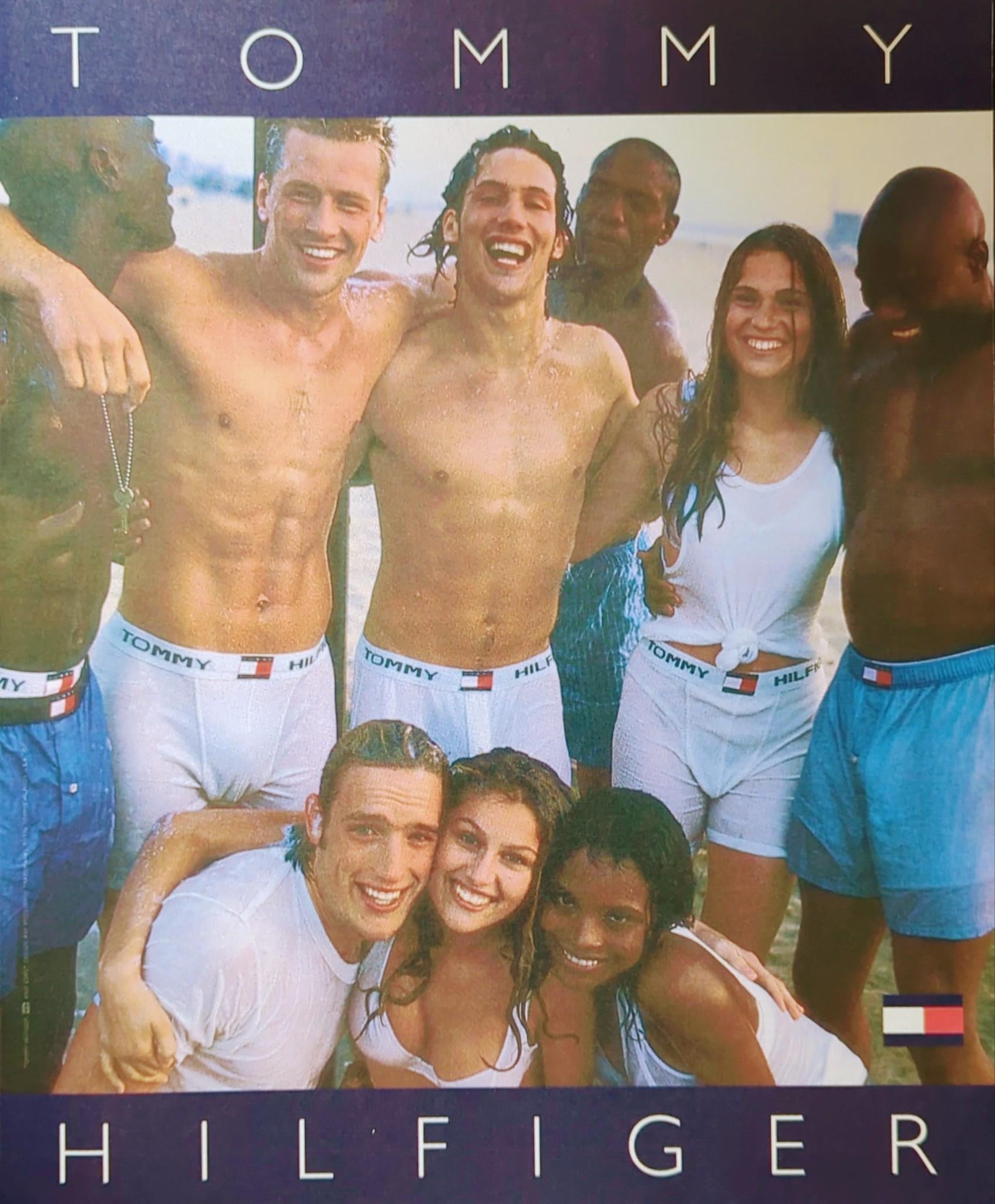
In the 1990s, Hilfiger merged preppy Americana and hip-hop cool. Oversaturation and discounts killed its exclusivity, and while it has staged comebacks, it no longer commands luxury status.
4. Bebe
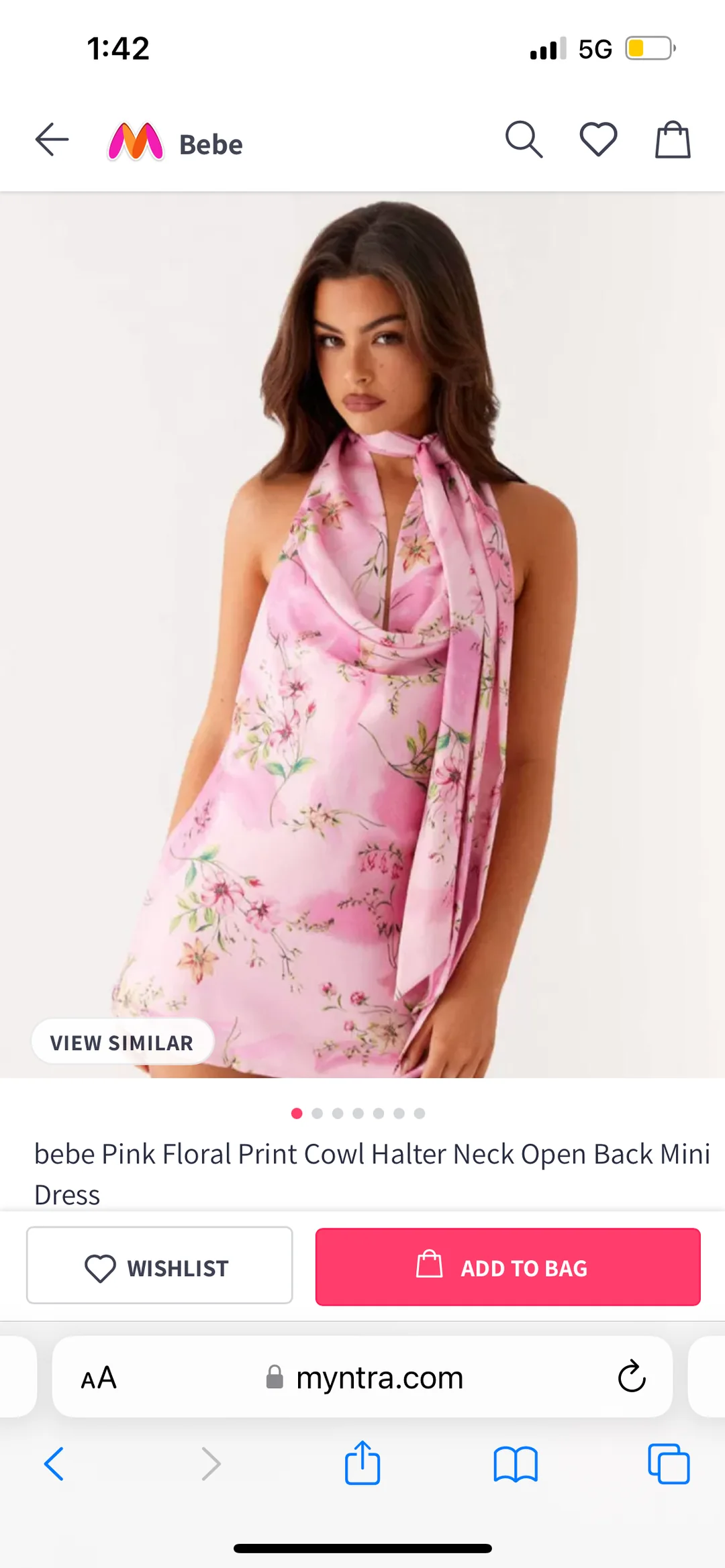
Known for nightlife glam, Bebe was everywhere in the 2000s. As trends shifted and logo-heavy fashion fell out of favor, the brand closed most stores, losing its luxury reputation.
5. Coach

This handbag giant dominated the “It Bag” era but overexpanded into outlet malls, decreasing its exclusivity. Despite attempts at revival, its luxury cachet diminished, leaving it perceived as a mid-tier brand.
Trending on Wealth Gang


6. Michael Kors
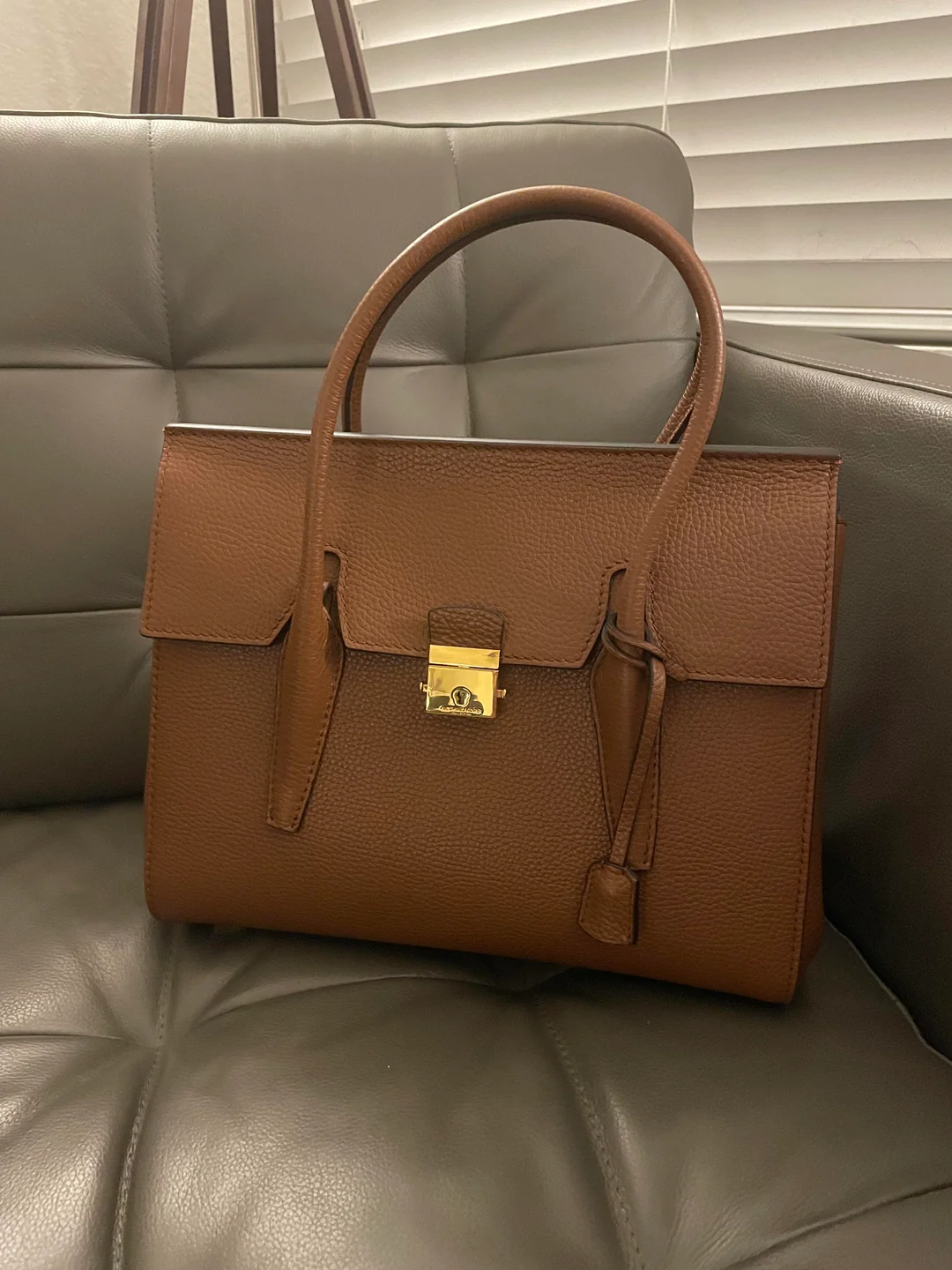
Once an essential of affordable luxury, Kors expanded massively. Quality concerns and mass-market availability weakened its prestige, making it more accessible but less aspirational.
7. Calvin Klein

From iconic campaigns with megastars to Walmart shelves, Calvin Klein´s universality undermined its luxury image. Quality complaints further eroded its reputation, leaving it far from its former premium status.
8. Juicy Couture
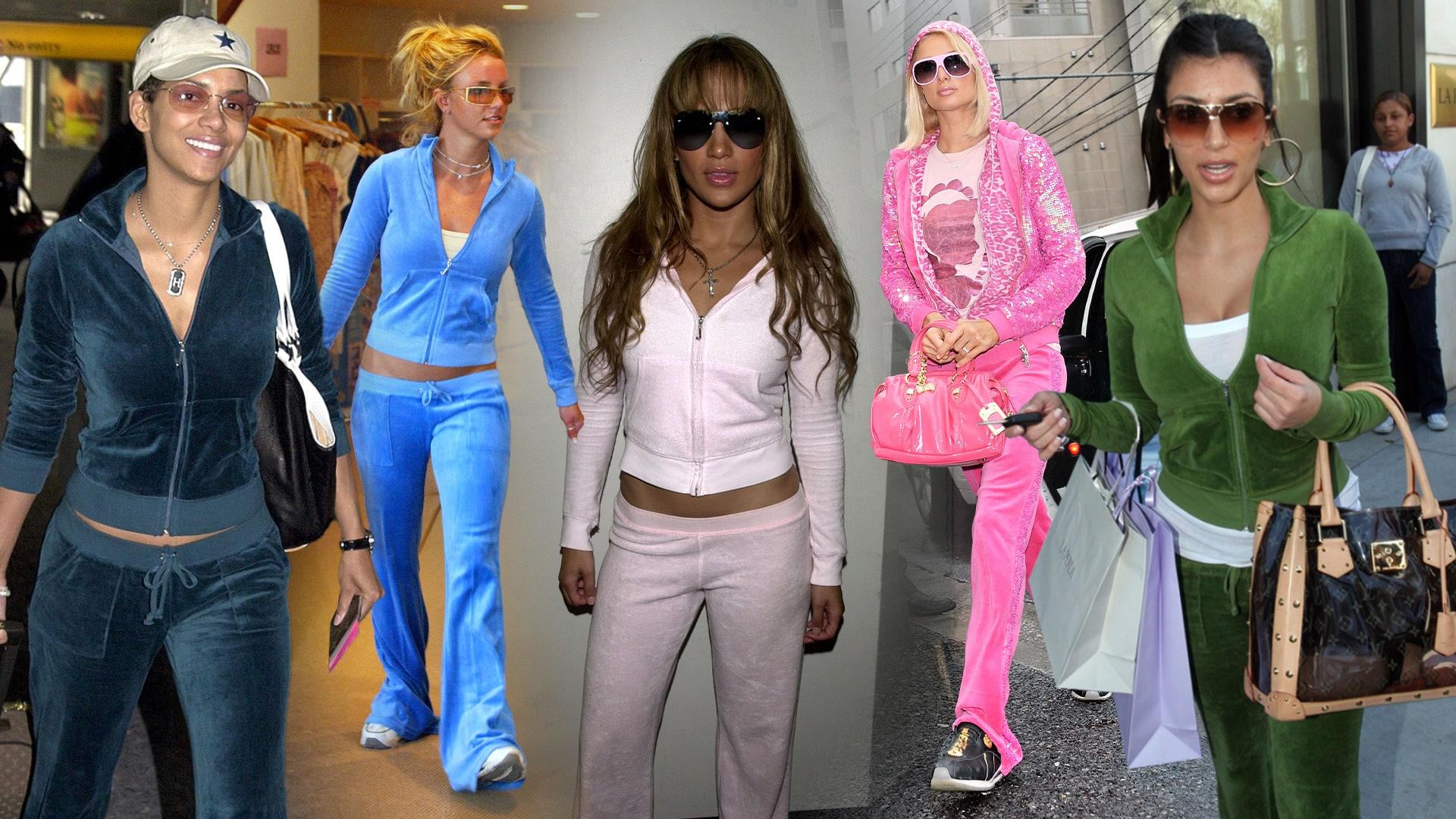
The velour tracksuit brand was a 2000s phenomenon, worn by celebrities everywhere. But overexposure and changing fashion tastes led to its downfall, relegating it to nostalgia.
Sign up for our newsletter
9. Ed Hardy
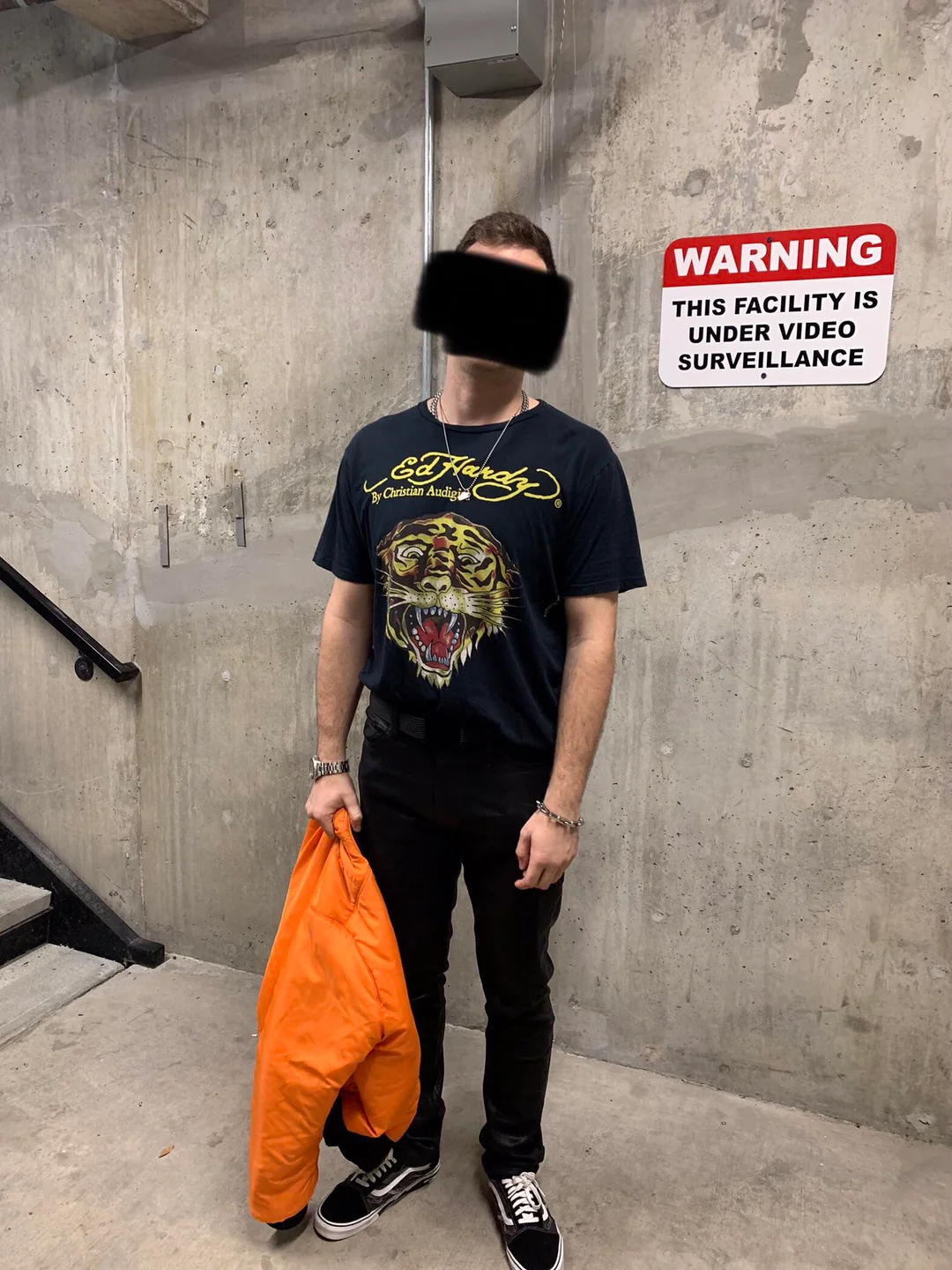
Tattoo-inspired designs became a pop culture obsession, but oversaturation and association with “tacky” aesthetics caused a rapid decline. Once expensive, it became a cautionary tale of trendy luxury.
10. Liz Claiborne
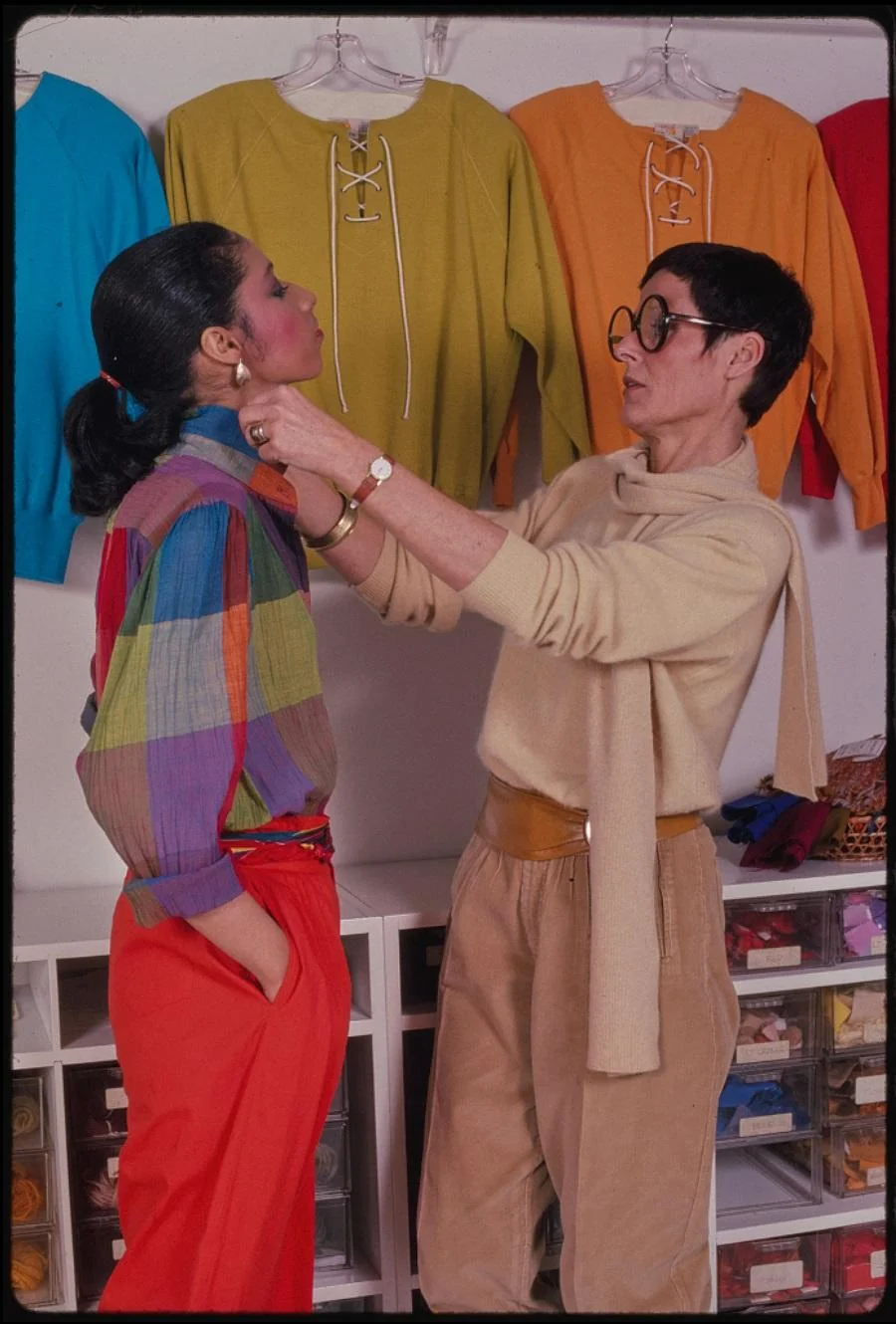
A powerhouse in women’s fashion during the 1980s, Liz Claiborne lost relevance as trends changed and retail strategies stumbled. Once aspirational, it became a department store staple with little to no prestige.
11. British Home Stores
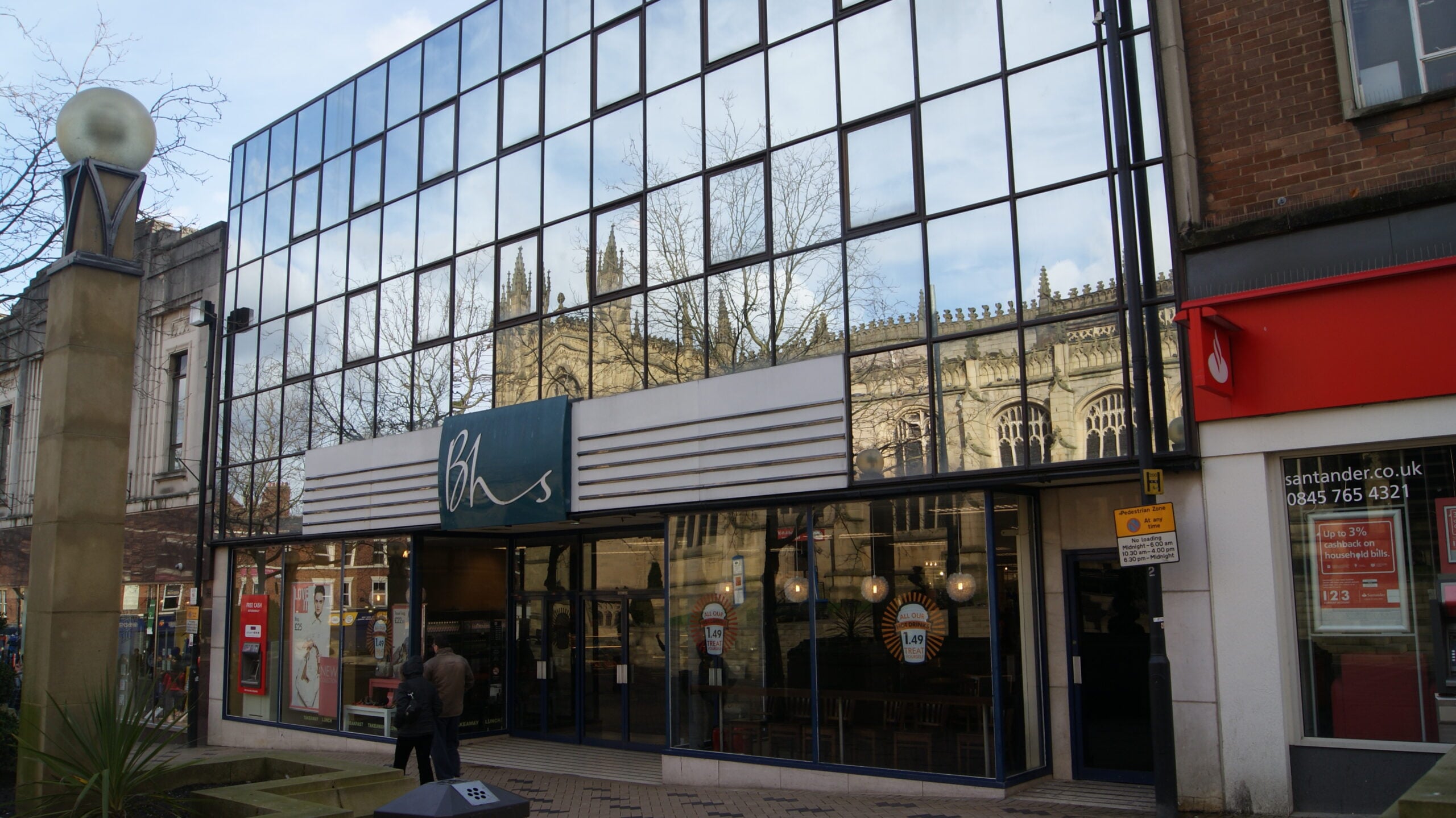
Though more retail than fashion, BHS once carried prestige in the UK. Mismanagement and debt led to its collapse in 2016, leaving thousands of people unemployed.