The 1990s were full of household gadgets that once felt essential. At the time, many of these appliances seemed modern, practical, and even futuristic. But technology moved fast, and little by little, newer inventions made them obsolete. Today, most people don’t even think about them anymore and honestly, few would want them back. From bulky machines to inconvenient kitchen tools, these appliances quietly disappeared from everyday life.
1. Giant Tube Televisions
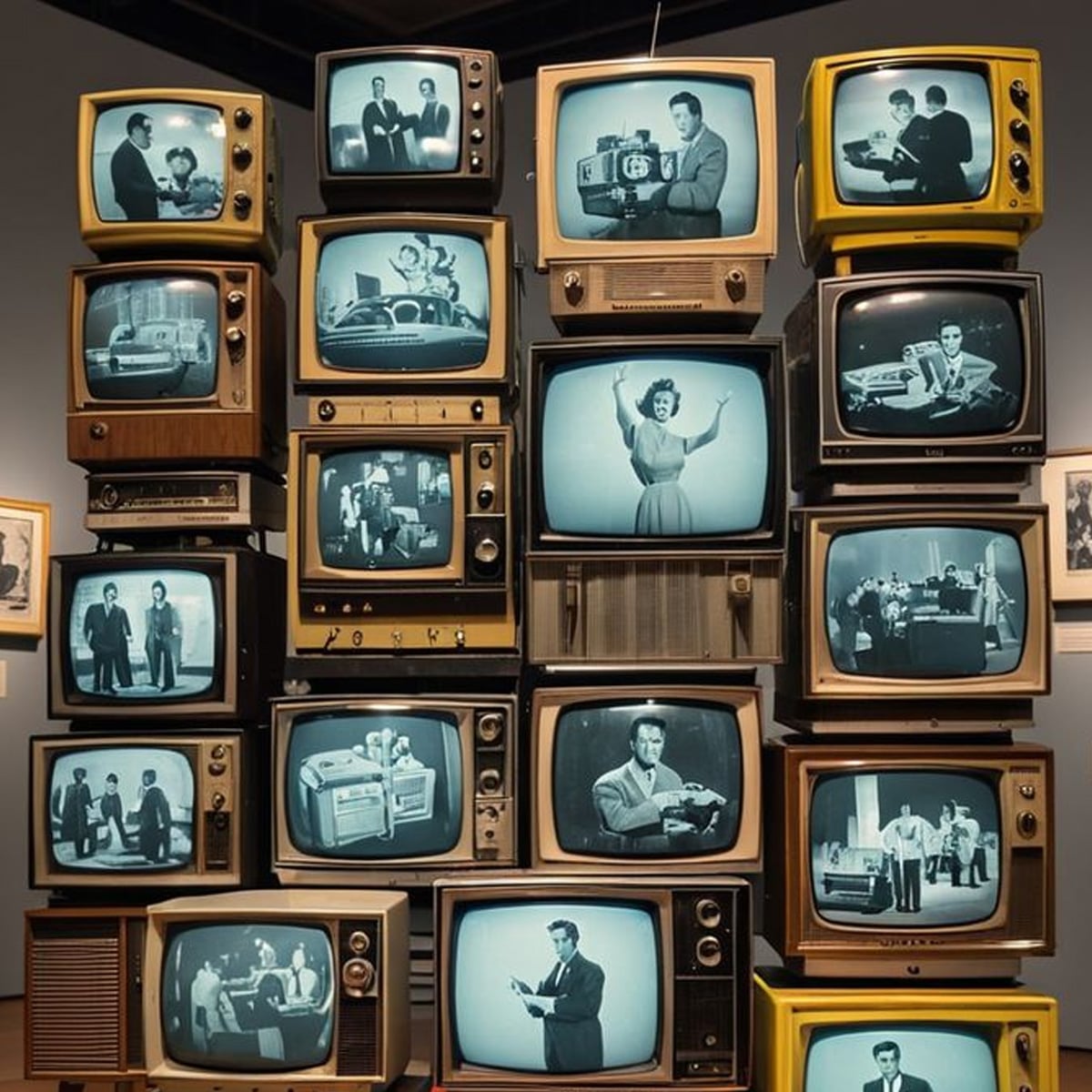
Before flat screens took over, massive CRT televisions dominated living rooms everywhere. They were heavy, consumed a lot of space, and moving them usually required two people. Modern smart TVs completely replaced them with thinner designs, better image quality, and internet connectivity. Few people miss carrying a 100-pound TV across the house.
2. VHS Players
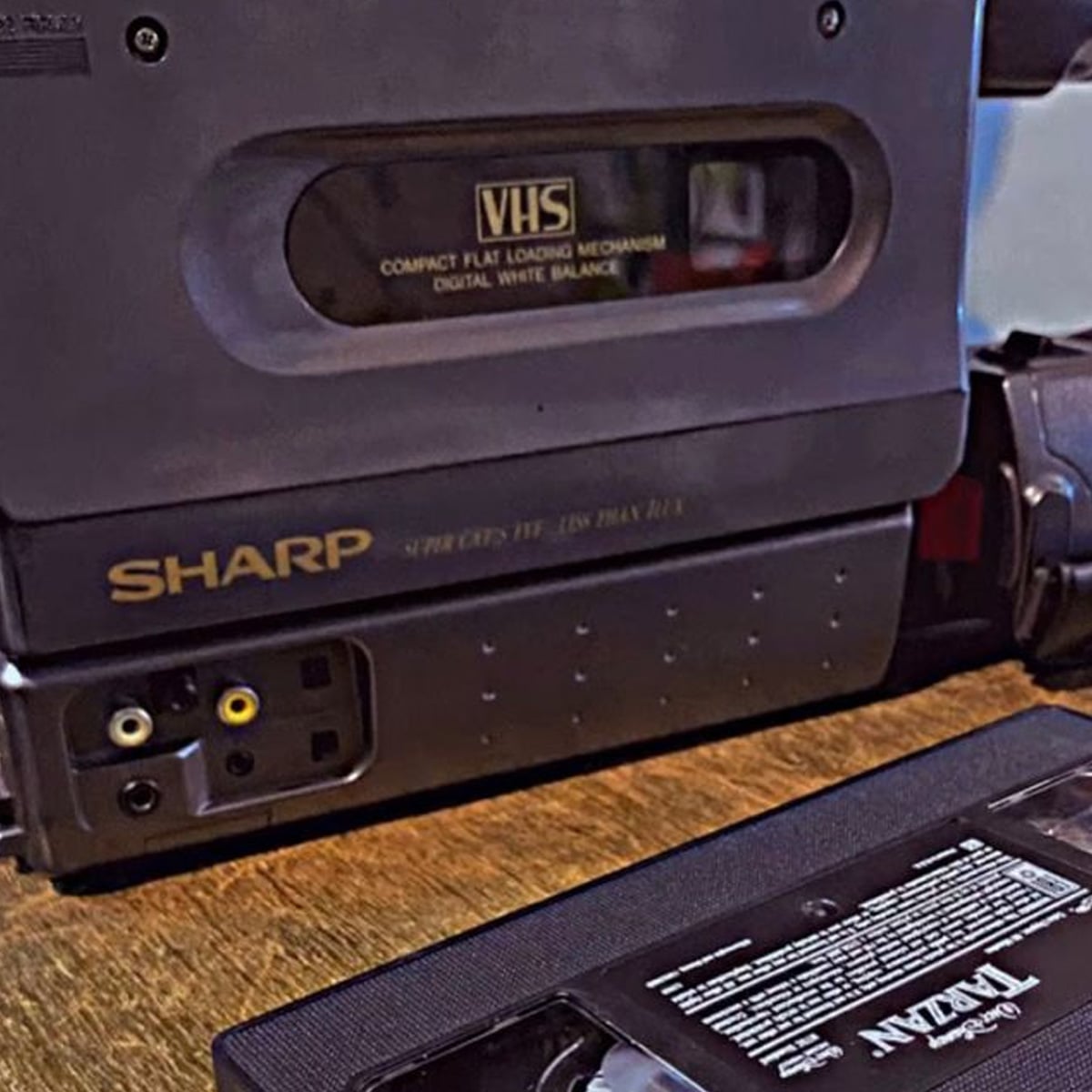
Watching movies on VHS tapes was once the standard, but the experience came with rewinding tapes, blurry image quality, and constant tracking problems. DVDs eventually replaced VHS, and streaming services later eliminated the need for physical media almost entirely. Most people are happy never having to rewind a movie again.
3. Fax Machines
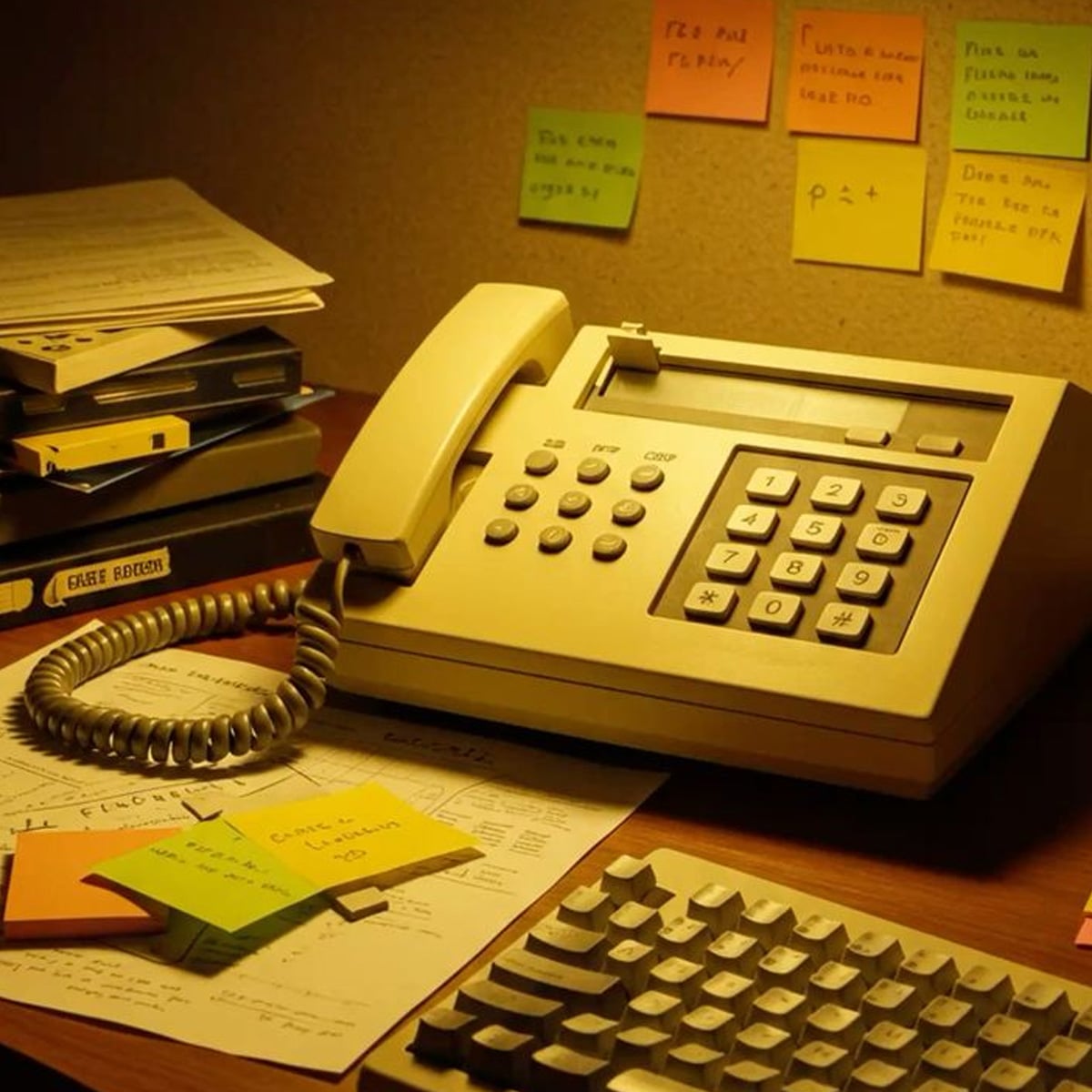
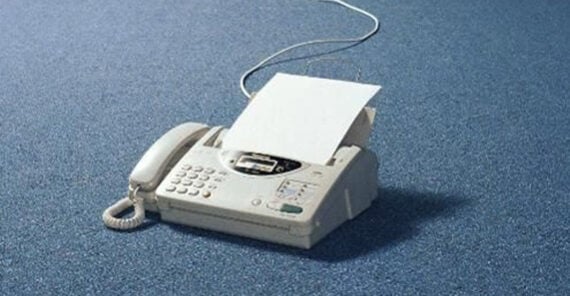
In the 1990s, fax machines were common in homes and offices for sending documents quickly. Today, email, cloud storage, and digital signatures made them almost completely unnecessary. The loud noises and endless paper jams are definitely not missed.
4. Portable CD Players
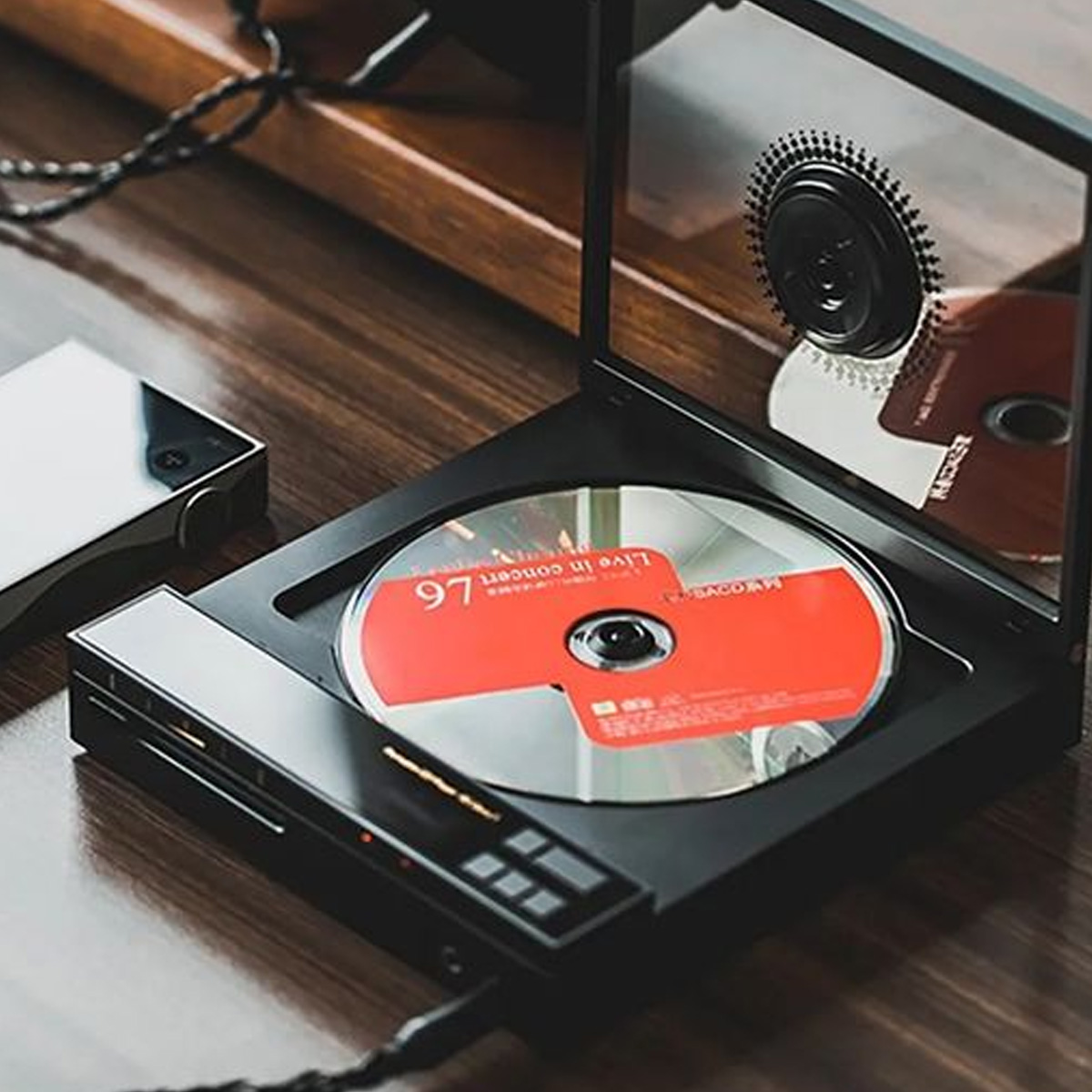
Portable CD players felt revolutionary at the time, but they skipped constantly whenever someone moved too much. MP3 players, smartphones, and streaming apps made carrying stacks of CDs completely impractical. Modern music access is simply faster and easier.
5. Answering Machines
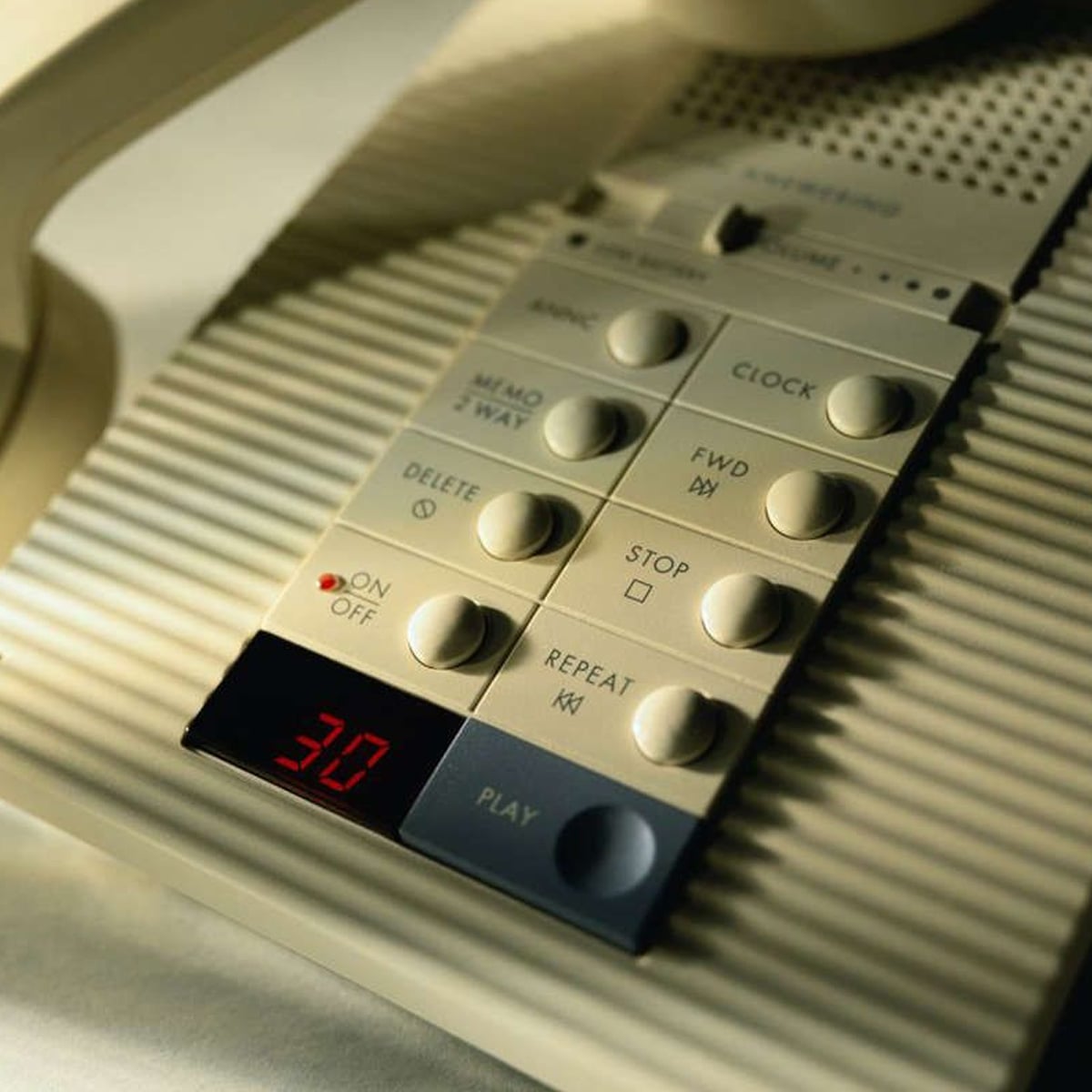
Before voicemail became built into phones, separate answering machines recorded messages on tiny cassette tapes or digital storage systems. They often malfunctioned, filled up quickly, or accidentally erased messages. Smartphones made them obsolete almost overnight.
Trending on Wealth Gang

6. Electric Can Openers
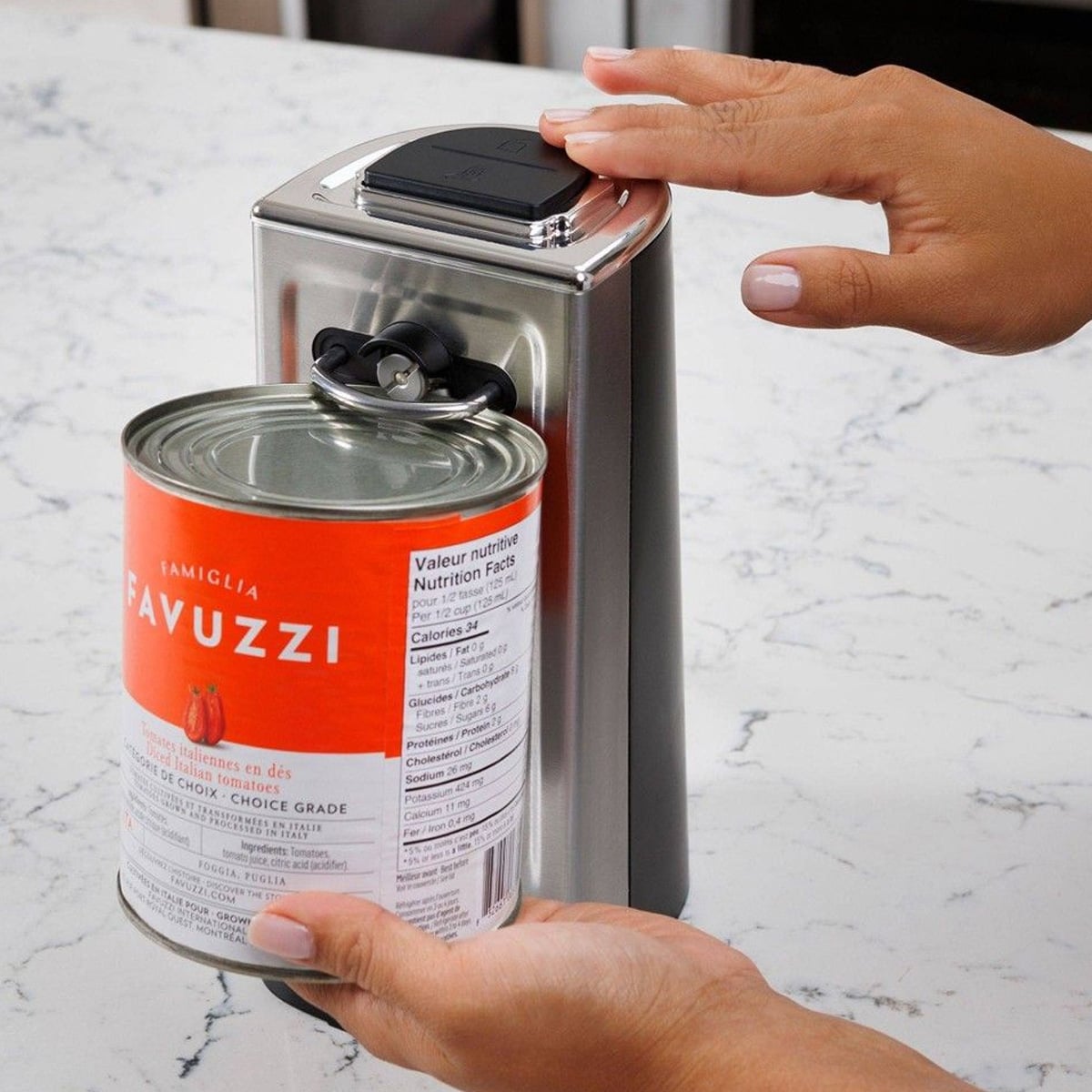
Electric can openers once looked like a luxury kitchen gadget, but they were bulky, noisy, and frequently broke. Manual versions became more ergonomic and reliable, while many canned products introduced pull tabs. Today, most kitchens function perfectly fine without them.
7. Overhead Projectors
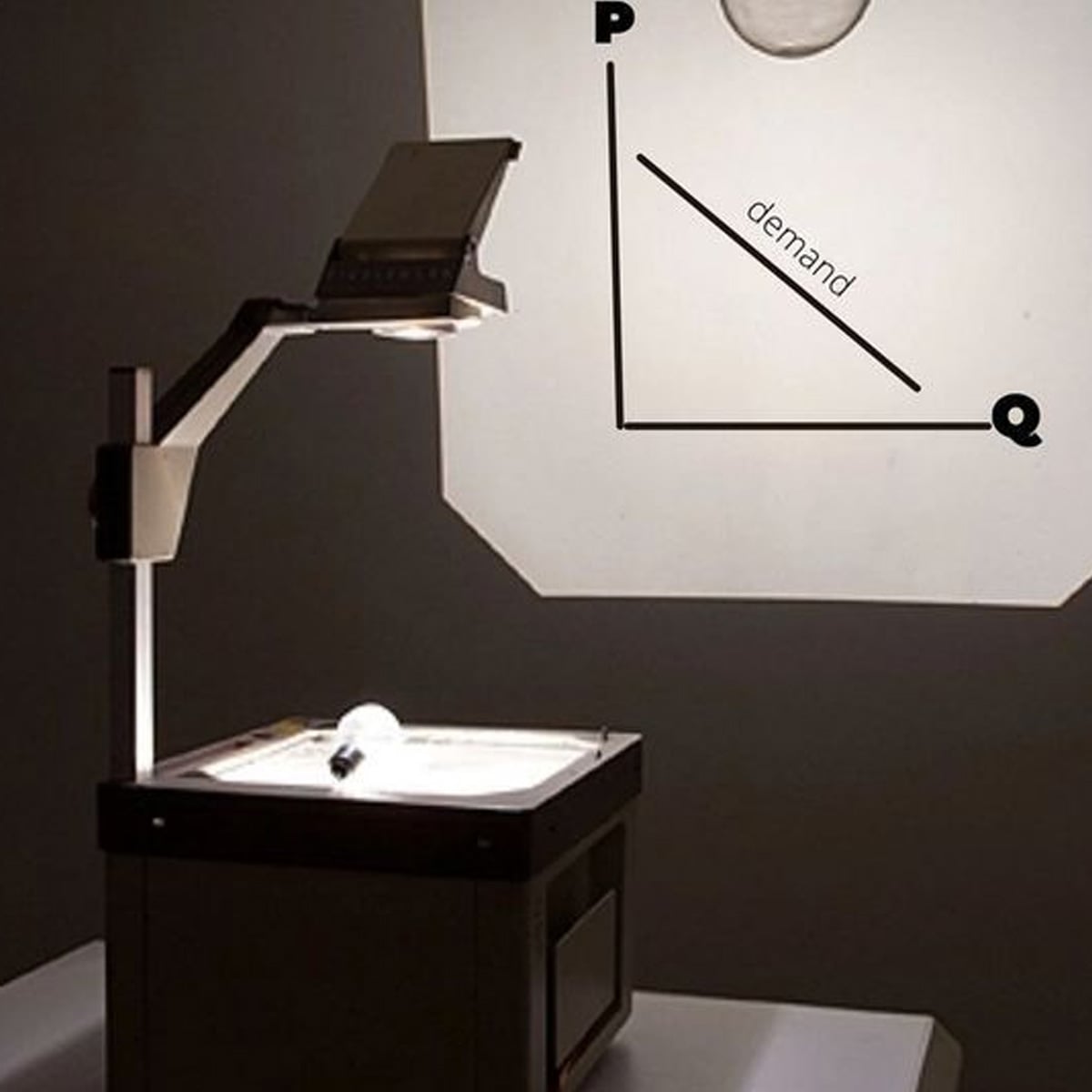
Families and schools once relied on overhead projectors for presentations and learning materials. They were large, generated a lot of heat, and required transparent sheets that were awkward to prepare. Digital projectors and screens replaced them with much better image quality and convenience.
8. Pager Devices

Although technically not a household appliance, pagers were everywhere during the 1990s. People relied on them for quick communication before mobile phones became affordable. Once cell phones evolved, pagers disappeared from daily life almost instantly.
Sign up for our newsletter
9. Corded Kitchen Phones
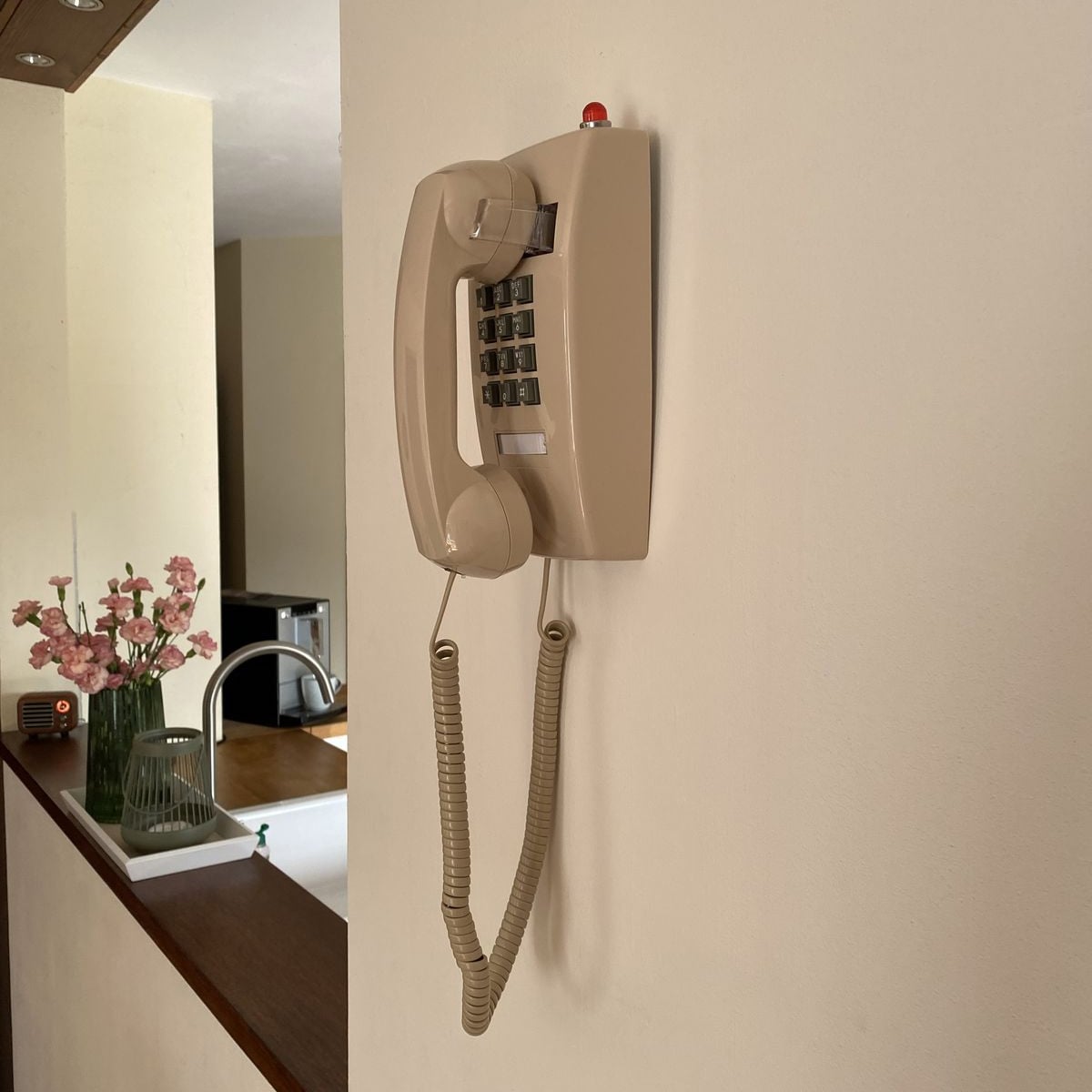
Most kitchens had a wall-mounted corded phone with a tangled cable stretched across the room. They were inconvenient, limited movement, and often created clutter. Wireless phones and smartphones completely changed how people communicate at home.
10. Standalone Alarm Clocks
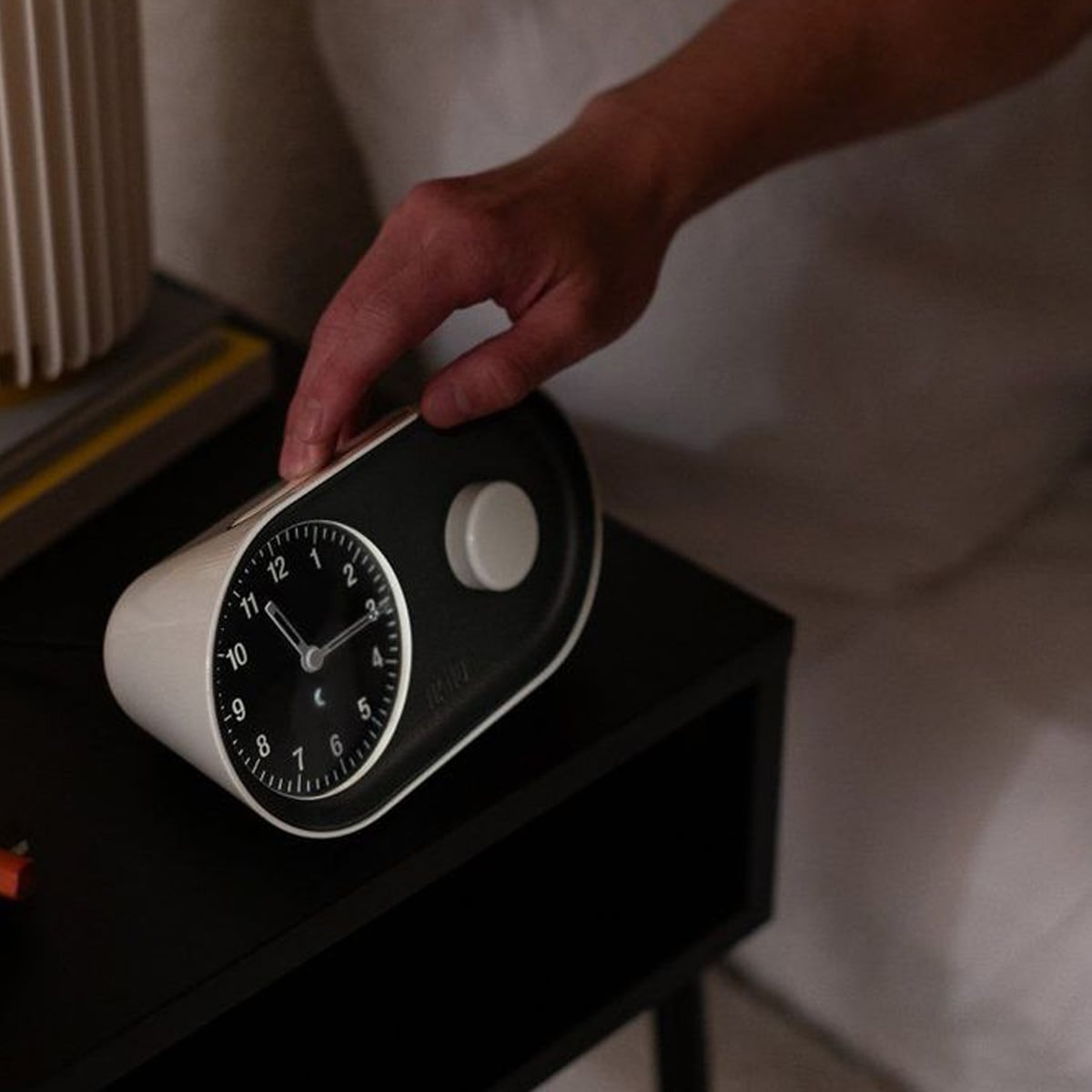
Traditional alarm clocks occupied nearly every bedside table during the 1990s. Now smartphones replaced them with alarms, sleep tracking, music, and smart home integration. Many people no longer see a reason to own a separate clock at all.
More Related Notes
• 10 Things That Were Totally Normal in the 90s but Make No Sense Today
A nostalgic look at everyday habits and products from the 1990s that completely disappeared with modern technology and changing lifestyles.
• 12 Inventions From Recent Years People Don’t Realize Are Essential
This article explores how newer innovations quietly replaced older tools and appliances people once depended on every day.
• 11 Ways Technology Is Simplifying (and Complicating) Your Life at the Same Time
A complementary read about how modern technology transformed daily routines, making many old household appliances completely obsolete.