

Travel often promises adventure, but some corners of the Earth are defined more by danger than beauty. Whether it is lethal wildlife, toxic environments, or human conflict, these places test the limits of survival. They remind us that nature and humanity can be as unforgiving as they are fascinating. From scorching deserts to snake islands, these places are so extreme that survival itself becomes a challenge. Here are 10 of the most dangerous destinations you will never want to visit.
1. Death Valley, USA
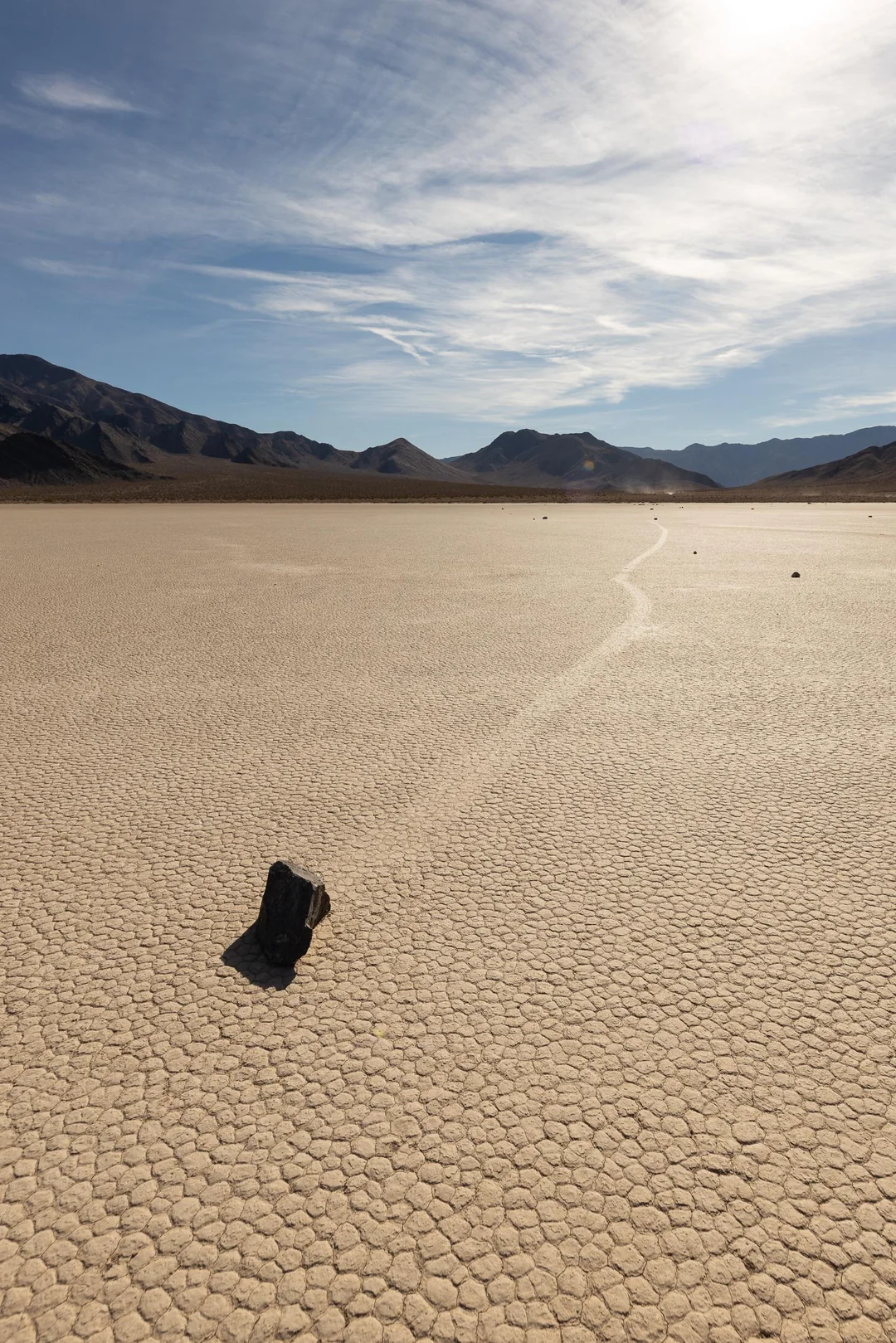
Known as one of the hottest places on Earth, Death Valley regularly reaches temperatures above 56 °C (134 °F). Without proper preparation, dehydration can kill within hours. Its beauty hides a lethal climate.
2. Danakil Depression, Ethiopia
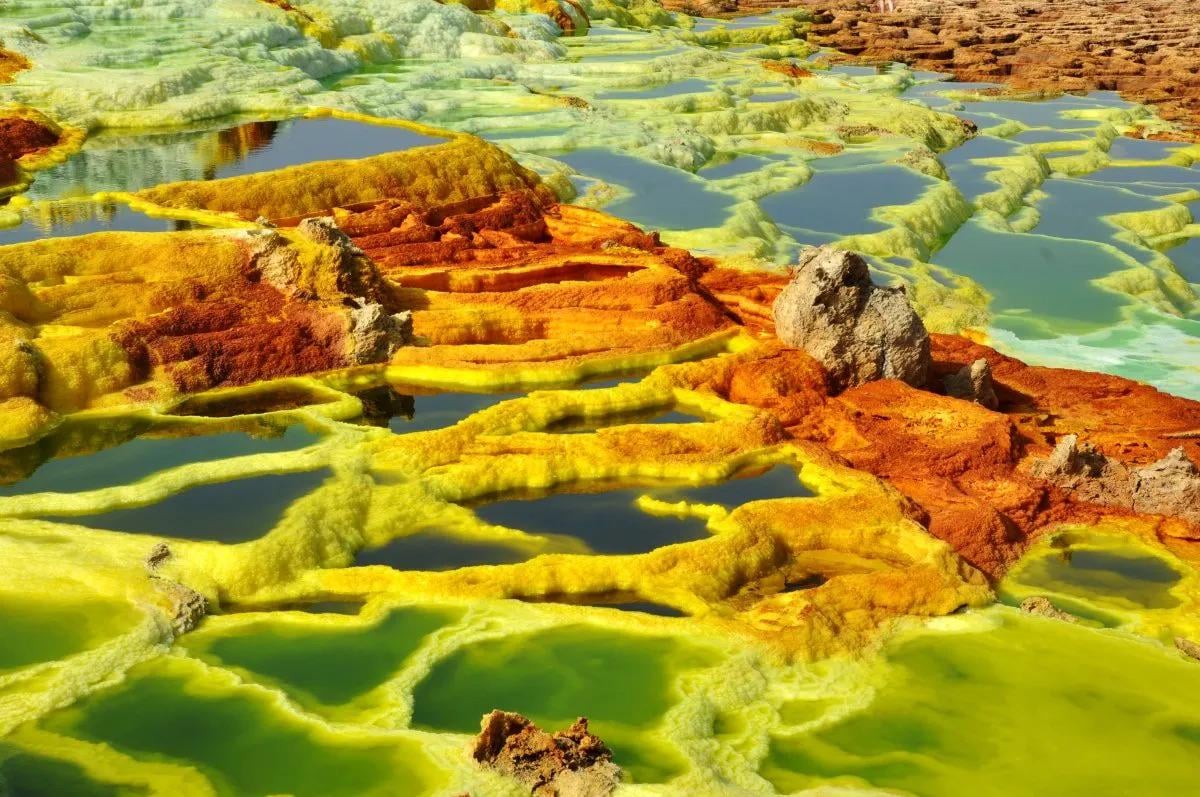
This alien-like landscape features acid pools, toxic gases, and extreme heat. It is so hostile that few creatures can survive here, making it one of the most inhospitable places on Earth.
3. Snake Island, Brazil

Ilha da Queimada Grande is famous for its dense population of golden lancehead vipers, among the most venomous snakes in the world. Entry is banned by the Brazilian government for safety reasons.
4. North Sentinel Island, India

Home to the uncontacted Sentinelese tribe, the island faces violent rejection from outsiders. The Indian government prohibits visits to protect both the tribe and intruders from deadly encounters.
5. Skeleton Coast, Namibia
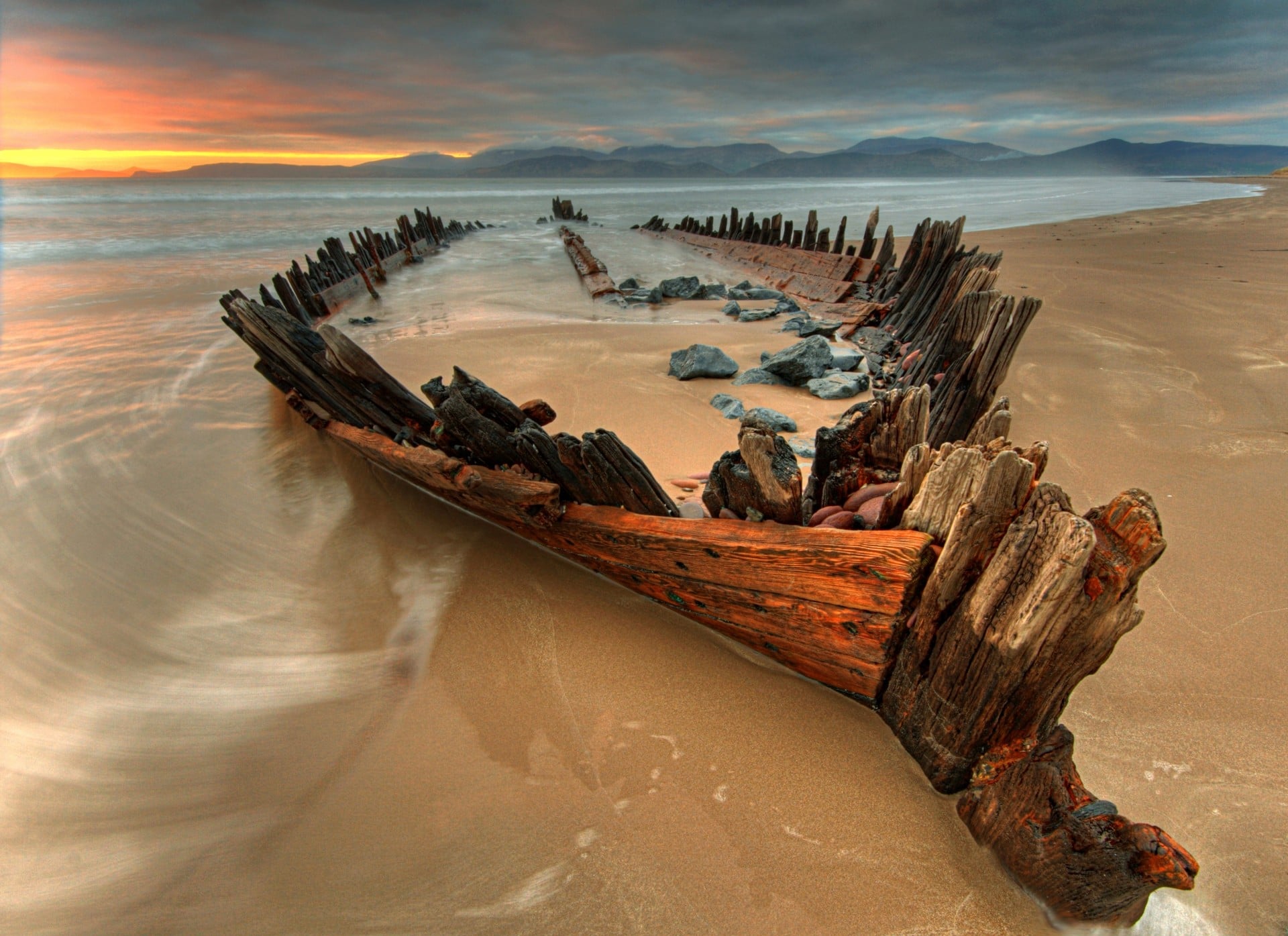
This foggy coastline is notorious for rough seas and treacherous currents. Its haunting beauty is matched by its deadly reputation for sailors and explorers. Its misty horizon whispers of shipwrecks and lost legends.
Trending on Wealth Gang


6. Oymyakon, Russia
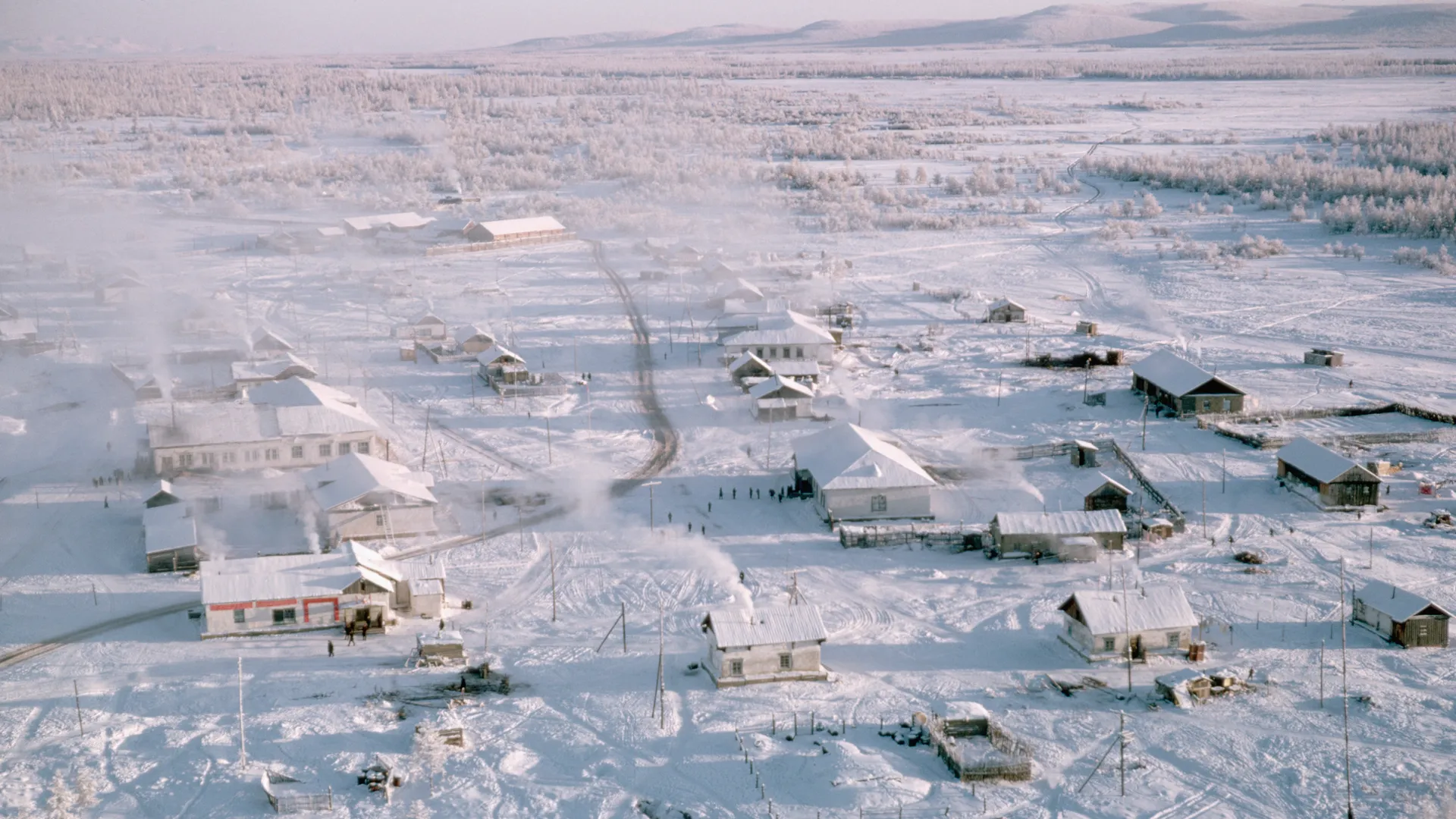
The coldest inhabited place on Earth, Oymyakon sees temperatures plunge below -60 °C (-76 °F). Hypothermia and frostbite are constant threats in this Siberian village.
7. Lake Natron, Tanzania
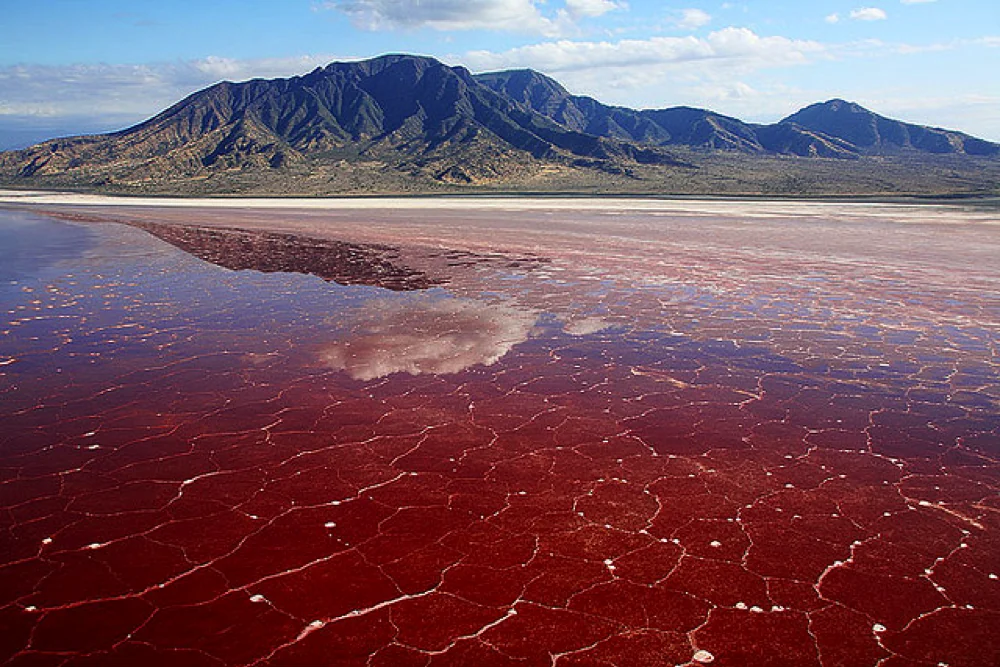
Its alkaline waters can calcify animals into eerie statues. The lake’s caustic environment is toxic to most life, making it a surreal but deadly destination. One more haunting detail: its mirror‑like surface reflects a ghostly stillness, amplifying the sense of a natural graveyard.
8. Fukushima Exclusion Zone, Japan
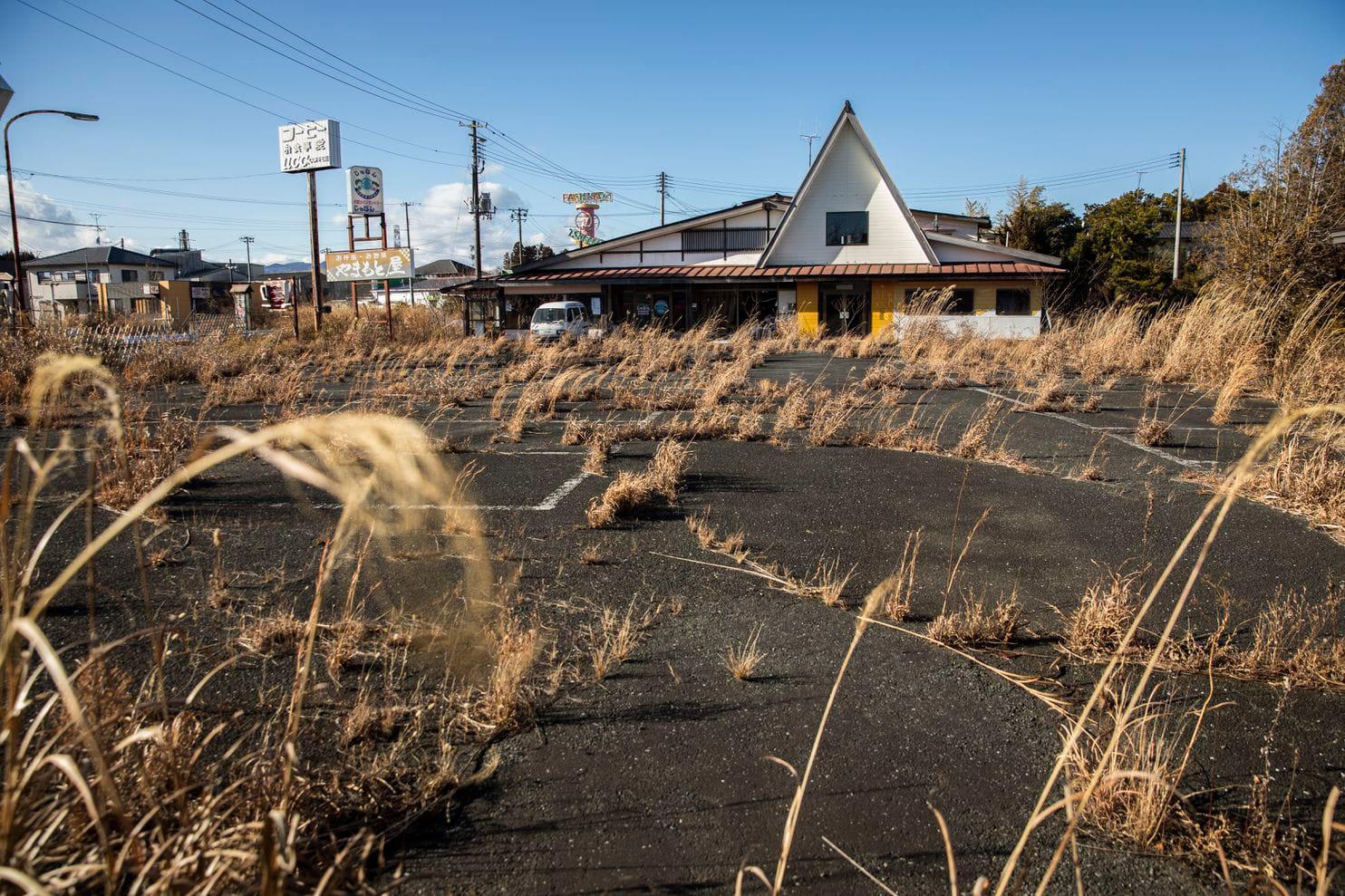
Following the 2011 nuclear disaster, radiation contamination still lingers. Entering the zone can produce serious health risks due to radioactive exposure.
Sign up for our newsletter
9. Sahel Region, Africa
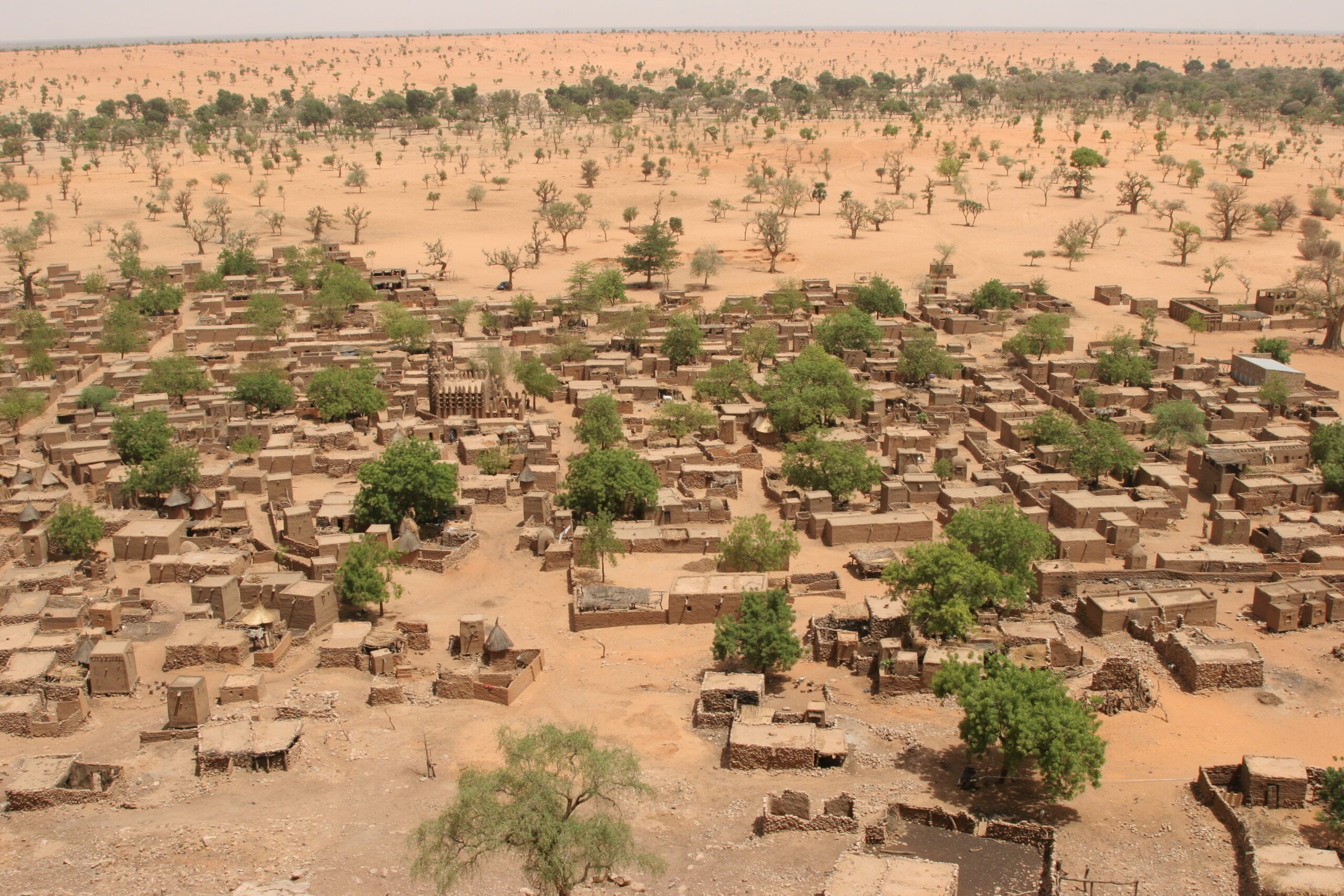
Stretching across multiple countries, the Sahel faces drought, famine, and armed conflict. Instability and resource scarcity make survival precarious. Communities cling to resilience through adaptation and solidarity, even as challenges intensify.
10. Mount Everest, Nepal
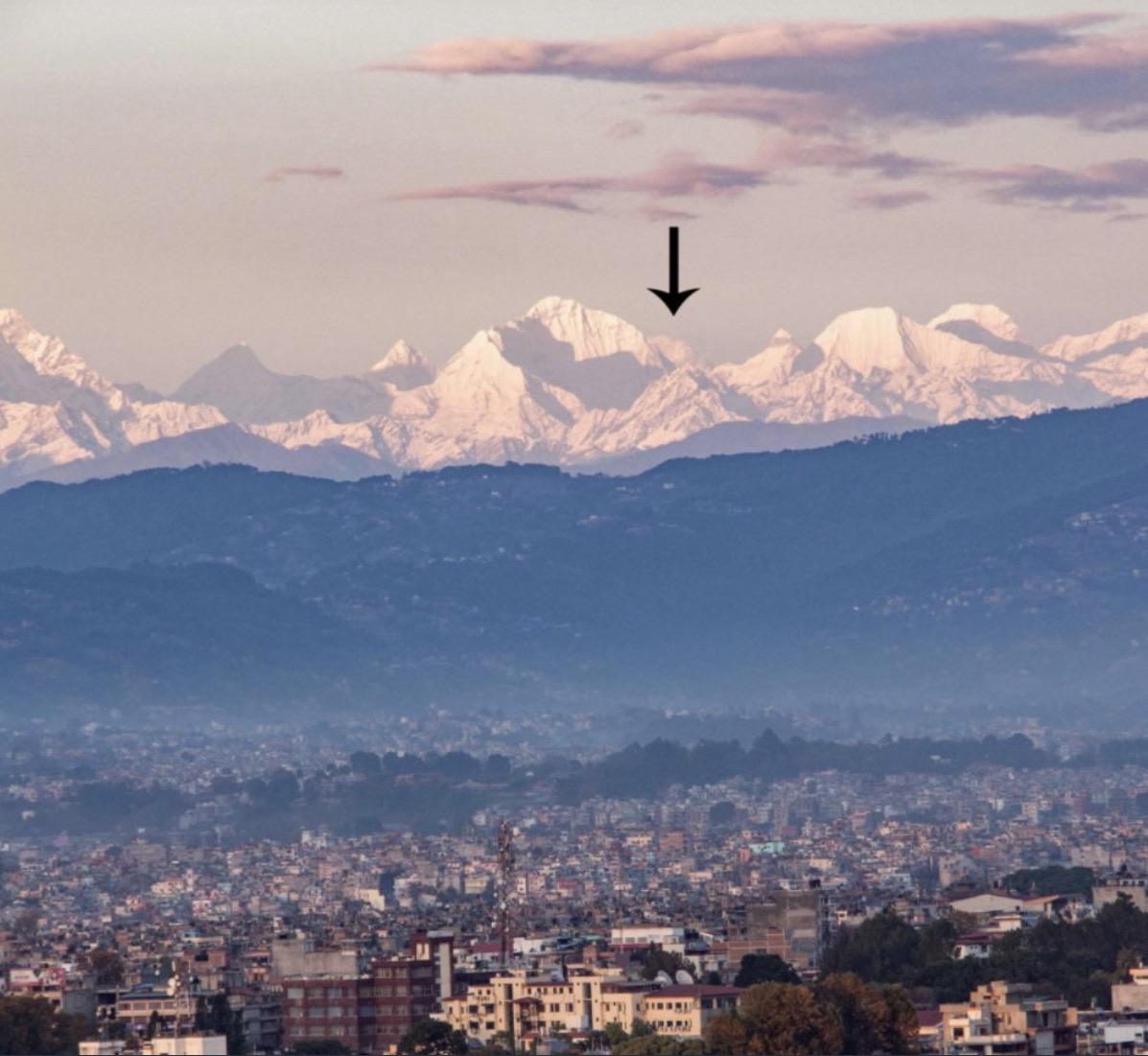
Despite its allure, Everest is deadly. Climbers risk altitude sickness, avalanches, and extreme cold. The “death zone” above 8,000 meters has claimed hundreds of lives.
In the end, these destinations remind us that Earth’s extremes are not just breathtaking but also unforgiving. They embody the fragile balance between awe and peril, where beauty often masks danger and survival demands respect for forces beyond human control. Each place tells a story of resilience and risk…