Some of the most ordinary products in modern homes once carried a very different reputation. Before mass production, global supply chains, and technological advances made them widely available, many everyday goods were expensive enough to serve as symbols of wealth and status.
Items now tossed into shopping carts without much thought could once have been reserved for wealthy households, special occasions, or people willing to spend a significant portion of their income. These 15 everyday products show just how dramatically ideas about luxury have changed over time.
1. Sugar
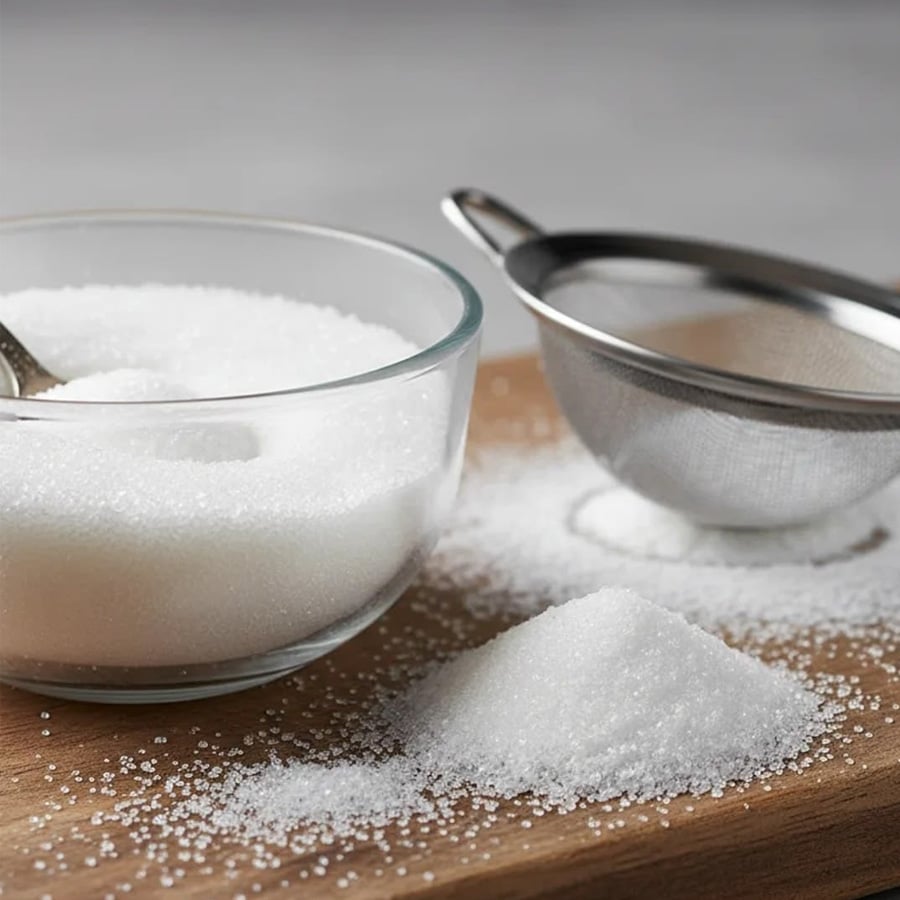
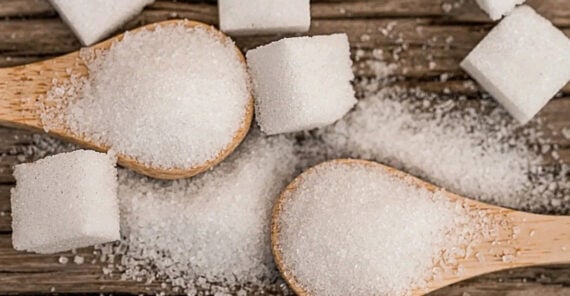
Sugar was once so expensive in Europe that displaying it could be a sign of wealth. Imported cane sugar required extensive processing and traveled long distances before reaching consumers, keeping prices high. Wealthy households used elaborate sugar sculptures at banquets, while ordinary people consumed far less of it than they do today.
2. Chocolate
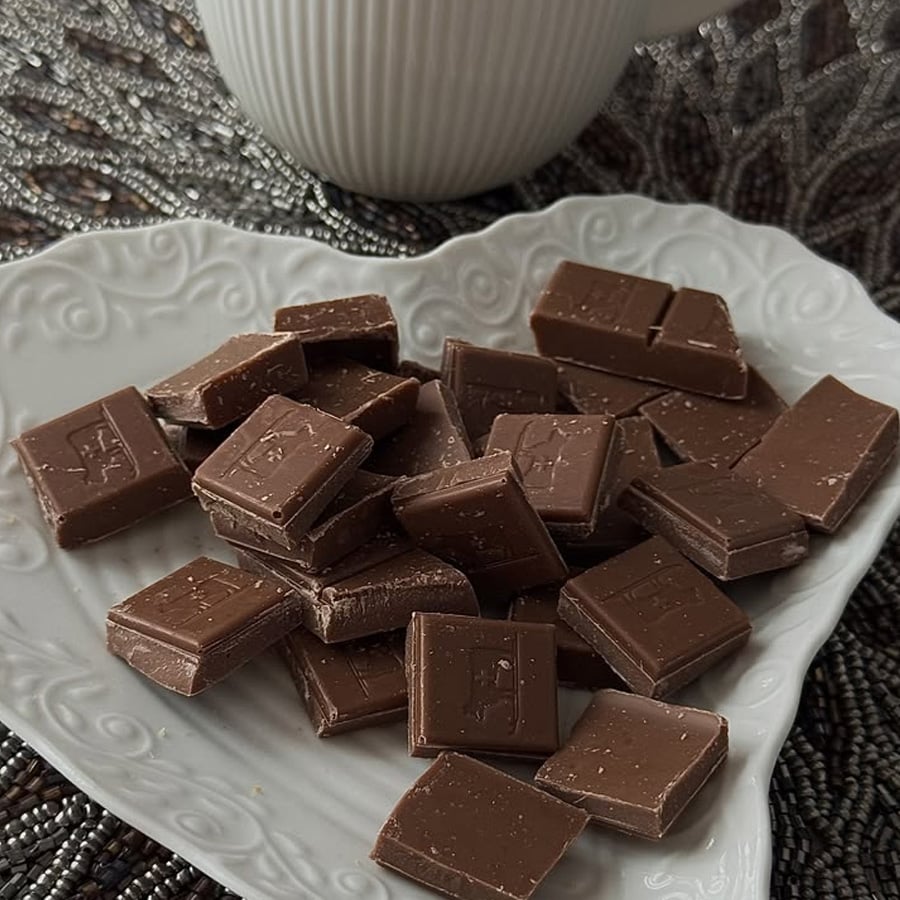
For centuries, chocolate was far removed from the inexpensive candy bars found at checkout counters today. In Europe, chocolate drinks were associated with aristocrats and wealthy social circles because cacao had to be imported from the Americas and processed through labor-intensive methods.
3. Coffee
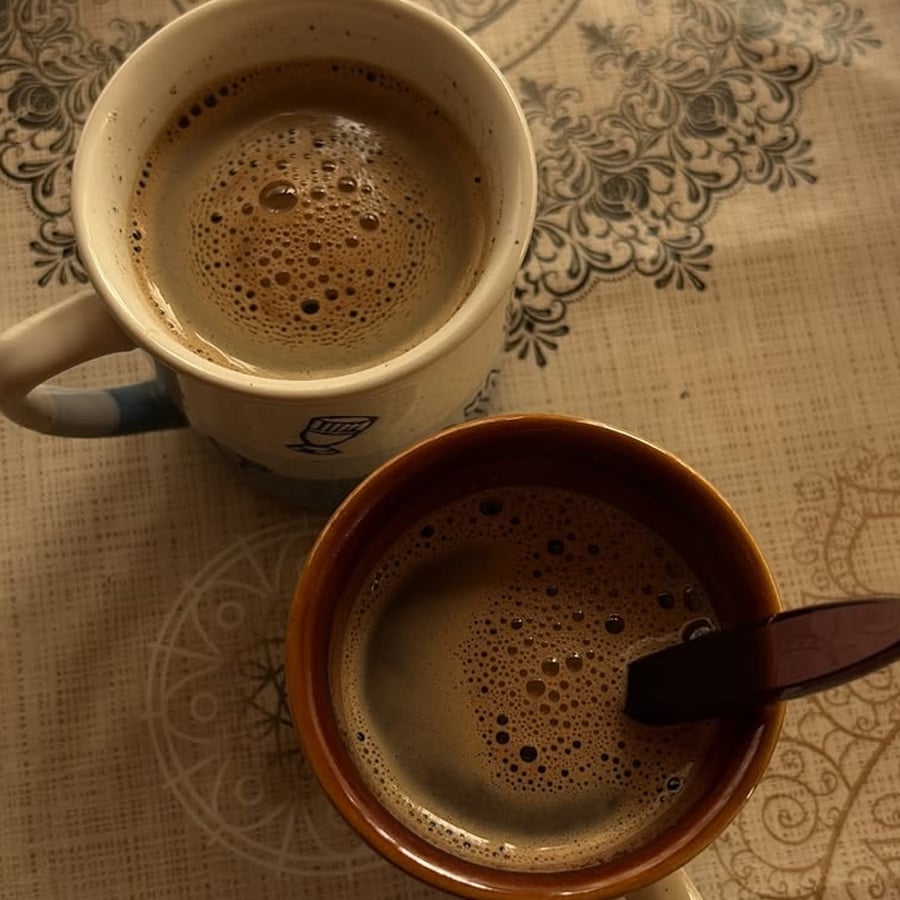
Coffee is an everyday morning ritual for millions of people, but it was once an exotic imported commodity. Early European coffee drinkers often encountered it in fashionable coffeehouses or affluent homes, and access depended heavily on international trade routes that made the beans considerably more expensive and exclusive.
4. Tea
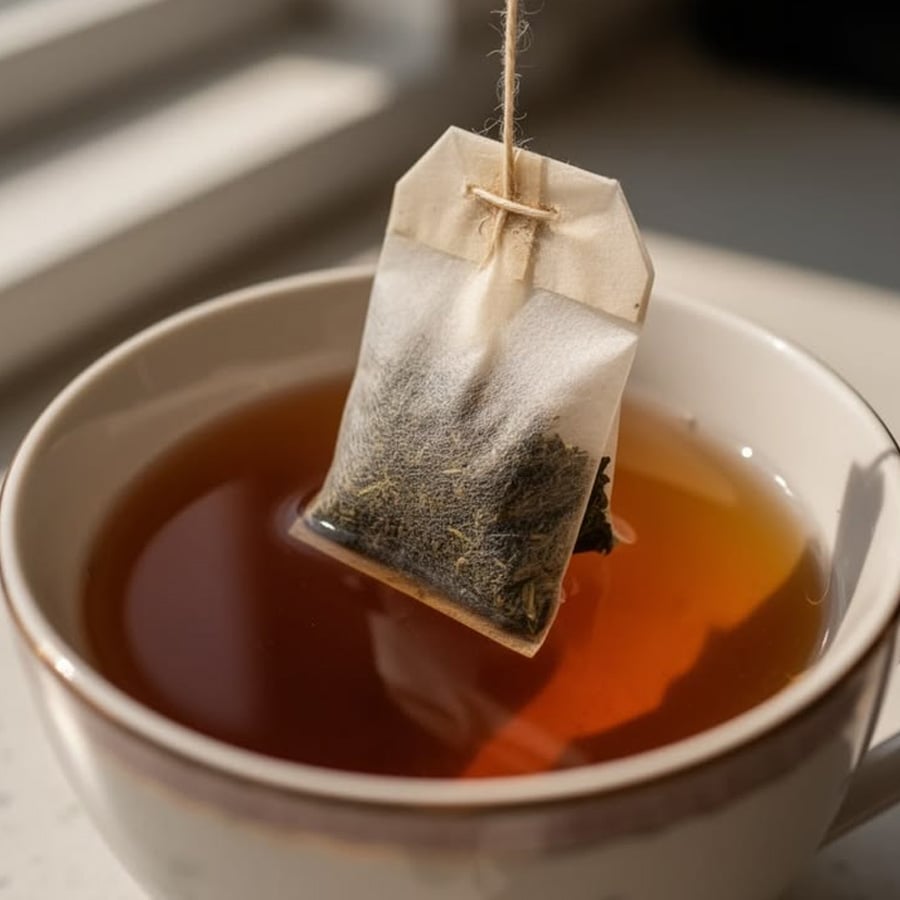
Before tea became a pantry staple, it was a serious status symbol in Europe. Imported primarily from China, tea faced high transportation costs and taxes that pushed prices beyond the reach of many households. Wealthy families sometimes kept their tea leaves locked away in special tea caddies.
5. Salt
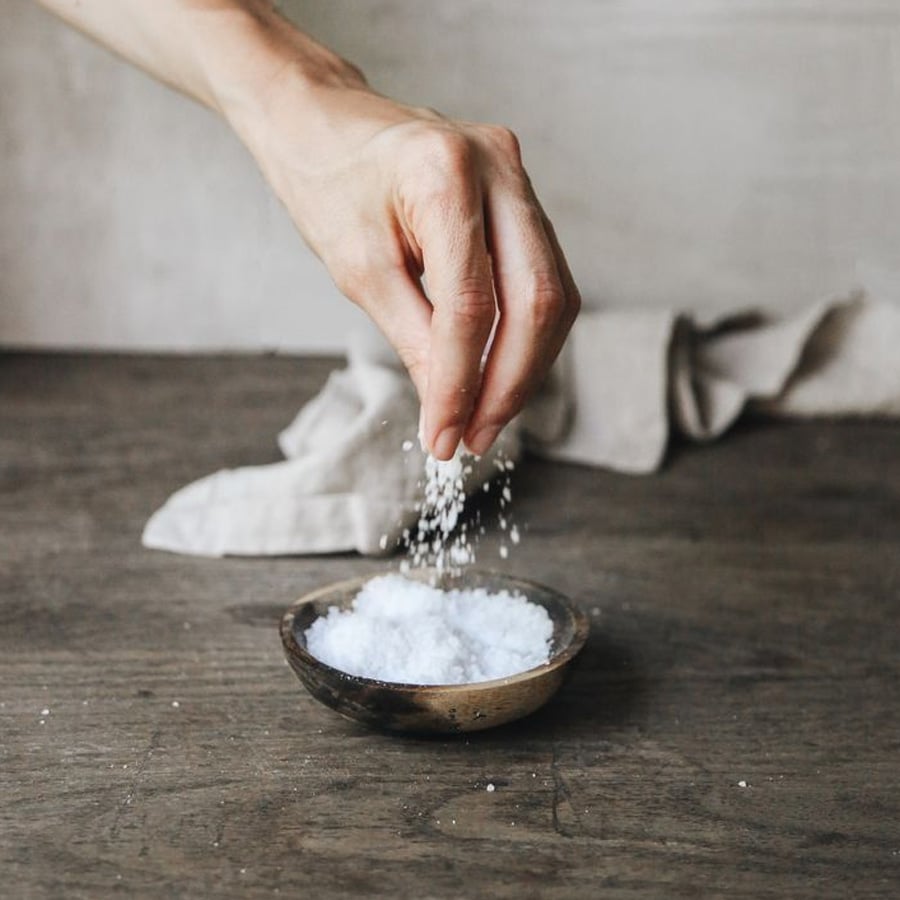
Salt may cost almost nothing today, but historically it was an essential and valuable commodity. Before refrigeration, salt played a critical role in preserving meat and other foods, making reliable access extremely important. Its economic significance helped create major trade routes and even influenced taxation and political disputes.
Trending on Wealth Gang

6. Aluminum Products
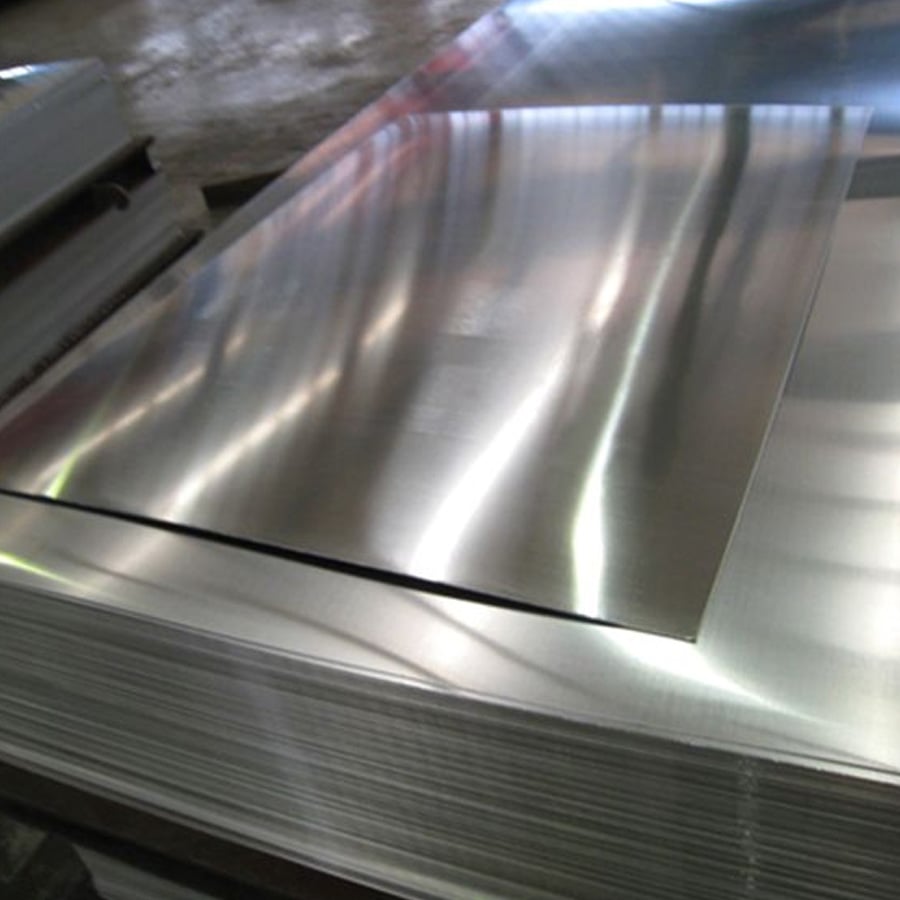
Aluminum is now found in everything from soda cans to kitchen foil, but during the 19th century it was extraordinarily difficult and expensive to produce. Before efficient extraction methods were developed, aluminum could be more prestigious than many traditional precious metals and was used for decorative objects intended to impress.
7. Ice

Before mechanical refrigeration, having ice during warm weather was a genuine luxury. Ice had to be harvested from frozen lakes and ponds during winter, stored in insulated icehouses, and transported considerable distances. Wealthy households could use it for chilled drinks and desserts while others simply went without.
8. Mirrors
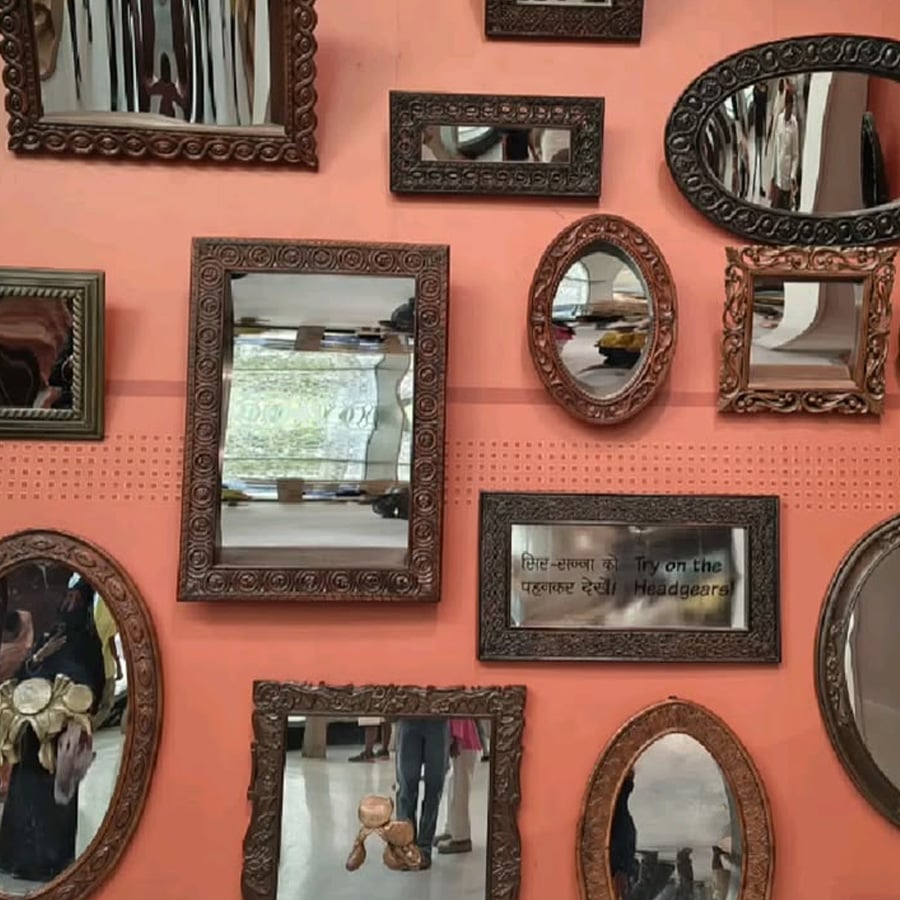
Modern mirrors are inexpensive enough to hang in nearly every room, but large, high-quality mirrors were once costly decorative objects. Producing clear glass and applying reflective materials required specialized craftsmanship, making impressive mirrors a common feature of palaces and wealthy homes.
Sign up for our newsletter
9. Glass Windows
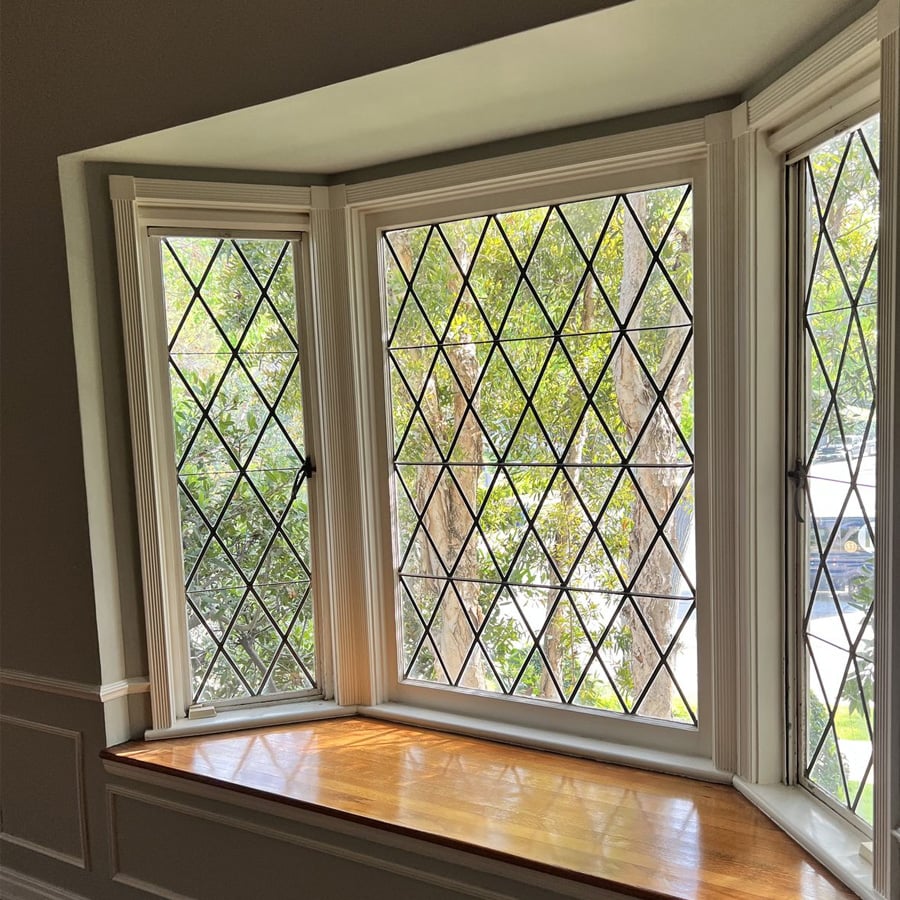
Large glass windows were once something only affluent property owners could easily afford. Early window glass was expensive to manufacture, and large panes were particularly difficult to produce. Many ordinary homes relied on small windows or alternative materials while wealthy buildings displayed increasingly elaborate glass installations.
10. Books
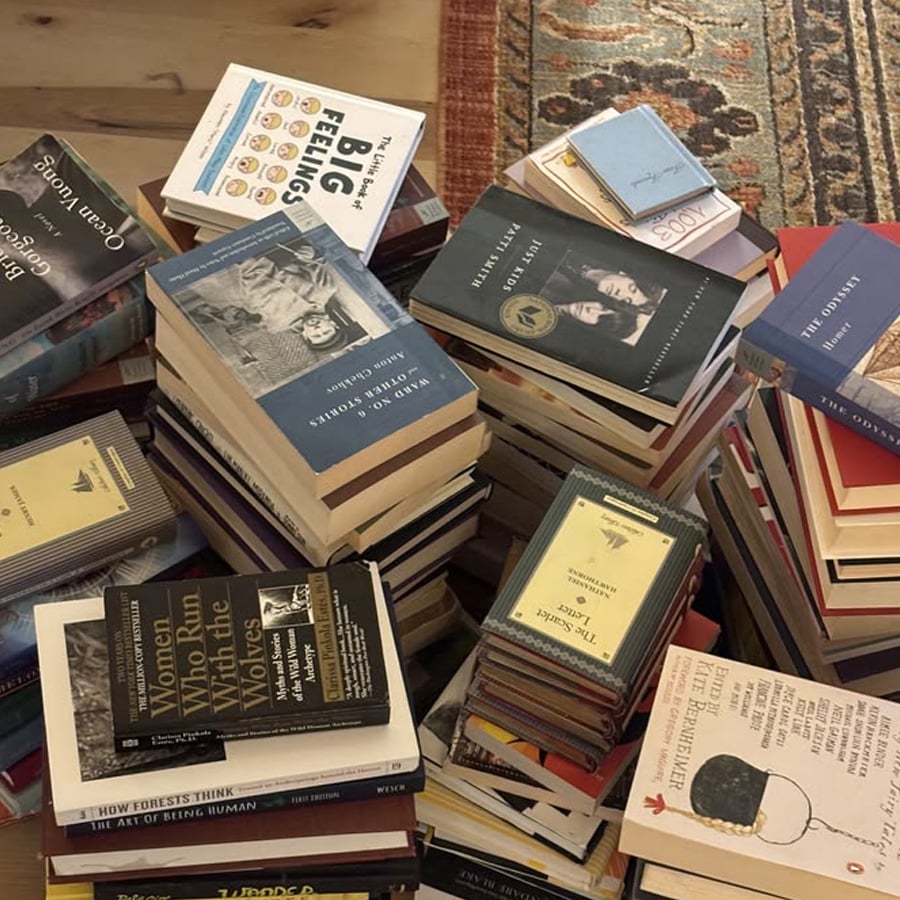
Before printing technology transformed publishing, books were among the most labor-intensive objects a person could own. Manuscripts had to be copied by hand, often by trained scribes, and materials such as parchment were expensive. Personal libraries therefore became powerful demonstrations of education, influence, and wealth.
11. Spices
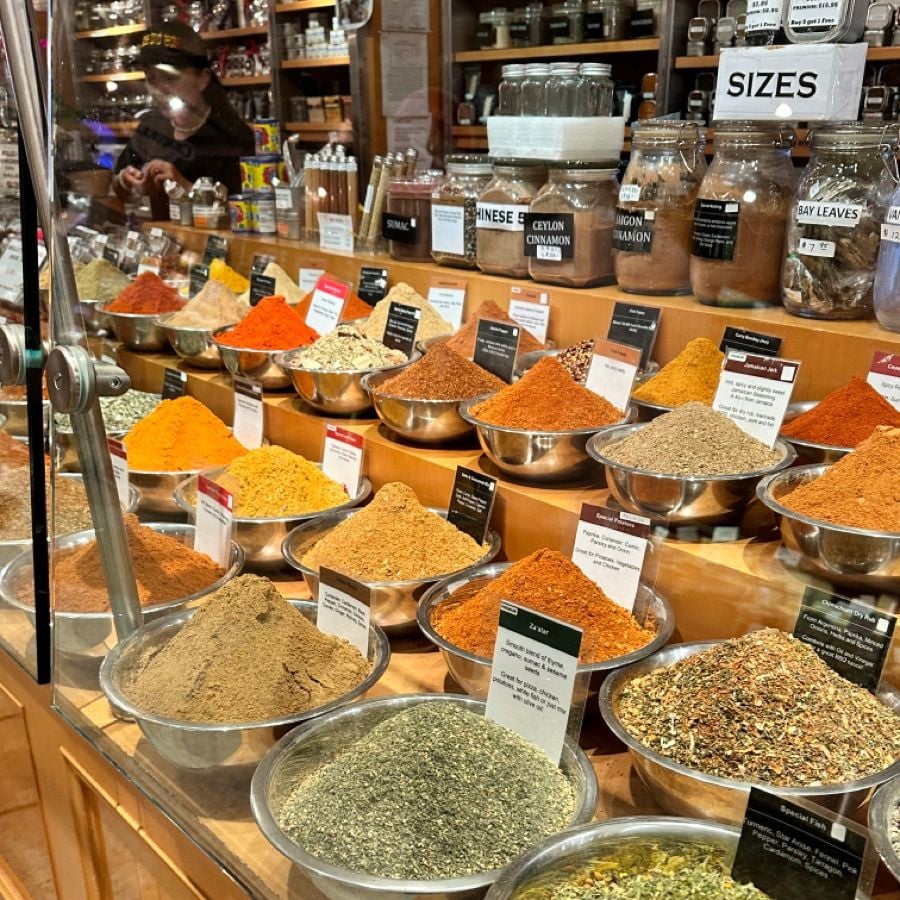
Black pepper, cinnamon, cloves, nutmeg, and other spices are inexpensive supermarket staples today, but they once traveled through complicated international trading networks. Their rarity in Europe made certain spices extremely valuable, and serving heavily spiced dishes could demonstrate that a household had money and access to global trade.
12. Silk Clothing

Silk remains associated with luxury fashion, but historically it was far more exclusive than it is today. Transporting silk from Asia along long-distance trade routes made the fabric extremely costly in Europe, and garments made from it were strongly associated with royalty, aristocracy, and wealthy merchants.
13. Soap
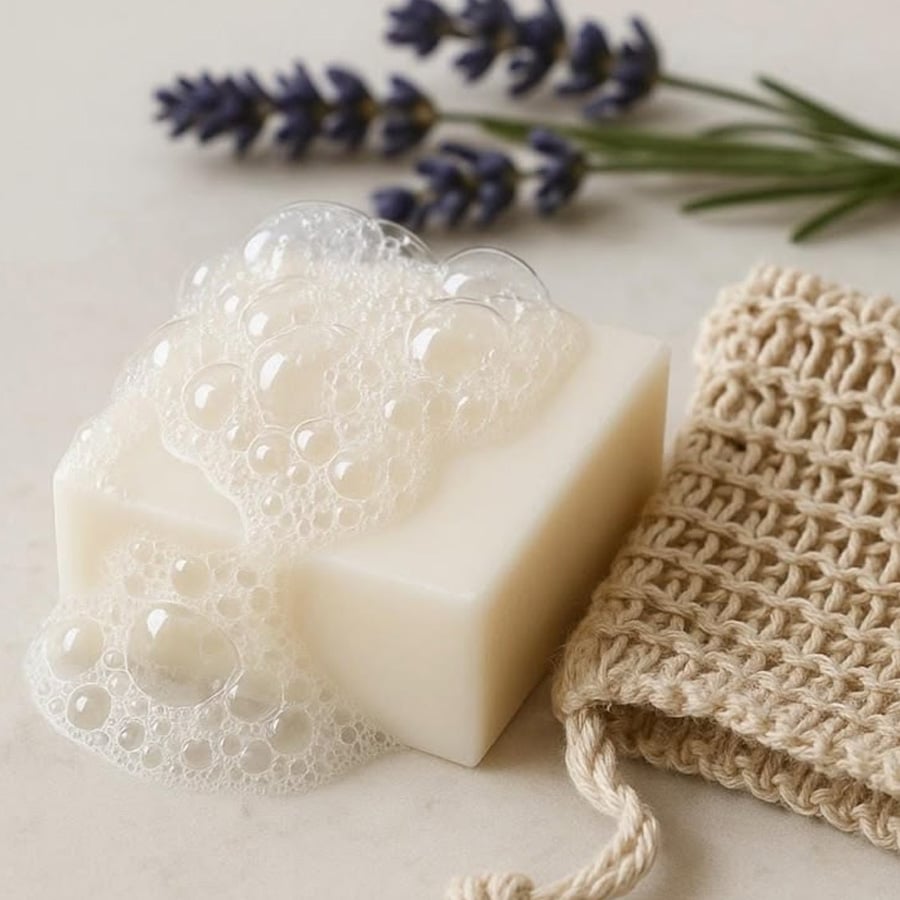
Soap is now one of the most basic household necessities, yet high-quality manufactured soap was once considerably less accessible. Production methods, ingredient costs, and taxes could make commercial soap expensive, while many families relied on homemade alternatives produced from animal fats and alkaline substances.
14. Pineapples

Few foods demonstrate historical luxury quite like the pineapple. When Europeans began importing the fruit from tropical regions, transportation difficulties made fresh pineapples incredibly expensive. Wealthy hosts sometimes displayed them at parties as decorative centerpieces, and the fruit became a recognizable symbol of hospitality and status.
15. Refrigerators
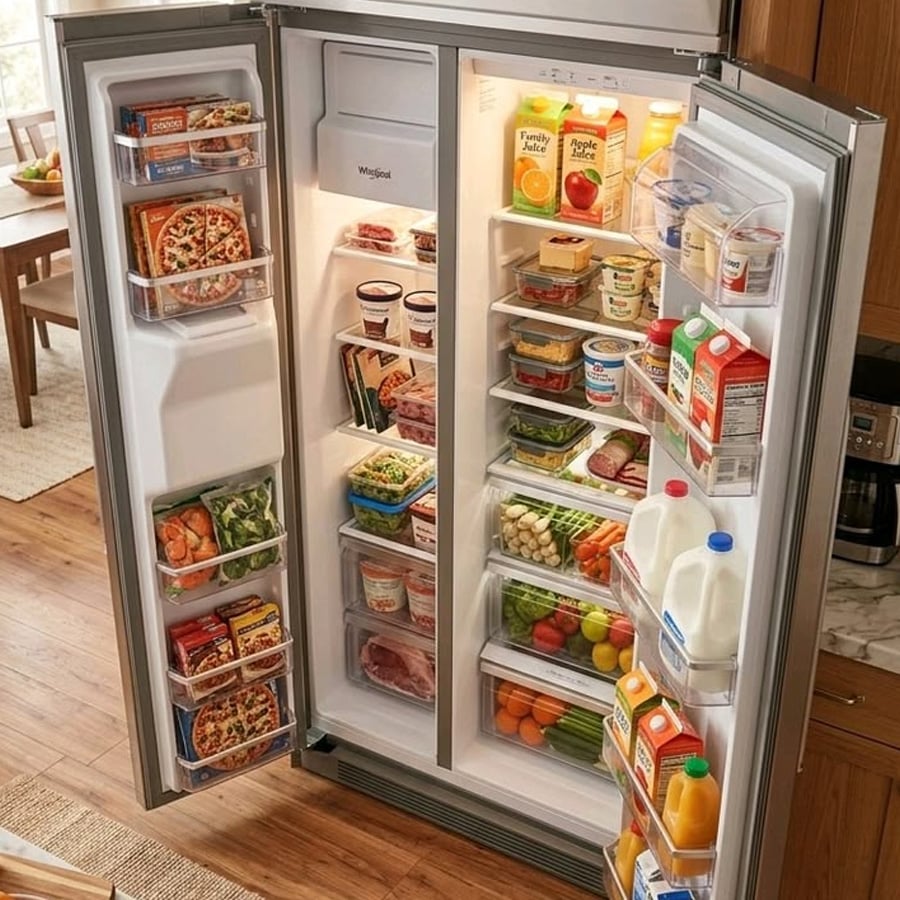
A refrigerator is considered a standard kitchen appliance today, but early electric models were major investments. During the first decades of household refrigeration, the machines could cost a substantial amount relative to typical incomes. As manufacturing expanded and prices dropped, refrigerators gradually moved from status
More Related Notes
• 16 Household Items That Were Luxury Purchases 100 Years Ago.
Explore household essentials that once represented status and wealth before mass production made them affordable for ordinary families.
• 16 Purchases That Felt Affordable in the 1990s but Seem Like Luxuries Today.
See how changing prices and purchasing power can transform ordinary products into luxuries, reversing the affordability trend experienced by many older goods.
• 18 Everyday Products That Suddenly Became Hard to Afford.
Discover familiar products whose rising prices have made them increasingly difficult to fit into household budgets, highlighting how perceptions of affordability change over time.