
It’s easier than ever to blur the line between comfort and overspending. With credit cards, one-click purchases, and lifestyle pressure amplified by social media, many people don’t realize they’re stretching their finances until it becomes stressful. Living beyond your means isn’t always obvious. Sometimes it shows up in small patterns that slowly build into bigger problems. Here are 10 signs that your lifestyle may be costing more than you can comfortably afford.
1. You Rely on Credit Cards for Basic Expenses

If groceries, gas, or utility bills regularly go on credit without being paid off in full each month, it’s a strong warning sign. Debt should not be funding everyday survival.
2. You Have Little to No Emergency Savings

Unexpected expenses happen to everyone. If a minor car repair or medical bill would create panic, your spending may be too close to your income.
3. Your Lifestyle Improved Faster Than Your Income

Upgrading apartments, cars, or daily habits before your salary truly supports it can create long term pressure. Lifestyle inflation often feels harmless at first.
4. You Avoid Checking Your Bank Account
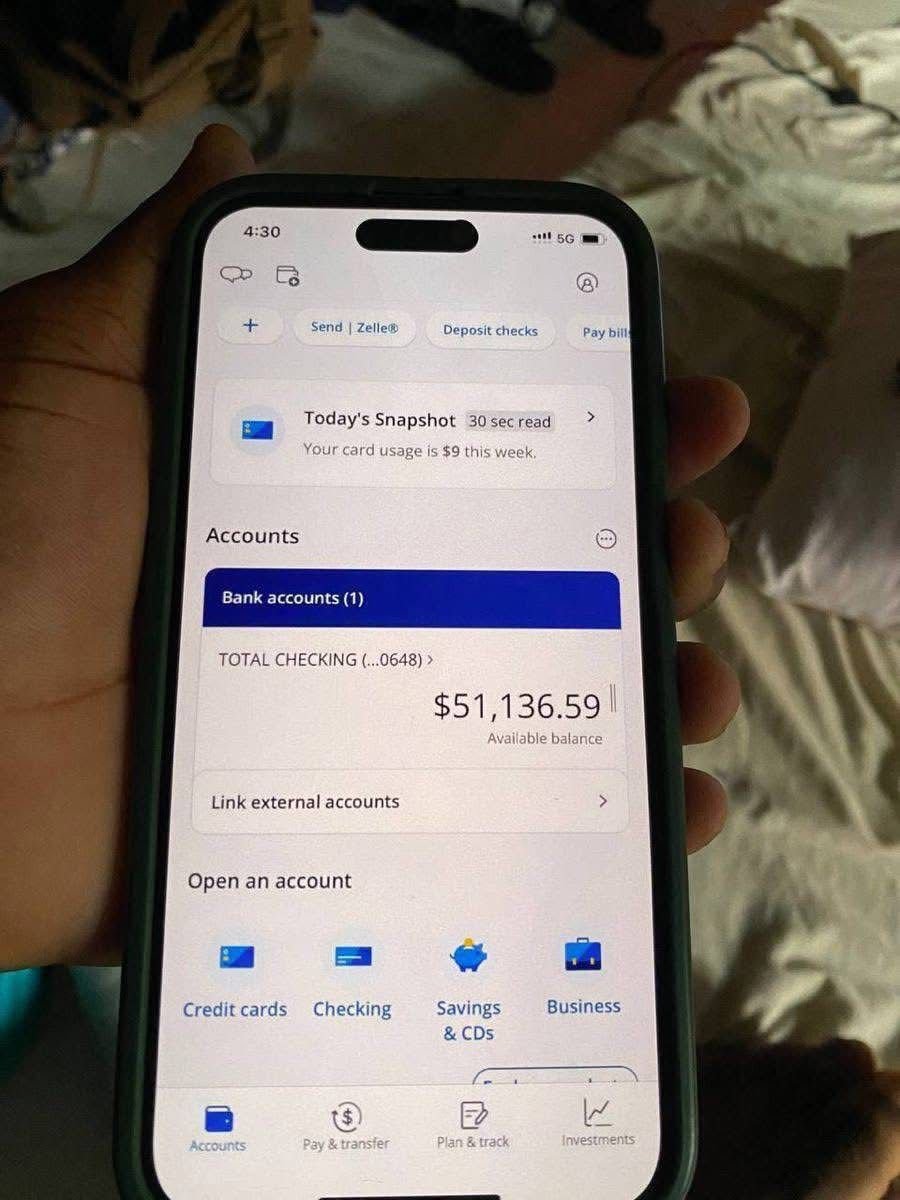
If you feel anxious opening your banking app or checking balances, it may signal that spending is outpacing income.
5. You Justify Purchases as “I Deserve It”

Occasional rewards are healthy. Constantly using emotional reasoning to justify spending is not.
Trending on Wealth Gang

6. You Have No Clear Budget
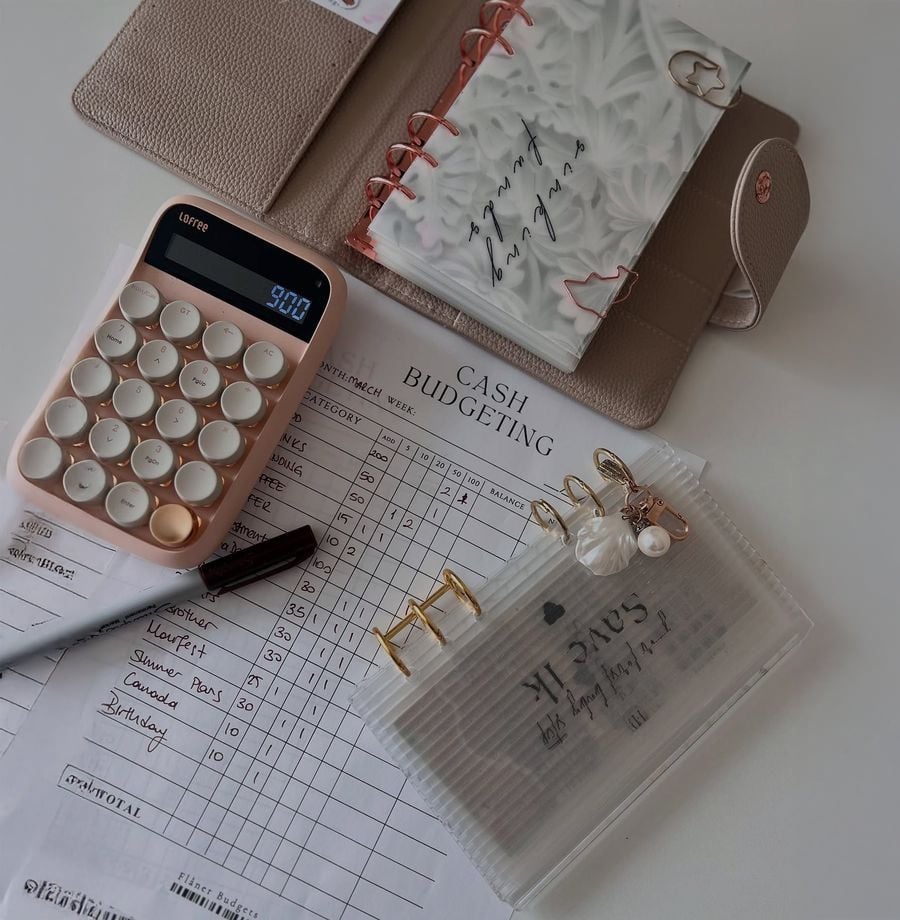
Spending without tracking income, bills, and savings goals makes it easy to overshoot what you can afford.
7. You Compare Yourself Financially to Others

Trying to match friends, coworkers, or influencers can lead to unnecessary expenses that do not align with your reality.
8. Your Savings Goals Keep Getting Delayed

If retirement contributions, investment plans, or big financial goals are repeatedly postponed, lifestyle spending may be taking priority.
Sign up for our newsletter
9. You Use Financing for Non Essential Items

Splitting payments for vacations, electronics, or luxury items may feel manageable, but it often creates future strain.
10. You Feel Constant Financial Stress

The clearest sign is emotional. If money feels tight despite earning a reasonable income, your expenses may simply be too high.
Smart Money Moves You Shouldn’t Ignore
- 19 Side Hustles You Can Start With Zero Investment in 2026
Looking to boost your income without spending upfront? These 19 side hustles require little to no initial investment and can help you build extra cash flow in today’s changing economy. - 10 Ways to Invest Money That Once Seemed Smart but No Longer Are
Not every financial strategy stands the test of time. This list breaks down outdated investment approaches that no longer make sense in today’s market and what to consider instead. - How to Invest $500 Dollars Wisely
You don’t need thousands to start investing. This guide explores practical ways to grow $500 strategically and begin building long term financial momentum.