The 90s weren’t that long ago, but everyday life worked very differently. Many things that felt completely normal at the time now seem slow, inconvenient, or even unnecessary. Looking back, it’s surprising how much effort went into simple tasks and how quickly those habits disappeared once better alternatives appeared.
1. Rewinding VHS Tapes
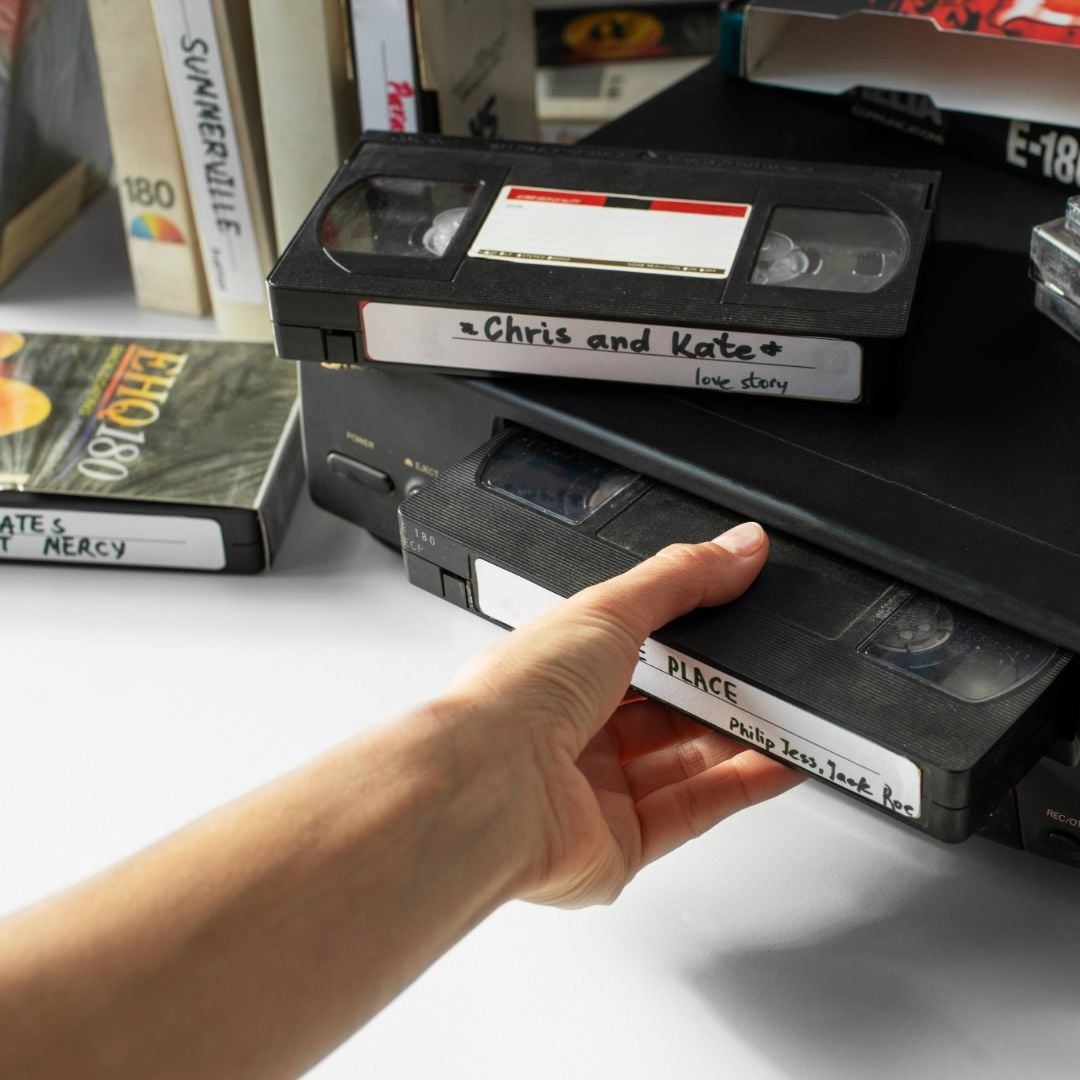
Watching a movie didn’t end when the credits rolled. You had to rewind the tape manually or risk annoying the next person who used it. Some people even had separate rewind machines just to make the process faster. It was such a normal part of watching something that no one questioned it, even though it added extra time to something that now happens instantly.
2. Calling a House Phone
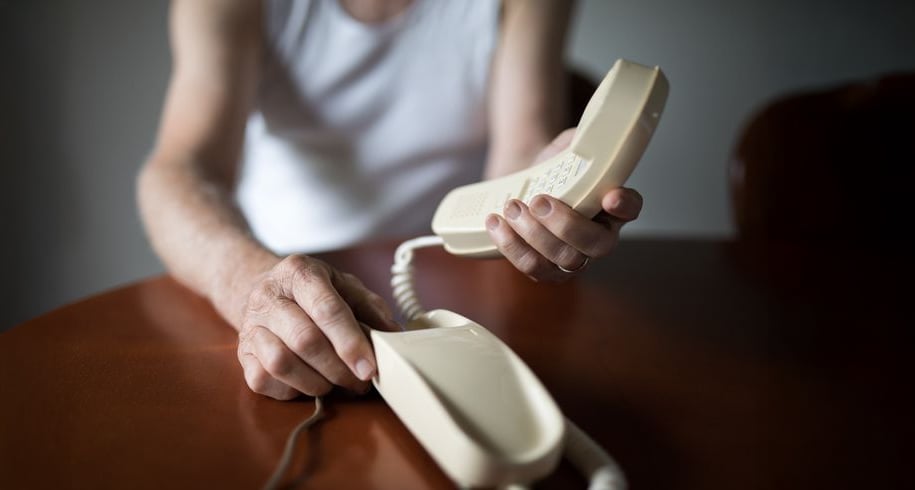
You didn’t call someone directly, you called their house. Anyone could answer, which meant conversations often started with small talk or awkward explanations about who you were trying to reach. Privacy wasn’t expected, and timing mattered more, because you had no way of knowing who would pick up.
3. Using Paper Maps
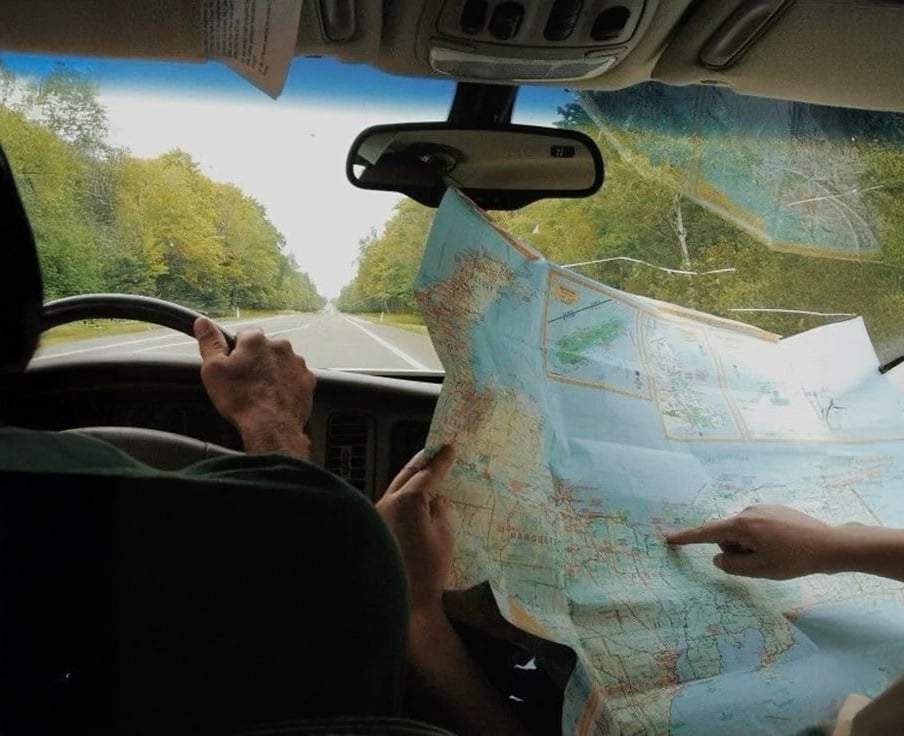
Getting somewhere new required planning ahead and physically reading a map, often while driving or stopping on the side of the road. Maps were large, hard to fold back correctly, and easy to misread. Getting lost wasn’t unusual, it was part of the experience, and figuring it out took time.
4. Dial-Up Internet
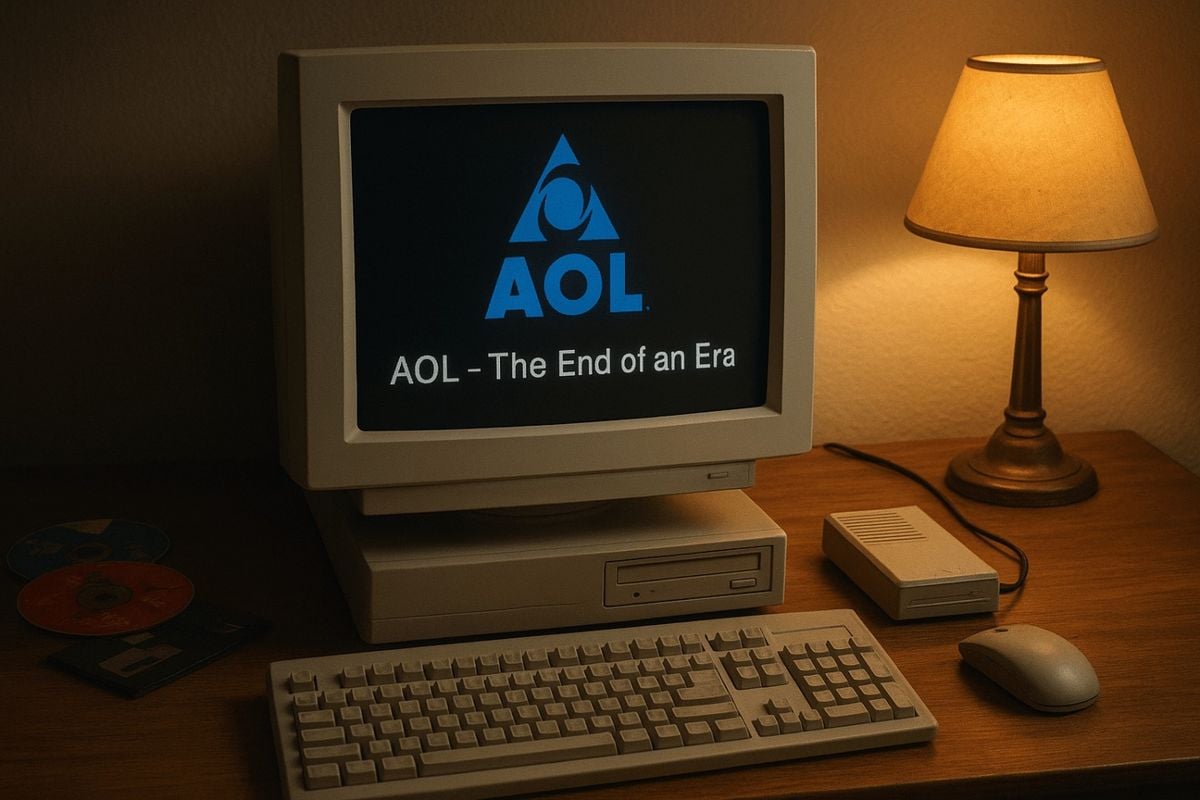
Connecting to the internet meant hearing a series of loud, mechanical sounds and waiting for the connection to establish. While you were online, the phone line couldn’t be used, which often led to interruptions or complaints from others in the house. The idea of being constantly connected simply didn’t exist.
5. Printing Directions
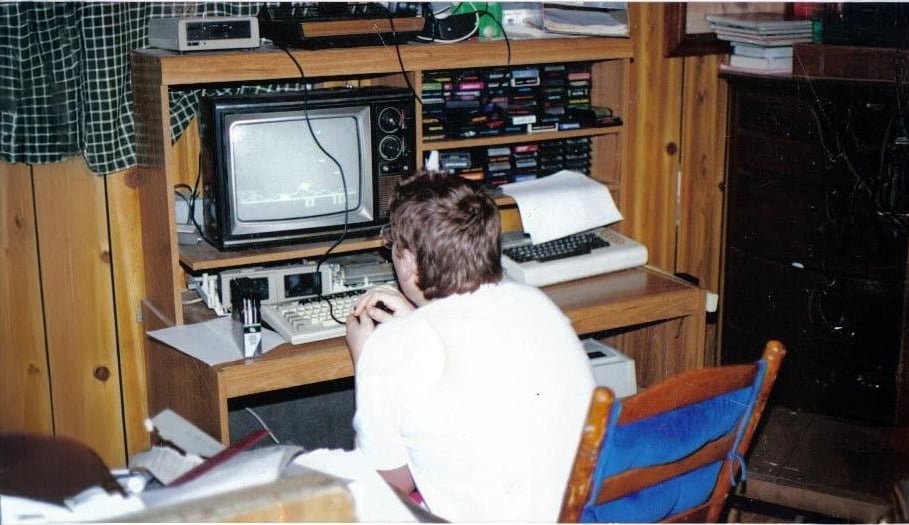
Before leaving home, people printed step by step directions from a computer. Once you were on the road, that piece of paper was your only guide. Missing a turn meant either guessing your way back or stopping to ask someone, which made even simple trips feel less predictable.
Trending on Wealth Gang


6. Waiting for Photos to Be Developed
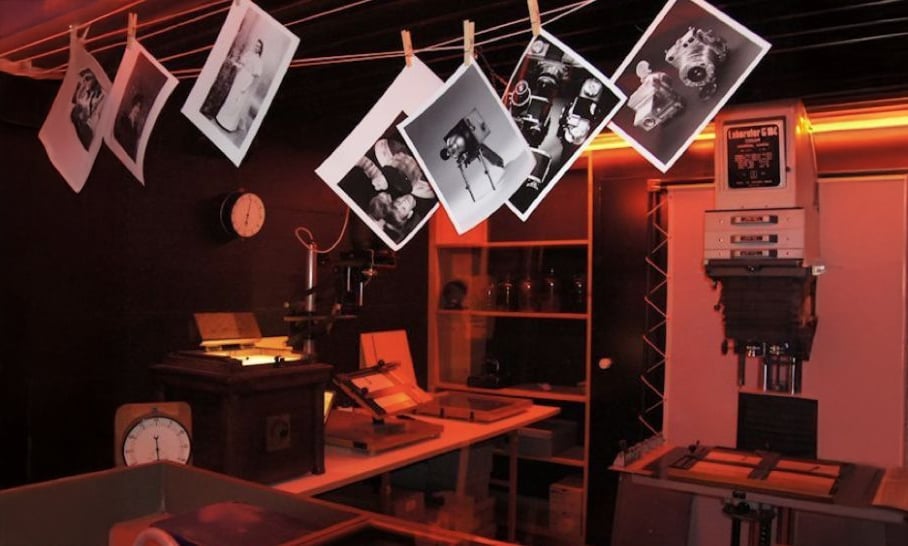
Taking photos meant waiting days, sometimes longer, to see the results. You had no idea if the pictures were good, blurry, or unusable until they were developed. That delay made every photo feel more intentional, but also more uncertain compared to today’s instant feedback.
7. Recording Songs from the Radio
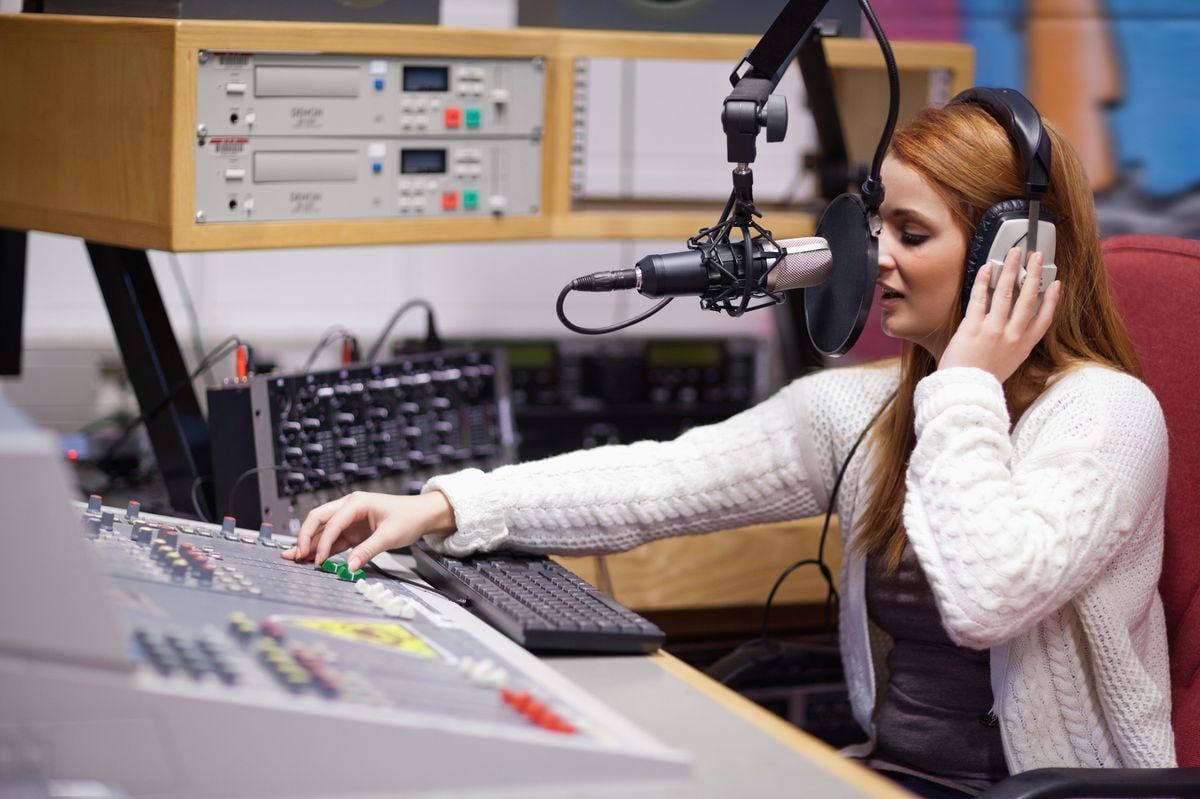
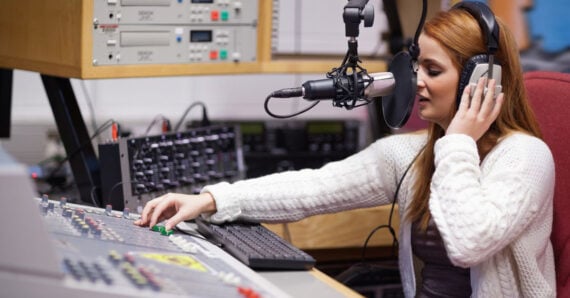
If you liked a song, you had to wait for it to play on the radio and record it at the exact right moment. Timing mattered, and there was always a chance the DJ would talk over the intro or outro. Despite the effort, this was one of the main ways people built their music collections.
8. Checking TV Schedules
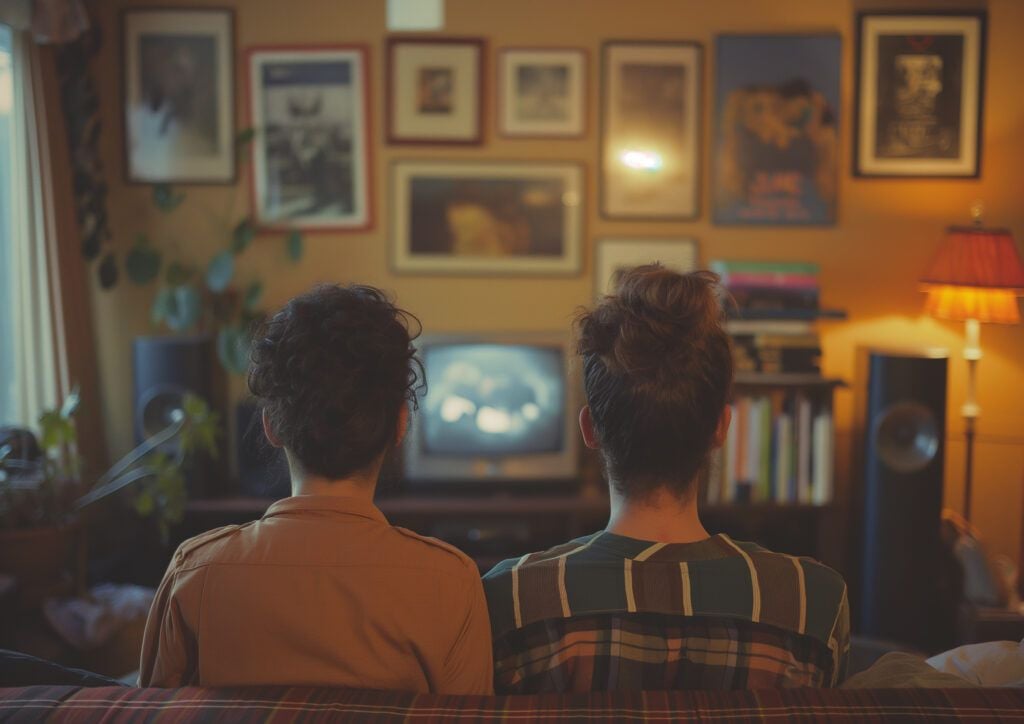
Watching a show meant organizing your time around it. You had to be in front of the TV at a specific hour or risk missing it entirely. There was no pause, no rewind, and no second chance unless it was replayed later.
Sign up for our newsletter
9. Payphones
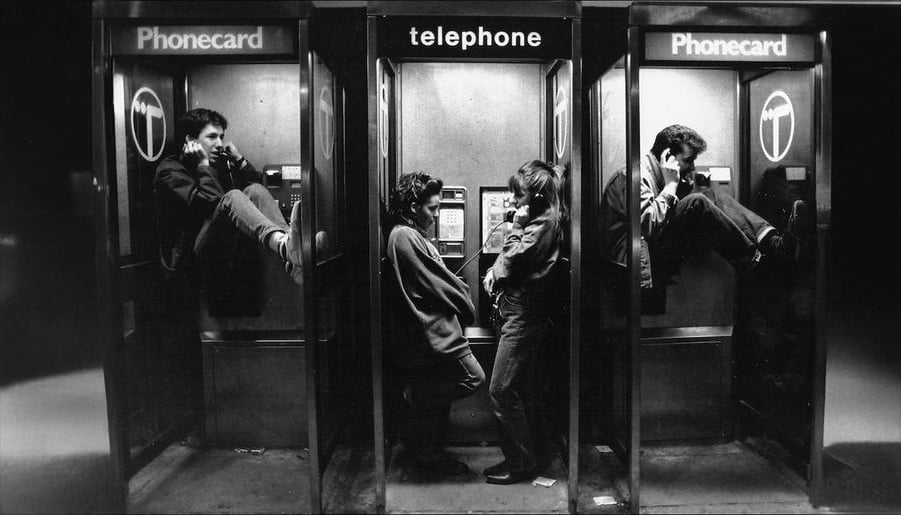
If you needed to call someone while outside, you had to find a payphone and have coins ready. It was part of daily life, especially for quick check ins or emergencies. Now, the idea of needing a physical location to make a call feels outdated.
10. Burning CDs
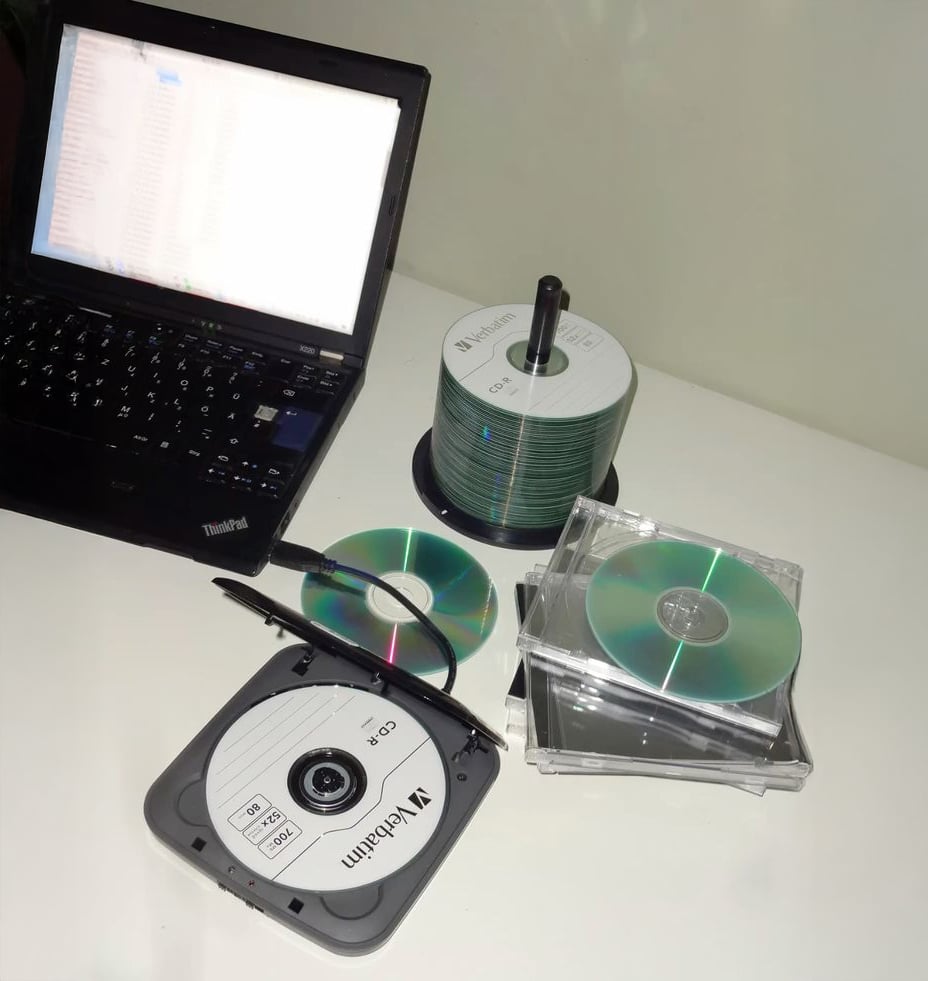
Sharing music required time and intention. You had to select songs, organize them, and burn them onto a CD, often labeling it by hand. It wasn’t instant, but it made music sharing feel more personal and curated.
The 90s Weren’t That Long Ago… But Everything Feels Different
- 10 Things That Were Totally Normal in the 90s but Make No Sense Today
Everyday habits used to look very different. These examples show how quickly routines changed and how things that once felt normal now seem unnecessary. - 15 Iconic Trends from the 1990s Everyone Is Seeing Again
Some trends never fully disappear. These styles and ideas from the 90s are finding their way back into everyday life, often with a modern twist. - 20 Things in Every House in the 1990s That Completely Disappeared
Certain objects used to be part of every home. Looking back, it’s surprising how many of them quietly disappeared as technology and habits evolved.