Not every successful business starts with a complex strategy or a groundbreaking invention. In many cases, it begins with a simple idea, something small, practical, or even overlooked. What makes these stories interesting isn’t just the outcome, but how ordinary they felt at the beginning. These ideas didn’t look like million dollar opportunities at first, but timing, execution, and understanding people made all the difference.
1. Gary Dahl Selling a Joke as a Product
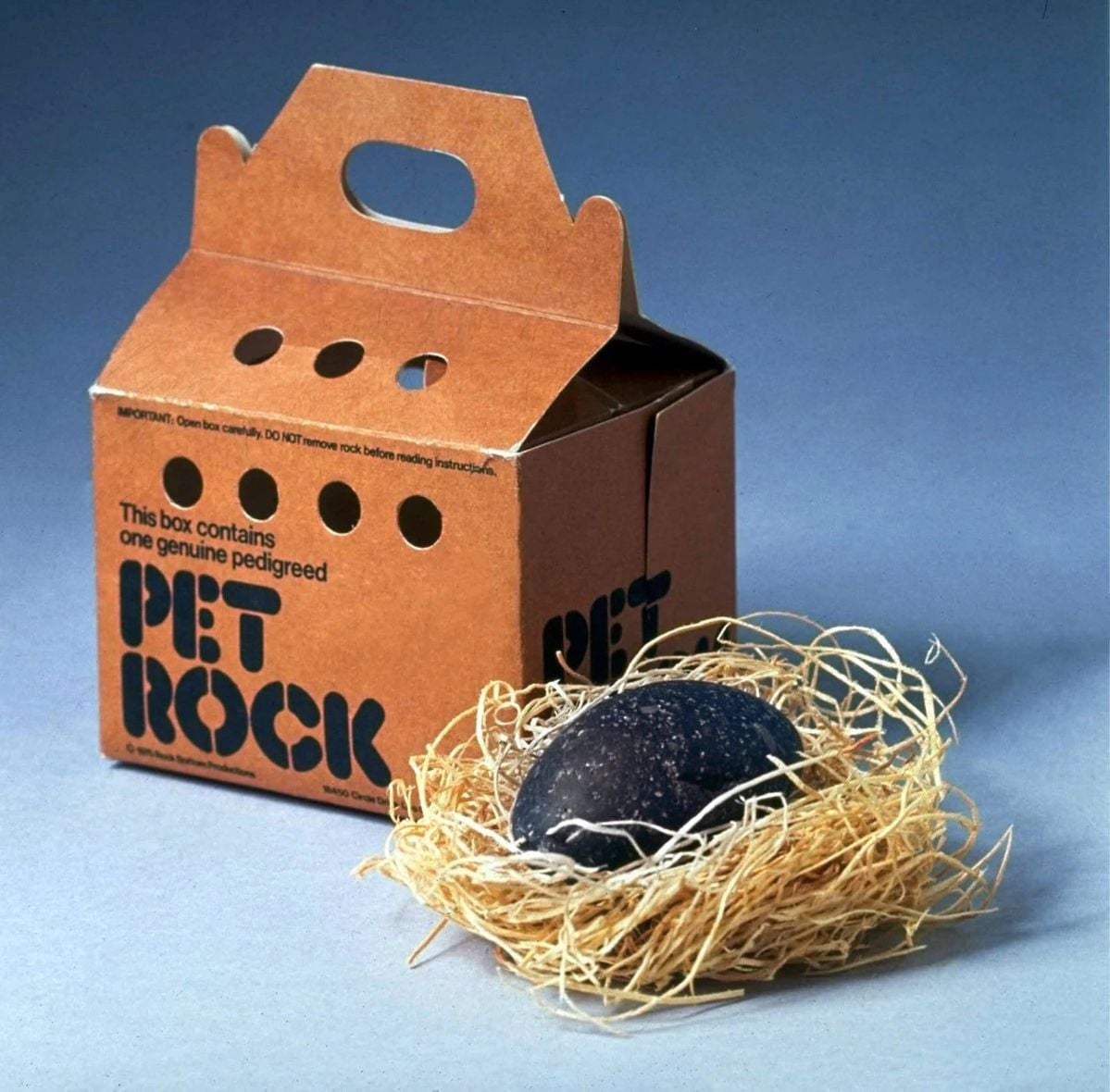
The idea was almost absurd: selling a regular rock as a pet. But instead of focusing on the product, he focused on the experience. The packaging, the instructions, and the humor turned something meaningless into something people wanted to be part of. It worked because it didn’t take itself seriously, and people understood the joke instantly, which made it easy to spread.
2. Jan Koum Making Messaging Simple
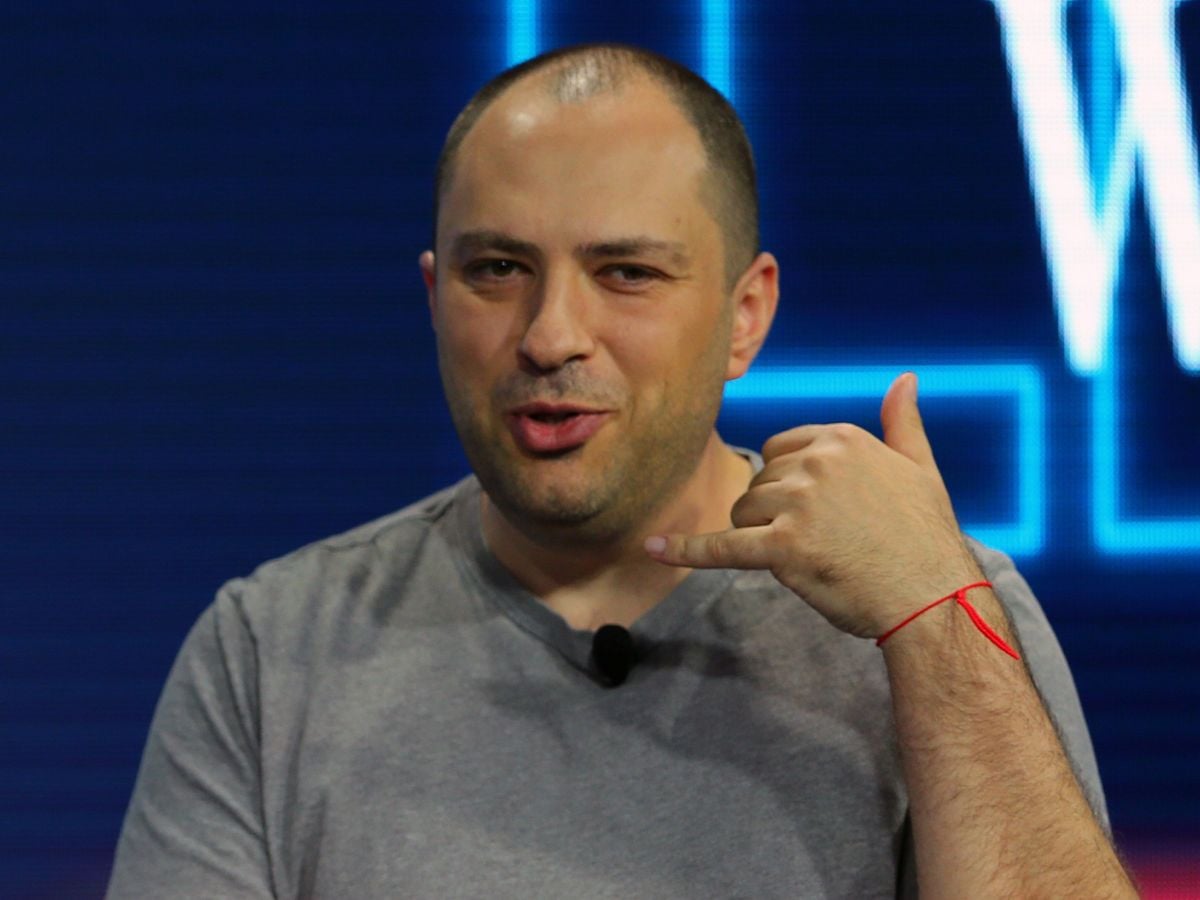
Instead of trying to build a feature heavy platform, he focused on one thing: making communication fast and reliable. At a time when messaging was fragmented and expensive, this simplicity stood out. The app didn’t try to do everything, it just worked better than alternatives, which made adoption feel natural rather than forced.
3. Sara Blakely Fixing a Small Personal Problem
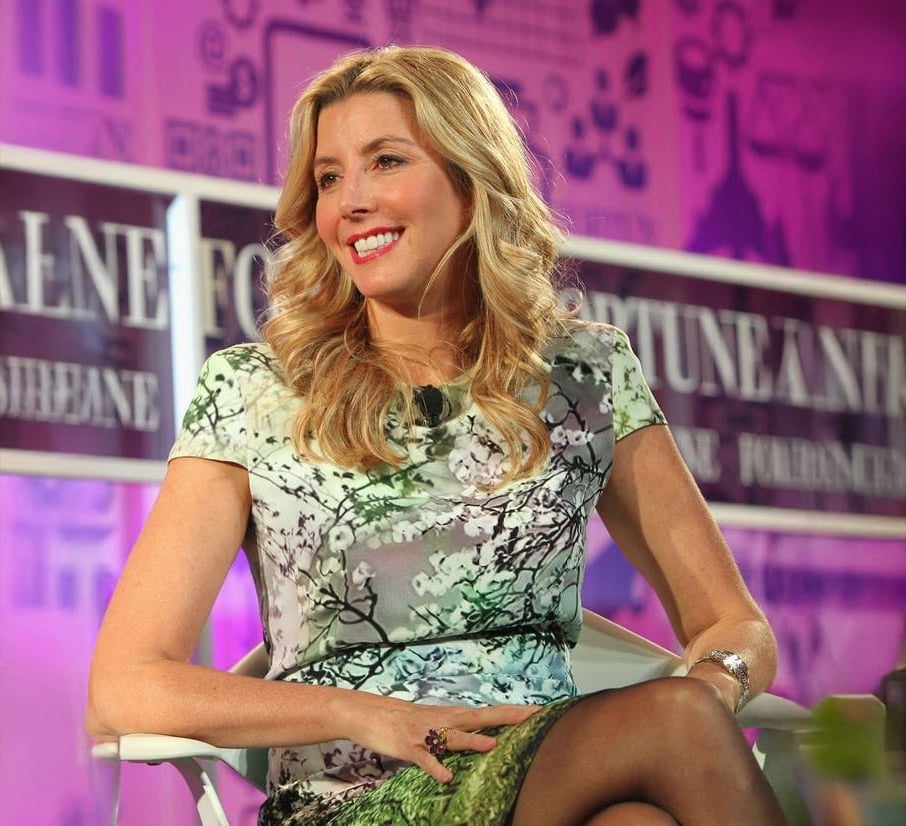
The idea came from a very specific need, something she wanted to improve for herself. That personal connection made the product feel real and relatable to others. What started as a simple adjustment turned into something that solved a widespread problem, proving that small frustrations can lead to big opportunities when addressed clearly.
4. Kevin Systrom Focusing on One Feature

The original project wasn’t working, so instead of adding more features, the decision was to remove complexity and focus on one thing: sharing photos easily. That clarity made the app intuitive, and users immediately understood its purpose. Sometimes growth comes not from adding more, but from simplifying what already exists.
5. Brian Chesky Renting Out Space
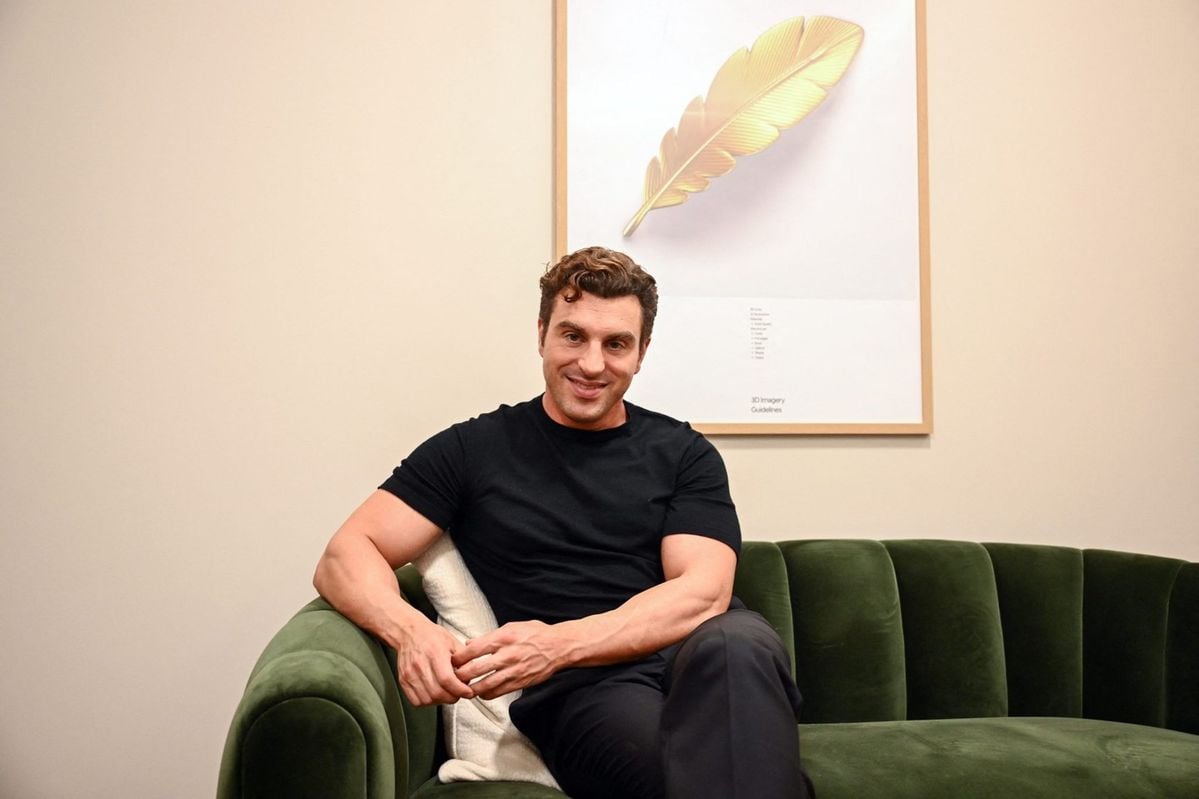
The idea started out of necessity, renting out space to make extra money during an event. It didn’t begin as a global vision, just a practical solution to a short term problem. But it revealed a larger behavior, people were willing to share space and experiences, which allowed the idea to scale far beyond its original intent.
Trending on Wealth Gang


6. Phil Knight Starting Without a Clear Structure
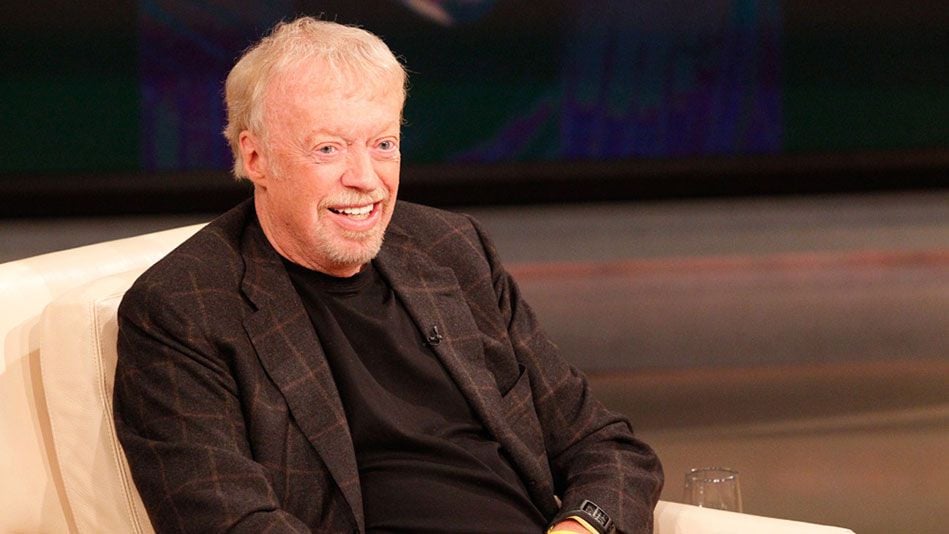
Selling shoes from a car didn’t look like the beginning of a global brand. There was no large system behind it, just a focus on product and demand. That informal start allowed flexibility and learning, showing that you don’t need everything figured out to begin building something that grows.
7. Travis Kalanick Removing Friction From a Daily Task
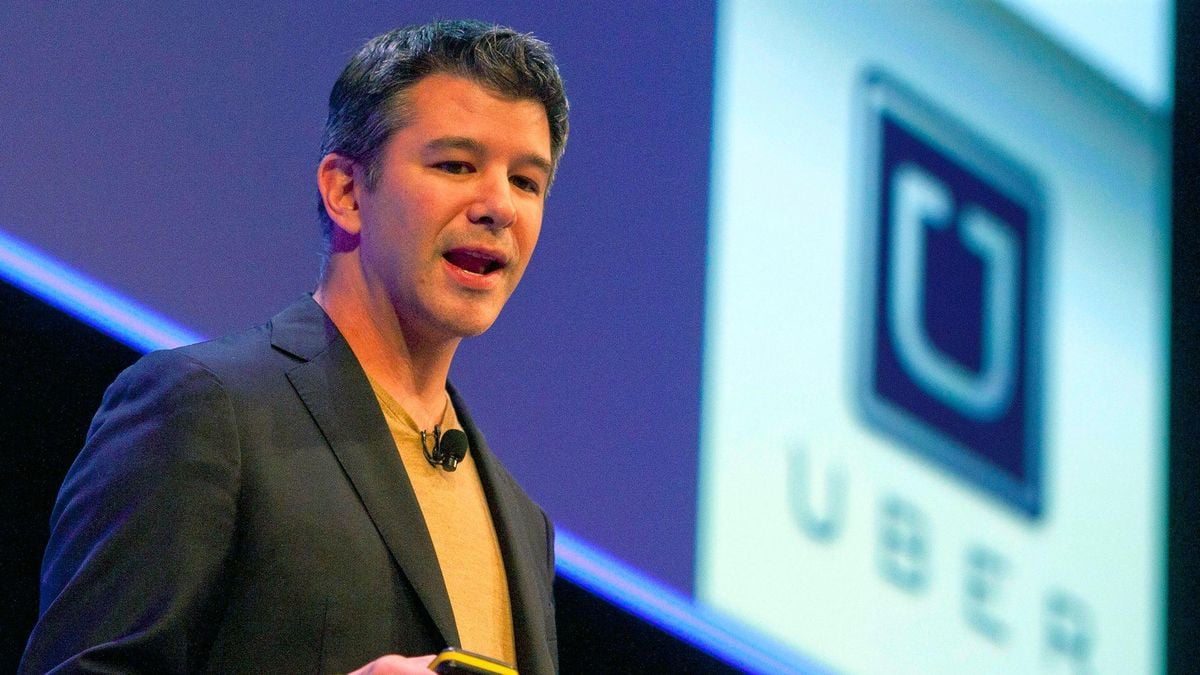
The idea wasn’t to reinvent transportation, but to make it easier. Being able to request a ride instantly removed uncertainty and waiting, which changed how people moved around cities. The simplicity of the action made it easy to adopt, even though the impact was much bigger.
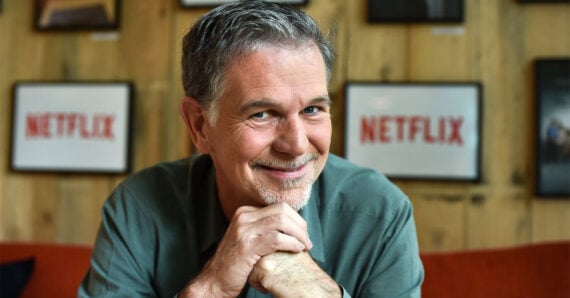
8. Reed Hastings Changing One Part of the Experience
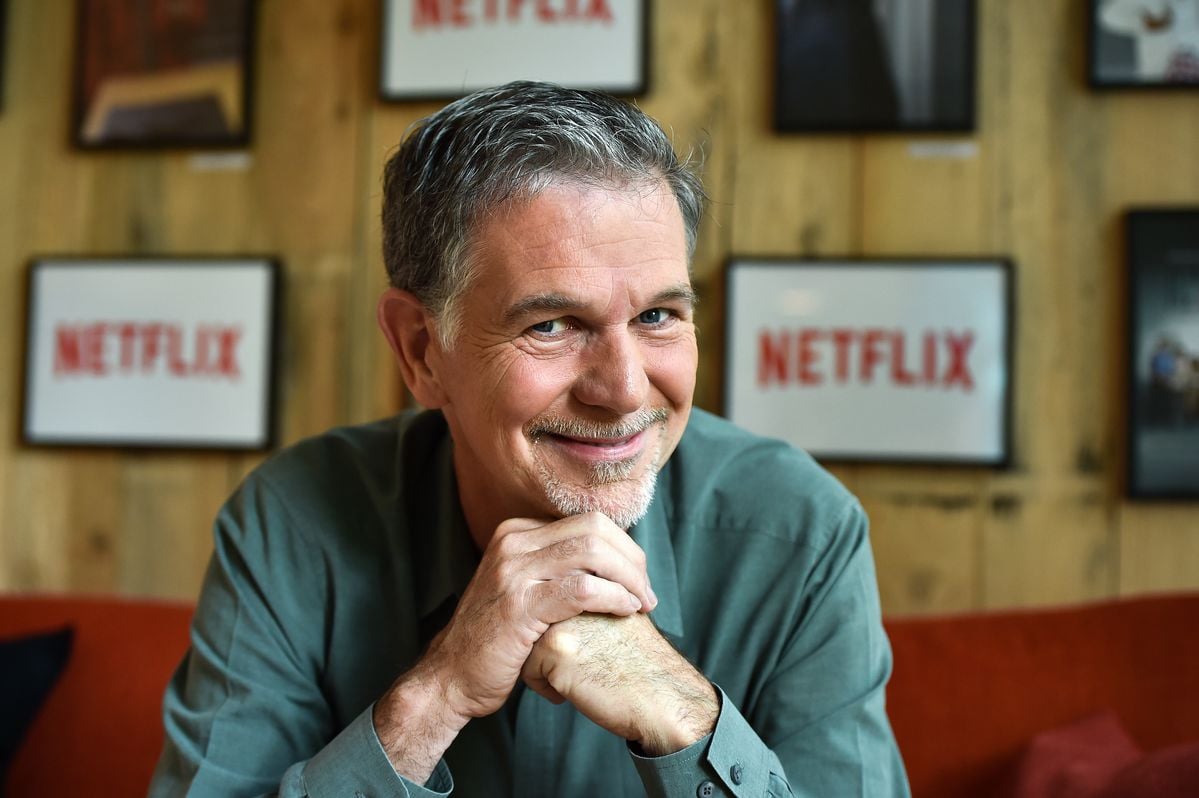
The frustration of late fees led to a small shift in how movies were accessed. That change didn’t just improve convenience, it altered expectations. Over time, it evolved into something much larger, but the starting point was simply removing a pain point people already felt.
Sign up for our newsletter
9. Blake Mycoskie Connecting a Product to a Meaning
The idea wasn’t just about selling shoes, but about linking each purchase to a positive impact. That emotional layer made people feel part of something bigger. It shows how adding meaning to a simple product can change how people perceive and choose it.
10. Evan Spiegel Changing How People Share
The idea that messages could disappear felt unusual at first, but it solved a subtle problem, people didn’t always want everything to last. That shift made communication feel lighter and more natural, especially for younger users.
11. Mark Zuckerberg Starting Small and Letting It Grow
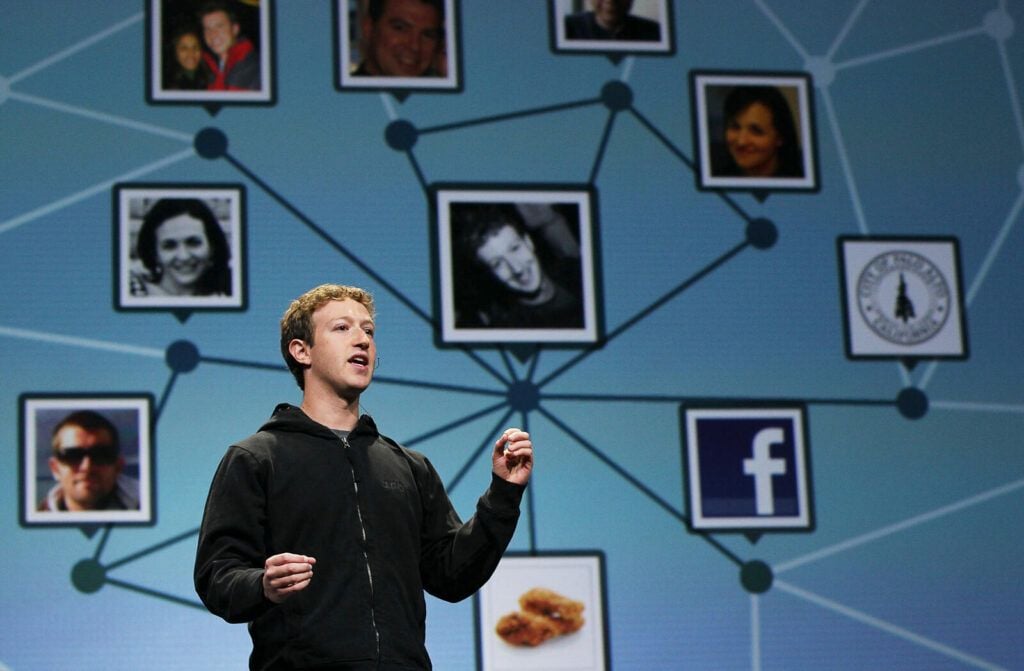
The platform didn’t start as something meant for everyone. It began with a limited audience and expanded gradually. That controlled growth helped shape how people interacted with it, showing how scaling step by step can be more effective than trying to reach everyone at once.
Big Success Usually Starts Small
- 10 Stories of People Who Became Millionaires Later in Life
Not every success story happens early. These people found major financial success much later than expected, proving that timing can look different for everyone. - 10 Morning Habits of Millionaires Worth Taking Note Of
Small routines often shape long term results. These habits show how structure, consistency, and mindset play a role in how successful people approach their day. - 12 Side Hustles That Turned Into Millionaire Businesses
Some businesses didn’t start with investors or large plans, just simple ideas people worked on in their spare time. Over time, those projects became something much bigger.