
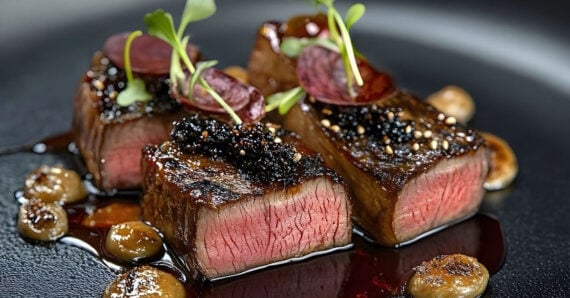
Food trends can completely change how people view certain ingredients. Throughout history, some foods were considered ordinary, inexpensive, or even undesirable. Over time, changing tastes, limited supply, restaurant culture, and clever marketing transformed them into products associated with wealth, exclusivity, or fine dining.
1. Lobster Went From Prison Food to Fine Dining
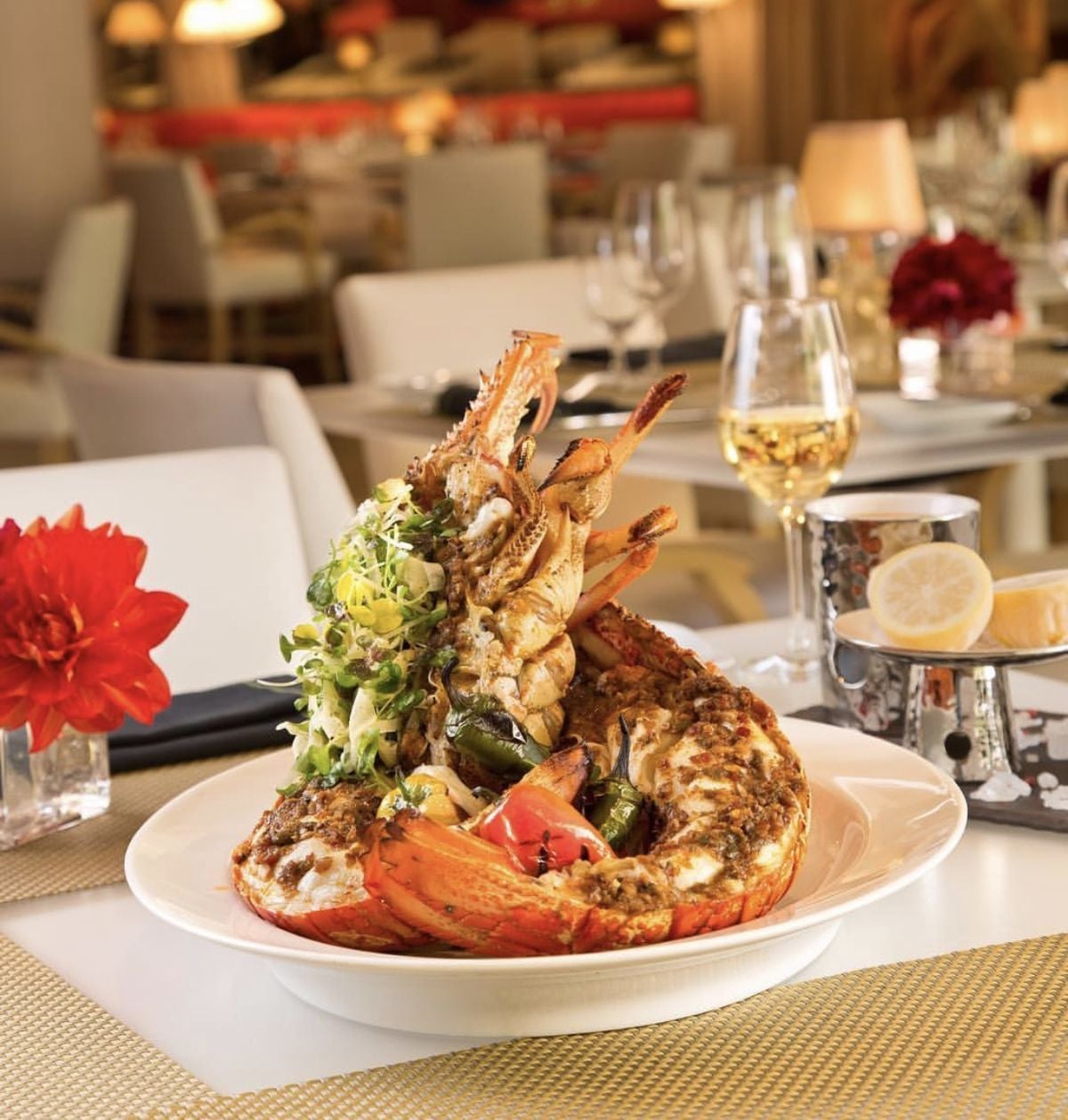
In colonial America, lobster was so abundant that it was often fed to prisoners, servants, and laborers. Today, it’s one of the most recognizable luxury seafood dishes in the world.
2. Oysters Became a Symbol of Sophistication
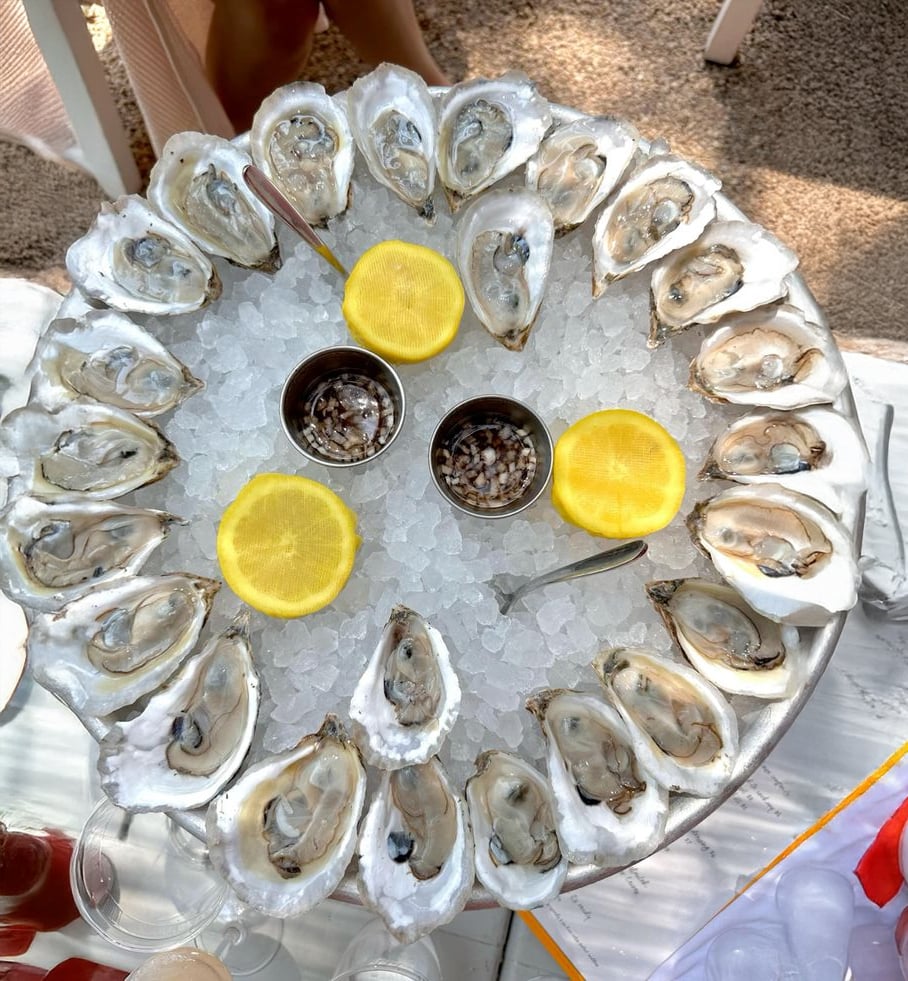
Oysters were once cheap and plentiful in many coastal cities. As populations grew and supplies became more limited, they gradually evolved into a premium restaurant item.
3. Caviar Transformed Into a Status Symbol
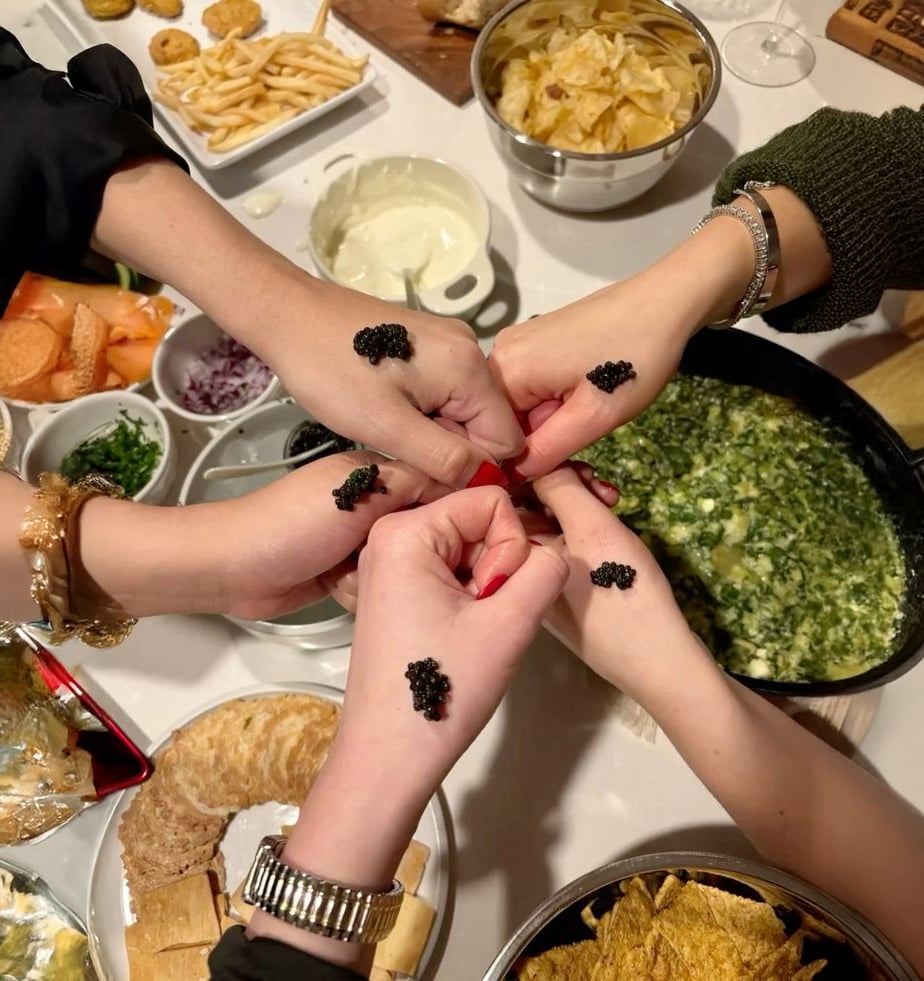
Fish eggs were once simply a local food source in parts of Eastern Europe and Russia. Today, caviar is associated with luxury, wealth, and exclusive dining experiences.
4. Truffles Became One of the World’s Most Expensive Ingredients
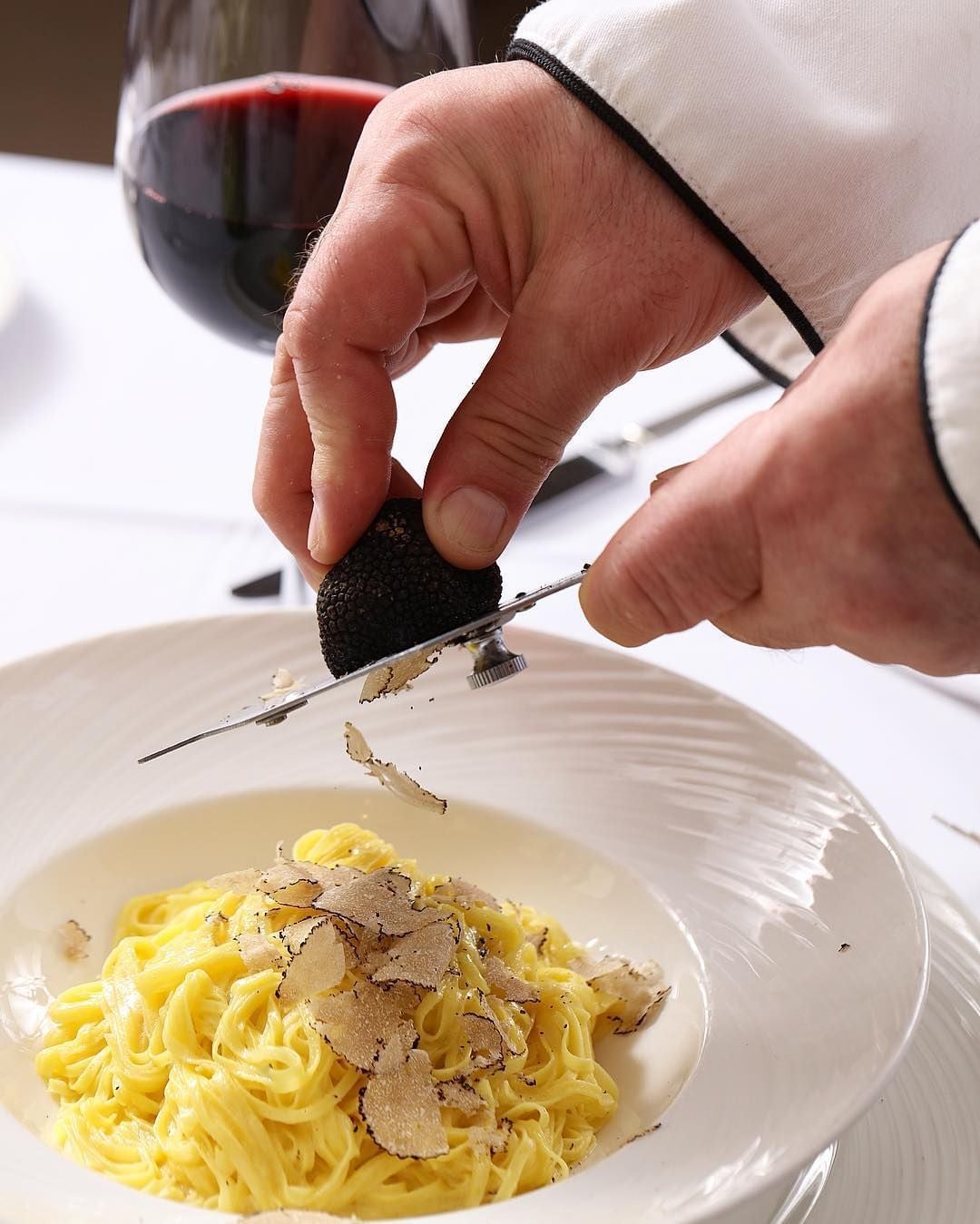
For centuries, truffles were largely unknown outside specific regions. Their rarity and unique flavor eventually turned them into one of the most prized foods in fine dining.
5. Wagyu Beef Redefined Premium Meat
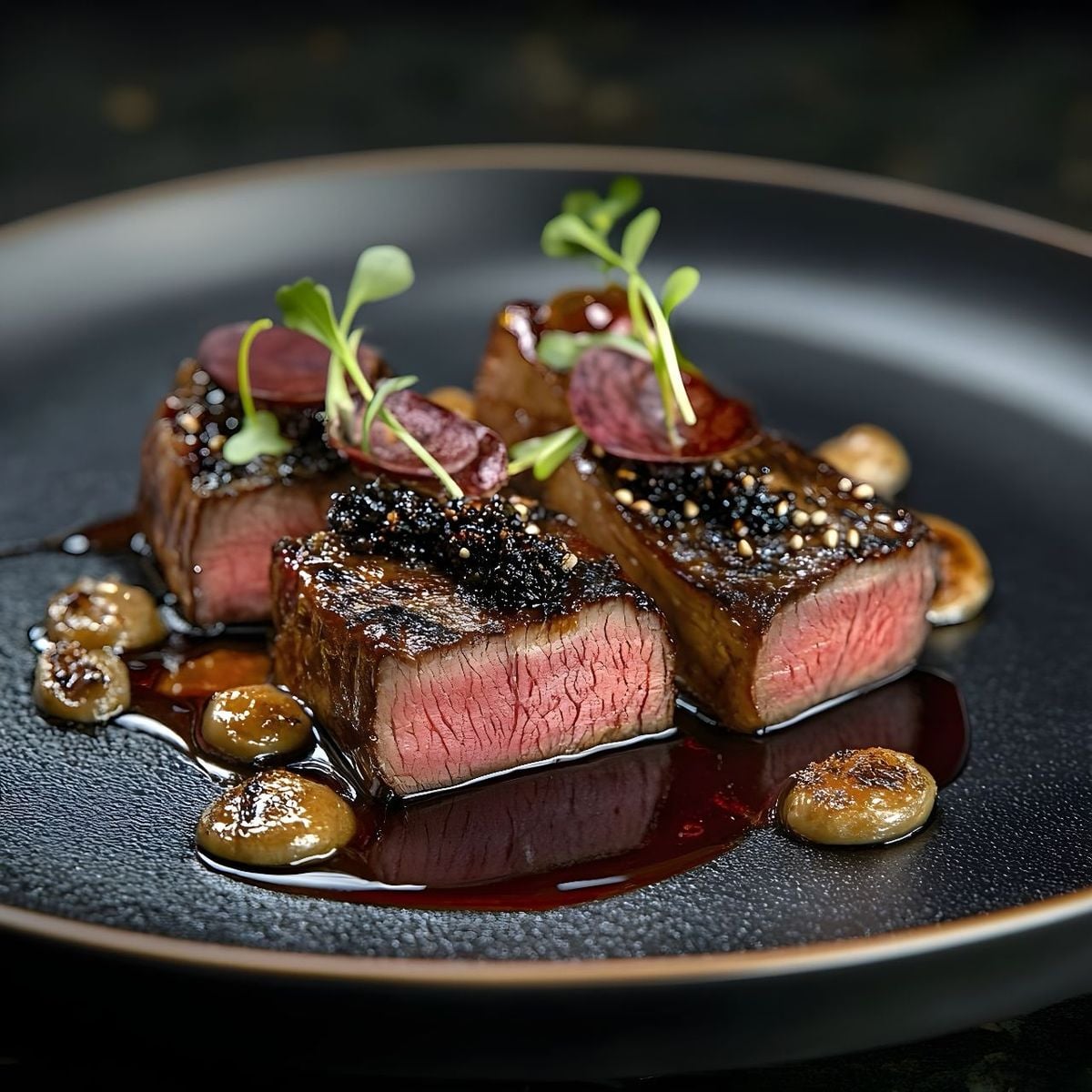
What began as regional Japanese cattle farming eventually became one of the most sought after meat products in the world because of its distinctive marbling and limited supply.
Trending on Wealth Gang


6. Avocados Became a Wellness Luxury
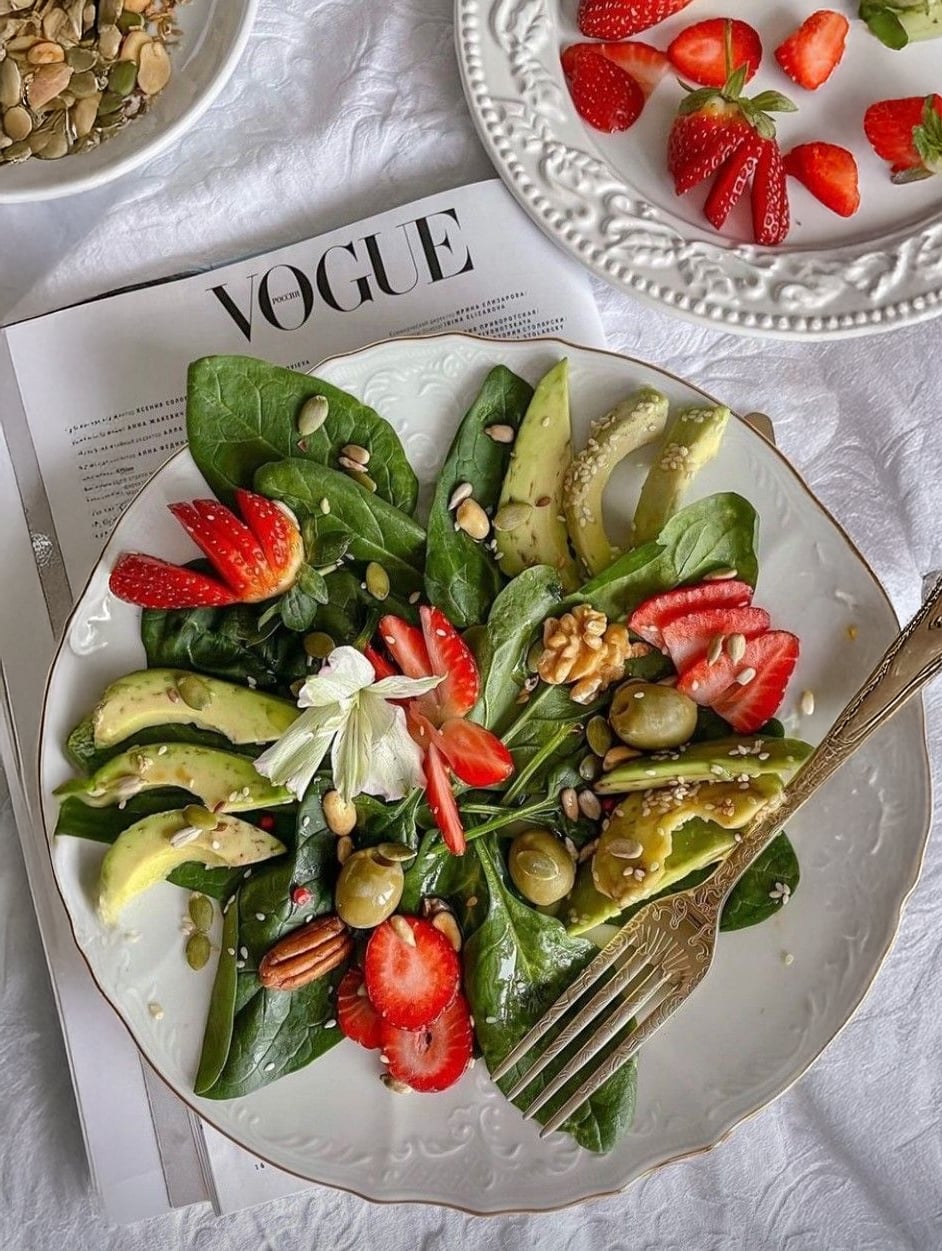
Avocados were once a relatively inexpensive fruit in many countries. Demand driven by social media, health trends, and restaurant culture dramatically increased their popularity and value.
7. Bone Marrow Moved Into Upscale Restaurants
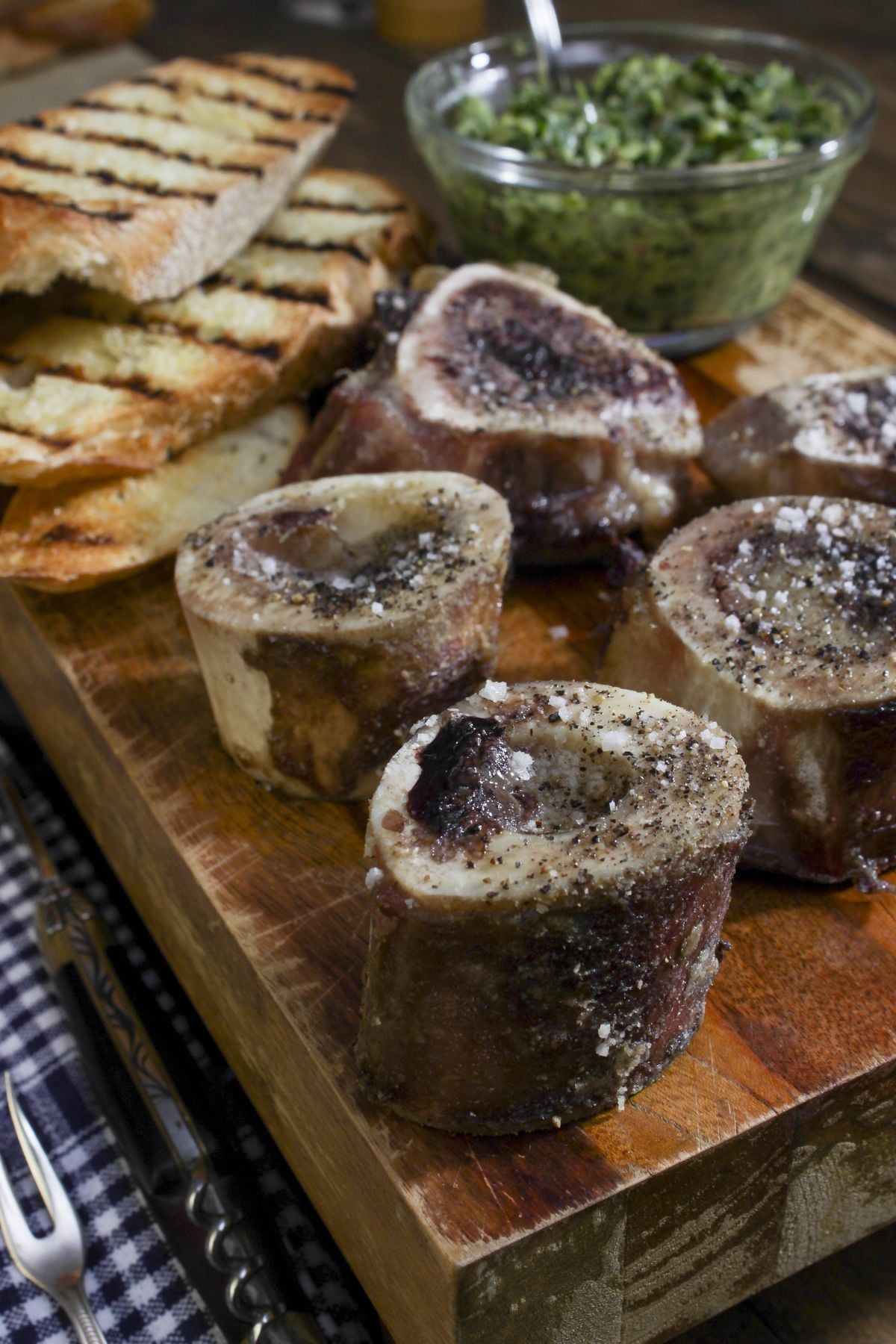
Historically, people ate bone marrow because it was affordable and prevented food waste. Today, it frequently appears on menus at high end restaurants around the world.
8. Bluefin Tuna Became More Valuable Than Gold by Weight
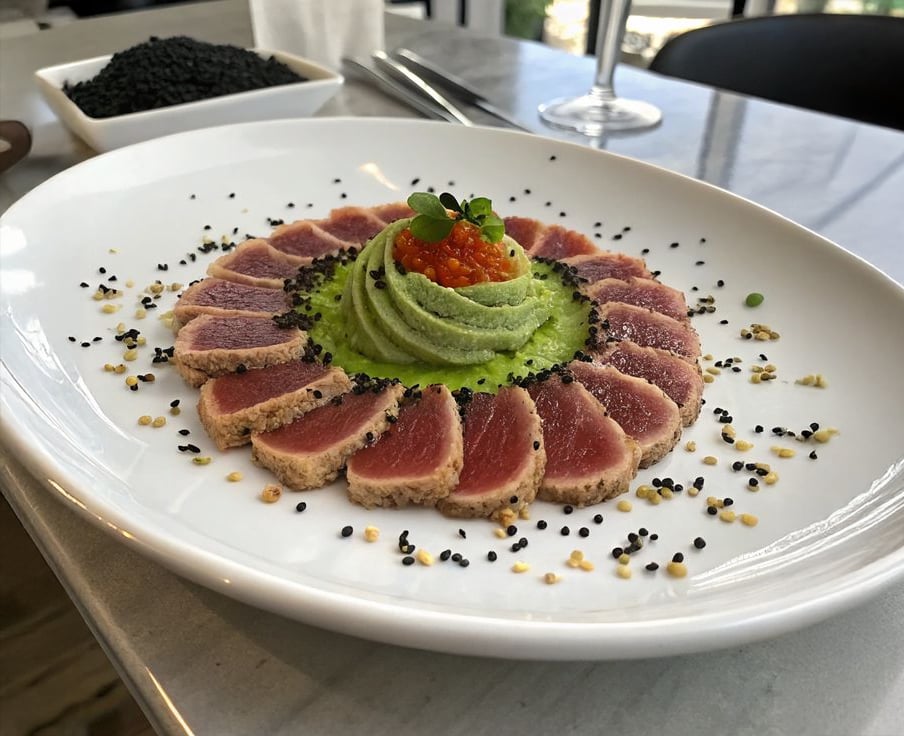
For many years, fatty cuts of tuna were not especially prized. The global popularity of sushi transformed bluefin tuna into one of the most valuable seafood products available.
Sign up for our newsletter
9. Saffron Turned Into a Culinary Treasure
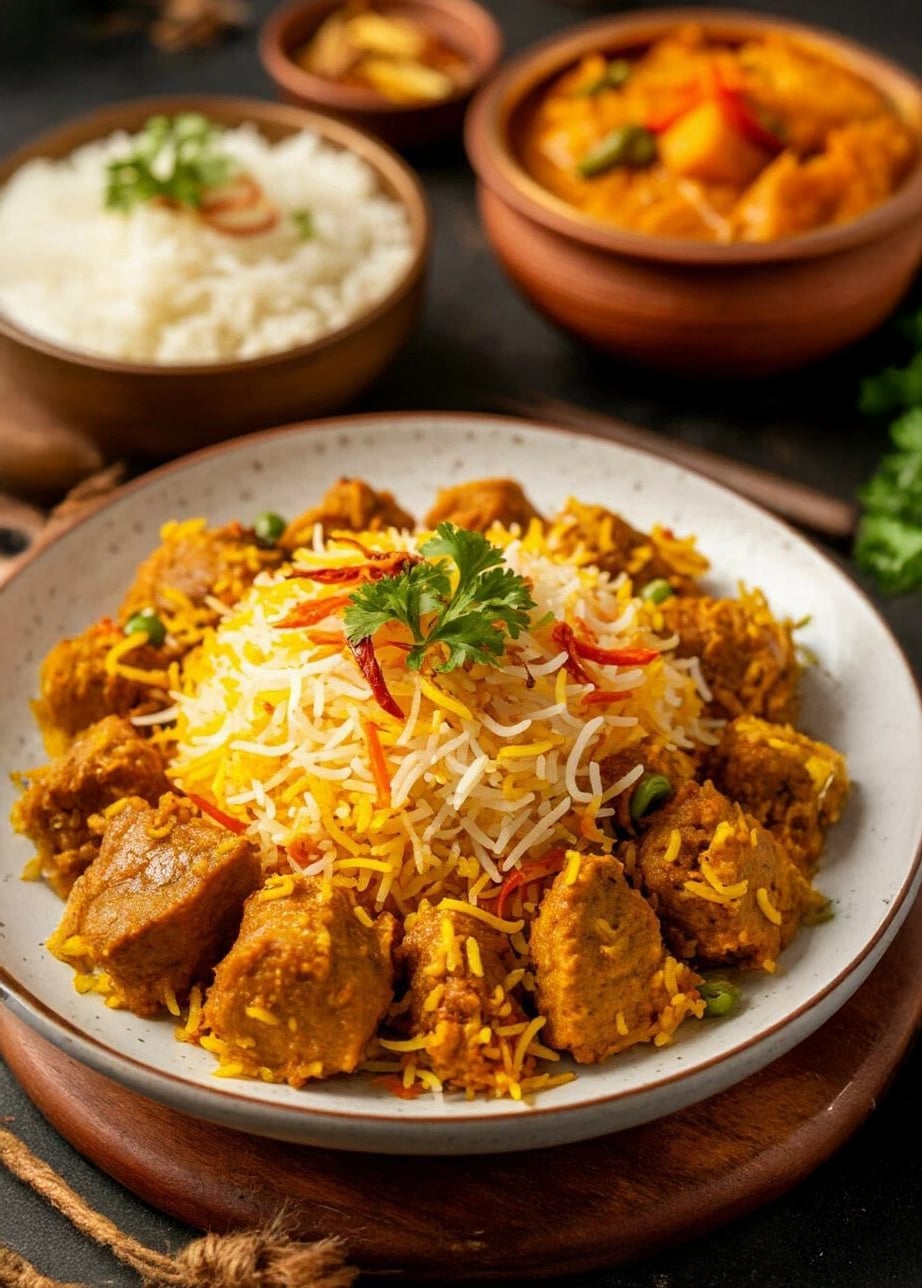
Harvesting saffron requires enormous amounts of manual labor, helping transform a simple spice into one of the most expensive food products on Earth.
10. Artisanal Bread Became a Premium Product
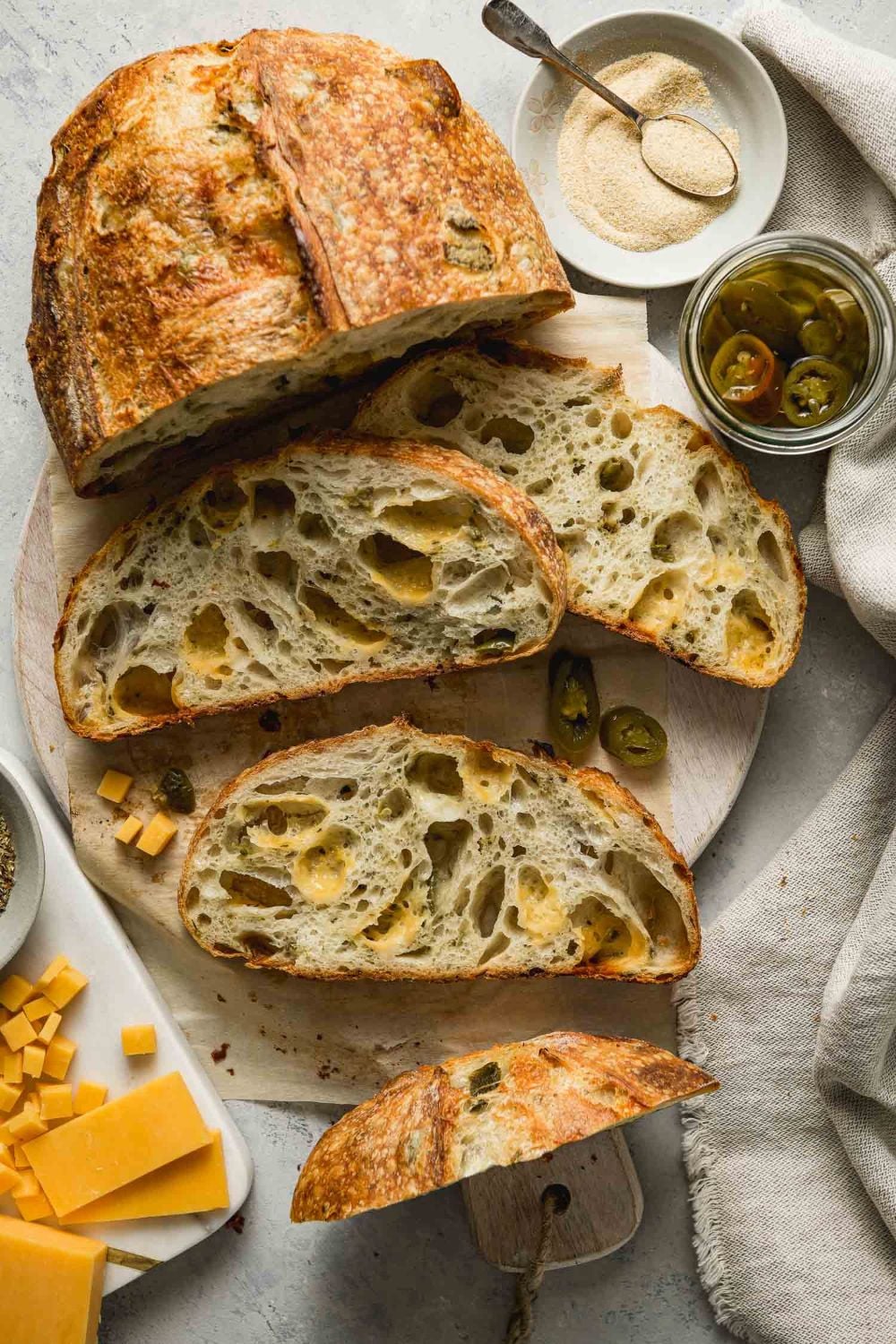
Bread has long been one of the most basic foods in human history. Yet specialty bakeries and handcrafted methods transformed certain loaves into luxury purchases.
11. Chocolate Evolved From a Simple Drink to a Gourmet Industry
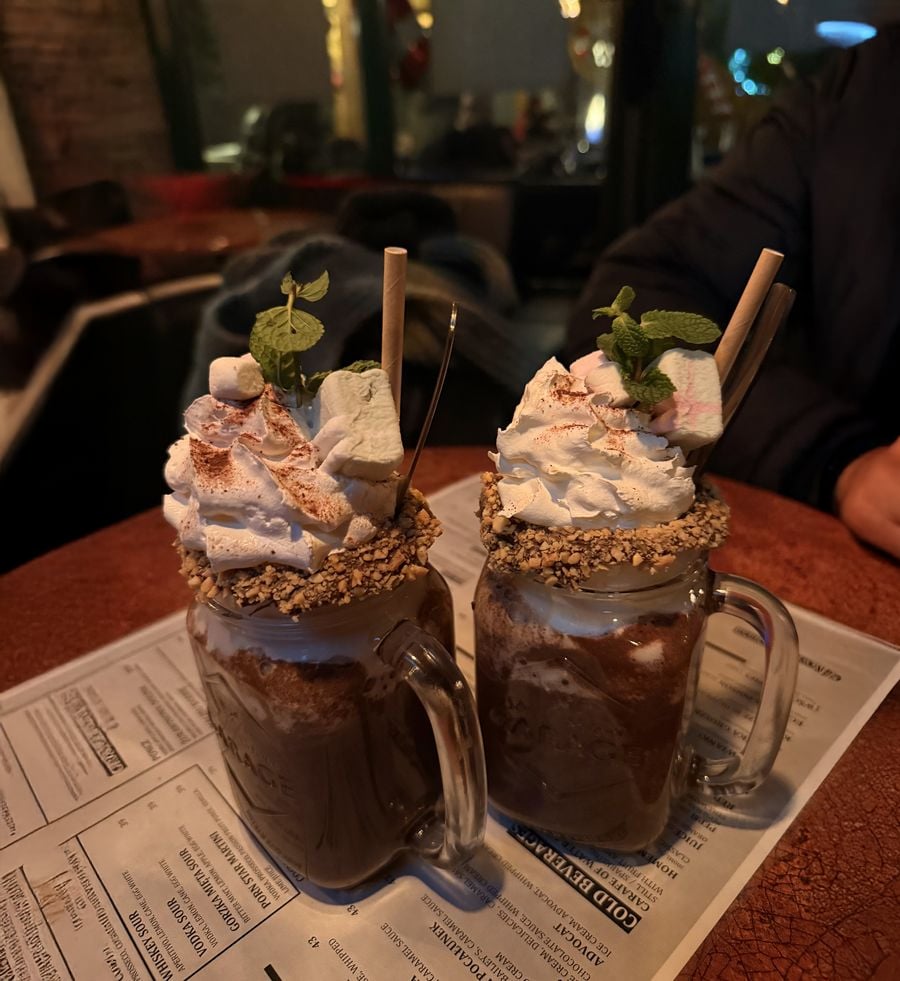
Chocolate was once consumed mainly as a bitter beverage. Over centuries, it developed into an enormous luxury market featuring premium beans, limited editions, and artisan brands.
Keep Reading About Foods That Changed Status Over Time
• 10 Historic Foods That Were Created by Accident
Some of the world’s most popular foods only exist because of mistakes, lucky discoveries, and unexpected kitchen experiments
- 12 Food Trends That Exploded Thanks to the Internet
Social media transformed ordinary foods into global obsessions almost overnight. These trends spread far beyond restaurants and into everyday life