
The 1990s weren’t just about Tamagotchis and dial‑up internet, they quietly laid the foundation for how wealth is shaped today. This decade’s trends still ripple through modern finance, fashion, and lifestyle industries. What seemed like fleeting obsessions have evolved into billion‑dollar markets and investment strategies. In revisiting these 12 iconic ’90s moments, we uncover how nostalgia and innovation continue to fuel wealth creation in surprising ways.
1. Dot-Com Boom

The explosion of internet startups in the 1990s laid the foundation for today’s tech giants. Companies like Amazon and eBay began as small ventures but grew into global powerhouses, proving that digital innovation could generate massive wealth.
2. Hip-Hop’s Commercial Rise
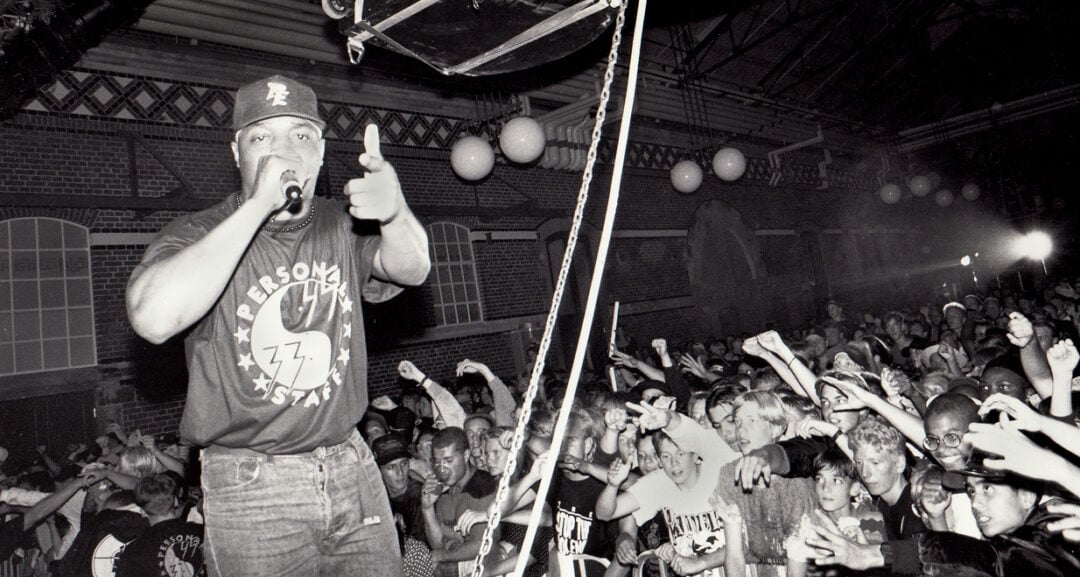
Hip-hop transitioned from underground culture to mainstream dominance in the ’90s, creating billion-dollar empires. Artists like Jay-Z and Dr. Dre influenced music into fashion, media, and business ventures, shaping modern wealth-building strategies.
3. Grunge Fashion

Grunge’s thrift-store aesthetic influenced sustainable fashion and resale markets. Today, vintage clothing and secondhand platforms thrive, turning nostalgia into profitable business models. It also inspired high-fashion designers to embrace raw, unpolished looks on global runways.
4. Reality TV Beginnings

Shows like The Real World pioneered reality entertainment, which evolved into a global industry. Reality stars now monetize fame through endorsements, social media, and brand empires, proving the wealth potential of personality-driven content.
5. Gaming Revolution

Nintendo, PlayStation, and Sega defined ’90s gaming, sparking an industry that now rivals Hollywood. Esports, streaming, and retro game markets continue to build wealth from that foundation. The nostalgia-driven revival of classic consoles shows how past innovations keep fueling profits.
Trending on Wealth Gang


6. Supermodels & Celebrity Branding
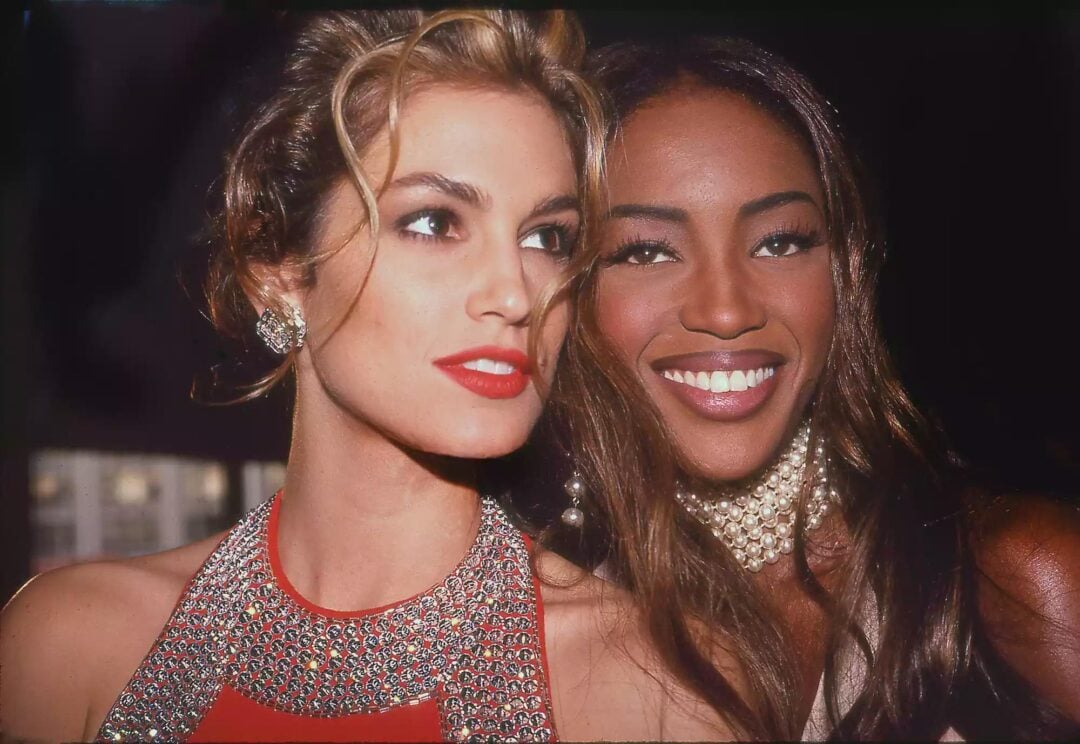
The “supermodel era” showed how personal branding could be monetized. Figures like Naomi Campbell and Cindy Crawford paved the way for influencers who nowadays turn image into income streams. Their crossover into film, TV, and business proved beauty could be a global enterprise.
7. Coffeehouse Culture
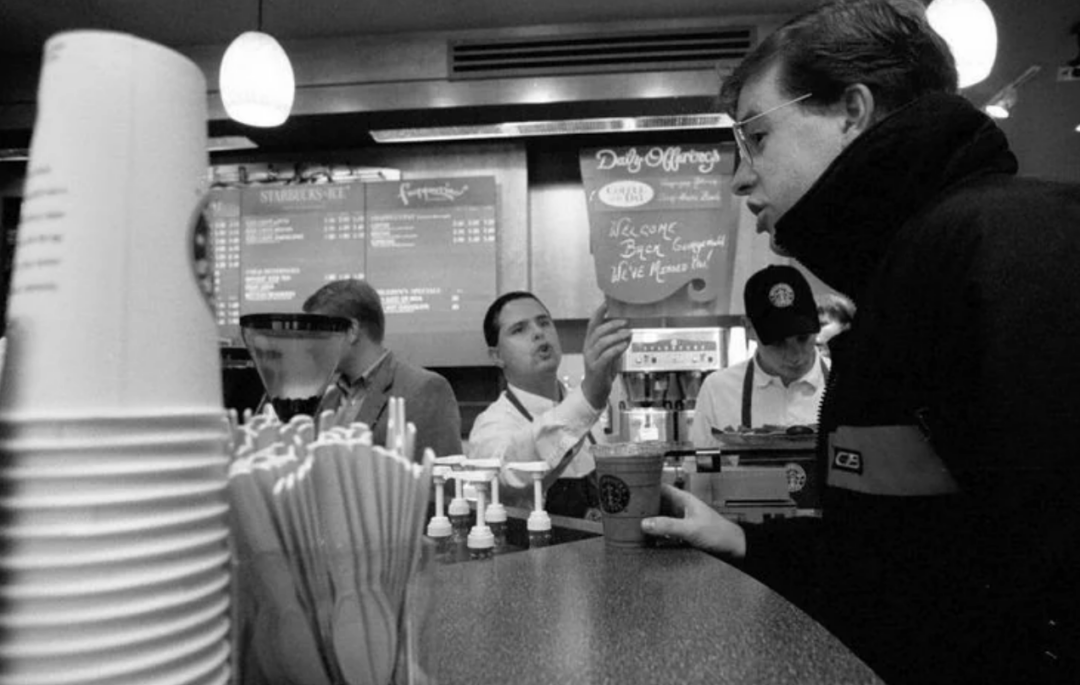
Starbucks’ ’90s expansion made coffee culture a lifestyle. Today, premium cafés and artisanal coffee brands thrive, turning everyday habits into lucrative businesses. Coffeehouses also became creative hubs, shaping modern work and social culture.
8. Collectible Craze
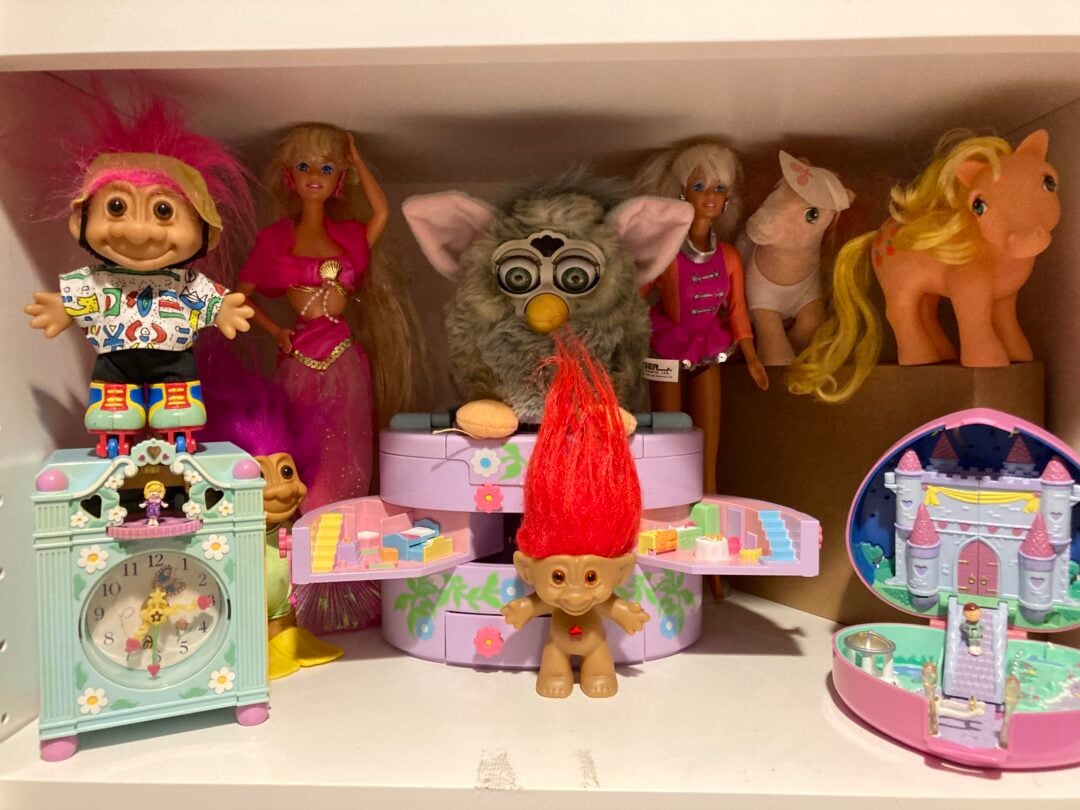
Beanie Babies, Pokémon cards, and comic books became ’90s obsessions. Collectibles now fuel billion-dollar markets, with rare items functioning as alternative investments. Digital collectibles like NFTs echo this trend, merging nostalgia with new technology.
Sign up for our newsletter
9. Extreme Sports

The rise of skateboarding, snowboarding, and X Games in the ’90s created new industries. Sponsorships, gear, and lifestyle branding continue to generate wealth from these once-niche activities. Extreme sports also influenced fashion and music.
10. Cable TV

The ’90s cable boom introduced specialized channels like MTV and ESPN. This model evolved into streaming platforms, where niche content drives subscriptions and revenue. The fragmentation of audiences laid the groundwork for today’s algorithm-driven entertainment economy.
11. Teen Pop Explosion

The rise of Britney Spears, Backstreet Boys, and NSYNC in the 1990s showed how youth-driven music could dominate global markets. Their merchandising and touring models set the blueprint for today’s popstars such as Olivia Rodrigo or Tate McRae.
12. Fast Food Globalization

Chains like McDonald’s and Pizza Hut expanded in the ’90s, expanding Western fast food into global culture. Their franchising model remains a cornerstone of wealth creation. The rise of delivery apps shows how that ’90s expansion paved the way for today’s digital-first food empires.
From the dot-com boom to the rise of hip-hop, each moment proved that identity, nostalgia, and innovation could be monetized. Revisiting these iconic ’90s shifts reminds us that wealth creation is not just about capital, it is about capturing cultural energy and constantly reinventing the past for the future.