

We rely on countless everyday objects without thinking twice about what’s happening behind the scenes. From the moment we wake up to the time we go to sleep, we interact with technology and systems that feel simple but are actually built on complex processes. The convenience is so seamless that most of us never stop to question how these things actually function. What makes these items interesting is not just their utility, but the hidden layers of design, science, and engineering that make them possible. Understanding them doesn’t require technical expertise, just a bit of curiosity. Once you start looking closer, even the most ordinary things reveal surprisingly sophisticated mechanisms.
1. WiFi
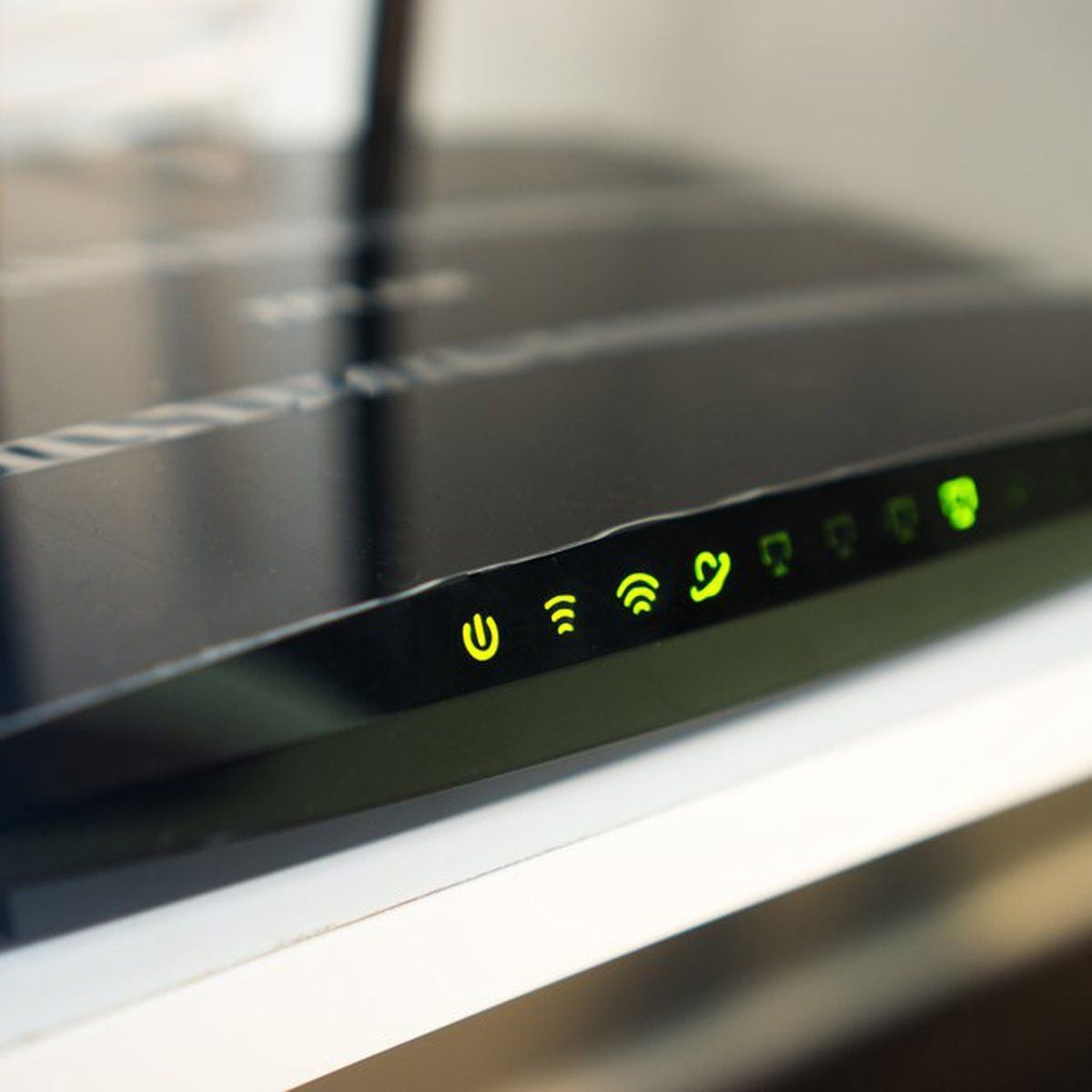
WiFi works by sending data through radio waves instead of physical cables. Your router acts as a hub, translating internet data into signals that your devices can receive and decode. These signals travel through the air at specific frequencies, allowing multiple devices to stay connected at once. Even though it feels instant, there’s constant back-and-forth communication happening every second.
2. Touchscreens

Most modern touchscreens use capacitive technology, which detects the electrical properties of your skin. When you touch the screen, it disrupts an electrostatic field, and the device calculates the exact location of that change. This allows for gestures like swiping, pinching, and tapping to be interpreted instantly.
3. GPS
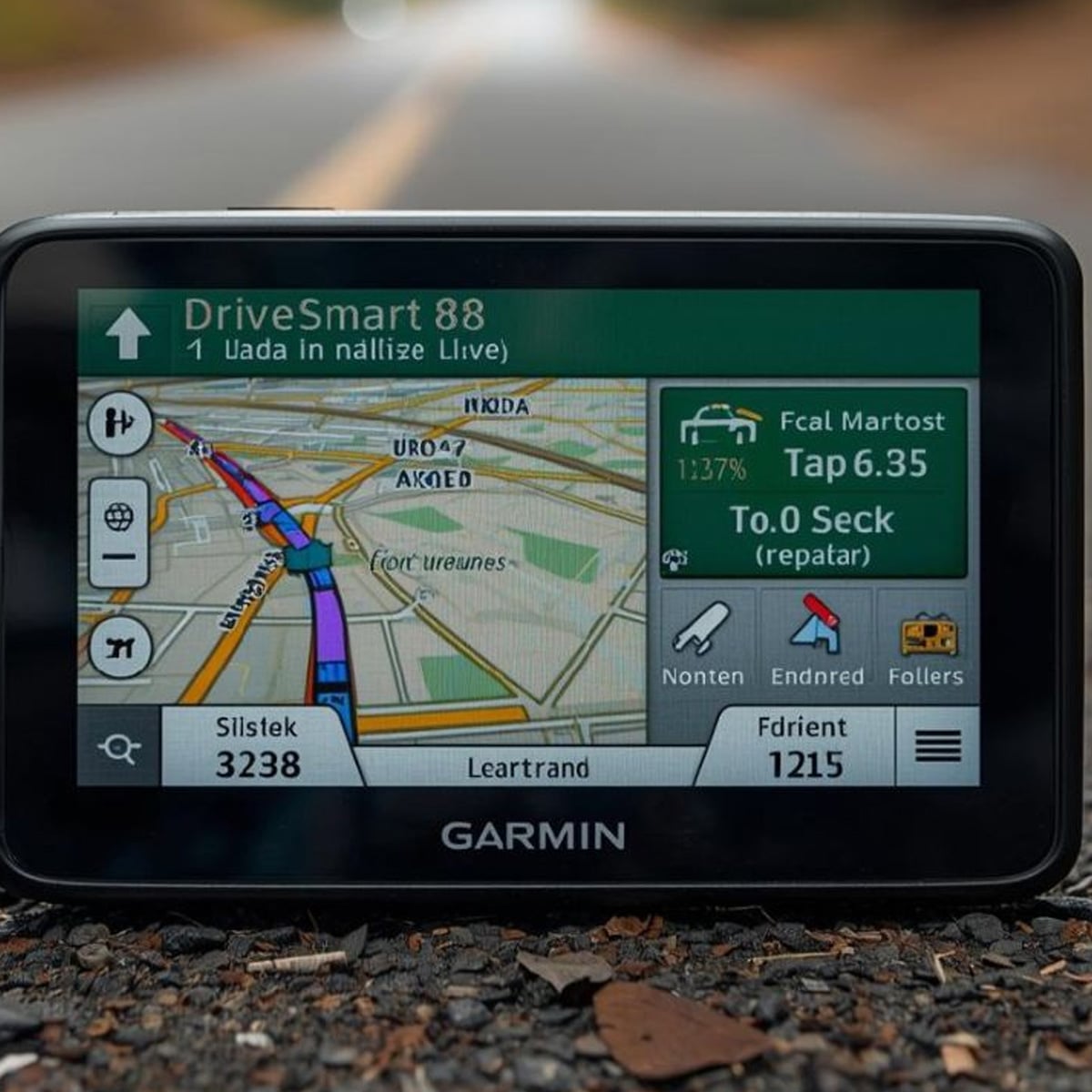
GPS relies on a network of satellites orbiting Earth. Your phone calculates its position by measuring the time it takes for signals from multiple satellites to reach it. By comparing at least four signals, it can determine your exact location with impressive accuracy, often within just a few meters.
4. Elevators

Elevators operate using a system of cables, pulleys, and counterweights. The counterweight balances the load, making it easier for the motor to move the elevator up and down. Modern elevators also use advanced control systems to optimize routes and reduce waiting time, especially in busy buildings.
5. Credit Cards

When you use a credit card, the chip or magnetic strip communicates with the payment terminal to send encrypted data. This information travels through a network that verifies your identity, checks available funds, and approves the transaction, all within seconds. Contactless payments add another layer by using near field communication.
Trending on Wealth Gang


6. Microwaves

Microwaves heat food by emitting electromagnetic waves that excite water molecules inside it. As these molecules vibrate, they generate heat, warming the food from the inside out. This is why items with more moisture heat faster than dry ones.
7. Bluetooth

Bluetooth allows devices to communicate over short distances using radio waves. Once paired, devices exchange data through a secure connection, often hopping between frequencies to avoid interference. This is what lets your headphones, speakers, and smartwatch stay connected without wires.
8. Refrigerators

Refrigerators don’t create cold air; they remove heat. A refrigerant circulates through coils, absorbing heat from inside the fridge and releasing it outside. This continuous cycle keeps the interior cool and preserves food longer.
Sign up for our newsletter
9. Automatic Doors

Automatic doors use motion sensors or infrared technology to detect movement. When someone approaches, the sensor triggers a motor that slides the doors open. The system constantly monitors the area to ensure the doors don’t close while someone is still passing through.
10. Barcodes

Barcodes store information in patterns of lines and spaces. When scanned, a laser reads these patterns and converts them into digital data that identifies the product. This allows stores to track inventory and process purchases quickly and accurately.
11. Airplane Mode

Airplane mode disables your device’s wireless communication features, including cellular, WiFi, and Bluetooth. This prevents interference with aircraft systems during flights. Even on the ground, it’s a useful way to save battery or disconnect without turning your phone off.
More Related Notes
- 10 Ways Technology Is Deciding for You
A look at how everyday tools and systems quietly shape your choices, often without you realizing it. - 10 Technologies That Seemed Like Science Fiction 15 Years Ago
This article explores technologies once thought to belong in science fiction that have become part of everyday life in just 15 years. - 15 Things Technology Promised And Never Fully Delivered
A broader perspective on how technology works in practice versus expectations, adding context to tools we use daily.