
For many Americans, financial trouble doesn’t start with a major expense, a job loss, or an emergency. Sometimes, it starts with daily purchases. A monthly subscription, a food delivery, or a few small payments on a new gadget can eat away at a household budget. With the cost of housing, insurance, and other costs, even everyday spending habits that once seemed manageable can become hard to sustain.
These expenses may not look alarming, but together they can drain savings, increase debt, and leave families with less money. Here are 12 everyday purchases that are becoming financial traps and why paying attention to them is important.
1. Food Delivery Apps
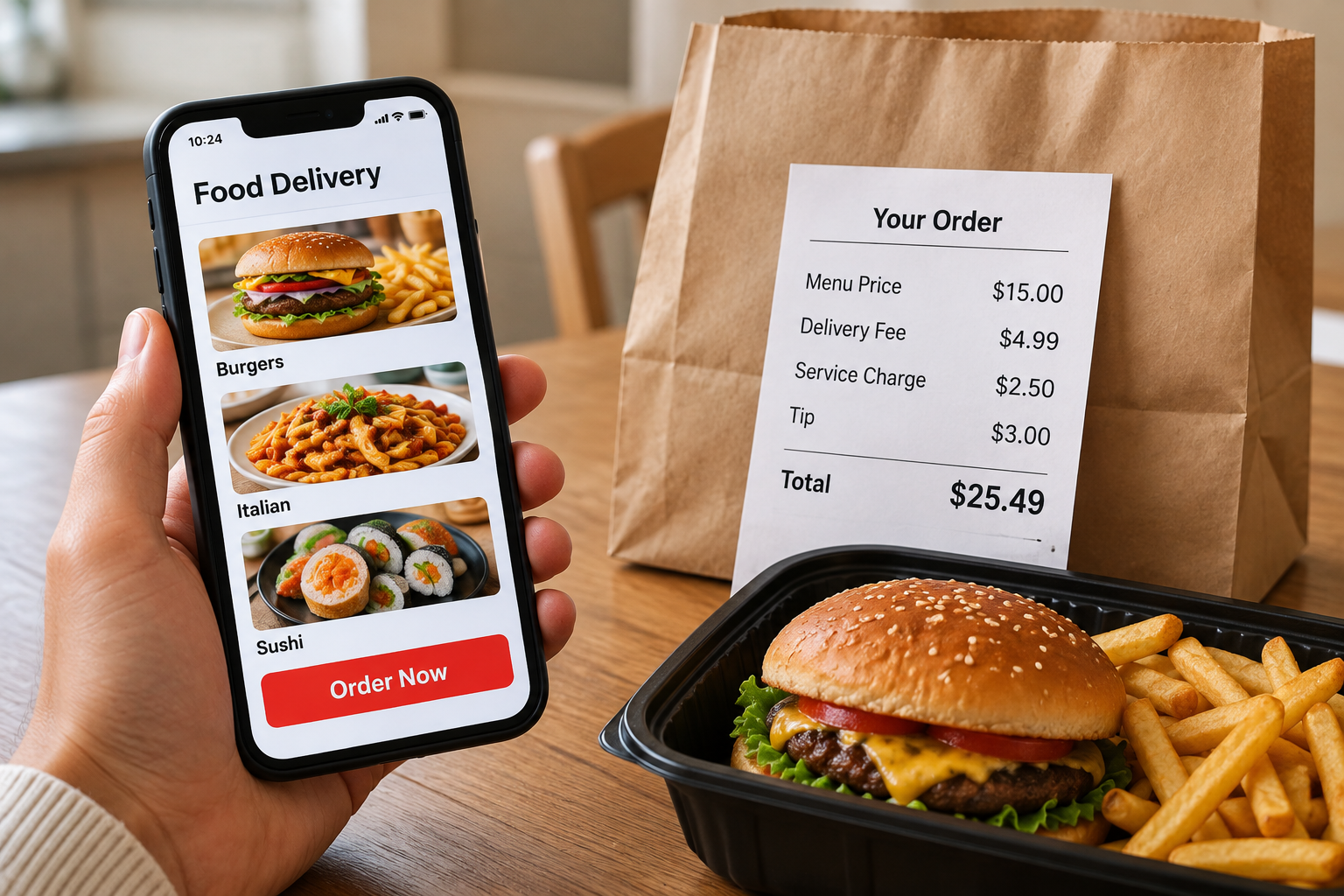
Food delivery apps are easy to use, but tips and higher food prices can make meals more expensive. Ordering frequently can cost hundreds of dollars each month, so cooking at home or picking up food can save money.
2. Buy Now, Pay Later Services
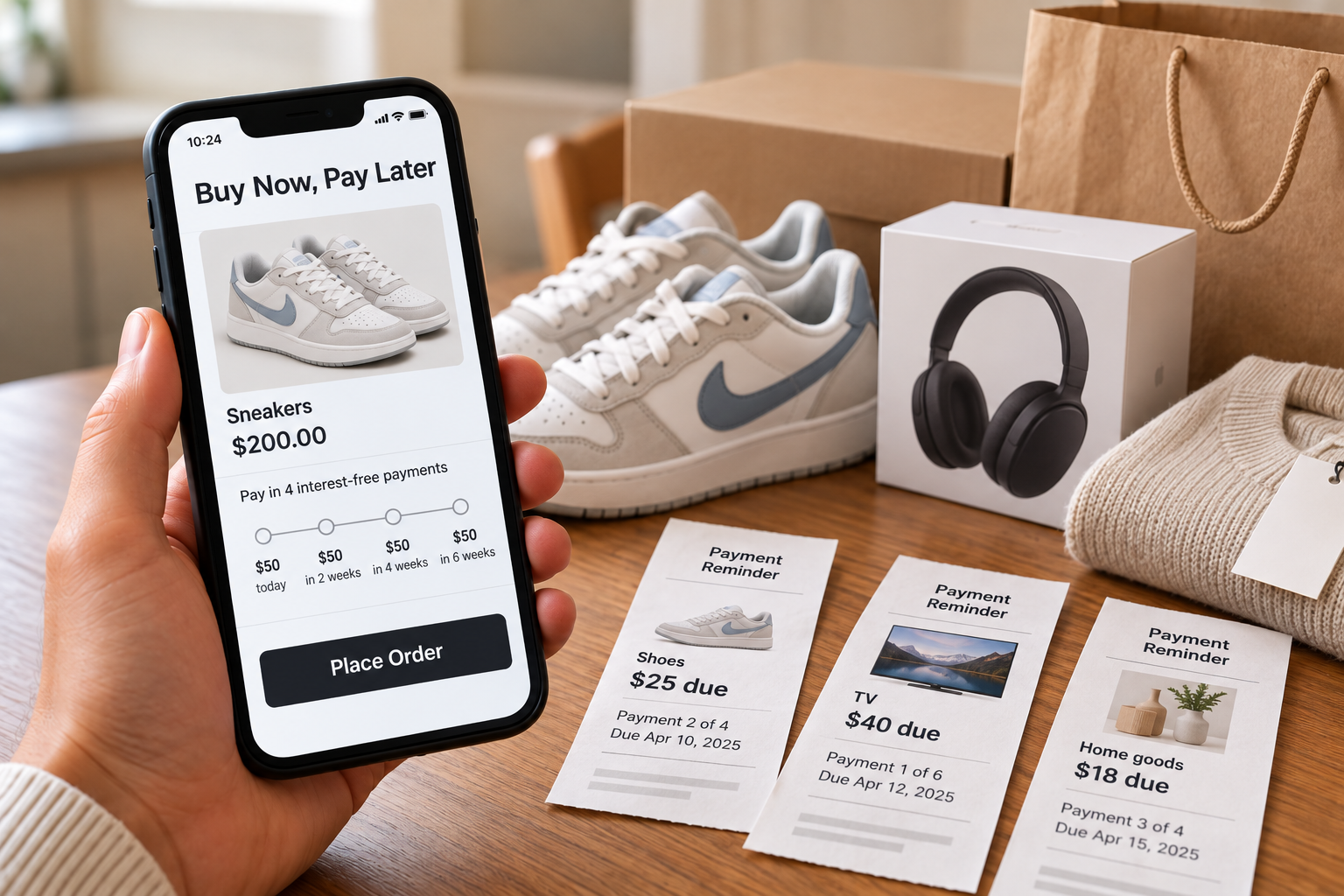
Buy now, pay later services let people split a purchase into smaller payments. This can make things cheaper, but using several payment plans at the same time can make it hard to keep track of bills and may lead to extra fees.
3. Subscription Services
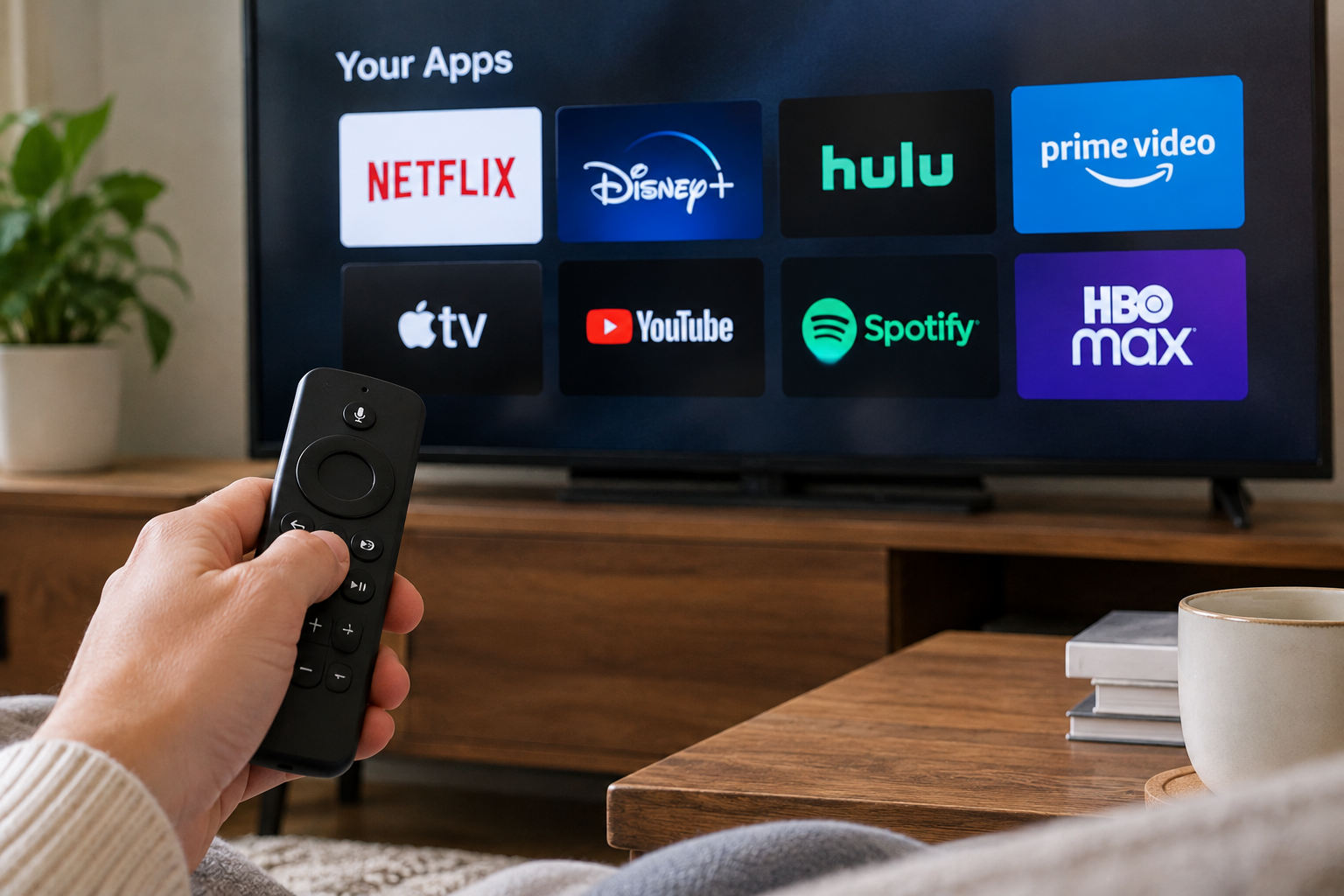
Subscriptions for streaming, music, and other services can become expensive when people forget about them. Checking monthly bills and canceling services can help save money.
4. Expensive Coffee & Specialty Drinks
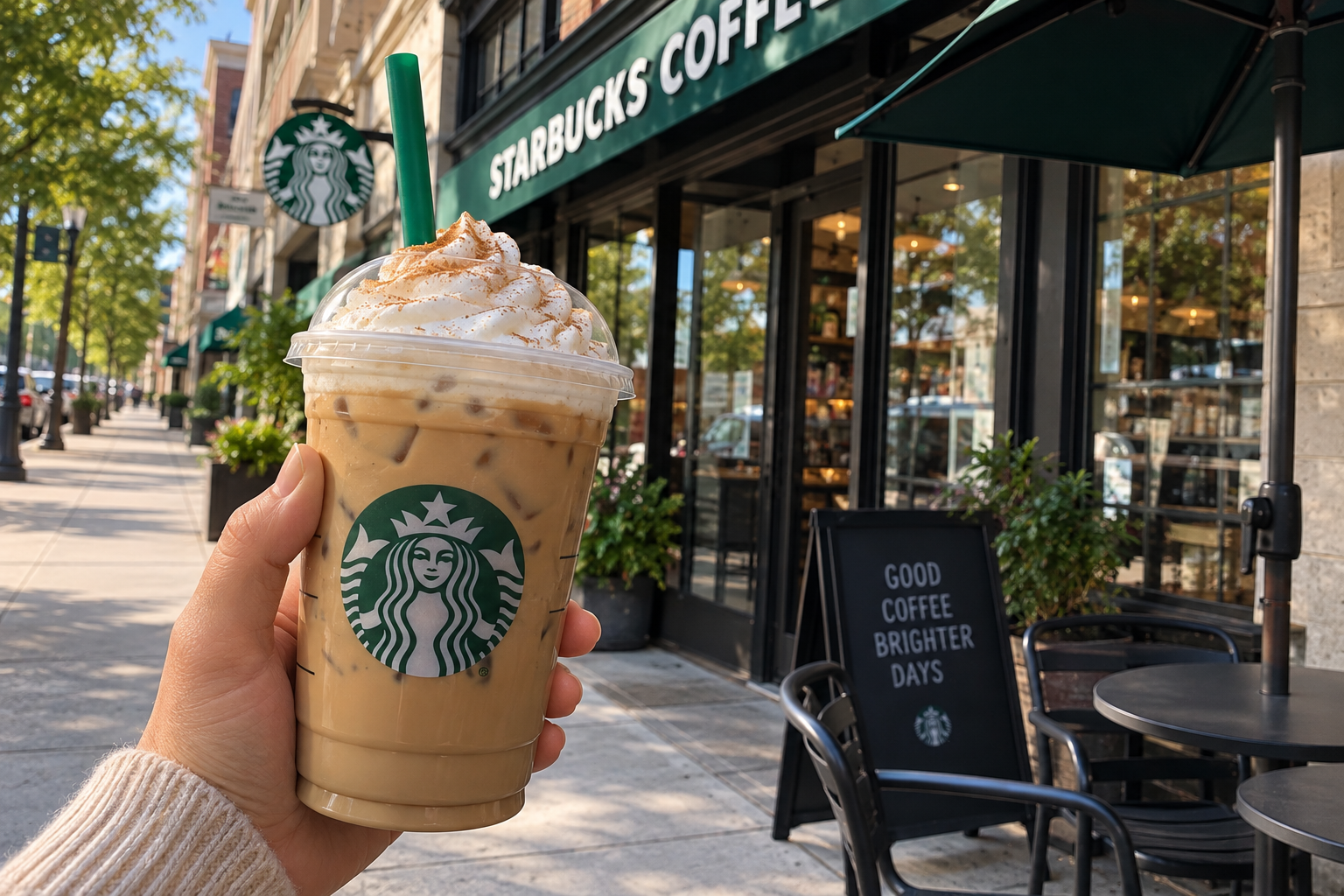
Buying coffee or specialty drinks may not seem expensive at first, but the cost can add up. Making drinks at home most days and buying coffee out only sometimes can help lower spending.
5. Car Payments

A new car can bring years of monthly payments, and the full cost also includes gas, insurance, repairs, and other expenses. Buying a used one can be a cheaper choice.
Trending on Wealth Gang


6. Bottled Water

Buying bottled water and other drinks can become expensive over time. Carrying a reusable water bottle or buying drinks in larger packs can help reduce the cost.
7. Fast Fashion & Impulse Clothing Purchases

Cheap clothes may seem like a good deal, but buying many items that are rarely worn can waste money.
8. Gym Memberships
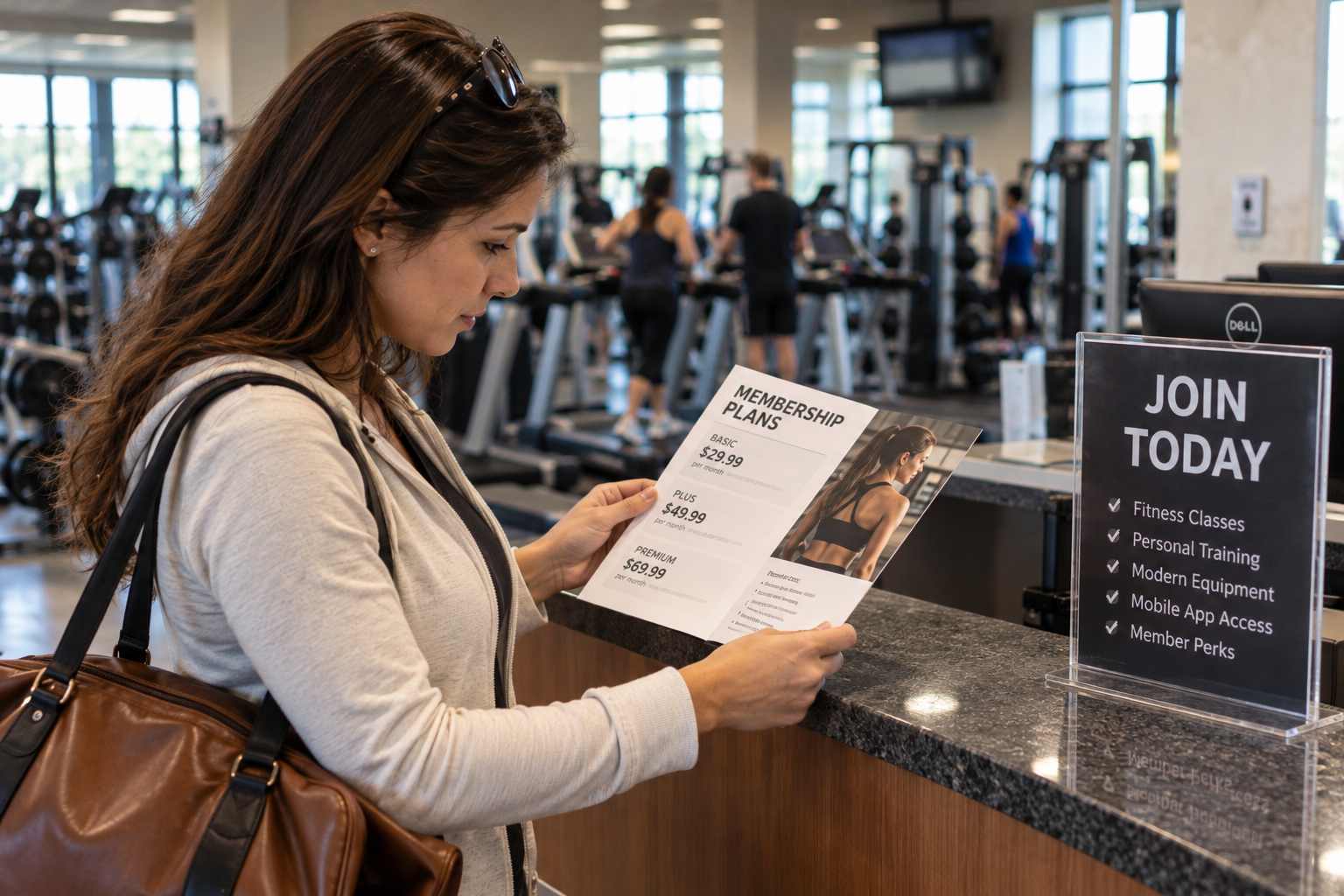
Gym memberships, fitness watches, apps, and exercise equipment can be expensive if they are not used often. Free activities such as walking or running may be enough for many people.
Sign up for our newsletter
9. Extended Warranties & Protection Plans
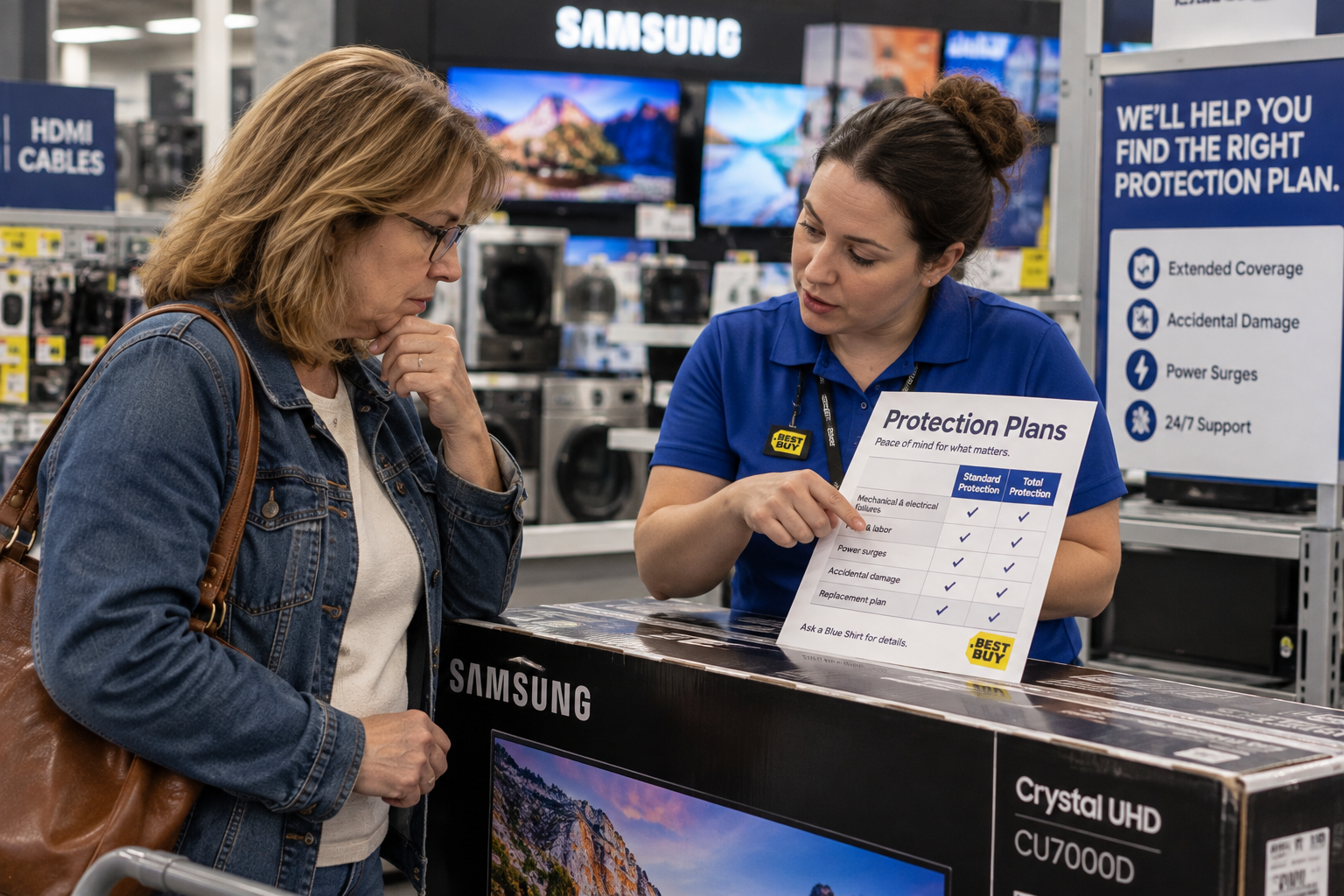
Stores offer protection plans for electronics and other products. These plans can be useful, but people should check what they cover because they may pay extra for protection they already have.
10. Premium Phone Plans

Expensive phone plans, insurance, and frequent upgrades can make owning a smartphone cost much more. Keeping a phone longer and choosing a plan that matches actual needs can help save money.
11. Grocery Convenience Foods

Prepared meals, small snack packs, and ready-to-eat foods often cost more than basic ingredients. Buying foods in bulk and preparing snacks at home can lower grocery costs.
12. Online Purchases & Free-Shipping Deals
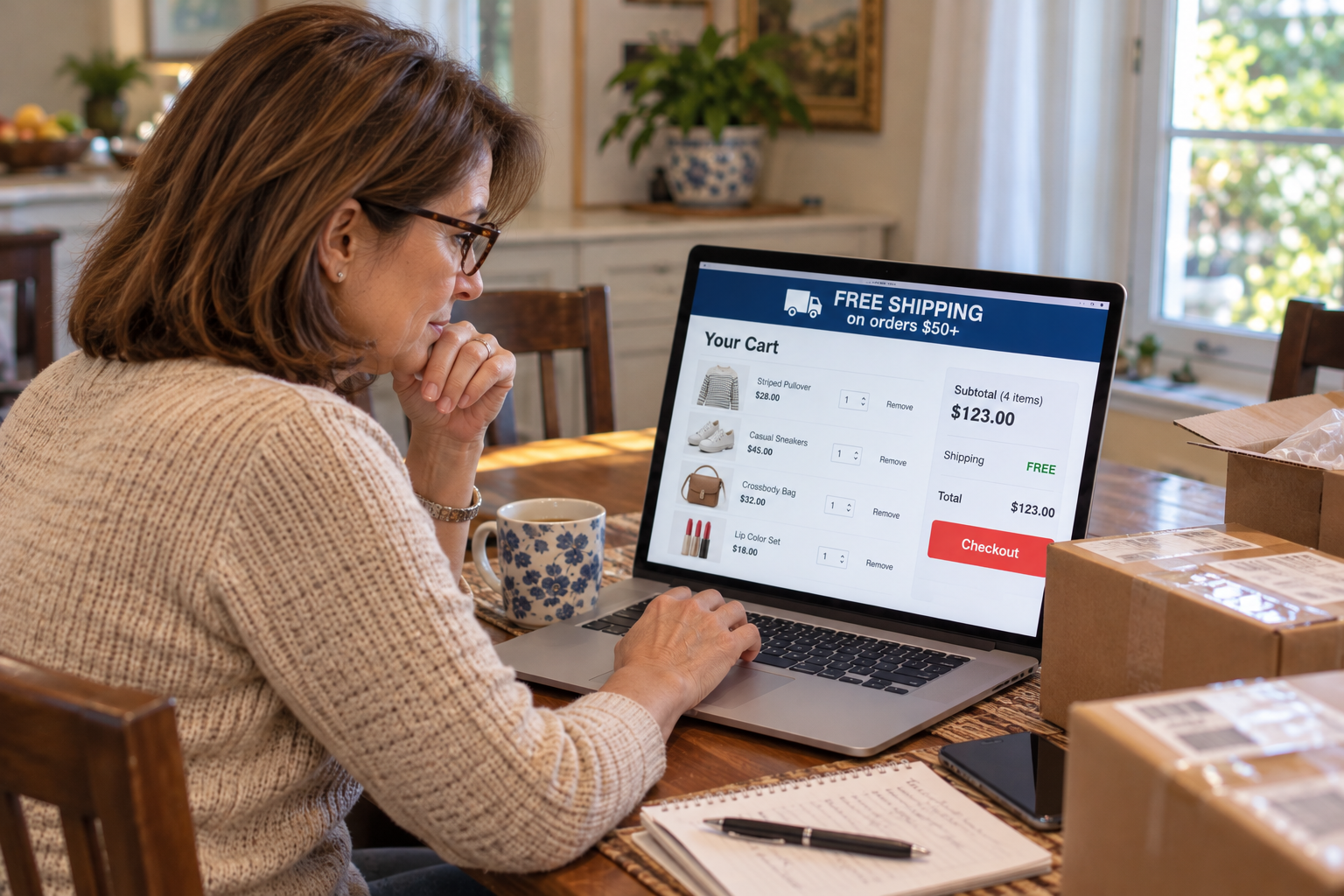
Online purchases can add up, especially when shoppers buy extra things just to get free shipping. Waiting before buying and checking the full cost of an order helps prevent unnecessary costs.
You might also like:
Don’t miss 15 Child Stars From the 1980s Who Quietly Built Lasting Wealth, a look at how some of the decade’s most beloved young actors turned early fame into fortunes. You’ll also want to check out 14 Money Habits That The Wealthy Swear By, a breakdown of the financial habits that set the rich apart. Lastly, dive into 19 Money Habits That Will Make You Richer in 2026, with simple strategies for saving, investing, and building real wealth.