

As we step into 2026, wealth isn’t built on luck or chasing big wins: it’s created through the small, consistent money habits you practice every day. While new technologies, shifting markets, and fresh opportunities are reshaping the financial landscape faster than ever, the timeless truth remains: how you spend, save, and invest will define your future. By mastering the basics and making informed daily choices, you can safeguard your financial security and achieve lasting prosperity. These 19 simple habits are your roadmap for keeping more of your money, growing it wisely, and building true wealth in the year ahead.
1. Track Every Expense

Wealth starts with awareness. By recording every purchase, whether it’s a coffee or a subscription, you’ll see where your money truly goes and uncover hidden leaks that can be redirected toward savings or investments. Over time, this habit builds financial clarity and control.
2. Automate Your Savings
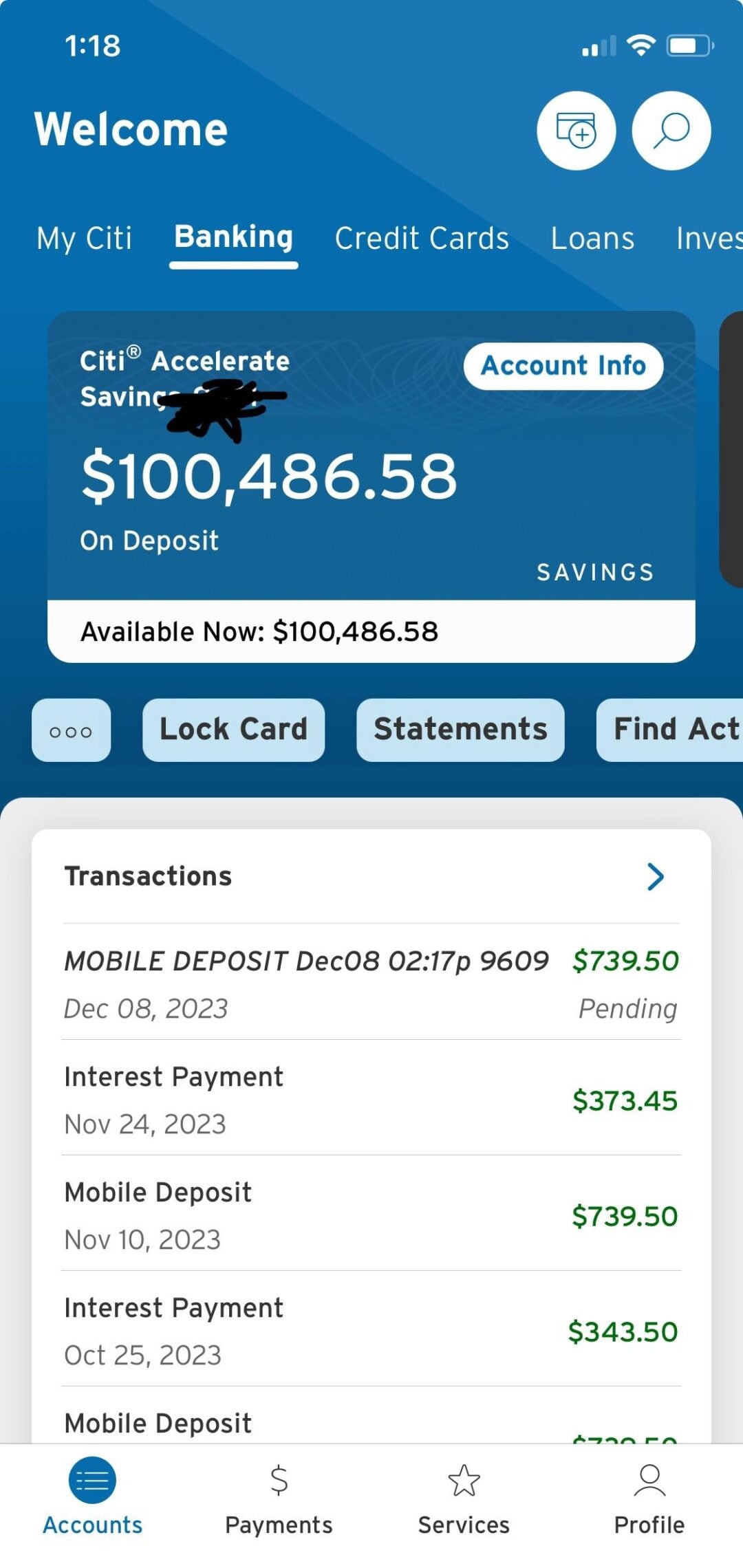
Set up automatic transfers to a savings or investment account right after payday. This “pay yourself first” approach ensures you consistently build wealth. It turns saving into a default behavior instead of a decision.
3. Invest in Index Funds
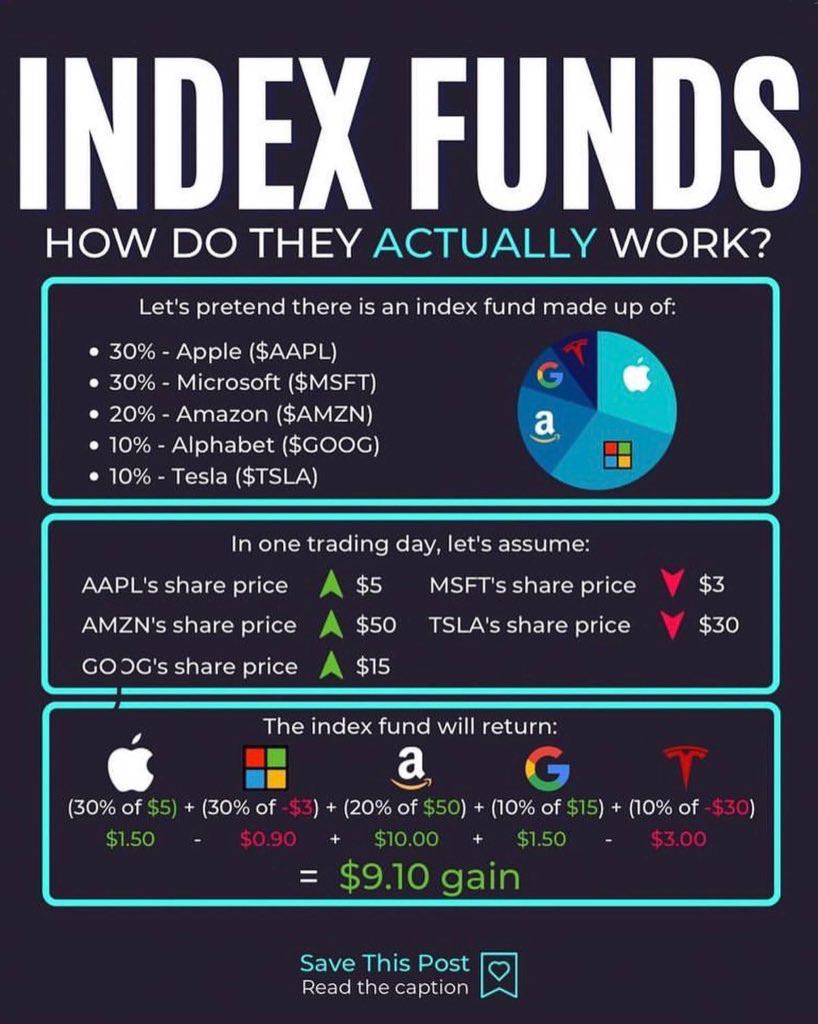
Skip the guesswork of picking individual stocks. Low‑cost index funds spread your risk across the market and steadily grow your money over time. They are a simple way to harness the power of compounding.
4. Cut Subscriptions

Audit your monthly subscriptions and cancel those you rarely use. Small recurring charges add up, and cropping them frees cash for more meaningful goals. Think of it as decluttering your finances.
5. Use Cash‑Back and Rewards Wisely

Leverage credit card rewards or cash‑back programs, but only if you pay balances in full each month. This way, perks become free money instead of costly debt. Smart use of rewards can add hundreds back to your pocket annually.
Trending on Wealth Gang


6. Build an Emergency Fund
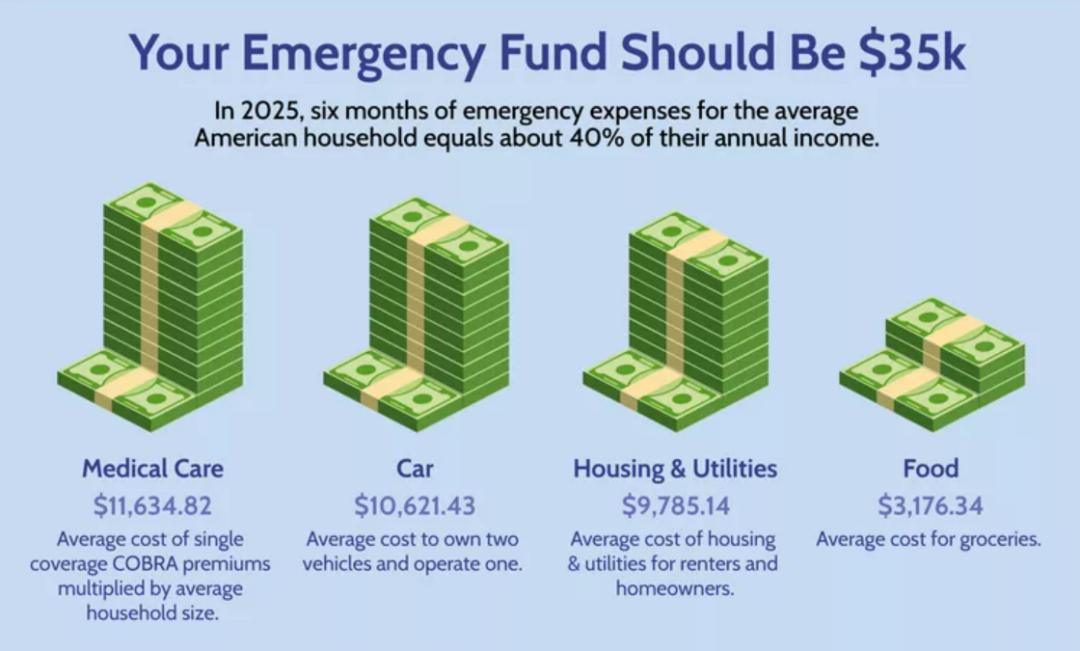
Keep three to six months of expenses in a liquid account. This safety net prevents you from immersing into investments or going into debt when life throws surprises. It’s the foundation of financial resilience.
7. Practice the 24‑Hour Rule

Delay non‑essential purchases for at least a day. This pause restrains impulse spending and helps you decide if the item truly adds value. Most “must‑haves” fade when given time to think.
8. Round Up Savings Apps
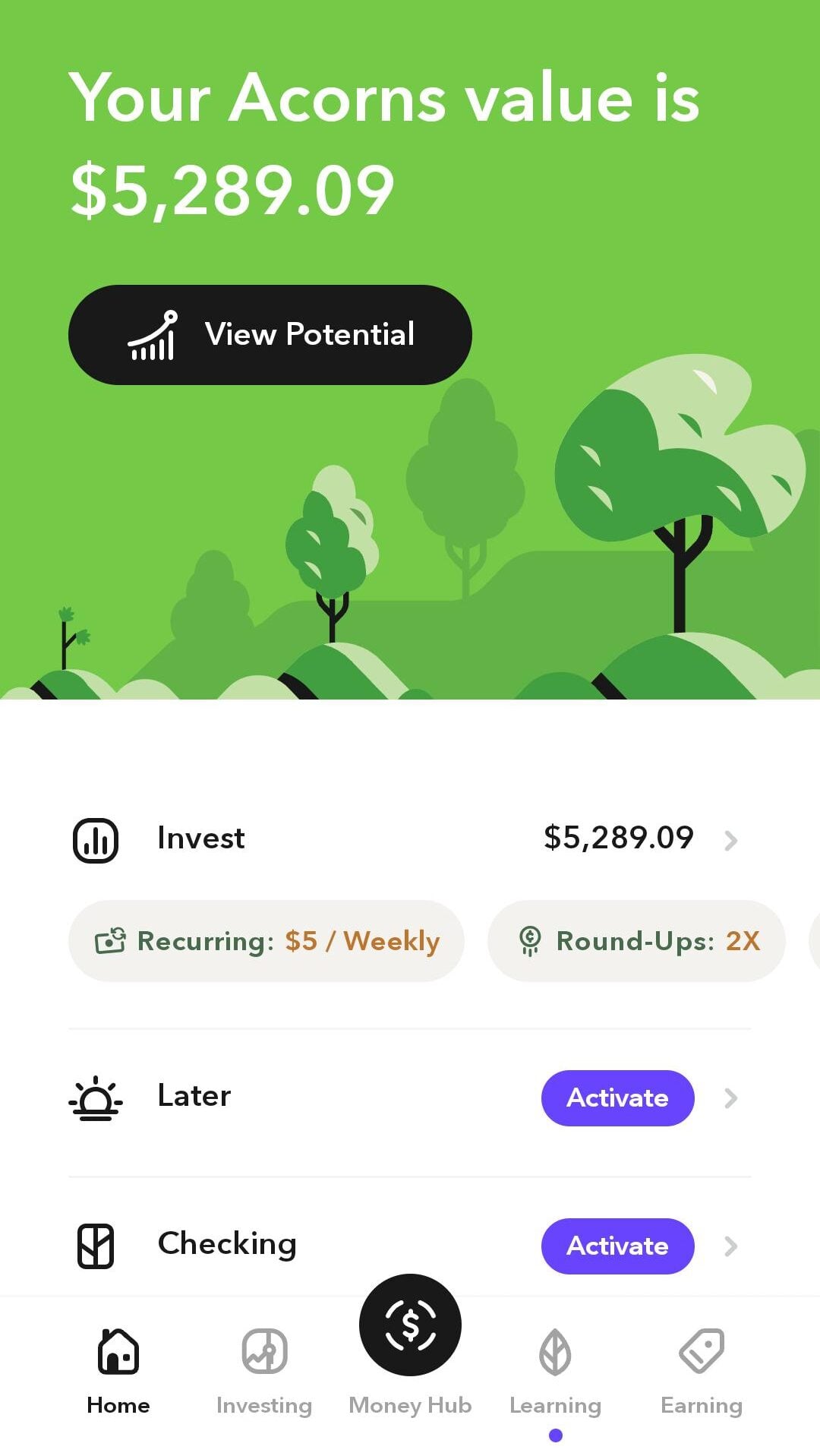
Use apps that round up purchases and store the difference. These micro‑savings accumulate quietly into meaningful amounts over time. It’s like building wealth in the background of your life.
Sign up for our newsletter
9. Negotiate Bills Annually

Call service providers,like internet or insurance, once a year to ask for better rates. A few phone calls can save hundreds without changing your lifestyle. Companies often lower prices just to keep loyal customers.
10. Invest in Skills

Assign part of your budget to courses or certifications. The return on self‑improvement often outpaces traditional investments by boosting your earning power. Your skills are assets that appreciate over time.
11. Meal Prep to Save

Cooking at home and preparing meals reduces food costs dramatically. It also improves health, which saves money on medical expenses long term. Every packed lunch is money kept in your account.
12. Avoid Lifestyle Inflation
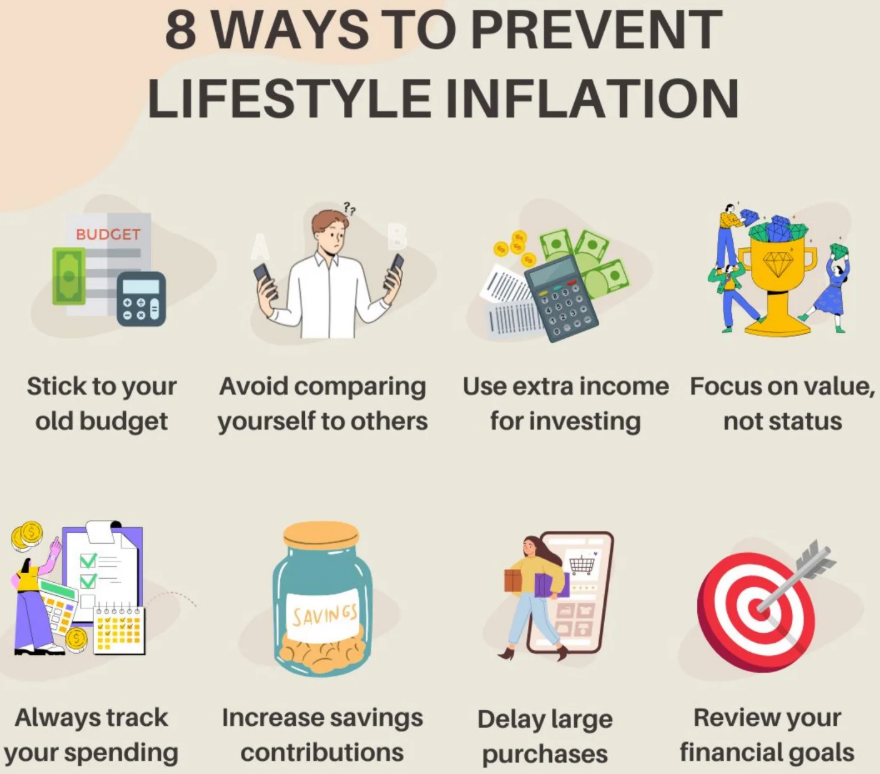
When your income rises, resist upgrading everything. Instead, keep expenses steady and funnel the extra cash into savings or investments. This discipline accelerates wealth far faster than spending upgrades.
13. Use Separate Accounts for Goals
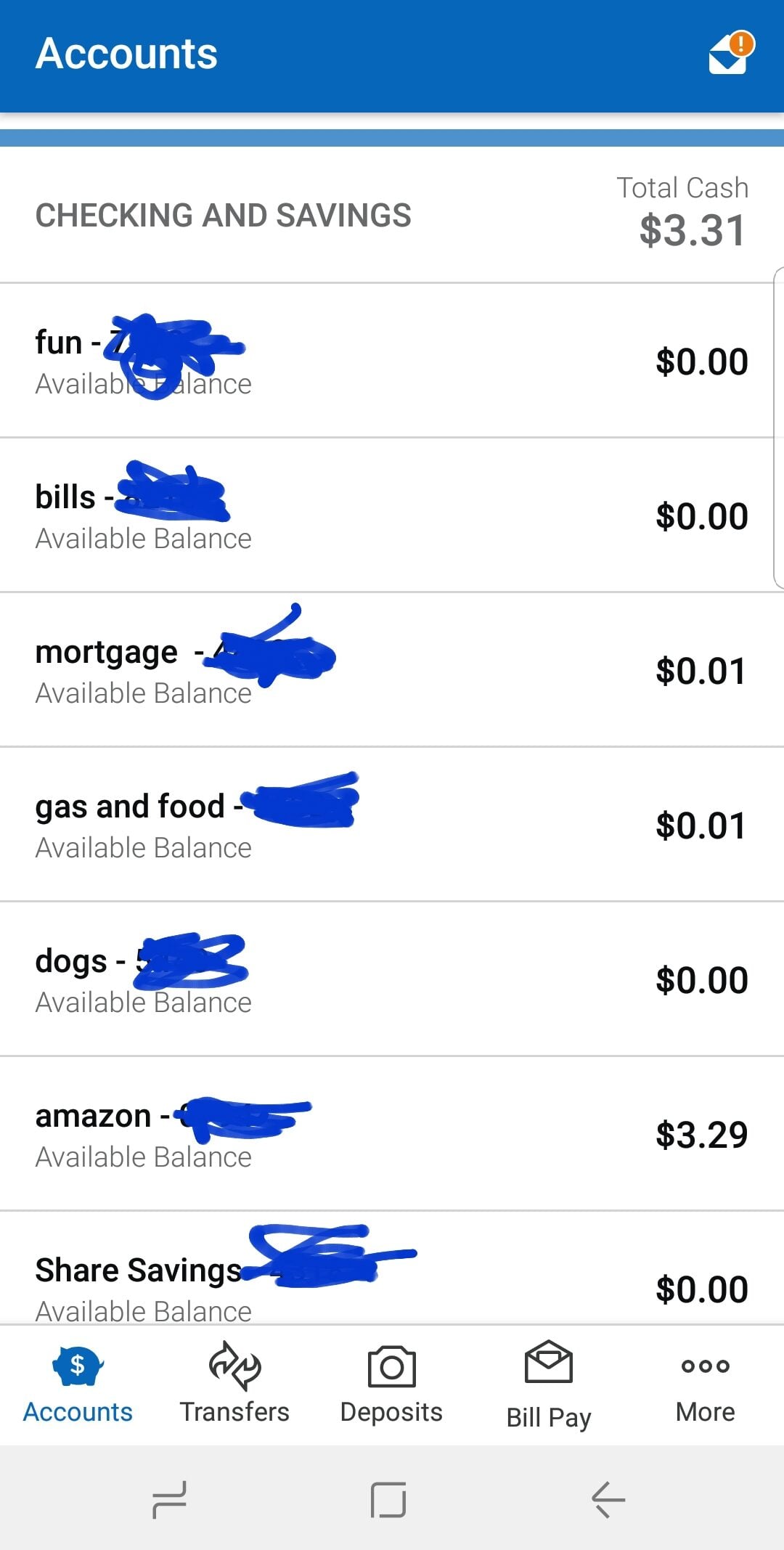
Create dedicated accounts for travel, retirement, or big purchases. Labeling money for specific goals makes saving more intentional and harder to raid impulsively. It turns abstract dreams into tangible progress.
14. Check Net Worth Monthly

Track assets minus liabilities each month. Watching your net worth grow keeps you motivated and highlights areas where you need to adjust. It’s the scoreboard of your financial journey.
15. Automate Debt Payments

Set automatic payments above the minimum for loans or credit cards. This reduces interest faster and keeps you on track without effort. Consistency chips away at debt until it disappears.
16. Buy Quality, Not Quantity

Invest in durable items instead of cheap replacements. Spending a bit more upfront often saves money in the long run. Quality purchases reduce waste and recurring costs.
17. Use the 50/30/20 Rule
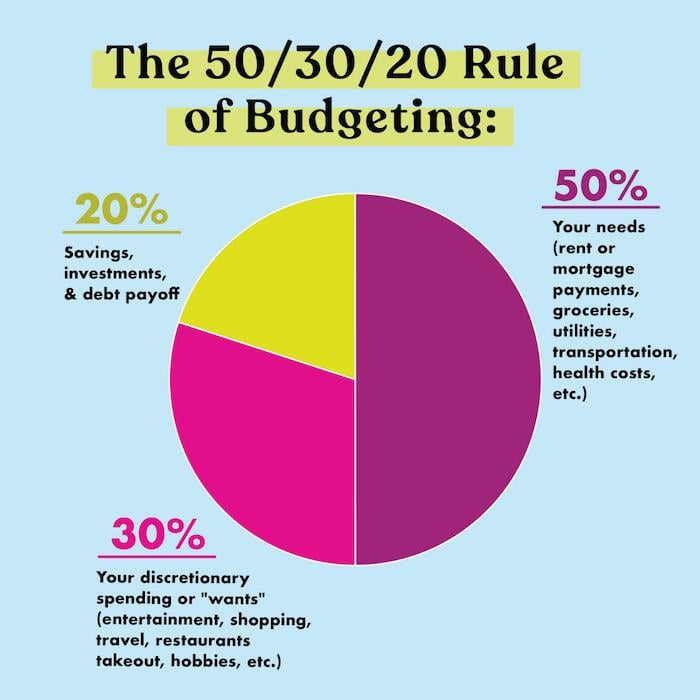
Budget 50% of income for needs, 30% for wants, and 20% for savings/investing. This simple formula balances enjoyment with discipline. It’s a timeless method for financial harmony.
18. Reinvest Dividends
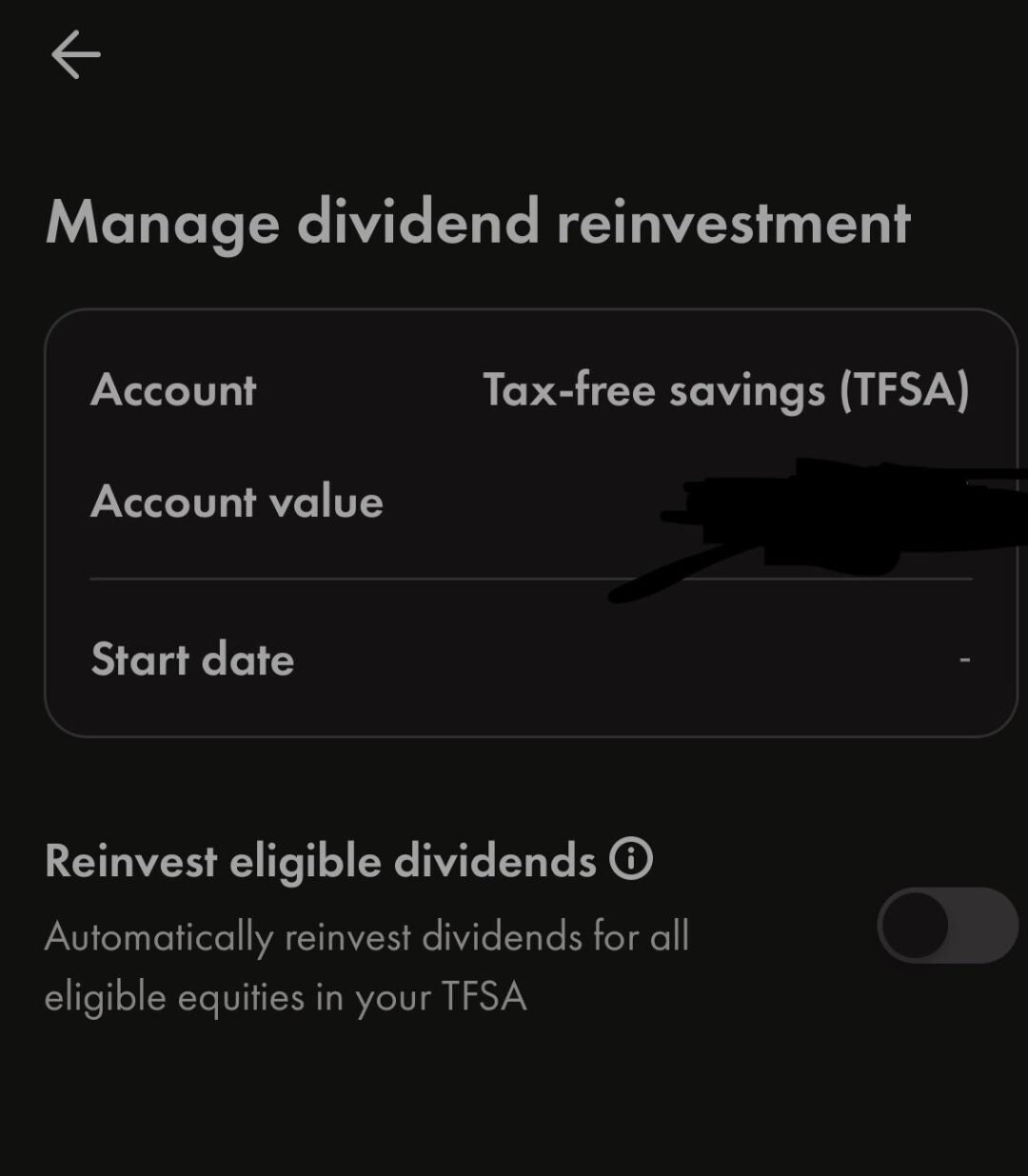
Instead of cashing out dividends, reinvest them. Compounding accelerates growth and builds wealth more effectively over time. Your money starts earning money on itself.
19. Practice “No‑Spend” Days
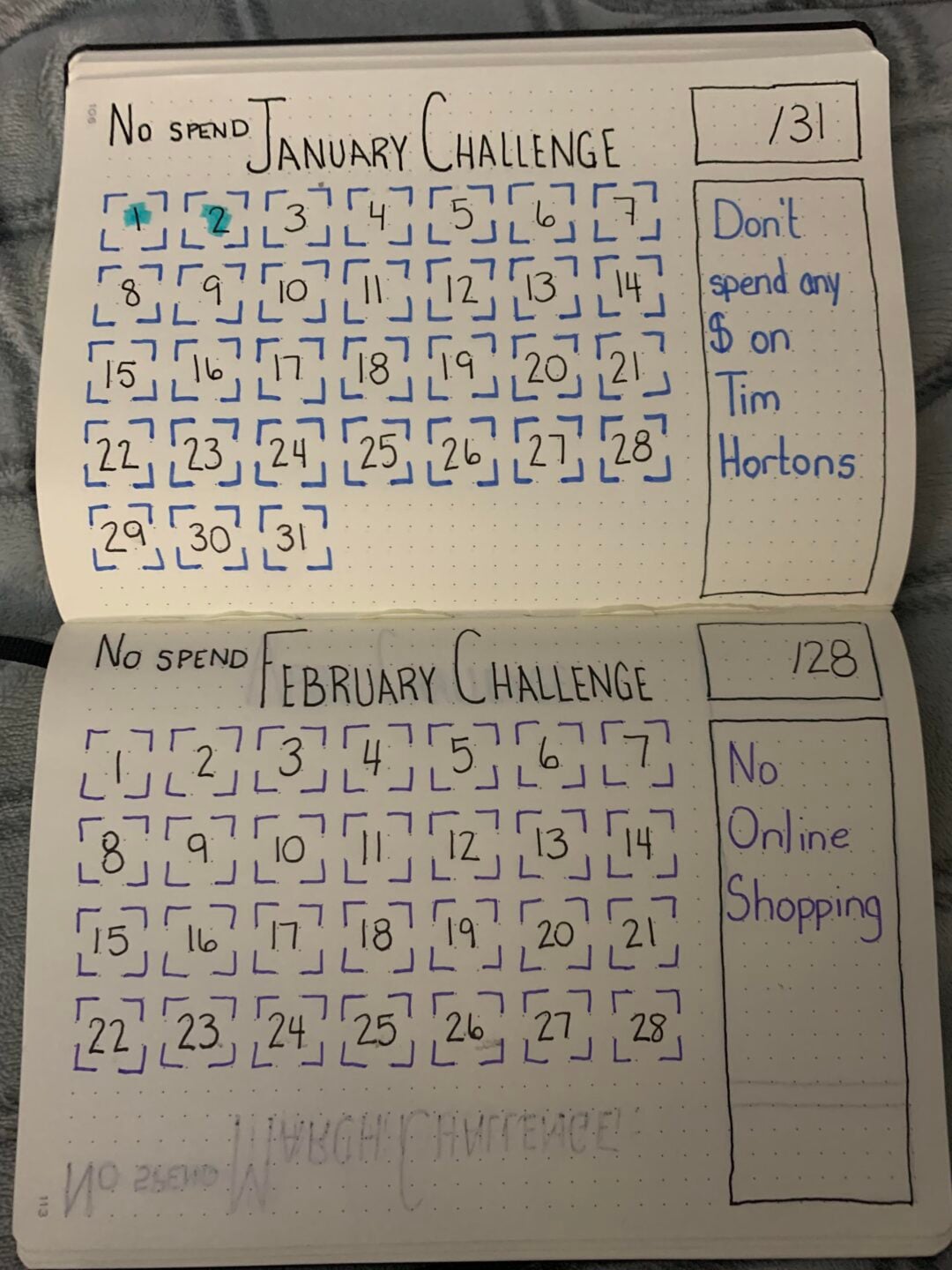
Select one or two days a week when you spend nothing. These resets help build discipline and highlight how often spending becomes habitual, rather than necessary. They also spark creativity in enjoying life without spending.
More related articles for you to check out:
- 20 Ways People Are Saving Money That Are Wildly Creative: A list of effective savings hacks, from pantry‑only cooking to gamified budgeting challenges.
- Costly Travel Habits: A guide to common travel mistakes, like overpacking, ignoring local customs, or paying hidden fees, that quietly drain your wallet.
- 14 Financial Mistakes You’ll Want to Avoid in Your 30s: Practical advice on steering clear of money traps such as neglecting retirement savings, overspending on housing, and carrying high‑interest debt.