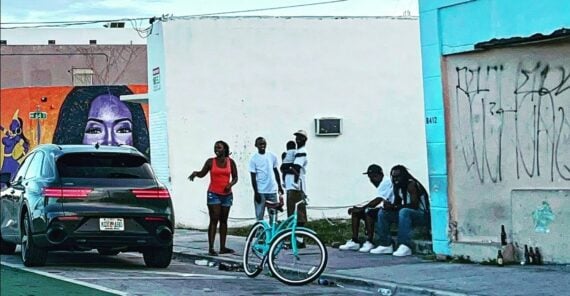
Miami is more than neon lights and South Beach glamour. Its true character unfolds in the neighborhoods where cultures clash, history lingers, and everyday life pulses with rhythm. From Cuban cafés to Haitian art hubs, each district tells a chapter of Miami’s evolving story: one that is richer, more diverse, and far more authentic than the postcard version most visitors know.
1. Little Havana
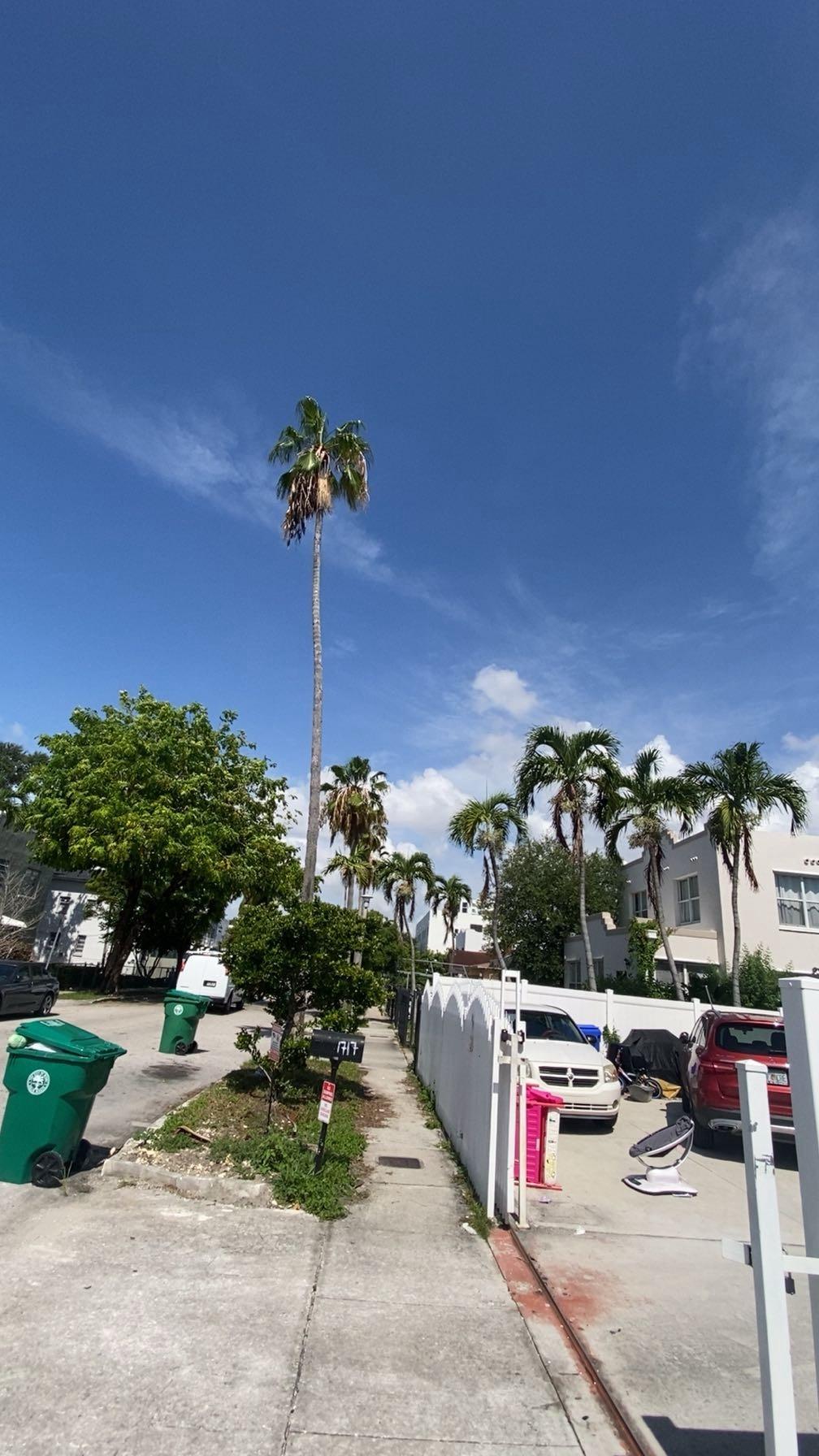
Little Havana is the living heartbeat of Cuban Miami. Along Calle Ocho, the scent of strong cafecito mingles, while salsa rhythms spill from corner bars. Elderly men play dominoes in Máximo Gómez Park, preserving traditions that arrived with exiles decades ago. Murals tell stories of struggle and triumph, and family-owned restaurants serve ropa vieja and pastelitos with the warmth of home. It is not just a neighborhood, it is a cultural sanctuary where heritage is celebrated every day.
2. Wynwood

Wynwood has reinvented itself as one of the world’s premier art destinations. The Wynwood Walls showcase colorful murals from international street artists, turning the area into an open-air museum. Galleries and restaurants line the streets, attracting creatives and trendsetters alike. Wynwood embodies Miami’s ability to transform industrial grit into vibrant imagination, making it a symbol of the city’s creative rebirth.
3. Little Haiti

Little Haiti is a cultural anchor for Miami’s Haitian community, alive with Creole flavors, music, and art. The Caribbean Marketplace and cultural centers celebrate heritage while fostering dialogue about identity and change. Street vendors sell tropical fruits, and murals honor Haitian leaders and traditions. The neighborhood remains a proud testament to resilience.
4. Coral Gables
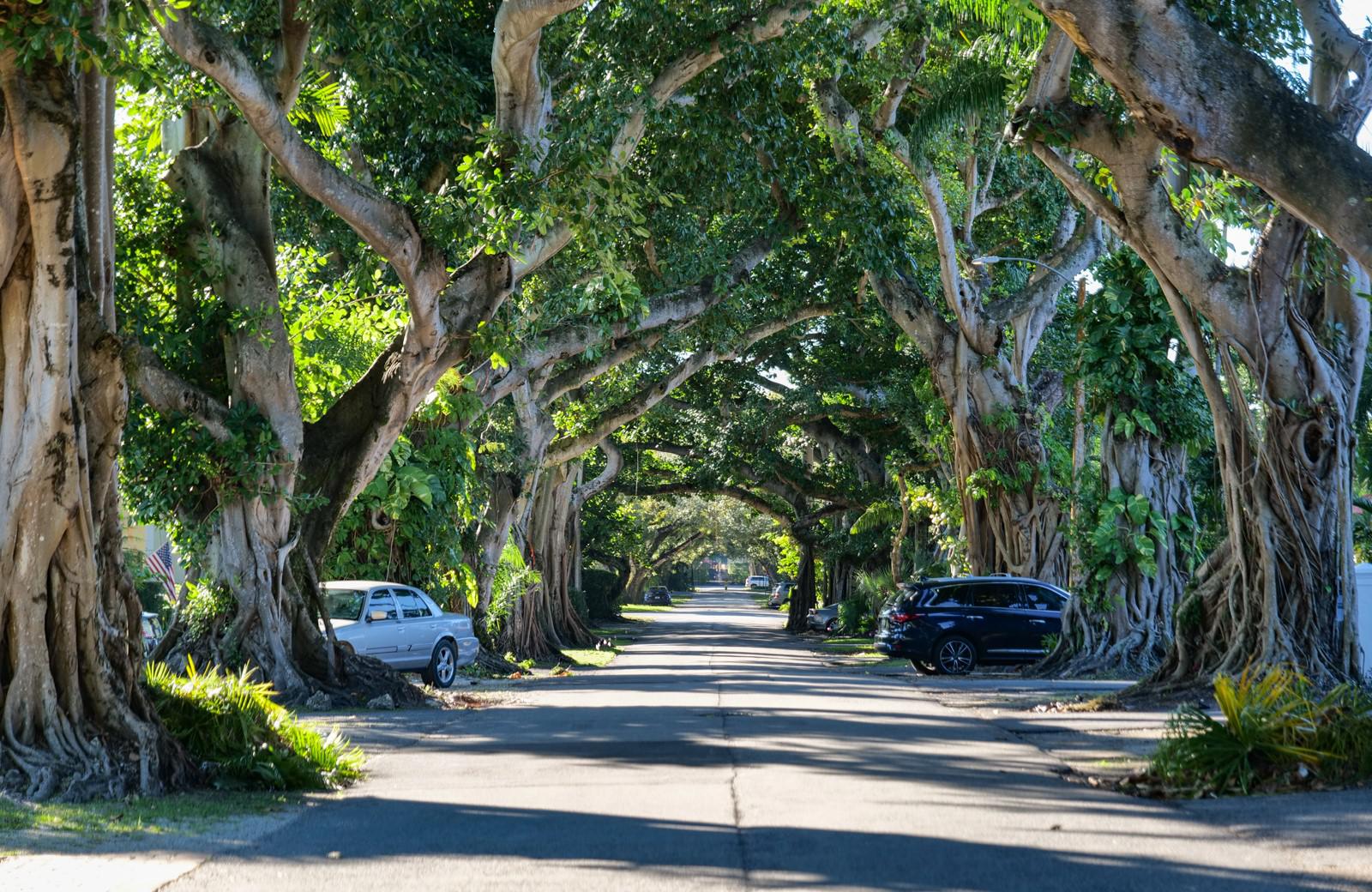
Nicknamed “The City Beautiful, its historic landmarks, like the Biltmore Hotel, and lush gardens create an atmosphere of elegance and old-school charm. The Miracle Mile offers shopping and dining, while the Venetian Pool provides a unique, historic swimming spot. Coral Gables reflects Miami’s early vision of planned beauty, blending sophistication with timeless appeal.
5. Coconut Grove

Miami’s oldest neighborhood, Coconut Grove, maintains its bohemian spirit. Shaded by banyan trees, the Grove is home to indie cafés and art festivals. Its history as a haven for artists and free thinkers still resonates, even as modern condos rise nearby. The blend of historic cottages, lively nightlife, and greenery makes Coconut Grove a place where Miami’s past and present coexist in harmony.
Trending on Wealth Gang


6. Vizcaya & The Roads

Vizcaya, built in the early 20th century, is a Mediterranean-style villa with gardens that transport visitors to another era. It reflects Miami’s aspiration to be a cultural capital long before its skyline rose. Just nearby, The Roads neighborhood offers quiet, tree-lined streets and historic homes, a contrast to the city’s bustling districts. Together, they showcase Miami’s architectural beauty and its ability to preserve history amid constant growth.
7. Brickell
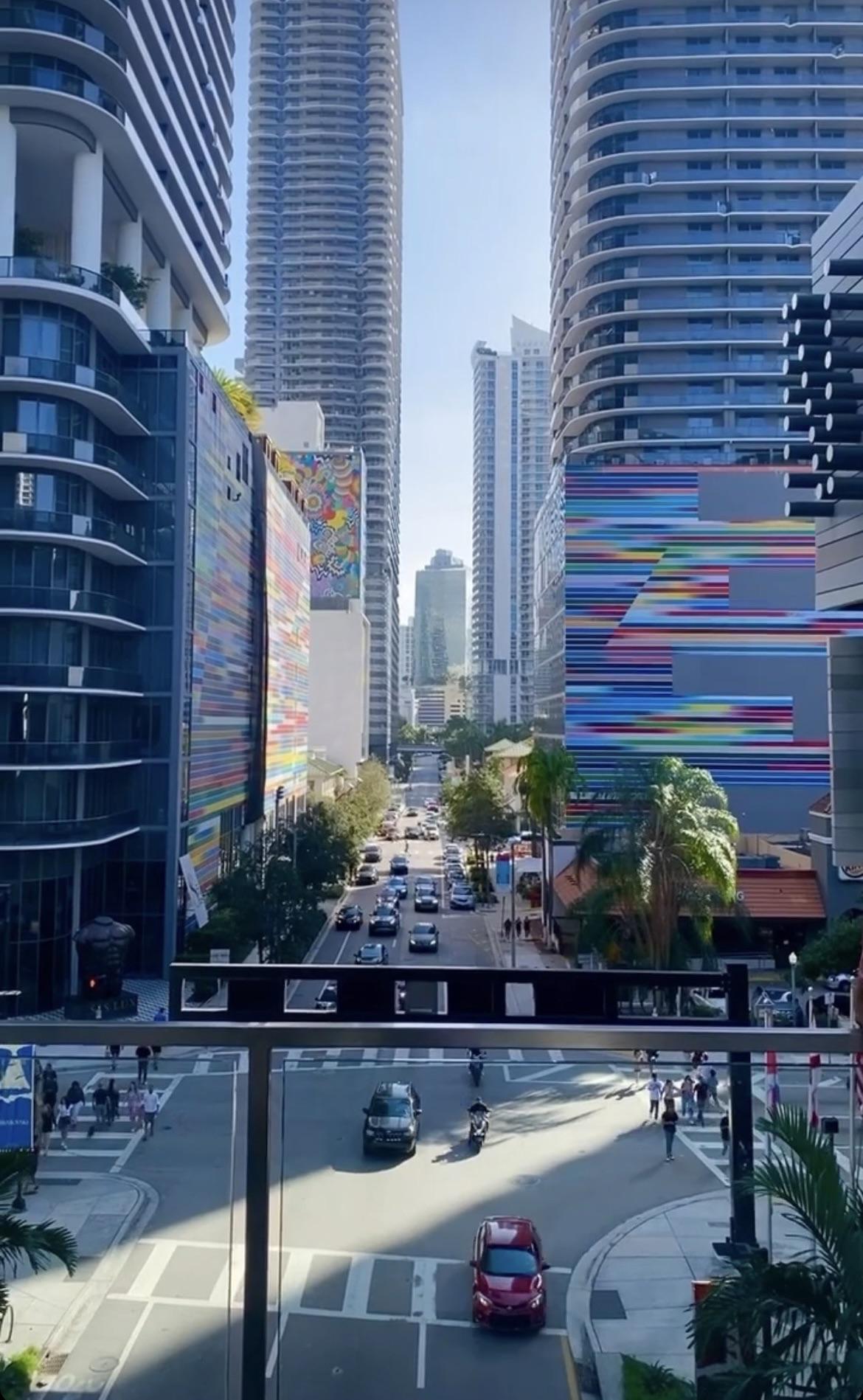
Brickell is Miami’s glossy financial district, where glass towers rise above Biscayne Bay. Yet beyond the business suits, Brickell pulses with cosmopolitan energy. Rooftop bars, international restaurants, and luxury condos attract a global crowd. It is a neighborhood that symbolizes Miami’s role as a gateway to Latin America, blending commerce with culture in a skyline that never stops evolving.
8. Miami´s Design District
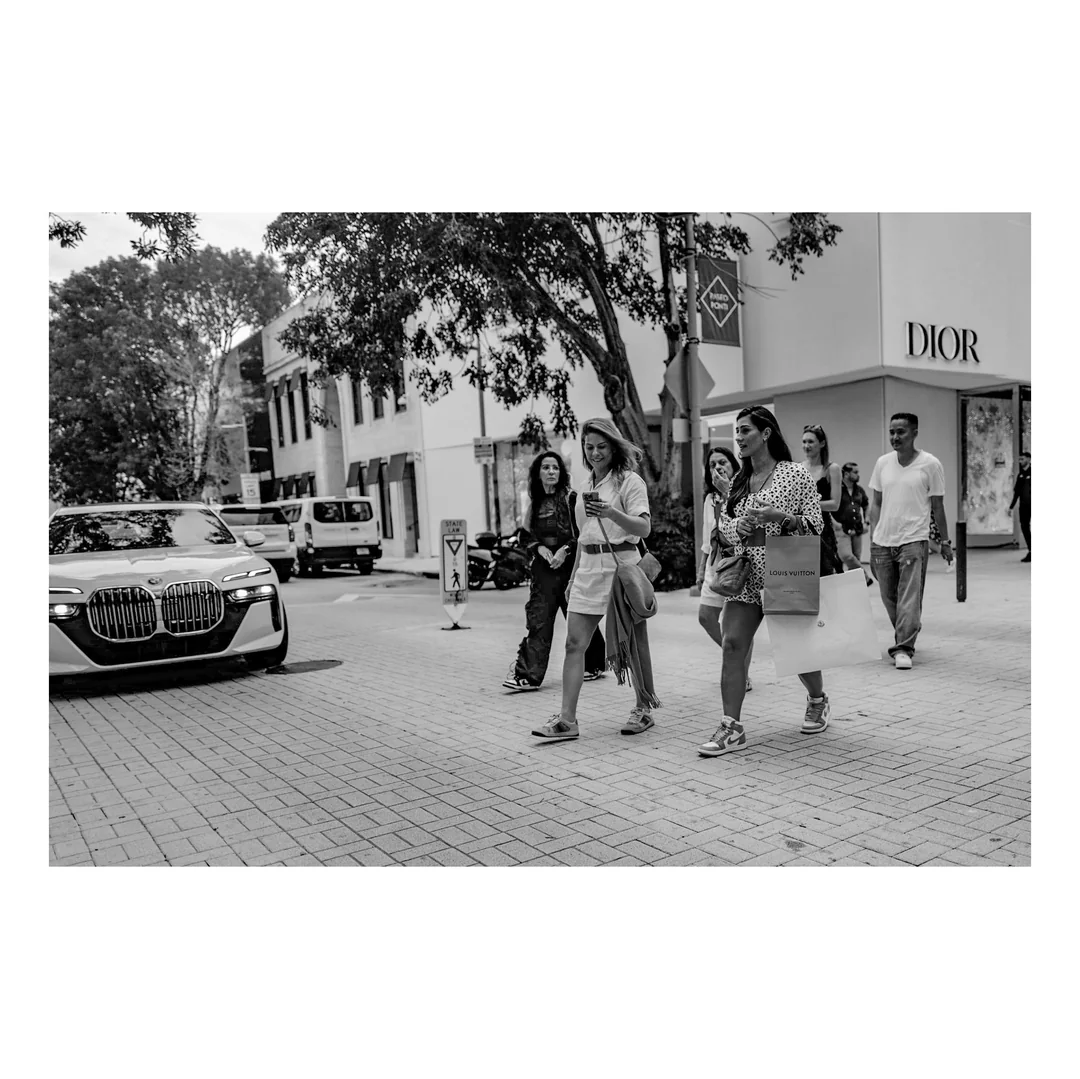
The Design District is Miami’s playground for luxury and innovation. Boutiques, avant-garde architecture, and cutting-edge galleries define the area. Public art installations and futuristic buildings make walking the streets feel like stepping into a curated exhibition. It is a neighborhood where fashion, design, and creativity converge, showcasing Miami’s ambition to be a global capital of style.
Sign up for our newsletter
9. Allapattah
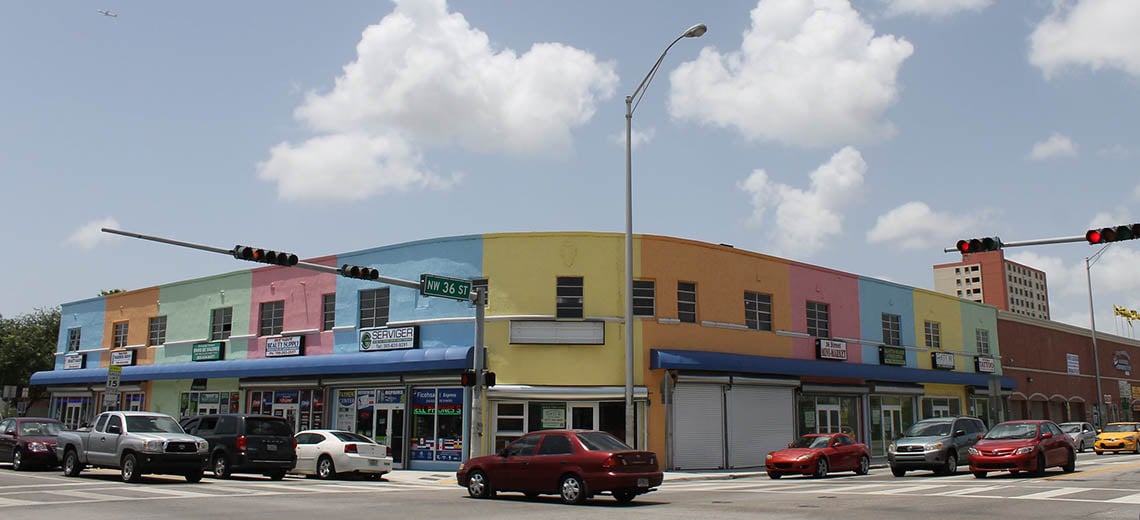
Allapattah, with its Dominican roots, is a working-class neighborhood gaining recognition for its authenticity. Emerging art spaces bring new energy. The Rubell Museum, housed in a former warehouse, adds cultural weight to the area. Allapattah reflects Miami’s diversity, offering a glimpse into everyday life beyond the tourist trail.
10. Downtown Miami

Downtown is the city’s historic and commercial centre. Flagler Street bustles with shops and offices, while landmarks like the Olympia Theater and Freedom Tower tell stories of Miami’s past. Museums, cultural centers, and a growing residential scene are reshaping downtown into a vibrant urban hub. It is where Miami’s grit meets its modern skyline.
11. Liberty City

Liberty City is a historically African American neighborhood known for its cultural resilience. It has produced influential figures in music and sports, contributing to Miami’s identity. Despite some challenges, community pride remains strong, with local initiatives fostering growth and opportunity. Liberty City’s story is one of endurance, reminding Miami of the importance of honoring its roots.
12. Midtown

Midtown bridges Wynwood and the Design District, offering a mix of residential towers, shopping, and dining. Once overlooked, it has become a lively area where art, shopping, and community meet. Farmers’ markets, festivals, and modern developments make Midtown a symbol of Miami’s ongoing transformation. It is a neighborhood that reflects the city’s balance between creativity and urban living.
Miami’s essence is found not only in its beaches but in the neighborhoods that weave together its cultural fabric. Each district adds a distinct voice to the city. Together, they tell a story of resilience, reinvention, and diversity. To truly know Miami is to wander through these streets, taste its flavors, hear its rhythms, and feel the pride of communities that have shaped one of the world’s most dynamic cities.