Supermarket aisles used to be filled with everyday essentials that barely affected your wallet. But over the past decade, shifting supply chains, inflation, and global demand have transformed many of those cheerful items into pricey purchases. What was once a casual purchase in the cart now makes shoppers pause, compare, and sometimes reconsider. Here are 12 products that used to be affordable but have become noticeably expensive.
1. Eggs

Once considered one of the cheapest sources of protein, eggs have seen dramatic price hikes due to feed costs, disease outbreaks, and rising demand. What used to be a budget-friendly dozen now feels like a luxury item in some households.
2. Milk
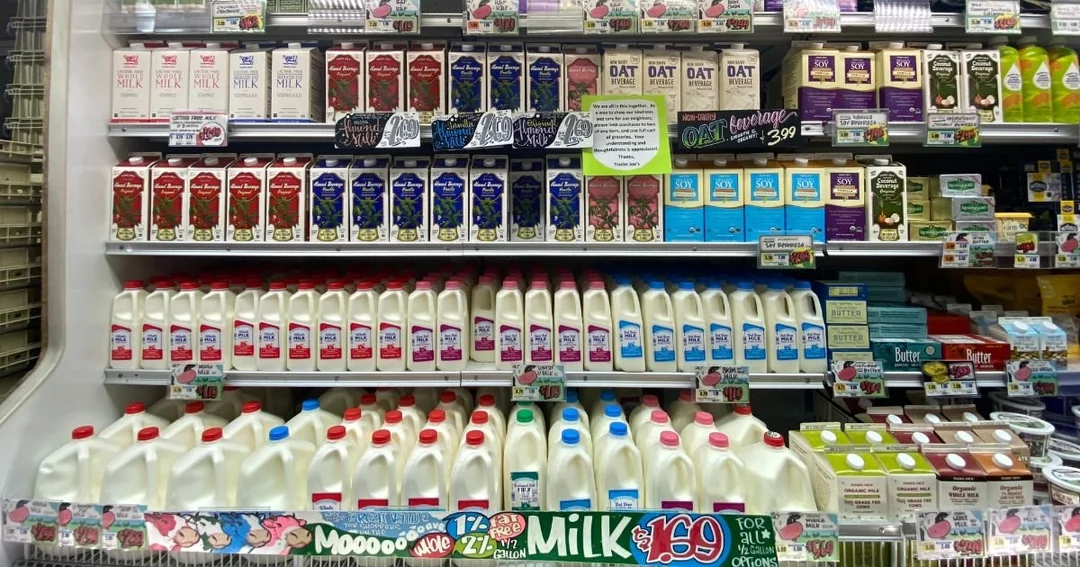
Milk was a staple that families bought without thinking twice. Today, higher production costs, transportation challenges, and shifts in dairy farming have made milk noticeably more expensive, especially organic varieties.
3. Bread

Basic loaves of bread were once among the most affordable items in the store. Rising wheat prices, energy costs for baking, and packaging expenses have pushed bread into a higher price bracket.
4. Coffee
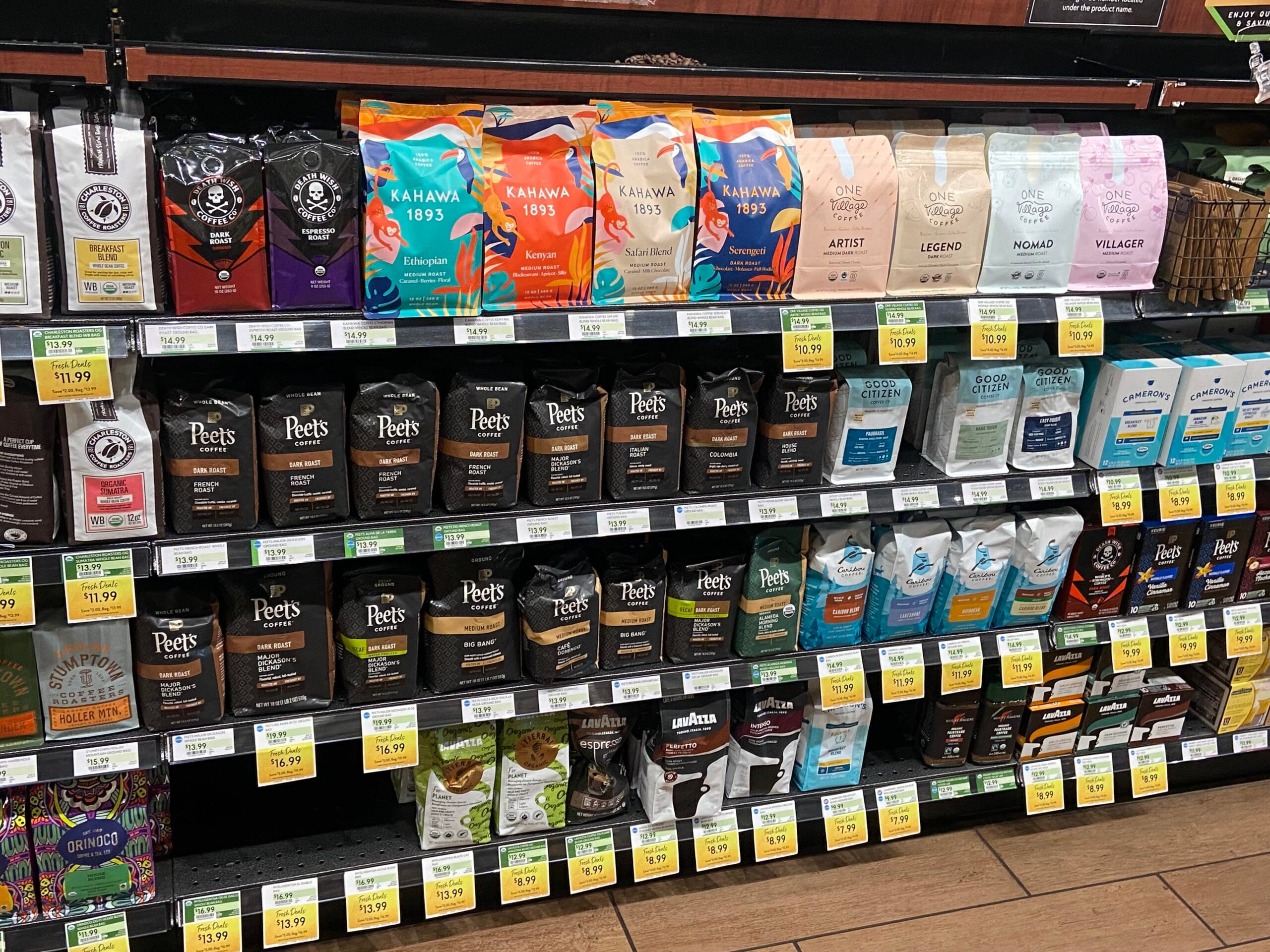
Coffee used to be a cheap indulgence, but climate change affecting crops, labor costs, and global demand have made your morning cup significantly pricier. Specialty blends are now almost a luxury purchase.
5. Cheese
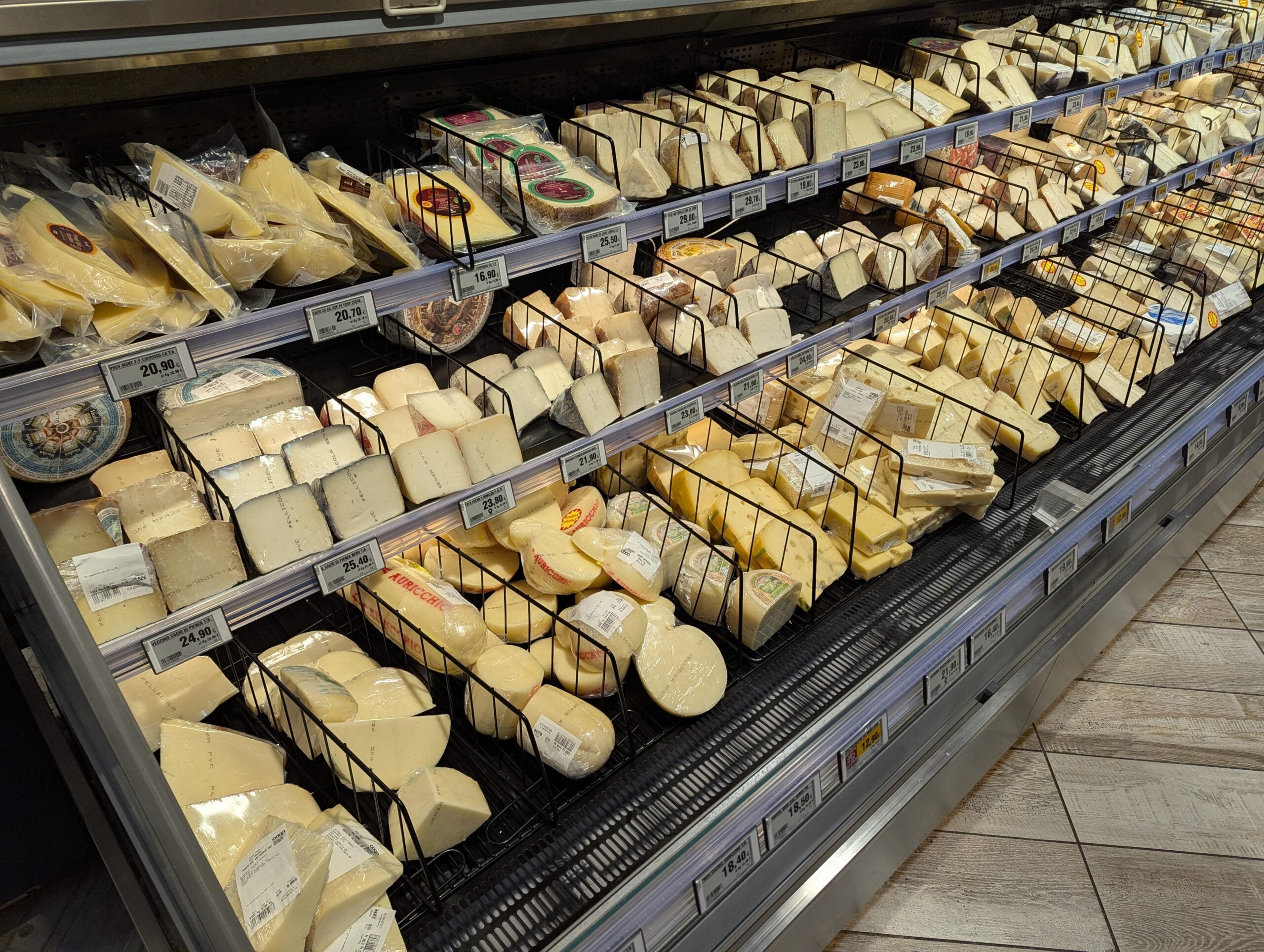
Cheese was once a reliable and affordable treat. Today, production costs, aging processes, and import tariffs have made cheese, especially specialty varieties, much more expensive than before.
Trending on Wealth Gang


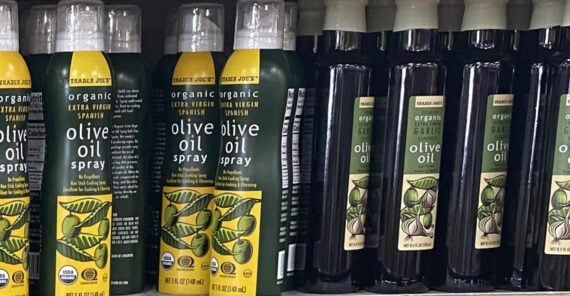
6. Cooking Oil
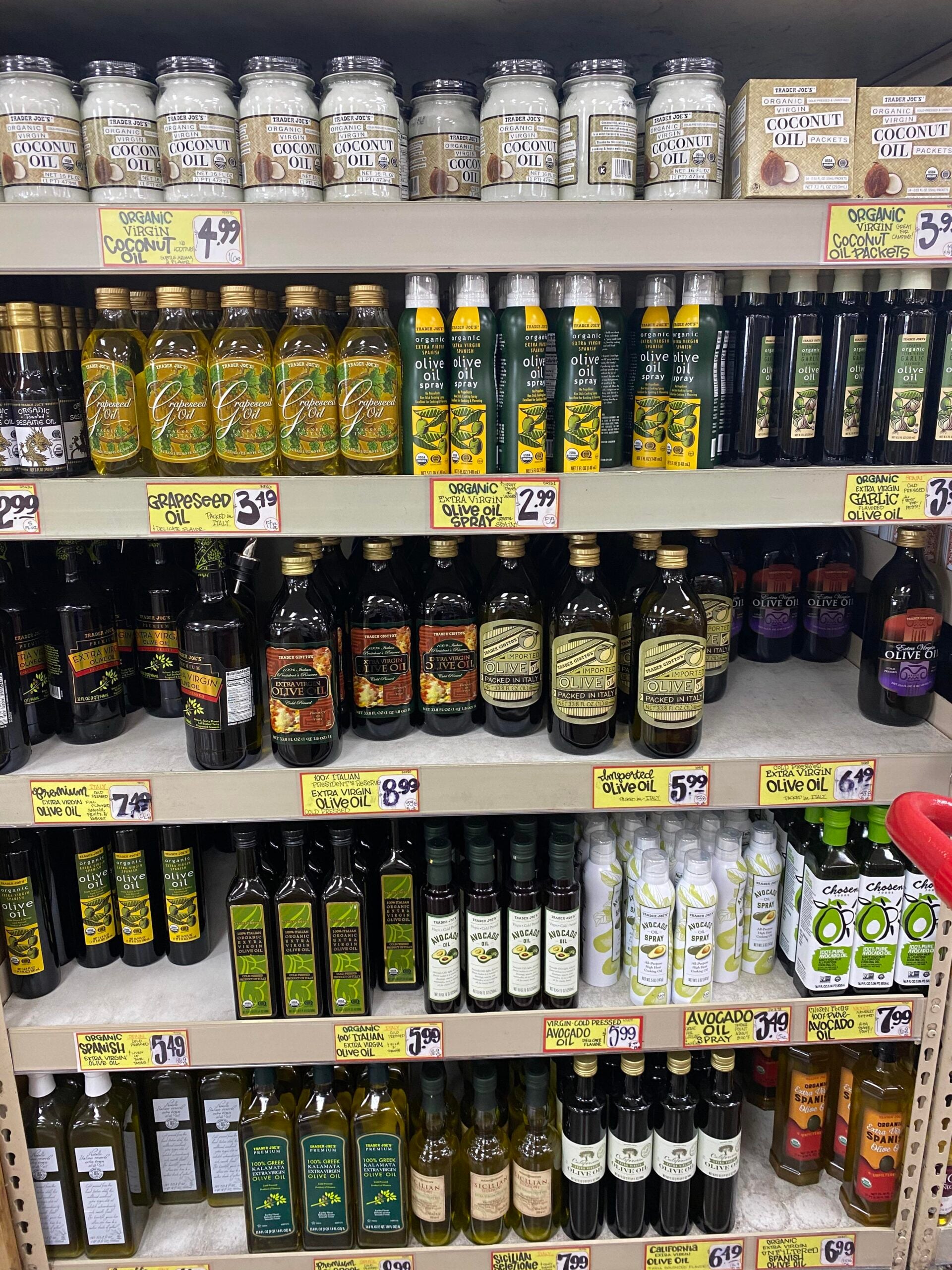
Vegetable and sunflower oils were inexpensive pantry staples. Now, supply chain disruptions and crop shortages have driven prices up, making even basic cooking oil a noticeable cost.
7. Rice
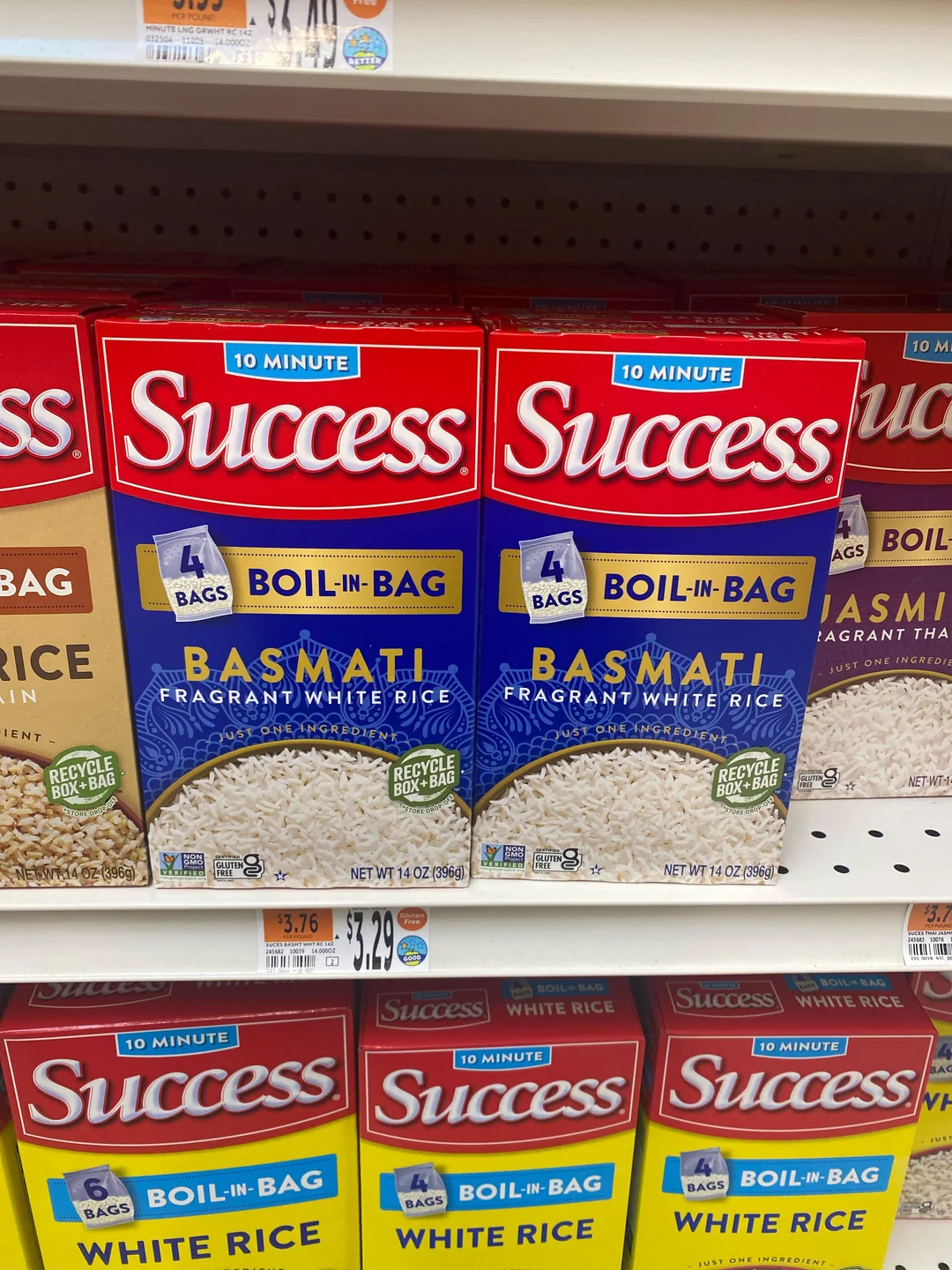
Rice was a dependable, low-cost product across cultures. But climate impacts on harvests and global trade restrictions have made rice more expensive, especially premium varieties like basmati or jasmine.
8. Pasta
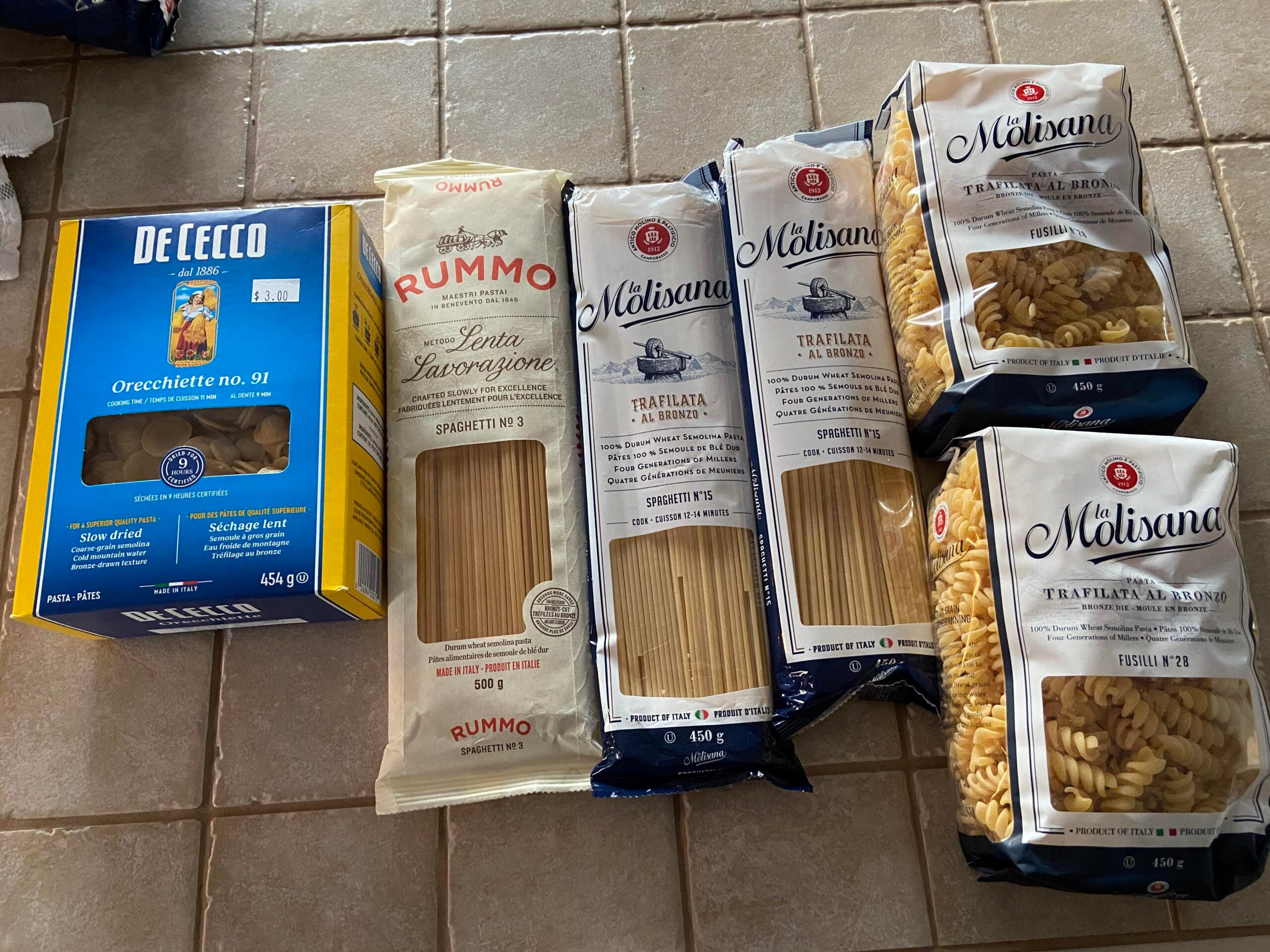
Pasta was once the ultimate budget meal. Rising wheat costs and energy expenses in production have made even simple spaghetti noticeably more expensive compared to a decade ago.
Sign up for our newsletter
9. Butter
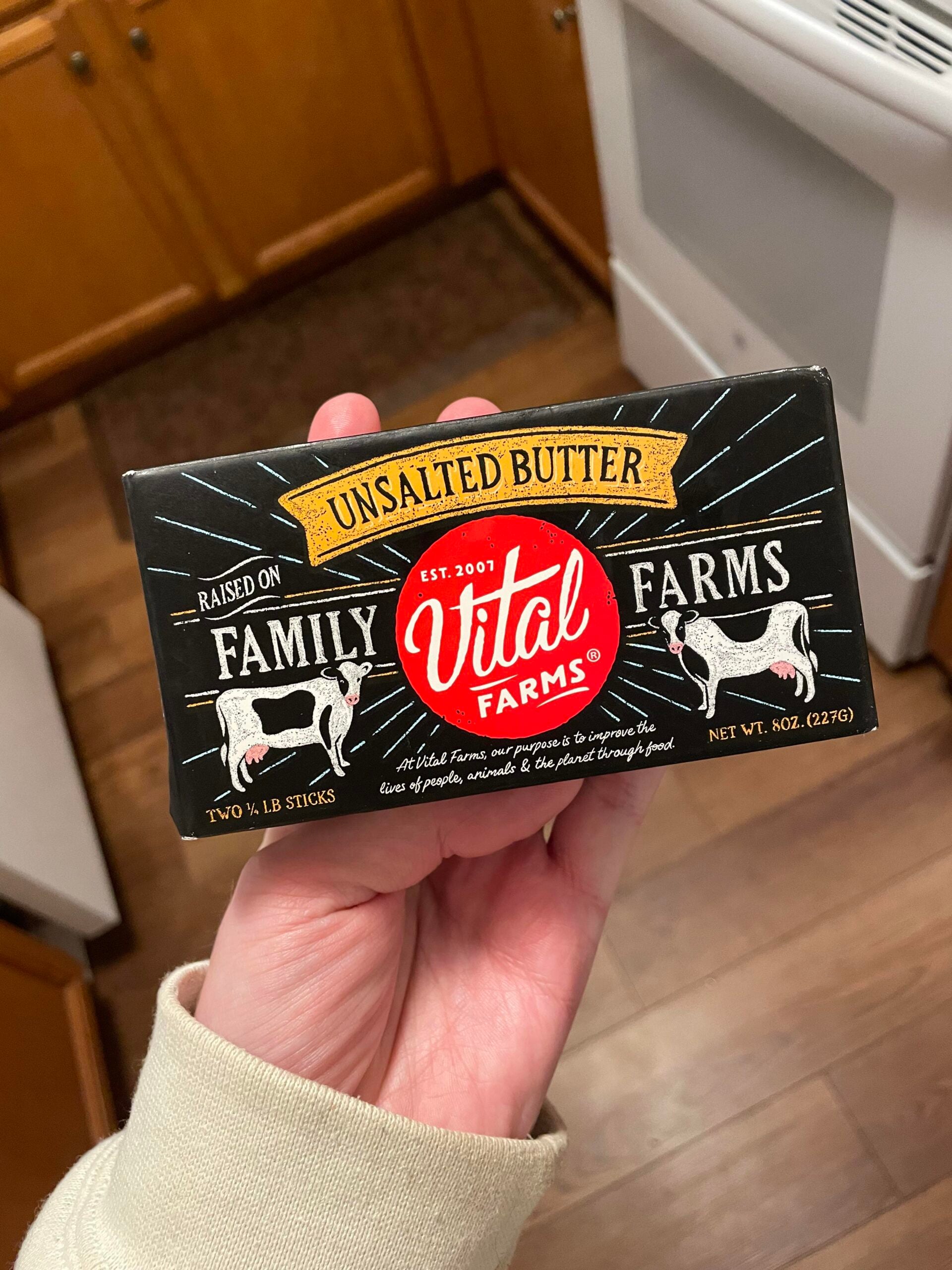
Butter used to be a cheap spread for toast. Today, costs, packaging, and demand for “natural” products have made butter significantly more expensive, often rivaling margarine alternatives.
10. Frozen Vegetables
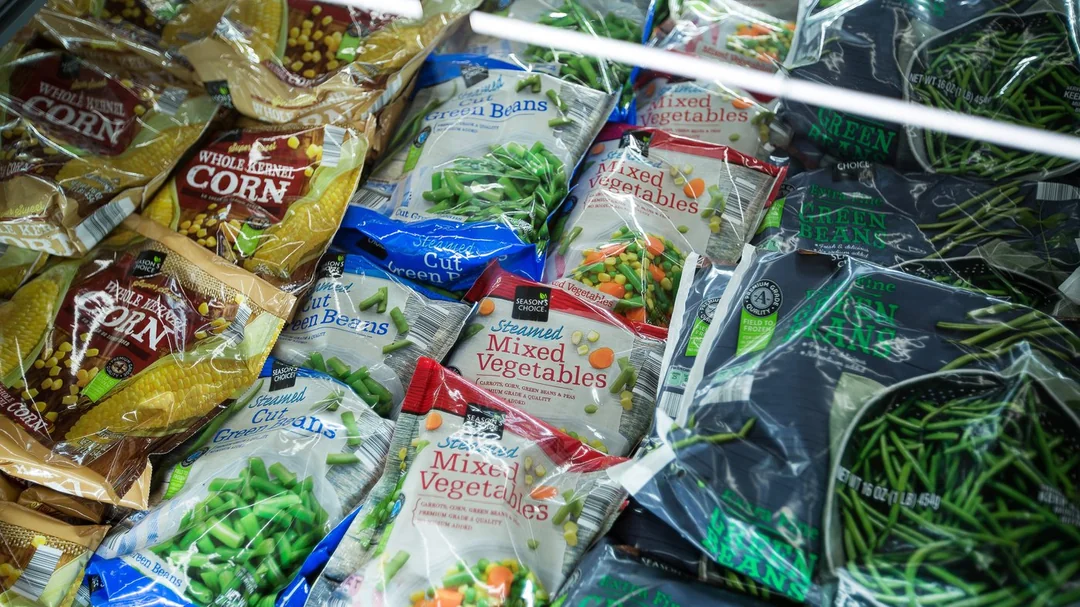
Frozen veggies were once the go-to for affordable nutrition. Increased energy costs for freezing and storage, plus supply chain issues, have made them less of a bargain than they used to be.
11. Breakfast Cereals
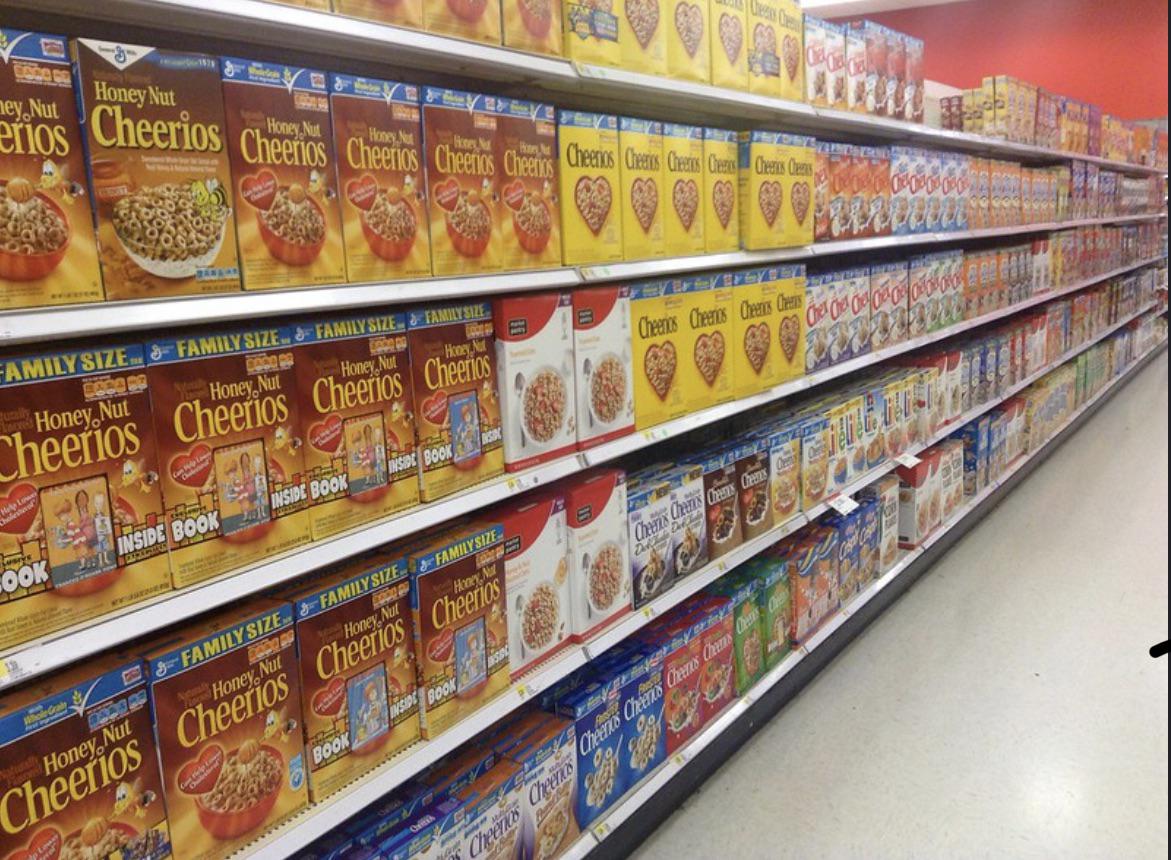
Cereal boxes were once cheap, family-friendly staples. Now, branding, marketing, and rising grain costs have turned them into one of the more expensive items in the breakfast aisle.
12. Chocolate
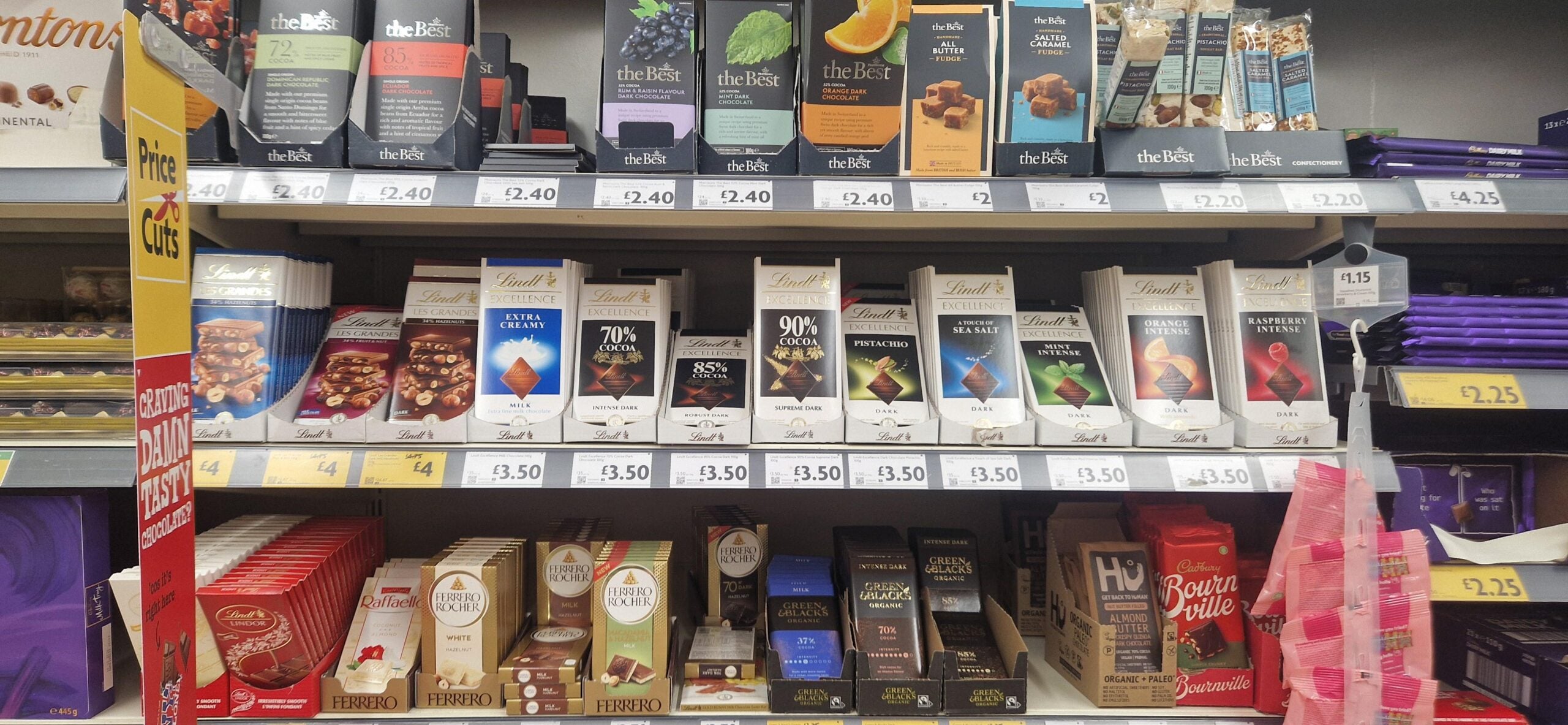
Chocolate bars were once an inexpensive treat. But cocoa shortages, labor costs, and premium branding have made chocolate far more expensive, with luxury varieties commanding big-budget prices.