

Back in the eighties, saving money was not about apps, cashback programs, or coupon codes; it was about pure ingenuity and a little bit of grit. From clipping coupons at the kitchen table to repurposing leftovers into new meals, the following strategies were not just about thrift, they became part of the culture of the decade. Here are 12 ways our families managed to keep costs down while still living large in the era of neon, mixtapes, and Saturday morning cartoons.
1. Recording TV Shows on VHS

Instead of paying for movie tickets or cable extras, families taped their favorite shows and movies off broadcast TV. Rewatching those tapes became a form of entertainment that cost nothing beyond the blank cassette. The ritual of labeling each tape with handwritten stickers made the collection feel personal and priceless.
2. Stretching Meals with Leftovers

Casseroles and soups were staples because they could be reheated and stretched across several days. Nothing went to waste, leftovers were reinvented into new dishes, saving money on groceries. It taught kids the art of creativity in the kitchen, where yesterday’s roast became today’s sandwich filling.
3. Hand-Me-Down Clothes

Siblings often wore the same jeans, jackets, and sneakers, passed down from the eldest to the youngest. It was not just practical, it was a ritual of passage that kept clothing budgets manageable. Sometimes those worn-in pieces carried stories, making them more valuable than anything new from the store.
4. Renting Instead of Buying

Video games and VHS movies were expensive, so families relied on rental shops. A weekend rental was far cheaper than owning, and it kept entertainment fresh without draining wallets. The excitement of browsing shelves at the local video store became part of the fun itself.
5. Line-Drying Laundry
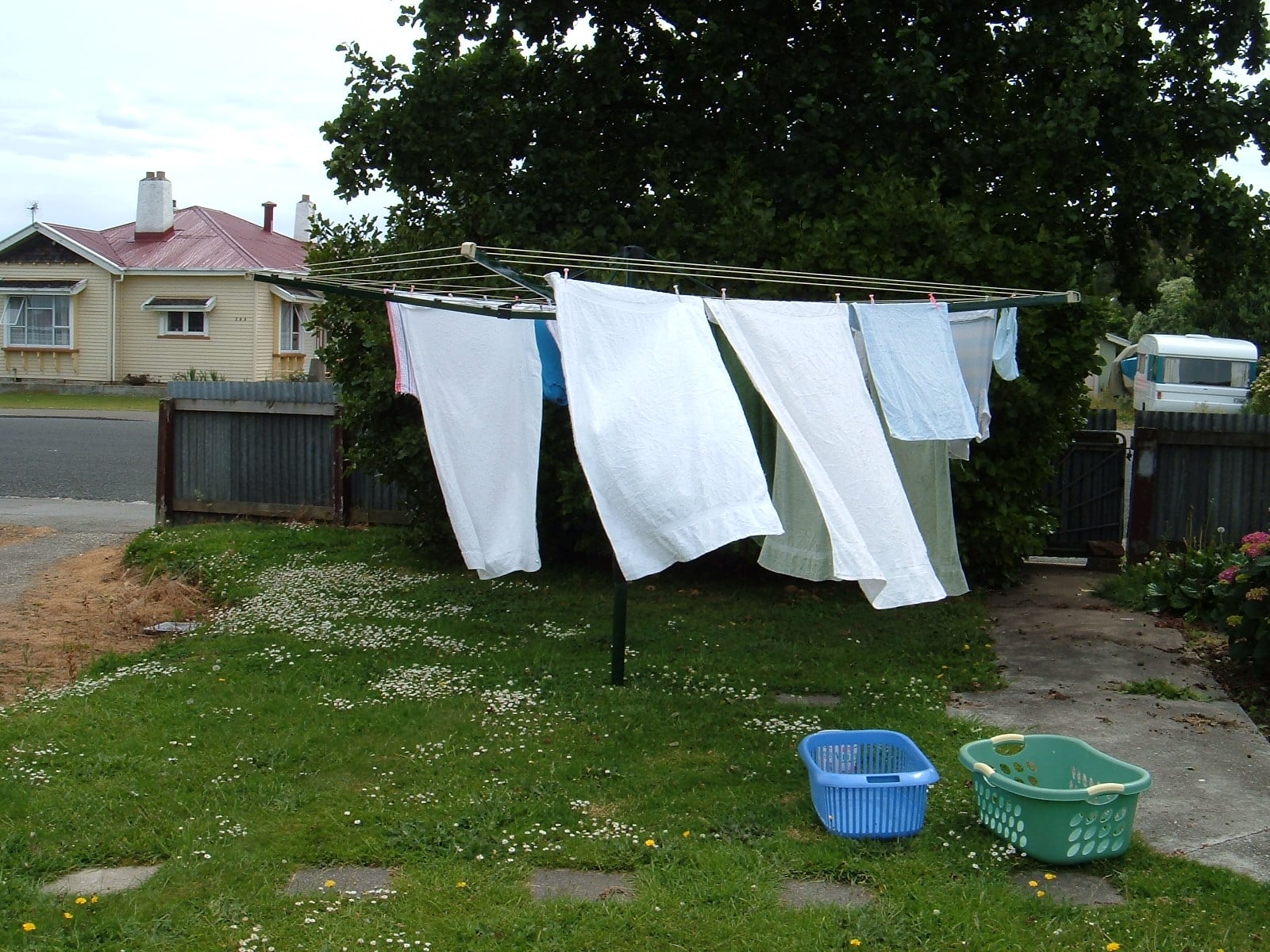
Electric dryers were a luxury, so many households hung clothes outside on clotheslines. Sun and wind did the job for free, and the fresh scent was a bonus. Neighbors often chatted across yards while hanging clothes, turning chores into social moments.
Trending on Wealth Gang


6. Carpooling to Work or School

Gas prices fluctuated, and families saved by sharing rides. Carpooling was not just economical, it built community ties among neighbors and coworkers. Morning carpools became mini social hubs, with kids swapping stories before the school bell rang.
7. Library Visits
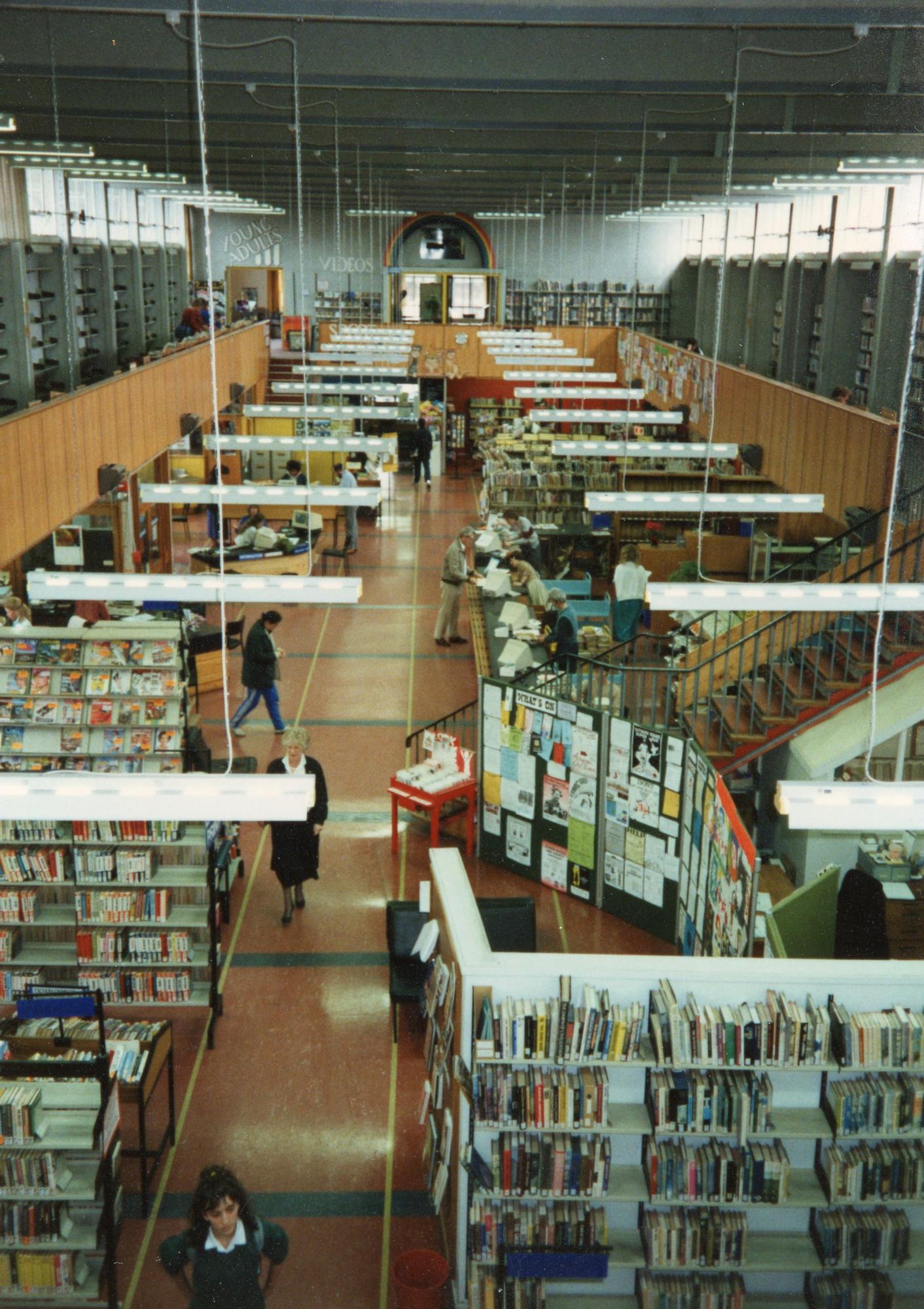
Instead of buying books or magazines, families leaned on public libraries. Borrowing was free, and libraries also offered records, tapes, and community programs that entertained without cost. The smell of old books and the thrill of a stamped due date card became part of the magic.
8. DIY Repairs

From fixing leaky faucets to patching furniture, parents often tackled repairs themselves. Manuals and a trusty toolbox replaced expensive service calls. It was a badge of honor to keep the household running with ingenuity and elbow grease.
Sign up for our newsletter
9. Growing Backyard Gardens

Vegetable patches and fruit trees were common. Families saved on produce by growing their own tomatoes, cucumbers, and herbs, often trading extras with neighbors. Kids learned patience by watching seeds sprout into meals served at the dinner table.
10. Making Mixtapes

Rather than buying albums, kids recorded songs off the radio onto blank cassettes. Mixtapes were personal, cheap, and a creative way to enjoy music without spending much. Waiting for the DJ to stop talking before hitting “record” was a ritual of passage for music lovers.
11. Affordable Vacations

Road trips, camping, and visits to relatives replaced costly flights or resorts. Families packed coolers, tents, and board games, turning simple getaways into cherished memories. The journey itself, singing along to the radio in the backseat, was often the highlight.
12. Coupon Clipping


Sunday newspapers were goldmines of savings. Parents clipped coupons religiously, stacking deals at grocery stores to cut dollars off weekly shopping bills. The kitchen drawer stuffed with neatly folded coupons was a symbol of foresight.
In the 80´s, families found joy in the small rituals of coupon clipping, mixtape making, and library visits, while practical habits like carpooling, gardening, and DIY repairs built resilience and community. These strategies were not seen as sacrifices but as creative solutions that shaped this generation’s values. Looking back, it is clear that the simplicity of the era was not only about surviving on less: it was about thriving with resourcefulness, connection, and a sense of pride in making the most of what you had.