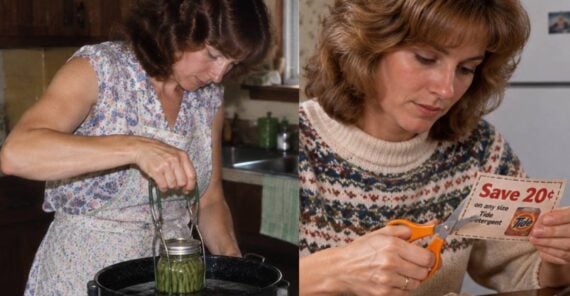
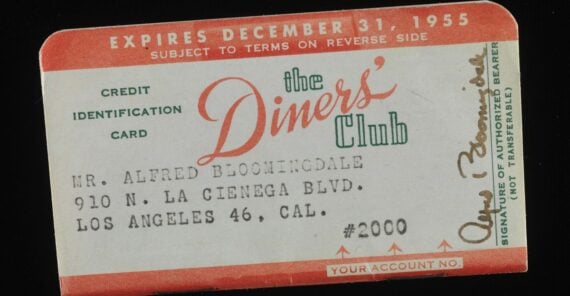
There was a time when whipping out a piece of plastic to pay for dinner would’ve gotten you some very confused looks. Before credit cards became the wallet staple we can’t imagine living without, people paid in cash, checks, or ran a tab with the local shopkeeper who knew them by name. The whole idea of a “universal” card that worked at dozens, then hundreds, then thousands of businesses was practically science fiction.
It took a mix of embarrassing dinner mishaps, ambitious bankers, and a whole lot of trial and error to get us from cardboard tokens to the cards we carry today. Here are 14 fun facts about the early days of American credit cards that show just how far things changed.
1. It all started with a forgotten wallet
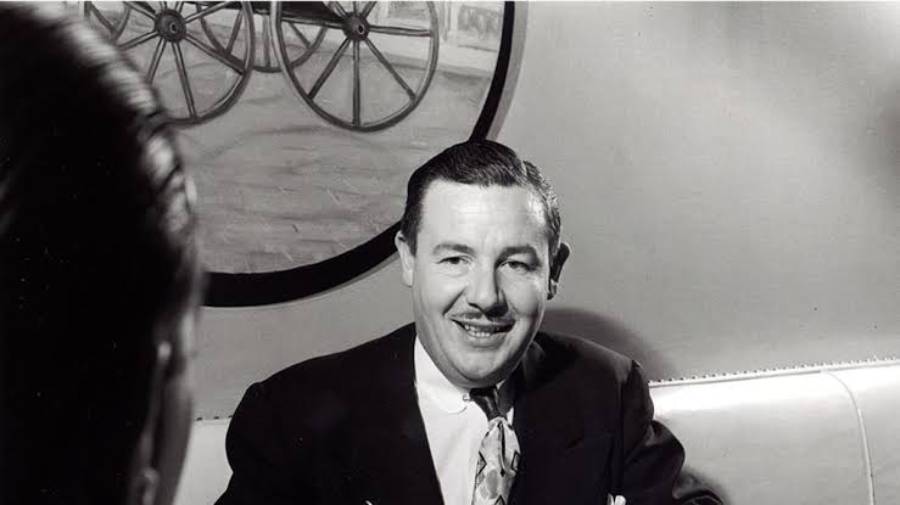
The story behind the very first universal credit card is almost too good to be true. Businessman Frank McNamara was having dinner at a New York City restaurant when he realized he’d left his wallet in another suit. Mortified, he vowed never to be caught without a way to pay again.
2. Diners Club was born out of that embarrassment
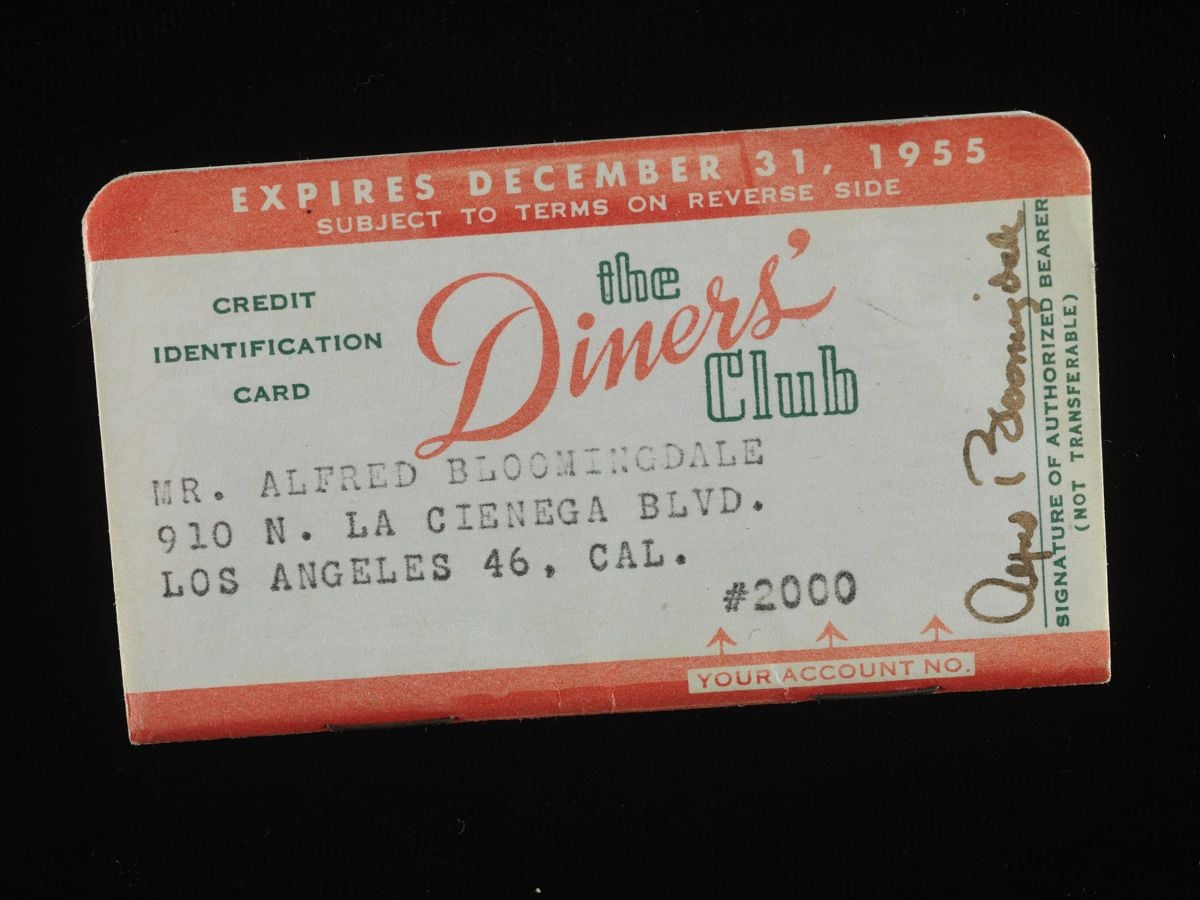
McNamara teamed up with Ralph Schneider to create a card that would let people pay without carrying cash, and the result was the Diners Club card. It launched in 1950, making it the country’s first general-purpose charge card.
3. The first-ever transaction became a legend
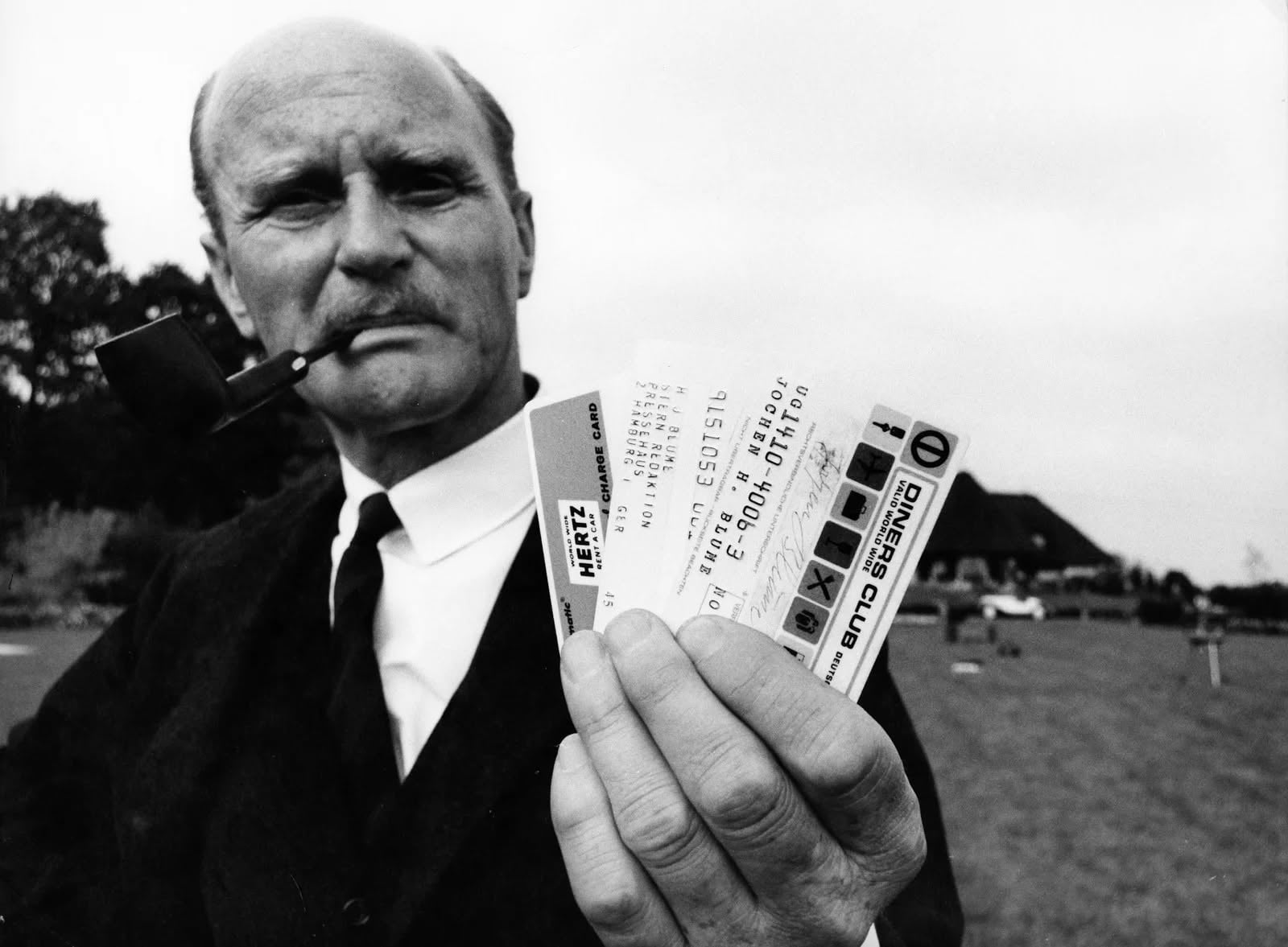
A year after that infamous dinner, McNamara returned to the same restaurant and used his new cardboard Diners Club card to pay, a moment fans of credit card history still refer to as “the First Supper.”
4. Those early cards weren’t plastic at all
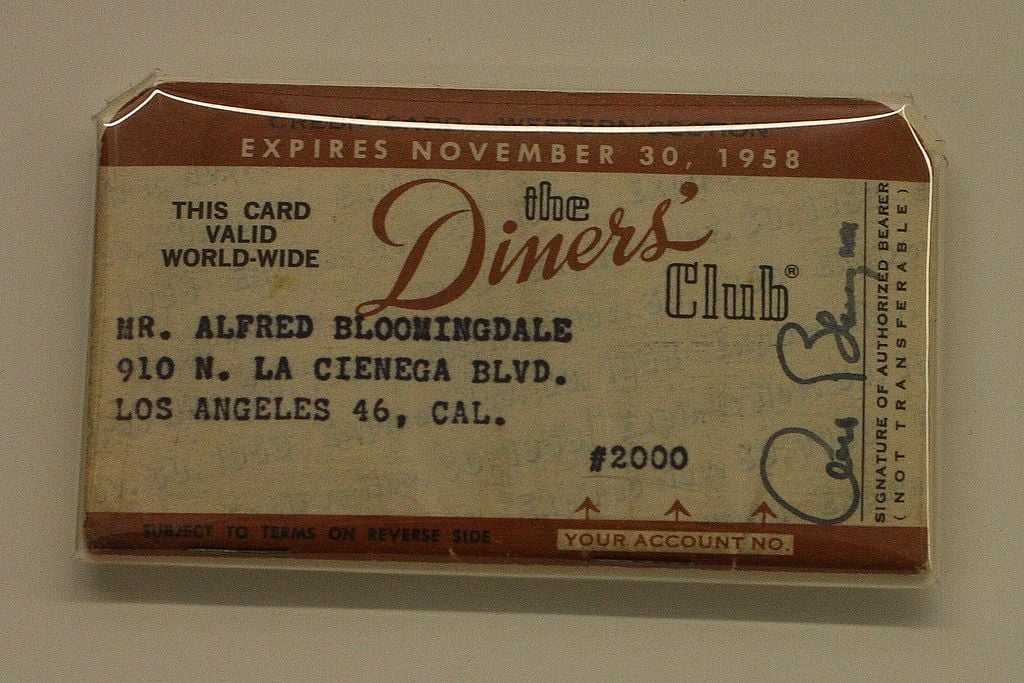
Diners Club members carried around a simple cardboard card rather than anything resembling the plastic we’re used to now. It wasn’t until later years that plastic versions with embossed numbers, and eventually magnetic strips, came along.
5. It only worked at some restaurants
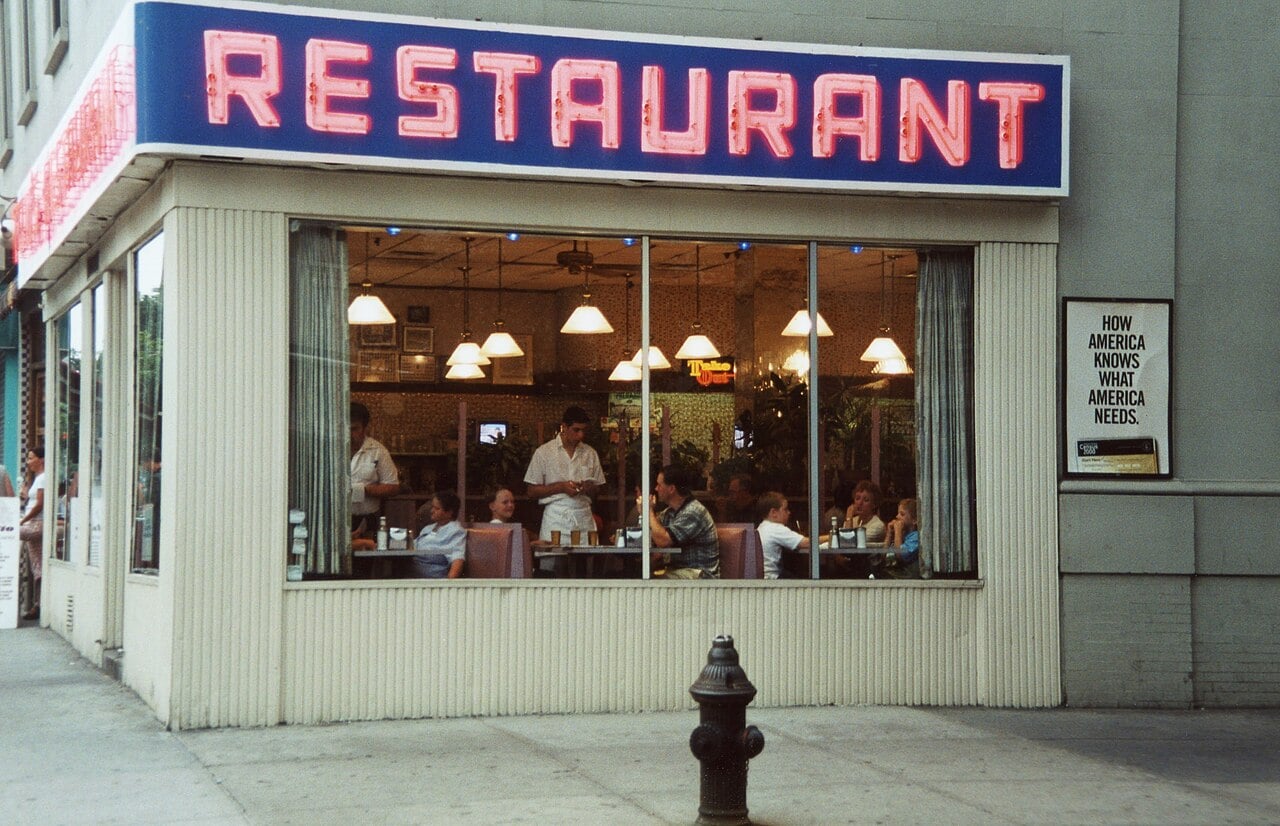
When Diners Club first launched, it was accepted at just 27 restaurants in New York City. Considering how many places take credit cards today, that’s a pretty humble beginning.
Trending on Wealth Gang
6. Diners Club had to teach people how it even worked
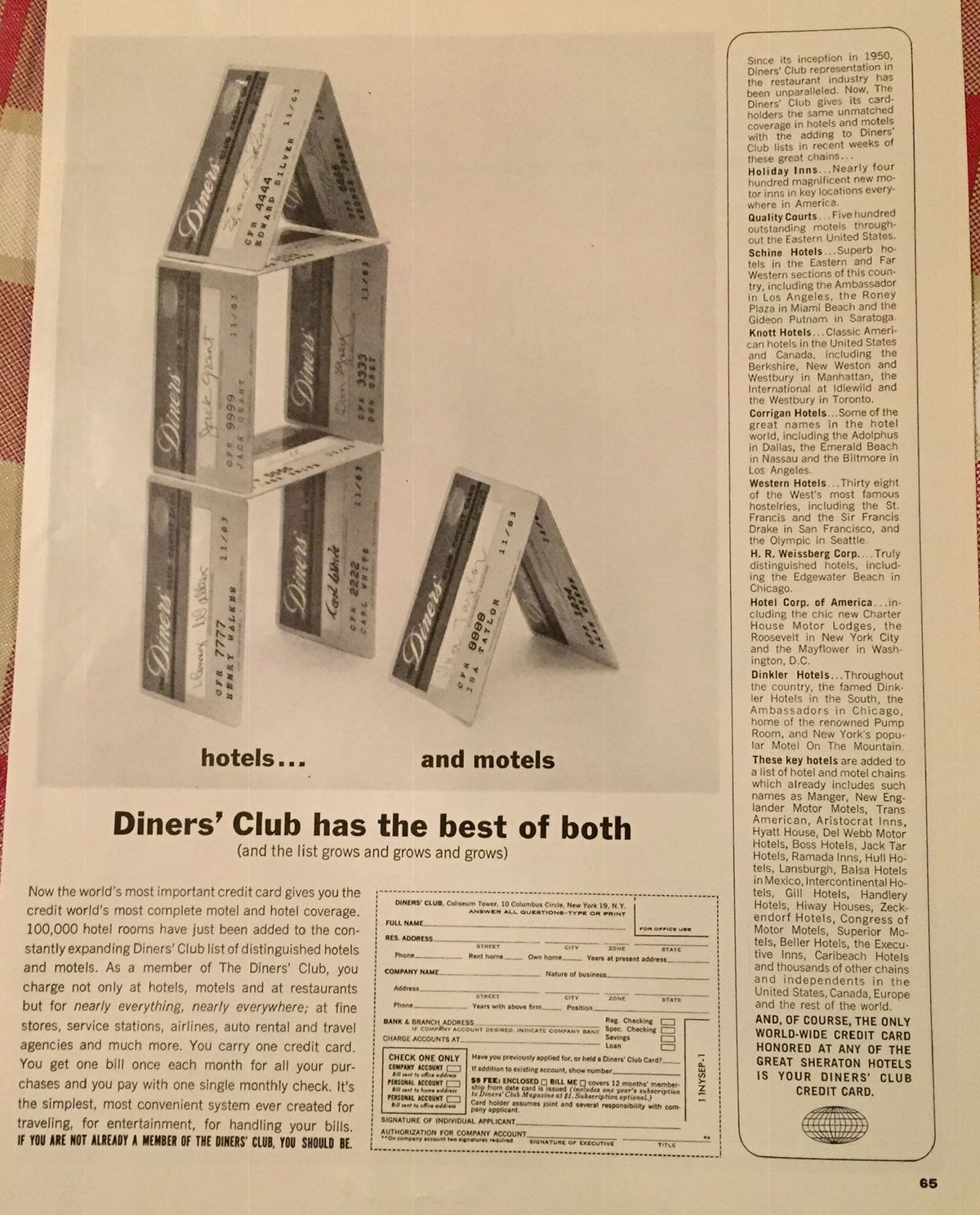
The concept was so new that the company had to explain it to consumers through advertising, telling them their card worked as a “master credit card” at restaurants in New York, Chicago, and other cities, and that they’d get one monthly statement covering all their charges.
7. American Express started out doing something totally different
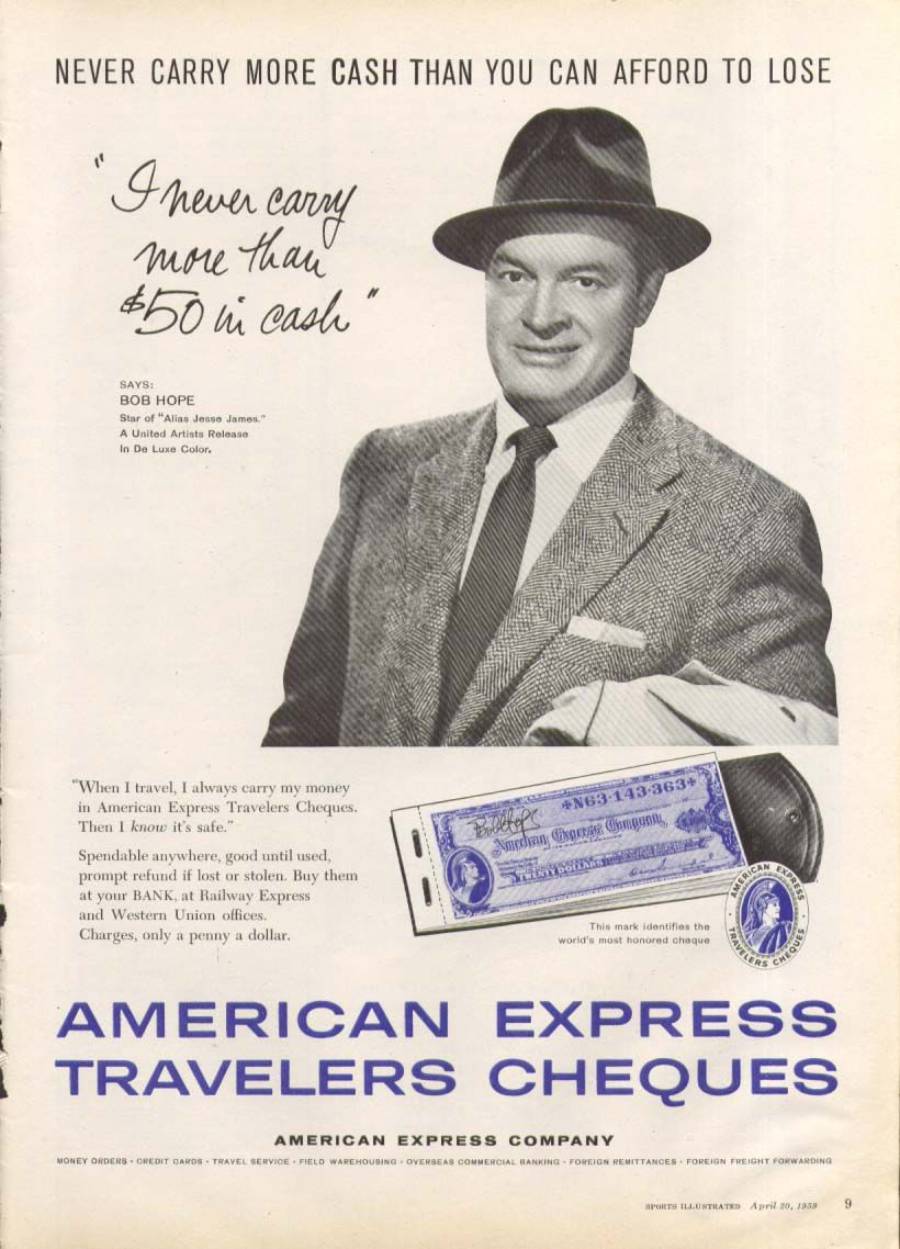
Before it became a credit card giant, Amex made its name handling people’s valuables and selling traveler’s checks. It wasn’t until 1958 that the company launched its first charge card, aimed at giving travelers more flexibility on the road.
8. Amex’s first card wasn’t even the color we associate with it today
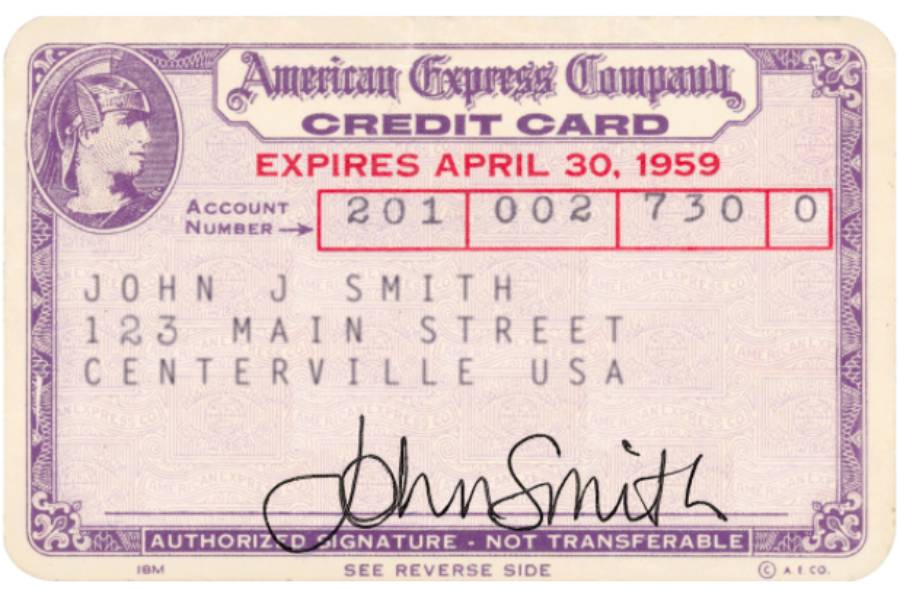
The original American Express card was purple cardboard, and it didn’t become the green plastic card most people picture until 1959. Funny how such an iconic color almost wasn’t the first choice at all.
Sign up for our newsletter
9. Bank of America changed the game with the BankAmericard
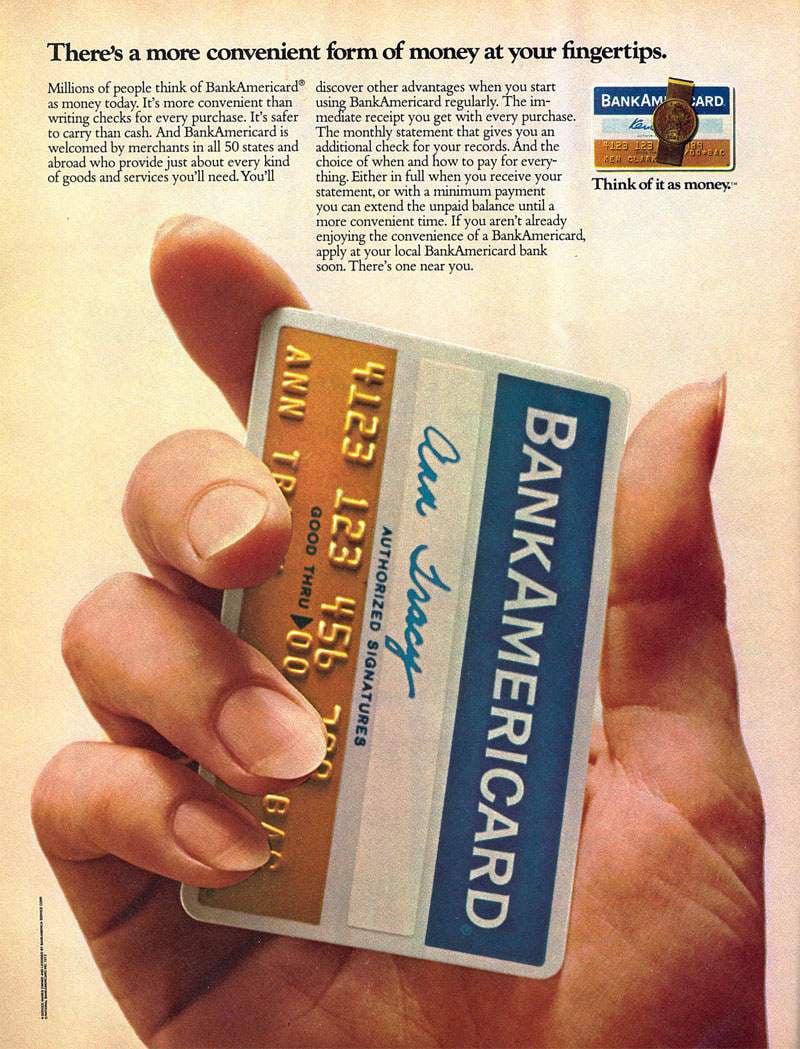
In September 1958, Bank of America pioneered mass-mailing credit cards, sending 60,000 unsolicited active cards to consumers around Fresno, California.
10. That risky move didn’t go exactly as planned
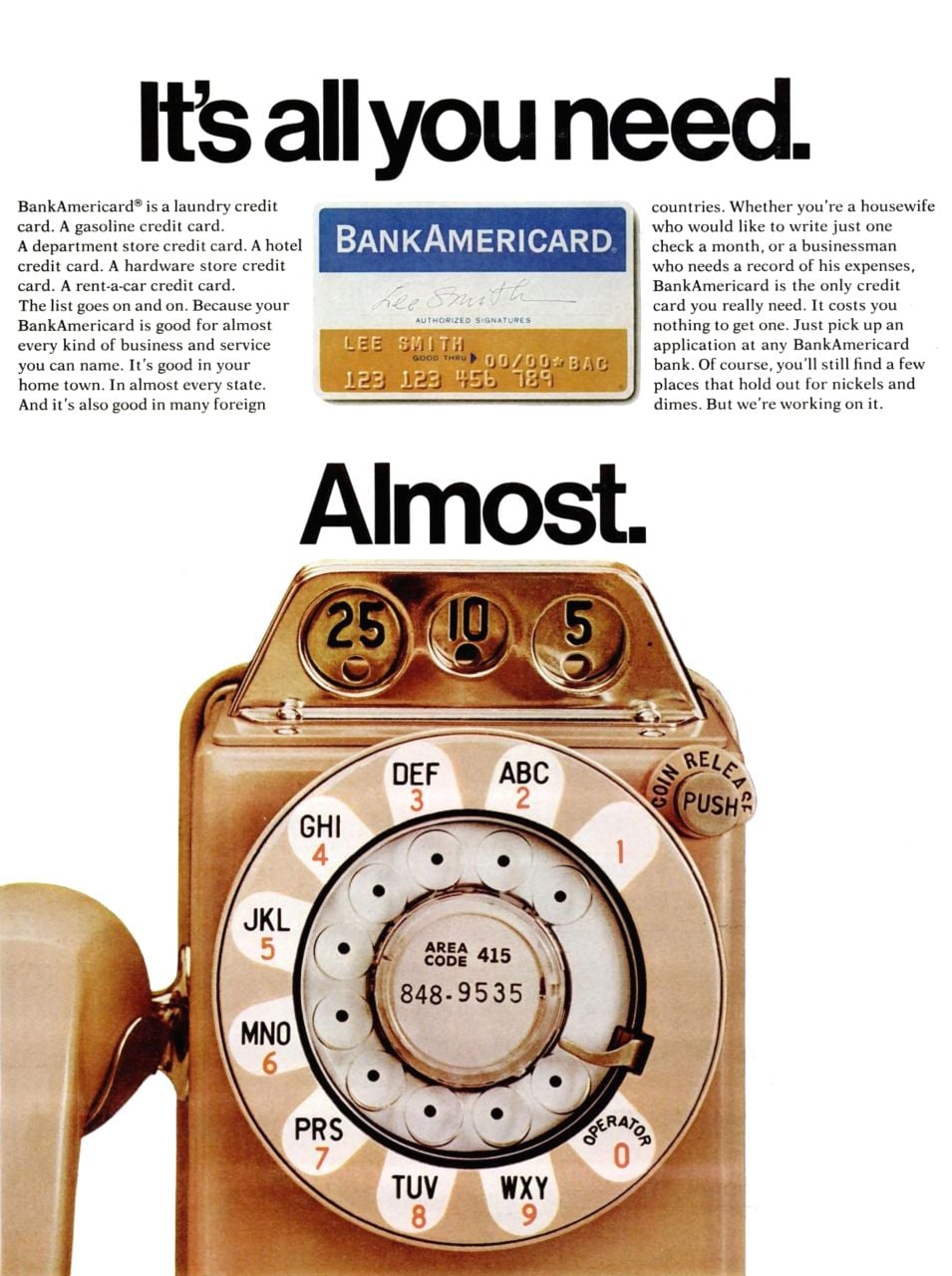
Bank of America expected only about 4% of accounts to fall behind on payments, but the real number ended up closer to 22%, and combined with public anger over cardholders being held responsible for unauthorized charges, the launch ended up costing the company an estimated $20 million. A rough start for a card that would become Visa.
11. The BankAmericard introduced something we now take for granted
It was the first card to offer revolving credit, meaning people could carry a balance from month to month instead of paying everything at once. That one shift completely changed how Americans thought about spending and borrowing.
12. Diners Club went international faster than you’d expect
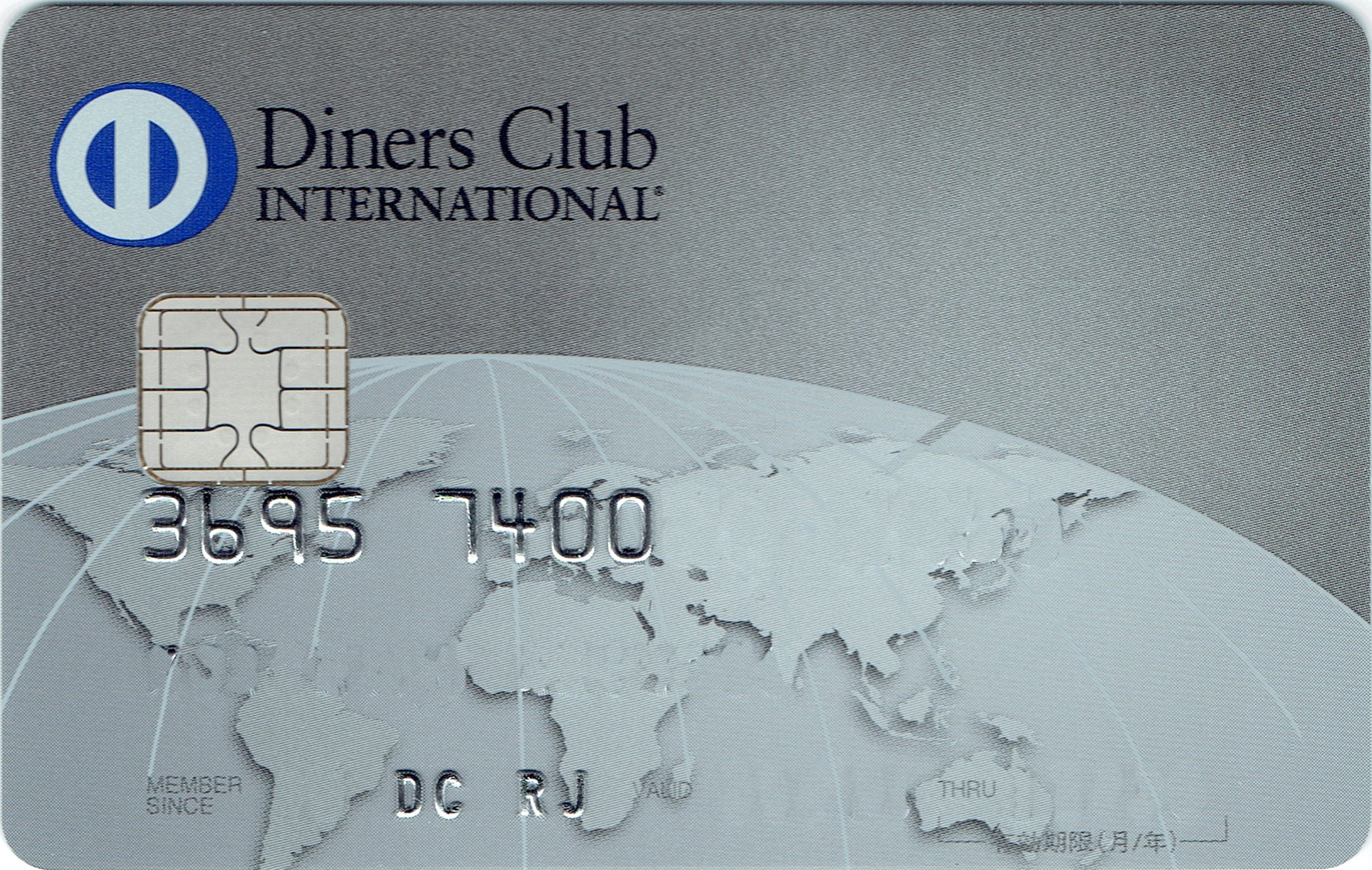
By 1953, businesses in Cuba, Mexico, and Canada started accepting the card, making it the first globally accepted charge card.
13. The BankAmericard eventually became Visa
After years of licensing the card to banks across the country and expanding it into a true nationwide product, BankAmericard was rebranded as Visa in 1976 after splitting from Bank of America.
14. Mastercard has roots in Diners Club’s early rival
First National City Bank, now known as Citi, launched its own “Everything Card” before joining a group of banks called the Interbank Card Association to help launch Mastercard. What started as a handful of competing cards eventually shaped the entire system of payment networks we use today.
More related notes:
For anyone interested in personal finance and smart money habits, Every State’s Average Credit Card Debt provides a detailed look at the average credit card debt by state, helping you understand how debt varies across the country. The second article, 10 Insane Perks of the Most Exclusive Credit Cards, explores the incredible perks offered by the most exclusive credit cards, giving insights into luxury benefits that go beyond ordinary rewards. Lastly, the third article highlights 17 forgotten shopping habits that have helped families save money over the years. Together, these articles offer valuable information to improve your financial knowledge.