
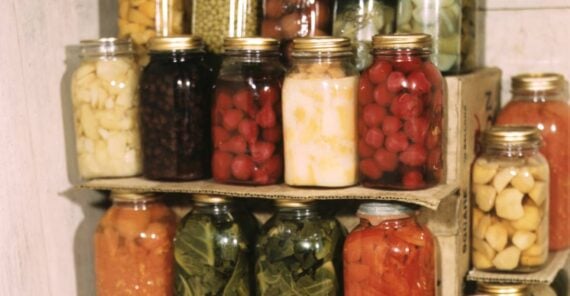
In an era before credit cards and online shopping, families relied on practical shopping habits to stretch every dollar. These strategies weren’t just about saving money, they were about survival and community. What is fascinating is that many of these forgotten habits remain relevant today, offering timeless lessons for anyone looking to cut costs and live smarter.
From buying in bulk to reusing what they already had, these practices shaped a culture of frugality and resilience. Revisiting them now reminds us that saving money doesn’t always require complex financial tools, sometimes it is about rediscovering simple, everyday choices that kept households strong and resourceful. Here are 17 Forgotten Shopping Habits That Saved Families Money.
1. Buying in Bulk
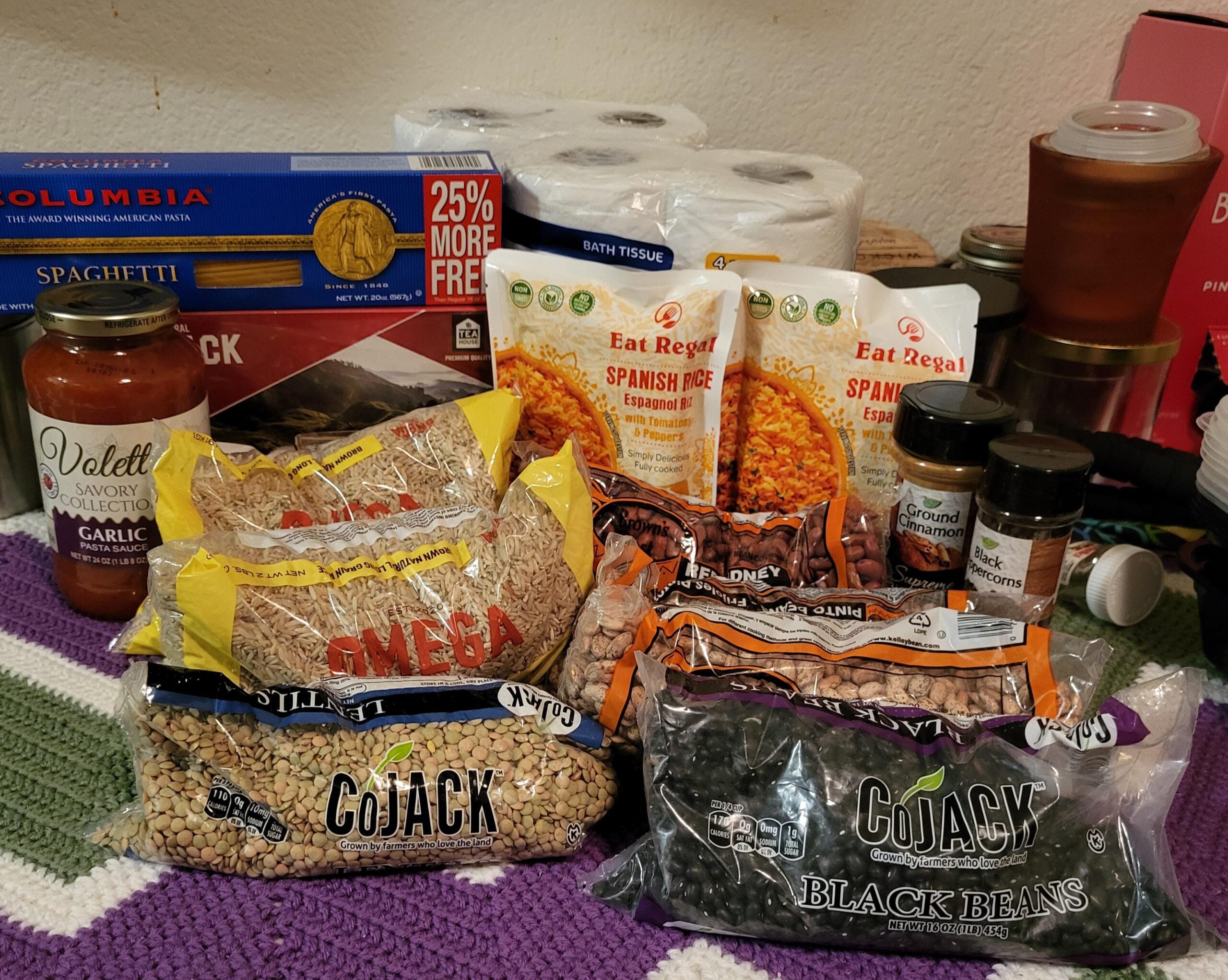
Families stocked up on staples like flour and rice because larger quantities meant lower prices. Today, bulk buying still reduces costs and ensures homes are prepared for shortages.
2. Seasonal Shopping
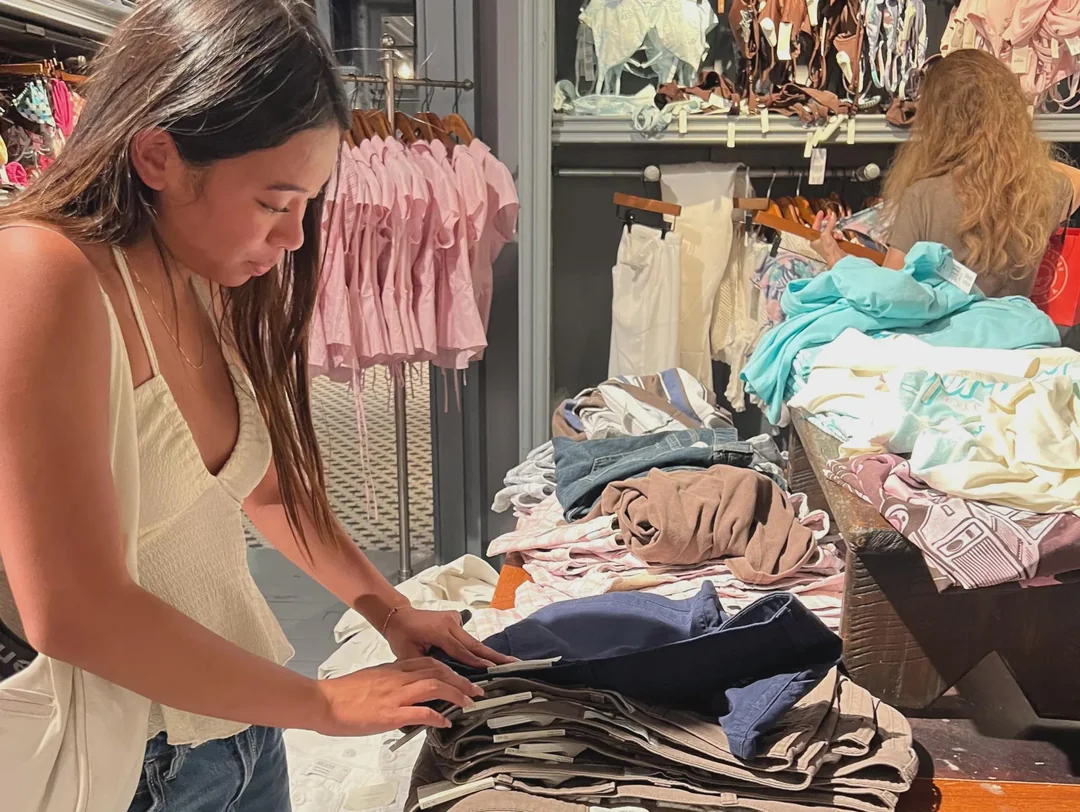
People waited for end‑of‑season sales to buy clothes or goods. Patience paid off, as items were often half the price once demand dropped.
3. Cash Purchases

Without easy access to credit, families paid in cash, which limited overspending. This habit encouraged discipline and living within one’s means.
4. Price Bargaining
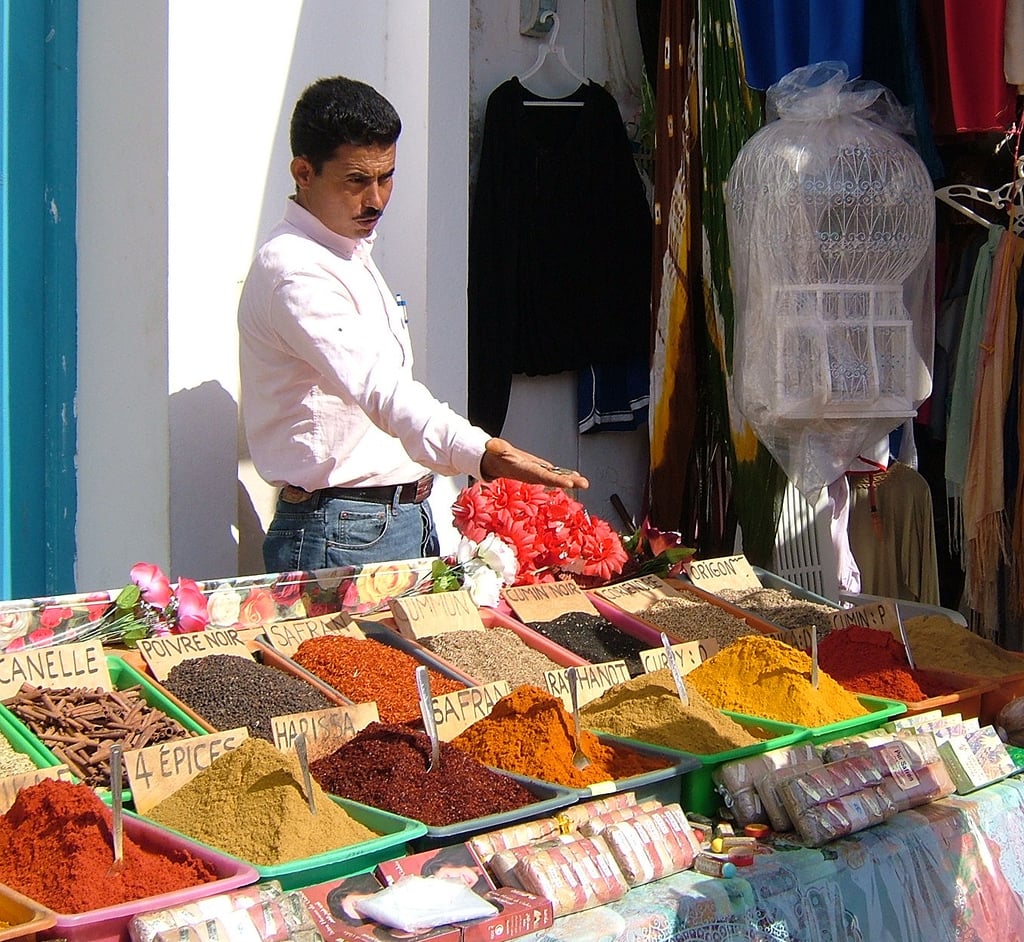
Negotiating at local markets was common. Bargaining not only lowered costs but also built relationships with vendors who valued loyal customers.
5. Repair Before Replace

Shoes were resoled, clothes patched, and appliances fixed. Repair culture extended the life of items and saved families from unnecessary expenses.
Trending on Wealth Gang


6. Hand‑Me‑Downs
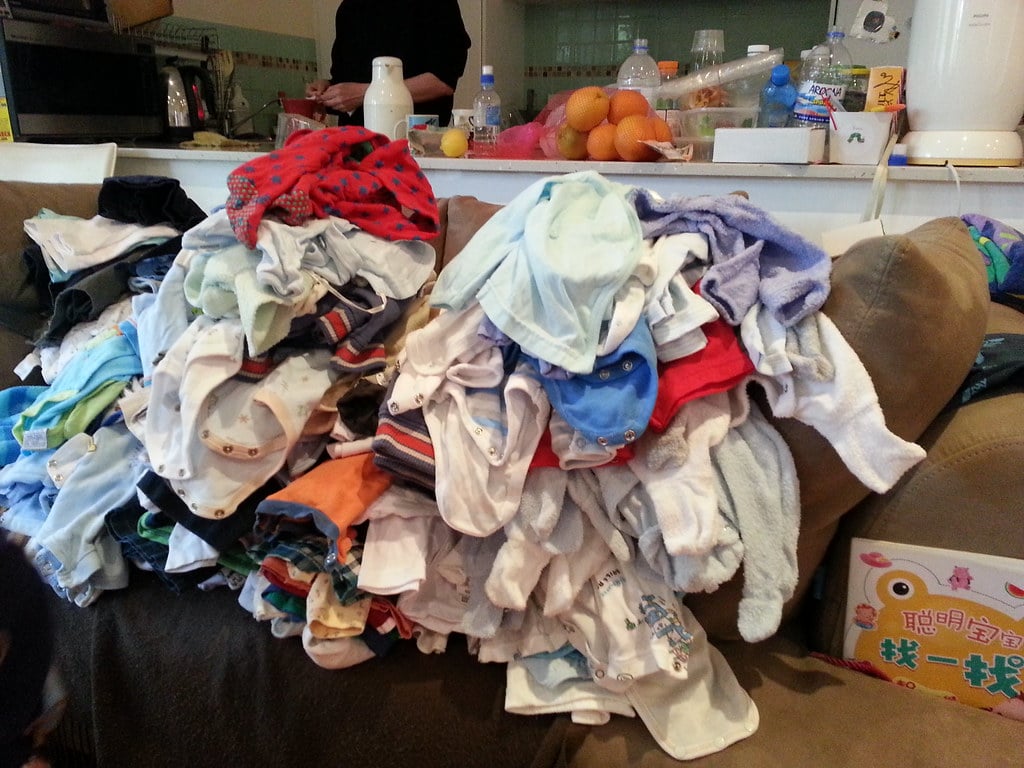
Clothing was passed from older siblings to younger ones. This practice reduced waste and kept wardrobes full without constant new purchases.
7. DIY Alternatives

Instead of buying everything, families made cleaning products, bread, or even toys at home. DIY solutions cut costs and promoted self‑sufficiency.
8. Coupons
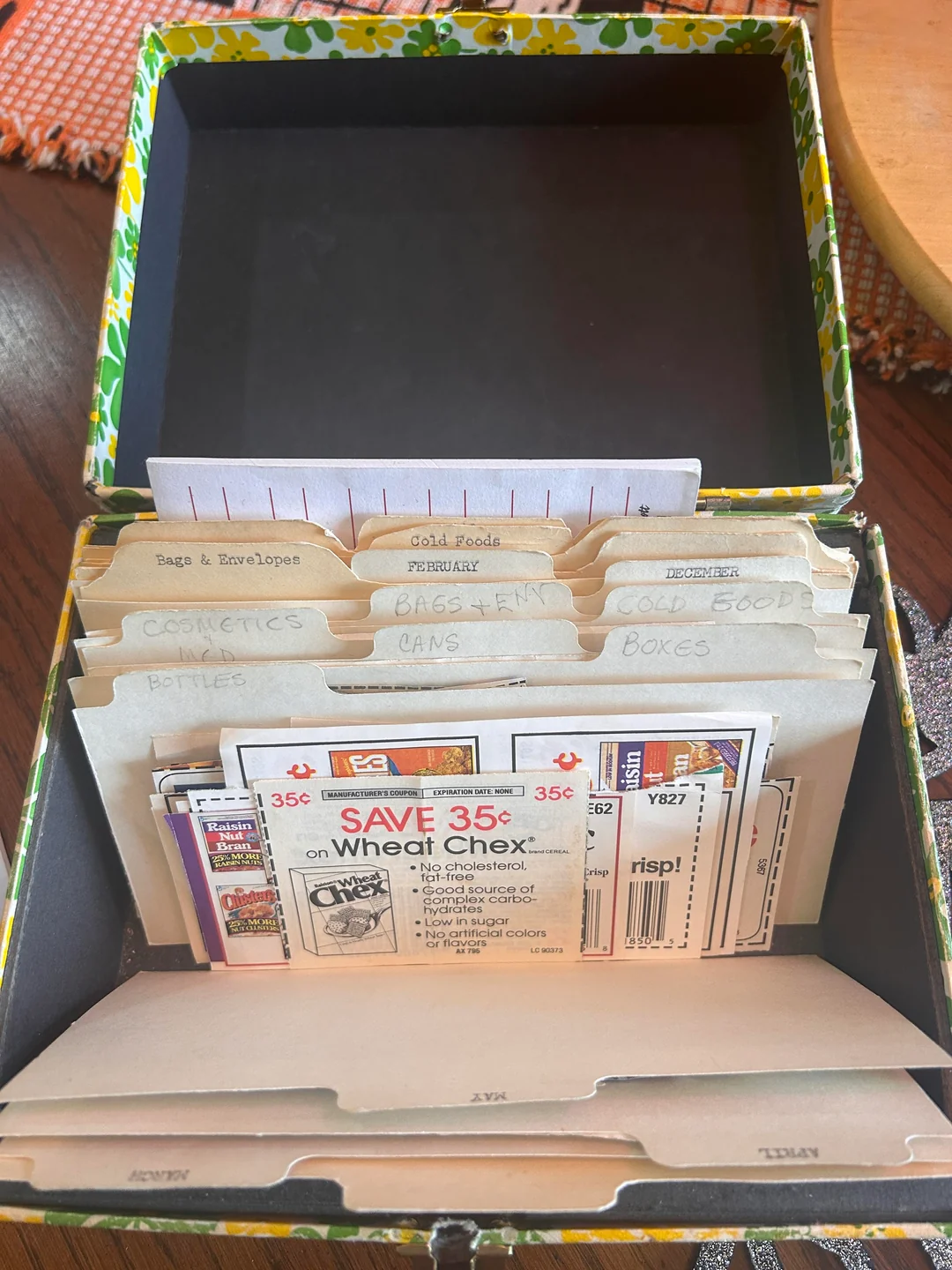
Paper coupons were a lifesaver for families. Collecting and saving them turned shopping into a strategic game of savings.
Sign up for our newsletter
9. Local Market Loyalty

Shopping at neighborhood markets often meant fresher produce and better deals than chain stores. Loyalty meant earned discounts or extras.
10. Secondhand Shopping
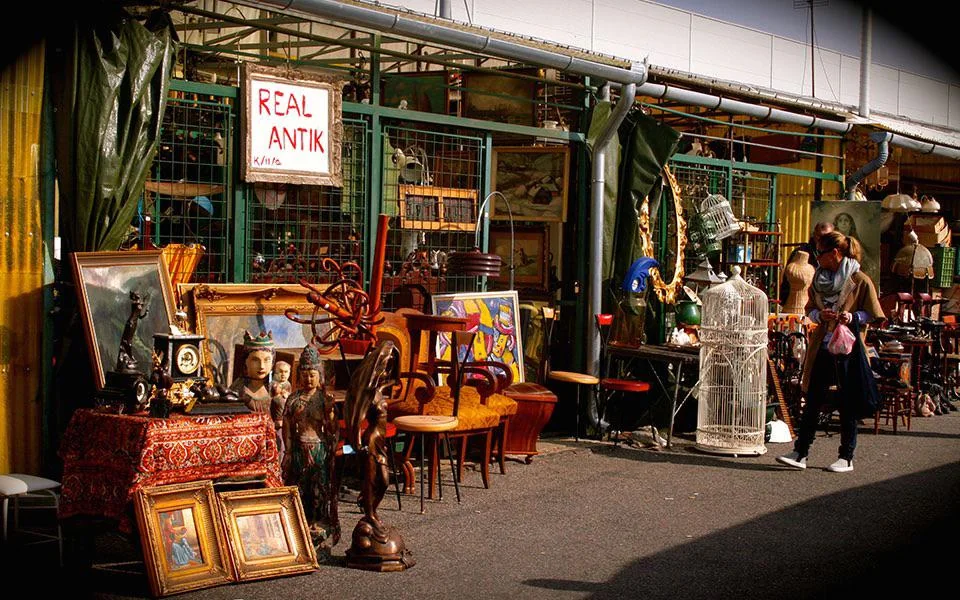
Thrift stores, flea markets, and garage sales provided affordable clothing, furniture, and household goods. Buying used goods was both economical and sustainable.
11. Bartering Goods

Families exchanged items or services when cash was tight. Trading babysitting for groceries or tools for clothing kept communities resilient.
12. Saving Spare Change

Every coin mattered. Spare change jars grew into emergency funds, teaching the value of consistency in saving.
13. Shopping Listing
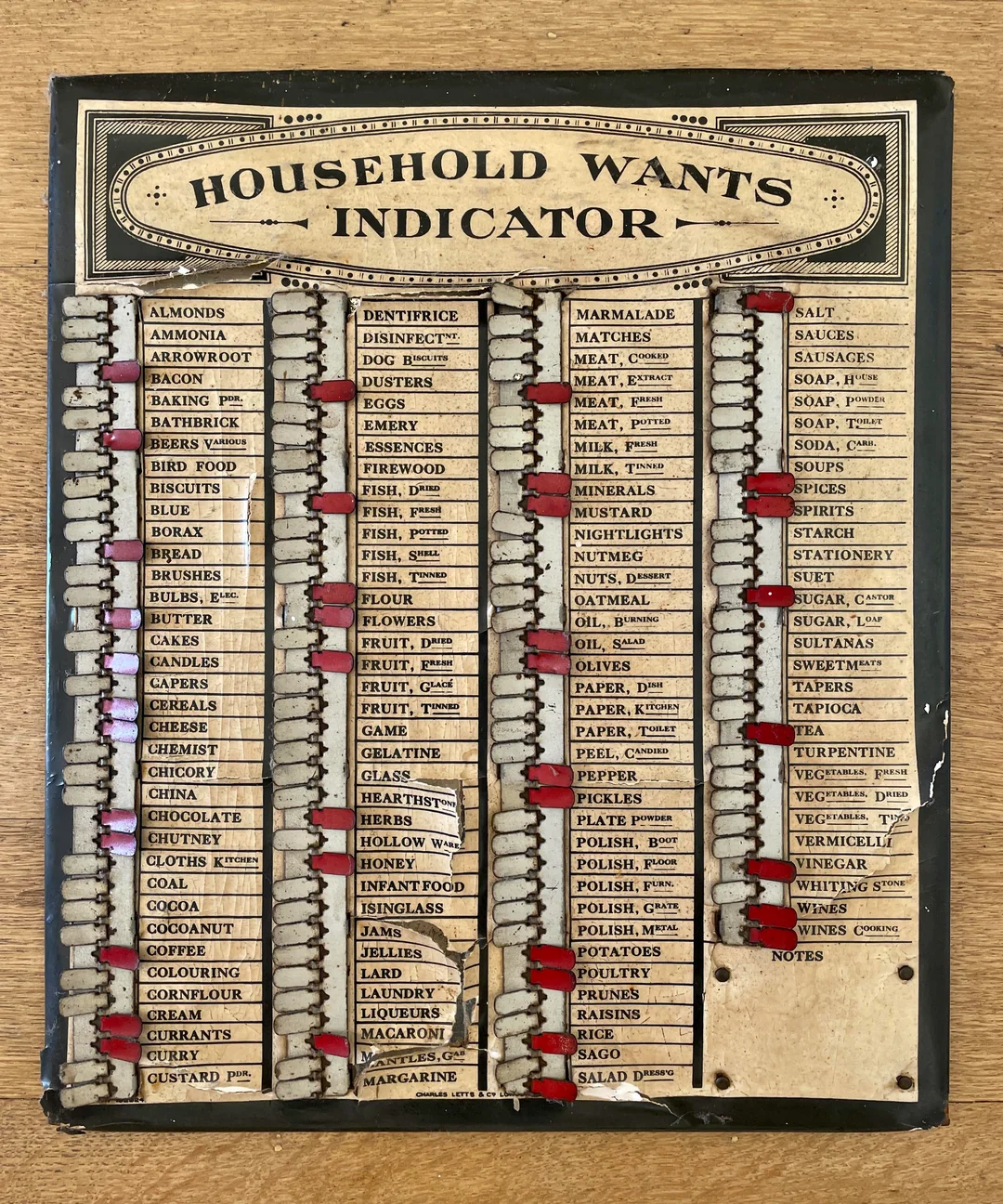
Families planned purchases carefully with handwritten lists. This reduced impulse buying and ensured money was spent only on essentials.
14. Seasonal Production
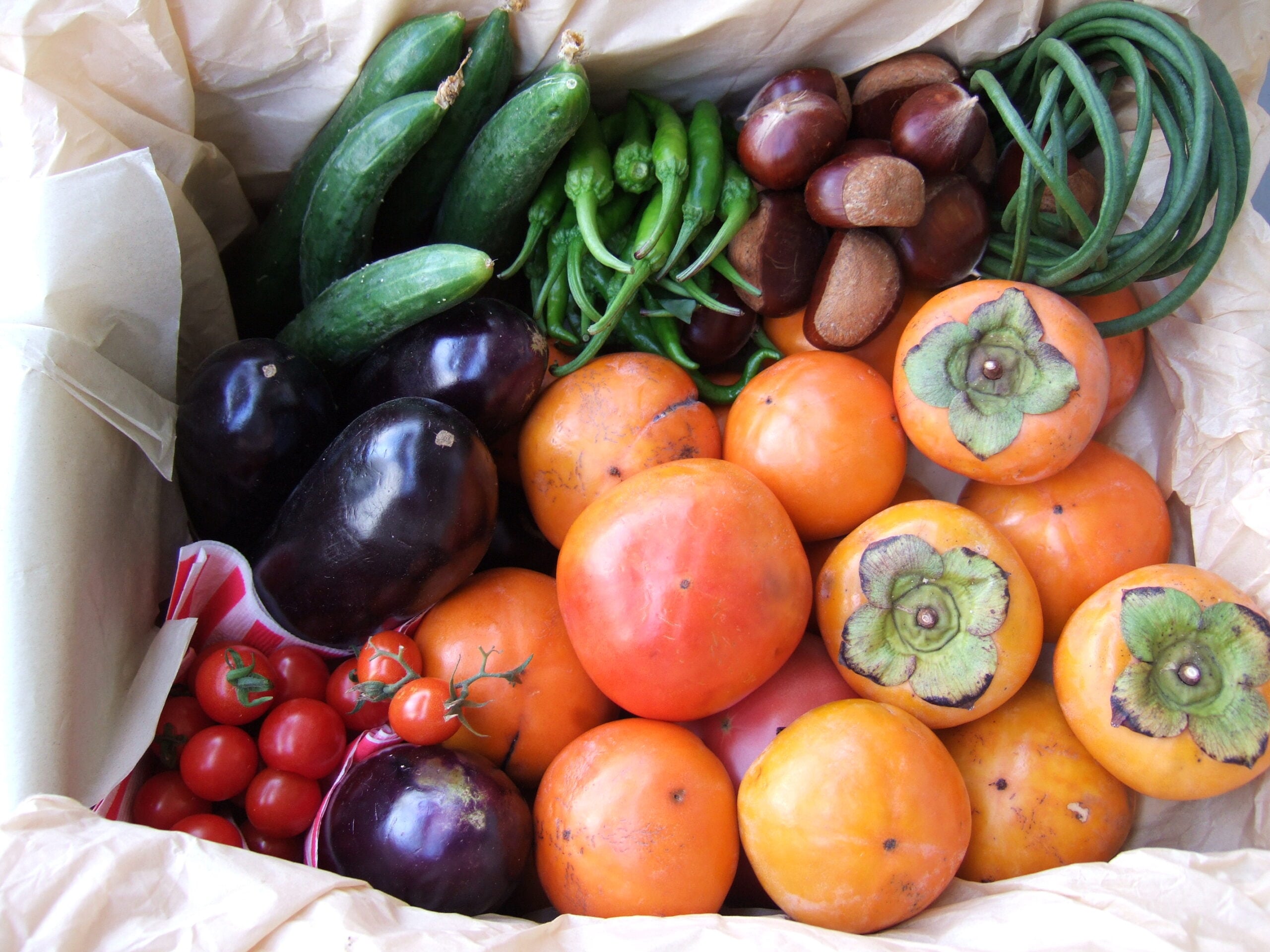
Buying fruits and vegetables in season was cheaper and fresher. Families adjusted diets to match availability, saving money while eating well.
15. Collective purchasing
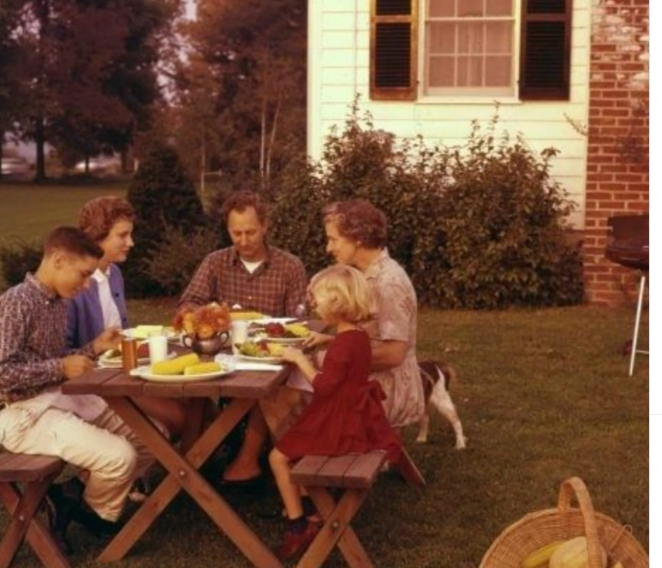
Neighbors pooled money to buy wholesale goods together. Collective purchasing lowered costs for everyone.
16. Making Do With Less
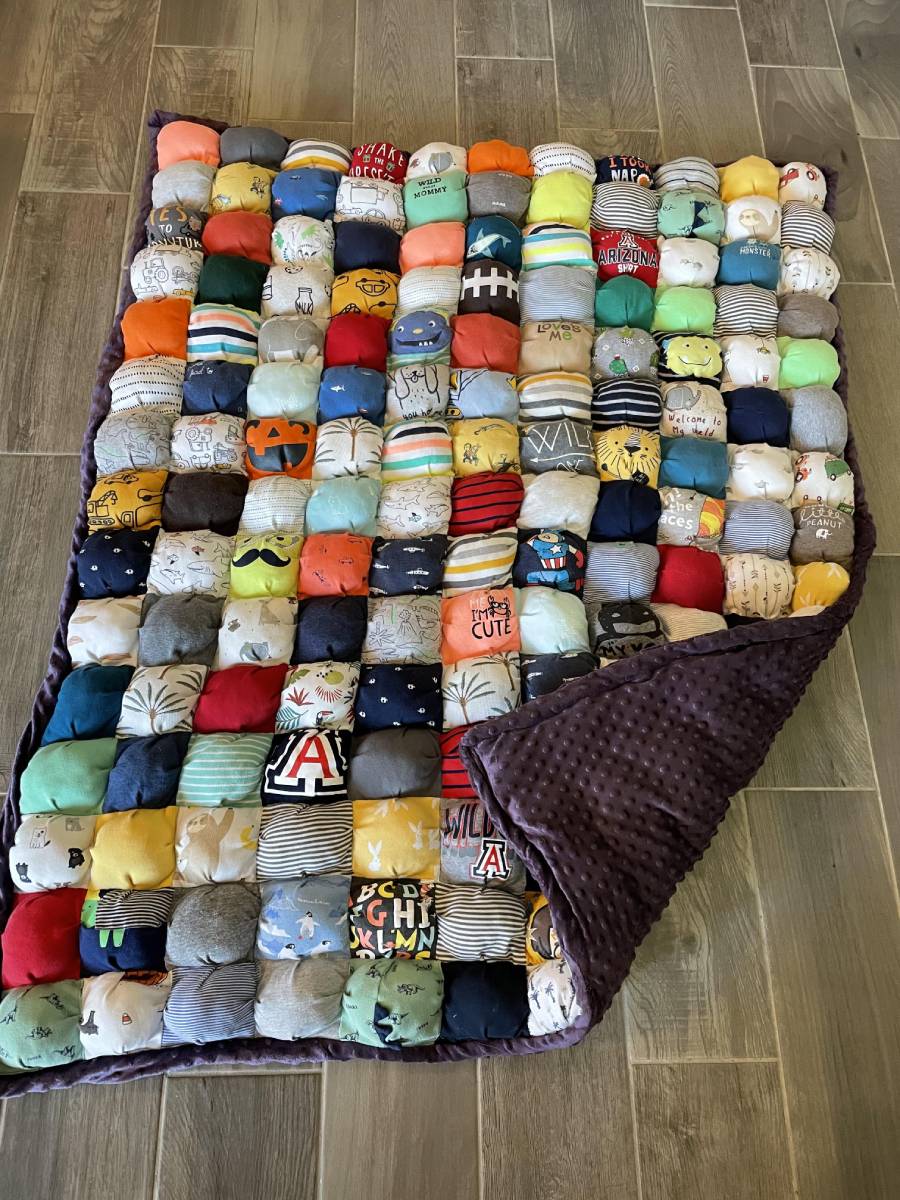
Instead of chasing trends, families reused, repurposed, and simplified. This mindset reduced unnecessary spending and built resilience.
17. Bulk Cooking & Preserving
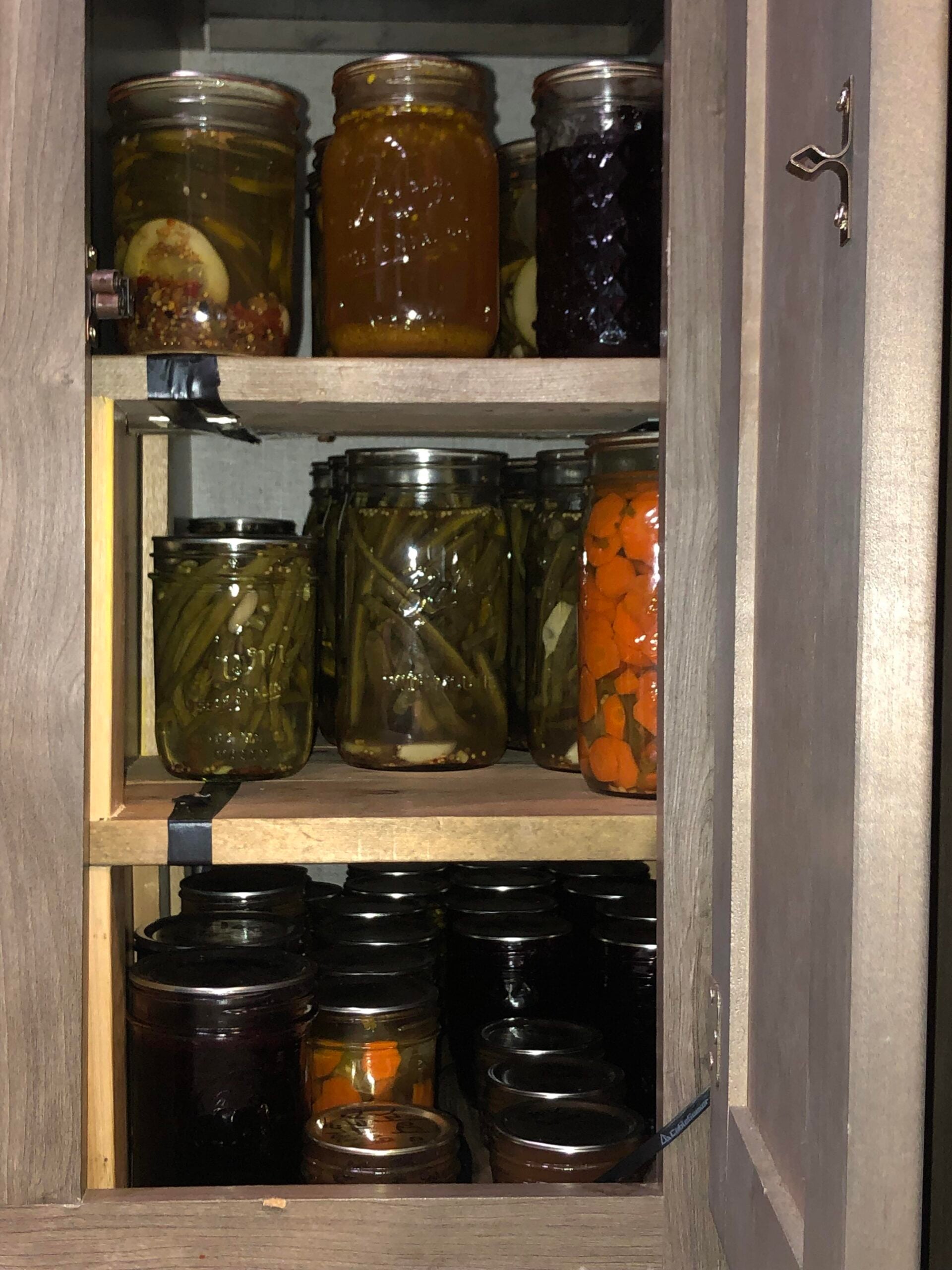
Families often cooked large batches of meals and preserved food through freezing, for instance. This practice reduced waste, saved money, and ensured food security . Today, meal preserving offers the same benefits: lower costs and healthier eating habits.
Keep reading:
15 Things Previous Generations Saved For That People Finance Differently Today, which explores shifting priorities in money management, 18 Comfort Foods Moms Mastered in the 1990s, a delicious throwback to the dishes that defined family kitchens, and 10 Shopping Mall Trends That Defined Teen Life in the 80s, a snapshot of the places where style, music, and teen identity collided.