
The 1800s would feel like an entirely different world compared to the modernized, tech-infused space rock we live on now. It’s remarkable to pause and reflect on how much has changed. With that being said, the job industry has undergone rapid, massive changes as well.
Did I have any idea that there were poor lads back in the day who were resigned to wading into marshes at dawn to then let leeches cling to their legs so that doctors could use them for medicinal bloodletting? Of course not. Yet, here we are. I want to take a step back in history and take a closer look at 13 professions in particular, from the 1800s, that feel surreal today.
1. Leech Collector

This one’s just wild, and I’m generally not okay with it. Alas, though, upon wading into the marshes at dawn, these workers would then proceed to let bloodsucking leeches cling to their legs so that doctors could then employ them for medicinal bloodletting. Yeah, it was dangerous, grimy, and somehow even considered a respectable trade as well.
2. Night Soil Man

Before indoor plumbing was considered common, someone actually had to remove human waste from outdoor facilities. Usually, this would occur in the dead of night as well. They then hauled it through city streets to disposal sites. Thus, doing the job that no one wanted but everyone needed.
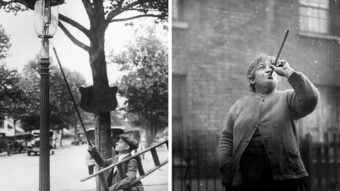
3. Knocker-Up

This one’s just weird. However, the name of the game was that, with alarm clocks not yet widely available, folks would walk through neighborhoods and tap on windows with long poles to wake workers for their shifts. Some even used pea-shooters to hit upper-floor panes.
4. Gong Farmer

A specialized and infamously smelly version of the night soil trade, gong farmers would clean the deep and harrowing cesspits located beneath the world’s early buildings. The work also paid surprisingly handsomely strictly because the conditions themselves were so terrible.
5. Rat Catcher

Cities were overwhelmed by hordes of nightmarish vermin, so professional hunters would set out to roam the streets and taverns, catching rats with traps, dogs, or even their bare hands. Some even sold the captured rats to terrier trainers.
Trending on Wealth Gang


6. Lamplighter

Before there were electric streetlights, towns near and far would employ workers who walked nightly routes, lighting each gas lamp by hand. Then, they would return at dawn to snuff them out. Weather, ladders, and soot all came with the territory.
7. Matchstick Maker

These factory workers busied themselves dipping match heads in toxic white phosphorus, oftentimes developing what was called “phossy jaw.” This was a horrific bone-eating condition. The job then became infamous during the industrial-era labor reform fights.
8. Human Alarm Clock

In addition to patrolling after dark, watchmen would keep time, announce hours, and then warn of fires. Their presence was essential in bustling cities long before there were standardized police forces.
Sign up for our newsletter
9. Telegraph Boy

These young runners would spring across cities and deliver urgent telegrams. They then acted as the human notification system of the actual pre-phone world. Most often, then racing from office to house dozens of times a day.
10. Hog Reeve

Colonial and early-American towns would hire on hog reeves to capture loose pigs that were roaming the streets before they could then trample gardens. It was a real, government-appointed job. And yes, that also included the fines.
11. Ice Cutter

Before refrigeration, massive blocks of lake ice were actually carved with saws during each winter. They were then hauled by horse-drawn sleds and stored in insulated icehouses. It was truly freezing, back-breaking labor that would then power the chilled-food economy as a whole.
12. Powder Monkey

Young boys out on naval ships carried around gunpowder from storage to cannons during battle. It was extremely risky work, but their speed was also able to keep ships firing.
13. Milkman Chemist

Because milk would spoil so fast, some sellers would then hire workers to test, dilute, and mix additives (legal or not) before actual delivery. The absence of regulations then led to both scandals and health crises.