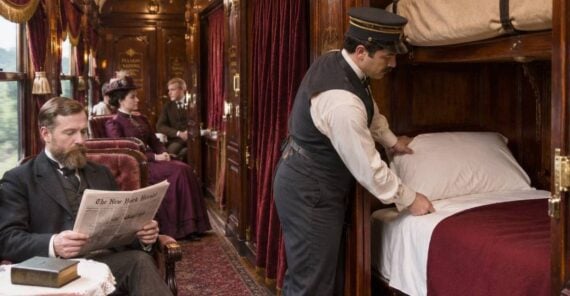
For most of human history, traveling far from home was an exhausting challenge. People spent weeks crossing oceans or dirty roads, often without knowing their exact location or when they would arrive.
Smart inventions and big building projects have changed how we move around the world. From simple sailing tools to modern airplanes and GPS, these 15 breakthroughs turned dangerous journeys into fast, safe, and everyday trips for millions of people.
1. Magnetic Compass
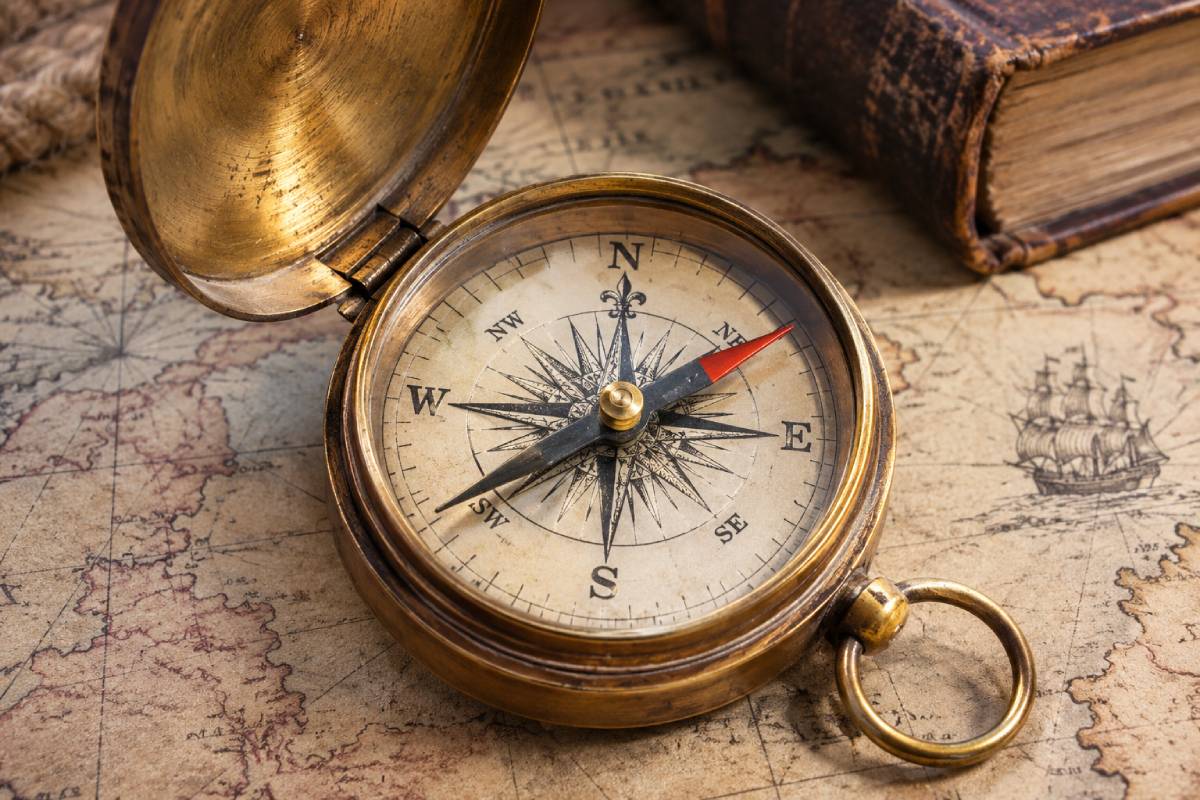
For centuries, sailors relied on celestial observations, coastal landmarks, and their knowledge of winds to navigate long distances. Magnetic compasses, developed in China and documented in European maritime use by the late 12th century, allowed navigators to determine direction even when clouds obscured the Sun and stars.
2. Marine Chronometer
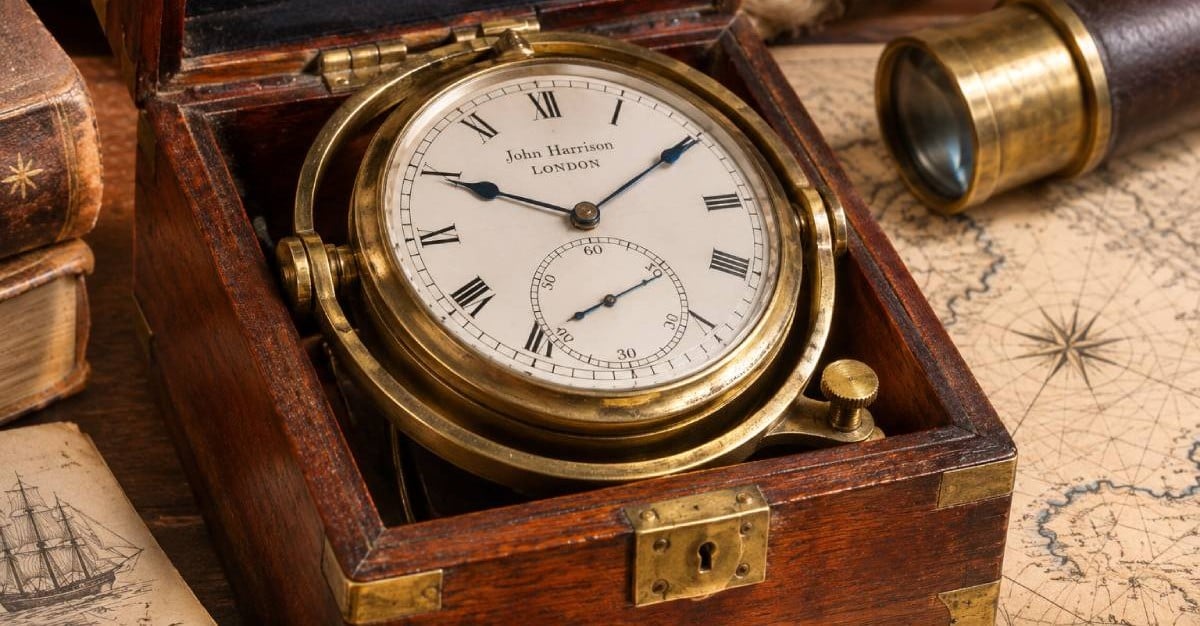
Determining longitude was one of the greatest challenges of ocean navigation because sailors needed an accurate reference time to calculate their east-west position. British clockmaker John Harrison developed precise marine timekeepers, culminating in his H4 watch, completed in 1759. Its successful performance during sea trials demonstrated that accurate portable timekeeping could improve navigation.
3. Steam Locomotive
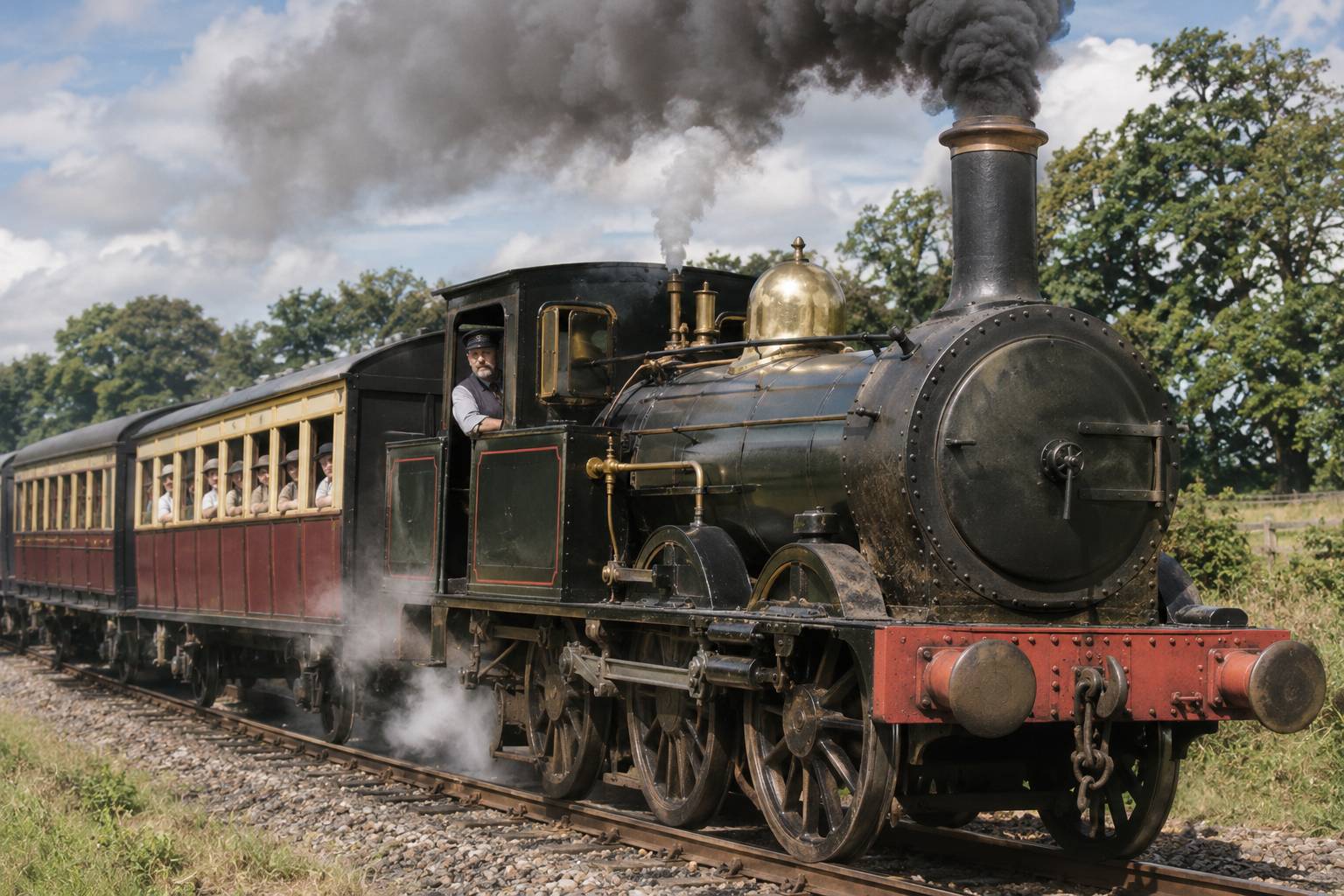
Steam-powered railways introduced a new way to move passengers over long distances without relying on horses or ordinary roads. In September 1825, Britain’s Stockton and Darlington Railway carried passengers behind a steam locomotive during its opening celebrations. As railway networks expanded during the following decades, journeys between cities became faster, more predictable, and accessible.
4. Erie Canal
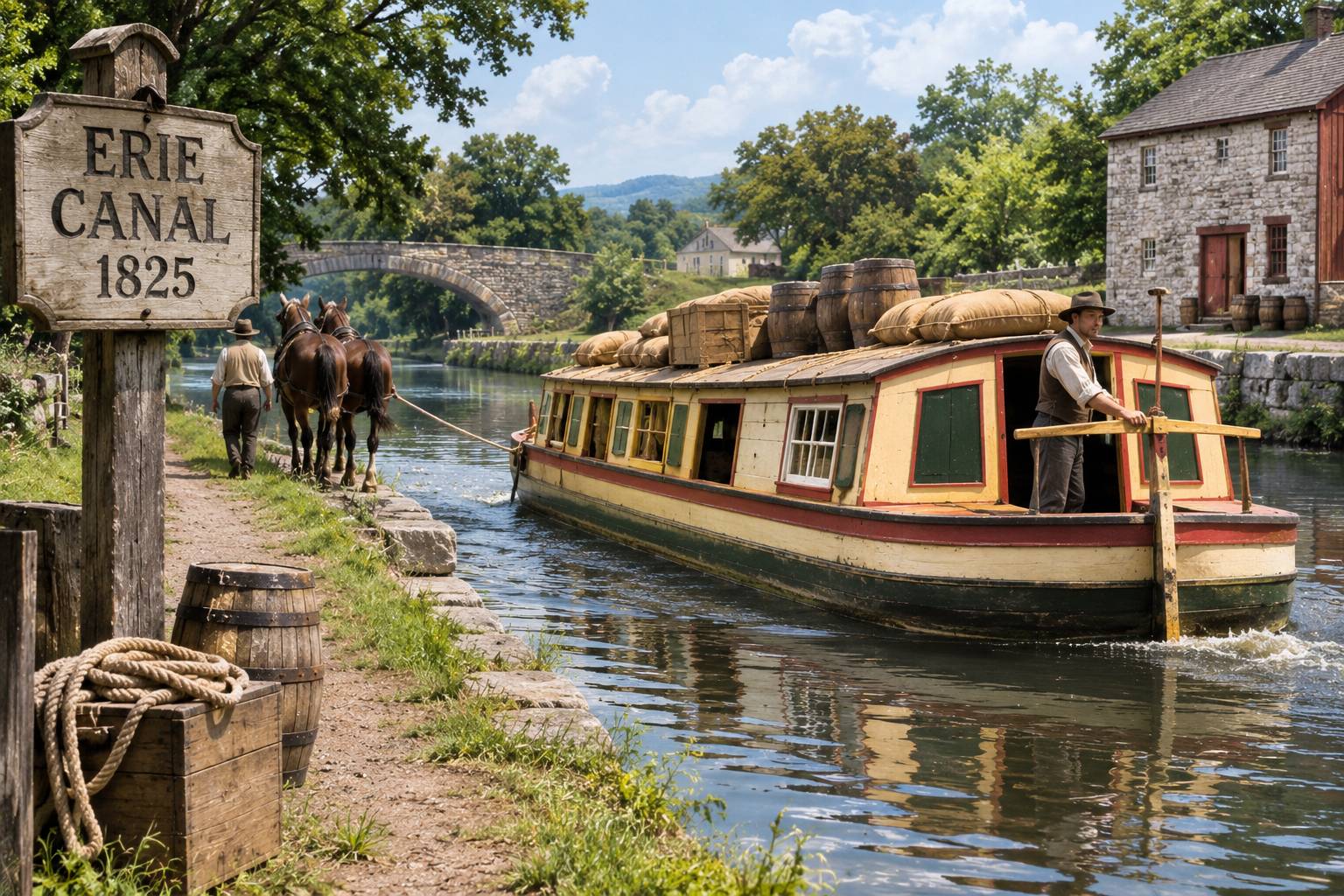
When the Erie Canal opened in 1825, its 363-mile route connected Albany and Buffalo, creating an important transportation link between the Hudson River and the Great Lakes. A journey that could take around 20 days overland could be completed by canal boat in roughly six days.
5. Regular Transatlantic Ship Service
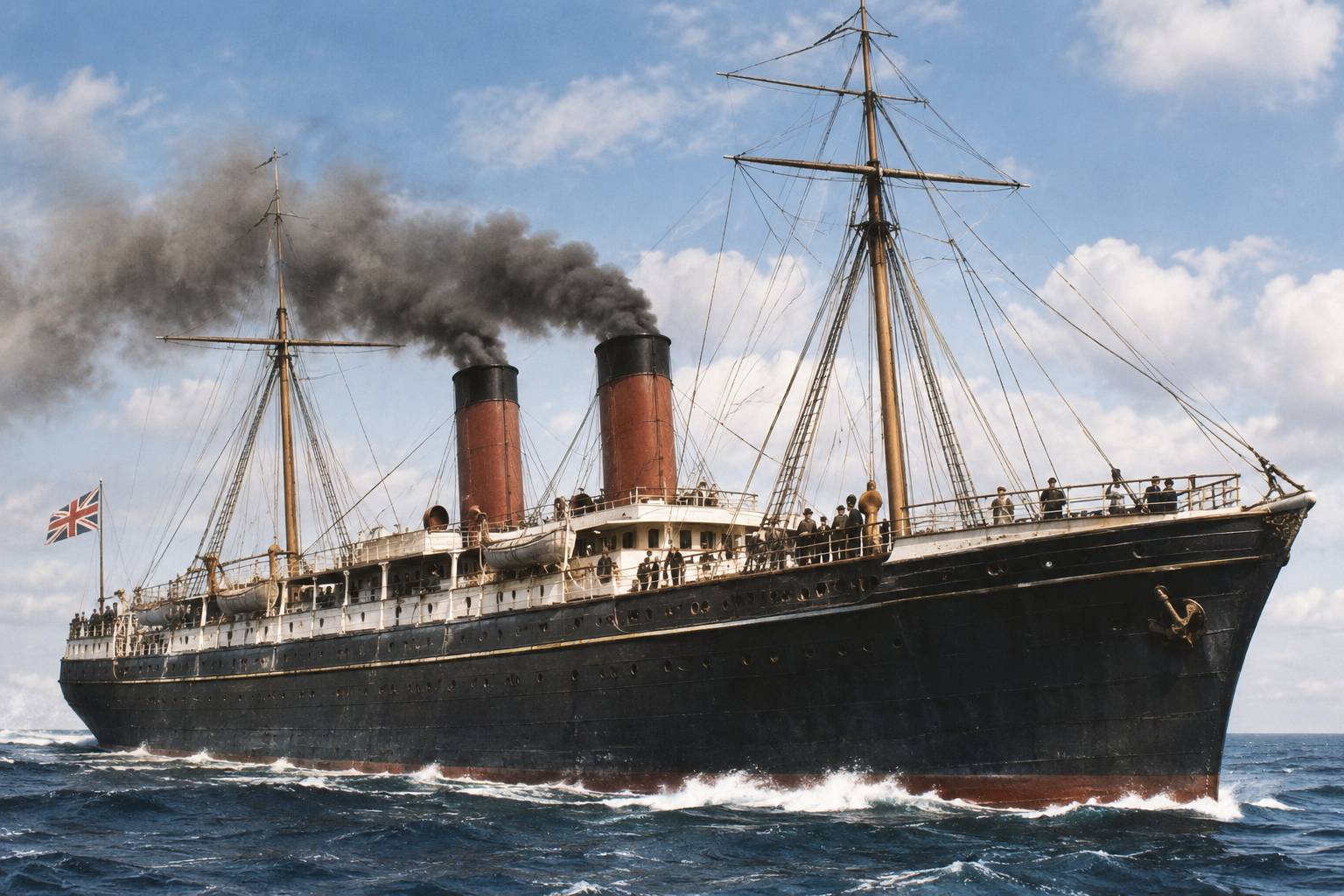
Sailing ships had carried passengers across the Atlantic for centuries, but their schedules depended on favorable winds. Regular steamship crossings became established during the 1840s, making transatlantic journeys more predictable and gradually reducing their duration.
Trending on Wealth Gang


6. Railway Sleeping Cars
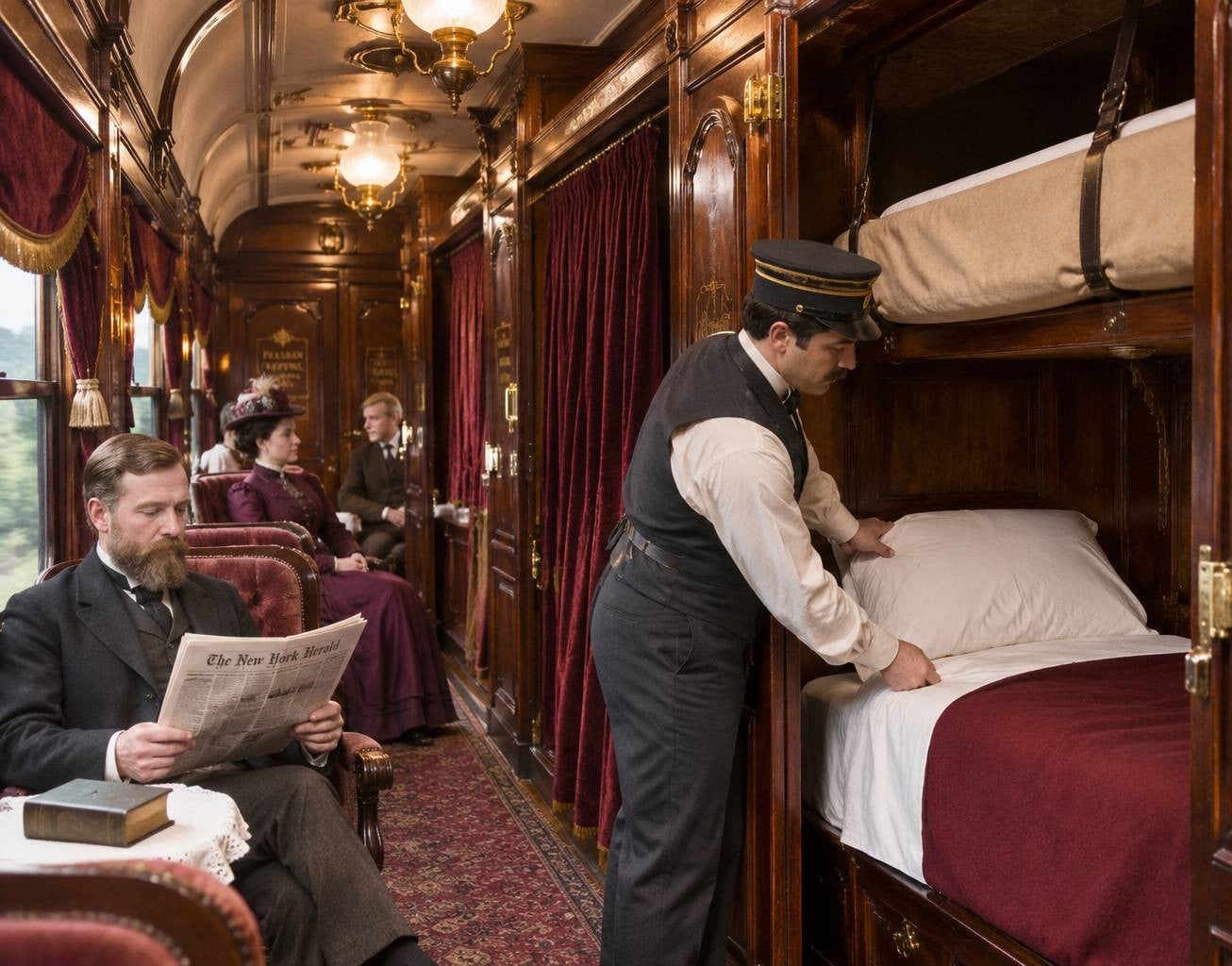
Long train journeys meant spending nights sitting upright in uncomfortable passenger coaches. Sleeping cars appeared on American railroads during the 1830s, but George Pullman’s improved designs helped make overnight accommodations popular during the 1860s. Beds, privacy curtains, and dedicated attendants offered travelers greater comfort on multi-day journeys.
7. Transcontinental Railroad (1869)
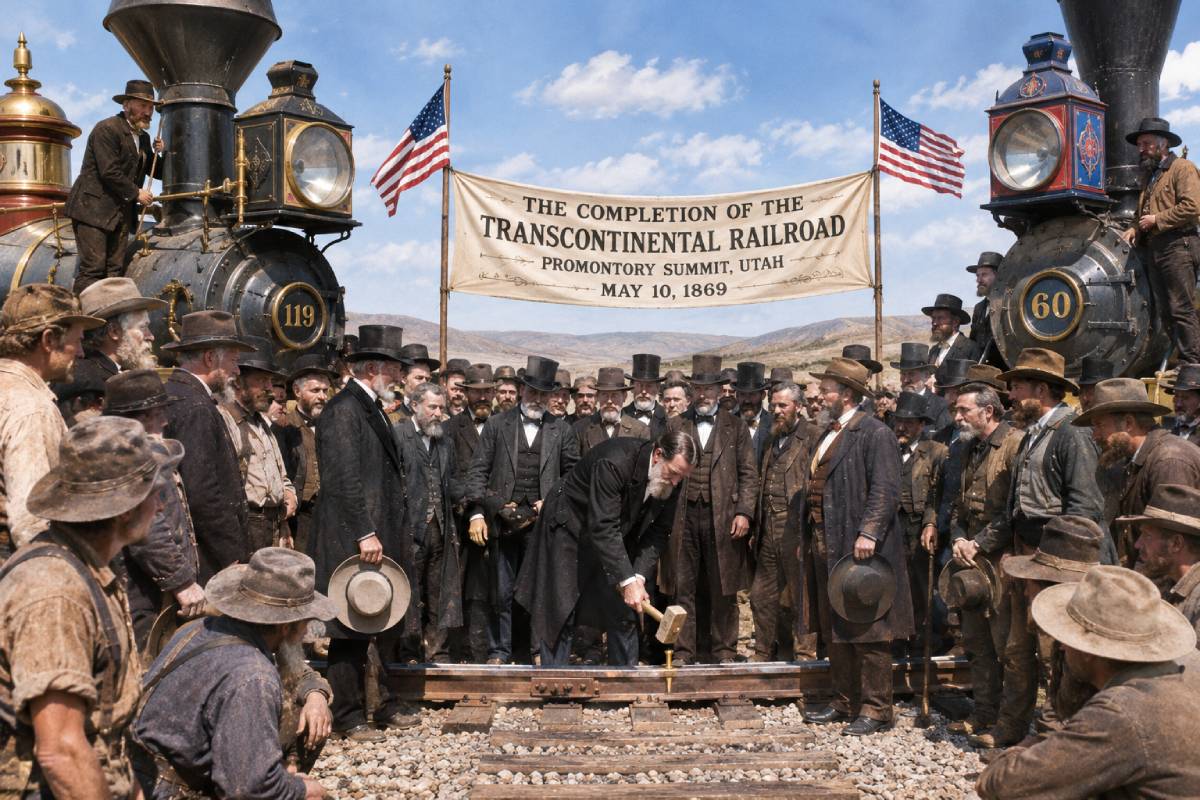
The completion of America’s first transcontinental railroad at Promontory Summit, Utah, transformed cross-country transportation. Journeys that previously took months by wagon could now be completed by rail in approximately six days.
8. Automatic Railway Air Brakes (1872)
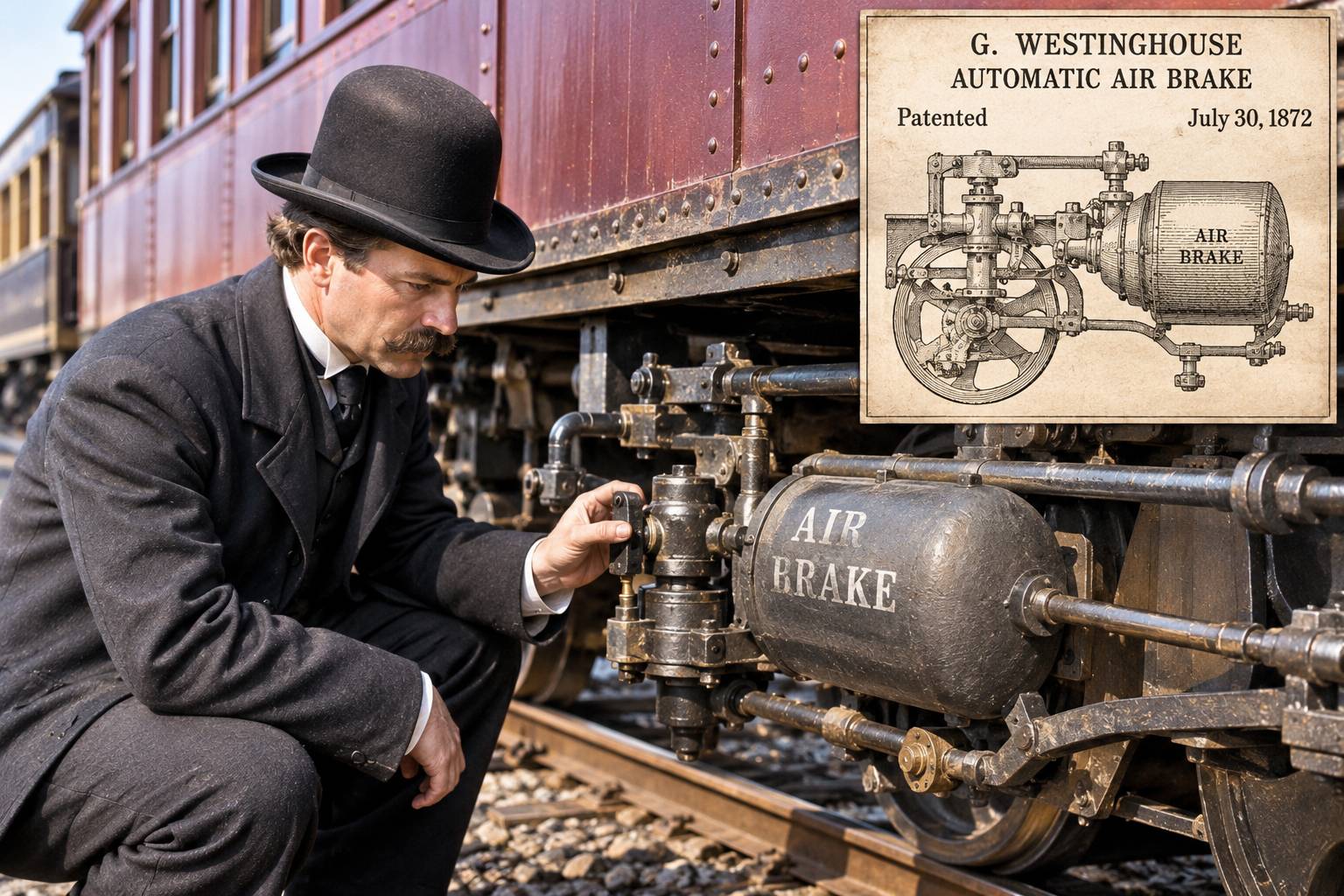
Early trains depended on manually operated braking systems that could be dangerous and difficult to coordinate across multiple cars. George Westinghouse patented an improved automatic air brake in 1872, allowing brakes throughout a train to engage when air pressure dropped. The system helped prevent runaway railcars and made longer, faster passenger trains safer to operate.
Sign up for our newsletter
9. The First Controlled Powered Airplane (1903)
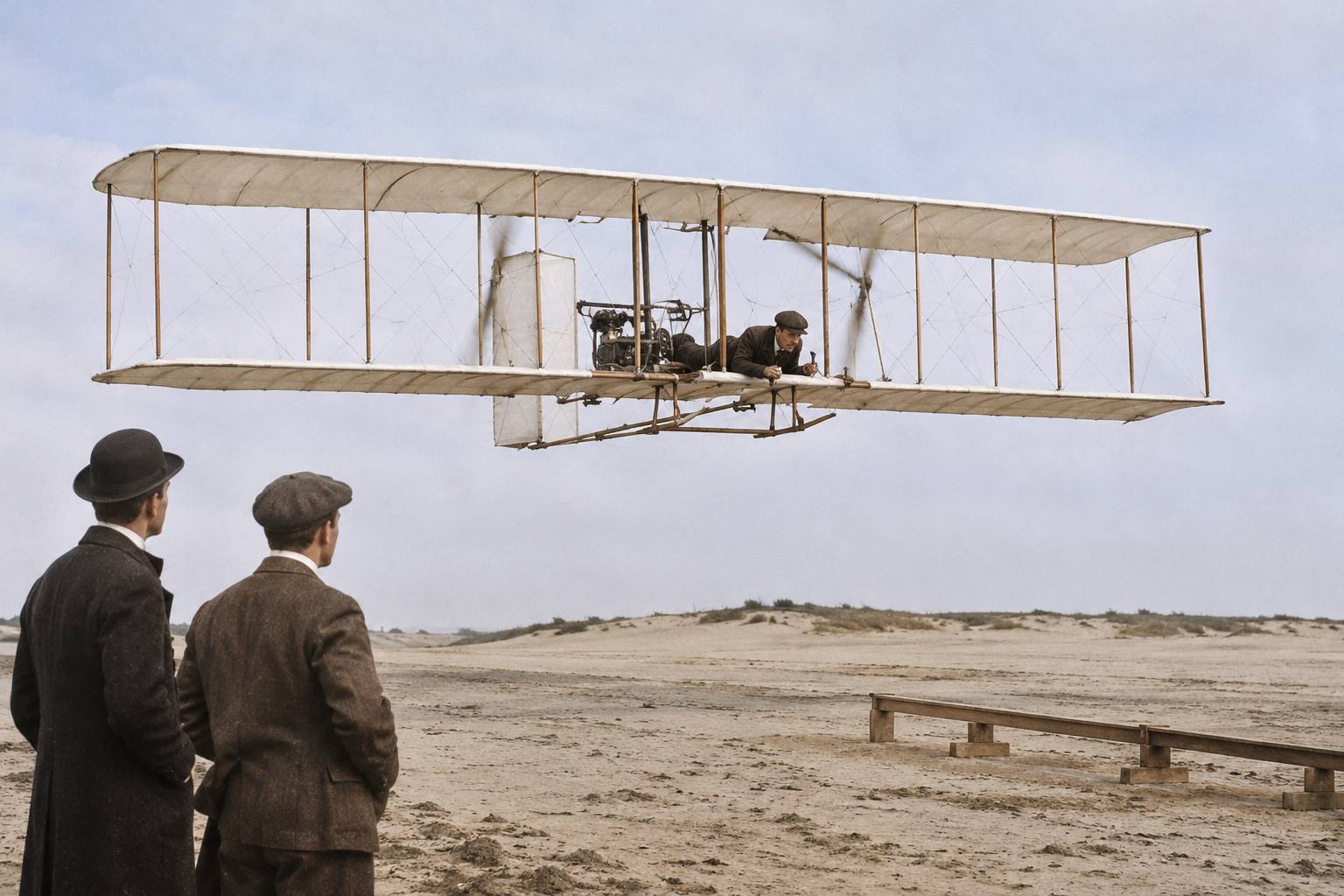
On December 17, 1903, Orville and Wilbur Wright achieved the first successful controlled, sustained flight of a powered, heavier-than-air aircraft near Kitty Hawk, North Carolina. The first flight lasted just 12 seconds and covered 120 feet, making it far too short for practical transportation.
10. Mass-Produced Automobiles
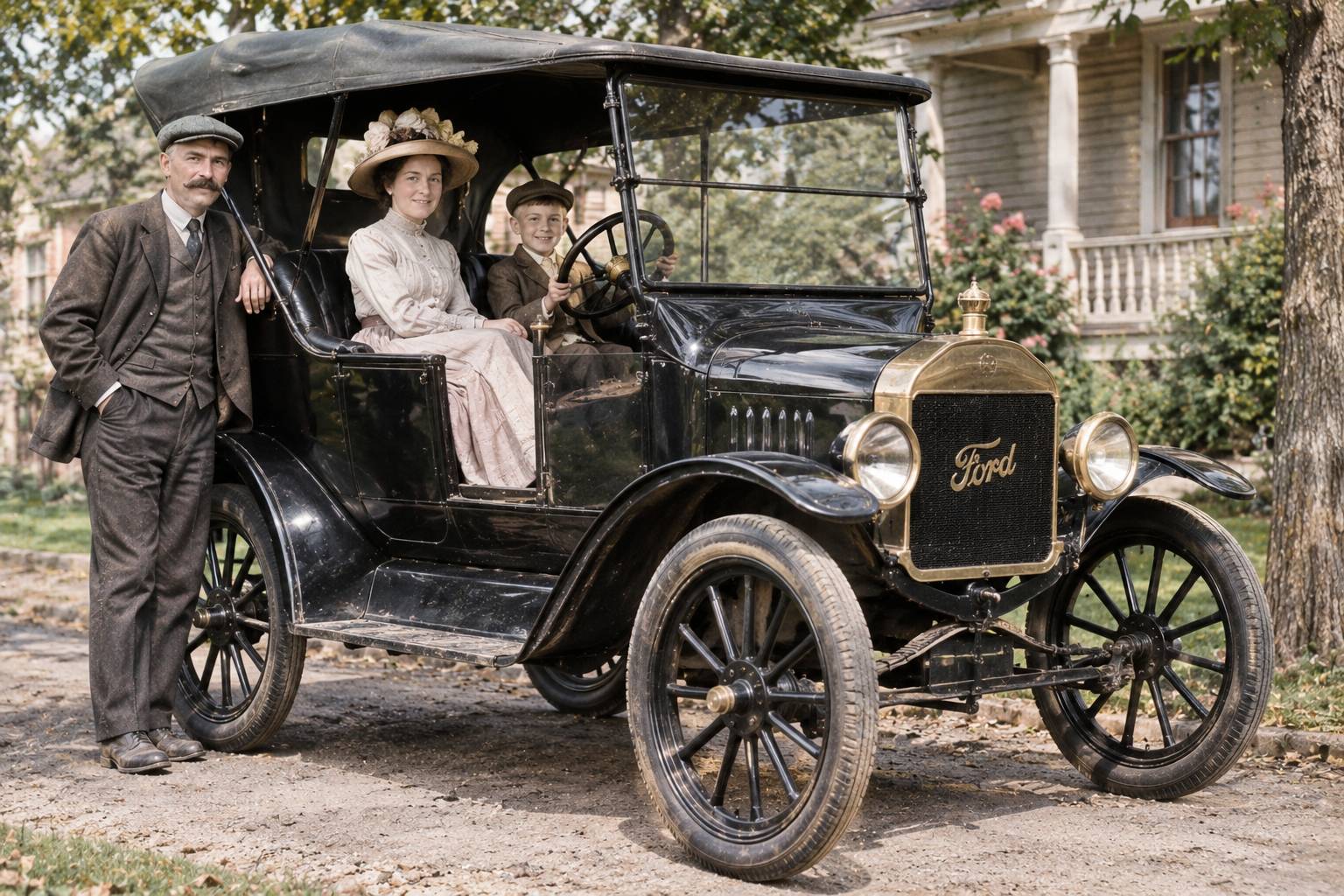
The Ford Model T, introduced in 1908, helped make automobile ownership possible for a much broader segment of Americans. As manufacturing improvements brought prices down, motorists gained the freedom to travel beyond railroad routes and fixed transportation schedules.
11. The Lincoln Highway (1913)
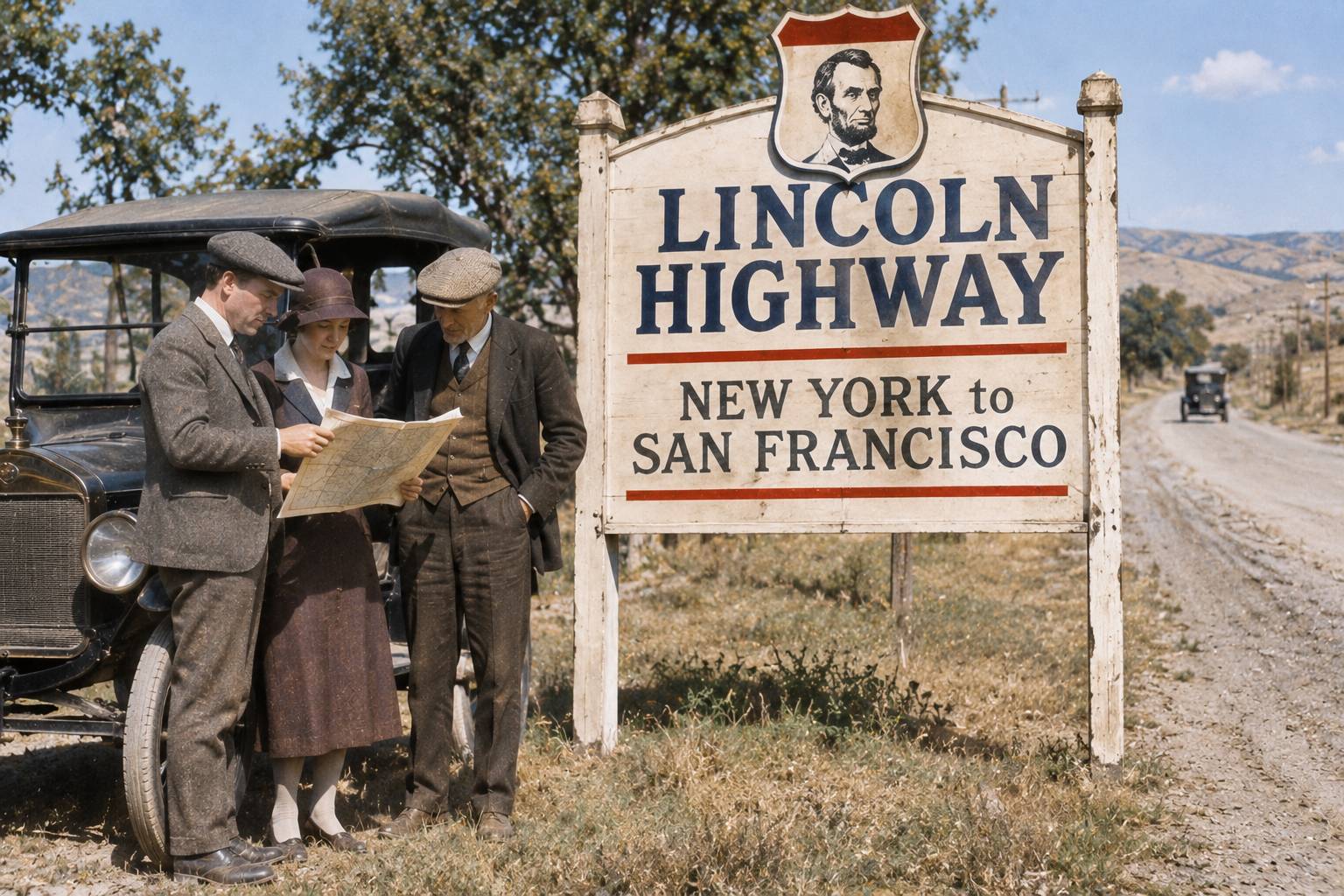
The Lincoln Highway Association announced its transcontinental route in September 1913, promoting the idea of a connected road between New York City and San Francisco.
12. The Panama Canal (1914)
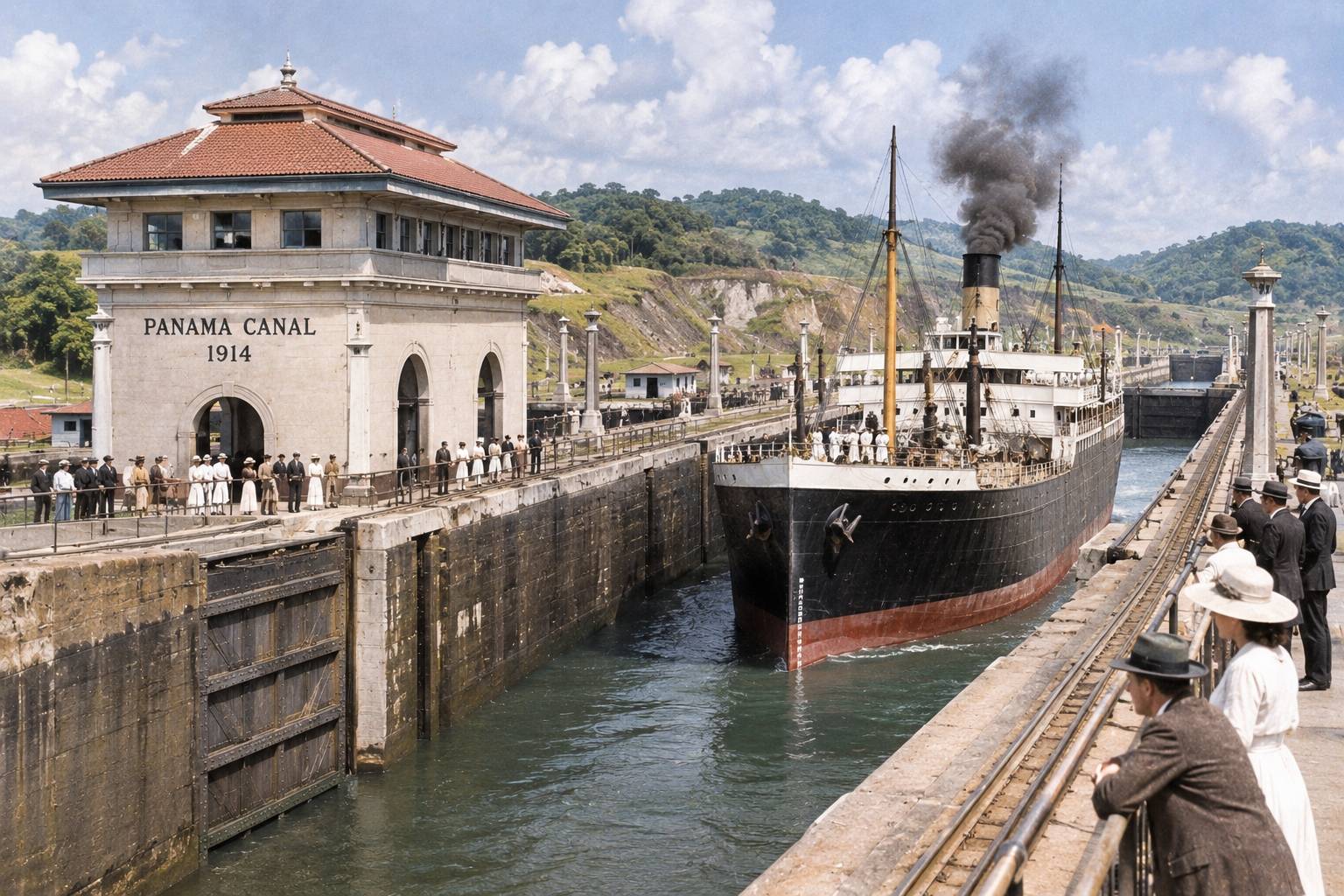
Before the Panama Canal opened on August 15, 1914, ships traveling between the Atlantic and Pacific Oceans faced the long journey around the southern tip of South America. The new waterway provided a shortcut through Central America, reducing travel distances and transit times on many international routes. Although its greatest economic impact involved commercial shipping, the canal also made certain long-distance passenger voyages more practical.
13. Douglas DC-3 Airliner
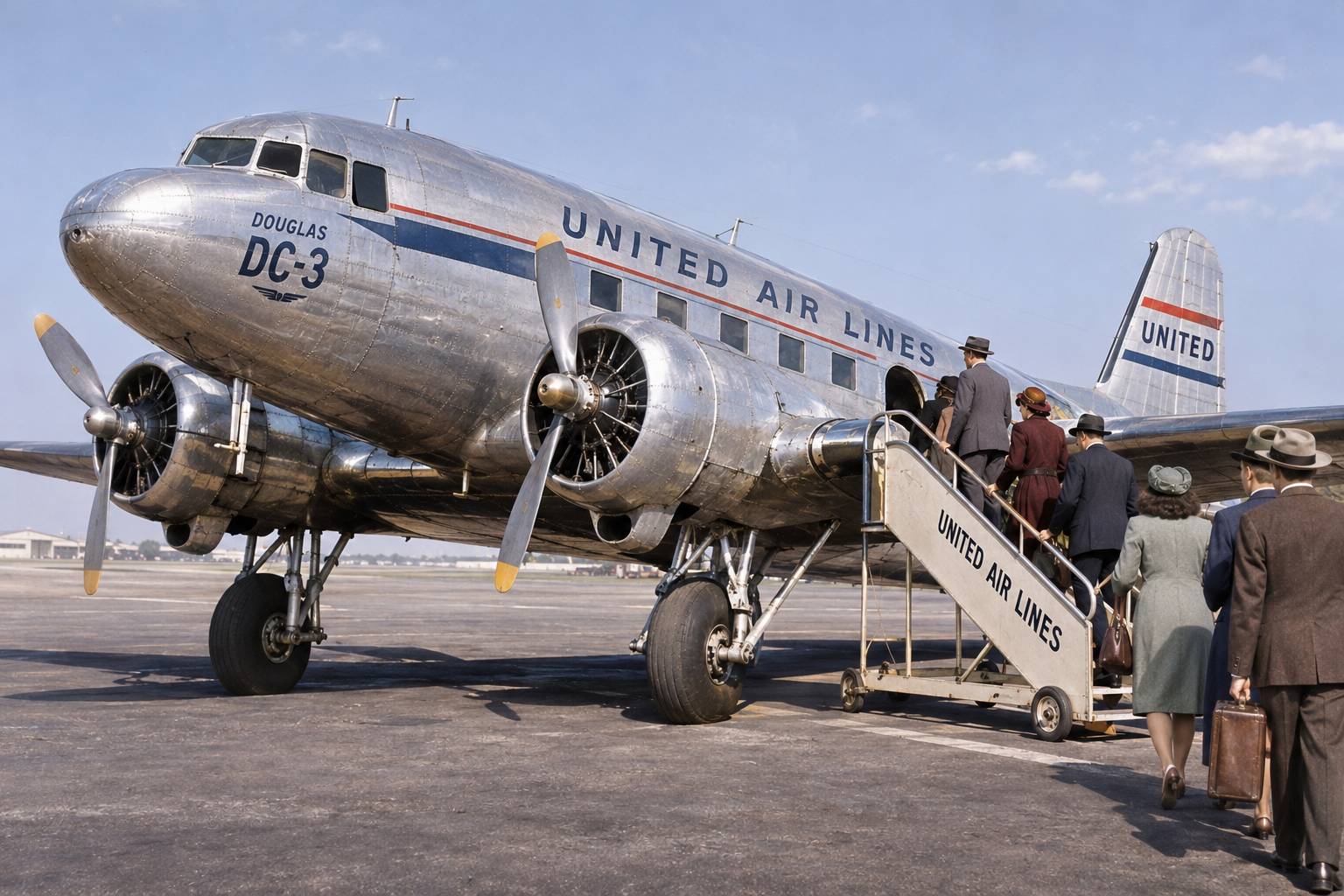
The Douglas DC-3, first flown in 1935 and introduced into airline service in 1936, helped make passenger aviation a more economically sustainable business. With seating for approximately 21 passengers, the aircraft combined reliability, comfort, and operating efficiency that many earlier airliners lacked.
14. Pressurized Passenger Cabins
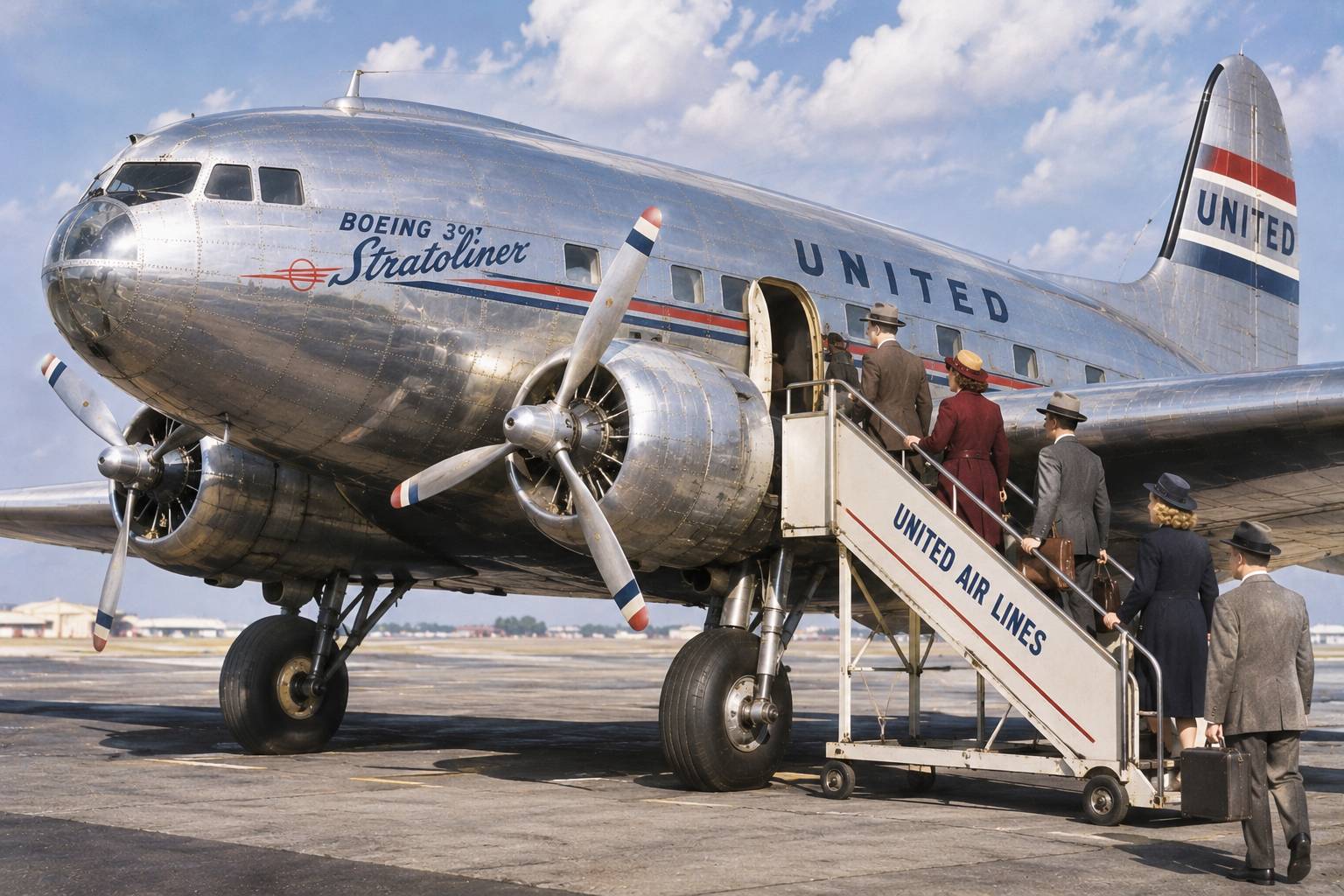
Early passenger aircraft flew at lower altitudes, where turbulence and bad weather could make journeys uncomfortable. The Boeing 307 Stratoliner, first flown in December 1938 and introduced into airline service in 1940, became the first airliner with a pressurized fuselage.
15. The Interstate Highway System (1956)
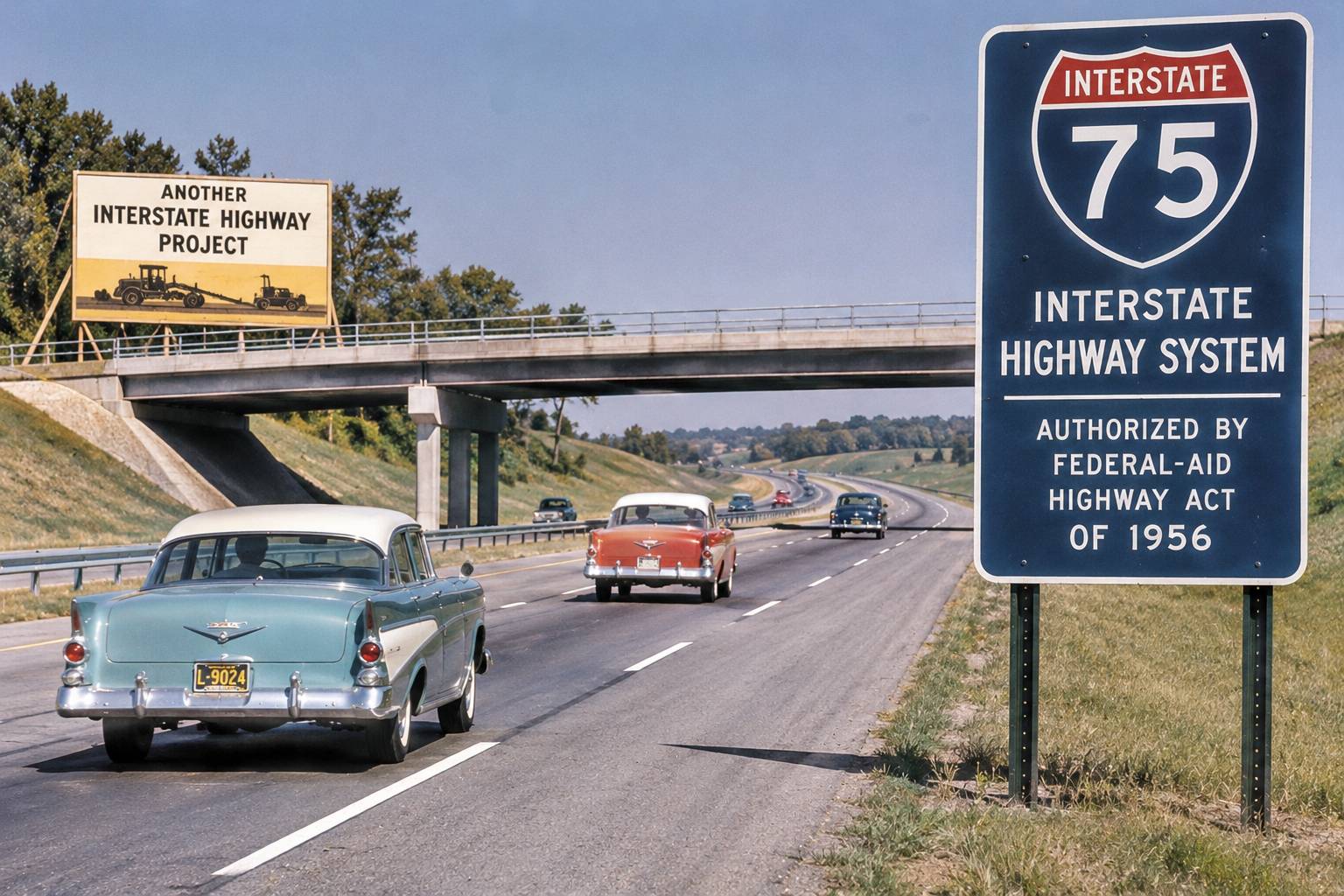
The Federal-Aid Highway Act of 1956 provided the funding framework for a nationwide network of high-standard interstate highways in the United States. These controlled-access roads made long-distance driving faster, more predictable, and better connected than travel over many older routes.
Eager for more? Check out:
• 16 Famous Vacation Spots Before Tourism Transformed Them
• 12 Outdated Luxury Experiences That Are Dying Out With Boomers
• 11 Abandoned Places That Have Become Unexpected Tourist Attractions