There was a time when everyday technology clicked, buzzed, whirred, and occasionally needed a good smack to start working again. American homes had televisions with mechanical dials, kitchens had phones attached to the wall, and getting a photograph back meant waiting days to see whether anyone had blinked.
Many of these technologies didn’t slowly evolve into sleeker versions of themselves. They simply disappeared. What once felt modern became obsolete, leaving behind buttons, cartridges, cords, and machines that instantly bring back the look and sound of the 1970s and 1980s.
1. TV Channel Dials
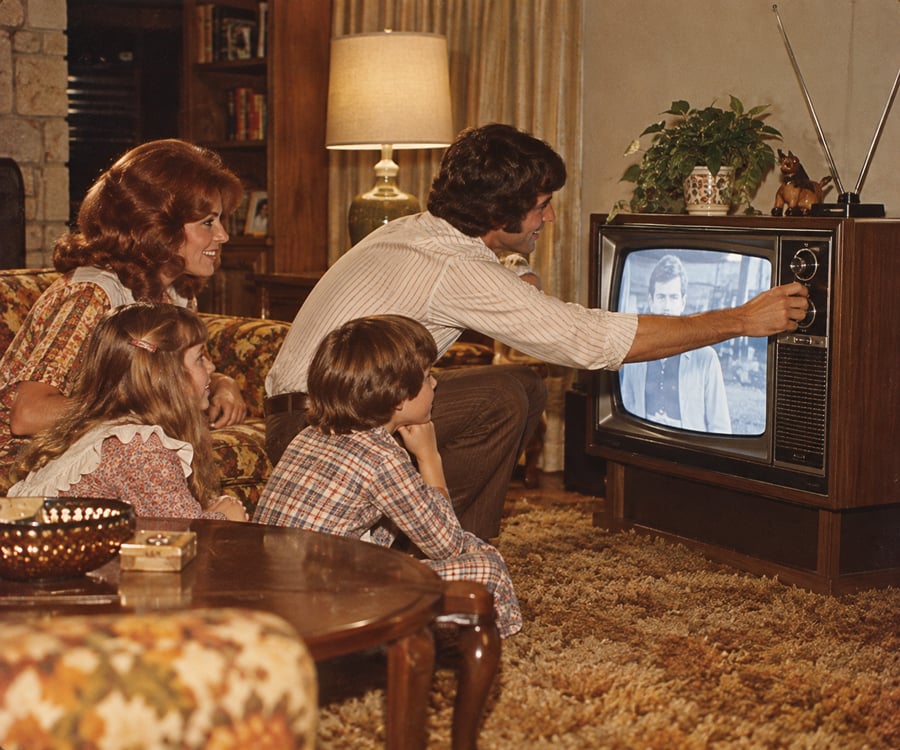
Changing the channel once meant getting off the couch and physically turning a chunky dial on the television. The satisfying click between stations was part of watching TV, especially when there were only a handful of channels worth checking.
2. Telephone Answering Machines With Cassette Tapes
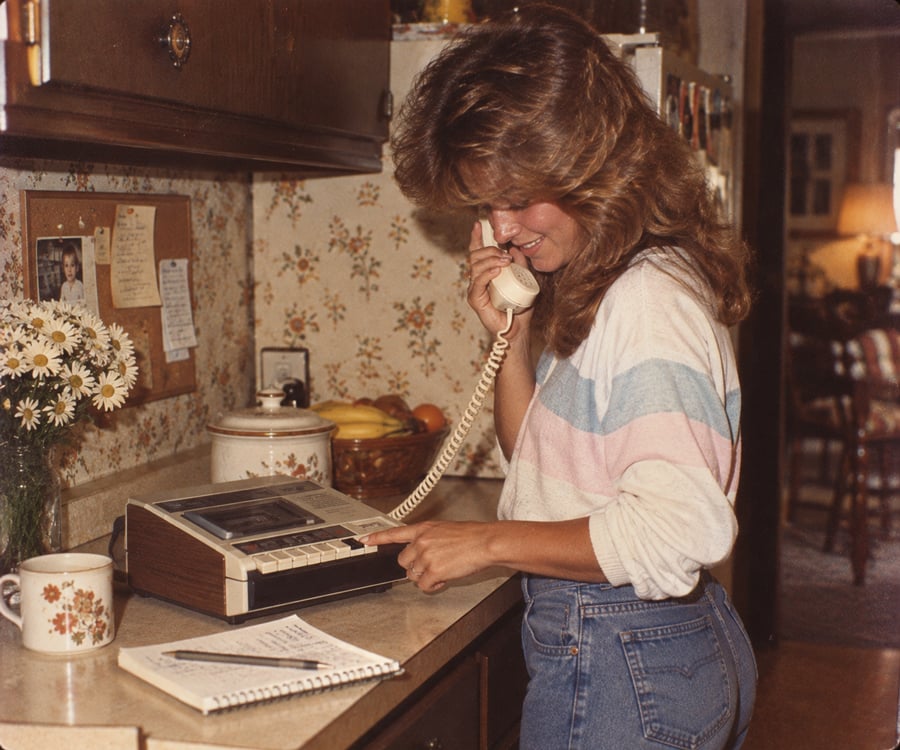
Coming home often meant looking for a blinking light beside the telephone. Pressing play revealed who had called while everyone was out, sometimes followed by the familiar sound of the tape rewinding before the next message.
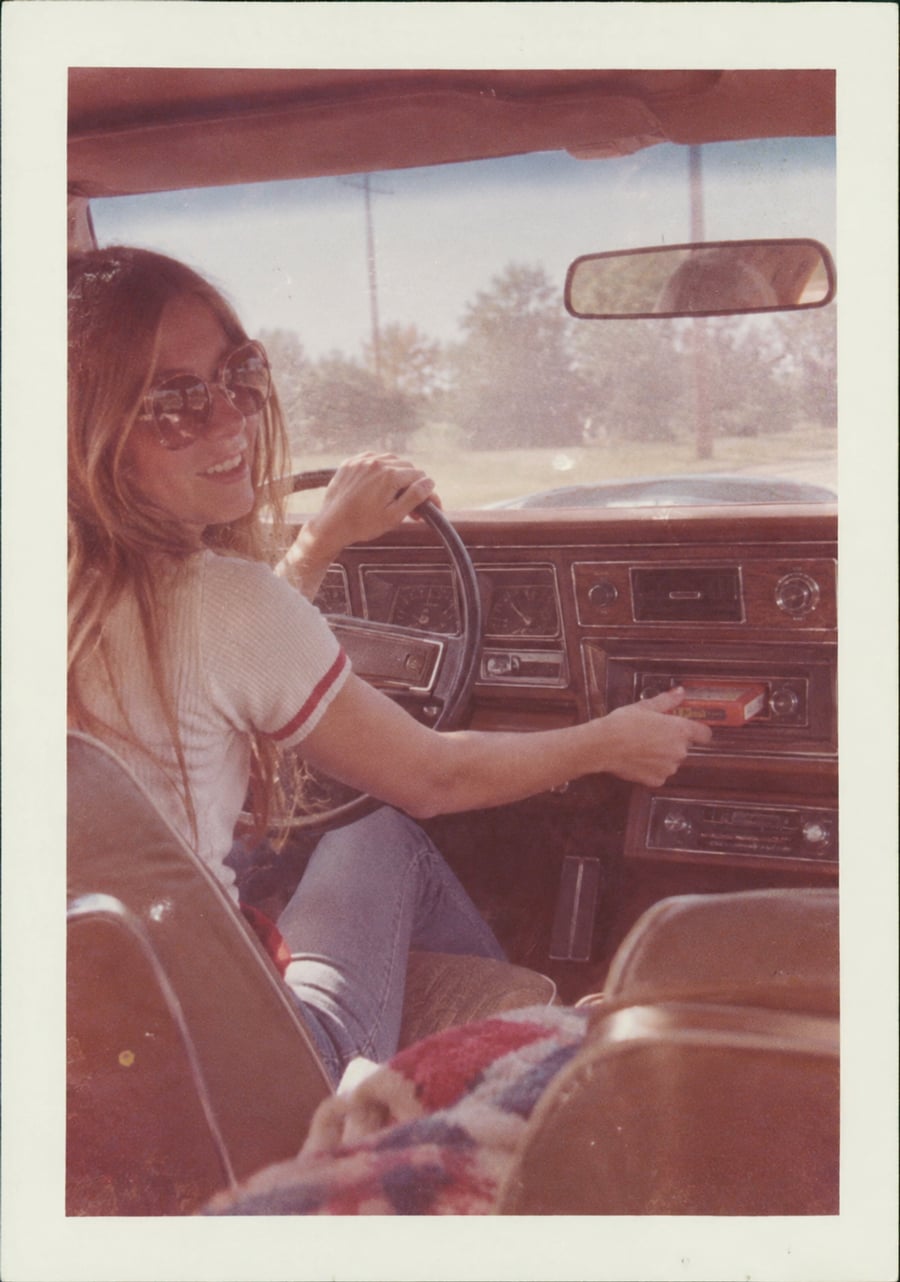
3. Eight-Track Players
Wealthgang
An eight-track cartridge sliding into a dashboard player was once a normal part of a road trip. Songs could change tracks at awkward moments, accompanied by that unmistakable mechanical click.
4. TV Rabbit-Ear Antennas
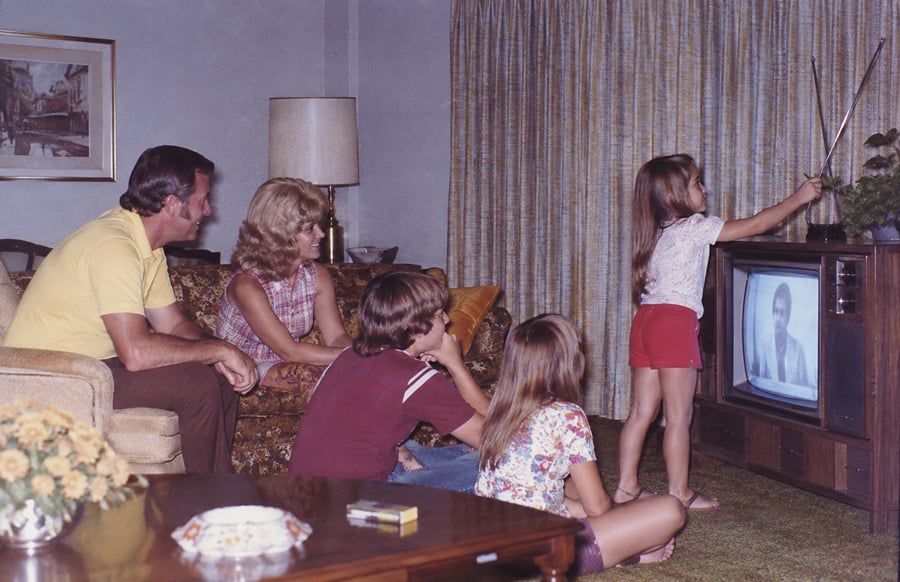
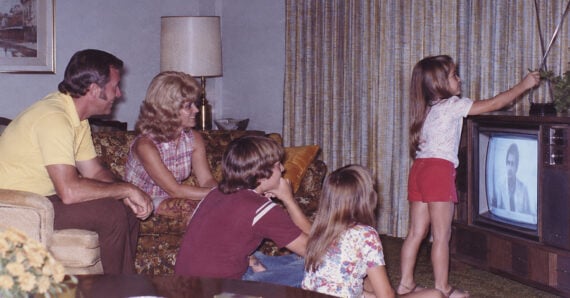
Getting a clear picture could involve standing beside the television and moving two metal antennas by tiny amounts while someone across the room yelled, “Right there!” Aluminum foil occasionally became part of the technology, too.
5. Rotary-Dial Wall Phones
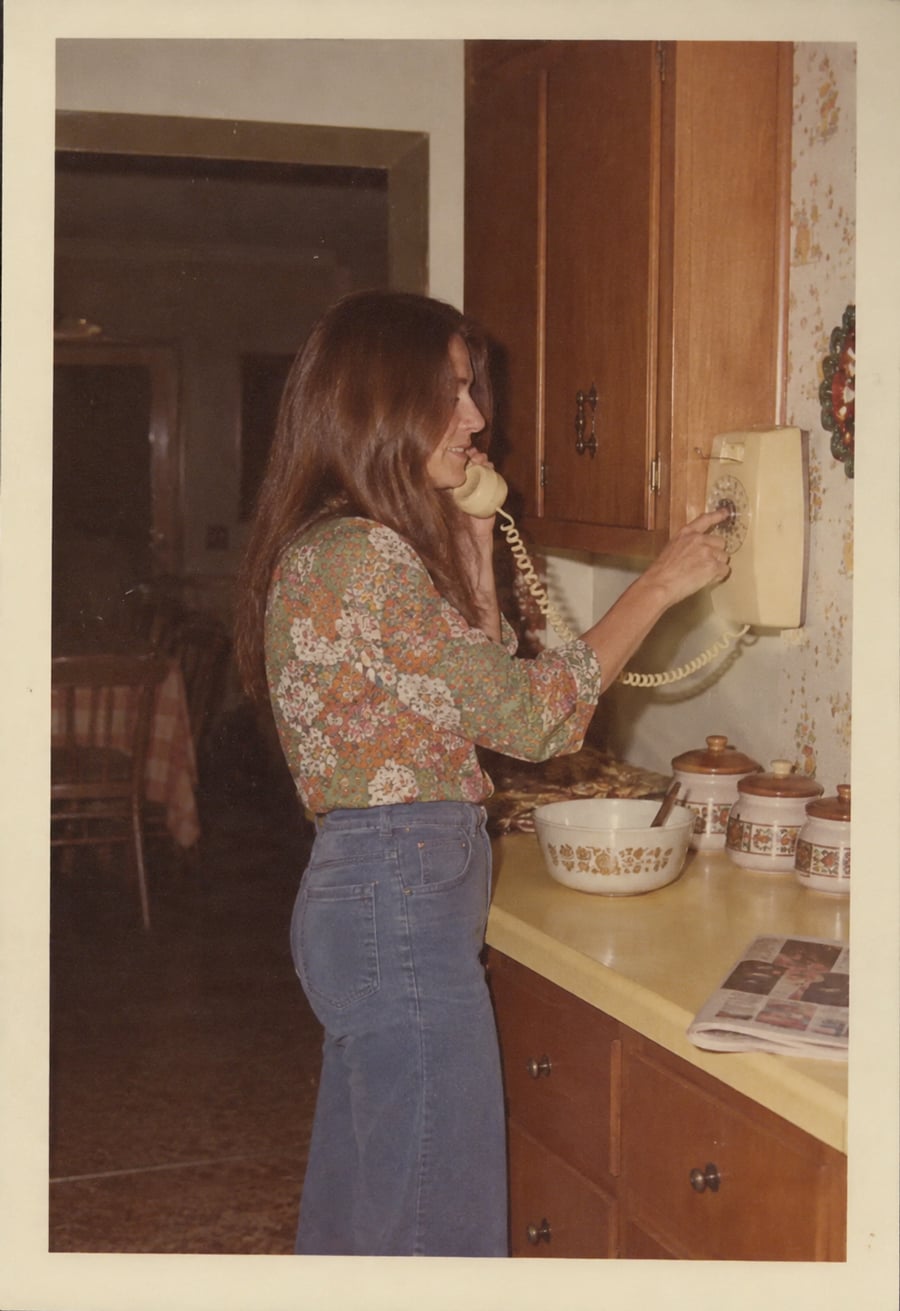
A phone call started by placing a finger into a numbered hole and rotating the dial all the way around. Long numbers required patience, and making a mistake near the end meant starting over.
Trending on Wealth Gang
6. Instamatic Cameras With Flashcubes
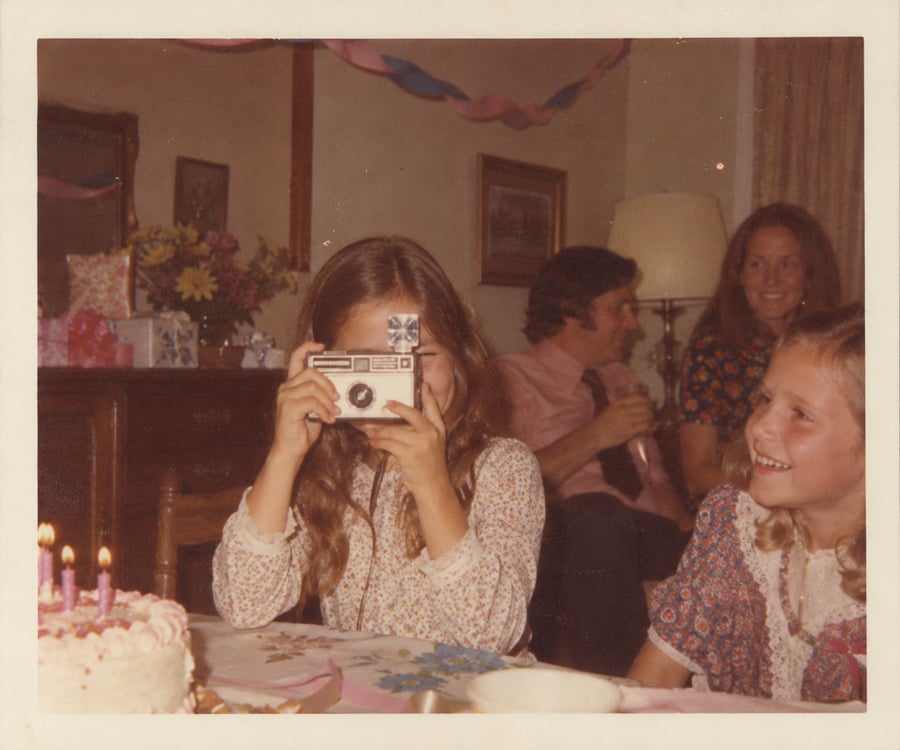
Before anyone knew instantly whether a picture came out, small cameras used rotating flashcubes that fired once on each side. A family gathering could leave a few spent cubes scattered near the camera case by the end of the night.
7. Typewriters With Correction Ribbon
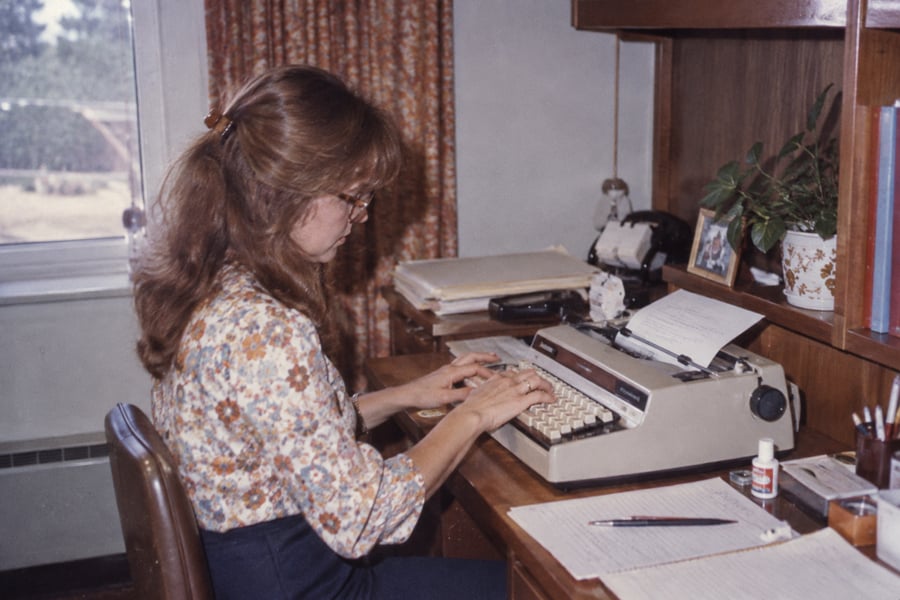
A typo could interrupt an entire rhythm. Instead of tapping backspace and continuing, correcting a mistake might involve correction tape, white fluid, or carefully typing the wrong letter again through a special ribbon.
8. Microfiche Readers
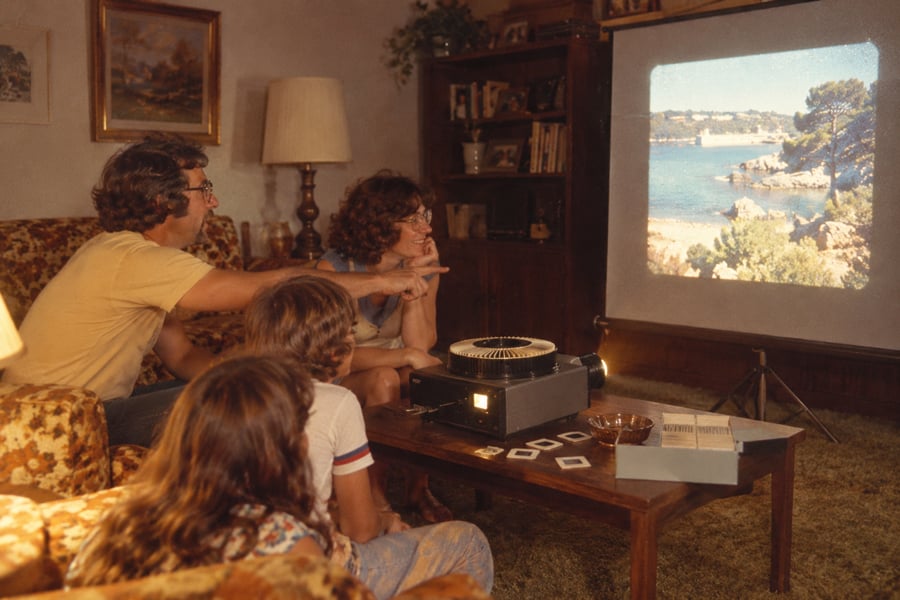
Vacation photos didn’t always stay inside an album. Someone dimmed the living room lights, pulled out a projector, and loaded a circular tray full of slides while everyone found a place on the couch.
Sign up for our newsletter
10. Mechanical Credit Card Imprinters
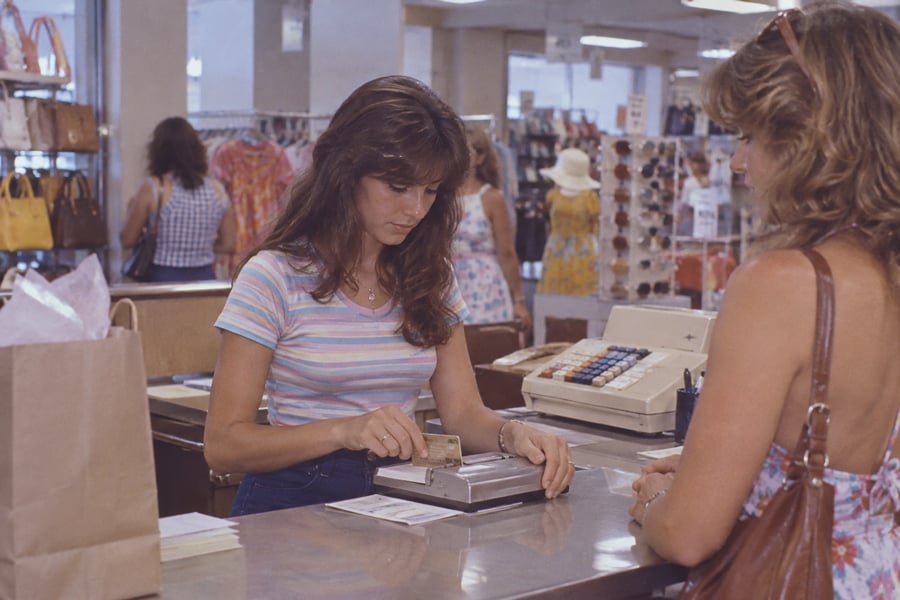
Before card readers beeped at checkout counters, clerks could place a credit card beneath carbon paper and slide a heavy imprinter across it. The loud clunk produced a physical copy of the raised card information.
11. CB Radios
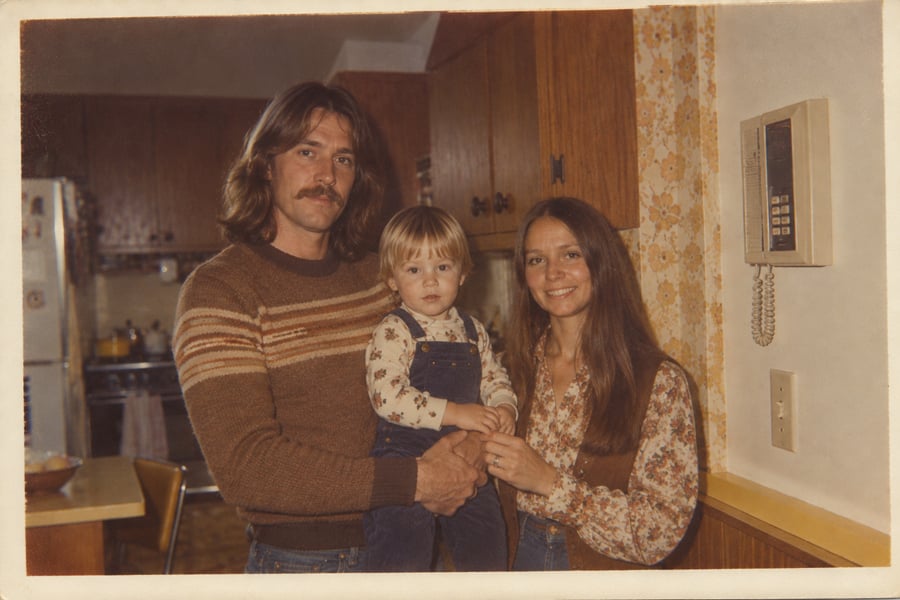
Some houses had wall-mounted intercom panels connecting bedrooms, kitchens, and front doors. Calling someone downstairs didn’t require a phone. It meant pressing a button on the wall and talking through a small speaker.
13. Filmstrip Projectors in Classrooms
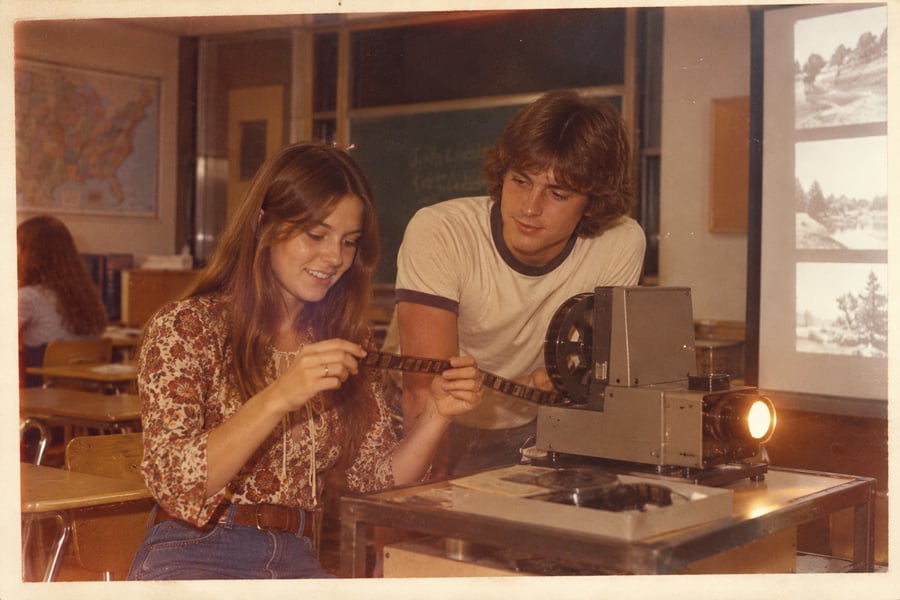
Before classroom screens streamed anything, teachers could darken the room and load a filmstrip into a projector. The images advanced one frame at a time, sometimes prompted by a beep from an accompanying record or cassette.
14. Rolodexes
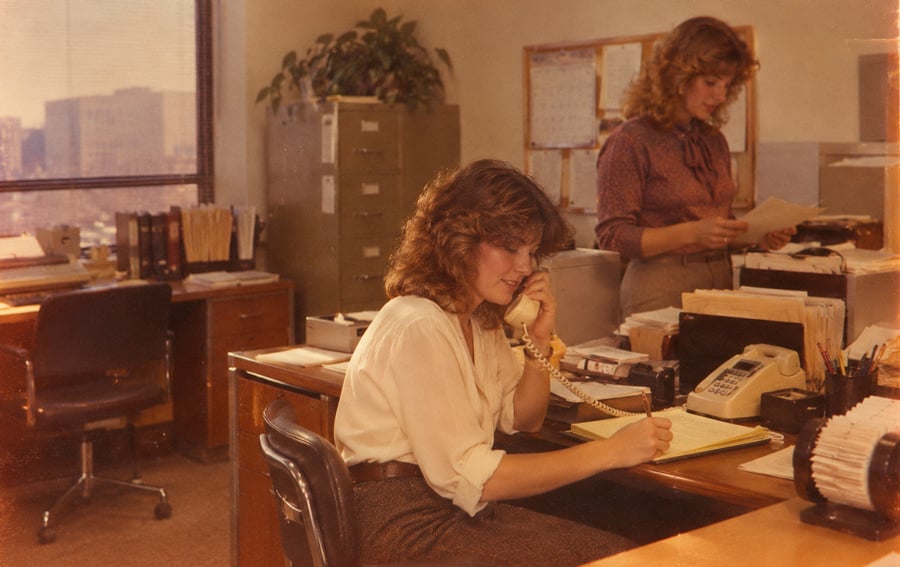
A desktop contact list once physically spun. Names, phone numbers, and addresses were handwritten or typed onto cards, and years of crossed-out numbers could turn a well-used Rolodex into a miniature history of someone’s working life.
15. Car Phones Mounted to the Console
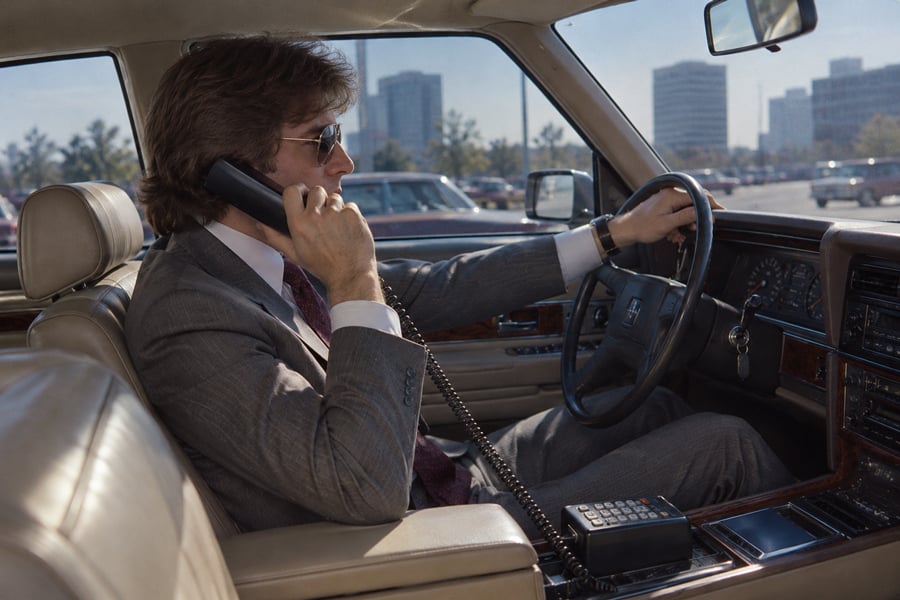
Before a phone fit into a pocket, having one inside a car looked remarkably futuristic. Early mobile car phones were bulky, expensive, and permanently attached to the vehicle, complete with a handset and coiled cord.
16. Coin-Operated Television Sets
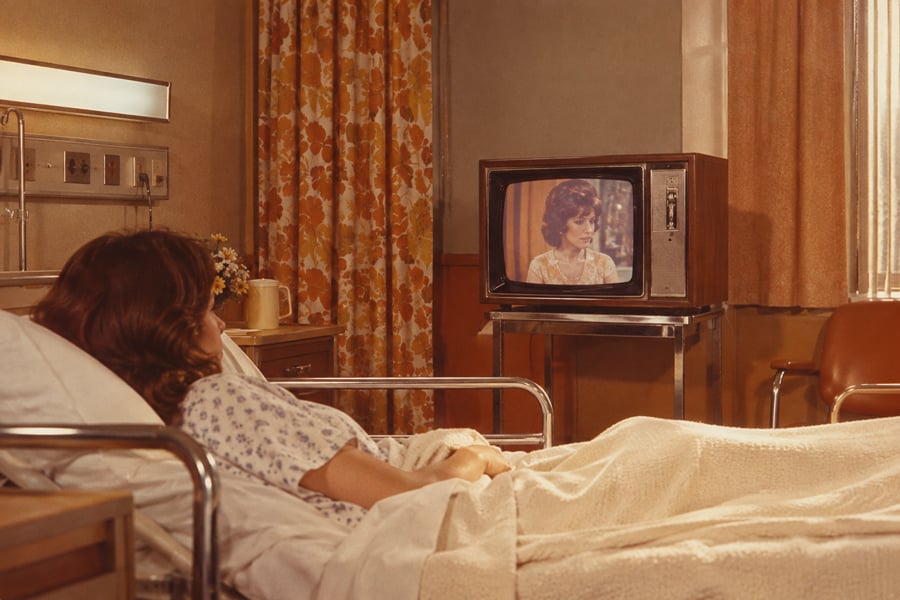
In some hospitals, bus terminals, and inexpensive accommodations, watching television could actually require coins. A small payment bought a limited amount of viewing time before the screen eventually went dark again.
17. Mechanical Flip Clocks
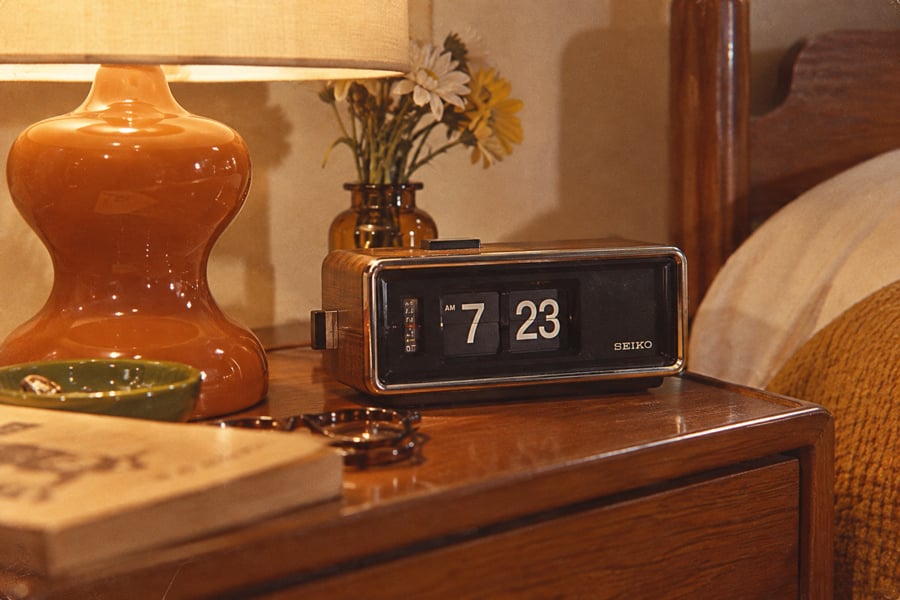
Before glowing digital displays filled bedrooms, flip clocks changed the time with tiny numbered panels that physically dropped into place. In a quiet room, the soft mechanical flip every minute could become part of the background.
18. Super 8 Home Movie Projectors
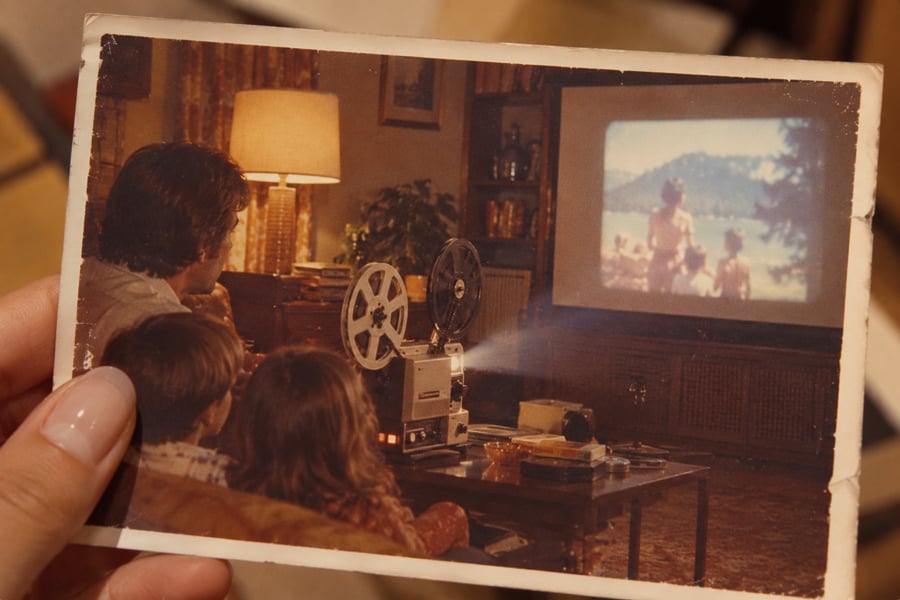
Family movies once required much more ceremony than opening a phone. The projector came out, a white screen or bare wall was cleared, the film was threaded through the machine, and the room filled with the repetitive chatter of the reel turning while silent vacations and birthdays flickered across the wall.
More Related Notes
18 Vintage Tech Items That Can Be Surprisingly Valuable
Old technology isn’t always obsolete. Some vintage electronics and gadgets have become surprisingly valuable collectibles, especially when they’re rare or well preserved.
14 Everyday Things Technology Made Nearly Obsolete
From physical maps to traditional alarm clocks, technology has quietly replaced many objects that were once essential parts of everyday life.
14 Jobs That Disappeared Because of Technology
As digital tools became part of daily life, many familiar objects gradually disappeared, showing just how quickly technology can transform everyday routines.