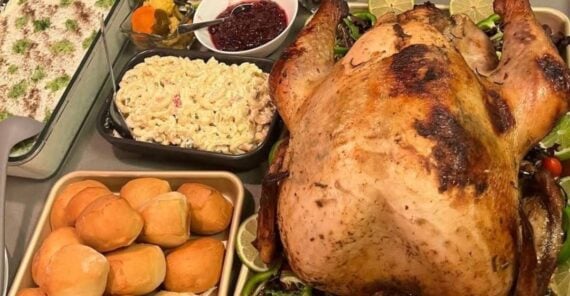
Thanksgiving feels like one of those holidays we think we know inside and out. Turkey and a table full of side dishes fighting for space. But it is a holiday with more interesting history than most textbooks ever bothered to cover. The version we grew up with in school, with pilgrims and Native Americans, only scratches the surface.
The real story of Thanksgiving is full of strange food choices and a cast of characters far more colorful than the cardboard cutouts we made in school. From presidents who tried to change the date to Green Bean Casserole, the path to our modern Thanksgiving was anything but simple. Here are 15 shocking facts about Thanksgiving that never made it into the classroom lesson plan.
1. The First Thanksgiving Was Not Called Thanksgiving
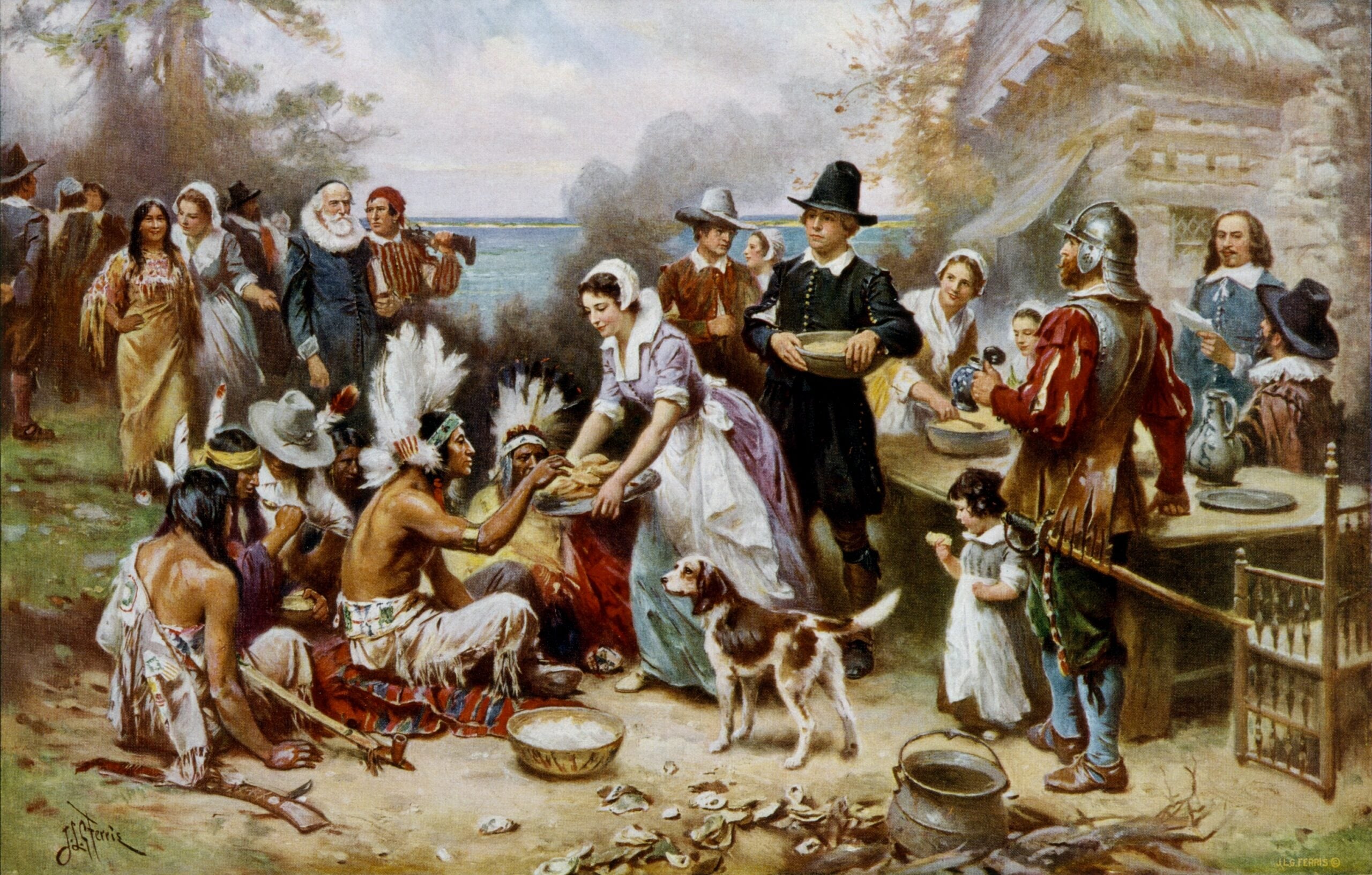
The 1621 harvest gathering between the Pilgrims and the Wampanoag people was not actually known as “Thanksgiving”. It was a three-day harvest celebration, and the term wasn’t applied to the event until historians looked back on it centuries later. The Pilgrims actually reserved the word “thanksgiving” for religious observances, not meals.
2. Turkey Was Not the Star of the Meal
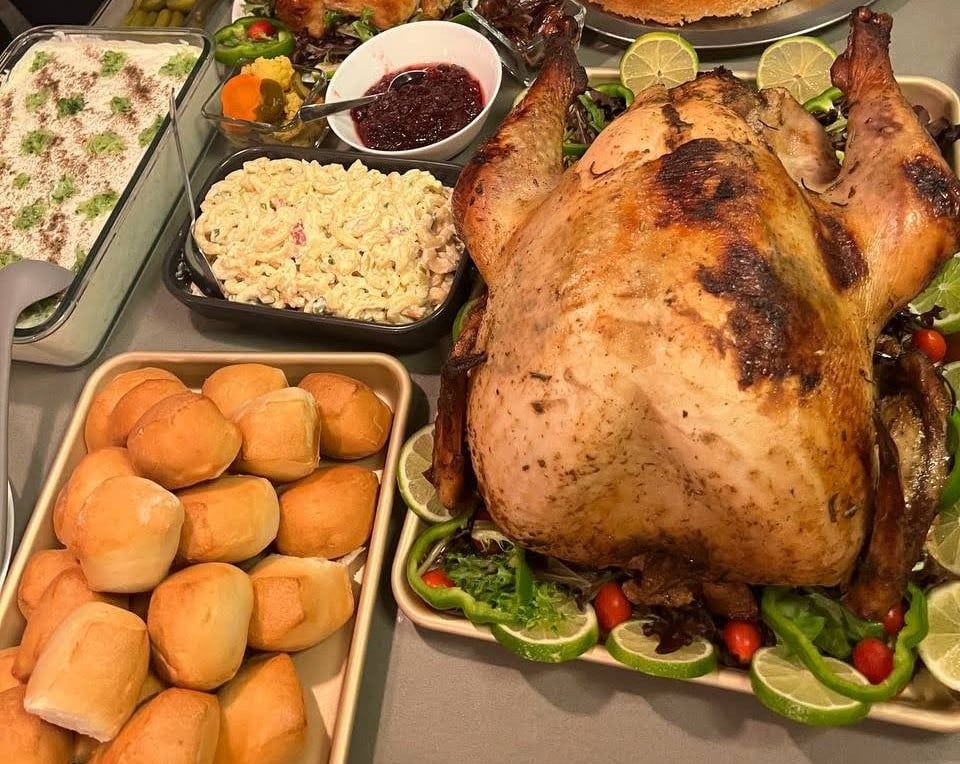
While turkey dominates our tables today, historical records suggest the original feast likely featured venison, since the Wampanoag brought deer as a gift. Wildfowl was mentioned too, but that could have meant ducks or geese. Cranberry sauce and mashed potatoes, two modern staples, were nowhere to be found since sugar was scarce and potatoes hadn’t yet arrived in the region.
3. It Took Over 200 Years to Become a National Holiday
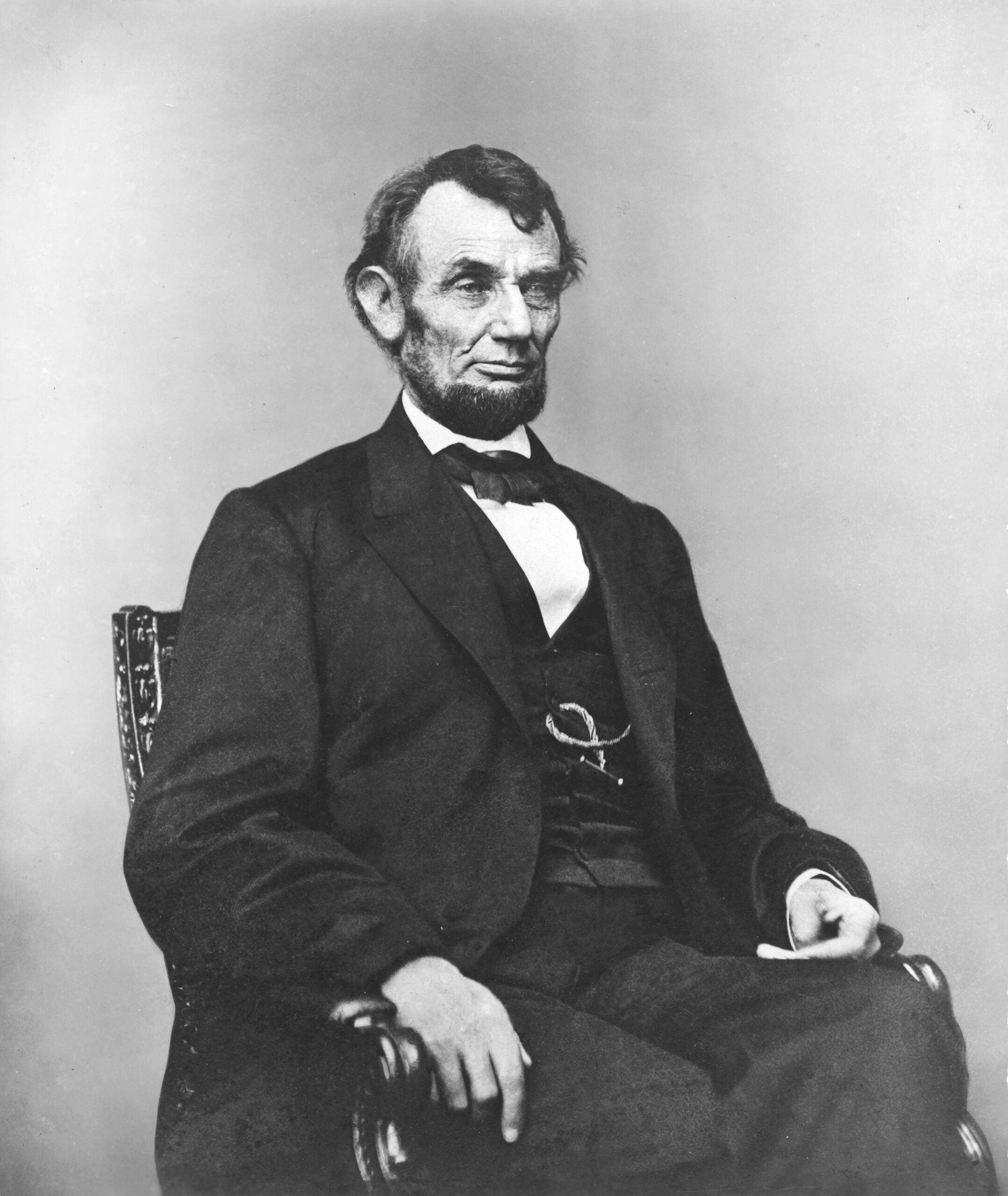
Thanksgiving was not officially a nationwide holiday until 1863, when Abraham Lincoln declared it during the Civil War. Before that, it was celebrated on different dates depending on the state or region. Lincoln’s proclamation was actually meant to help unify a divided country.
4. President Roosevelt Tried to Move the Date
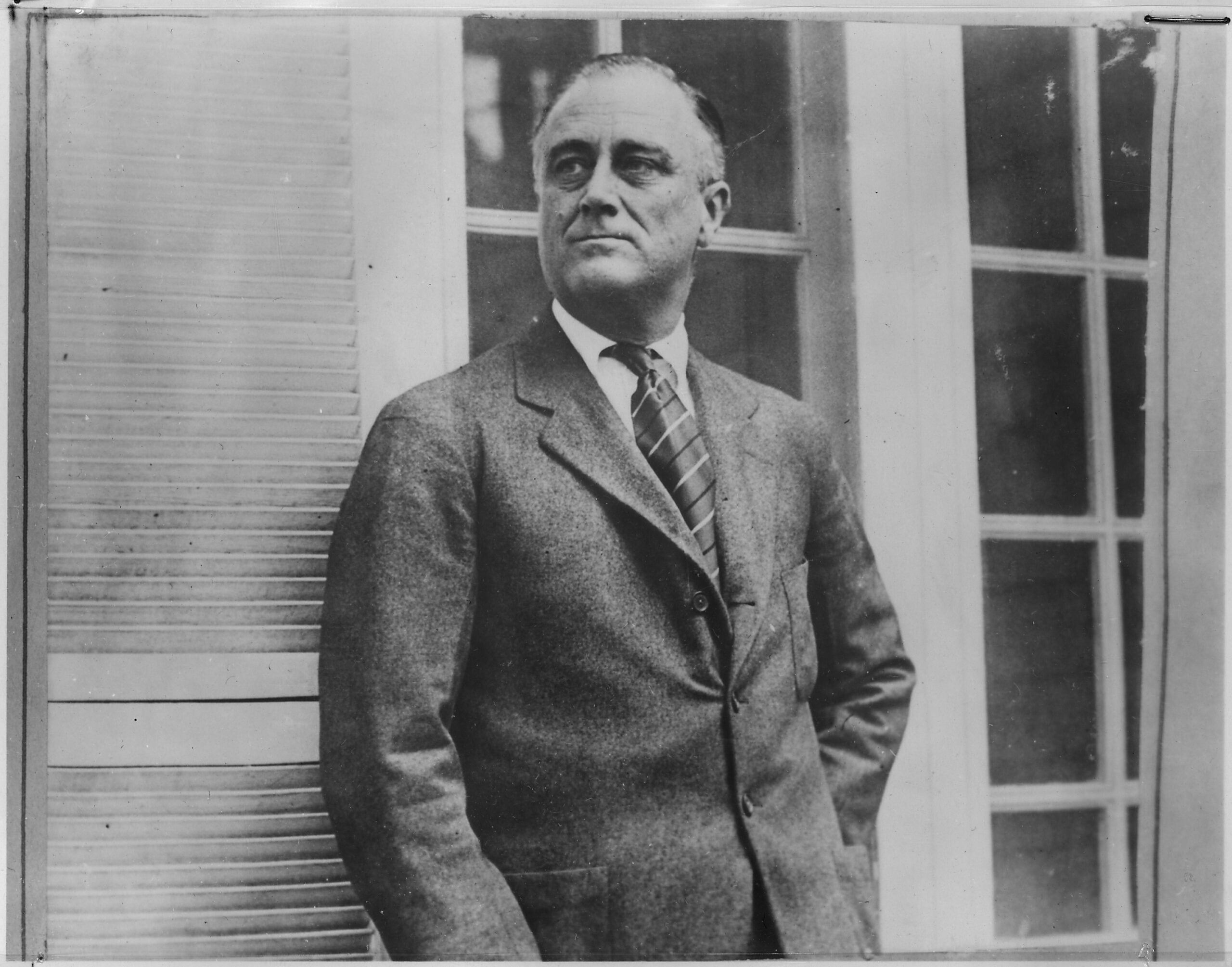
In 1939, Franklin D. Roosevelt shifted Thanksgiving a week earlier to give retailers a longer shopping season during the Great Depression. The move caused so much public confusion and backlash that people started calling it “Franksgiving.” Some states refused to adopt the new date.
5. The Wishbone Tradition Is Not American
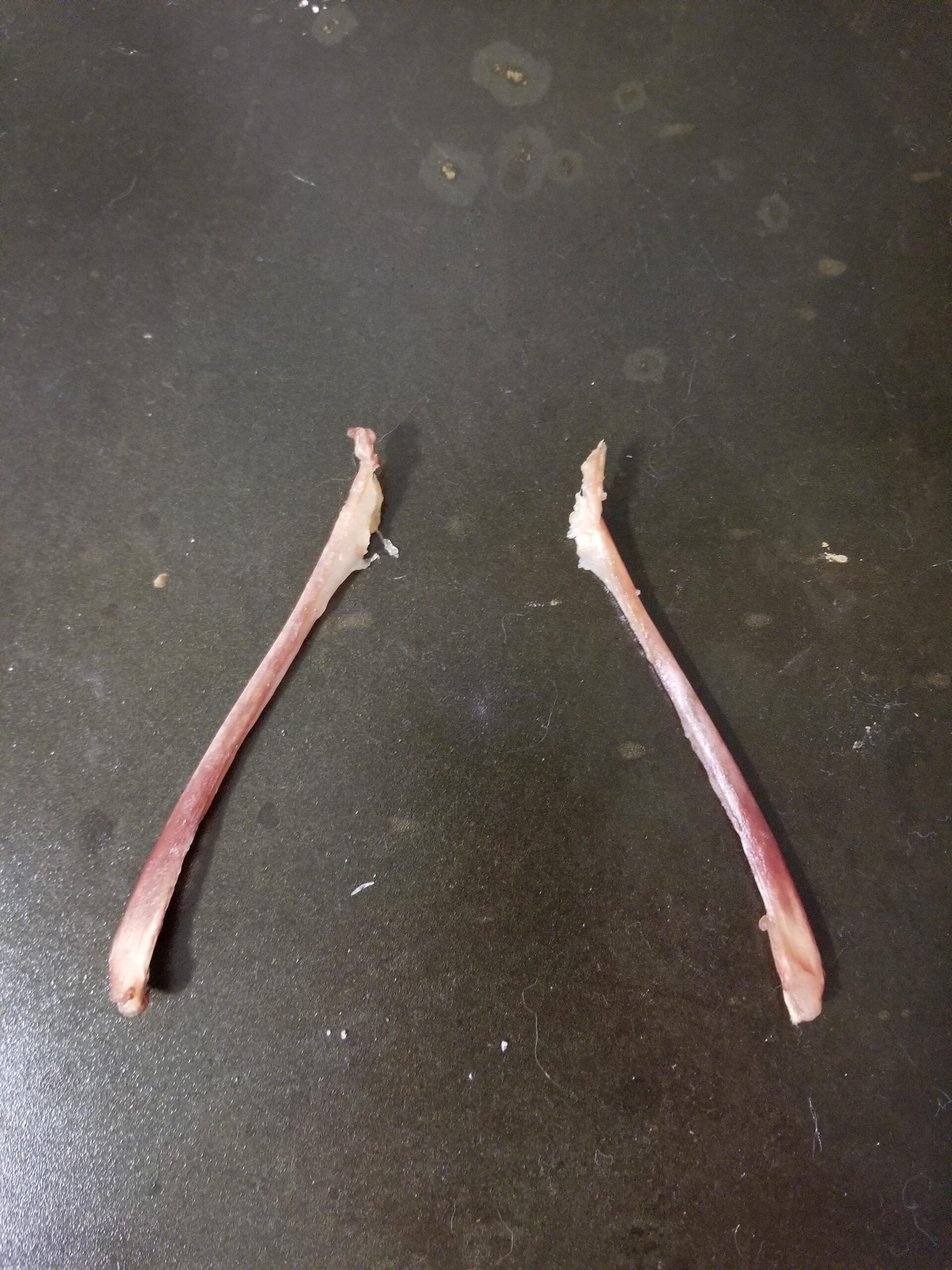
Breaking the turkey wishbone for good luck traces back to the Etruscans, an ancient civilization in Italy, thousands of years before Thanksgiving existed. They believed birds had prophetic powers. It arrived in America with colonists.
Trending on Wealth Gang
6. The Macy’s Parade Started With Live Zoo Animals
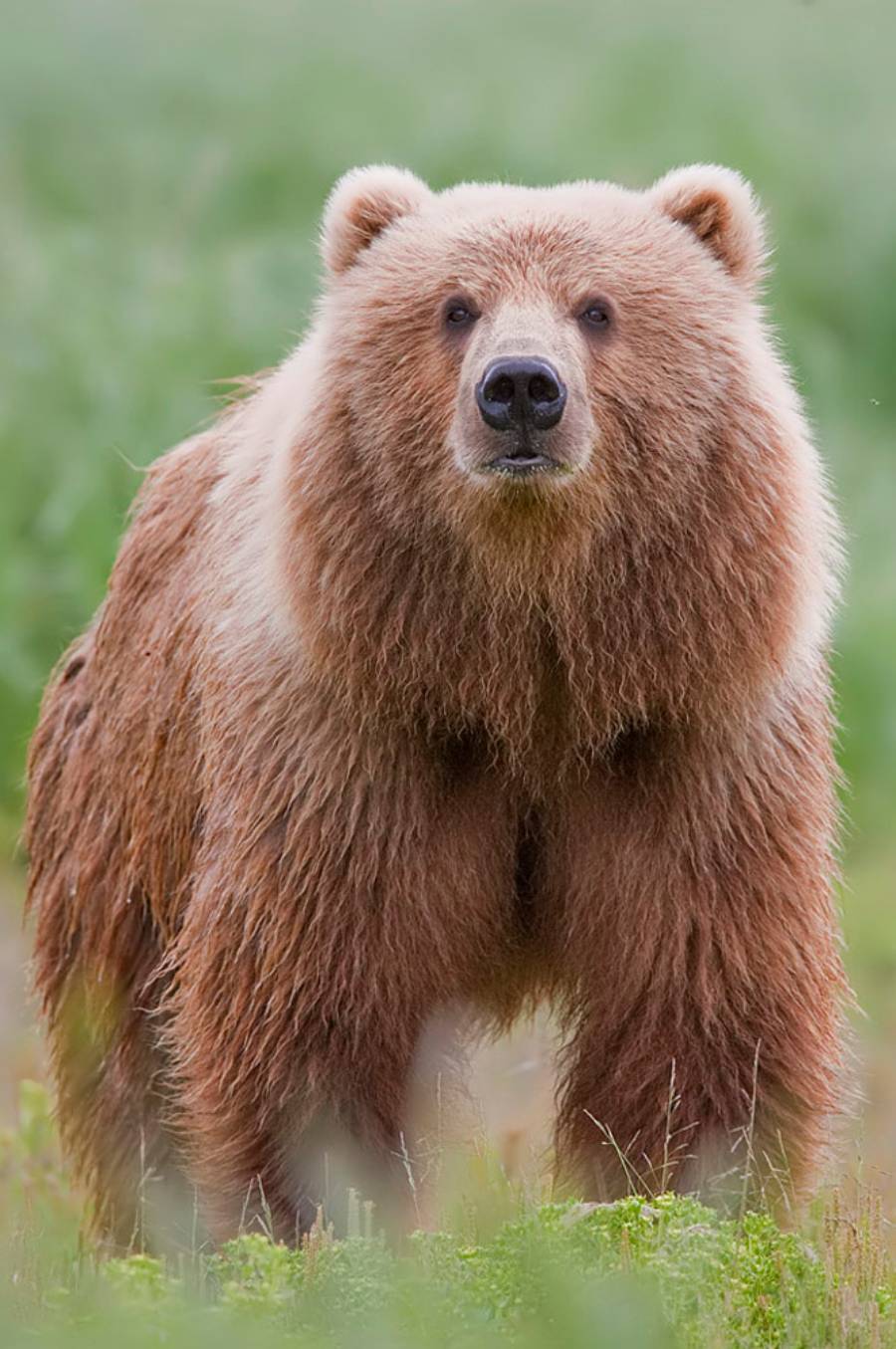
When Macy’s Thanksgiving Day Parade debuted in 1924, there were no giant helium balloons. Instead, the parade featured real animals borrowed from the Central Park Zoo, including elephants and bears. The famous balloon characters didn’t show up until 1927.
7. Turkey Doesn’t Actually Make You That Sleepy
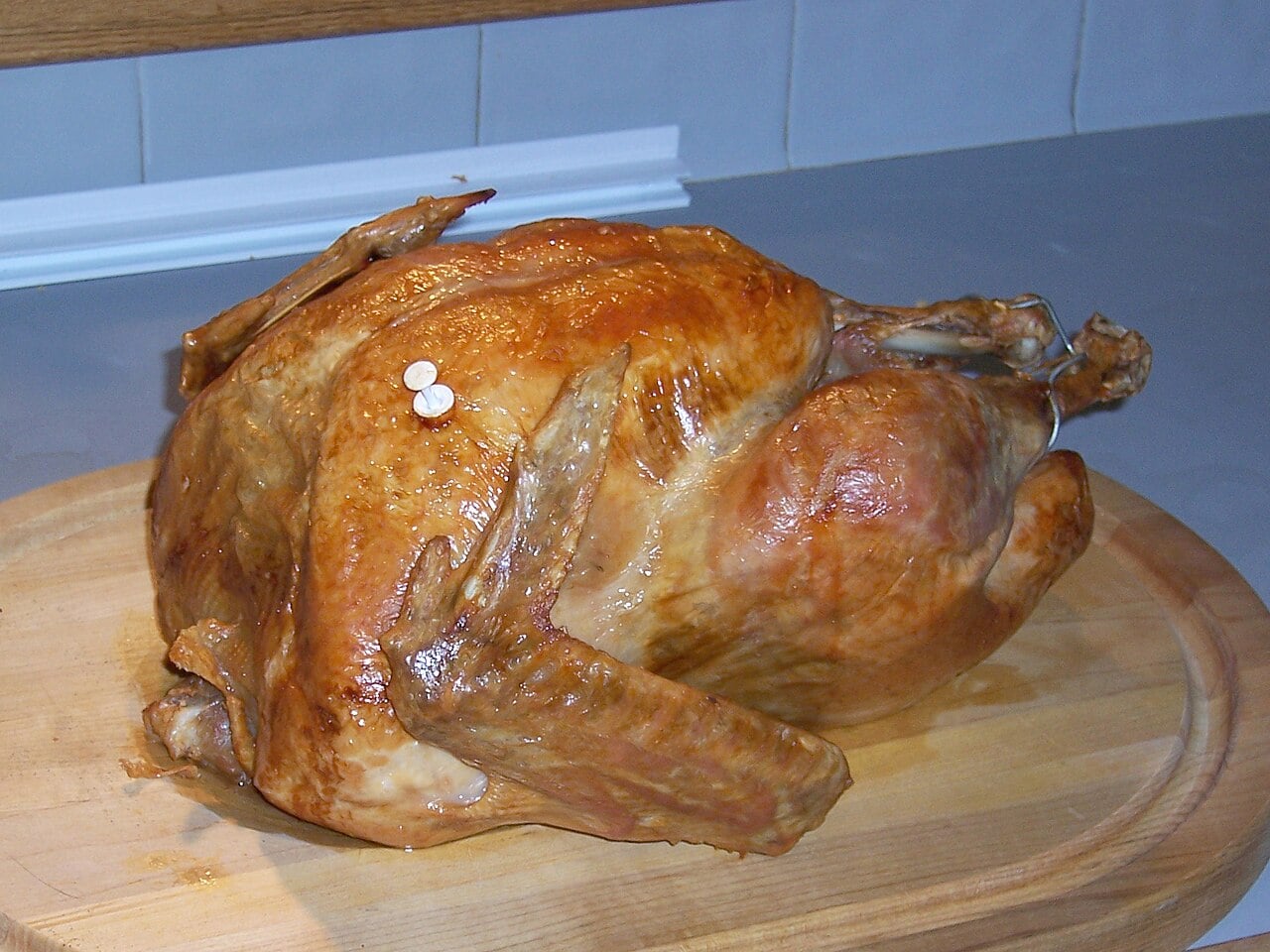
The popular belief that turkey’s tryptophan content causes the post-meal food coma is a myth. Turkey does contain tryptophan, but not in significantly higher amounts than chicken or other common meats.
8. Presidential Turkey Pardons Started as a Joke
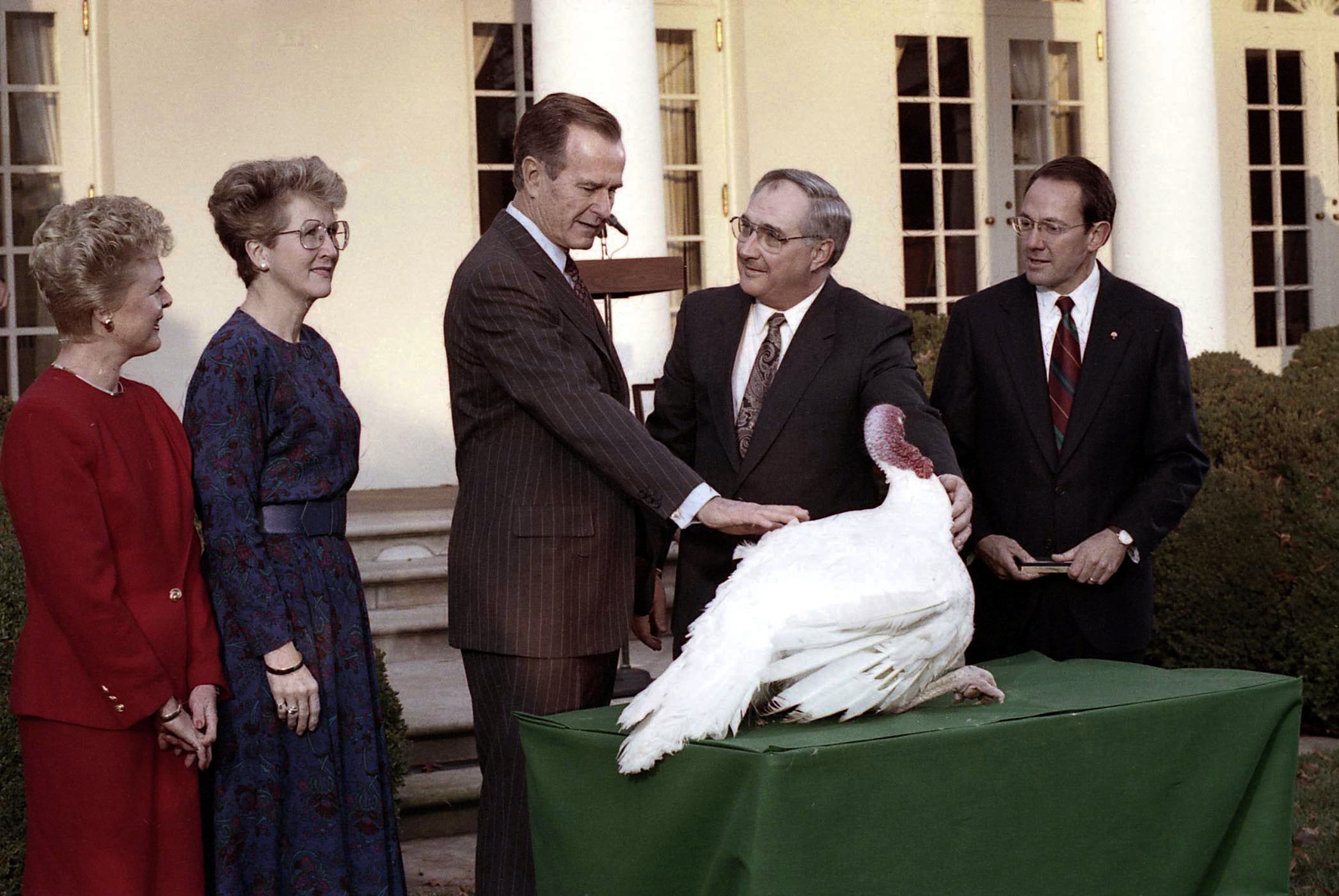
While turkey pardons are now a beloved White House tradition, the first official one was not granted until President George H.W. Bush in 1989. Earlier presidents, including Lincoln and Kennedy, spared turkeys informally, but there was no ceremony or tradition around it. Bush’s pardon came as a lighthearted response to protesters outside the White House at the time.
Sign up for our newsletter
9. Thanksgiving Football Became a Tradition by Accident
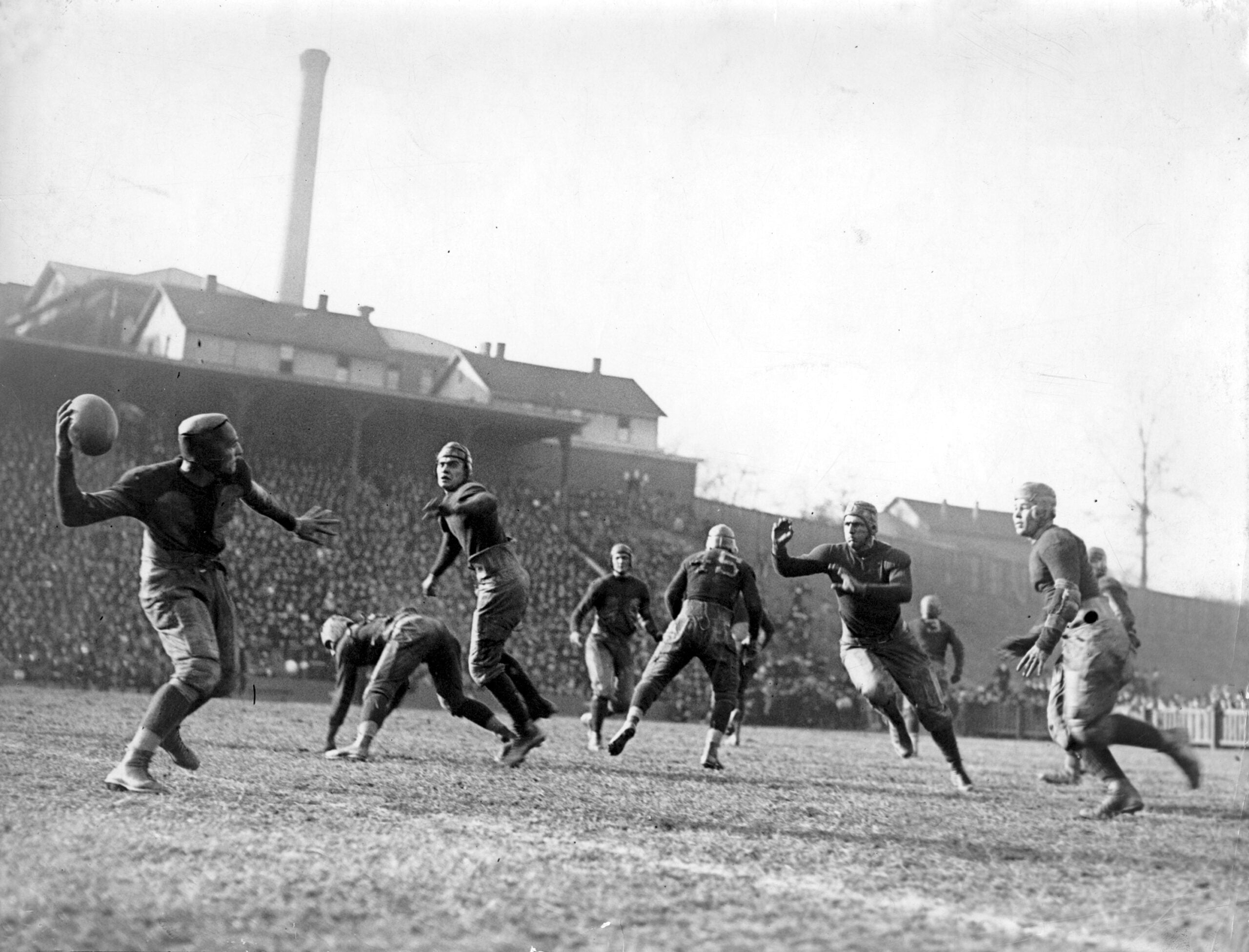
The tradition of watching football on Thanksgiving dates back to 1876, when college teams began scheduling games on the holiday.
10. Green Bean Casserole Was Invented as a Marketing Tool
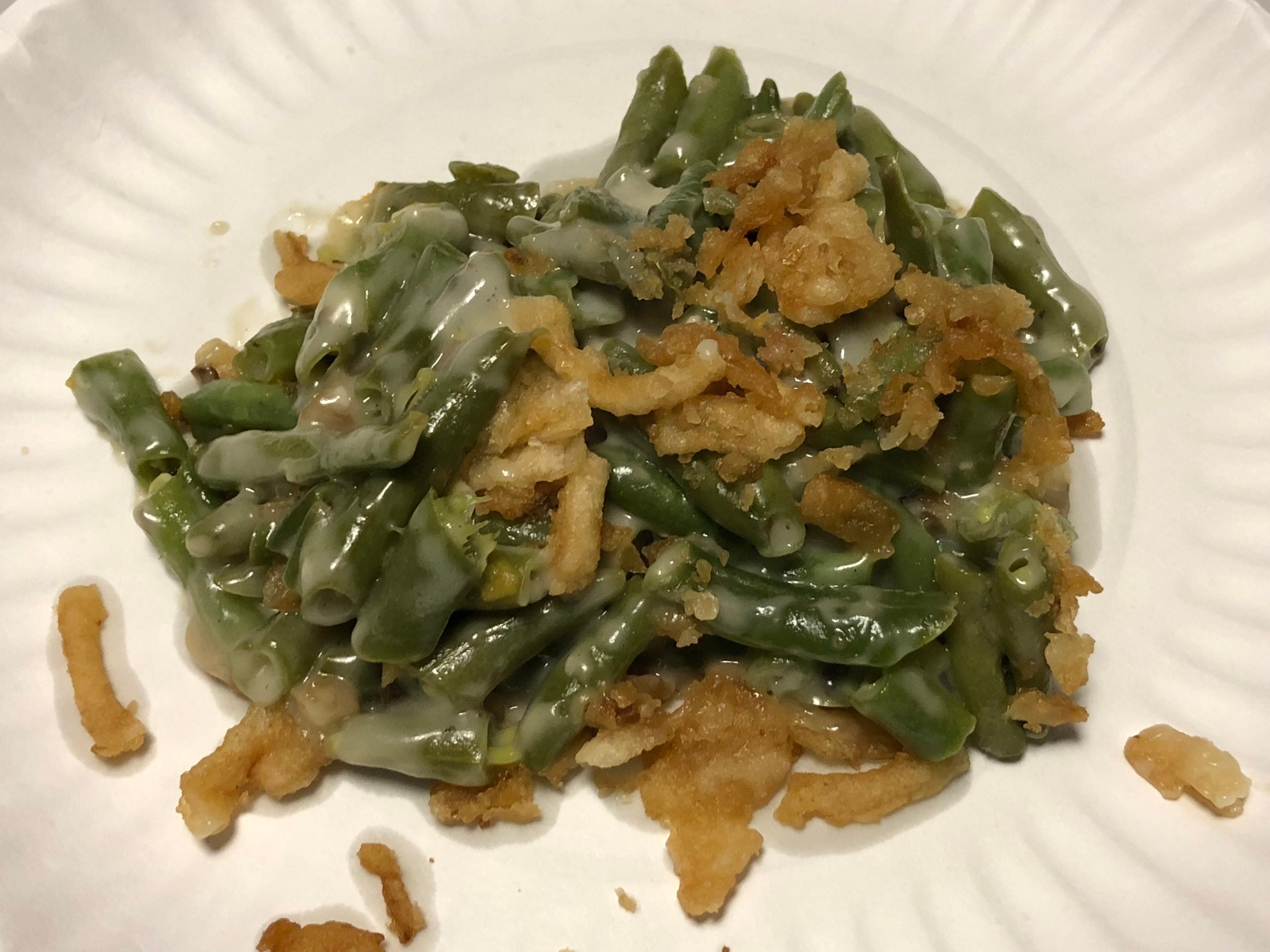
The beloved green bean casserole wasn’t a family recipe passed down through generations. It was created in 1955 by a Campbell’s Soup employee looking for new ways to use cream of mushroom soup. The recipe was so simple and cheap to make that it spread across the country.
11. Canada Celebrates Thanksgiving Too
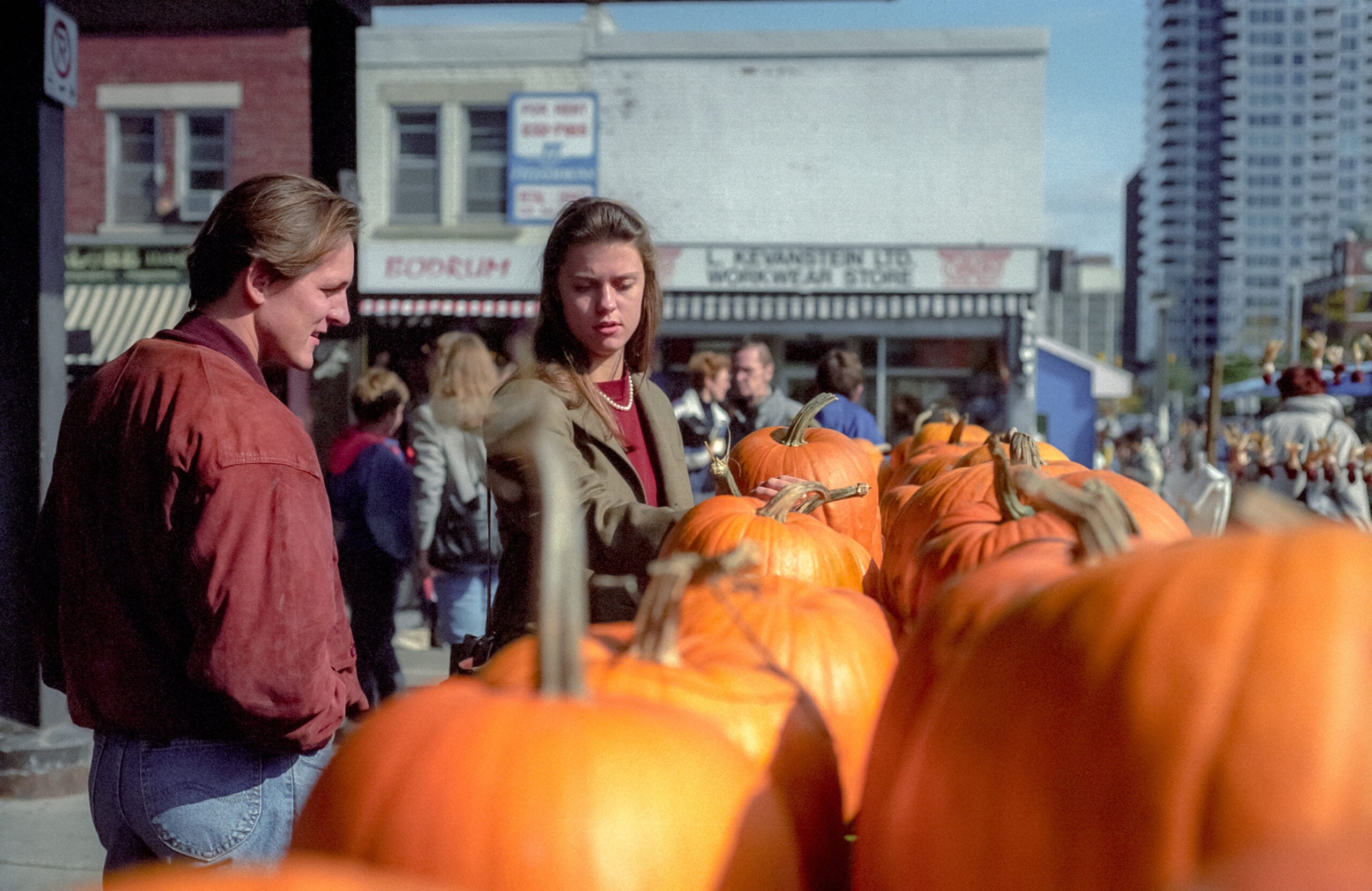
Canadian Thanksgiving falls on the second Monday of October, over a month before the American version.
12. The Detroit Lions Almost Lost Their Thanksgiving Tradition
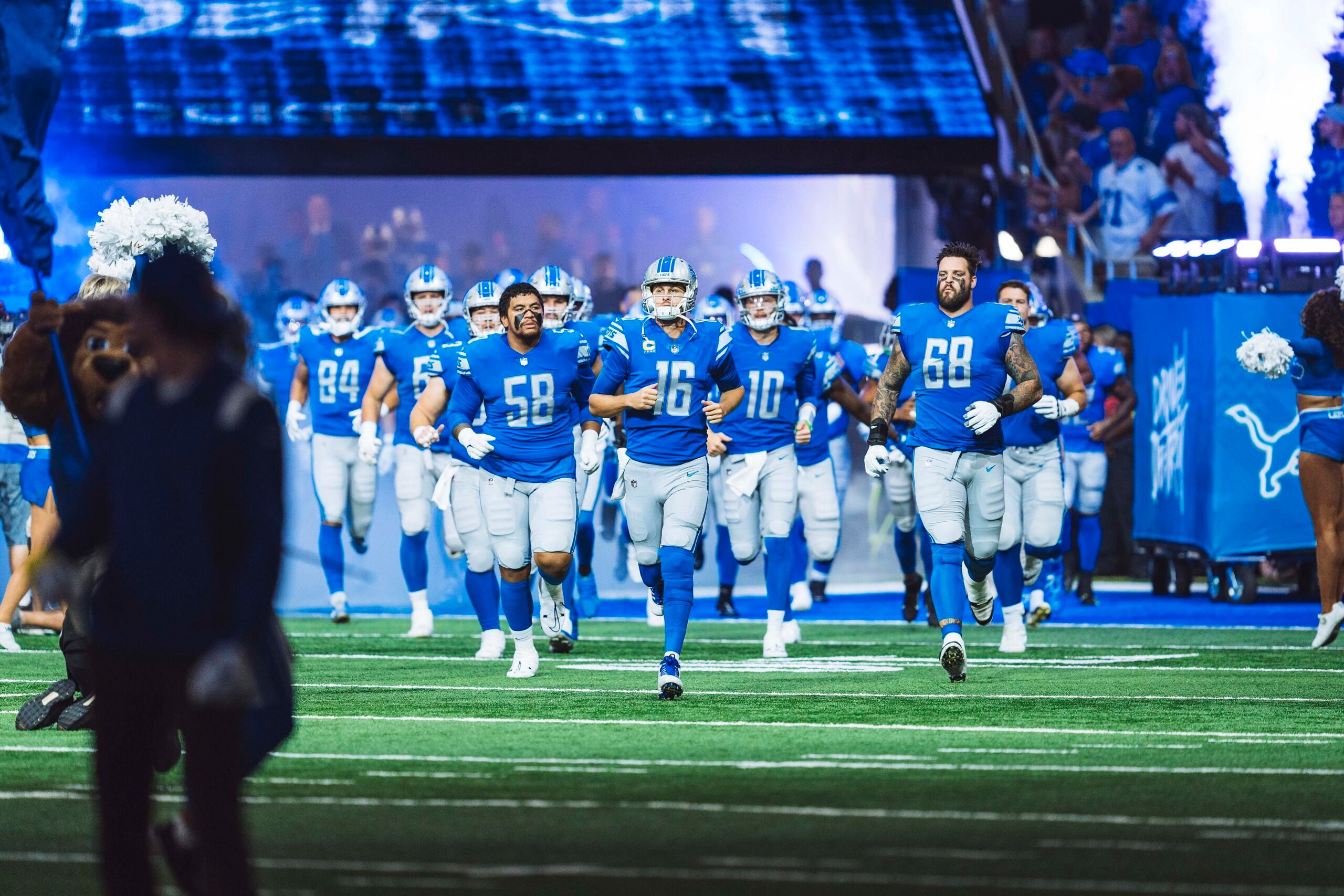
During World War II, the Lions had to pause their Thanksgiving games for several years due to wartime restrictions and travel limitations. Today, missing a Lions Thanksgiving game feels almost as strange as skipping turkey itself.
13. Pumpkin Pie Almost Didn’t Make the Cut
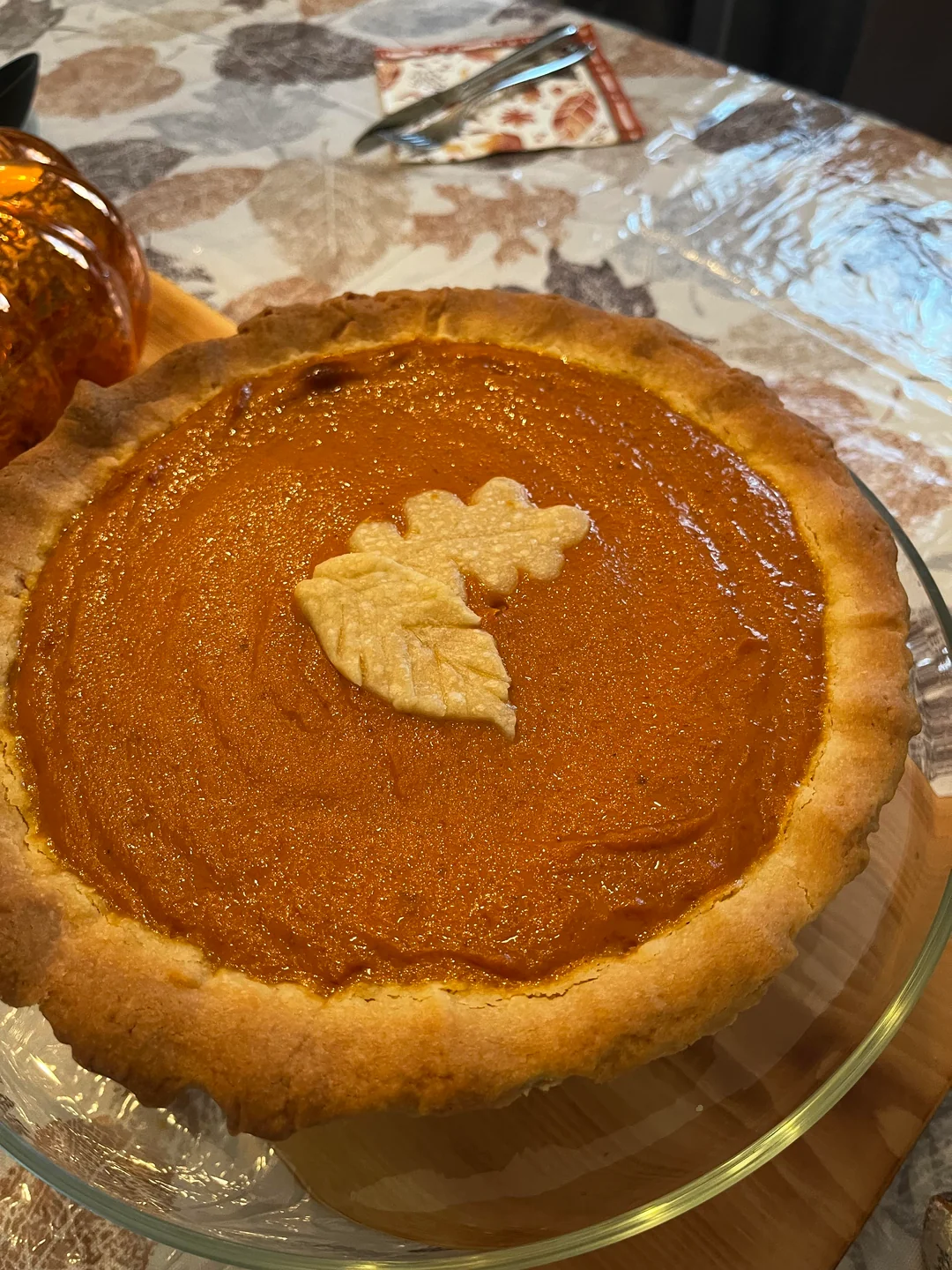
Pumpkin pie as we know it wasn’t part of early Thanksgiving celebrations, because ovens and the ingredients needed for a proper pie crust weren’t widely available to colonists. Some early recipes involved hollowing out a pumpkin and filling it with milk, spices, and honey before roasting it whole over coals. The pie-shaped version we know today didn’t become standard until sugar and wheat flour became easier to access.
14. Black Friday’s Name Has a Dark Origin
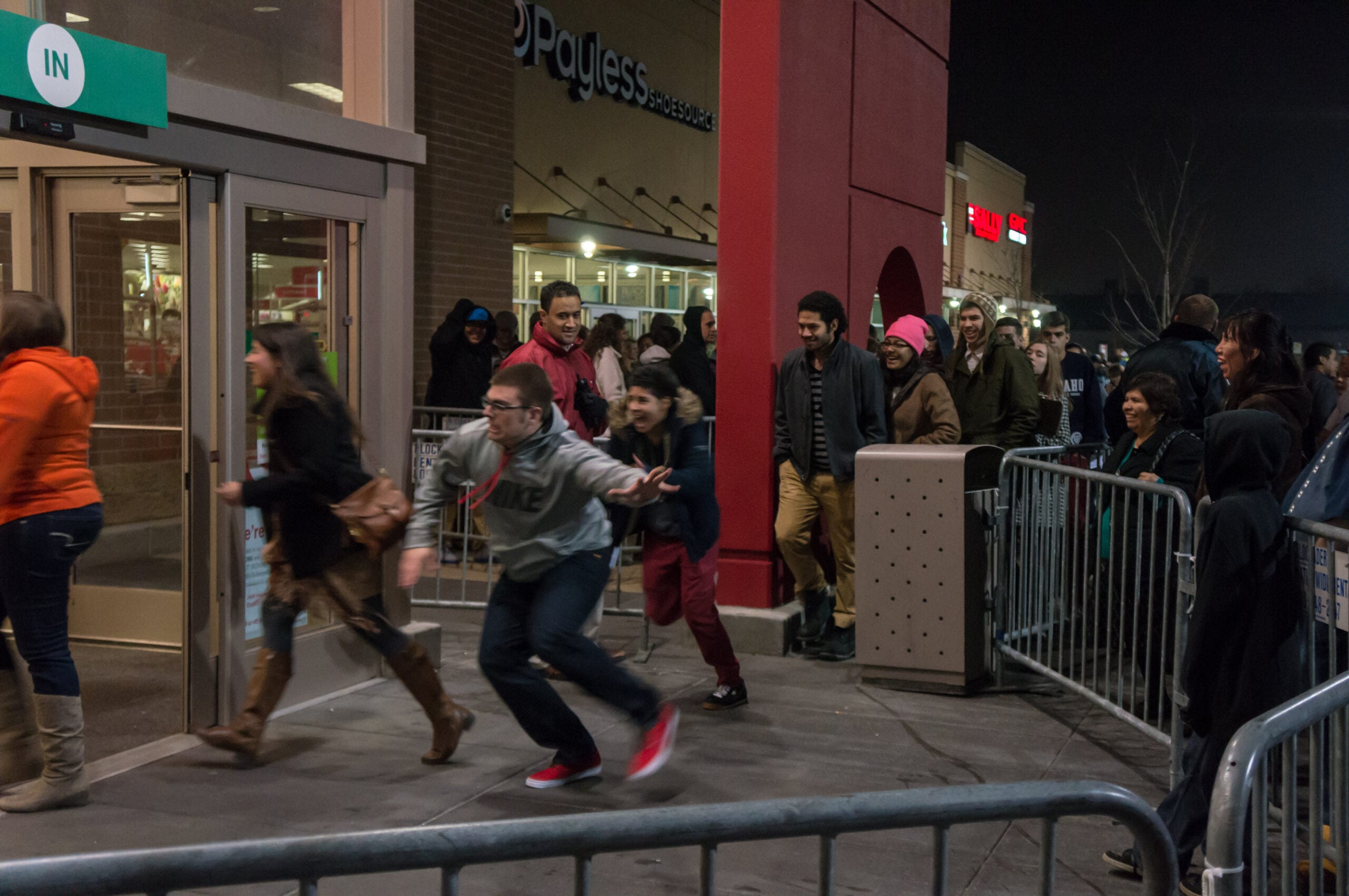
The term “Black Friday” wasn’t originally considered to celebrate big shopping deals. Police in Philadelphia used it in the 1950s and 60s to describe the chaotic traffic and crowds that flooded the city the day after Thanksgiving. Retailers only rebranded the term decades later.
15. TV Dinners Were Invented Accidentally
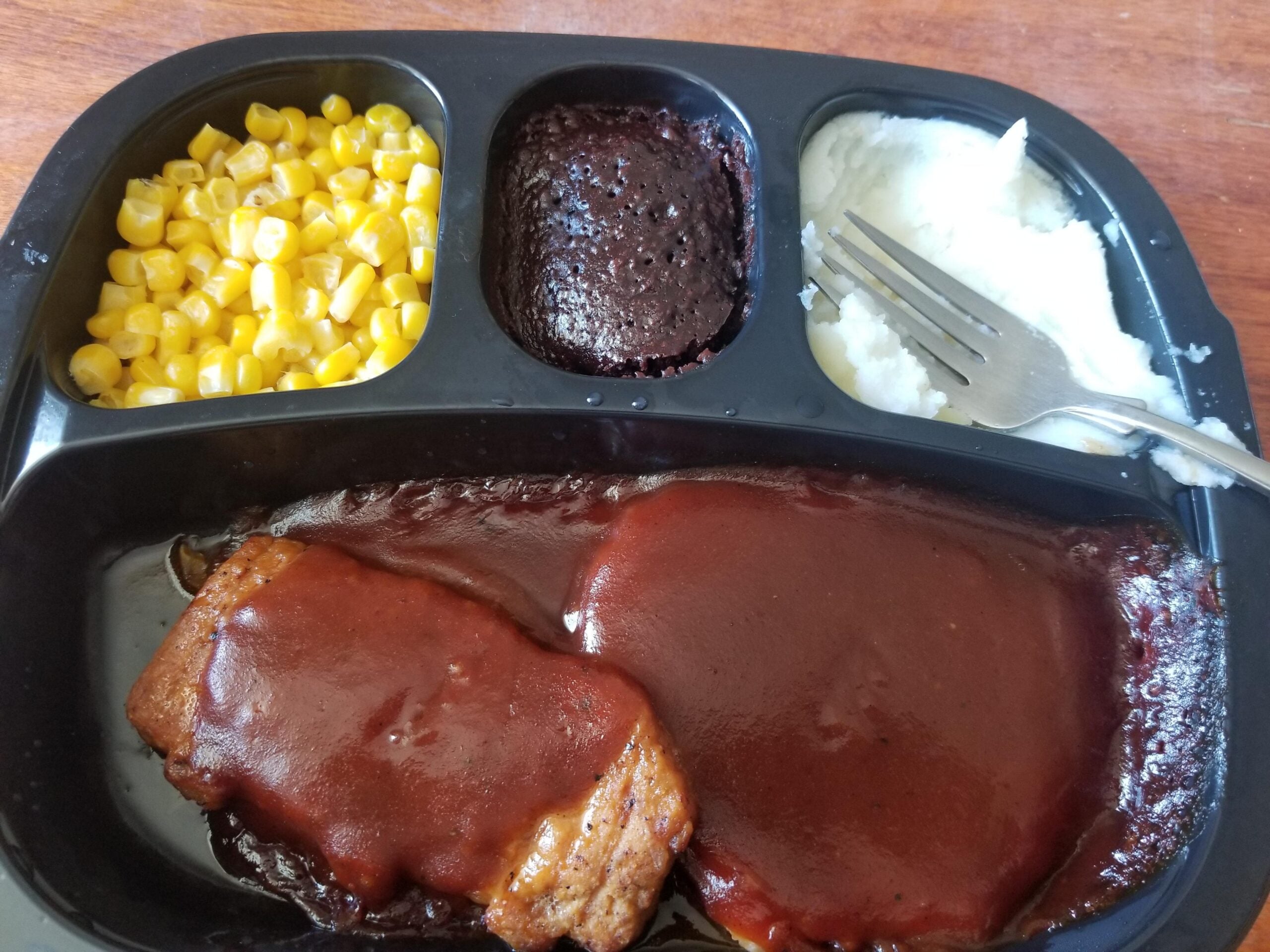
In 1953, Swanson overestimated how much frozen turkey it would need for the holiday season, leaving the company with 260 tons of surplus turkey. An employee suggested packaging the turkey with sides in individual trays, similar to airline meals. It turned into the first TV dinner.
Eager for more?
18 Photos of Thanksgiving Dinner Tables for a look at the candlelight and turkey centerpieces that made the holiday table so special. Then flip through 15 Family Photos That Perfectly Capture Another Era, an album of road trips, birthdays, and portraits that go beyond the dinner table. Lastly, 20 Nostalgic Photos of Family Dinner From Everyday American Homes (1900s) shows what a home-cooked meal looked like generations ago.